The 2010s / Pierpaolo Piccioli’s Couture at Valentino

Believe it or not – I can’t! – but we’re heading towards a new millenium. So, how do you choose the most important collections, designers and labels of the decade? The ones that made an actual impact in the 2010s? Well, it’s not an easy task. It all began in September 2009 with New York’s spring-summer 2010 shows and ended when the autumn-winter 2019 haute couture shows wrapped in Paris. Few thousands of shows, by the way. There will be 19 posts (that’s really the only possible minimum!) reminding about the best – and if not the best, then strongly influencing – moments in fashion.

Pierpaolo Piccioli‘s Valentino and making fashion FASHION again.

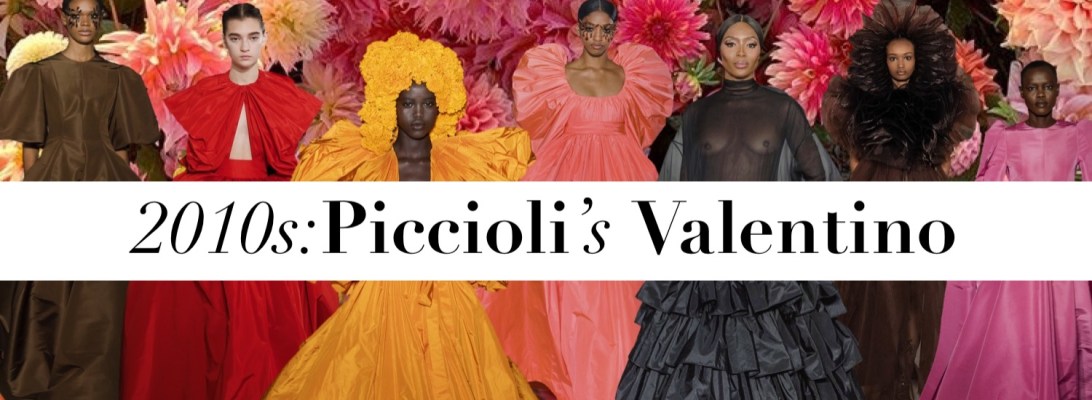
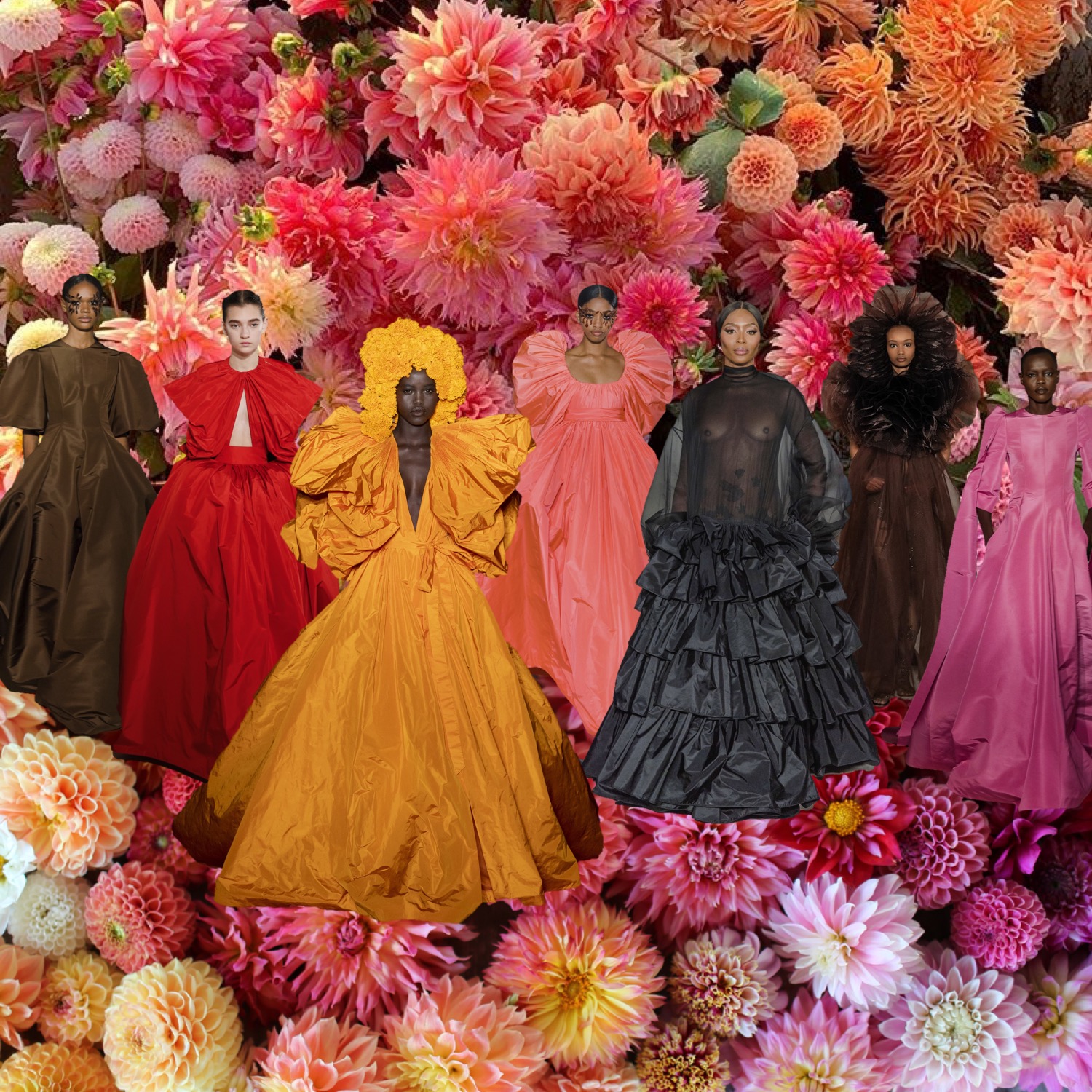
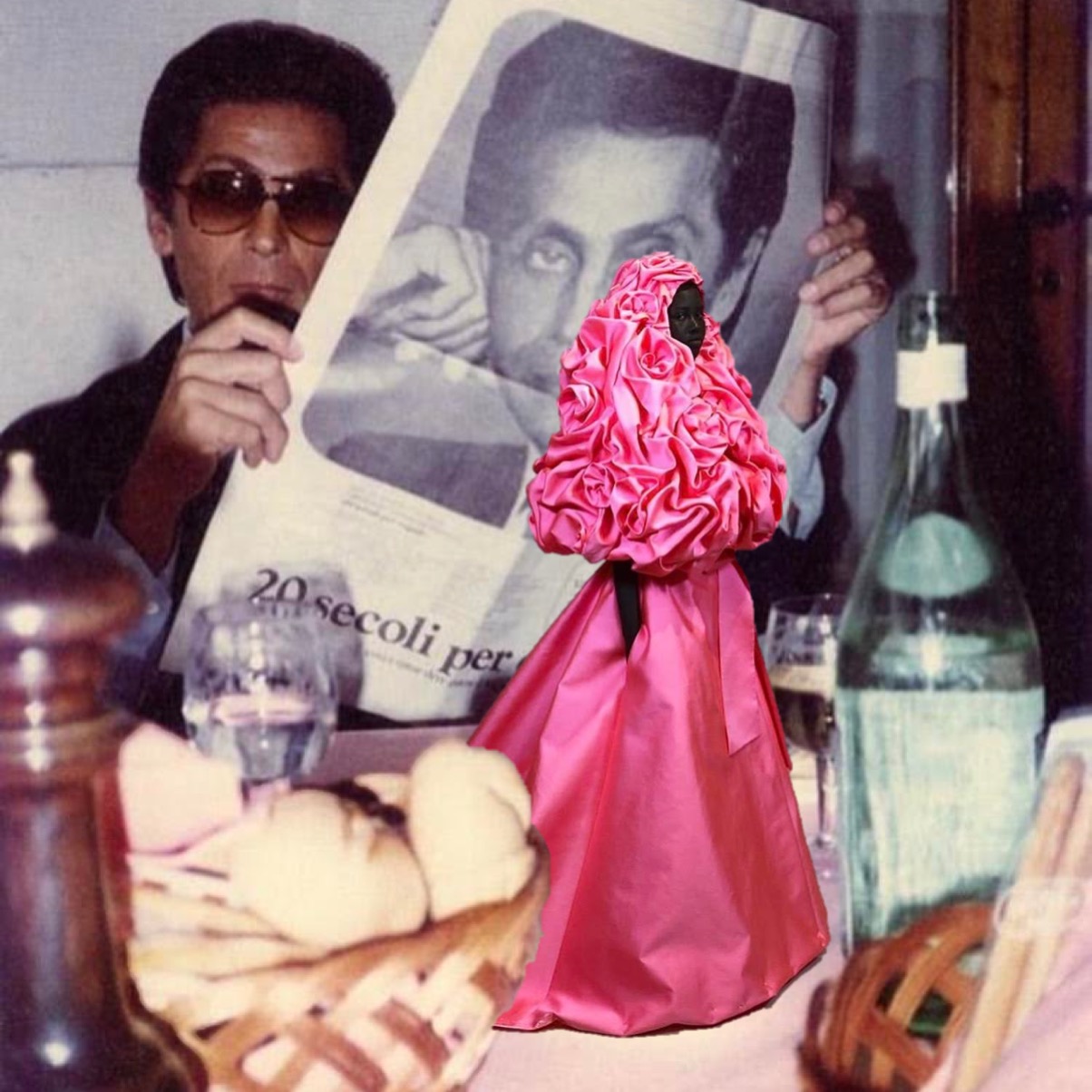
Pierpaolo Piccioli’s couture for Valentino is the only couture that really mattered in the last couple of years. No crazy venues that attempt to distract you from noticing how plain the collection is. Just pure, joyous, glorious haute couture that enchants and truly impresses. And makes Celine Dion cry. The spring-summer 2019 collection was a triumph of audacious colour, beauty and glamour. But also, it was a major model casting breakthrough, with completely diverse models that made the garments even more exquisite. The designer embraced black beauty, having Adut Akech open the show (in a brilliant, pink ensemble) and Naomi Campbell close (in a gown made out of translucent organza in the shade of Chocolate Dahlia). There was Liya Kebede, there was Lineisy Montero, there was Ugbad Abdi. Runway icons, veterans, and newcomers. The entire scene looked like a fairy-tale… that really took place. This couture collection showed to what extent colour is crucial for Pierpaolo, especially in terms of his haute fashion. “You don’t invent beauty, but you can invent new harmonies for colour”, the maestro said backstage. Just read the following: a coral coat worn with a chocolate crepe blouse and emerald gabardine pants. Lilac serape topped a pair of orange pants. Turquoise lace and tangerine silk faille. Green sequins. Pale mauve. Matisse blue. All that worked with voluminous ball gowns that took hundreds of hours to create at Valentino atelier in Rome. A season later, with a 5-star line-up of models including the great Lauren Hutton, each singular silhouette that came down the Valentino runway added more and more meaning to a show that celebrated the opulence of diversity through a “gathering of individuals“, as colours, shapes, headpieces, flowers and fringes came together in one stunning presentation of fashion design and its finest. Piccioli again made you feel ecstatic with his vision of couture. From the yellow tiered wool yarn fringing and Hmong/Miao tribe-inspired headpieces to cartoonish leopard prints and Matisse cut-outs in acid colours, this show was spectacular. The cut, the plumage details, those subtle Yves Saint Laurent references, the out-of-this-world craftsmanship, the magnificience… this collection is so deep in its beauty that it truly touches your soul. Unquestionably, Piccioli is a couturier of Garavani’s heights. And it’s a blessing for today’s fashion to experience his genius. On to 2020s!
Spring-summer 2019 haute couture
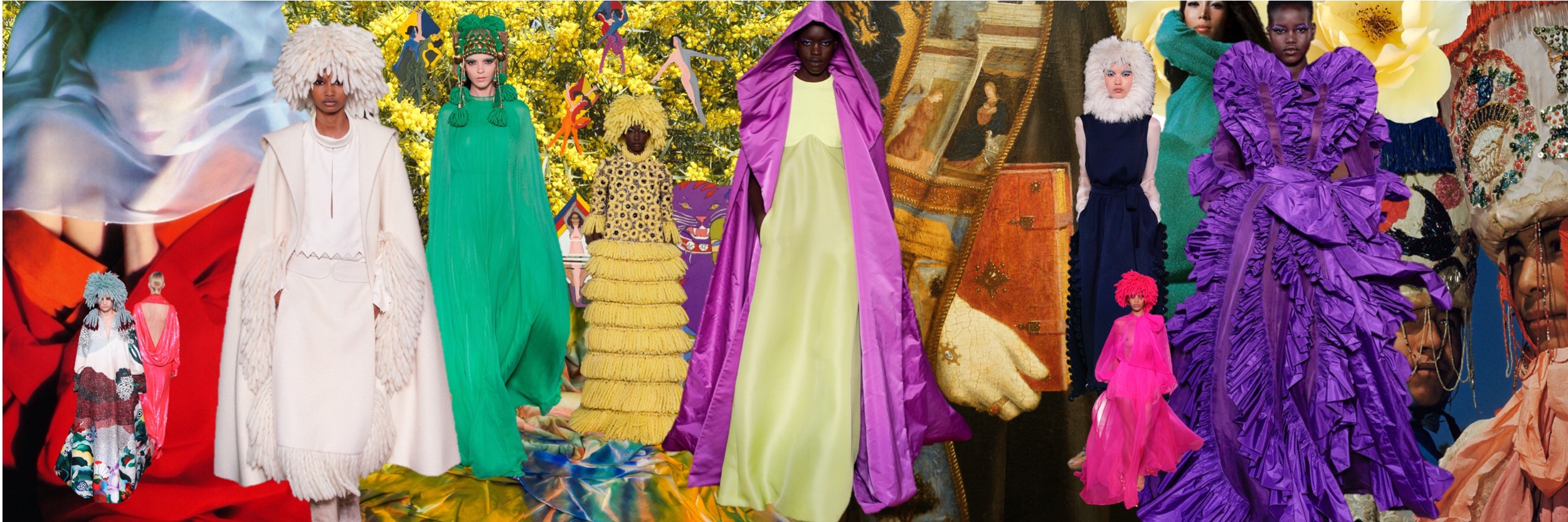
Autumn-winter 2019 haute couture

Spring-summer 2019 haute couture
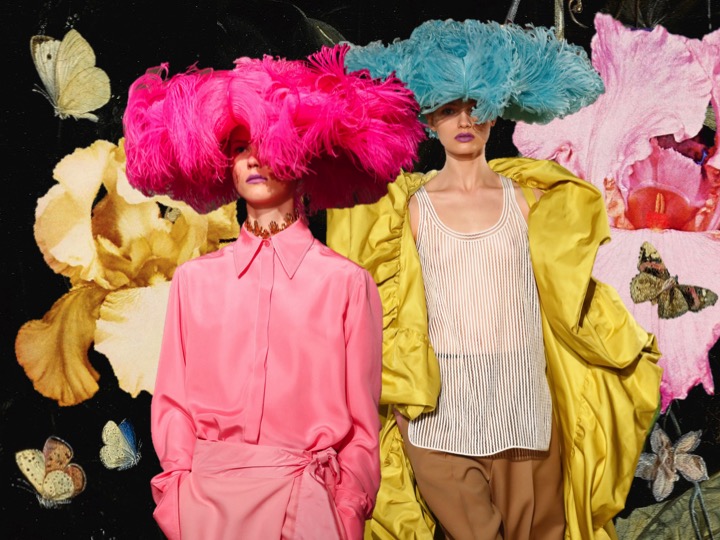
Spring-summer 2018 haute couture
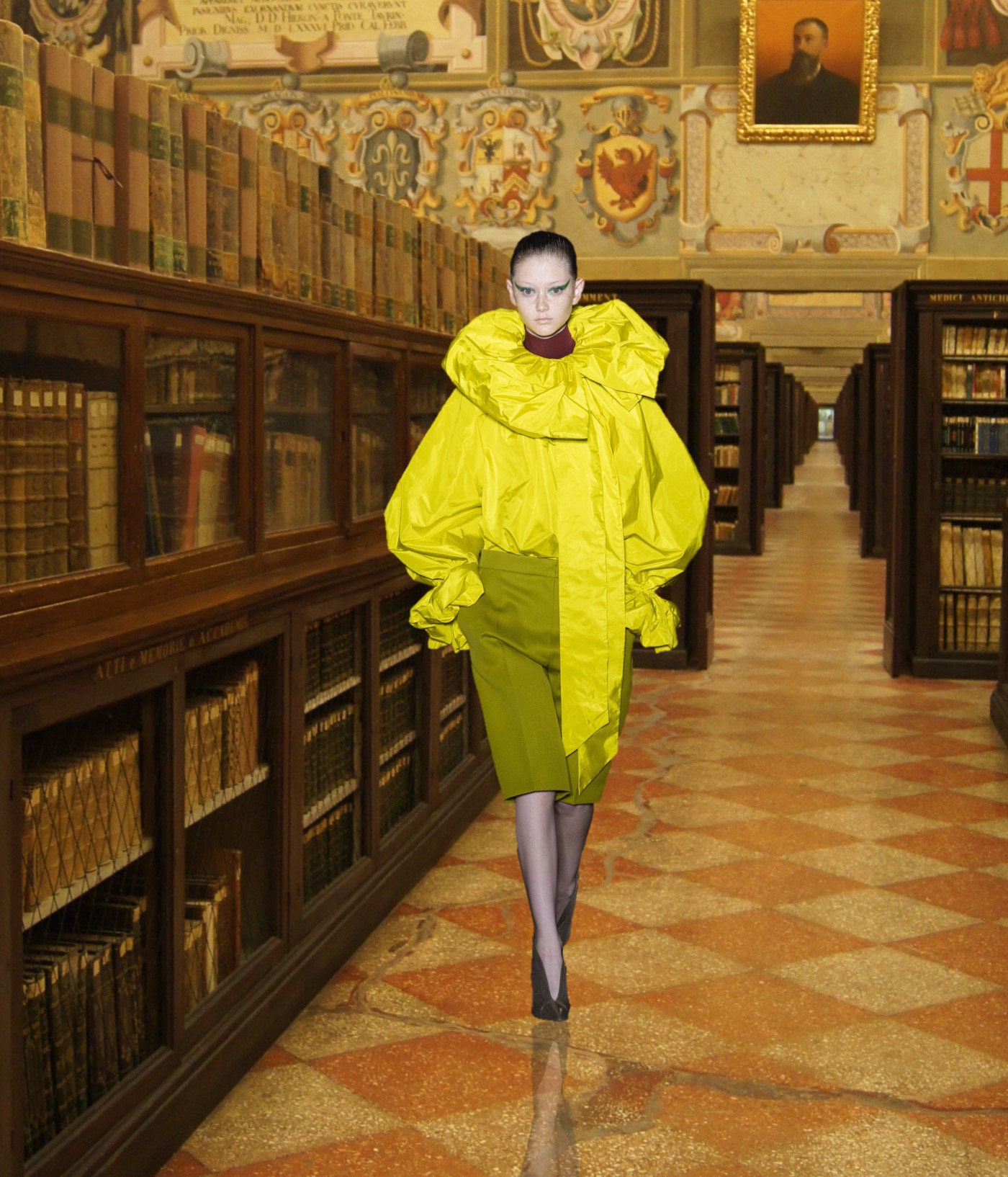
Autumn-winter 2018 haute couture.

/

All collages by Edward Kanarecki.
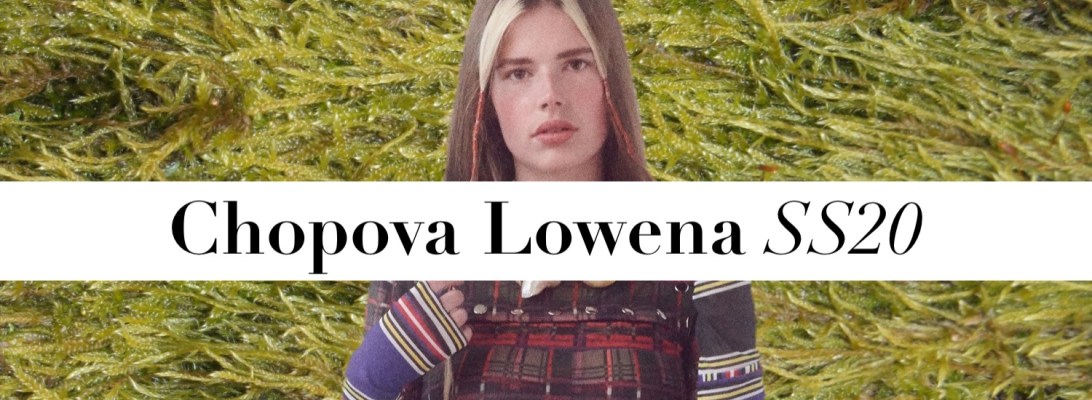
Cool Folk. Chopova Lowena SS20

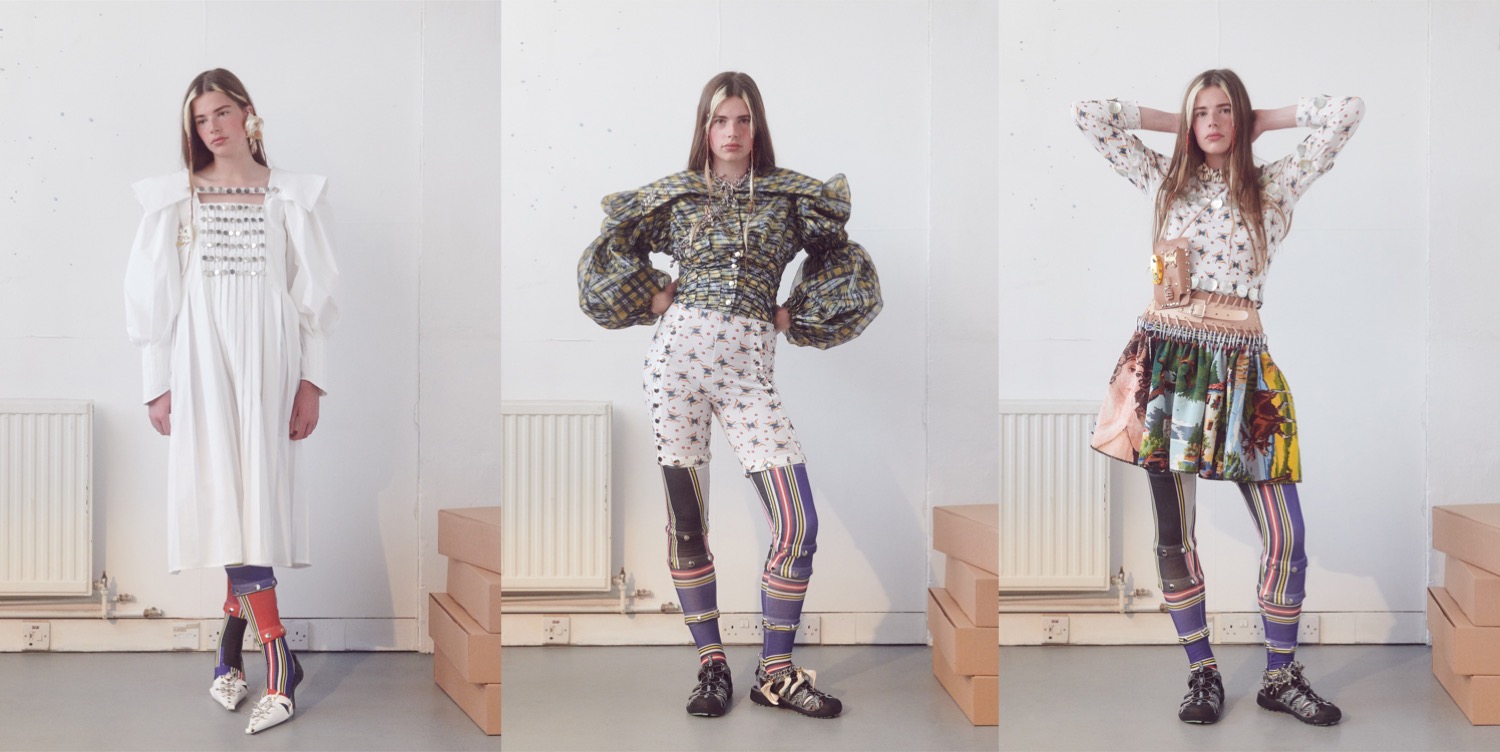
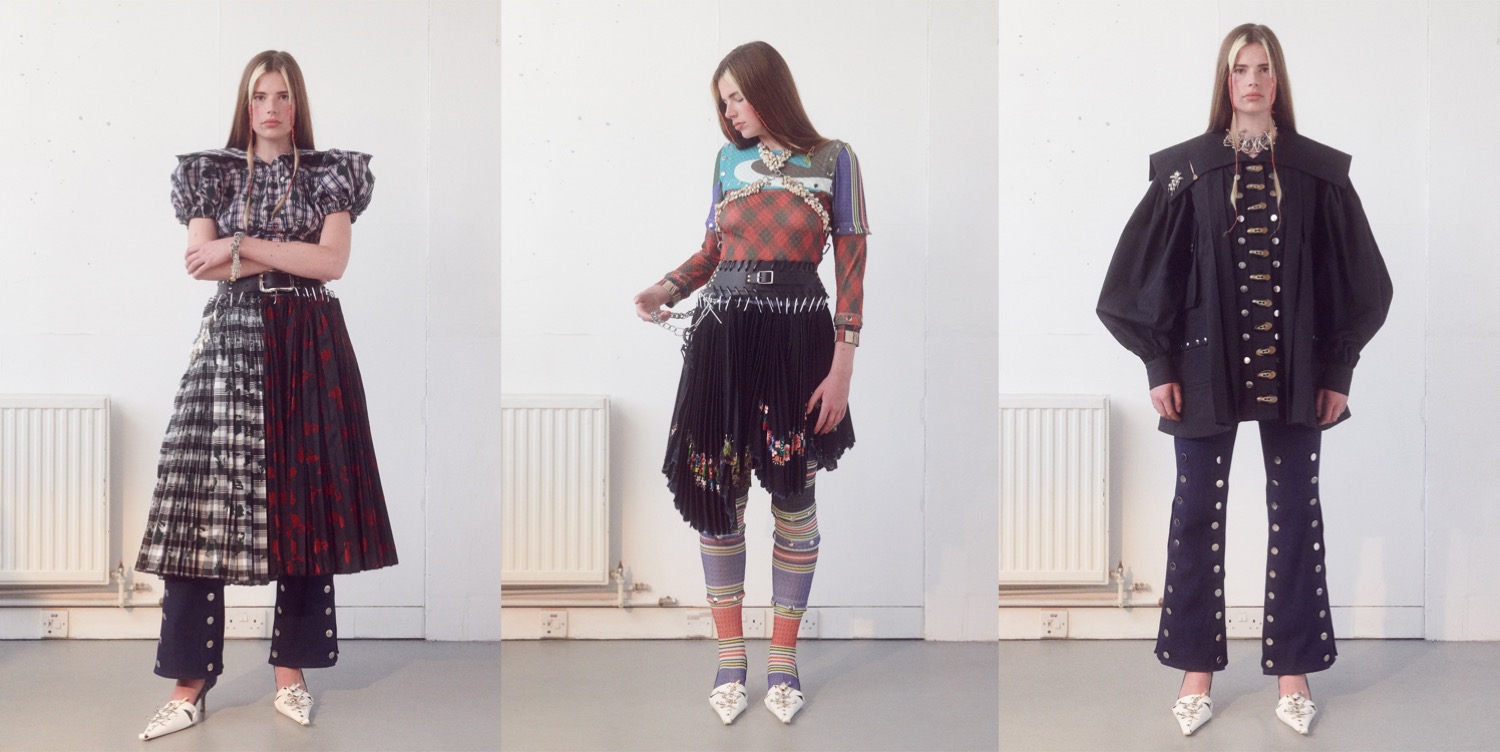
Chopova Lowena is currently one of the most fascinating, emerging labels from London. Emma Chopova and Laura Lowena‘s Central Saint Martins MA graduate collection began with them looking at Bulgaria’s mountain dwellers, particularly the women, and the way they dressed. There, they found all the contrasting elements they felt so intrigued with, like intricate handmade folk costumes worn with secondhand western sneakers and sunglasses. Chopova Lowena is beloved for its juxtapositions, subtly combining modernity and nostalgia, luxury and kitsch, craftsmanship and humour. The same spirit of new and old, rare and mainstream, is reflected in their spring-summer 2020 lookbook. Skin-tight layers of tartan-checks printed mesh are paired with their signature Bulgarian pleats in wool and nylon (they sell out super fast and you’ve surely seen them gracing street style slideshows this fashion month). Big, punk-ish belts double as mini-skirts underneath delicate harnesses made from metal hardware. The folky, peasant dresses and blouses with theatrical sleeves are another highlights. Chopova Lowena has an anthropological approach to design, observing traditional customs and revisiting them through a contemporary lens – often through collaborating with craftsmen in small Eastern European and English communities.

Collage by Edward Kanarecki.
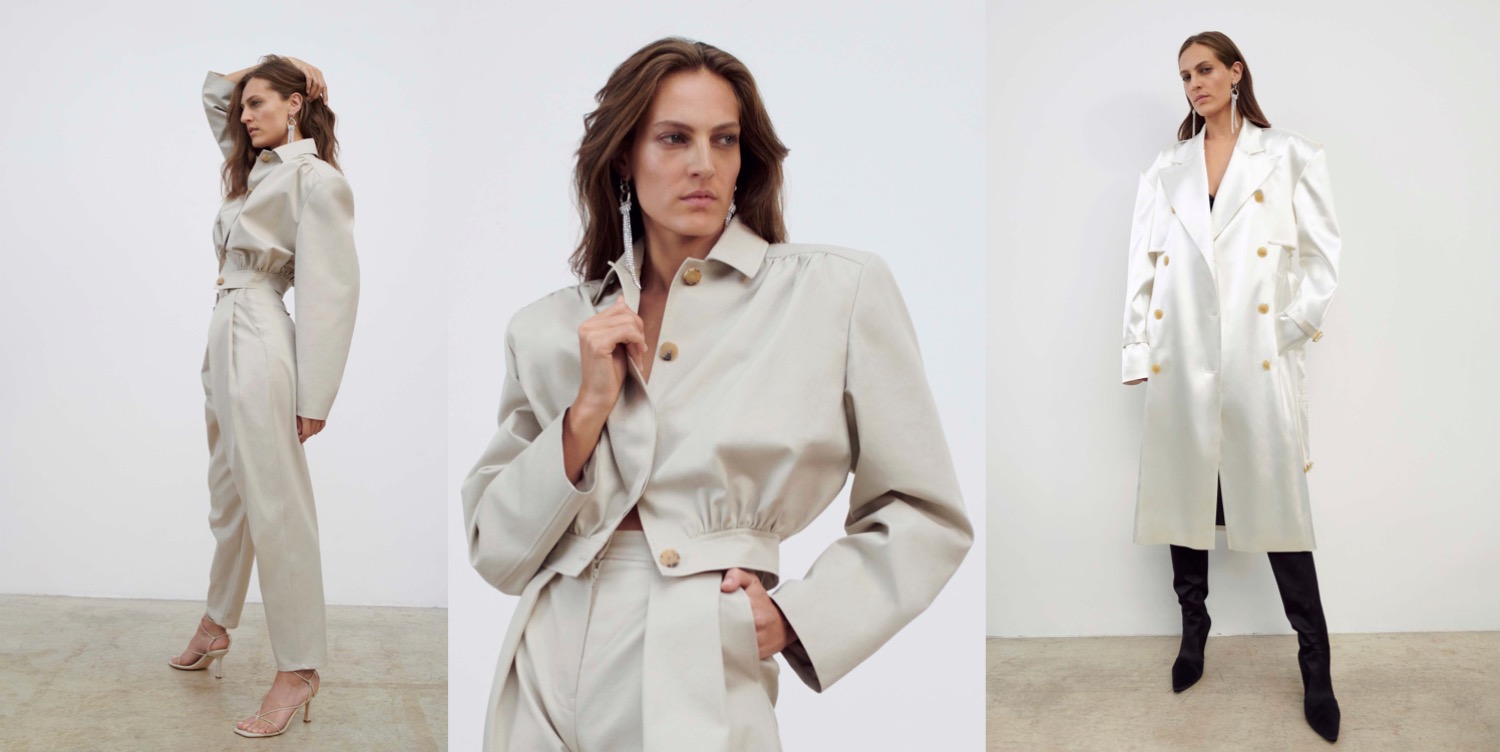
Generations. Commission SS20

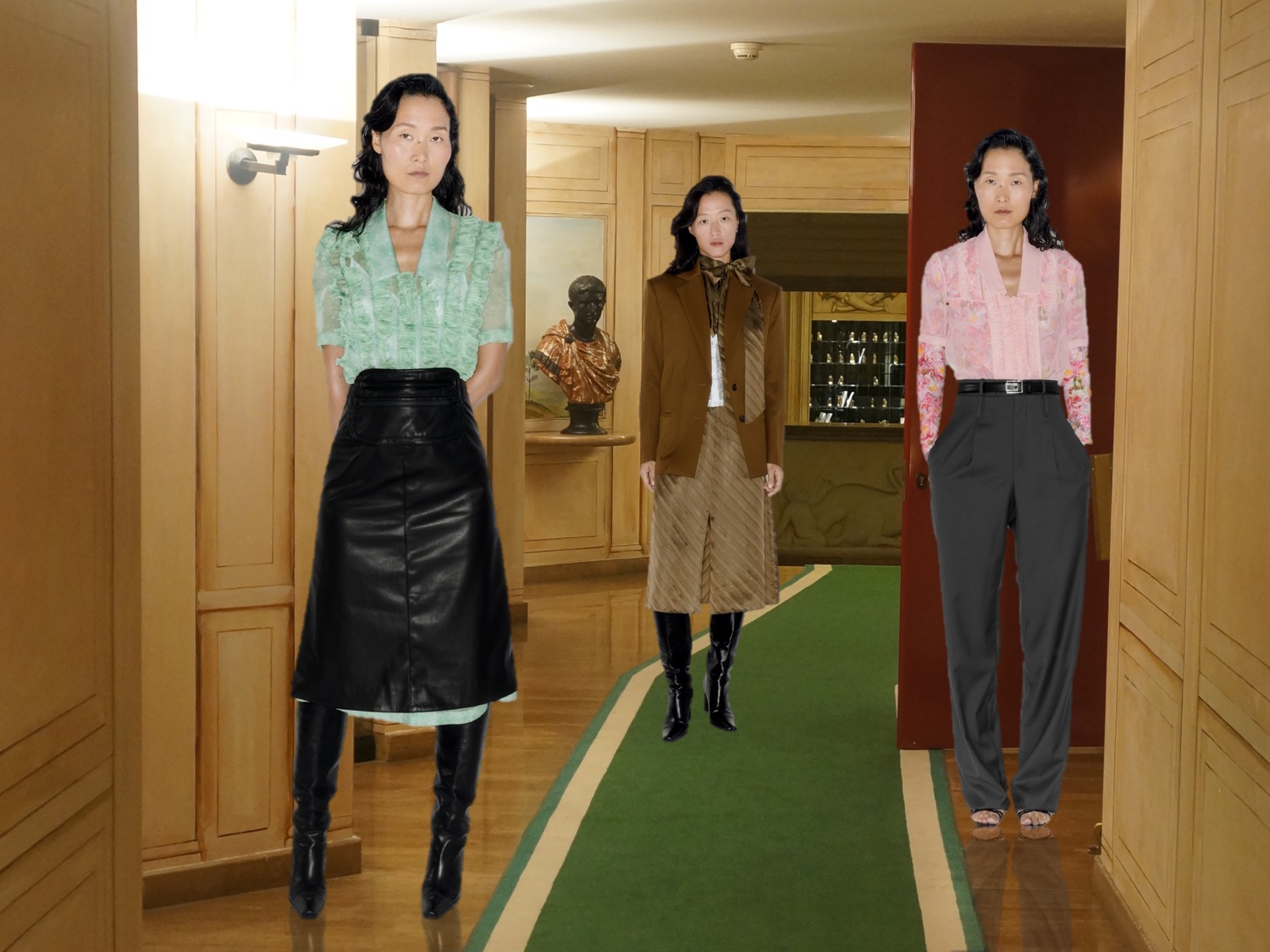
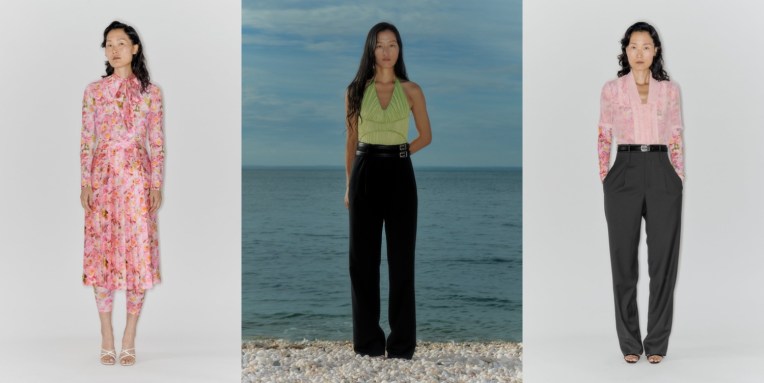
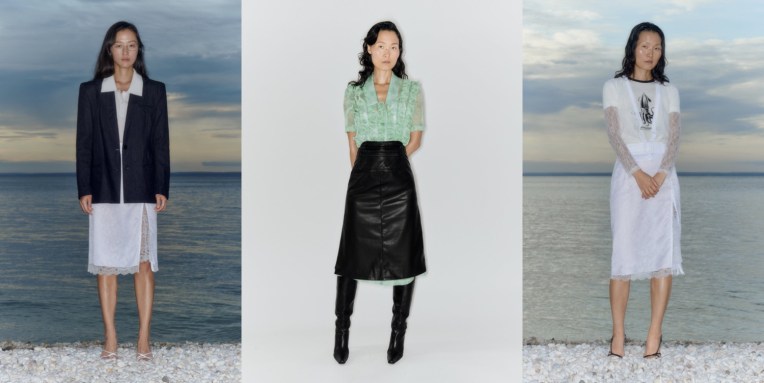
Meet Commission, a brand that you’ve got to have on your radar right now. The New York-based co-founders Huy Luong, Dylan Cao and Jin Kay set out to redefine their Asian heritage using Western style codes. Their third season – spring-summer 2020 collection – is a modern reinterpretation of what their mothers wore to work in the ‘80s – think boxy shirts, tailored jackets and retro prints. When Kay, Cao and Luong met a few years ago, they were all getting different commissions for work at various brands. When the three found that they shared a visual language, they decided to commission their own work. “It was time to commission something for ourselves,” said Luong. “For our culture.” And so they created Commission, a label that wins hearts with sophisticated, yet unpretentious clothing born of the 1980s and ’90s nostalgia. Kay grew up in Korea, while Cao and Luong hail from Vietnam. As Cao tells Paper, “we’re first-generation immigrants to the US. So around the time that we started there was this conversation we wanted to have, about Asian, especially East Asian, culture and representation in the visual world, and especially in the fashion industry. And for a long time we found it really limiting, and really literal.” When looking at family photos, all three designers realized that their mothers styled themselves in a similar manner to go to work in the late ’80s and early ’90s, dressing with the same “visual code,” as Cao put it. “The ’80s and ’90s, that’s sort of a period when not a lot of people talk about Asia, because there’s less to romanticize” he continued. “By then there were a lot of Western influences in the way people dressed in Asia. Growing up we’d see our parents go to work and tweak the Western-style codes in their own way. And just looking at our moms and the way they dressed – the big suits, the shoulder pads, the pants – but adding their own personal flares to the way they styled the clothes, that’s what kind of connected us.”  Commission’s spring-summer 2020 line-up’s highlights? To be honest, I love everything, from the refined tailoring to the ‘ugly chic’ colour palette. To discover more, check out their site.

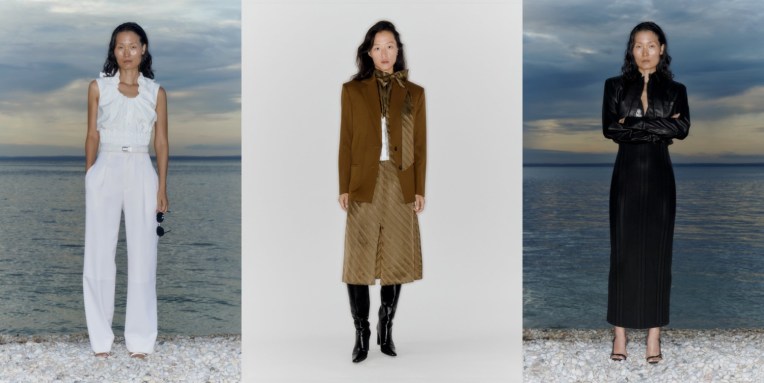
vvccbbnnmm

Collage by Edward Kanarecki.
The Look – Dries Van Noten SS20

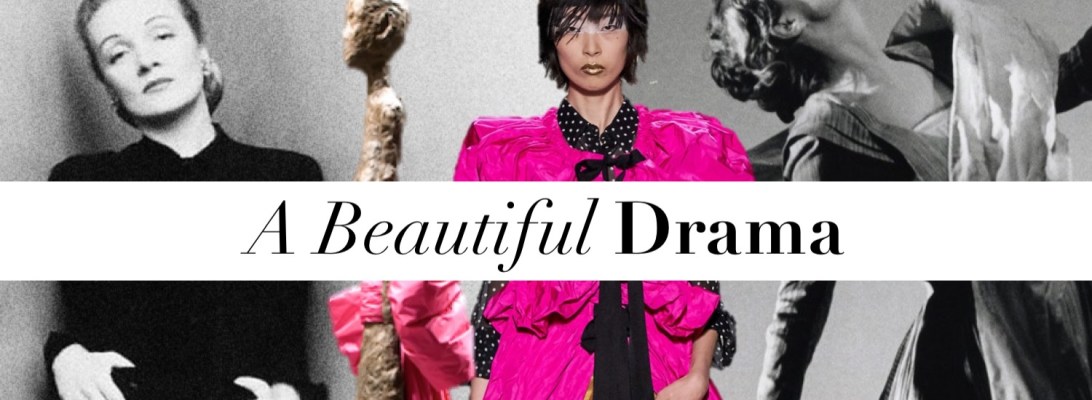
The remarkable Dries Van Noten & Christian Lacroix collection for spring-summer 2020 is still on my mind. It was a true fashion fairy-tale that you never thought would happen (or even expect to happen!). One of the most spectacular looks? The fuchsia parachute dress worn non-chalantly over a polka-dots shirt and brocade shorts. Here, it’s remixed with John Baldessari’s take on Alberto Giacometti, Marlene Dietrich photographed by Irving Penn and Isabelle Huppert as Orlando at the Théâtre Vidy-Lausanne in 1993.

Collage by Edward Kanarecki.

Slavic Romance. Magda Butrym SS20

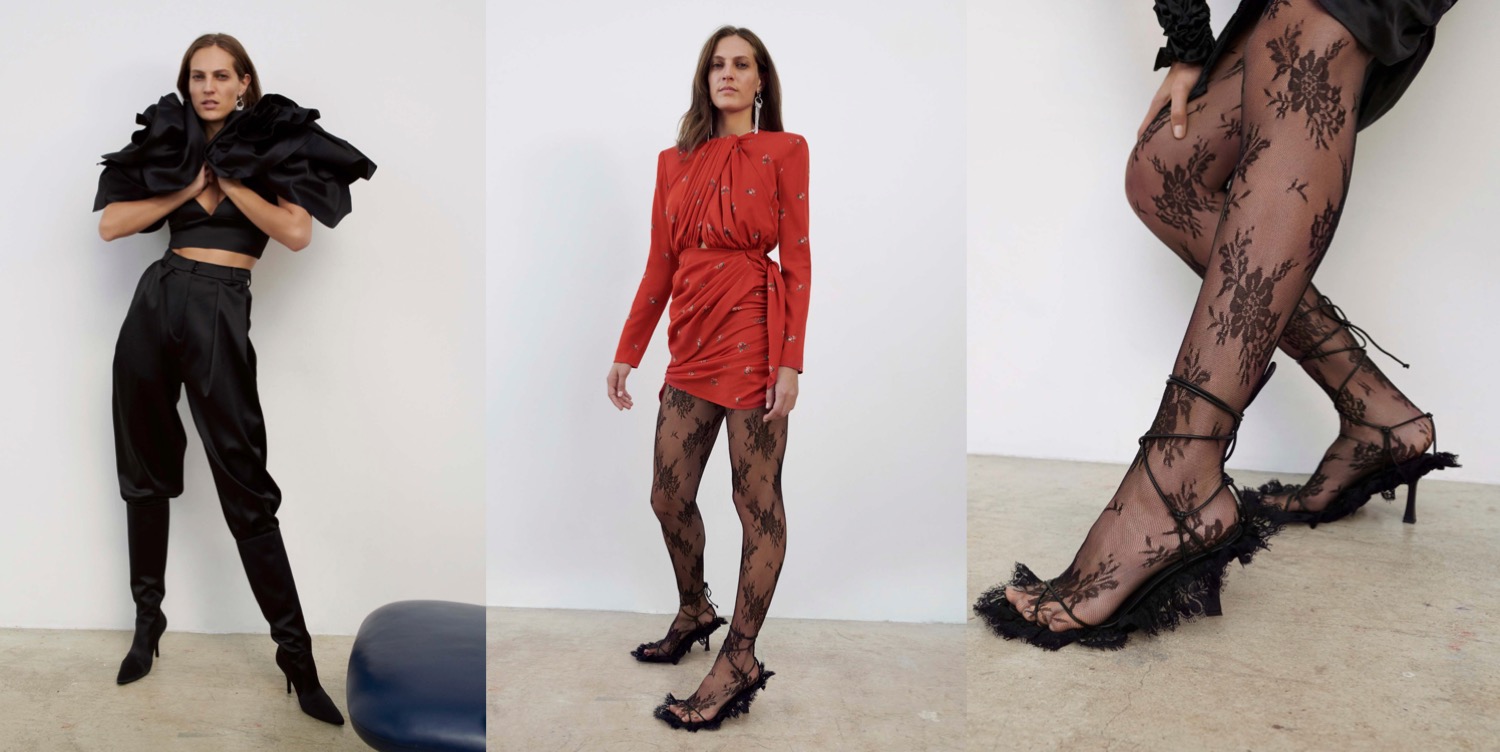
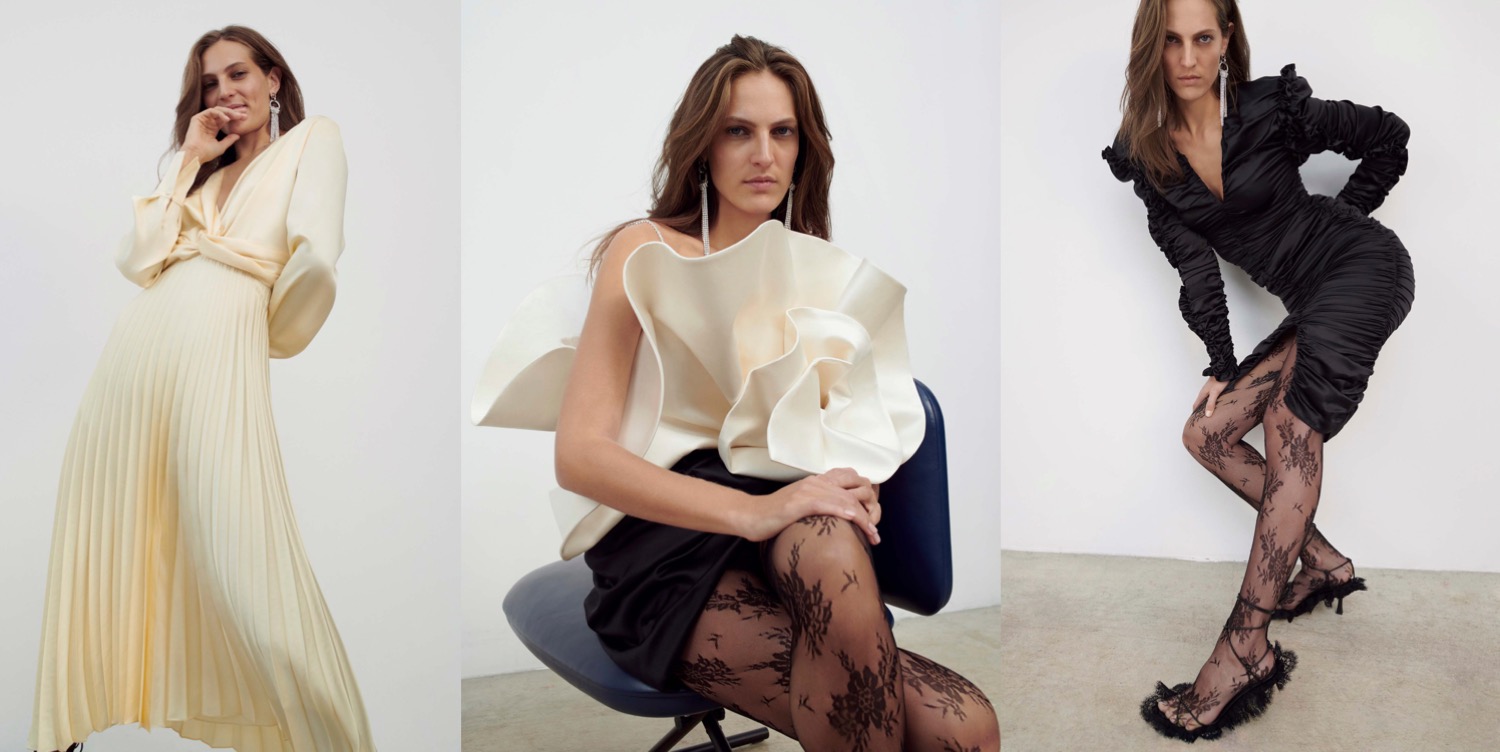
For spring-summer 2020, Magda Butrym does her thing in the best possible way. The Polish designer looks at the East through her own, idiosyncratic perspective, creating the modern-day “Slavic romance” – even suited for a client who not necessarily has much to do with the region. Her signature, sharp-shouldered silhouettes beautifully define her mini dresses and vintage-y tailoring (just take a look at the masculine, silk coat in polished white to see the sharpness I’m talking about). Florals take center stage, either as reworked folk prints or an incredible 3-D sculptural bodice that stands away from the body to resemble a rose in full bloom. The pleated, long-sleeved dress in bold pink is equally appealing. Butrym’s love for folk is never too literal in her work, but the previously mentioned Slavic romance she manages to incorporate in her fashion is always charming and heart-warming (especially for Poles like me who really wish Polish labels embraced its local heritage – without falling into folklore clichées, of course).

Collage by Edward Kanarecki.