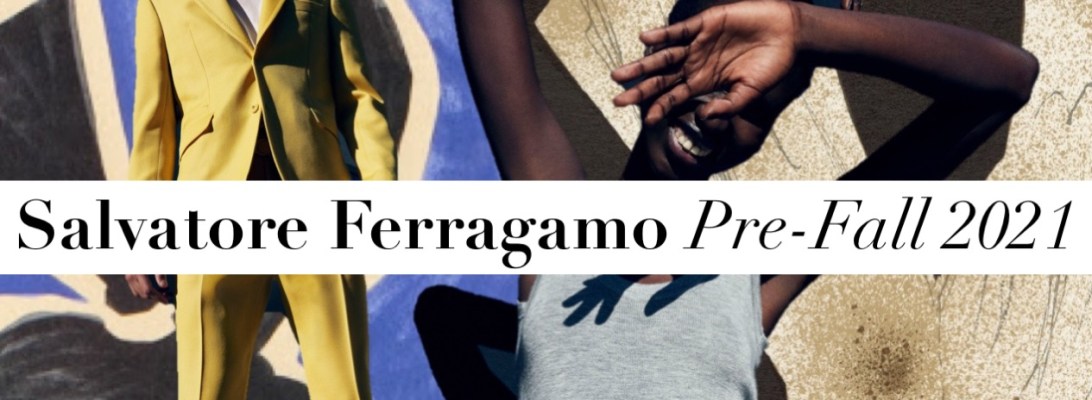
Balancing Act. Salvatore Ferragamo Pre-Fall 2021

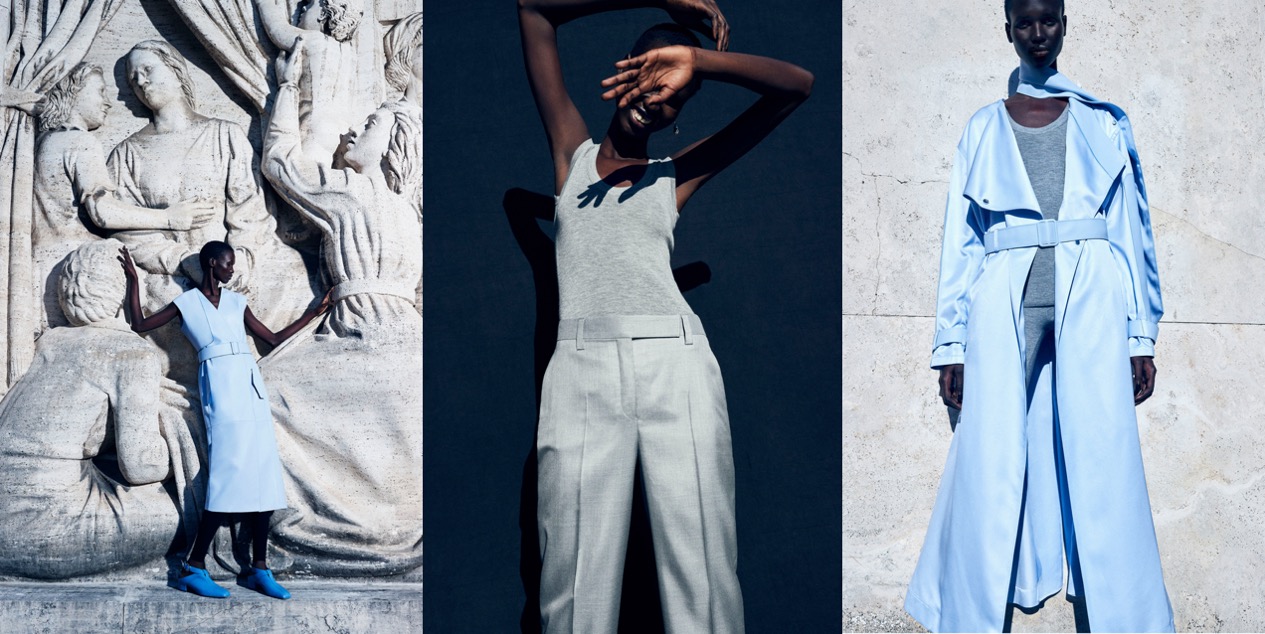
Pre-fall 2021 collections are gradually popping up (yes, the industry still wants you to think about next year’s autumn in this year’s winter). Paul Andrew likes to put things in context; he has so far used films and historical locations to frame his fashion narrative. In keeping with that practice, he shot the Salvatore Ferragamo pre-fall lookbook in Florence at Manifattura Tabacchi, a former cigarette factory built in the modernist style of the 1940s, which was recently rescued from a state of disrepair to become Polimoda’s campus: “It’s a progressive, creative place full of life and enthusiasm, with lots of young people hanging around,” he told Vogue during a Zoom call from his Florentine studio. It proved an apt location to convey the collection’s feel. “I want to bring joy and beauty to this world.”Andrew isn’t alone in his desire for turning toward the positive; nor is he alone in the urge to contextualize collections within a larger frame. Social and cultural issues have become non-negotiable parameters for every fashion designer who wants his creative work to resonate with a broader audience. Customers more than ever buy into conscious creativity – ethical, responsible, value-driven. Andrew is playing his part, steering Ferragamo into sustainable territory and keeping his commitment to responsible practices – reducing waste by choosing deadstock leathers; using recycled nylons and certified natural fibers; editing collections with a tighter focus. Doing less but better has become his mantra, a belief that has him embracing a timeless, nondisposable aesthetic. Collections are built around high-quality investment pieces that have longevity and durability, while retaining a strong contemporary appeal. This pre-fall collection is a good example of his new approach. The chic purity of line and the slender construction Andrew favors looked timeless indeed; what made the offering distinctive was its focus on tactile leather dressing offered in many variations, highlighting the artisanal expertise of the Florentine house. Shapes and silhouettes for both the men’s and women’s lines conveyed a feel of ease and comfort, while retaining their sophistication. He didn’t shy away from the occasional statement piece either. Ample A-line and wrap dresses featured adjustable matching belts or scarves, changing them into more form-fitting shapes; slender tunics and elegant shirtdresses were often worn over matching trousers or lightweight cashmere leggings. A leather circle skirt patchworked in a bold geometric archival motif added a decorative flavor, as did the contrasting hand-painted edgings on a softly architectural nappa coat dress. “I’m really thinking of what customers will want and desire after this COVID nightmare will be over,” he mused. “We’re keeping our fingers crossed that they’ll be back in stores and eager to be dressed up and to buy and invest in fashion. But they’re not going back to the old ways.” Things have to be shaken up and changed, then. “My feeling is that people will continue to be more casual, after months at home Zooming in their pajamas I’m not sure they’ll be suddenly dying to be in form-fitting garments again,” he said. “So it’s a balancing act. Whatever you do, there must be some casualness and ease combined with high-values and sophistication, refinement, beauty. But mostly, it has to have a certain vibrance – and to bring joy.

Collage by Edward Kanarecki.

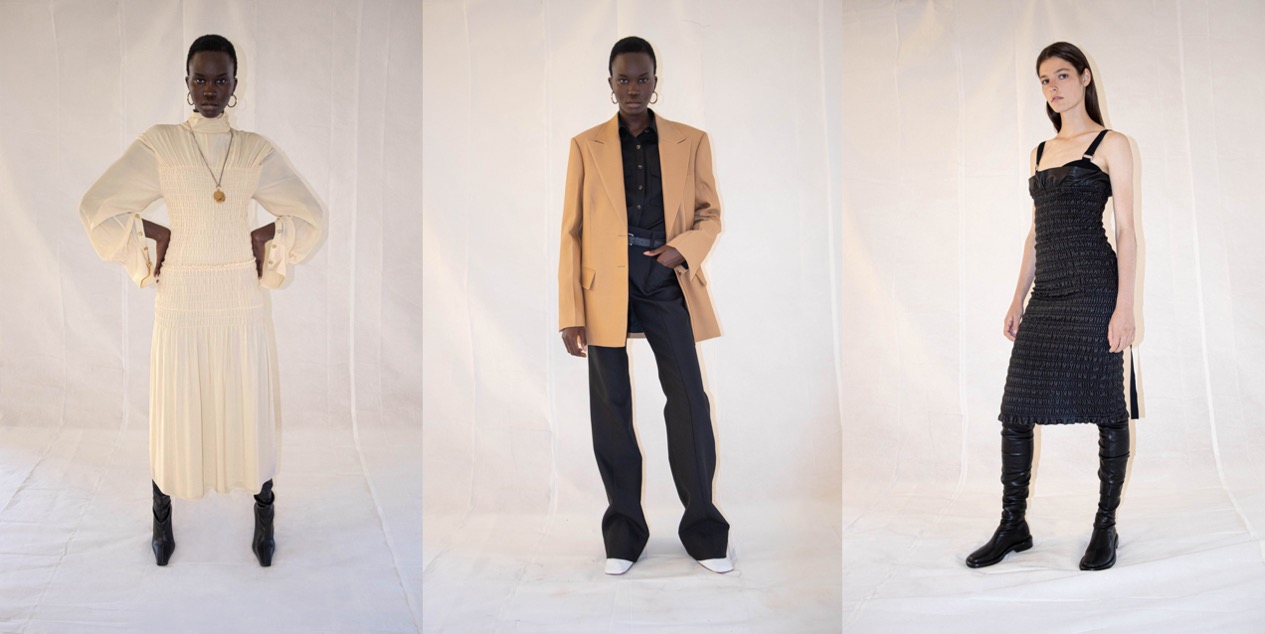
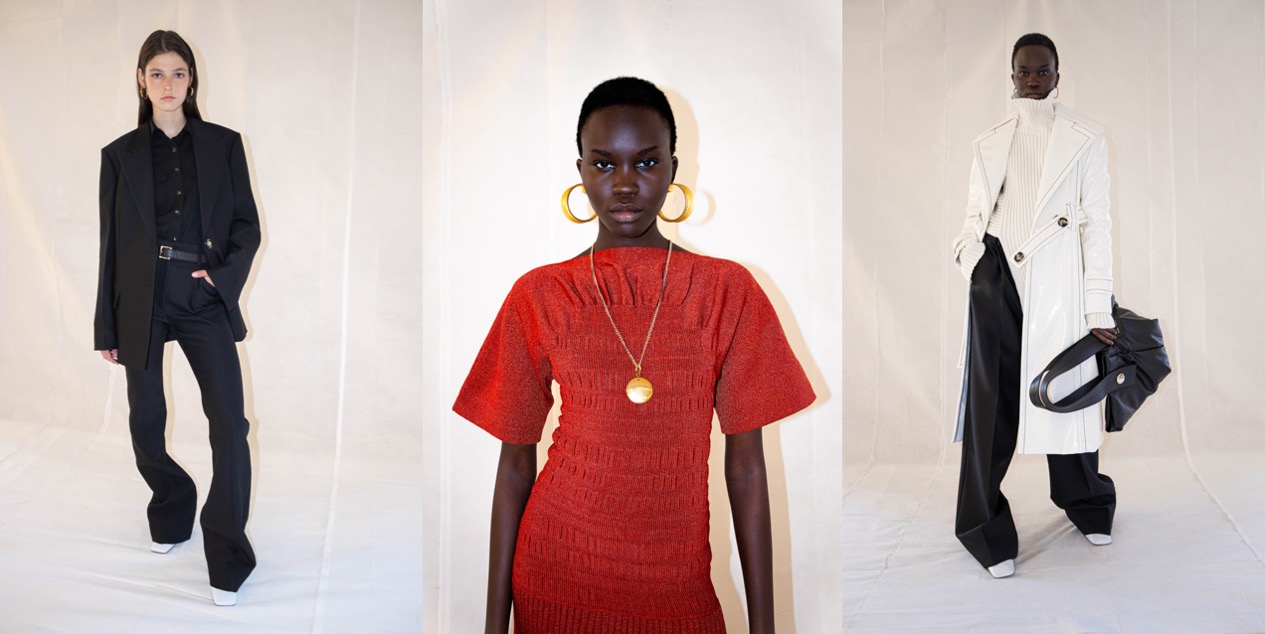
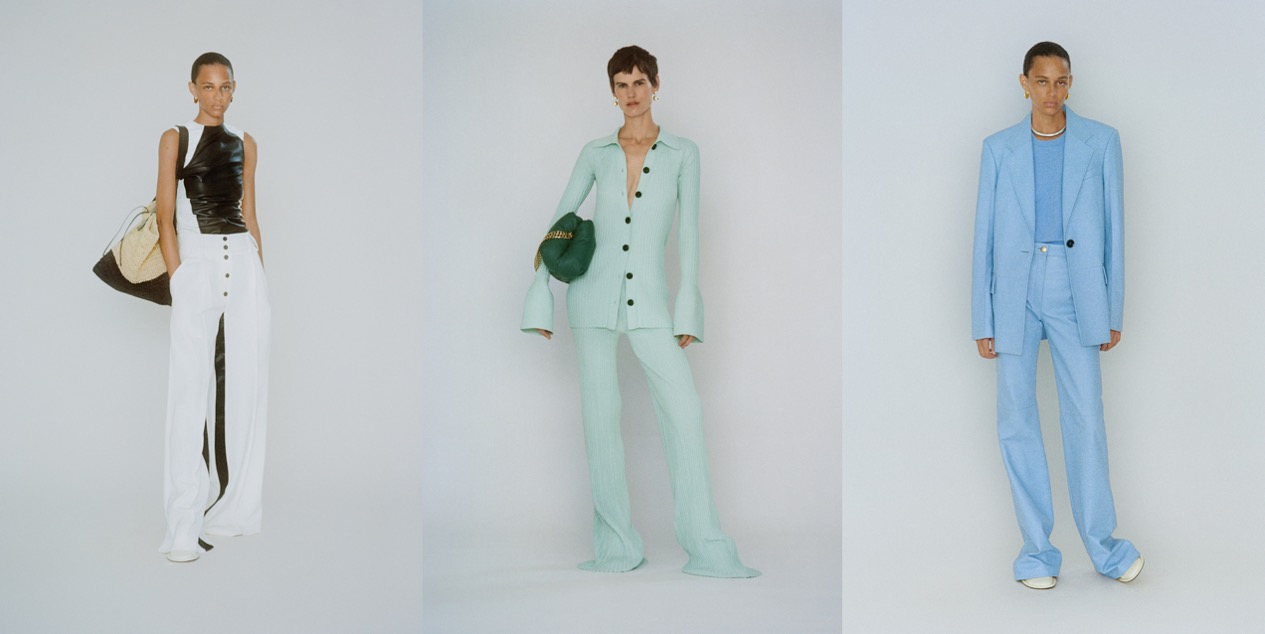
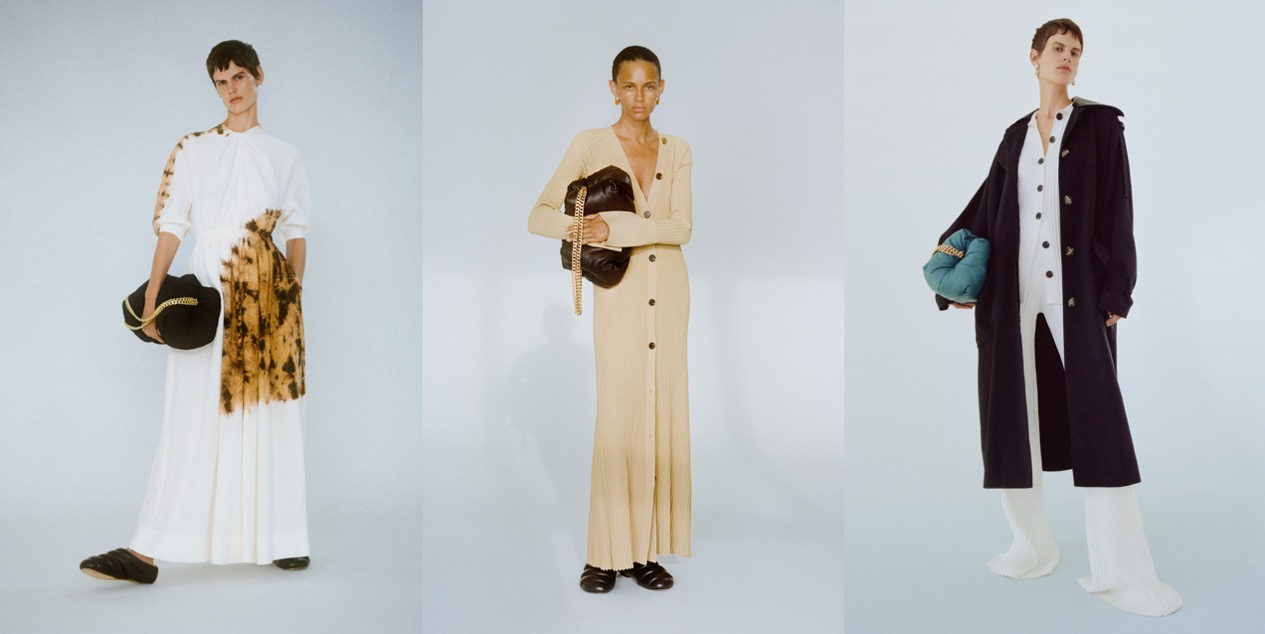
Sustainable Elegance. Proenza Schoulder Resort 2021

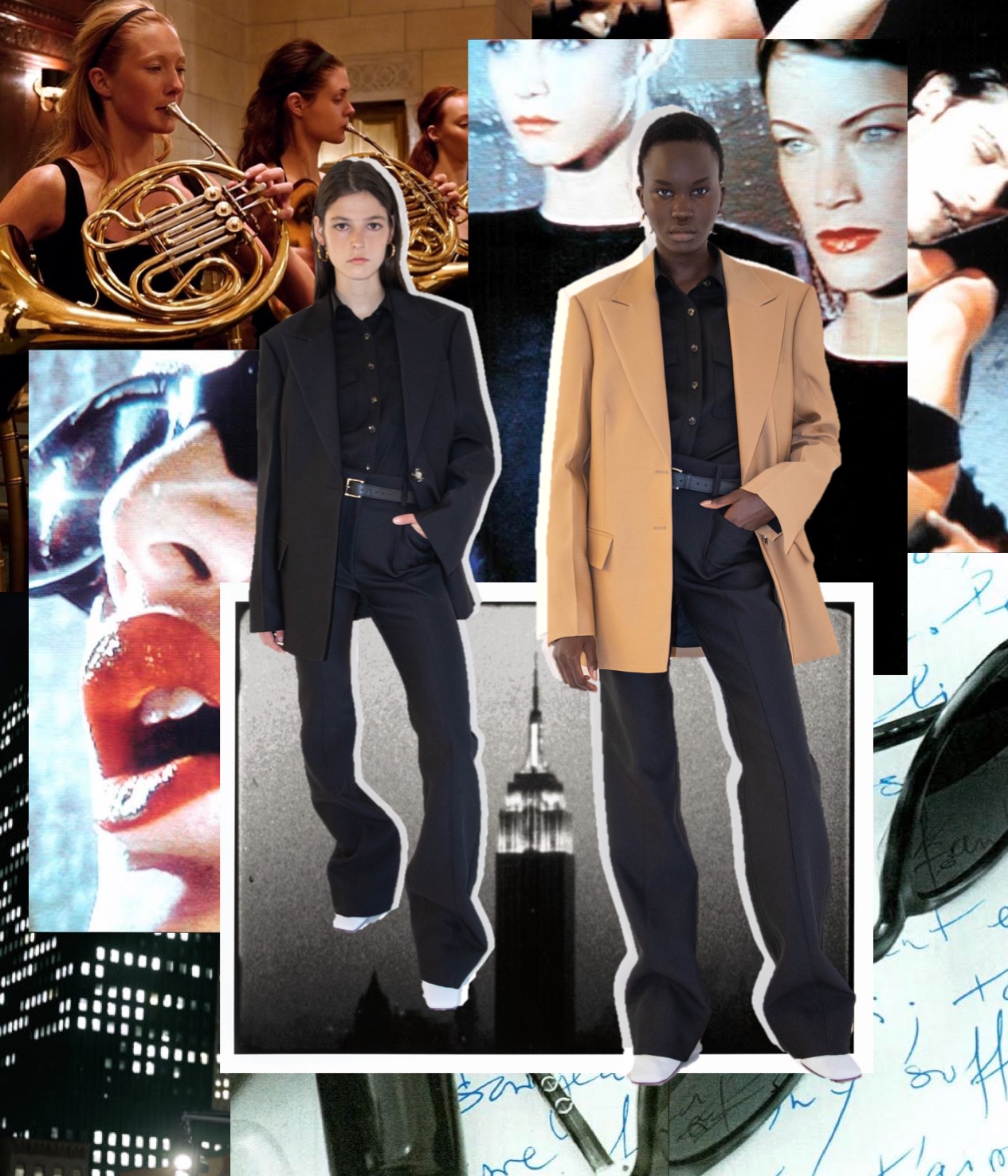
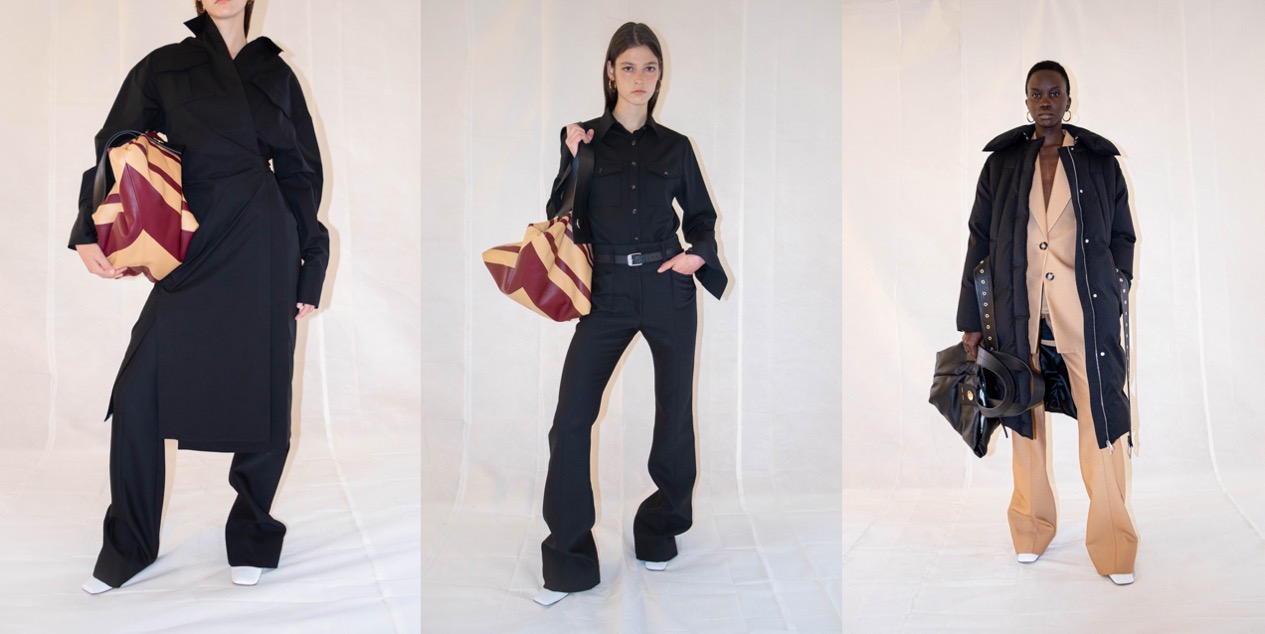
The whole crisis of 2020 appears to work well for some creatives. This sort of reset was really needed. Lazaro Hernandez and Jack McCollough of Proenza Schouler have released their spring-summer 2021 look-book not a while ago, and it was brilliant. Now, as the new season clothes are gradually arriving to stores, the boys dropped their resort 2021 line-up, which is equally great. It seems that the designers took a deep breath, reflected on their work from the last couple of seasons, and returned to Proenza Schouler’s core, but in a contemporary, thoughtful way. The resort collection is very much a product of lockdown time. The designers spent the early months of the pandemic talking business. The fashion industry was essentially at a standstill in that moment and the new normal had them reconsidering the issue of sustainability. “As a brand with a voice it’s our responsibility to address these things,” McCollough said. Over the years, they’ve amassed a huge archive of fabrics and they created parts of this pre-spring offering out of those deadstock materials. “It’s not a patchwork vibe, but it’s fabrics we’ve done before, and it’s been game changing,” said Hernandez. They’re also introducing a core offering with this collection that won’t be subject to markdowns, and hope to expand it to up to 30% of their business. “It’s relevant now, but it’s not going to be irrelevant six months from now,” Hernandez continued. “It’s a black sweater, wool suitings, nylon gabardines. So it’s sustainable also in that regard.” Browsing the lineup, it has a certain earthiness, but it hasn’t lost its cool. The palette is warm, and the smocking details feel crafty, almost homespun even on leather. As with the main collection, there’s an emphasis on easy-wearing knits. But all that is counterbalanced by minimal, ’90s-ish tailoring, which is elegant and chic.

Collage by Edward Kanarecki.
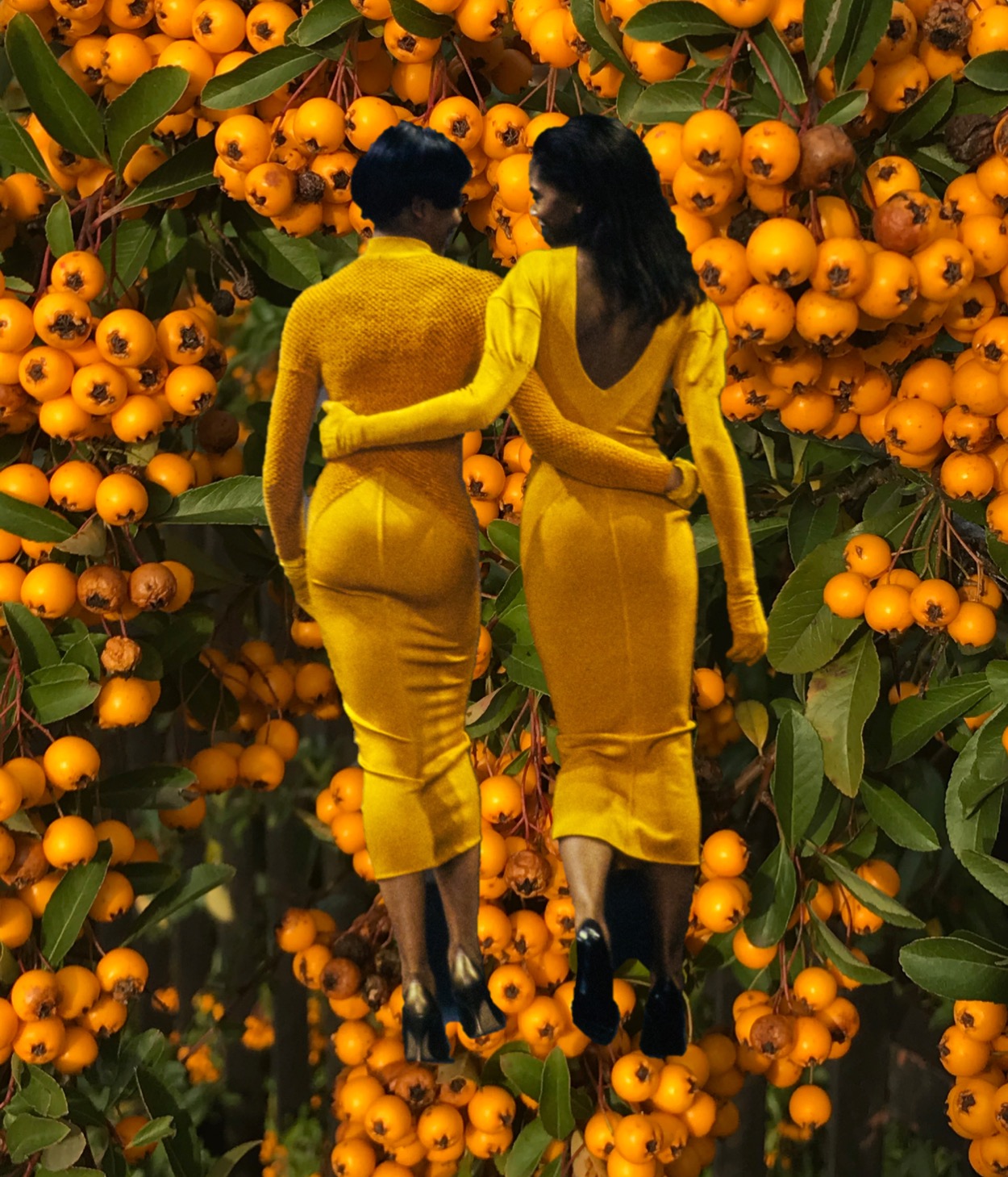
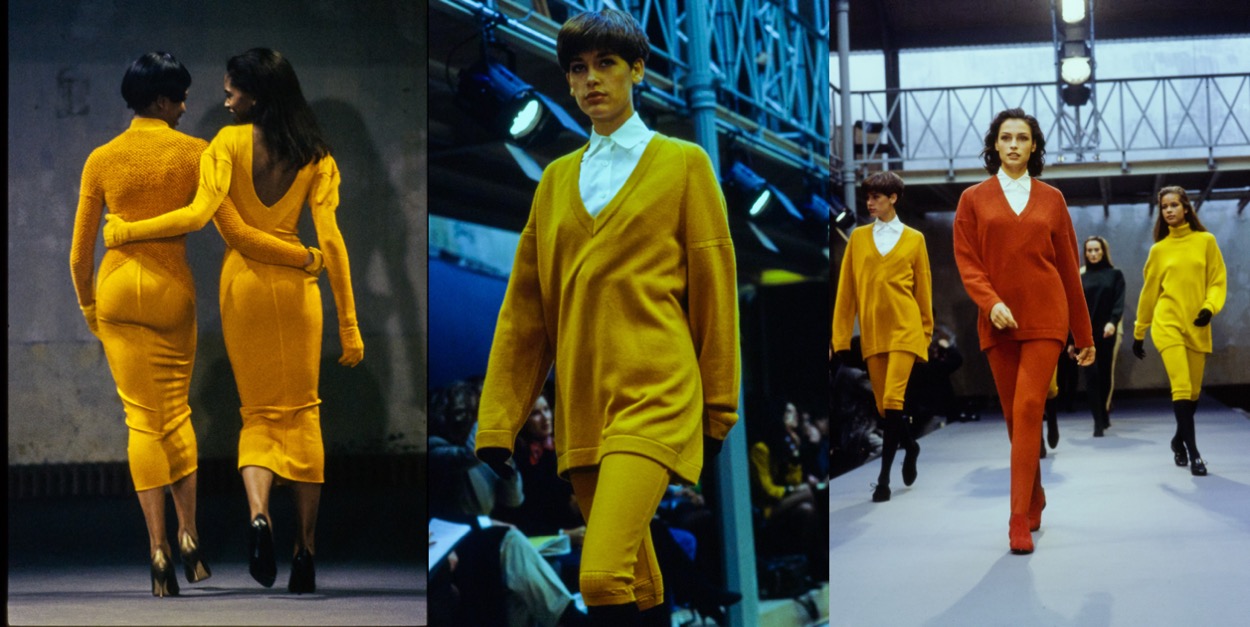
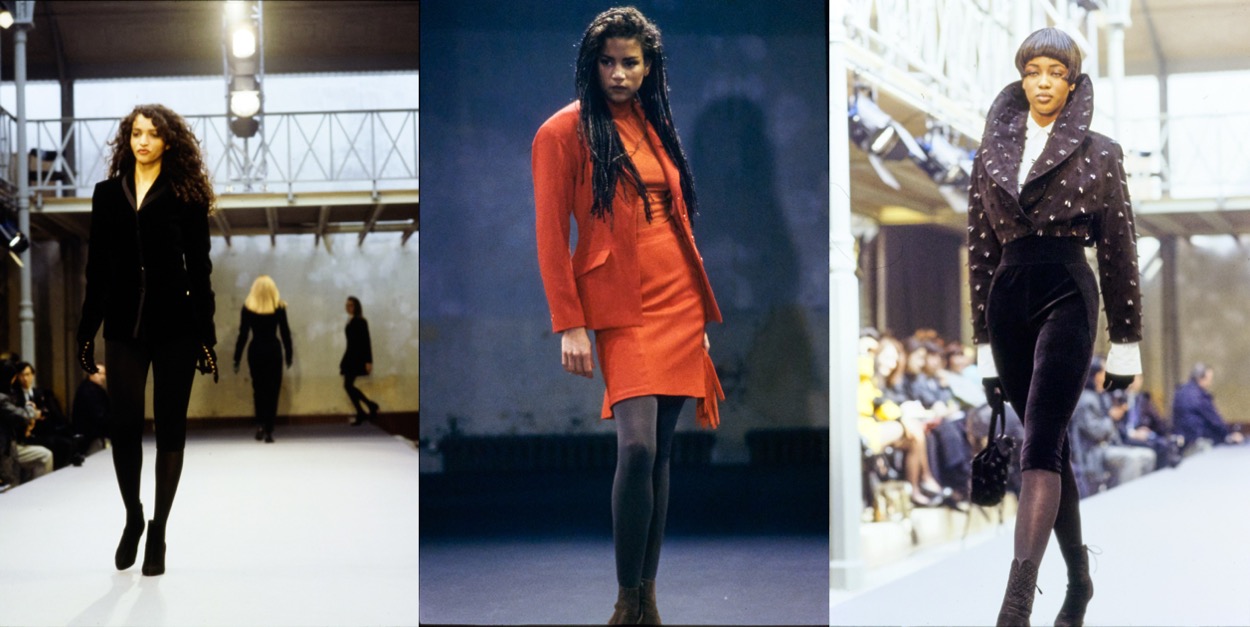
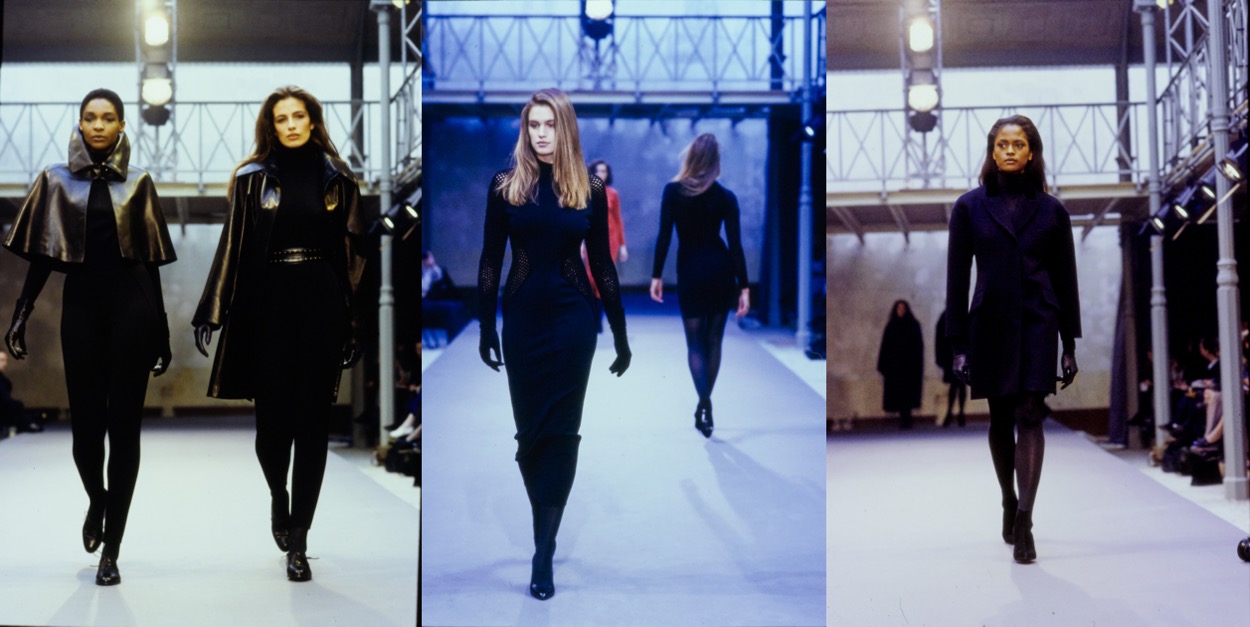
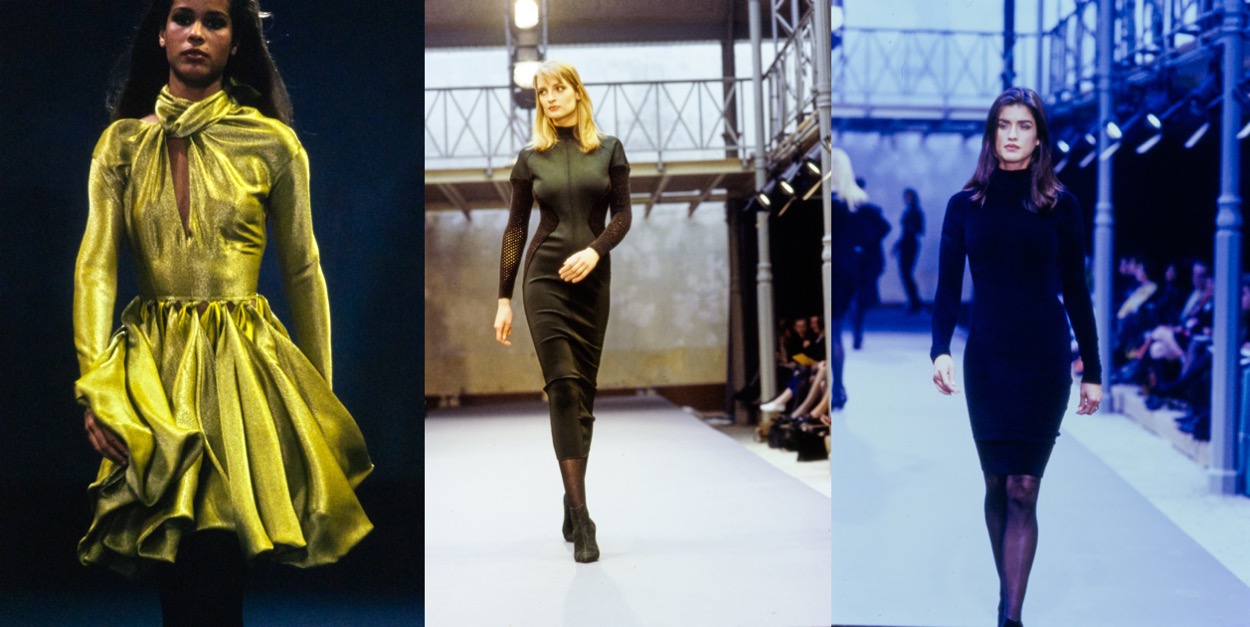
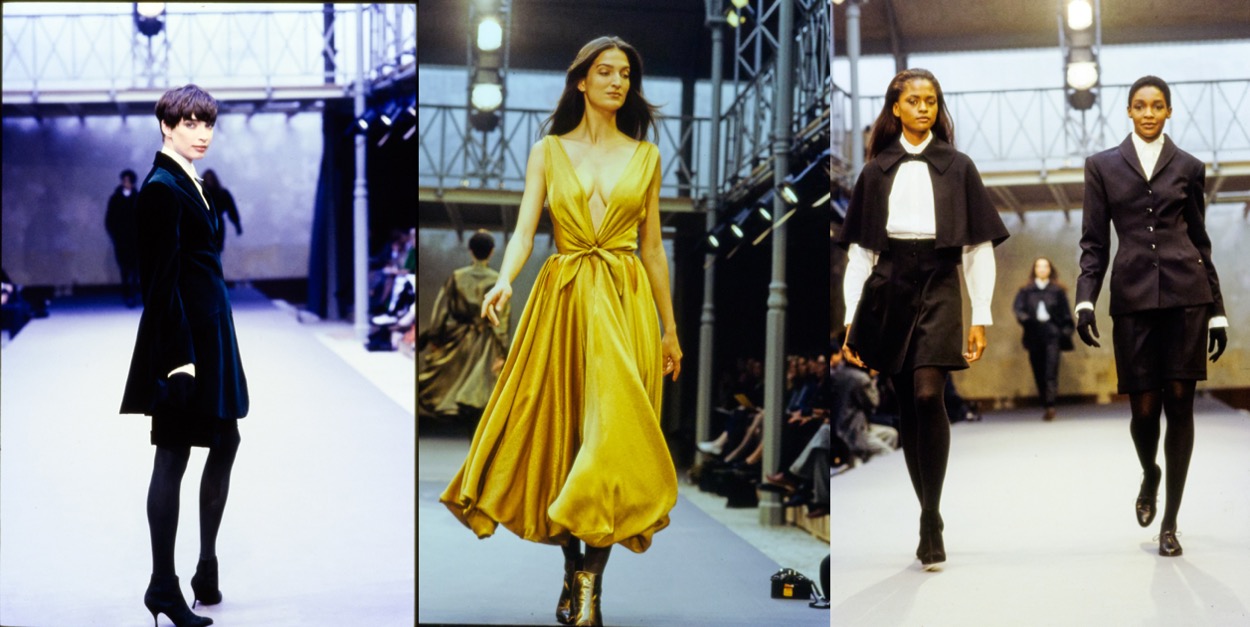
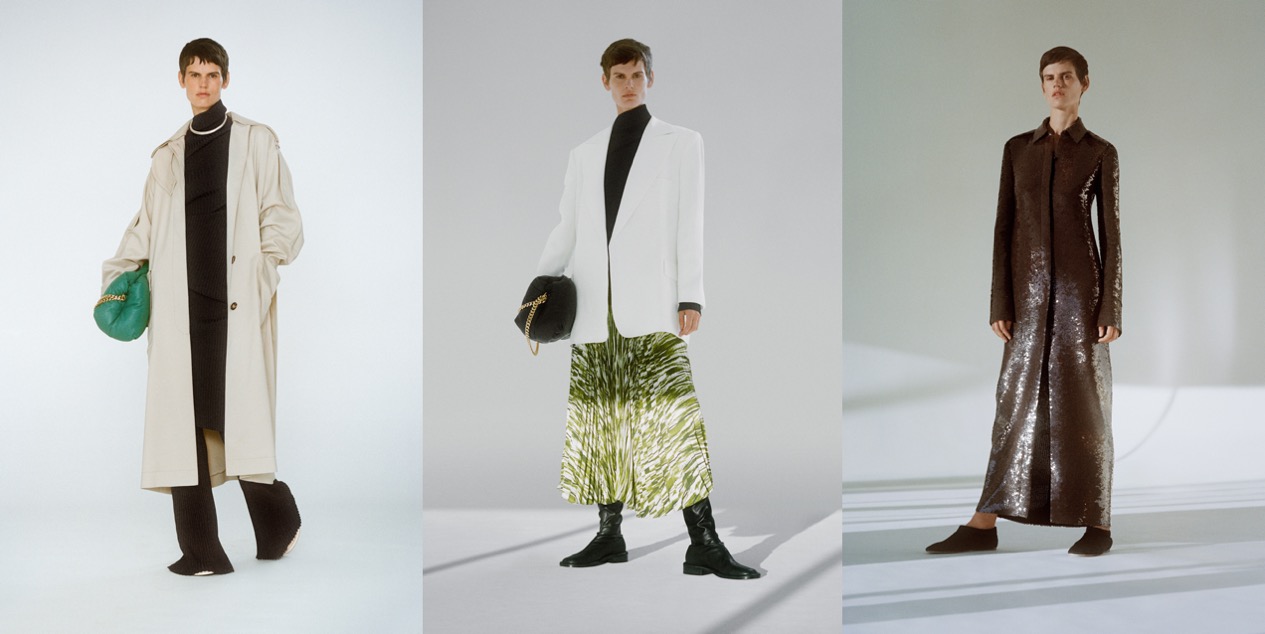
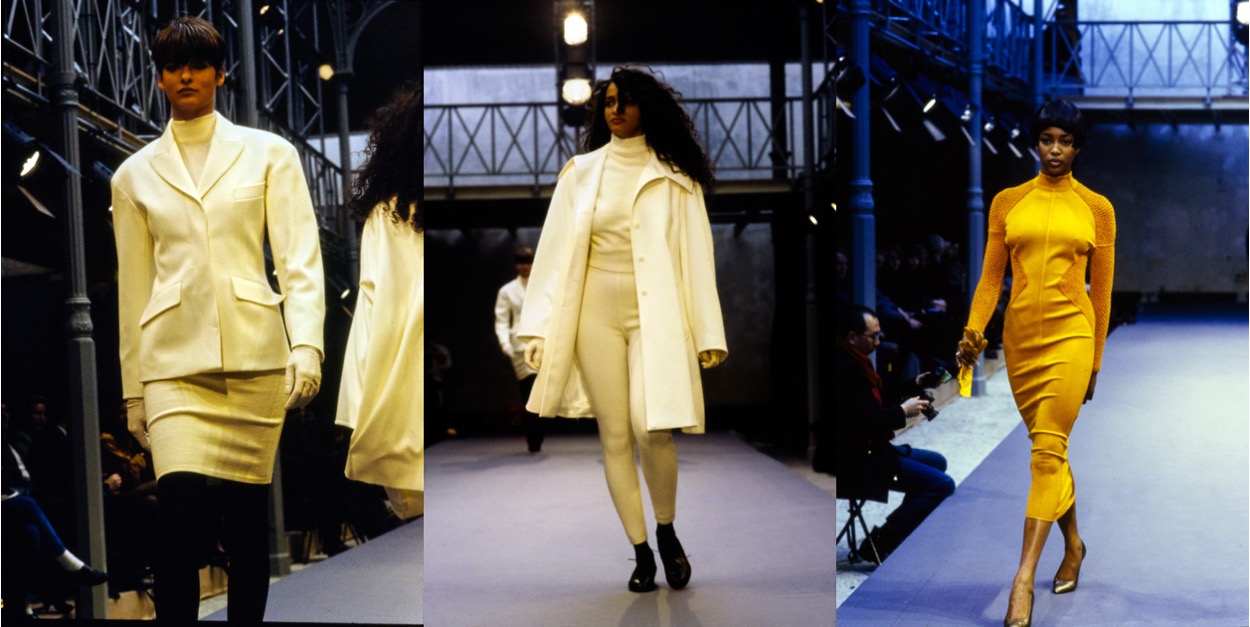
Chic, Chic, Chic. Alaïa AW89

A few days ago, I discovered this delightful autumn-winter 1989 Alaïa collection, and it’s unbelievable how timeless all those Monsieur Azzedine’s designs are. Actually, they even get better with age. The colours (especially all the shades of curcuma!), the cuts, the softness of wools and cashmeres used in this line-up, the body-conscious eveningwear, which looks both seductive and comfortable… it’s all so good. And of course, it was presented on the rue de Moussy – the live & work space Azzedine Alaïa built in the Marais district of Paris that would become a welcoming mecca to models and clients. What’s interesting, it was unfinished when the designer presented his winter 1989 show a month after the regular season ended (Alaïa famously presented on his own schedule, when he felt finished, and not according to a calendar date). According to The Los Angeles Times, the glass-roofed space was leaky, dampening the models as they paraded in a collection that underlined some of the tropes the designer had staked out as his own: sculpted leathers and clingy second-skin knits. The flowing bias-cut dresses in shimmering metallics definitely looked even more spectacular as they were slightly wet. Below are some of my favourite looks from this highly underrated collection.

Collage by Edward Kanarecki.
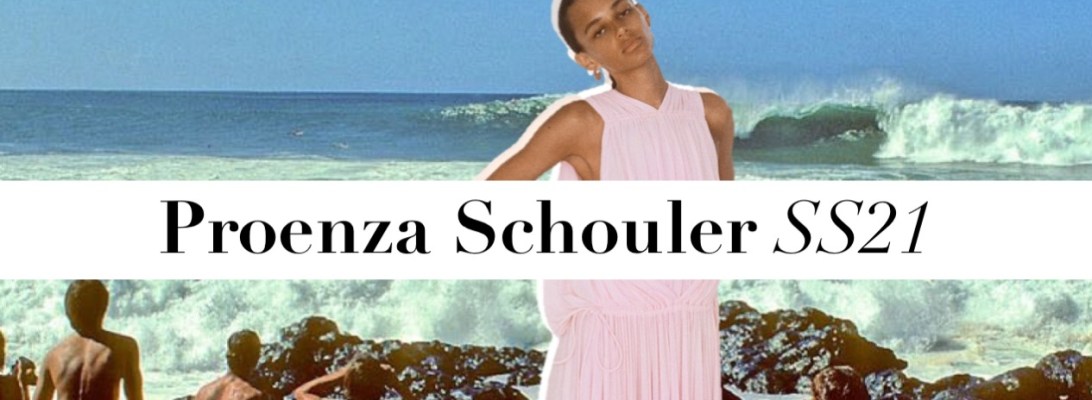
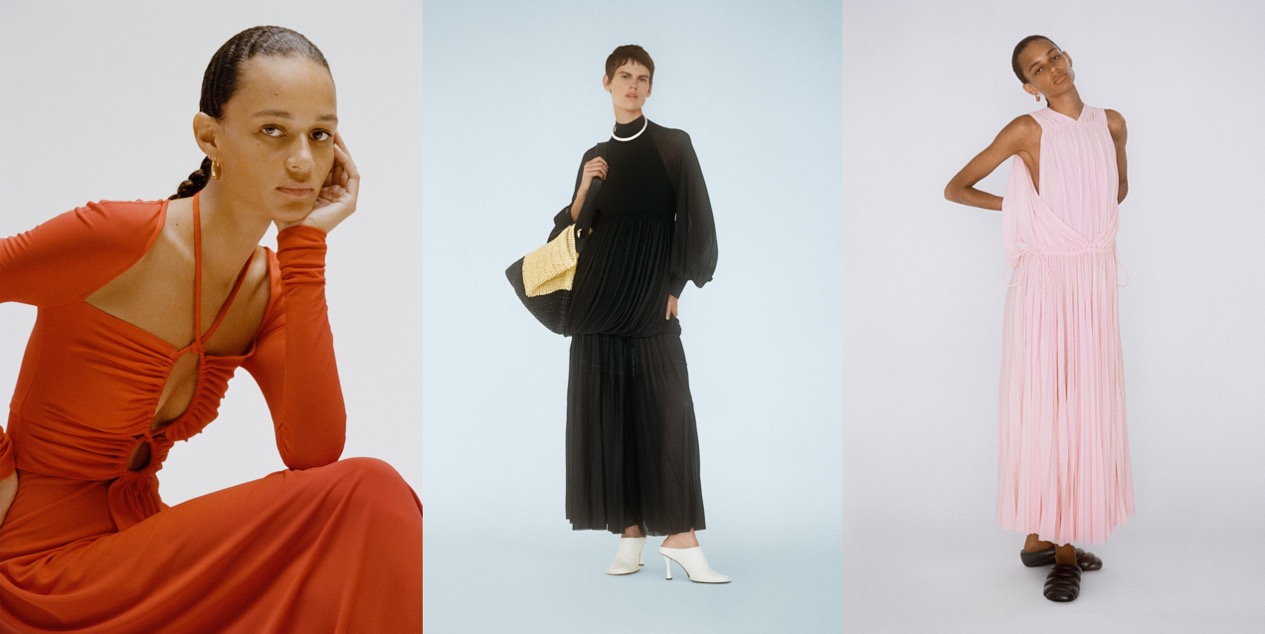
Effortless and Warm. Proenza Schouler SS21

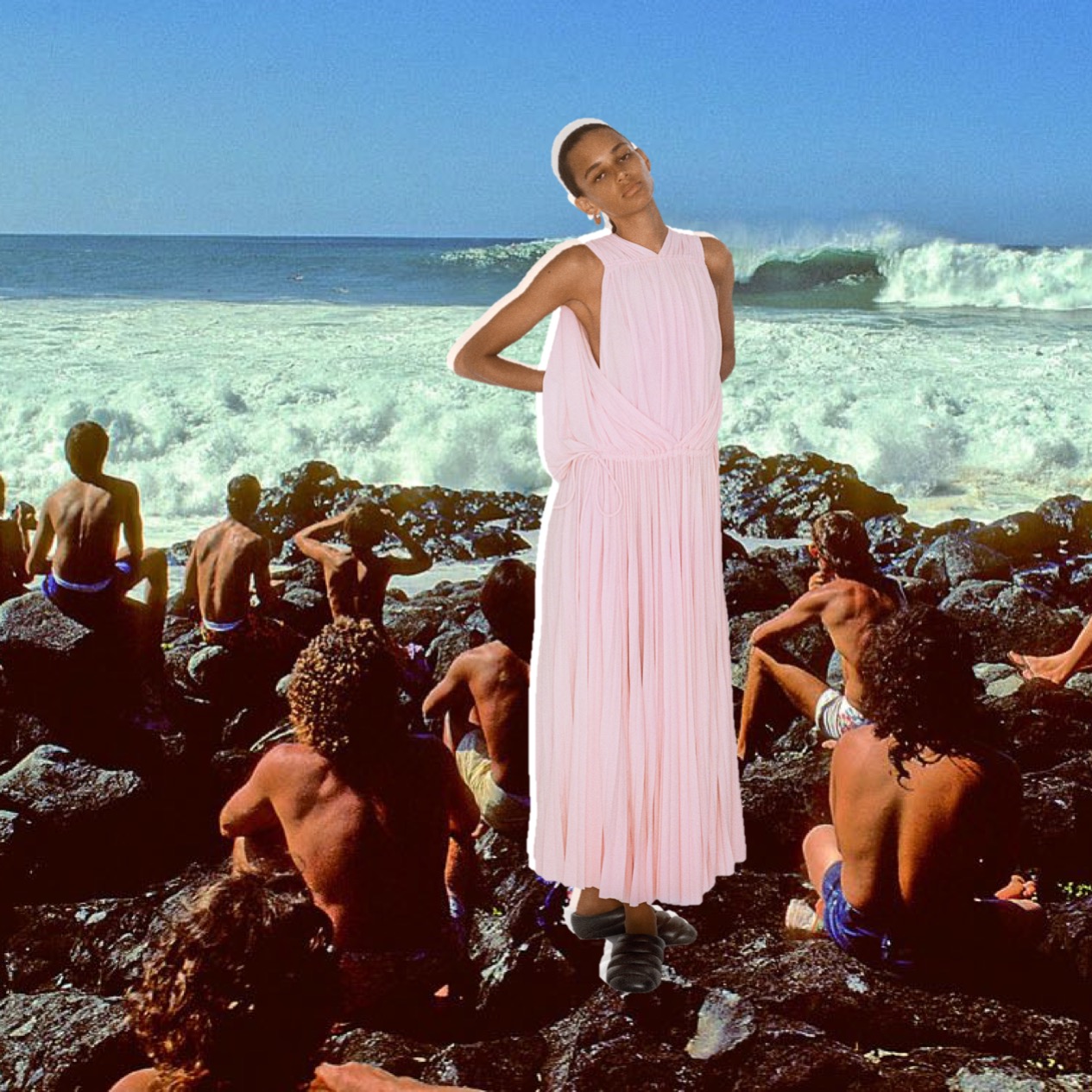
In the absence of a New York Fashion Week show, the Proenza Schouler designers – Lazaro Hernandez and Jack McCollough – made their first-ever book with the photographer Daniel Shea. Shot in August, it pairs expressive model shots with even more evocative images of the city: the skyline at sunset, the Empire State building seen through a tangle of power lines, a super-tall tower on Billionaires’ Row. It’s an ode to their hometown in a year when they’ve spent very little of their time in it. In the early months of the pandemic they were up at their place in the Berkshires. They spent March and April on Zoom business calls trying to figure out how to make it through this unprecedented situation. When they finally turned to their next collection, their normal processes weren’t possible: no research trip, no dips into their archive, no silhouette studies on a model. “All we walked into the studio with was a feeling. We wanted something that felt effortless and warm; we wanted to get rid of the sharp edges. It just had to make you feel good. For us that’s what fashion should be at its most successful. It should make one’s life easier and feel good,” Hernandez said. “A forever quality,” McCollough elaborated, “something that lasts.” There are decorative treatments for both night and day here; allover sequins cover a straight-line shirtdress, and the shoulders of a button-down shirt and waistline of button-fly trousers are graphically dip-dyed. But the big story is really the attitude adjustment; without being boring the clothes feel simpler than what they’ve put on their recent runways. They emphasized easy-to-wear ribbed-knit separates and dresses, and stripped any artifice from their tailoring, which is just slightly oversized and mannish save for the suits’ soft pastel colors. Putting the accent on silhouette, they made a dress with a choker collar, a cut-out asymmetrical neckline, and voluminous sleeves, then cut the drama with puffy slippers. Those flat shoes are a key to the season’s new mood, a timely nod to our more circumscribed lifestyles and the renewed value that women are placing on comfort. It’s looking more and more like we’ll be staying homebound well into 2021. The collection’s knockout dress in stretch jersey with circular cut-outs on the bodice will be similarly comfortable, but the reason that women will really respond to it is because it looks like a guaranteed good time.

Collages by Edward Kanarecki.
One Grand Gesture: Carolina Herrera x Elizaveta Porodina

I can’t recall the last time I was so moved by an ad campaign visual coming from a brand. And I would never expect such pleasure to come from Carolina Herrera. To celebrate the label’s autumn-winter 2020 collection, inspired by the works of Spanish Baroque painter Francisco de Zurbarán and the idea of ‘One Grand Gesture’, creative director Wes Gordon collaborated with Russian artist and photographer Elizaveta Porodina to create a portfolio of images shot entirely over Zoom (!!!), capturing ballet dancers around the world in fearless and fabulous movement and color. Elizaveta captured six dancers around the world from their homes and studios throughout the quarantine: Natasha Diamond-Walker, soloist at Martha Graham Dance Company, Ako Kondo, prima ballerina from Melbourne, Misa Kuranaga, principal dancer at San Francisco Ballet, Inès McIntosh, quadrille at Opéra National de Paris, Claudia Monja, the principal dancer of Joburg Ballet, and Wendy Whelan, the associate artistic director of New York City Ballet. “The winter collection was about the idea of One Grand Gesture – a billowing sleeve, the most pigmented color, an unforgettable silhouette. The fine line between drama and restraint. I wanted to further explore this concept with photographer Elizaveta Porodina, whose work I have always admired“, Gordon sums up. Here’s a sublime feast for your eyes and mind after a rather stressful week of uncertainty and frustration…

All photos by Elizaveta Porodina – discover her work here!