/

/


The clash of 90s minimalism with her Ukrainian heritage is Svitlana Bevza‘s signature style at her New York-based brand. “Due to the separation of the pandemic, it’s important for us to show something very Ukranian historically,” the designer told Vogue. Her main inspiration was Olga of Kyiv, who ruled in the 10th century and is known for her revenge on the people who killed her husband. The knit balaclavas, one of which opened the show, were inspired by Olga’s iconography, but for the 21st century they were paired with matching blazers and knee-high leather boots. Bevza also incorporated the image of the spikelet, a symbol of good harvest and an optimistic year. Last season the label introduced spikelet earrings; this time, subtle, grain-like shapes appeared in the boots, caped dresses, denim skirts, and in the chunky fringe adorning some of the knits. With mustard and slate blue livening up the typical Bevza color palette, the sophisticated and soft silhouettes spoke to life at home. As Bevza said, “It will last for a while that people are at home with no parties, but we have to feel and see ourselves beautiful in the mirror.” That’s the smart take-away coming from most designers we’ve seen so far this season.


Collage by Edward Kanarecki.
/
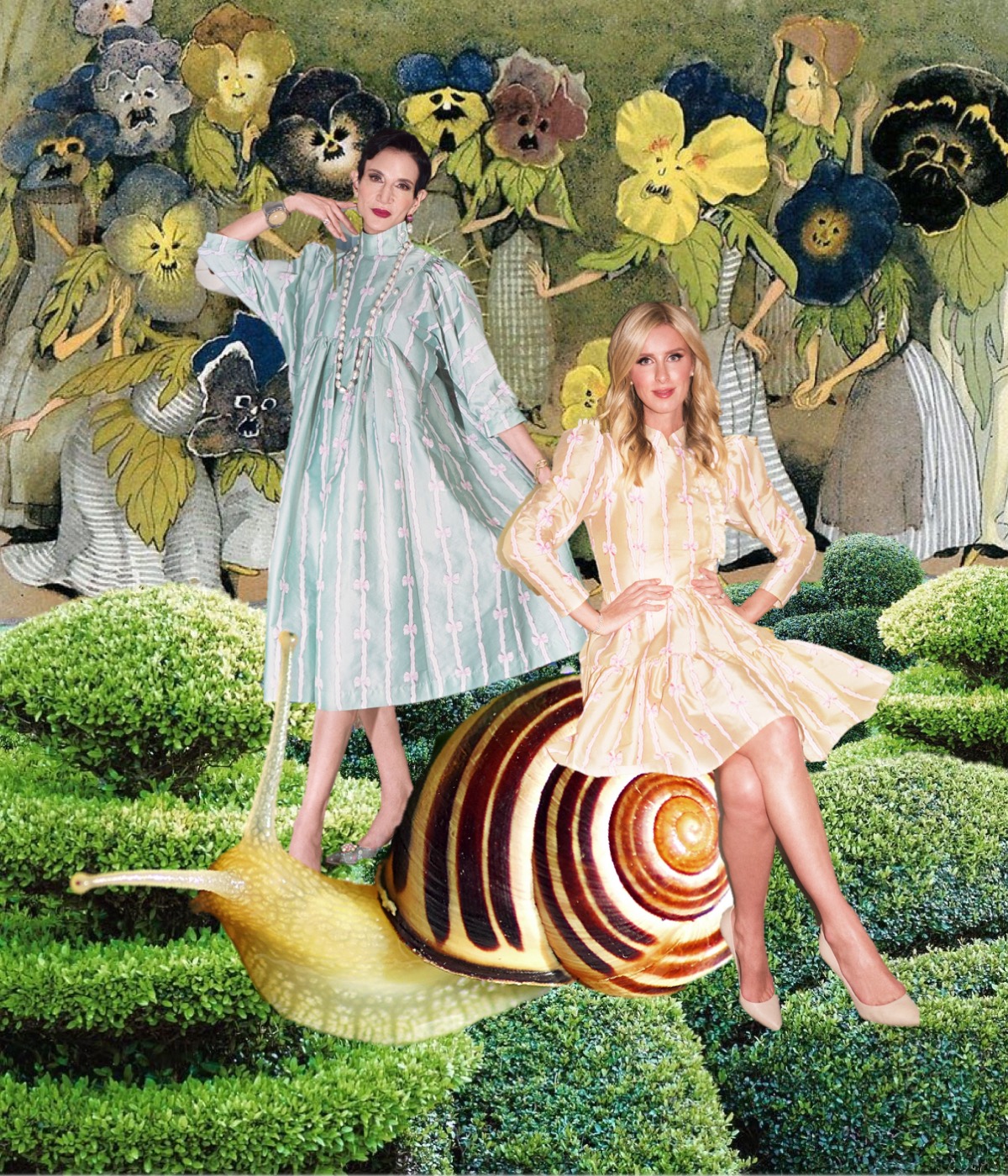
Batsheva Hay‘s brand is a great example of New York-based label that’s both small and big. The production isn’t huge, sustainable way of doing things is at heart, and there are no fancy runway events taking place each season. But the influence of a Batsheva dress is seismic, both in women’s everyday wardrobes and red carpet events, and the cult following of clients, who are looking forward to small drops of prairie gowns in one-of-a-kind vintage textiles or cute crotchet knitwear, would make a number of “big” brands quite jealous. This time, the designer is continuing the cookbook look book recipe she started for pre-fall 2021. The task of photographing people cooking in their own kitchens has taken her and her husband, the photographer Alexei Hay, into homes of various Batsheva wearers. Once they arrive, the goal is simple: photograph each person wearing Batsheva, cooking their favorite meal. This season the cast of model muses includes such individuals as Ego Nwodim, Nicky Hilton, Amy Fine Collins, and Maude Apatow, each offering a different take on clothing and cooking. As Hay recounts over Zoom to Vogue, some take hours to get ready – the designer-photographer duo don’t bring hair or makeup – others require their own accessories, and some have such specific recipes they take a whole day to produce. At the core, Hay offers clothing for women to live their lives in. It’s hard to predict what tomorrow might bring, especially now, but wouldn’t it be nice to have a garment that did it all: looked pretty on Zoom, was comfortable to wear, and could be dressed up enough to simply feel good? Hay’s roomy dresses offer that option, with sweet ruffles, crushed velvet, and bow ties to make the proposition all the sweeter. But for those without a sweet tooth, Hay is also expanding her traditional ready-to-wear. She has made jeans for the first time, two pairs with ruffle trim and elastic waists, and continues to expand her knitwear offering. Corsets and cummerbund details are built into her dresses, offering a smart styling solution.
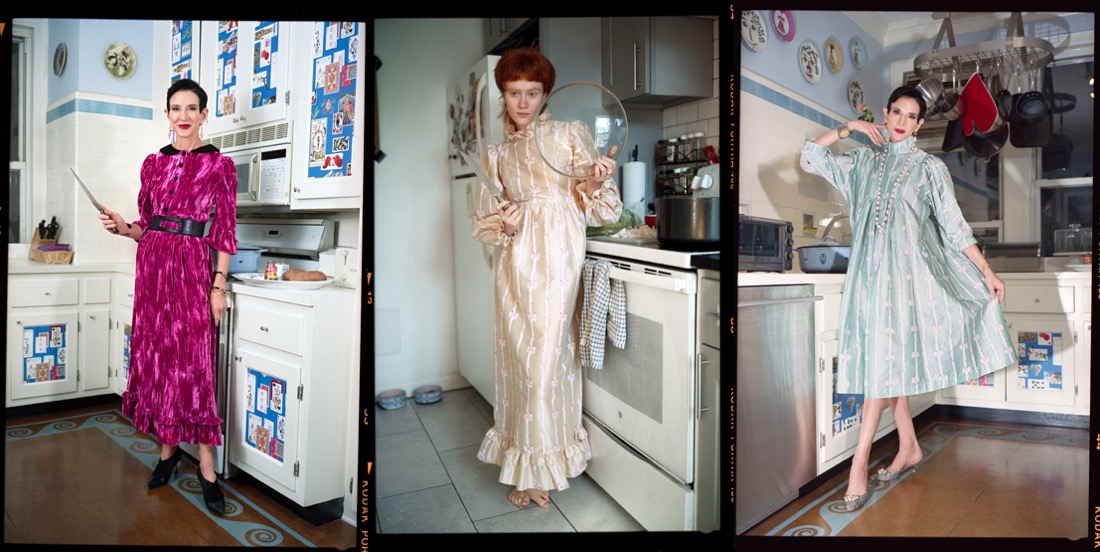

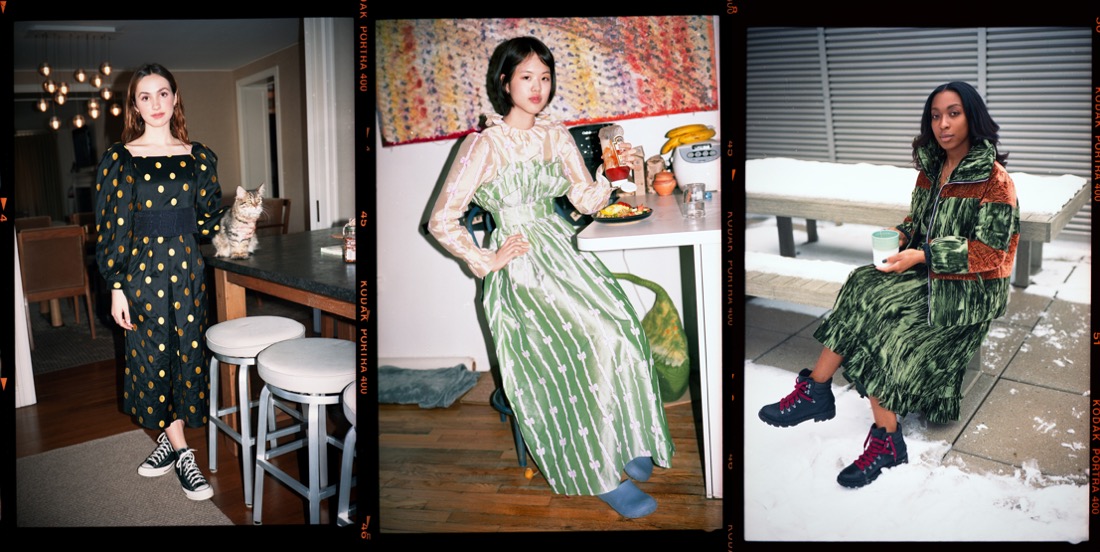
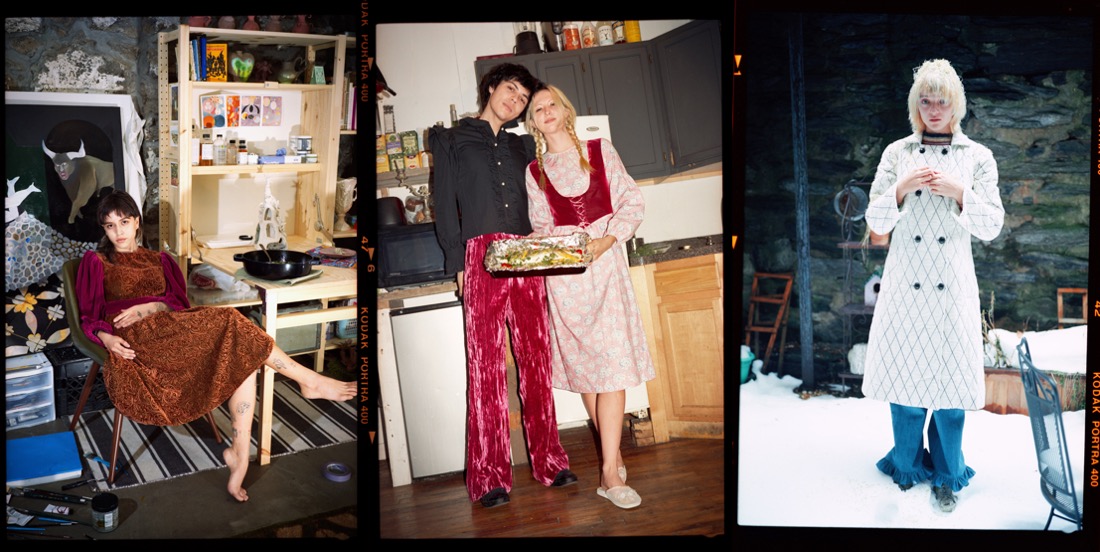
Collage by Edward Kanarecki.
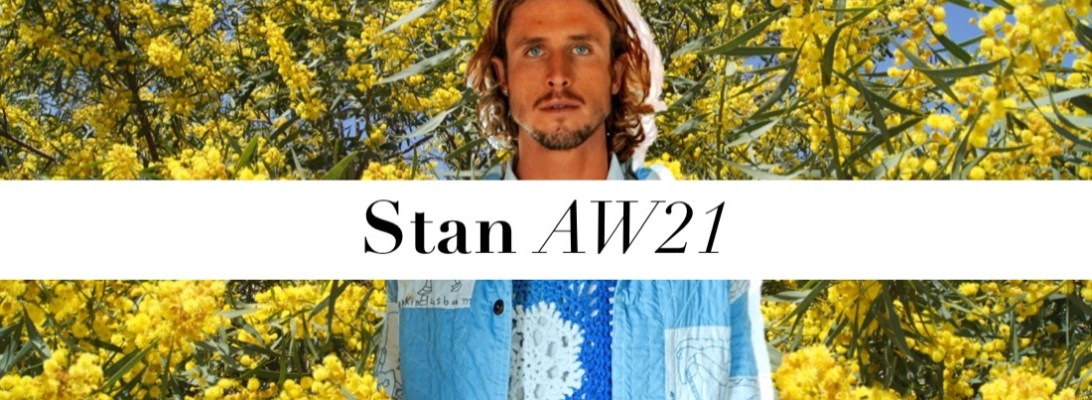
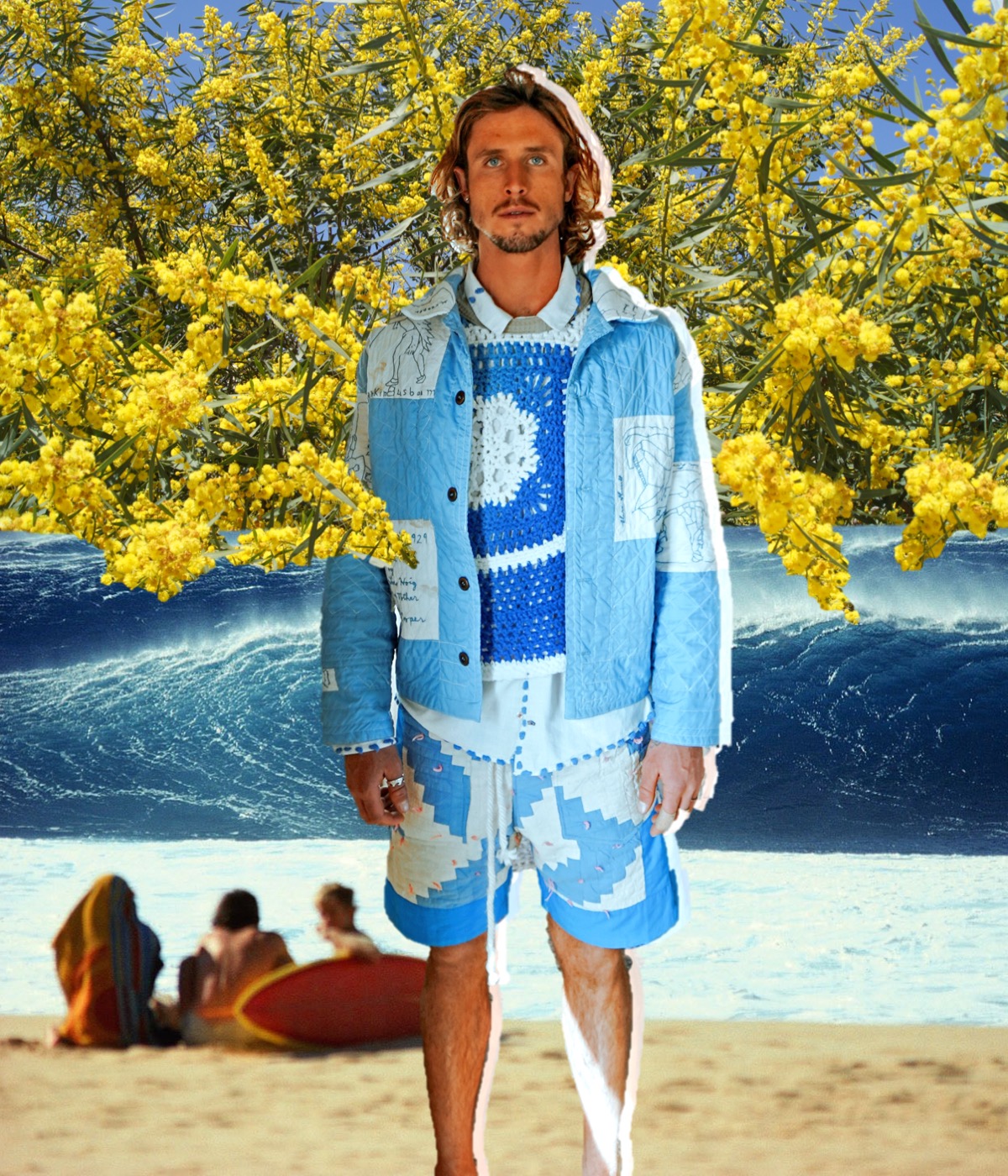
While New York Fashion Week feels very sleepy this season (due to quite understandable reasons), that state of slowness has has its advantages: there’s more time to discover the newcomers. Well, in case of Tristan Detwiler, he is new to the fashion insiders, but on TikTok, he has a following of over 133,000 users who watch him cut up antique blankets and quilts, some dating back to the 1800s, and transform them into chore jackets, Baja hoodies, board shorts, and cocoon coats. The videos offer a behind-the-scenes glimpse of the process and reaffirm Detwiler’s skills as a maker; when he wasn’t competing on University of Southern California’s surf team, he was taking fashion design classes and customizing his own clothes. Upcycled quilted jackets are Tristan’s brand Stan signature, with boxy, unisex fits that accommodate a multitude of sizes, genders, and ages. To hear him tell it, he made his first one in college to replace the quilts he draped over his shoulders for chilly mornings on the beach, but fell in love with the story behind old textiles, quilts in particular. In 2018, he joined the Bumann Quilters of Olivenhain, a group of ladies who have been quilting for decades. In addition to sharing the stories of their quilts and teaching Detwiler their techniques, they’ve gifted him with textiles and heirlooms to use in his collection. The opening jacket in his autumn-winter 2021 collection was made from one of those gifted quilts, a 1920s ‘one patch’ style in a checkerboard motif. It was large enough to make a matching pair of pants too. The second outfit’s ivory coat, chore jacket, and pants were all cut from the same 20th-century ‘wedding quilt,’ while other looks had a more haphazard mix. A jewel-toned jacket made from an 1890 Amish quilt was paired with trousers cut from a 1980s screen-printed potato sack. It’s worth mentioning that these items are already available to buy on Detwiler’s website; since they’re one-of-a-kind, fashion’s usual production time-table doesn’t apply (similar way of doing things at Imitation of Christ!). Detwiler describes himself as a storyteller and a curator, not necessarily a designer. He doesn’t aspire to be the next American mega-brand. But joining the New York Fashion Week calendar places him in the context of the mainstream fashion conversation, and inevitably draws comparisons to his peers experimenting with quilts and upcycling. Emily Bode comes to mind of course, though it isn’t really worth comparing their work; Bode’s is polished and fully “designed,” while Detwiler’s has the messier, intentionally rumpled attitude of California surf culture. Whether it’s a one-time fling or a serious venture into fashion, the vision of a sun-drenched surfer in his DIY quilted jacket and crotchet knit is compelling, especially in the COVID era.
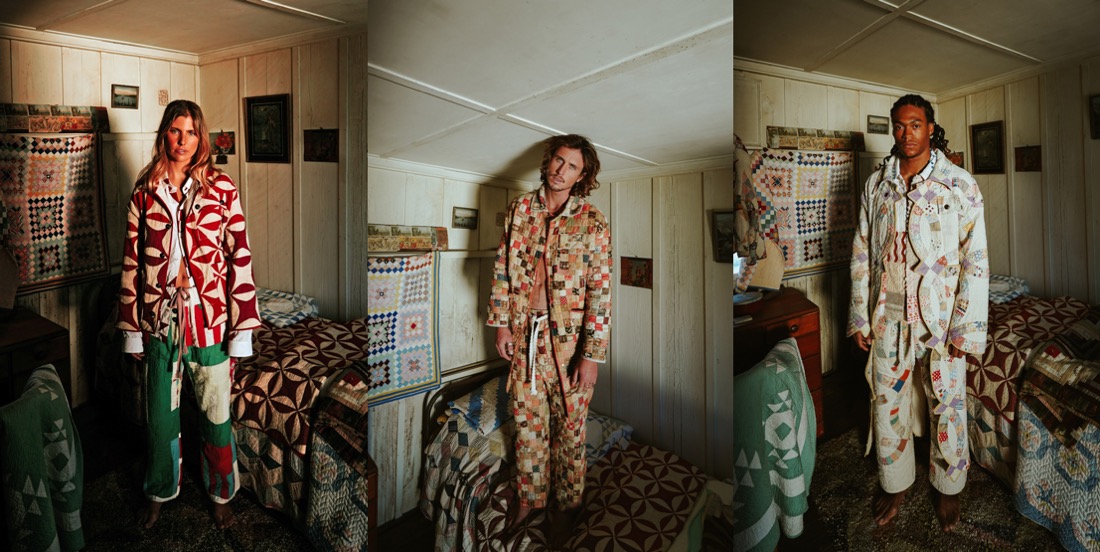


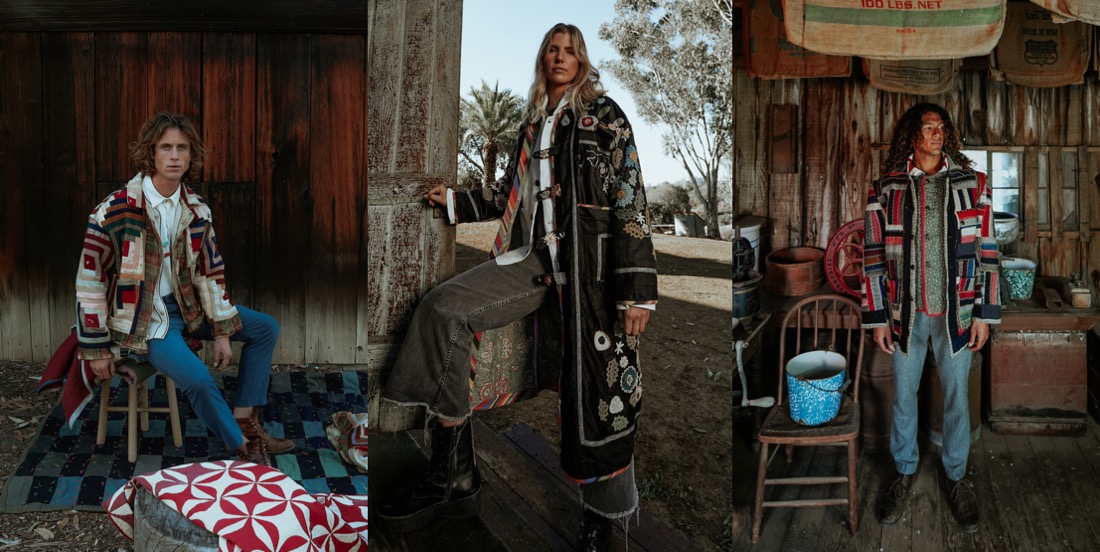
Collage by Edward Kanarecki.
 Design & Culture by Ed