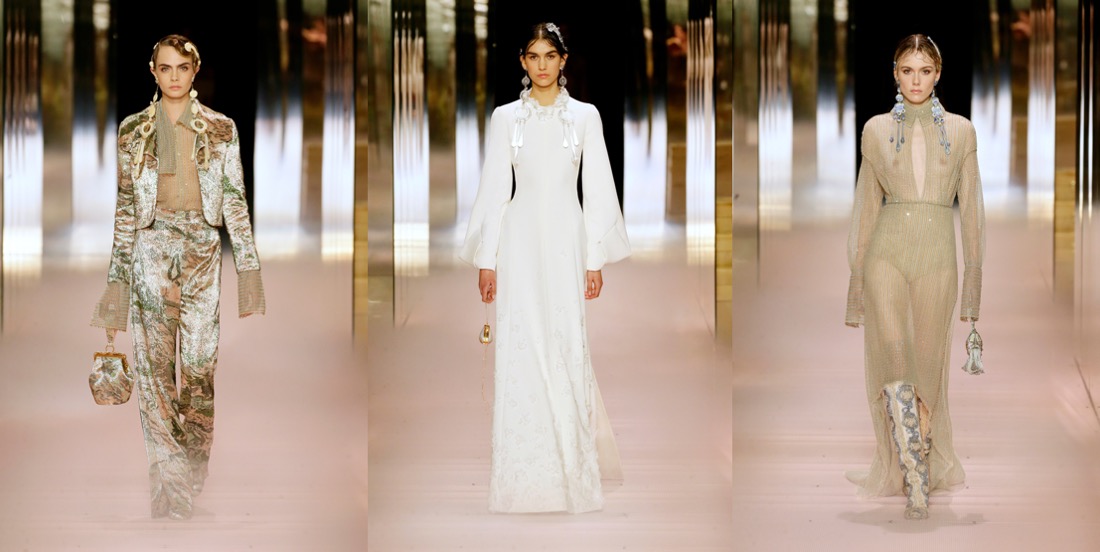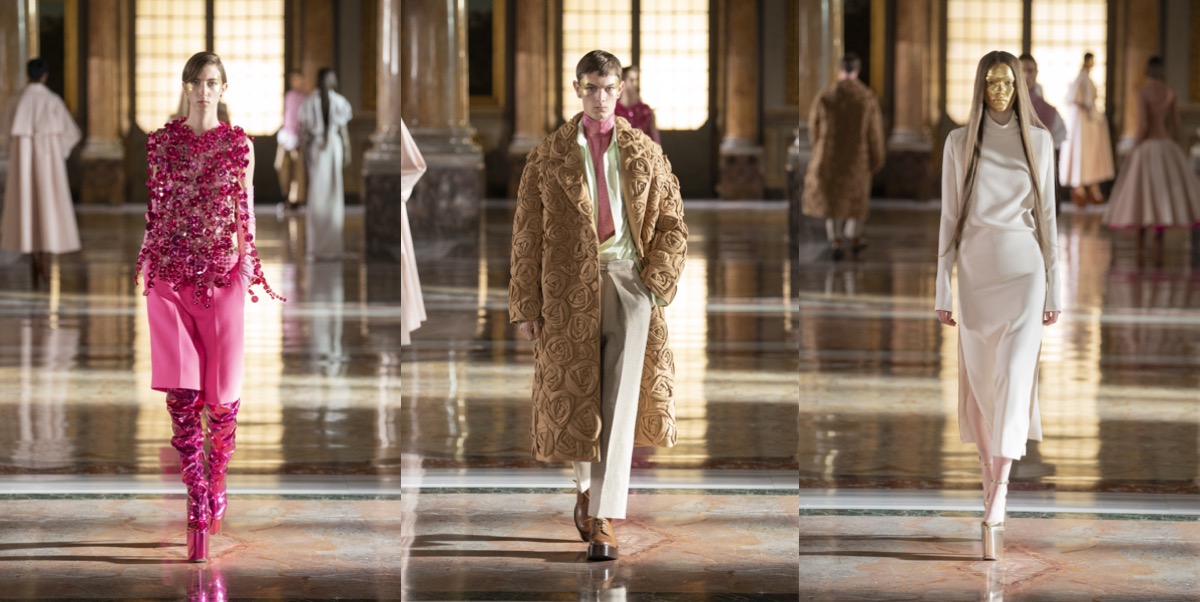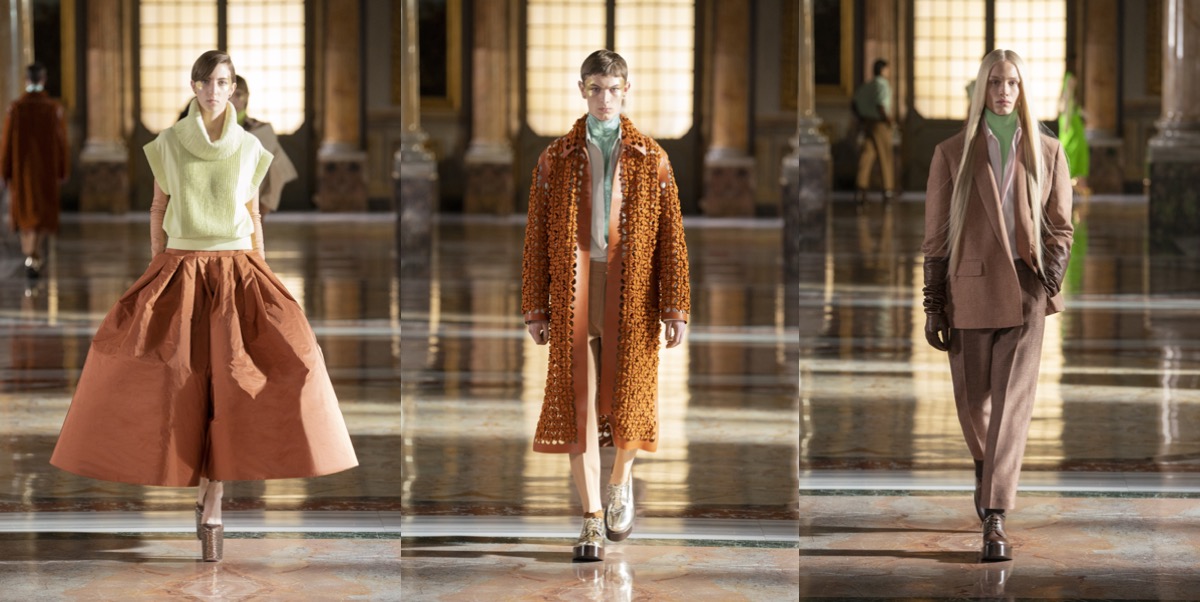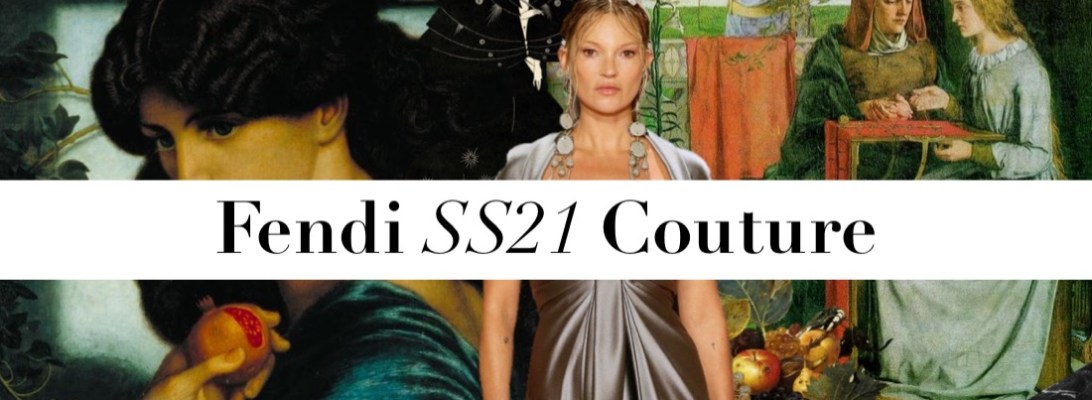
Romantic Melancholy. Fendi Couture SS21

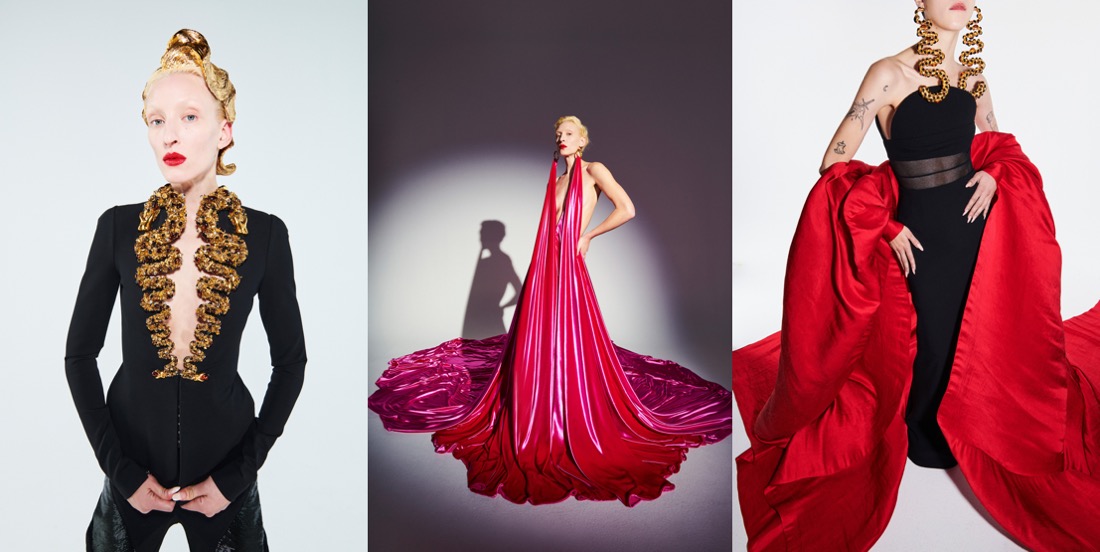
Kim Jones‘ big debut at Fendi‘s womenswear hit off with a haute couture show. You might know that I wasn’t his fan at men’s Louis Vuitton, and I’m not overly obsessed with his current Dior menswear venture. So I didn’t expect much from his arrival at Fendi. The spring-summer 2021 couture show is an example of a fashion spectacle, where everything wows the viewer except the actual clothes. First, the literary and artistic sources that shaped Kim’s Fendi line-up started in Charleston Farmhouse, the 16th-century Sussex retreat of the Bloomsbury set located not far from the village of Rodmell, where the designer was partly raised and owns a house. Young Jones would spend school trips exploring the house and learning about Bloomsbury’s bohemian members. Those dreamy stories stayed with him. Second, his Fendi collection showed a demonstration of how Jones expresses himself in form and decoration in womenswear.  Of carving out that silhouette, Jones said he observed “the reality of what women around me are wearing. I have friends that just buy couture clothes, and they don’t buy big ball gowns. They buy real clothes, things that fit their bodies.” Above all, he wants to create work “reactive to the time we’re living in.” And three, enter ‘Orlando’, Virginia Woolf’s time-traveling tale of androgyny and fashion’s favorite lexicon for the study of genderlessness. “’Orlando’ was published in 1928, and Fendi was founded in 1925,” he pointed out. The “journey from Bloomsbury to Borghese” interpreted Vanessa Bell and Duncan Grant’s frescoes of Charleston in hand-beaded prints and the marbles of the Galleria Borghese in painted tailoring, meanwhile dresses evoked the wet drapery of its Bernini sculptures. It all sounds delightful and thorougly considered, but the effect was overcharged, heavy and most of the time, simply unflattering. In the prerecorded show, Jones echoed ‘Orlando’’s themes in a coed cast featuring many of his high-profile friendships: Demi Moore, Kate and Lila Moss, Christy and James Turlington, Adwoa and Kesewa Aboah. The family constellations celebrated Fendi’s values as a matriarchal fashion dynasty, whose class-act custodian, Silvia Venturini Fendi, still serves as artistic director of accessories and menswear. Joining the cast were her daughters, Leonetta Fendi and jewelry designer Delfina Delettrez, whom Jones has now named as creative director of the brand’s jewelry. Delettrez’s supersized murano glass chandelier earrings accompanied each look, and must have been heavily inspired by Romeo Gigli (if this name doesn’t ring a bell, you better Google him!). Tailoring felt more rigidly structured for male anatomy, framed by floor-sweeping capes. At times, forms grew shapeless, like a pink look of highly textured layers topped off with a lace coat webbed from roses or a mound of marbled garments draped over Naomi Campbell (I love Naomi. But this look didn’t serve her at all – she drowned in it!). Jones’s juxtapositions culminated in split-personality dresses hybridized from half an evening gown and half a blazer or shirt. The inspiration was found in the sketches of his predecessor, Karl Lagerfeld, who left 54 years’ worth of archives behind him when he died two years ago. Lagerfeld’s Fendi was epitomized by Roman modernism, a handsome glamour that often found time for quirk. Jones’s approach was romantic (and suffocating) melancholy in contrast. Of course, most ‘major’ debuts go wrong. It’s the beginning of a new chapter at Fendi, and I’m looking forward to see what Jones will bring next to the table.

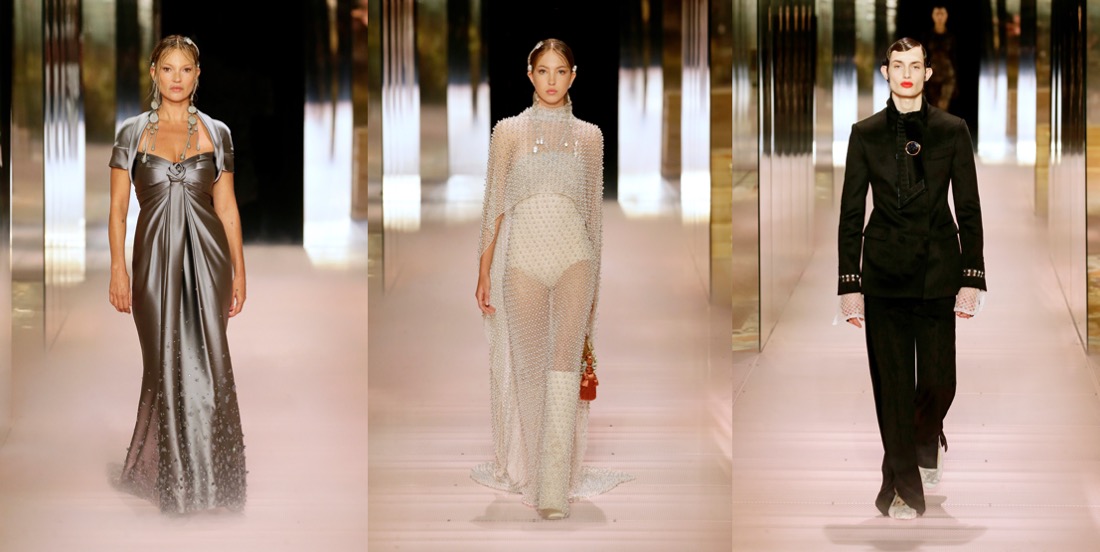
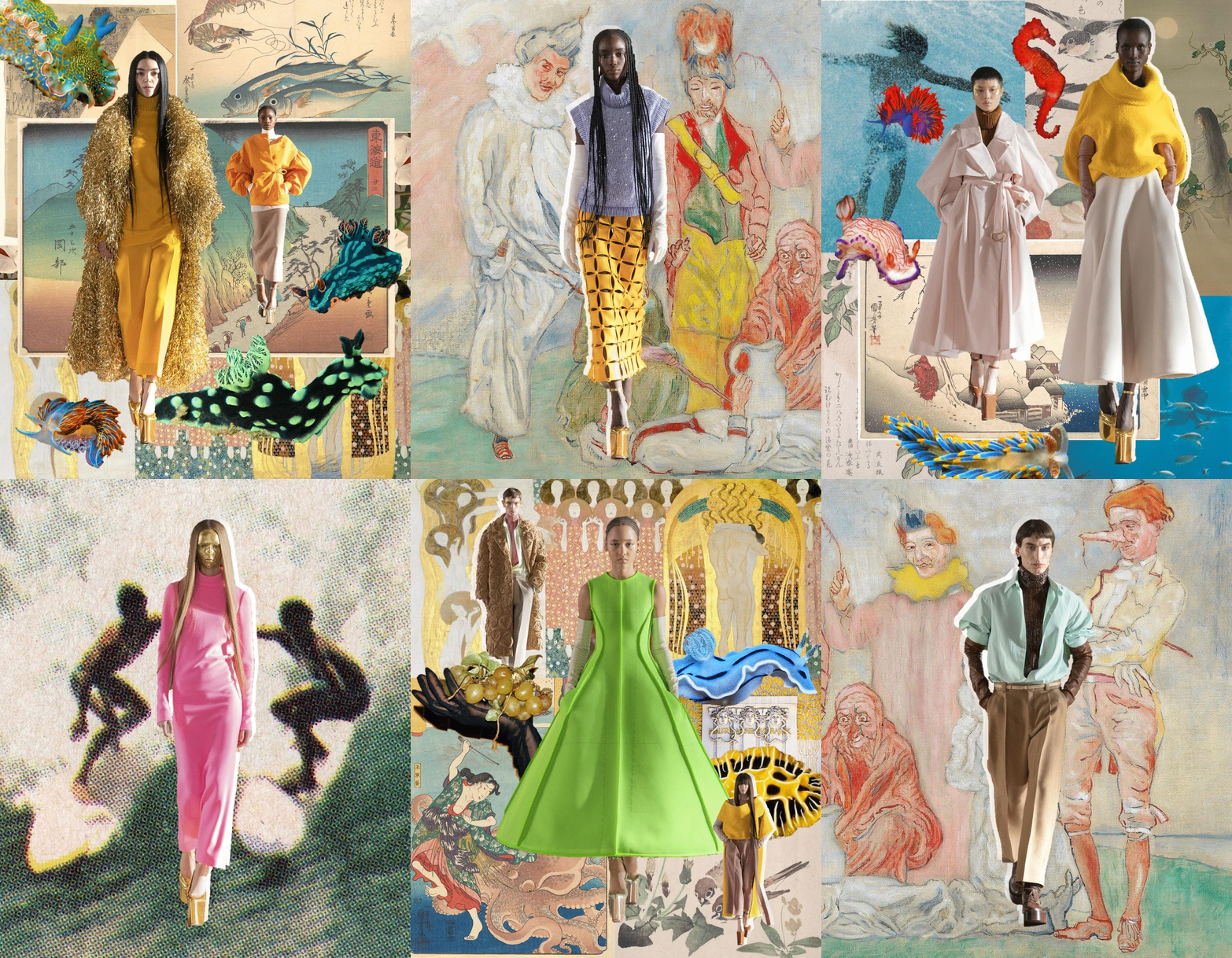
Collage by Edward Kanarecki.

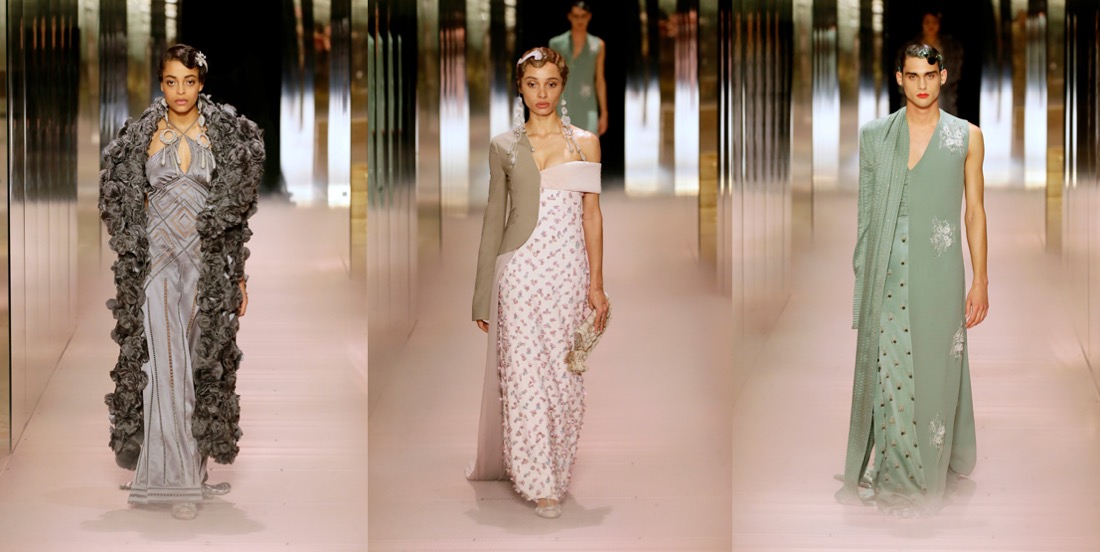
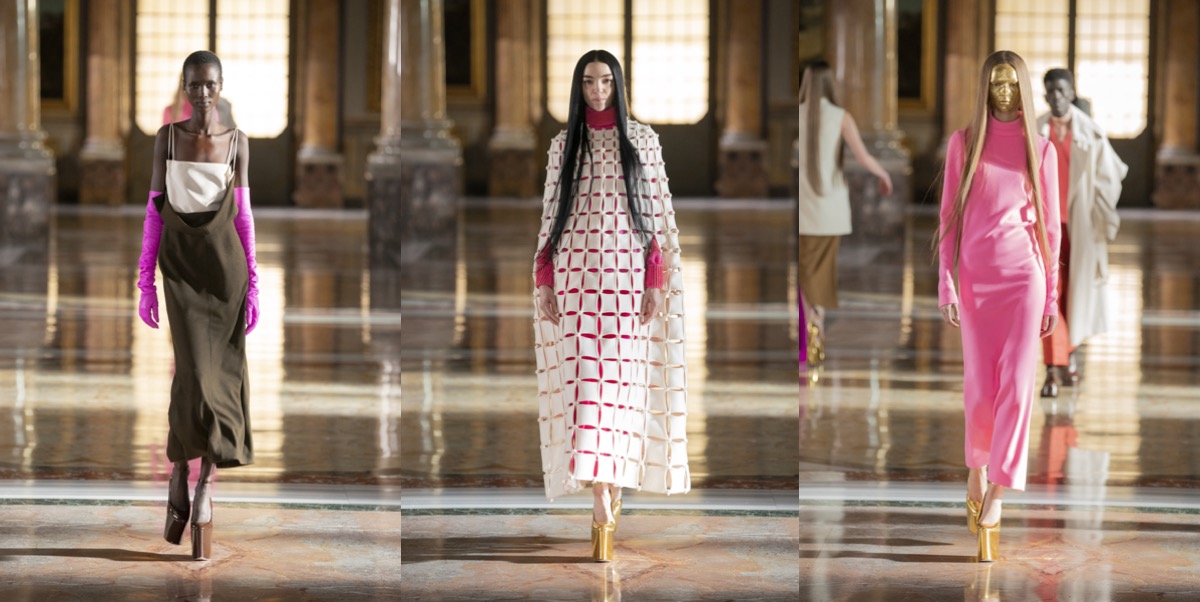
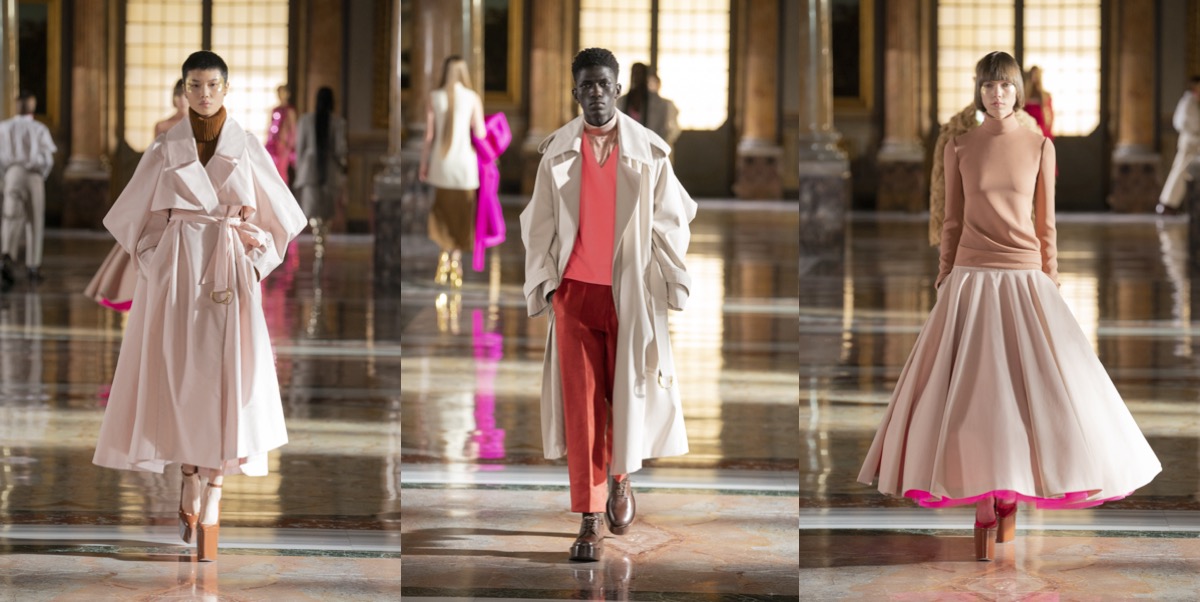
Statuesque Beauty. Valentino Couture SS21

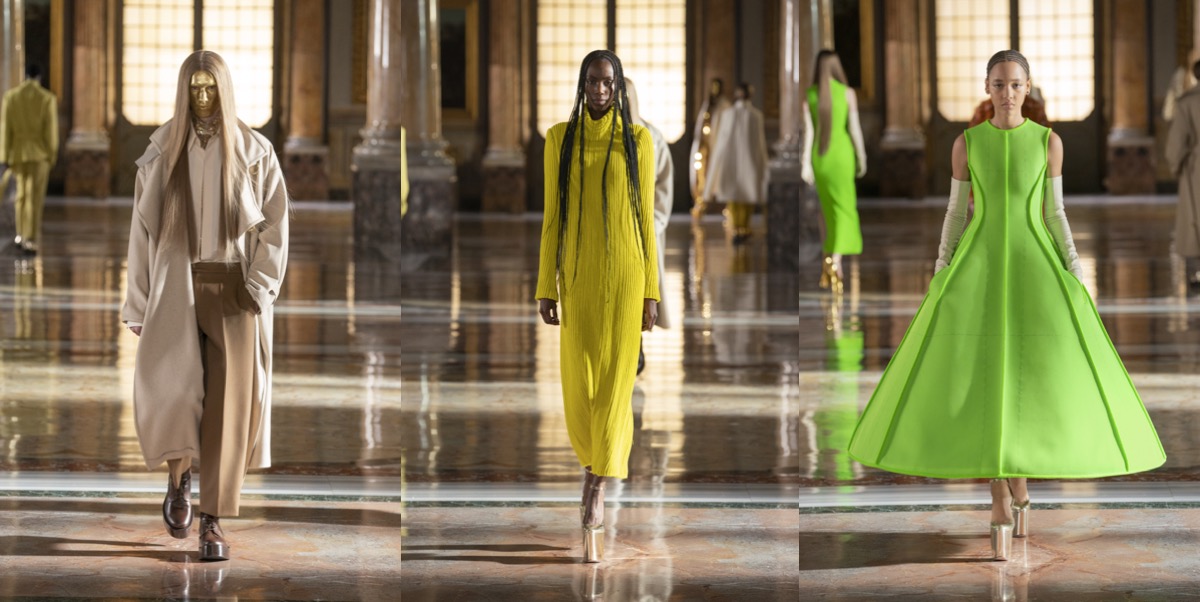
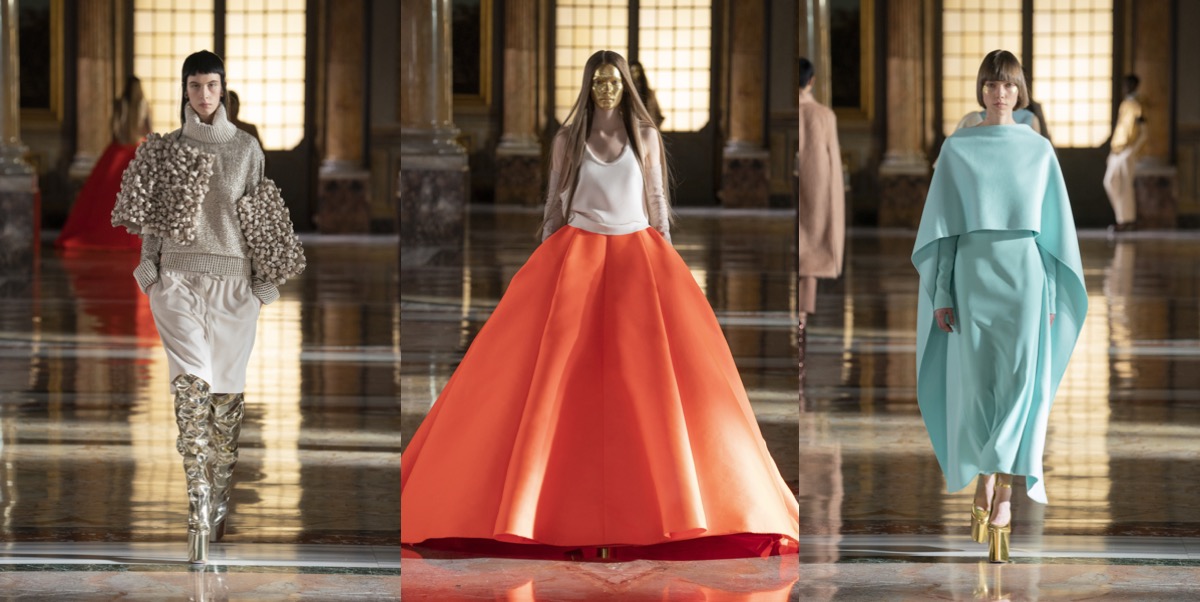
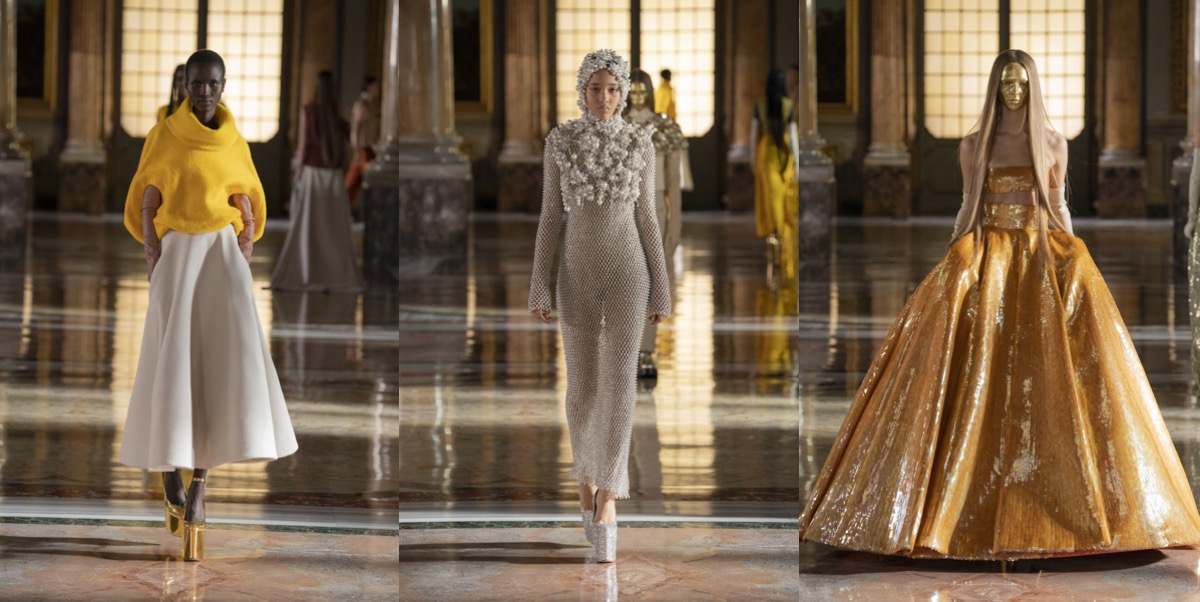
Pierpaolo Piccioli is (again) the king of haute couture. With his Valentino spring-summer 2021 collection, he proves that the most elaborate and intricately detailed ball gown of his is equally couture as a seamless, sculpture-like cape (“I don’t want to call it that. It’s not a caftan, or a poncho. It’s a shape!”) with not even one sequin or embellishment. This season, the designer floated towards haute minimalism, which was all about lean sharpness and elevated boldness. It was just so, so, so beautiful and inspiring to see. “It’s more about pieces that will give an effortlessness,” Piccioli said. “The narrative of the collection is the collection itself. No stories. Nothing figurative. I wanted to work on surfaces, not in a decorative sense, but workmanship which becomes the surface itself.” Along came garments that (also crassly) might ordinarily be classified as hoodies, sweaters, shirts, board shorts, and camisoles, acting as foils for amazing lattice-worked coats and sculptural capes. “I think elegance is not about ‘good taste’” said Piccioli. “It’s a bit daring.” And along came men, which was a big treat. At Valentino, “it’s for the very first time,” Piccioli shrugged. “But couture is for people. I don’t care about gendered (fashion). It’s an inspiration which is fluid, no-boundaries: a trench coat is for men and women.” And what a trench coat: structured so that the volume of the sleeves somehow continued seamlessly into a generous, chic storm-flap in the back of the coat. Only haute couture experts can pull off that sort of thing. It used to be that every haute couture look was conceived as a sacred kind of unit. Gone are those days. Now Piccioli is more motivated to make a white poplin shirt, which he showed with a long oyster-colored skirt that appeared narrow in the front, yet flared to a train in back in one of the show’s most arresting moments. “It’s a shirt, a fantastic shirt. Of course you can wear it like this, or any other way. And the skirt is timeless.” Piccioli is right: we’re thankfully long past the time when audiences might work themselves into a pearl-clutching froth at the sight of male models wandering an haute couture runway. Far more to the point is keeping the practice of haute couture relevant to the moment we’re living in. As many of haute couture’s old-world conventions drop away, what remains to be valued is the coalition of high craft and social insight. Piccioli spent a long time reflecting on that in the last months. “To me, the essence of couture,” he said, “is the ritual, the process, the care, the humanity. That’s what makes couture timeless, special.” Summing up: meraviglioso!

“Live” collage by Edward Kanarecki.
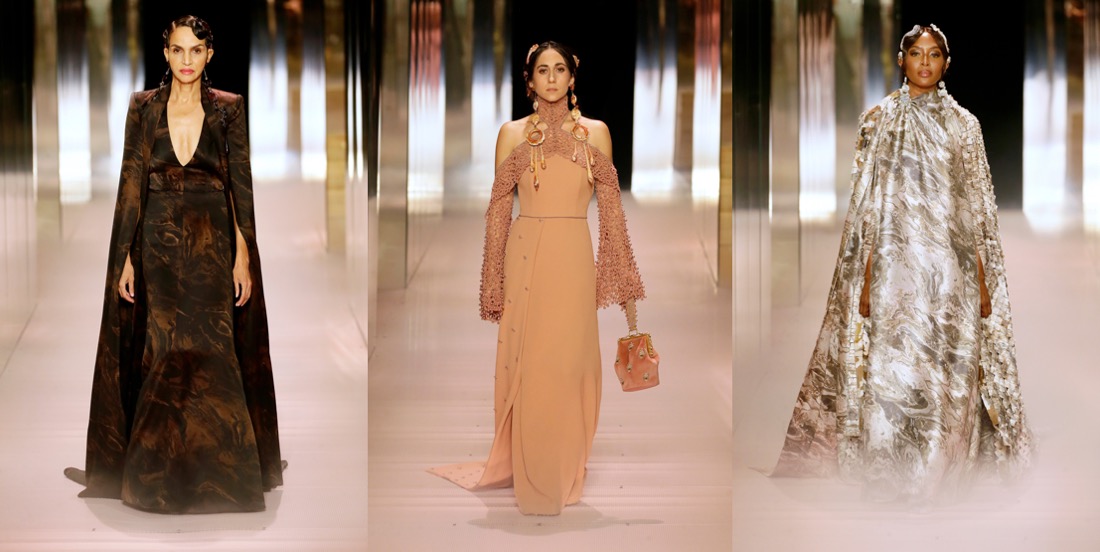
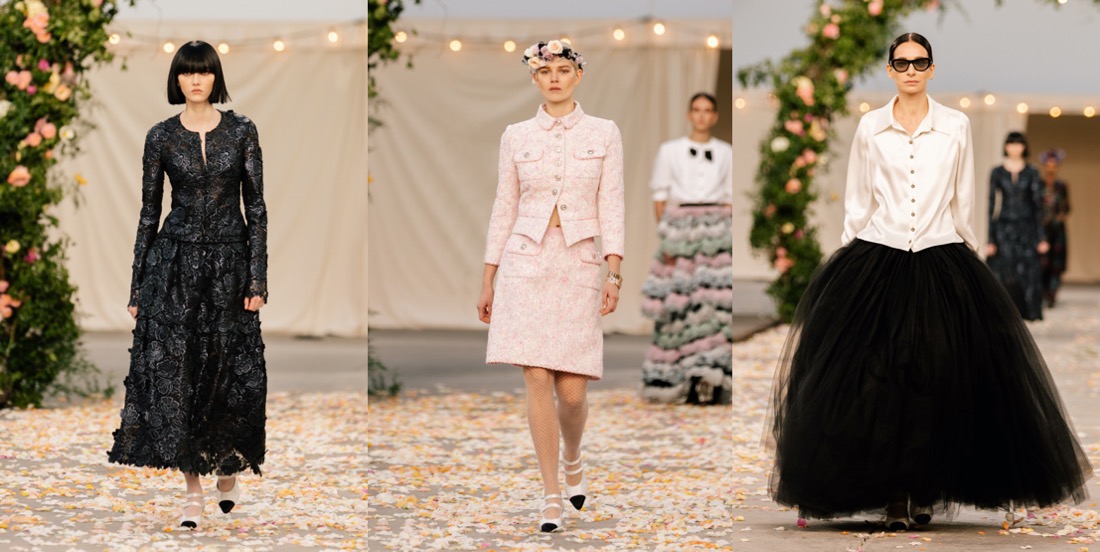
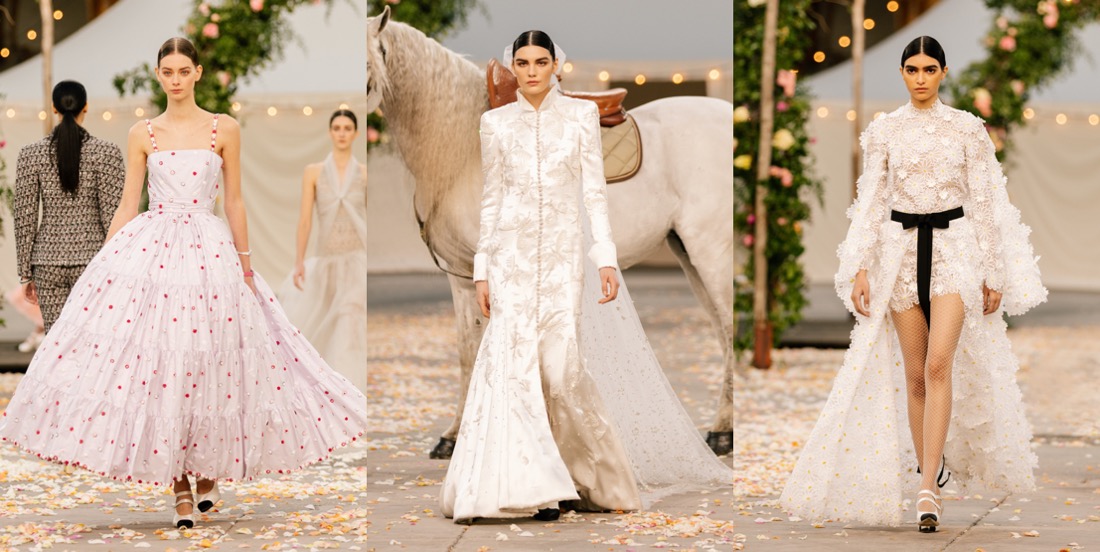
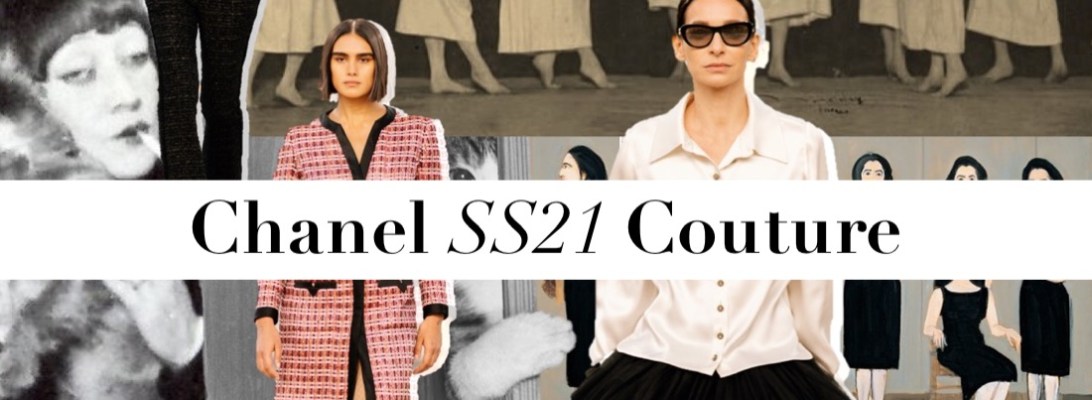
Back to Care-Free Days. Chanel Couture SS21

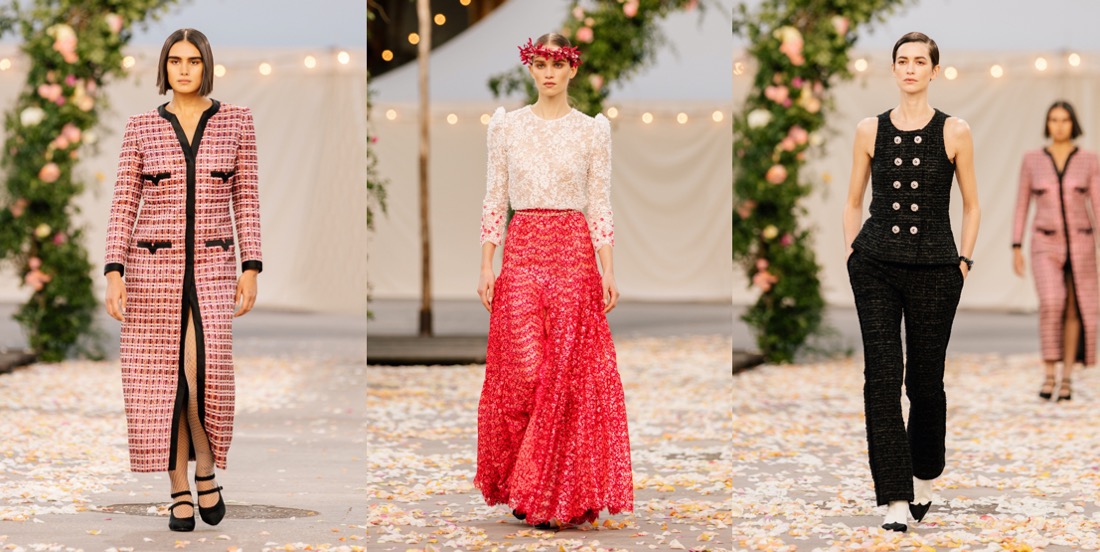
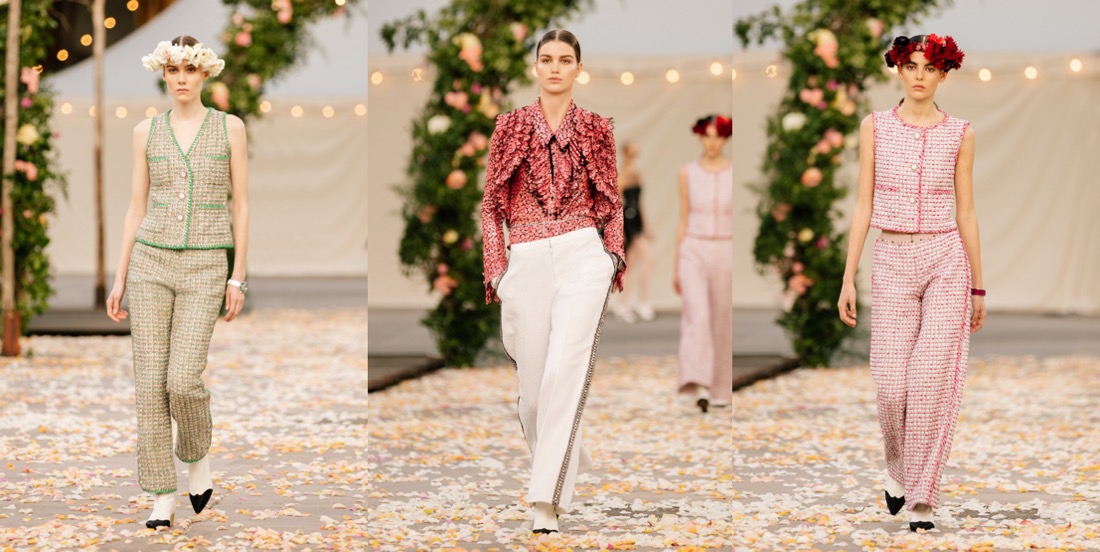
There seems to be an attitude division in haute couture industry these days. The first camp challenges the couture conventions and focuses on creating phenomenal wonders, like in case of Daniel Roseberry’s Schiaparelli. The latter does “pretty” couture – and this season, Virginie Viard‘s Chanel stays in this safe camp. Her spring-summer 2021 line-up felt like a nostalgic memory of dreamy garden party somewhere in the south of France in pre-COVID reality. These are not, as Viard told Vogue, the conventional fancy nuptials one might expect from a Parisian couture collection, but instead “more bohemian style – more a wedding or a family celebration in a village than at the Ritz!” complete with “the mother and the aunt, and the 15-year-old girl dressing up for the first time” – the latter in a tiny little grown-up black dress of spangled black tulle worn with 1980s opaque white tights. A very fête galante vision draws in one’s mind. There are also boys at this wedding, or rather girls who, in Viard’s words, are “a little garçonne” and dressed in old fashioned boys’ clothes – tweedy Oxford bags, and waistcoats for instance, a reminder of Gabrielle “Coco” Chanel’s appropriations of menswear in her designs, and her literal borrowing from the wardrobes of her lovers including Boy Capel and the Duke of Westminster. The mother of the bride, meanwhile, has some chic little suits in silvery embroidery and lace to choose from, or a skinny shrunken cardigan jacket embroidered by Vernoux, while more adventurous guests might opt for a lace jumpsuit or a tiny tweed coat dress with a ruffled overskirt to tie on like an apron. There are “a lot of flounces and petticoats,” Viard continued, as though the Gypsy Kings were playing at the celebration and the guests in those big tulle skirts were going to spin around the town square. “There is a masculine/feminine side to the silhouettes,” she added, and the fairy-tale grandeur of these pale net ballgowns is brought into the real world when those skirts are paired with white boyfriend shirts, or singlets of crocheted chiffon, worked by the embroidery house of Montex. While at a first glance the collection strikes with a certain, relaxing simplicity, the details are top knotch couture standards, of course. This season, Viard has also worked with photographer Anton Corbijn, whom she met when he shot her for the December 2020 Vogue profile, La Vie de Virginie, and whose music industry credentials – he has shot videos for U2 and Depeche Mode, among many others and directed Control, the magisterial biographical movie about Joy Division’s Ian Curtis – appealed to the rock chick in her. It’s a lovely collection, yes, but I really love seeing Viard doing something a bit more rough.

“Live” collage by Edward Kanarecki.
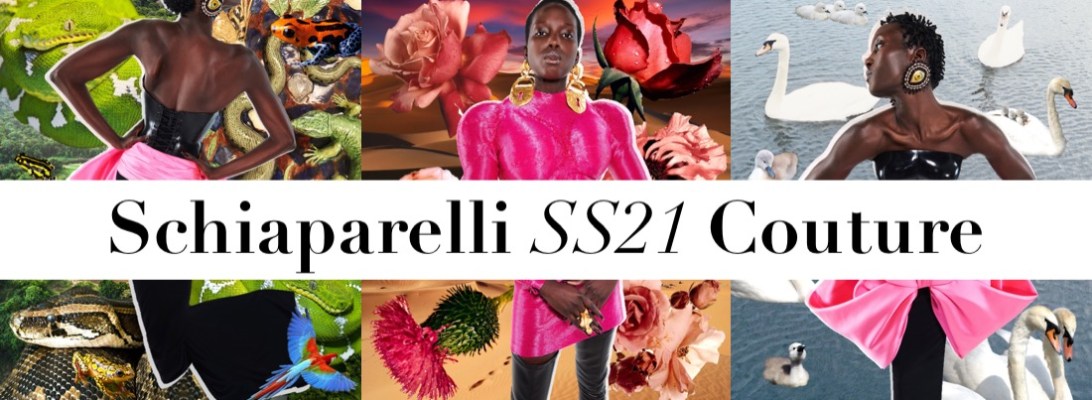
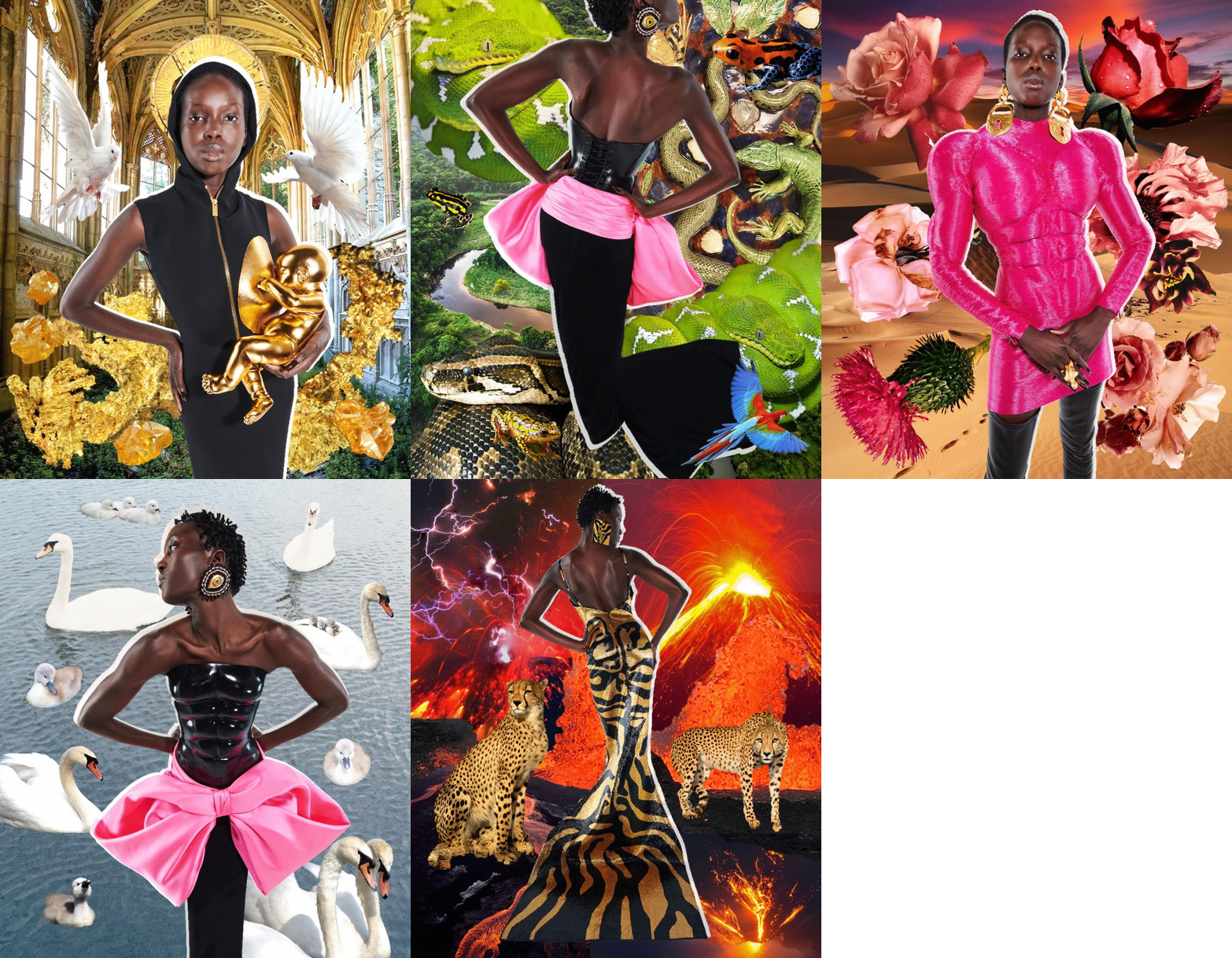
She’s A Goddess, Hero, A Power-Female! Schiaparelli Couture SS21

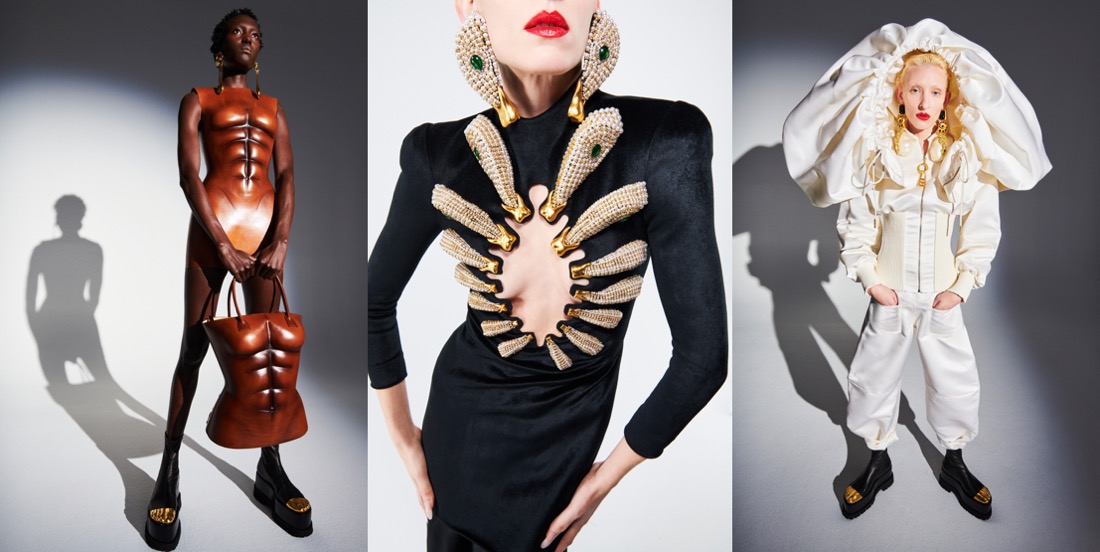
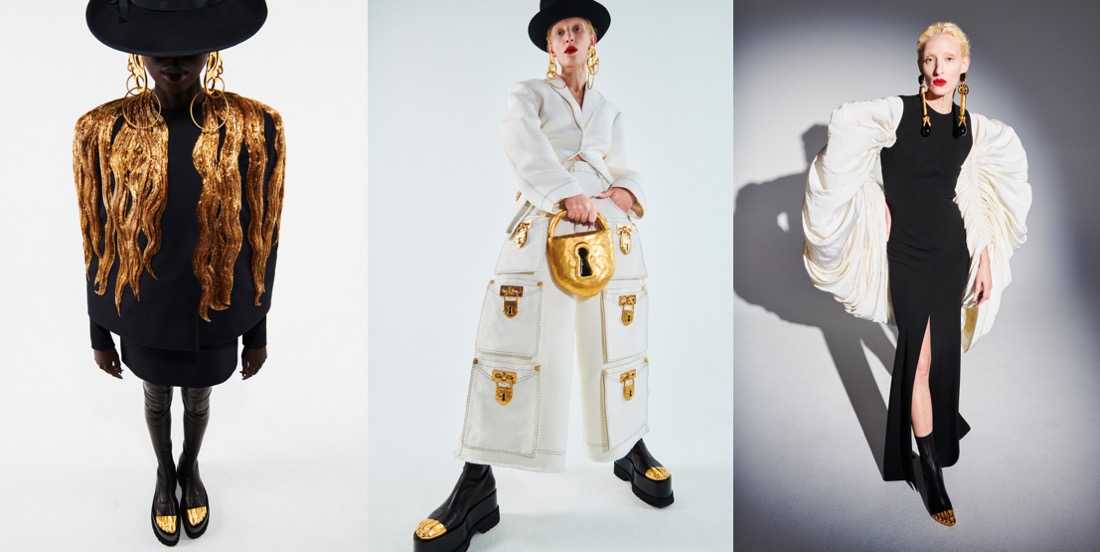
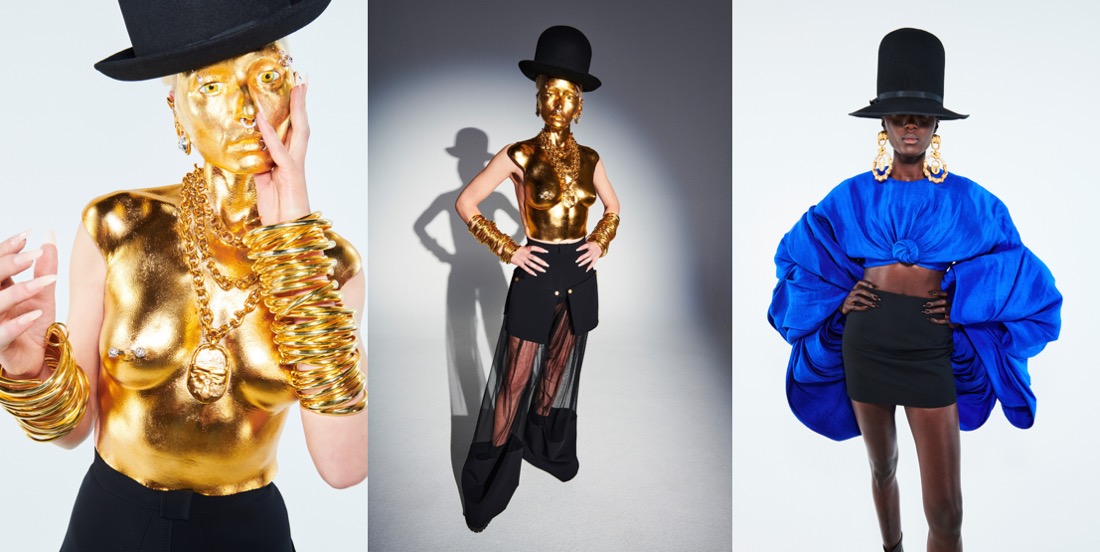
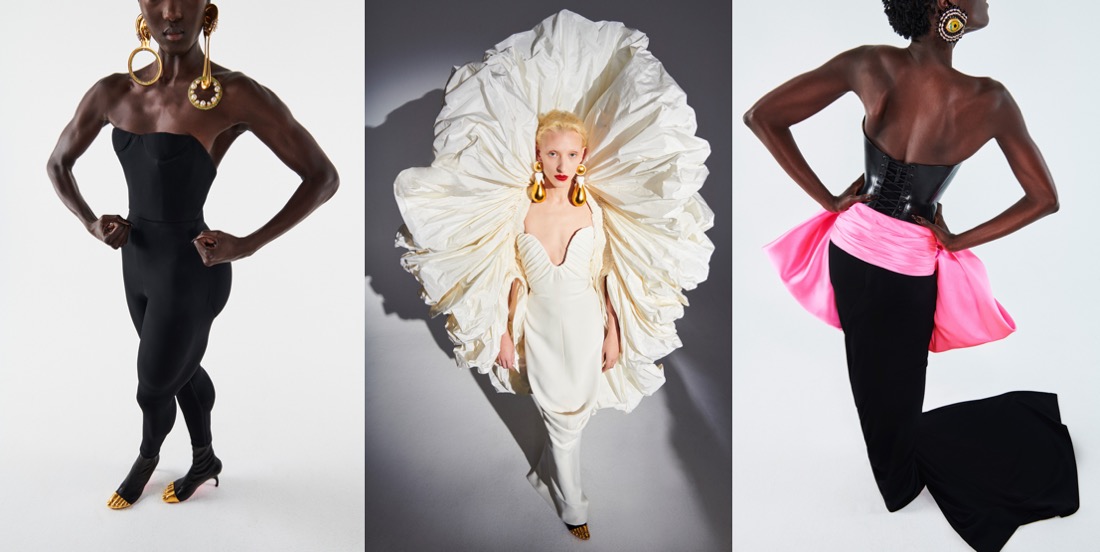
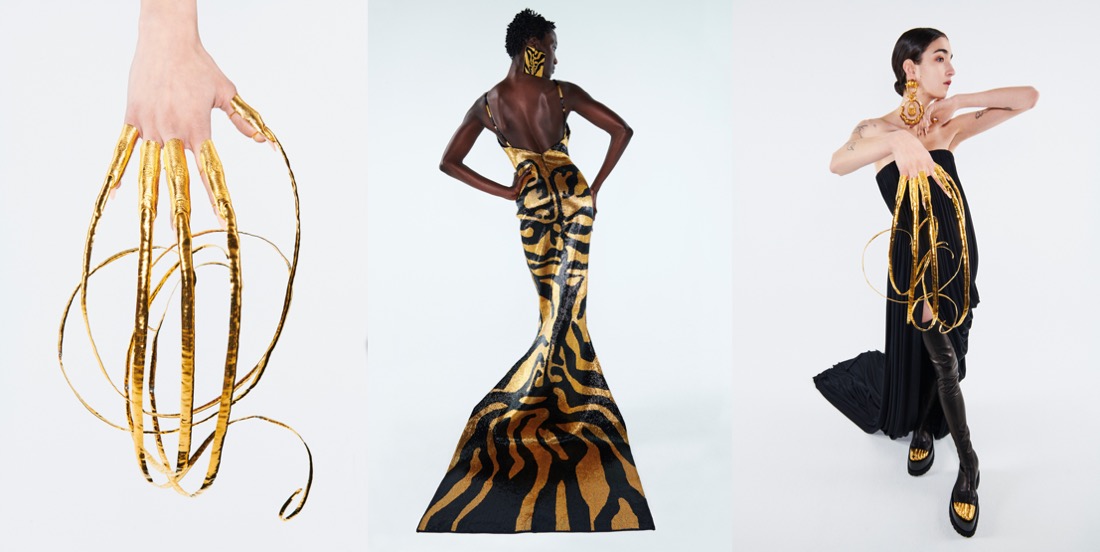
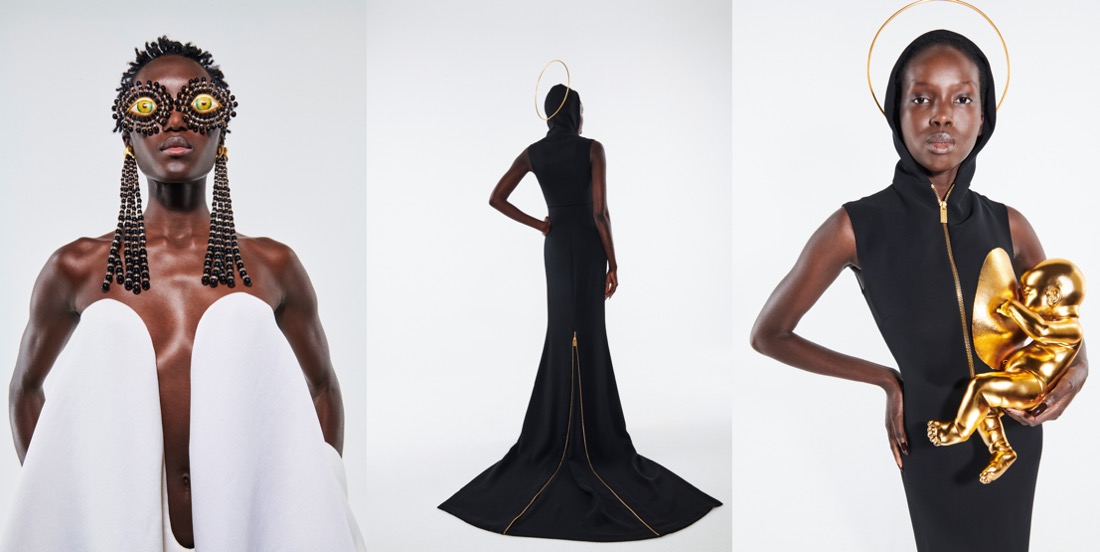
Schiaparelli and Daniel Roseberry are a match made in heaven. The way the Texas-born designer plays with Elsa Schiaparelli’s codes is so witty and intelligent – and what’s most important, he makes it his and doesn’t try to mimic the maison‘s founder as his predecessors. Spring-summer 2021 couture line-up is his best yet, and truly, it transports the viewer to a wonderland. And since Lady Gaga wore a black fitted jacket, red silk faille ball skirt and a golden dove brooch of his design to sing the national anthem at President Joe Biden’s inauguration last Wednesday, it’s clear more people will pay attention to Roseberry’s magic. “For a house like Schiaparelli,” he told Vogue, “dressing Gaga for the inauguration speaks to capturing the moment. That’s what I’m trying to do with all of our celebrity moments: to nail the zeitgeist.” Daniel’s Schiaparelli is open to big celebrity moments (Kim Kardashian West and Hunter Schafer, for instance), but it also breaks couture conventions and says ‘bye’ to the haute stuffiness once and for all. He’d been pushing the house, which was quite straitlaced before his arrival despite Elsa Schiaparelli’s famous Surrealism, in a new direction. But the eccentricities of his earlier outings were just him warming up. “Ever since I came back from lockdown, there’s been a shift for me mentally here – a focus and confidence that’s come from my relationship to my own process and to the atelier,” he said. Synthesizing his point of view, he added, “it’s just something that’s not as polite as couture typically tends to be.” If there’s one piece that says his incubation period is over, it’s a Madonna and Child breastplate, but there’s no shortage of statement-making bijoux here, from the tooth pearl earrings to the fingernail rings. “It isn’t about being too perfect for me,” Roseberry said, “but it is about shutting the moment down.” On that note, the look book opens with another super-heroine bustier, this one in glossy black finished with a prodigious bow in Schiaparelli’s signature shocking pink. A different dress in the same electric pink hue accentuates not just gym-toned abs, but trapezius muscles and biceps. “If you want to look like a cupcake, you can go somewhere else,” Roseberry said with a laugh before getting serious. “I started thinking, is there something about couture that’s sort of misogynistic, that demands or expects that a woman wants to look hyper-feminine and dainty and ‘Bridgerton’ adjacent?” He clarifies, “It’s not about being a man at all, it’s about being a jacked woman.” A stretch-fabric dress knitted with more than 200,000 Swarovski crystals will appeal to clients whose own well-maintained physiques require no surface-level enhancements. Elsewhere, Roseberry made exuberant use of volume. A black column dress with ample folded sleeves would make a spectacular red carpet dress, but he also designed a couture jean jacket and a couture parka with grand hoods. The contemporary Schiaparelli woman is no longer just an arty party-goer. Now, she’s a goddess, hero, a power-female!

Live” collage by Edward Kanarecki.

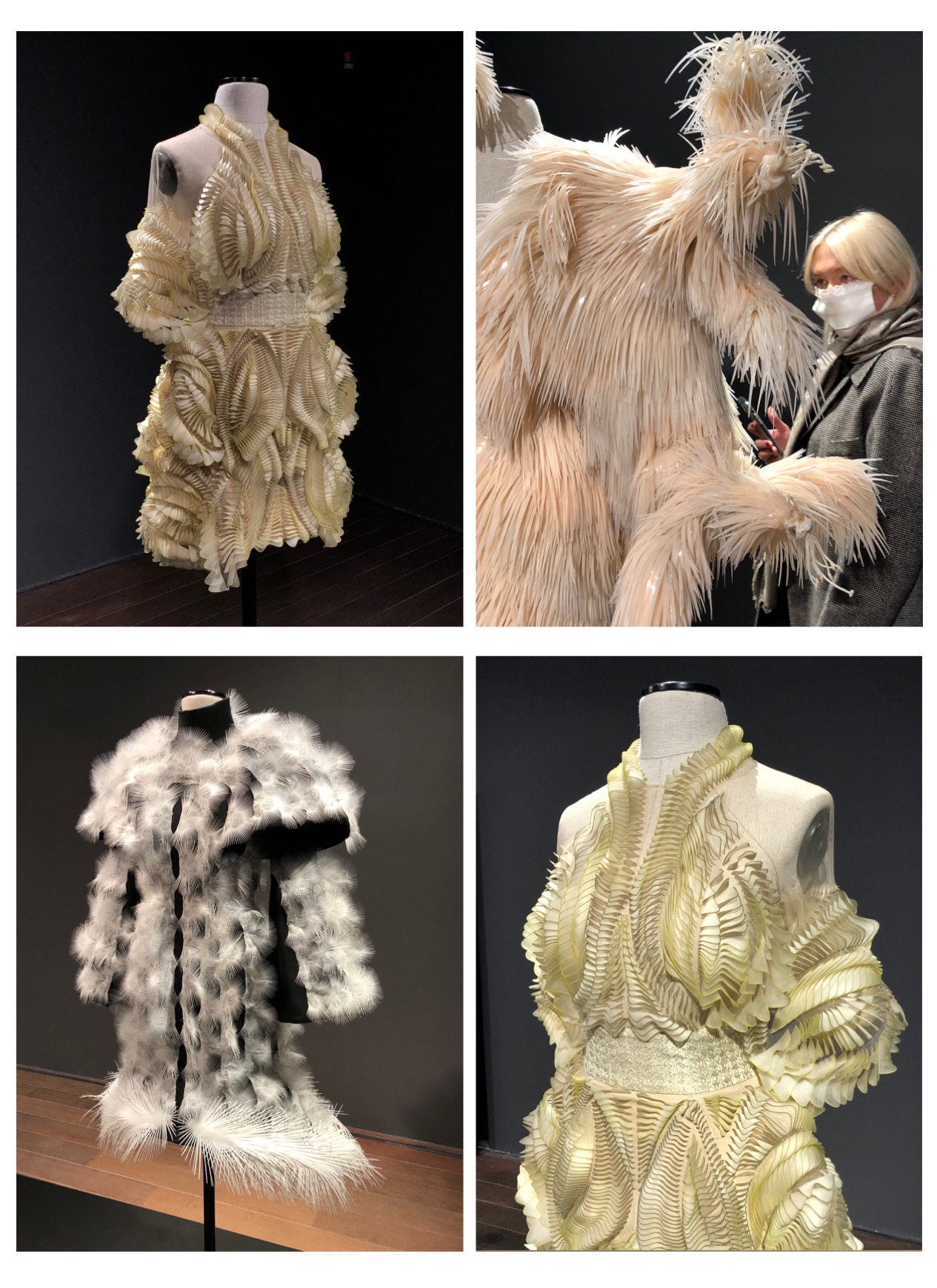
Iris Van Herpen in Poznan

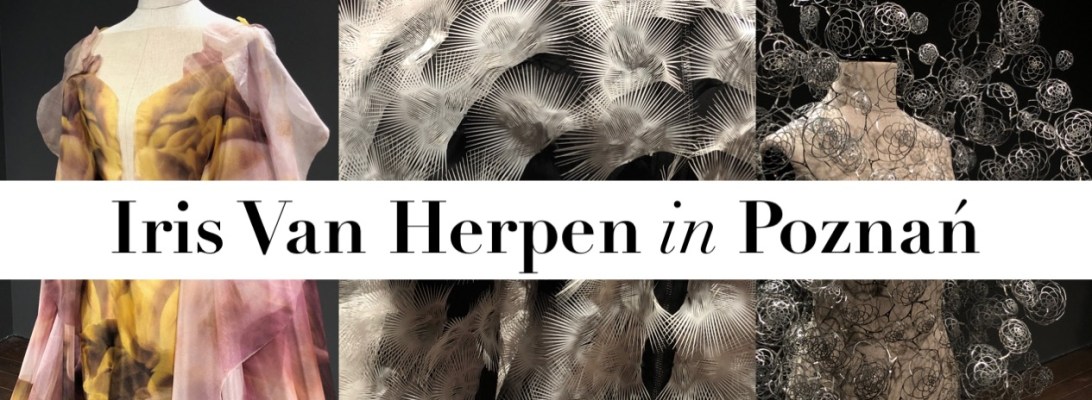
This might sound truly surreal, but yes, an exhibition dedicated to Iris Van Herpen‘s sci-fi creations has opened in my hometown, Poznań. “Alchemic Couture” is on show until the end of January in Stary Browar’s Art Station Gallery and presents some of the most striking designs coming straight from Van Herpen’s studio in Amsterdam. This exhibition shows how Iris van Herpen perceives haute couture as a transformative language, an interdisciplinary entity that emerges from the space in which innovation and craftsmanship interlace. The Iris van Herpen maison was founded in 2007 and showcases its collections bi-annually at Paris Haute Couture Week as a member of the Fédération de la Haute Couture. The brand stands for slow fashion with a multi-disciplinary approach towards collaborations with artists, architects and scientists. Each collection is a quest to venture beyond today’s definition of a garment, exploring new forms of femininity for a more meaningful, diverse and conscious fashion for the future. Organic, innovative femininity is expressed through state-of-the-art couture that embraces individuality powerfully and fearlessly. Van Herpen’s work is deeply rooted within nature – water, air and earth are elements that leave traces in the sensorial garments. The infinite properties alluding to movement such as the unbound forces and fluidity behind water or its crystalline formations are facets that flow into the designs. Through biomimicry, the maison visualises and materialises the invisible forces that shape our world, perpetuating a deep sense of organic presence. Captivated by architecture and how we embody space and inhabit sculpture, Van Herpen recognises both fashion and architecture as expressions of self, culture and community that link to the times and fabric of society. Changes of perception provoked through dichotomies between the hard and soft, structure and movement encompass the poetics of the brand’s craft. Transcending boundaries within the industry by liberating our sense of limitations, the maison is known for binding emerging technologies like elaborate 3-D printing or laser-cutting with delicate handwork such as embroidering or draping, creating a hybrid of haute couture. ‘Craftolution’, coined as the evolution of craftsmanship and the embracement of change form the core of the brand’s identity, fusing layered lightness, three-dimensionality, and undulating volume into ethereal creations. Summing up, seeing those works IRL is a mind-blowing experience.

Photos by Edward Kanarecki.