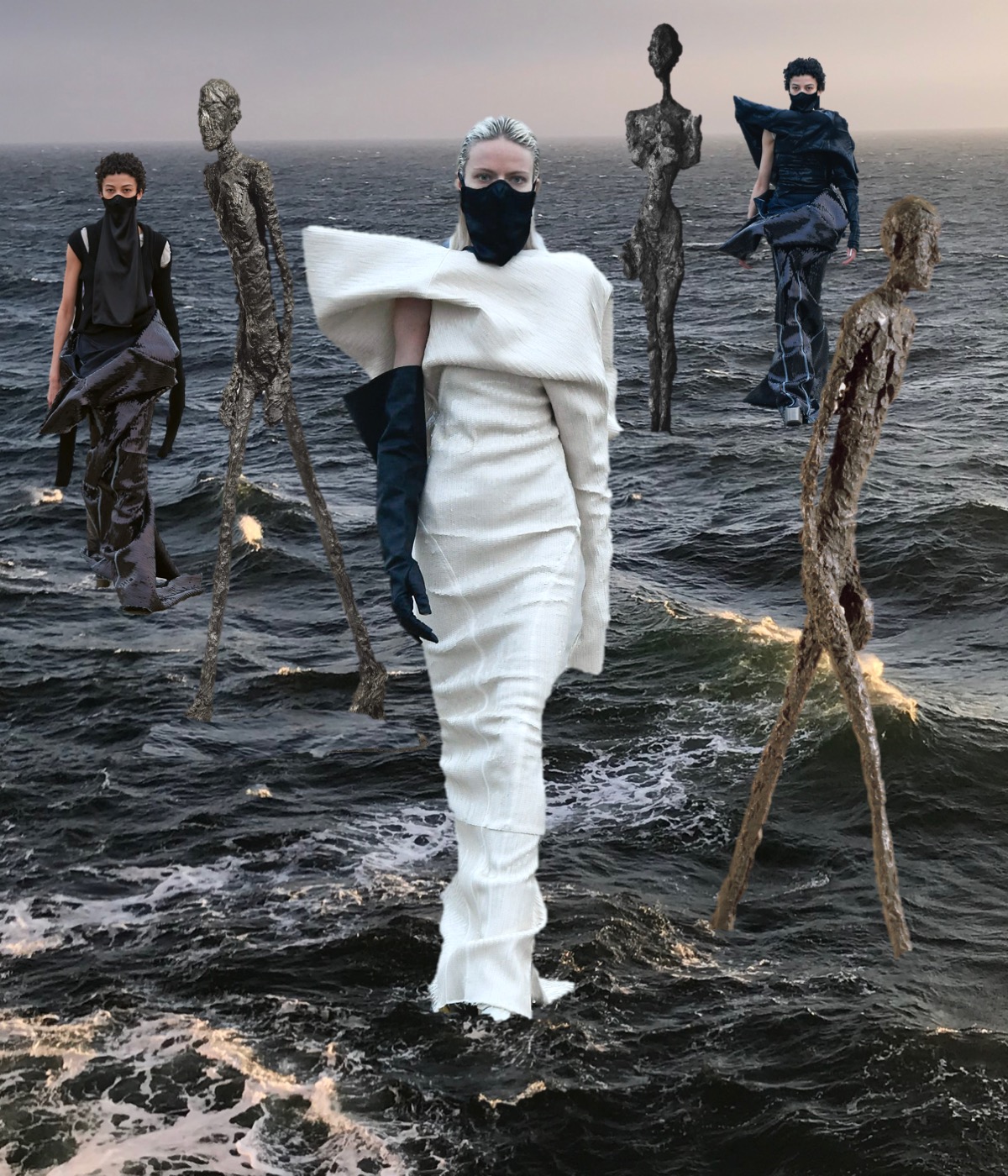
Alien Couture. Rick Owens AW21

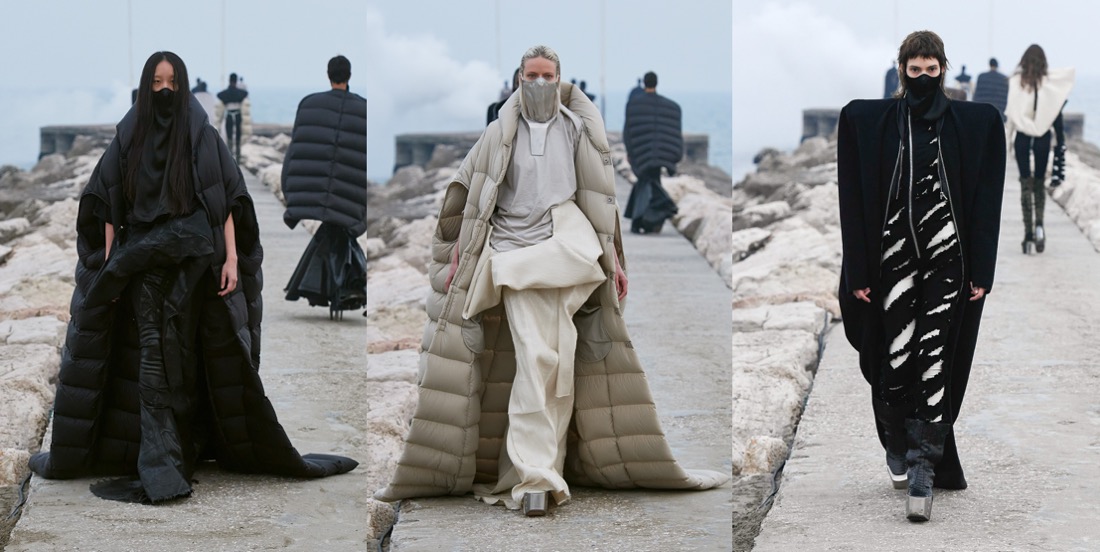
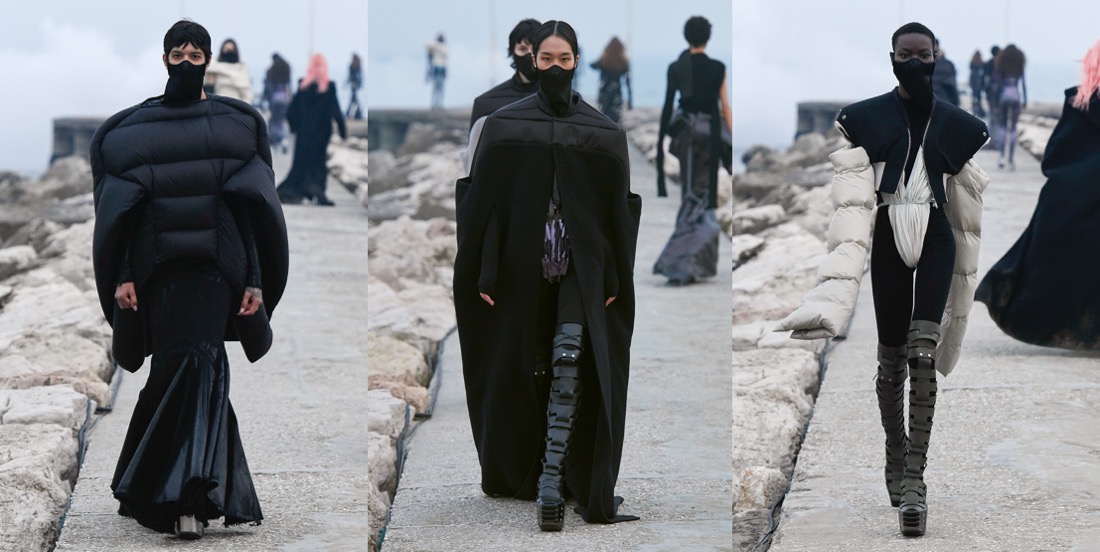
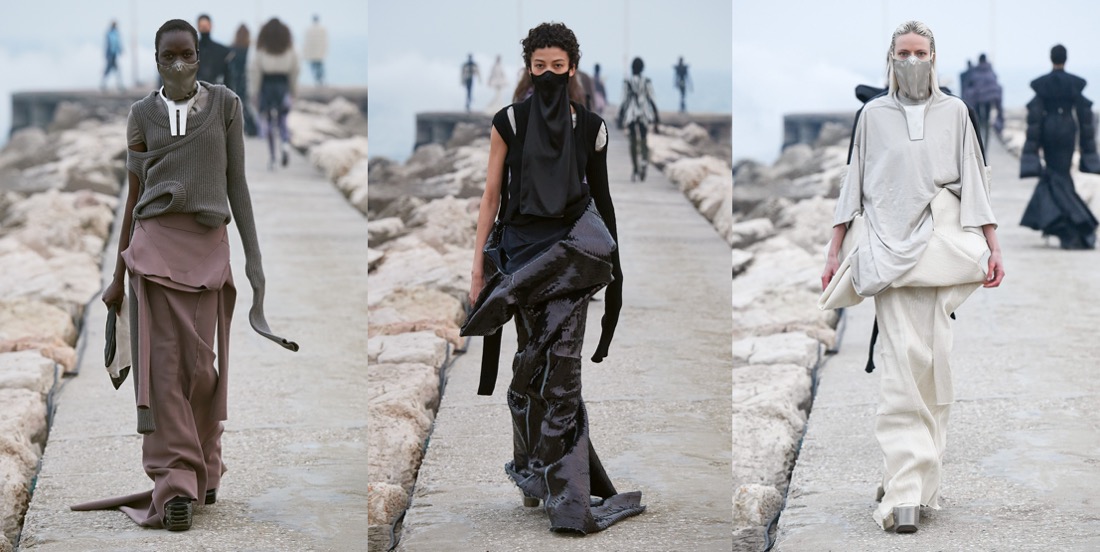
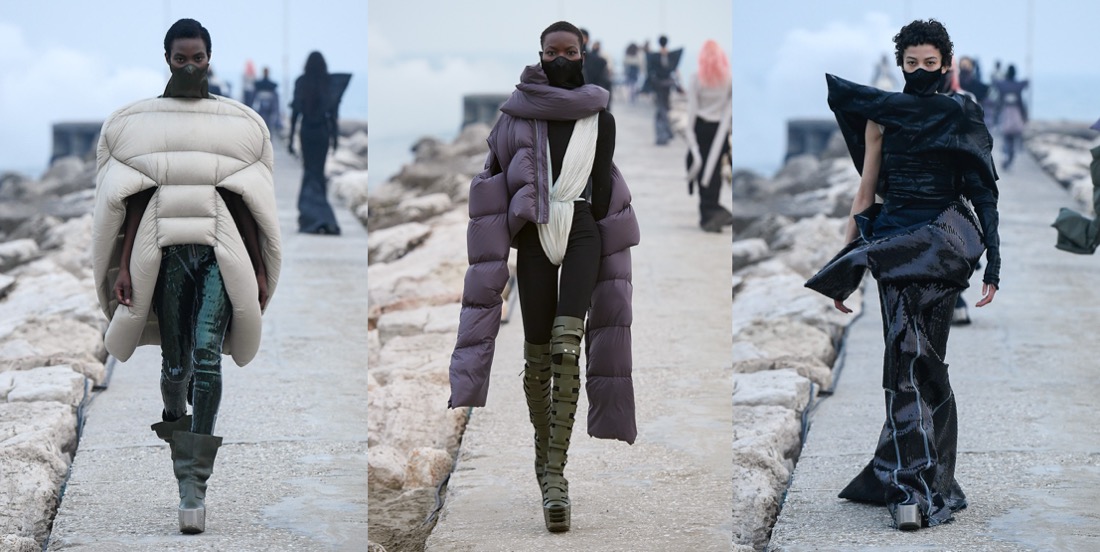
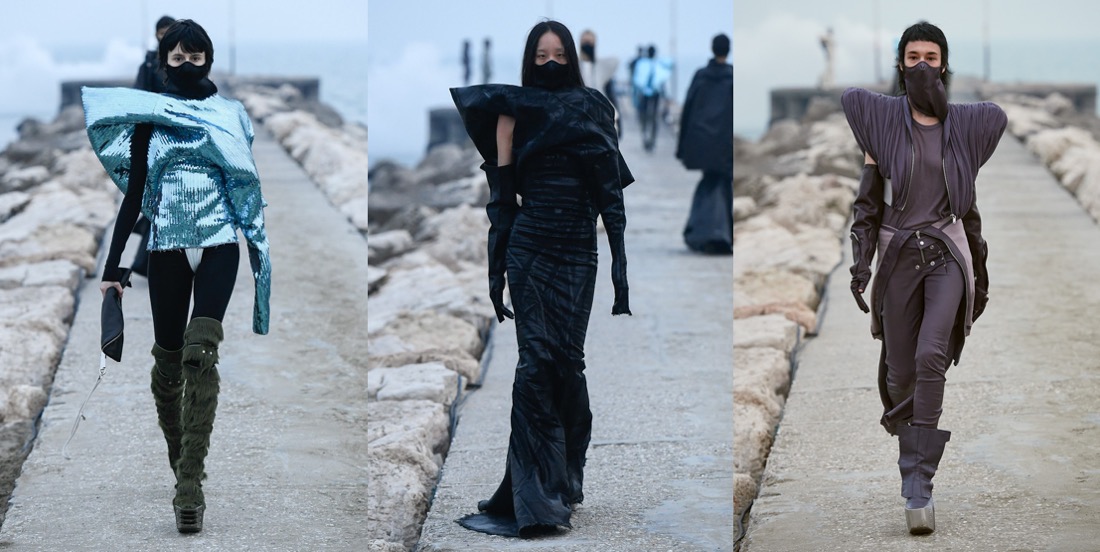
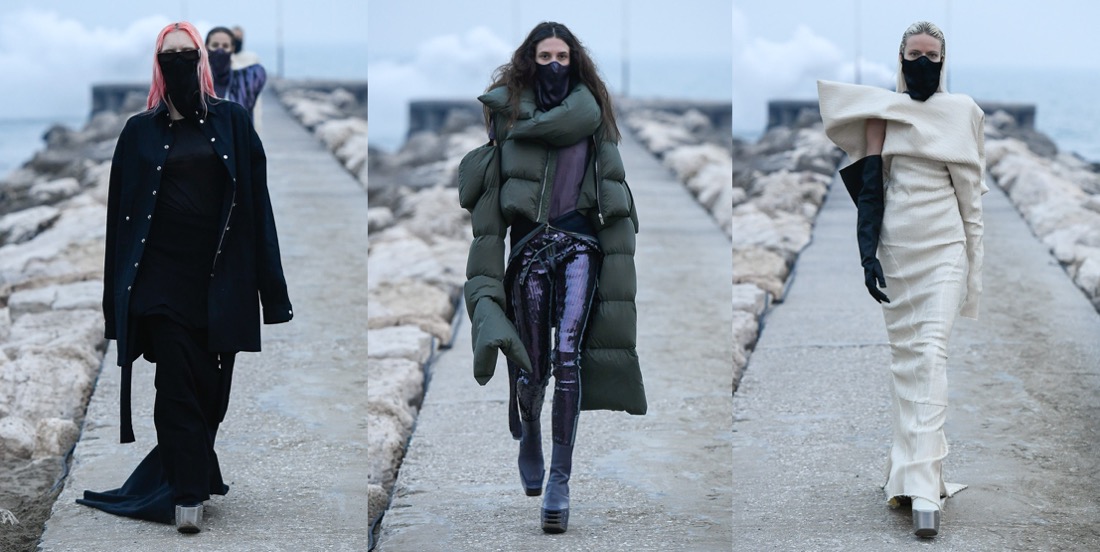
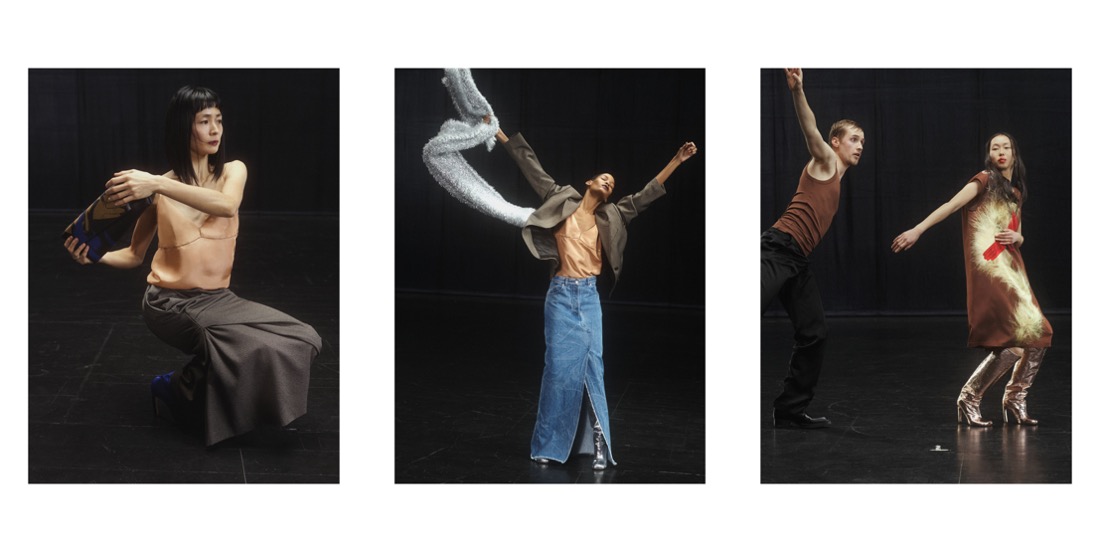
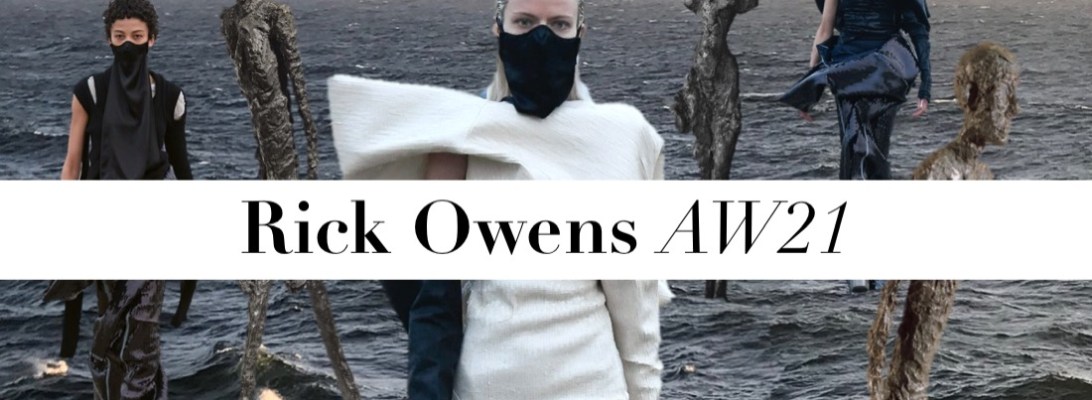
Rick Owens presented another incredible, made-in-lockdown collection, livestreamed straight from Venice Lido (the place where most of his brand’s goods are produced). “Doing these shows without an audience is becoming a kind of private ceremony because we’re sort of doing it for ourselves,” he told Vogue. “There’s a sweetness to it.” The runway was an actual concrete pier, and the background – a breezy, cold sea. The models looked like a troop of Giacometti sculptures, or aliens whose spaceship wrecked in the fog. The collection synthesized comfortwear of the pandemic – bodysuits, knits, the ubiquitous puffer – with the grandeur of haute couture. You’d be hard-pressed to find a more glamorous gown this season than this show’s closing look, a fully sequined ivory hourglass stunner with a sculptural, asymmetric neckline and a single sleeve that was worn with a black gauntlet and matching mask. To be honest, nobody today does draping as well as Owens. Equally fantastic were the couture-ish things he did with puffer capes and coats with his now-signature power shoulders. The use of sequins was an interesting take on femininity: the result was a “garment”, which appeared to be over-the-shoulder thongs worn with cashmere bodysuits. On the subject of underthings, the pentagram briefs from the January men’s show reappeared here wrapped around evening clutches, the implication being that these alien females had handled the “unhinged male aggression” that those briefs signified. Here’s what Owens had to say about it: “During times of strife, you gotta step up.

Collage by Edward Kanarecki.

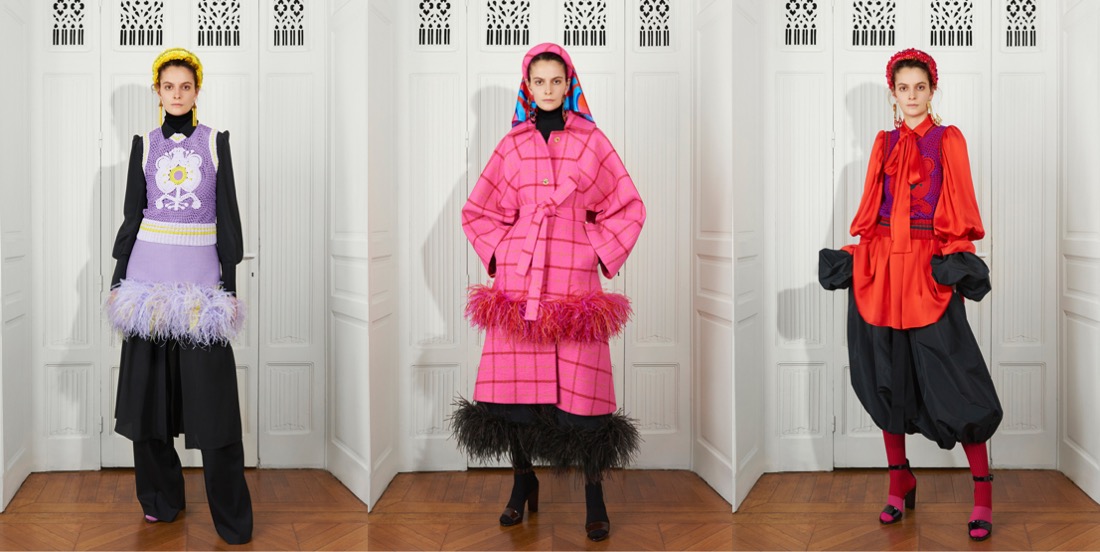
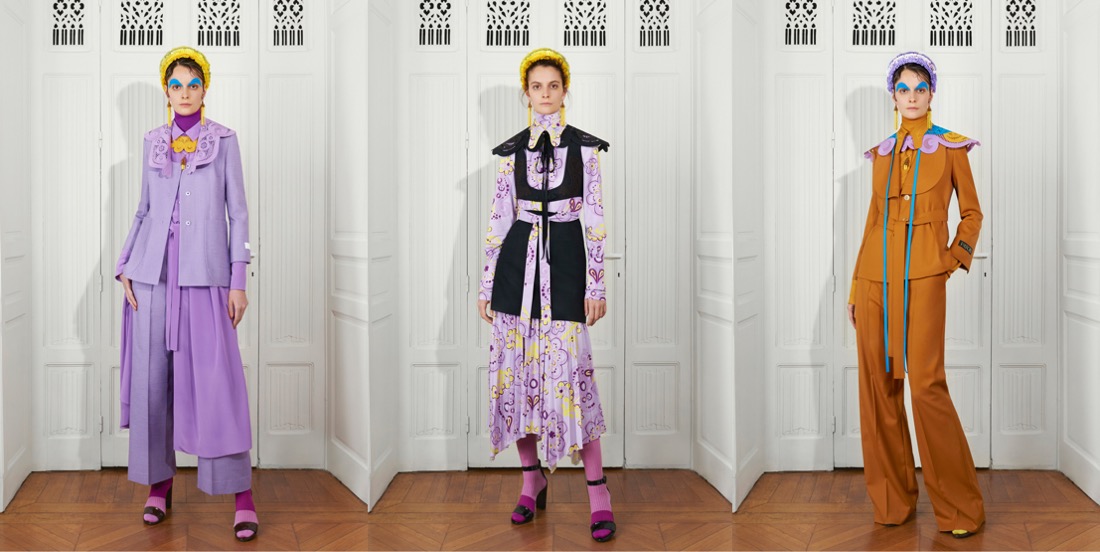
A Fabulous Garden. Patou AW21

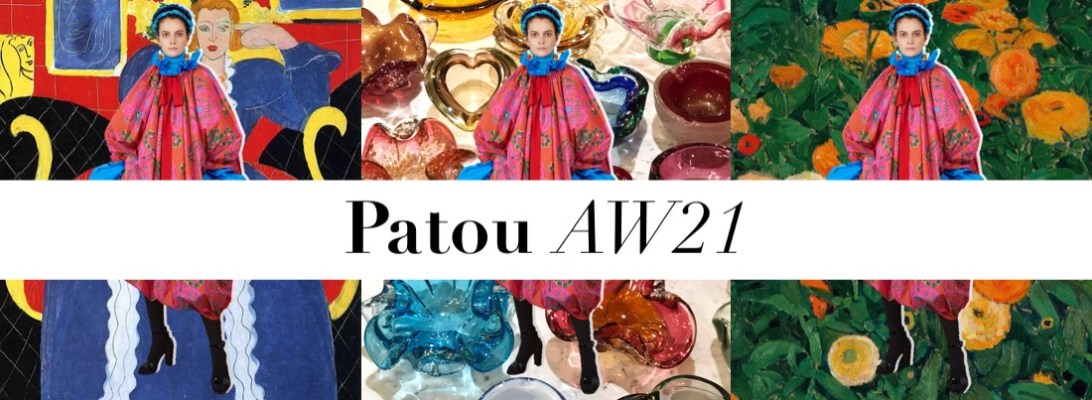
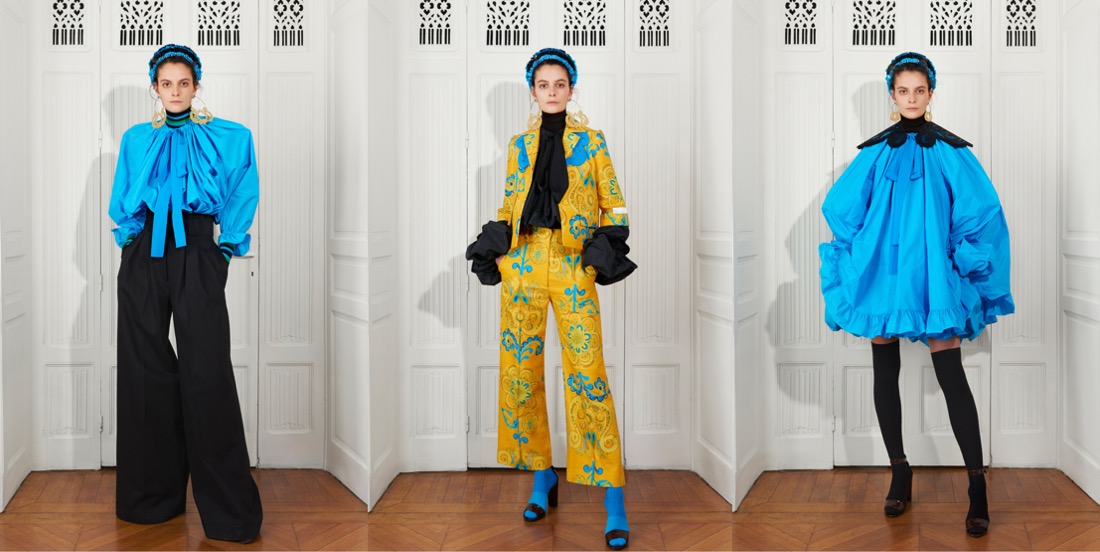
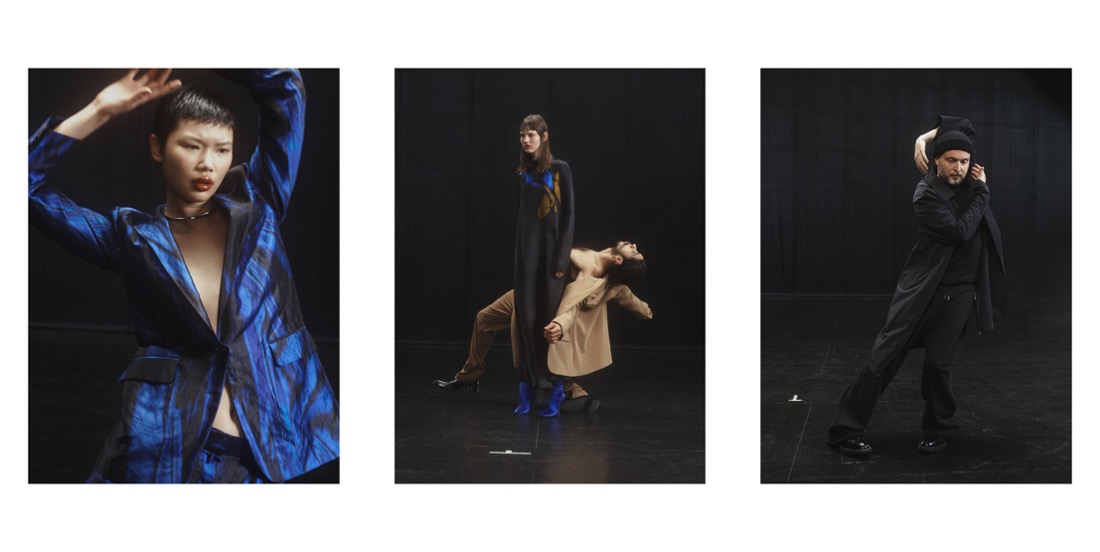
Guillaume Henry‘s autumn-winter 2021 collection for Patou gives me life! It’s just so, so, so fabulous. The line-up is like a voluptuous, opulent garden filled with the most beautiful flowers. It’s this kind of boldness we need especially today, even in our lockdown lives. Turquoise, orange, lilac, pink, red, yellow; vast volumes here, gigantic collars there; floral prints on ’70s-flavored tailoring. Everything had grown from the signatures that Henry has planted over the last several seasons at Patou – think French regional costume, the Provençal embroidery, the Parisian-girl suiting, the playful, jaunty accessories. Last summer’s drop of mini-florals just gave rise to an even more exaggerated blooming of silhouettes this season. Yet, as Henry demonstrated by smoothing down what appeared to be a pair of the widest leg’o’mutton sleeves ever suggested, the shape of fabric can be tweaked by the wearer just as she pleases. And what’s most exciting is that these fantastic clothes have a sustainable background behind them – something Henry has gradually implemented into the brand since his debut. “We have have reached 70% organic or recycled this season,” said Henry. “And the prices are really on-point. We’ve worked on that a lot.” A large part of his talent is considering how to make haute-looking fashion work for lots of girls with differing tastes, lives and body-types. “Patou was always about generous couture volumes. When we’re normally talking about comfort, it’s yoga pants and cocooning things. I’m so not into sportswear. So why don’t we make it comfy, with ease – and all about Patou?”He found more Patou-ness in the archives too. “We discovered these naïve, colorful, sort of flower-power prints which were made by Michel Goma in the ’70s,” he said. “In that period flowers meant freedom, too. I met him the other week – he’s 91, and he showed me everything he did back in the day. It was so full of joy.” Each look was really a pile-up of elements – turtlenecks, hand-crocheted folkloric vests, smart tailoring, detachable collars – ready to be dismantled by the customer. “It depends on the woman you are – more flamboyant or more modest, you can make it sexy, you can make it shy,” said Henry. All of it rooted in authentic, refreshed references, but also grounded in Henry’s energetic, practical empathy for what the women who surround him will wear.

“Live” collage by Edward Kanarecki.

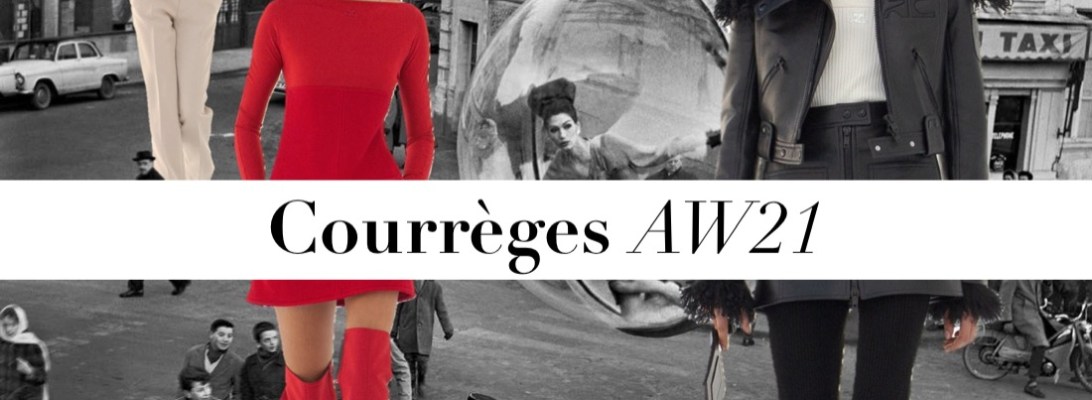
Radical Simplicity. Courrèges AW21

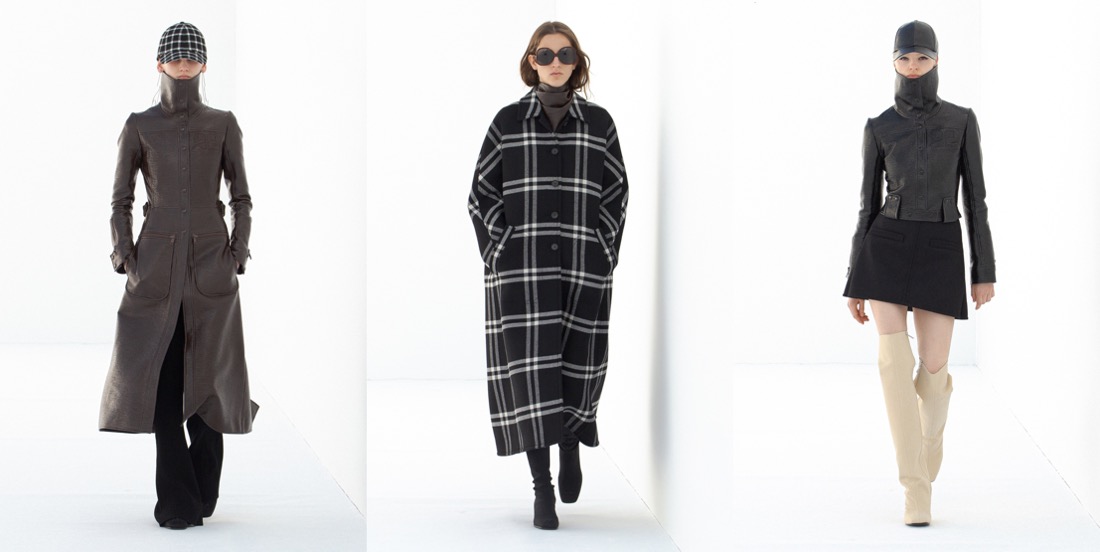
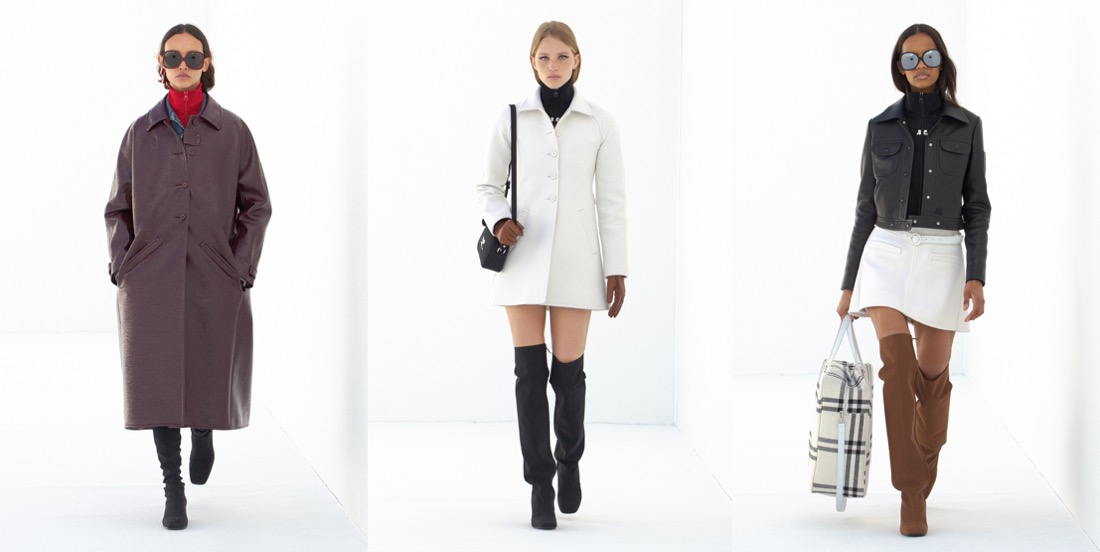
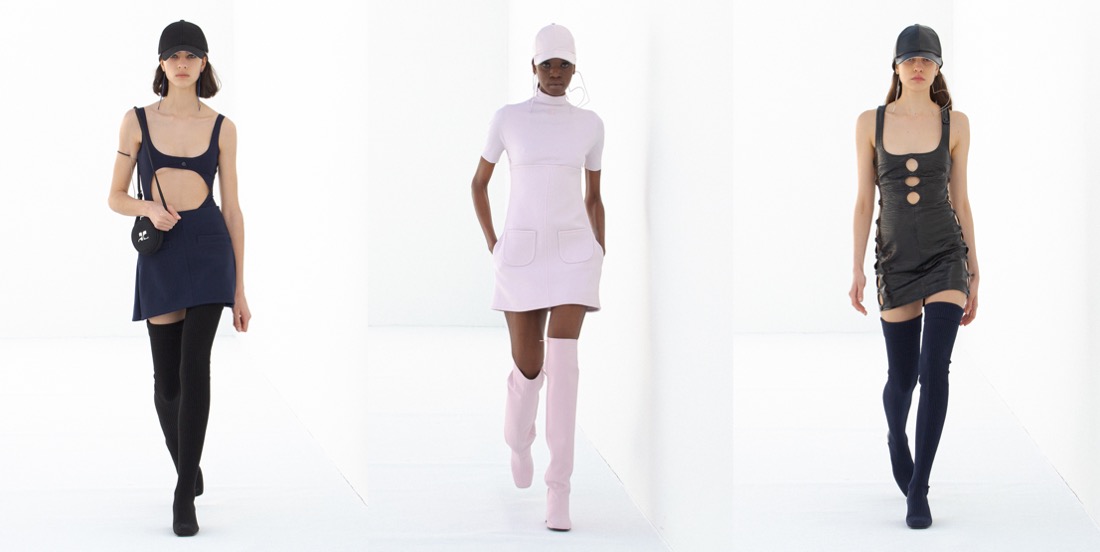
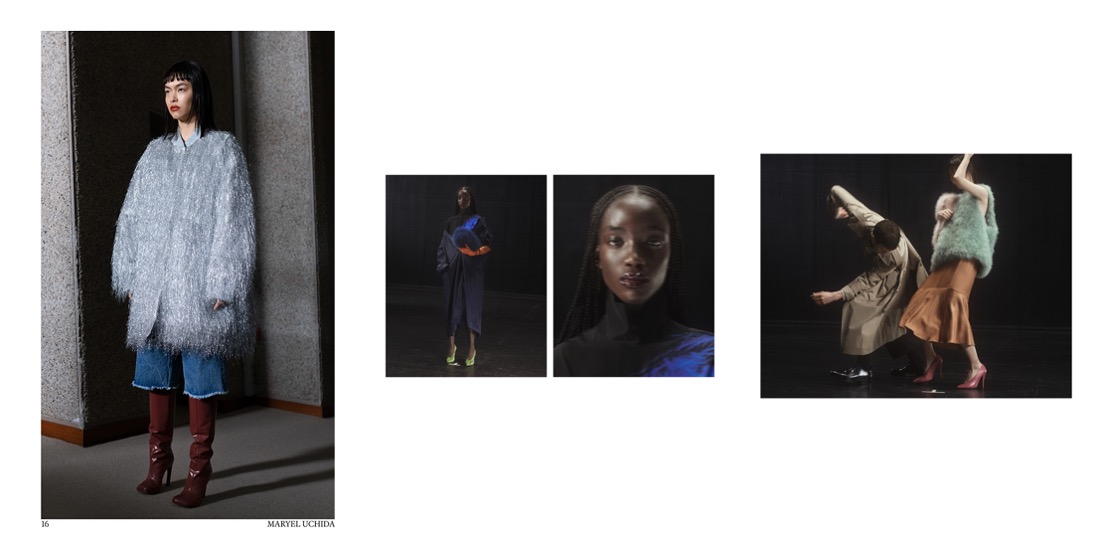
Courrèges isn’t a easy brand to revive. After all the reboots it went through in the last couple of years, the legendary 1960s Spage Age maison just didn’t resonate. Nicolas Di Felice is its new hope. The 37-year-old Belgian is a graduate of La Cambre in Brussels, and he’s worked in Paris for a dozen years with Nicolas Ghesquière at both Balenciaga and Louis Vuitton, and Raf Simons at Christian Dior. A behind-the-scenes guy until now, Di Felice has a knack for research and a command of technique, two things necessary to take charge of a heritage brand whose hallmark, as he describes it, is “radical simplicity.” He says he arrived at Courrèges with armfuls of files and started fittings on day one. And that’s quite visible. There are no ridiculous sci-fi gimmicks here, and finally the entire collection doesn’t solely orbit around the signature Courrèges vinyl jacket. Some Courrèges classics are present, but what’s most important is that they look relevant. A white trapeze dress is modeled on the brand’s original, but with a stretch jersey bodice. Vinyl has been redesigned to be more eco-friendly with bio-based polyurethane and a certified organic cotton base; the high-collared coat he used it for has a powerful, streamlined fit. Summing up, Andre Courrèges’s futurism has been filtered through Di Felice’s child-of-the-’90s eyes. I would say it’s a relatively quiet, but confident debut. Di Felice’s Courrèges might find its client in 2021.

Collage by Edward Kanarecki.
Performance. Vaquera AW21

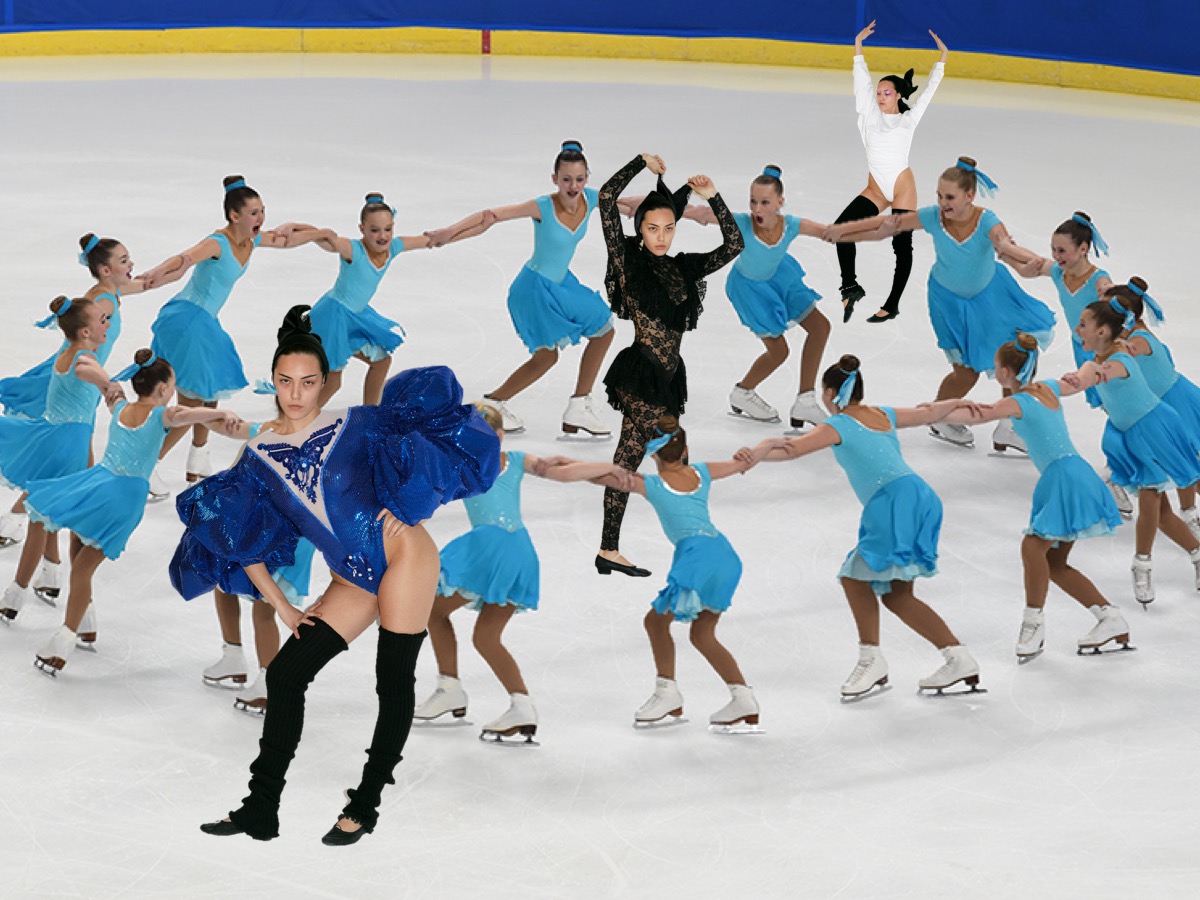
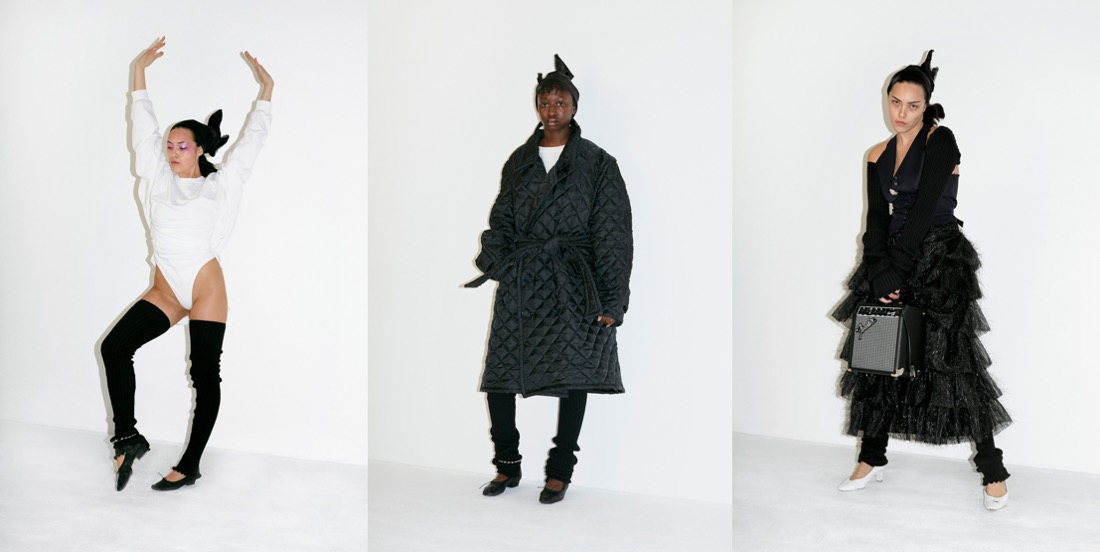
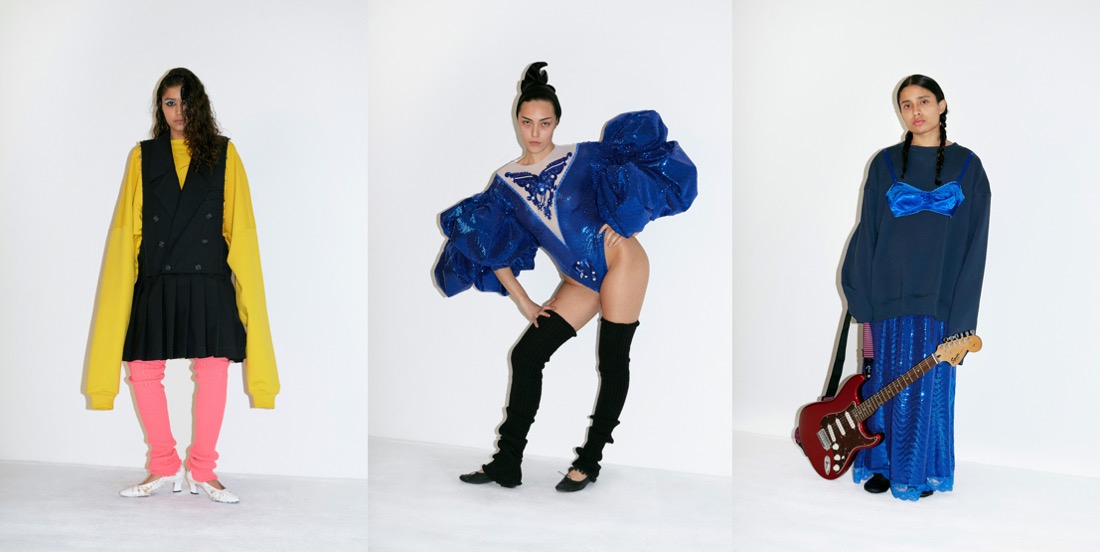
The dancing theme, whether it’s Erdem‘s ballerinas or Dries Van Noten‘s emotional contemporary dance production, is having a moment this season. It’s natural: we’re year in global lockdowns, and we all want to shake it off. For autumn-winter 2021, Vaquera‘s Claire Sullivan, Patric DiCaprio and Bryn Taubensee were inspired by the sensation of “waiting to go back out in the world, to go onstage.” That’s why you see an oversized tee that reads “Runway Star” and Tonya Harding–style leotards. Of course, performance is central to the Vaquera mystique and they’re hoping to be back at it by showtime in September, but the downtime of the last year has helped them to grow in other ways. New York’s perennial cool kids are growing up. The latest line-up marks their second season under the Dover Street Market umbrella and the Vaquera lifestyle is expanding. There’s without a doubt a new level of finesse to the new season’s vegan leather motorcycle jackets; they call them “real” pieces. The collection also takes cues from the way the designers themselves are dressing. There are sweatshirts fused with bras and slip dresses, and the front panel of one skirt is embellished with a pair of satiny panties. A turtleneck collaged with found scraps retains the DIY spirit that has defined their work since the beginning, and a very large brassiere worn as a tank is an example of the proportion play that is another hallmark of their earliest collections. Many designers this season end up with offerings that are somewhere between WFH comfort and optimistic vision of finally going out to the world. Vaquera checks all the boxes.

Collage by Edward Kanarecki.
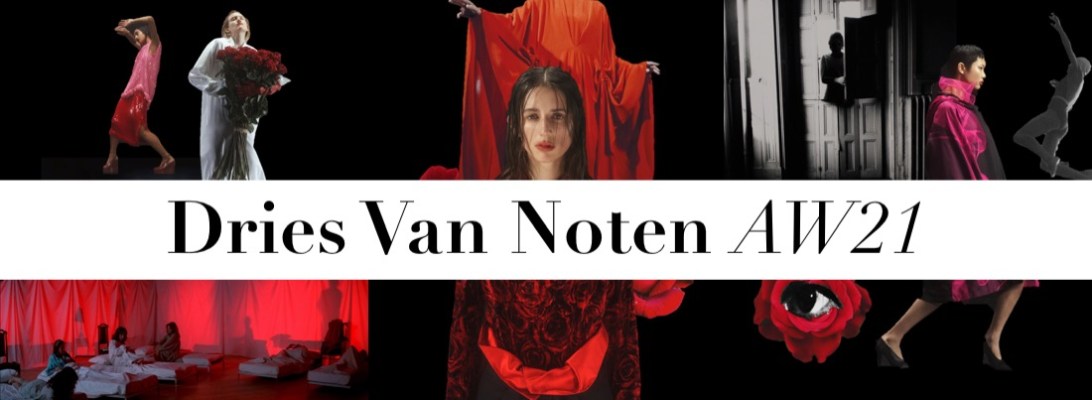
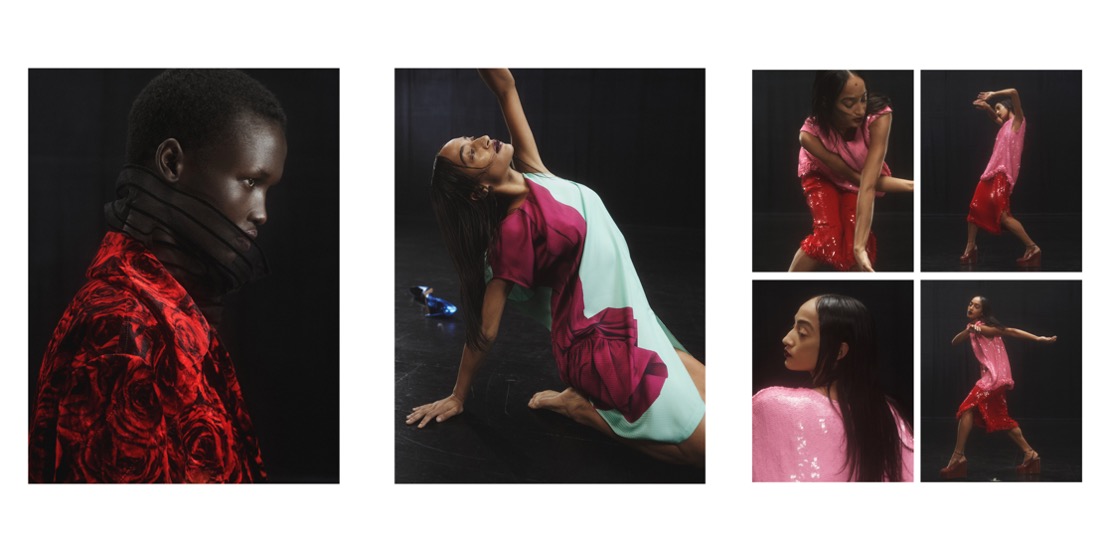
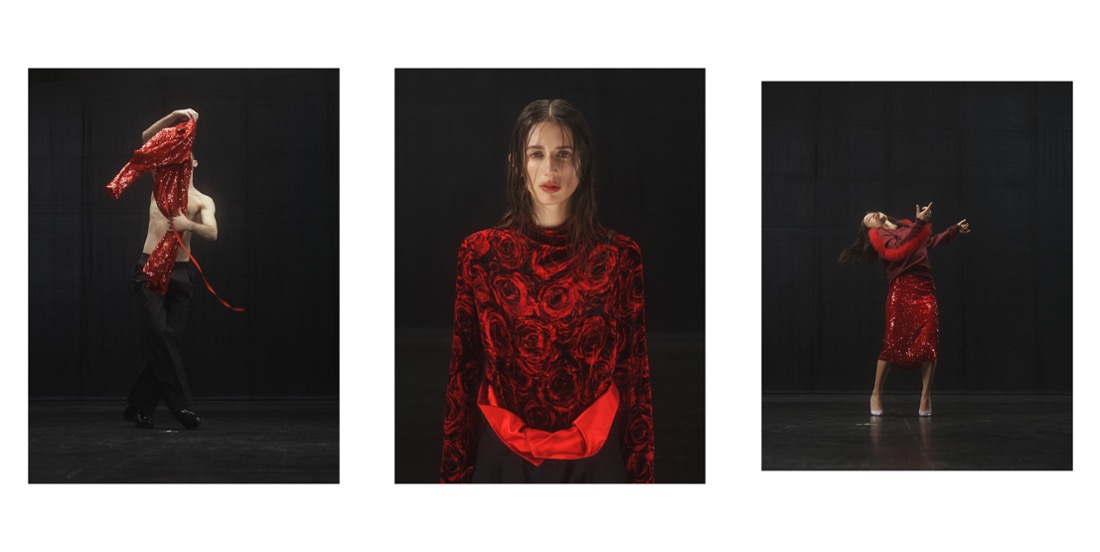
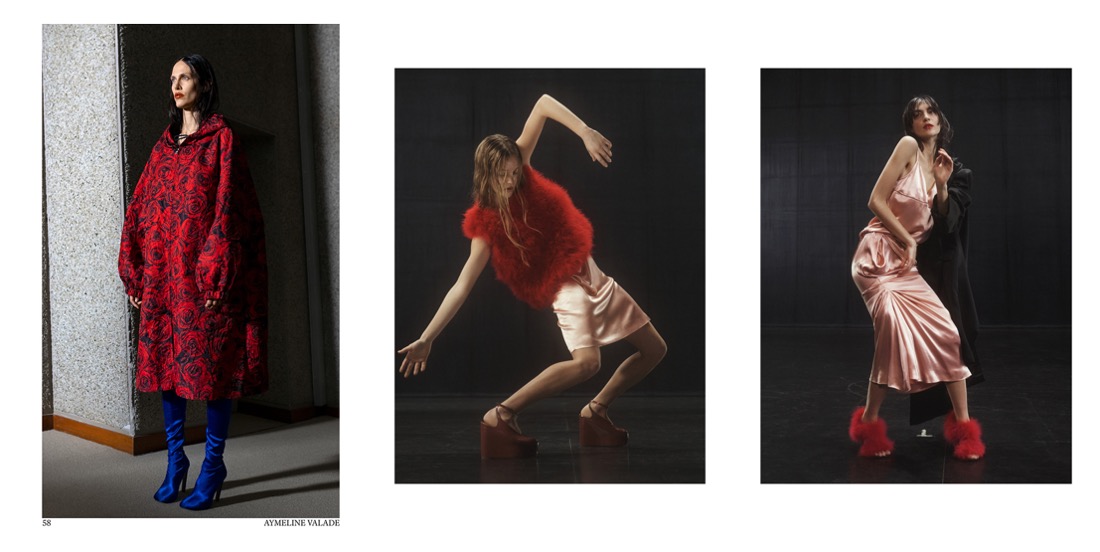
Dance It Out. Dries Van Noten AW21

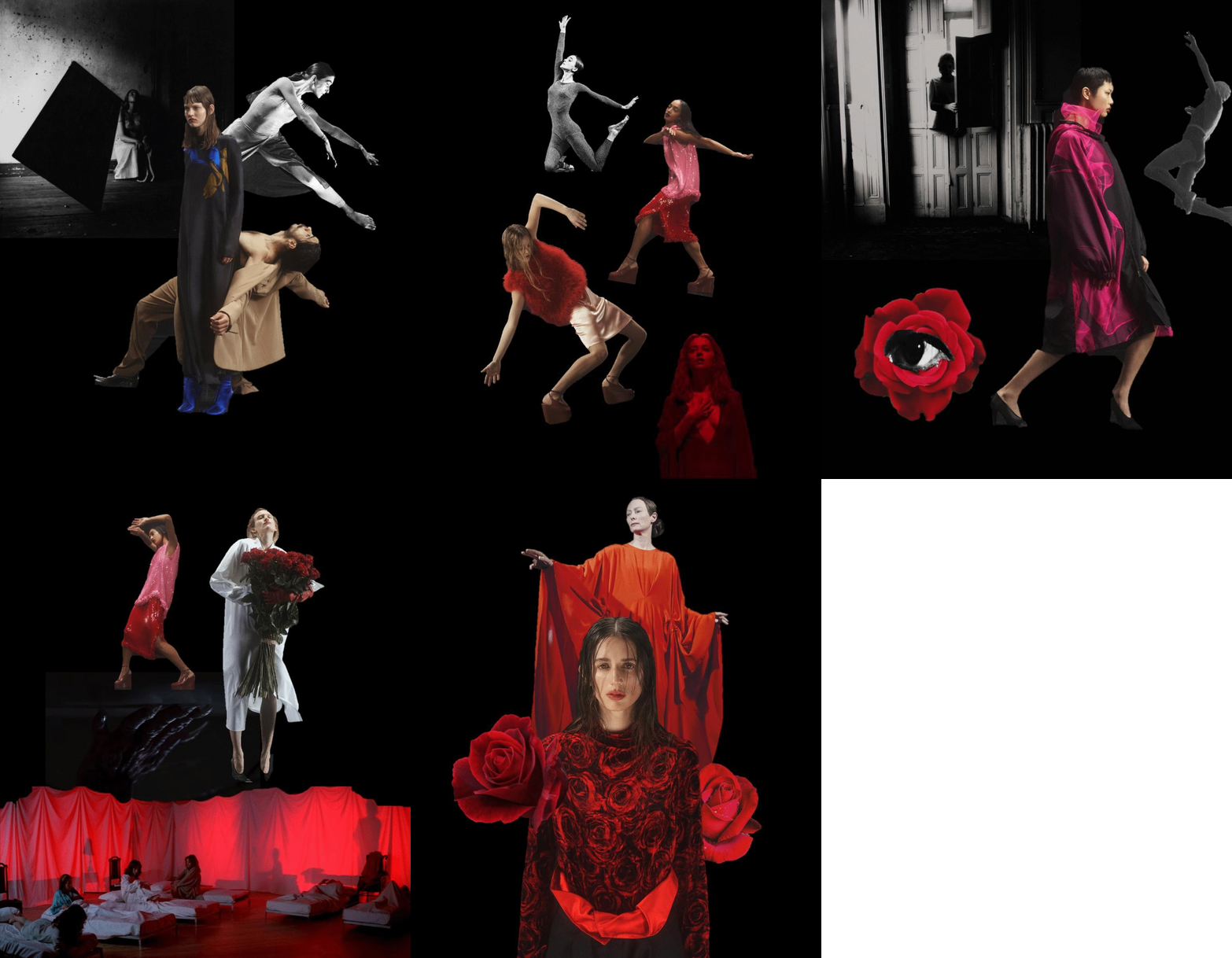
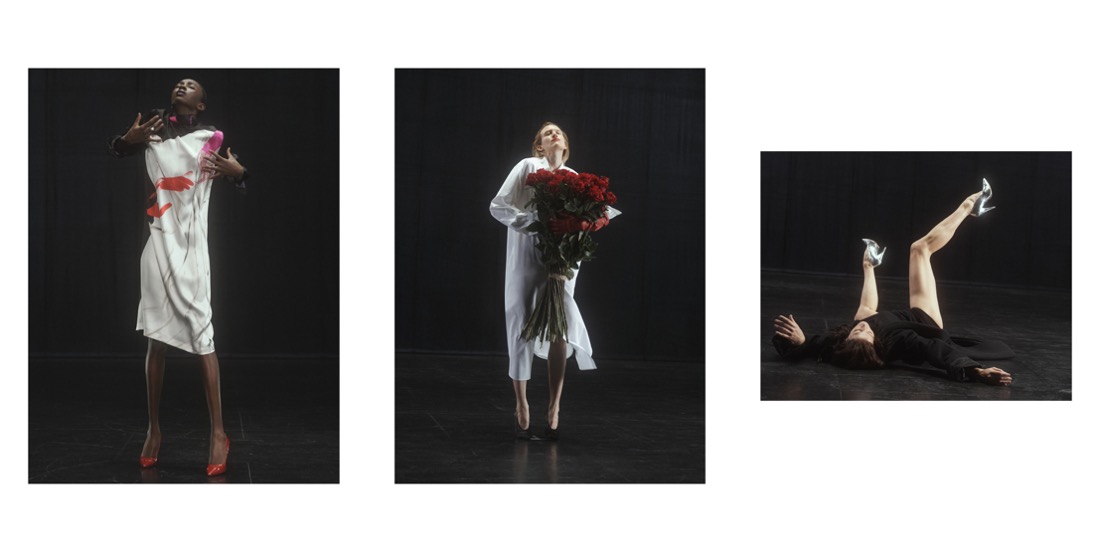
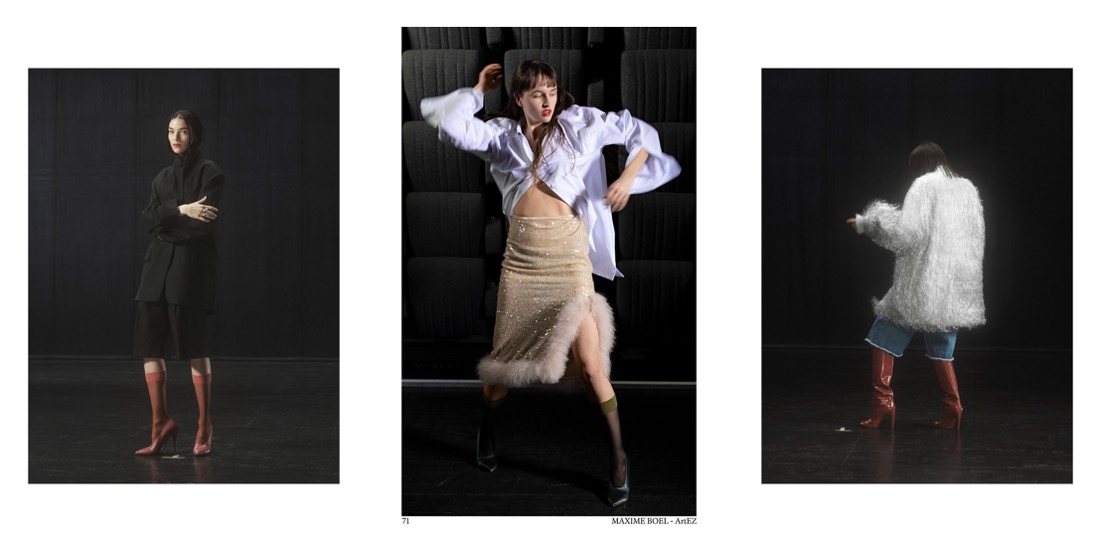
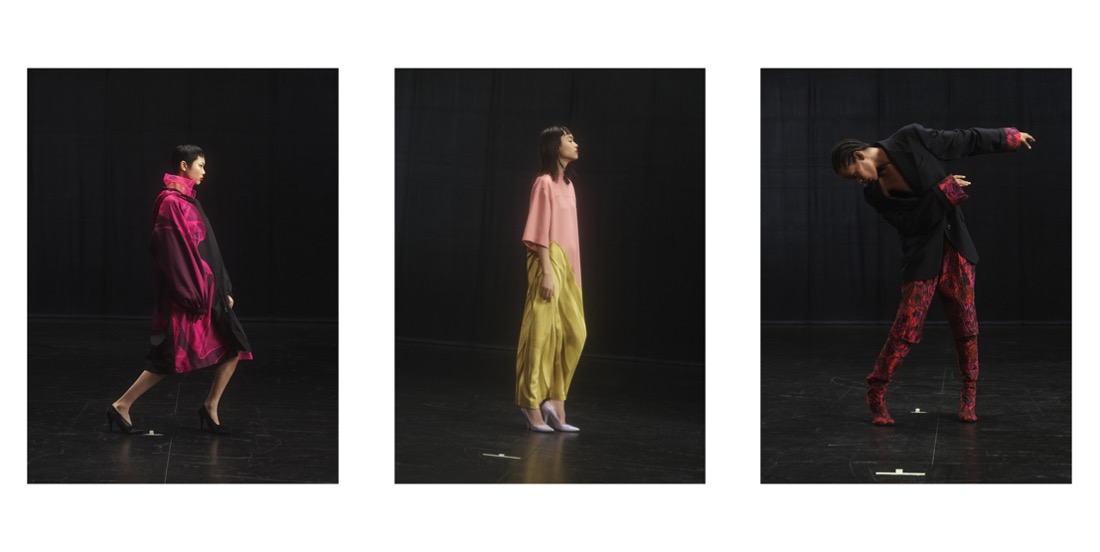
For autumn-winter 2021, Dries Van Noten left the comfort zone of any kind of runway or simple look-book far, far behind. There’s something cathartic about watching rage, frustration, confusion, longing and separation being danced out on a darkened Antwerp stage in the film the designer produced. Naming the un-nameable feelings of lockdown life, it plays out in territory close to home, evoking both the Belgian fashion culture of the 1990s which Van Noten belongs to, and the visceral physical intimacy of how we relate to clothes. “I think we’ve passed the stage of pretending,” he said. “We’ve all gone through something really not nice together. There’s kind of a rawness and directness also – it’s real movements, it’s real emotions.” The film, under strict COVID conditions, was a pretty big production: a gathering of 47 dancers and models on the stage of the deSingel theater in Antwerp, filmed by the director and photographer Casper Sejersen. It’s dramatic and sexual, and we’ve got the most delightful Van Noten pieces, like glittery marabou-trimmed dresses, dark tailoring and print-splashed volumes. Maybe you don’t entirely see all the details, but somehow this isn’t a disadvantage – you certainly ‘feel’ those clothes. “It’s rare that I’ve seen so much emotional kind of things which have cropped up in the body. Nobody was just saying like, ‘Oh, let’s make a pretty move.’ I think one way or another, there was something on stage there that happened. You felt that people wanted to say something with their body, even the models, who after five minutes were dancing even better than some dancers. I think Casper really managed to put that into the video – you really feel that kind of intensity that everybody felt and shared in that moment.” In the digital age, the opportunity to show clothes in movement, in different situations, on different kinds of people, and getting at social situations way beyond the narrow conventions of shows has turned out to be far more exciting, he also adds. “Do we really want to go back at a certain moment to 50 girls in a row who are 16-, 18-years-old, with a perfect size? Anyway, for June and September I don’t want to even think about shows. I don’t know if I’m going to feel the need to do a fashion show. If we are going to do them, it’s not going to be in the same way as before. I think this time is over, and nobody has the need to see a circus like that again. I think there’s now a realness and intensity, with the videos and pictures, and the way that everyone is finding their way to express themselves. And I feel quite well with what we’re doing now.”

“Live” collage by Edward Kanarecki.