Karlovy Vary

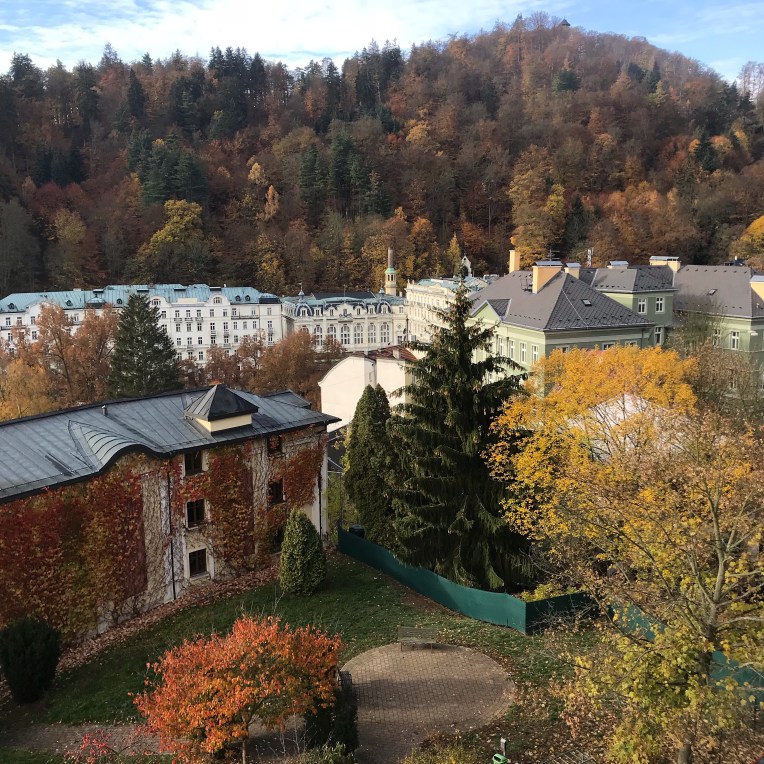
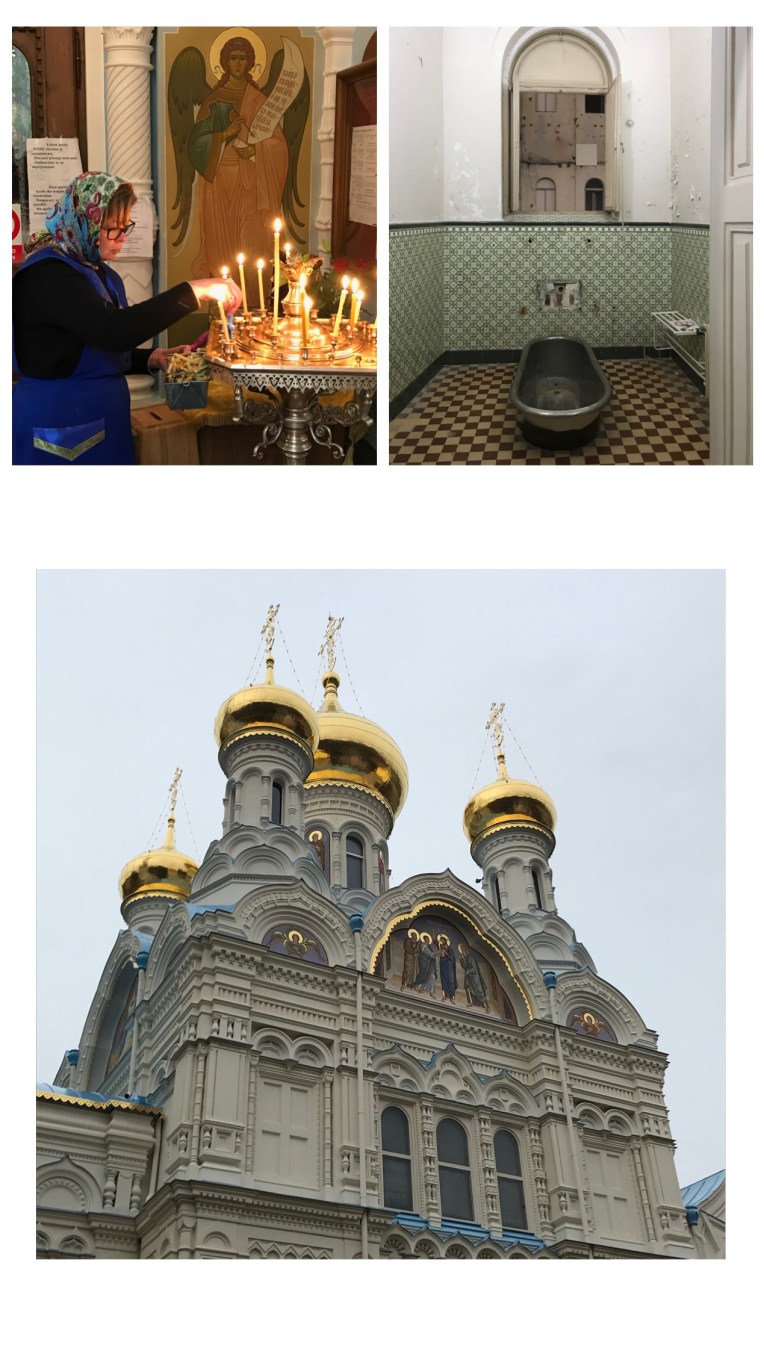
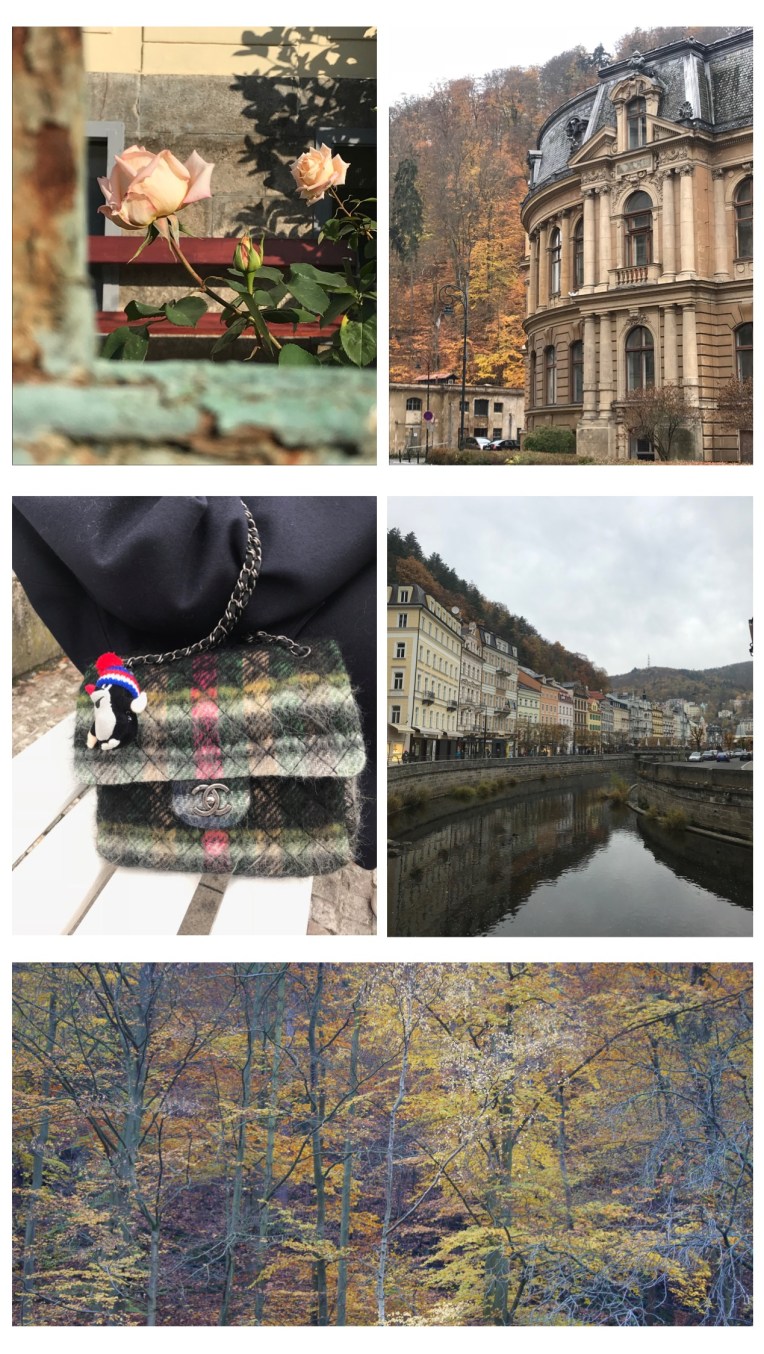
Karlovy Vary (or Carlsbad) is a charming town situated in western Bohemia, Czech Republic. It is named after Charles IV, Holy Roman Emperor and King of Bohemia, who founded the city back in 1370. It;s historically famous for its hot springs (13 main springs, about 300 smaller springs, and the warm-water Teplá River) that are located both in the city, and on its green outskirts. No wonder why it’s the most visited spa town in Czech Republic – the treatments the city offers, based on the local waters, are here to relax and revitalise your body and soul. If you’re planning to visit Karlovy Vary in autumn, put fine dining and shopping aside – walk, walk and again walk in the surrounding forests! And see the local Orthodox church that’s located in the hilly neighborhood of huge, opulent villas. Needed a weekend escape? Here you go.

All photos by Edward Kanarecki.

Prague

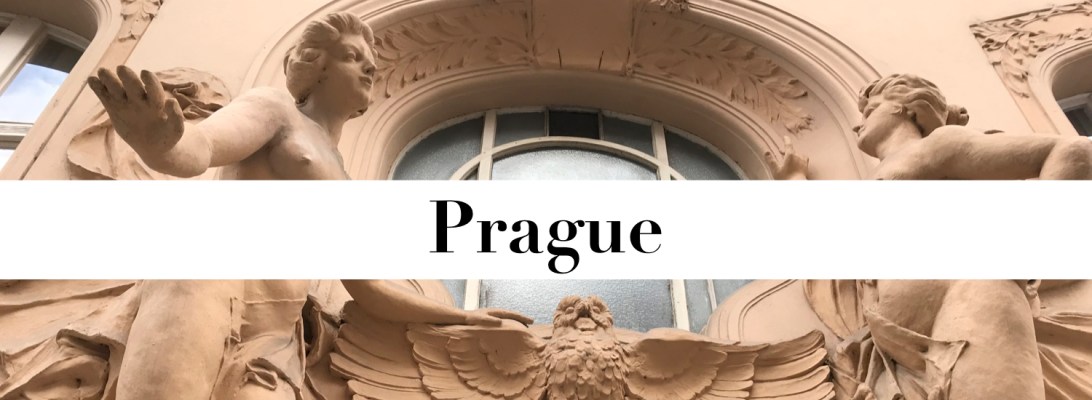
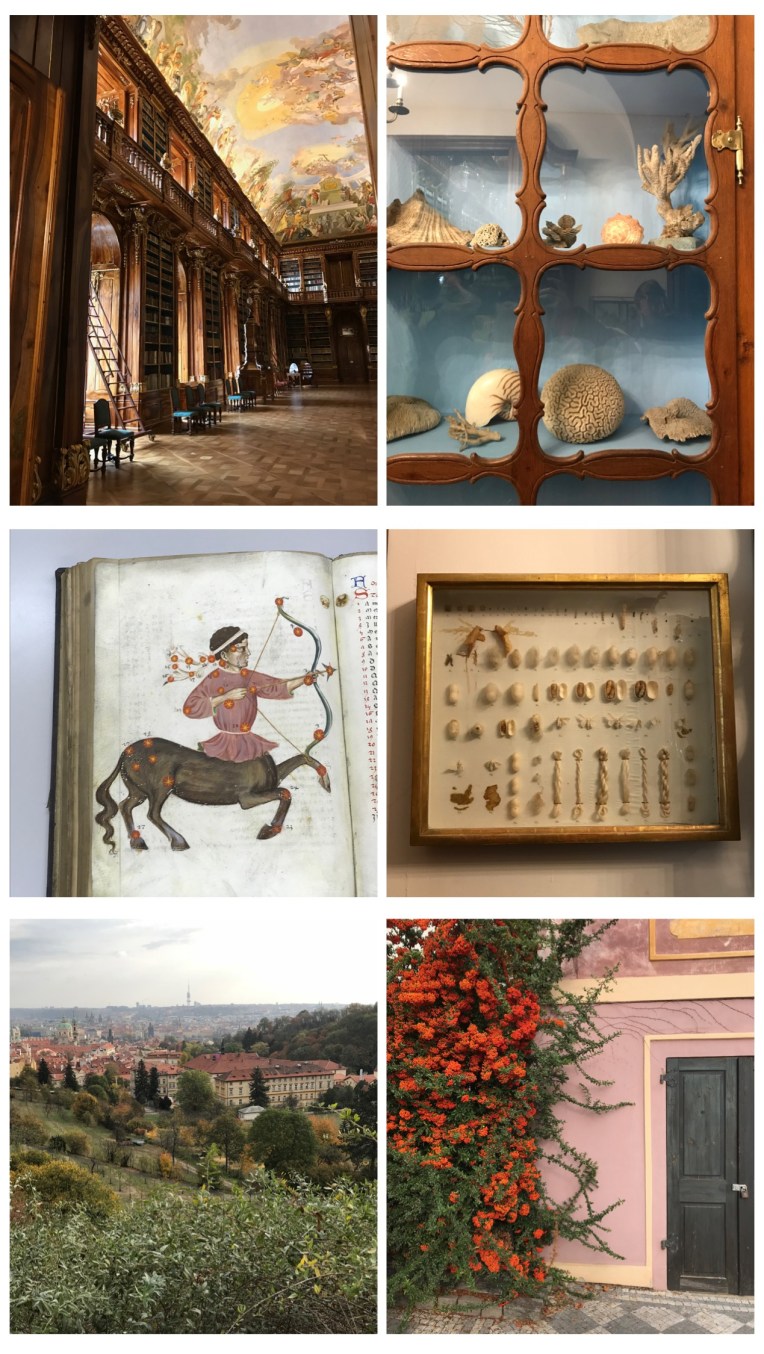
Prague is the perfect weekend destination. The capital city of Czech Republic is breathing history, whether we’re speaking of the Jewish district, called Jozefov, or the streets that evidently went through the long and exhausting period of the Communist regime. The city is diverse, and that’s why it has that one-off charm. We started our sightseeing at the Strahov Monastery to see the gorgeous Strahov Library with its impressive book collection and taxidermy display (but first, took a moment to appreciate the view at the nearby vineyards and the entire city). If you’re into the cabinet des curiosités vibes, this place is a must-visit.

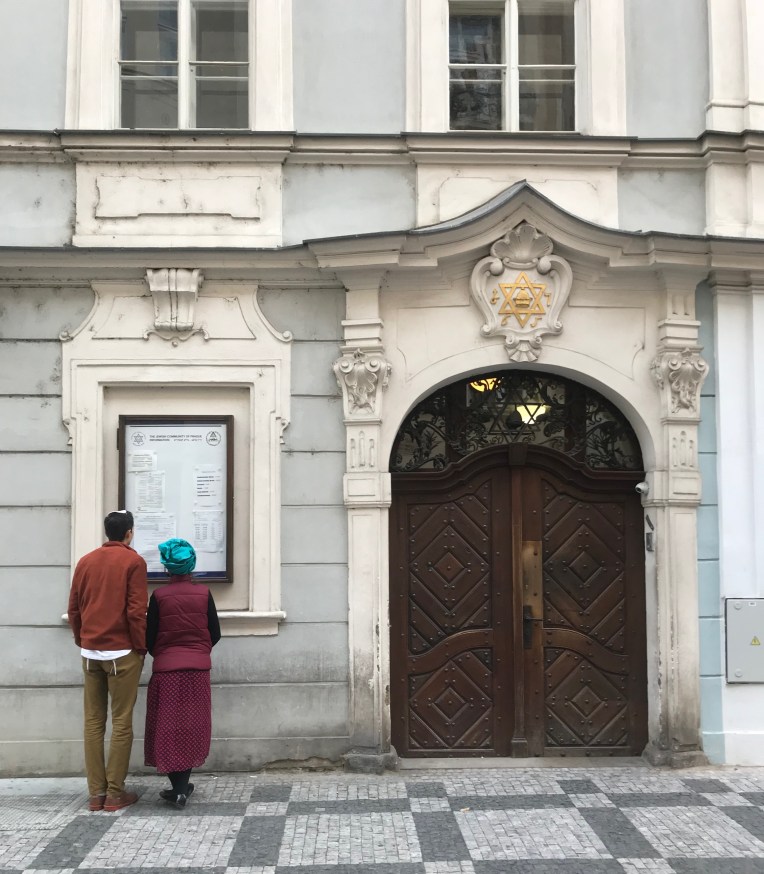
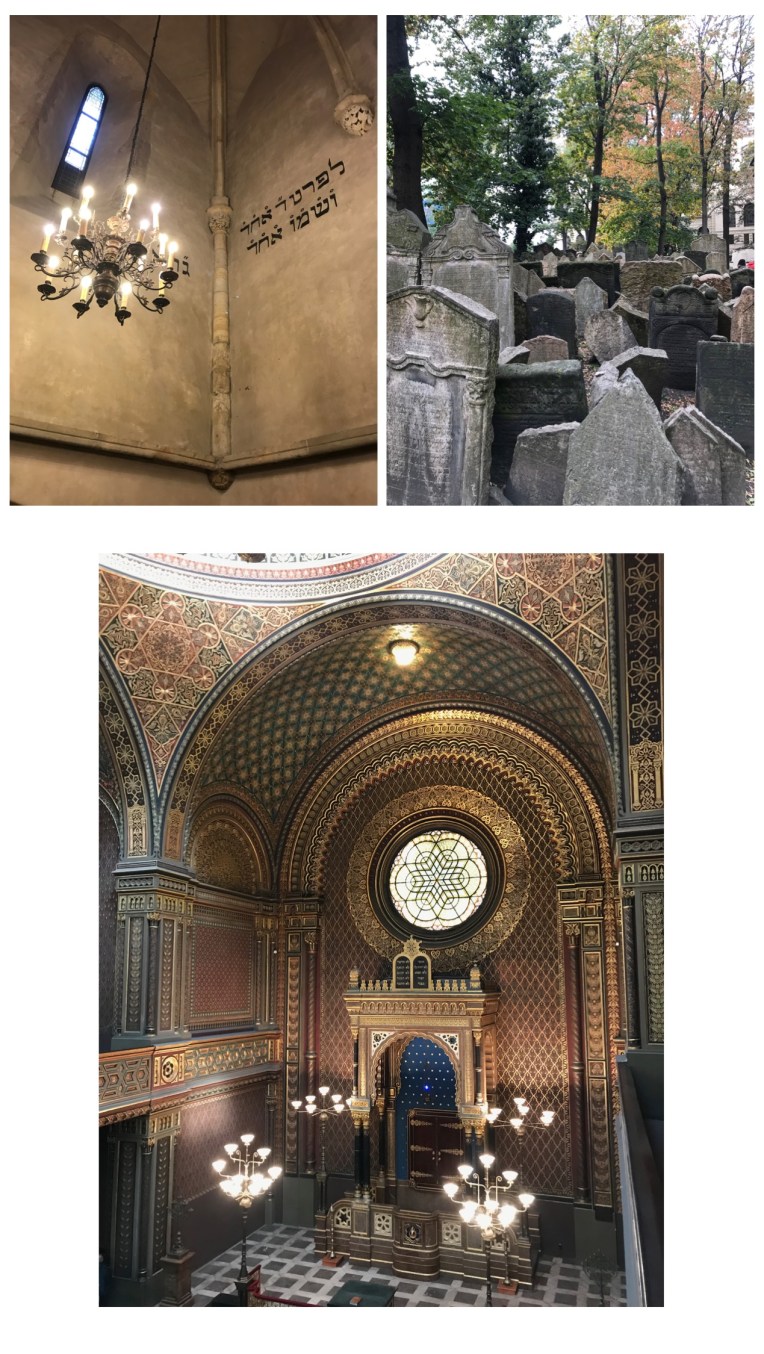
After a nearly one-hour-long walk down the cobblestone streets (and one trdelnik later), we reached the Jewish district that is one of Prague’s most beautiful and mystic places. First, the Old-New Synagogue, which is one of the oldest surviving synagogues in Europe and has been the main synagogue of the Prague Jewish community for more than 700 year. Then, the vast Old Jewish Cementary that leaves you feel astounded. During the more than three centuries in which it was in active use, the cemetery continually struggled with the lack of space. The Jewish community was allowed to purchase grounds to expand the cemetery rarely and many times it had to gain space in other ways; if necessary, a new layer of soil was heaped up on the available area. For this reason, there are places where as many as twelve layers now exist. Thanks to this solution the older graves themselves remained intact. However, as new levels were added it was necessary either to lay over the gravestones associated with the older (and lower) graves to protect them, or else to elevate the stones to the new, higher surface. This explains the dense forest of gravestones that one sees today; many of them commemorate an individual who is buried several layers further down. The autumn trees that surround the place add up to the aura of this landmark. Our last stop in the Jewish district (note that there are other places worth visiting, but we were pressed for time) was the Spanish Synagogue. The place is no longer is use and serves as a tourist attraction / concert venue. The arabesque style of this synagogue, with some elements of moresque, will make you want to stay for hours to observe all those stunning details…

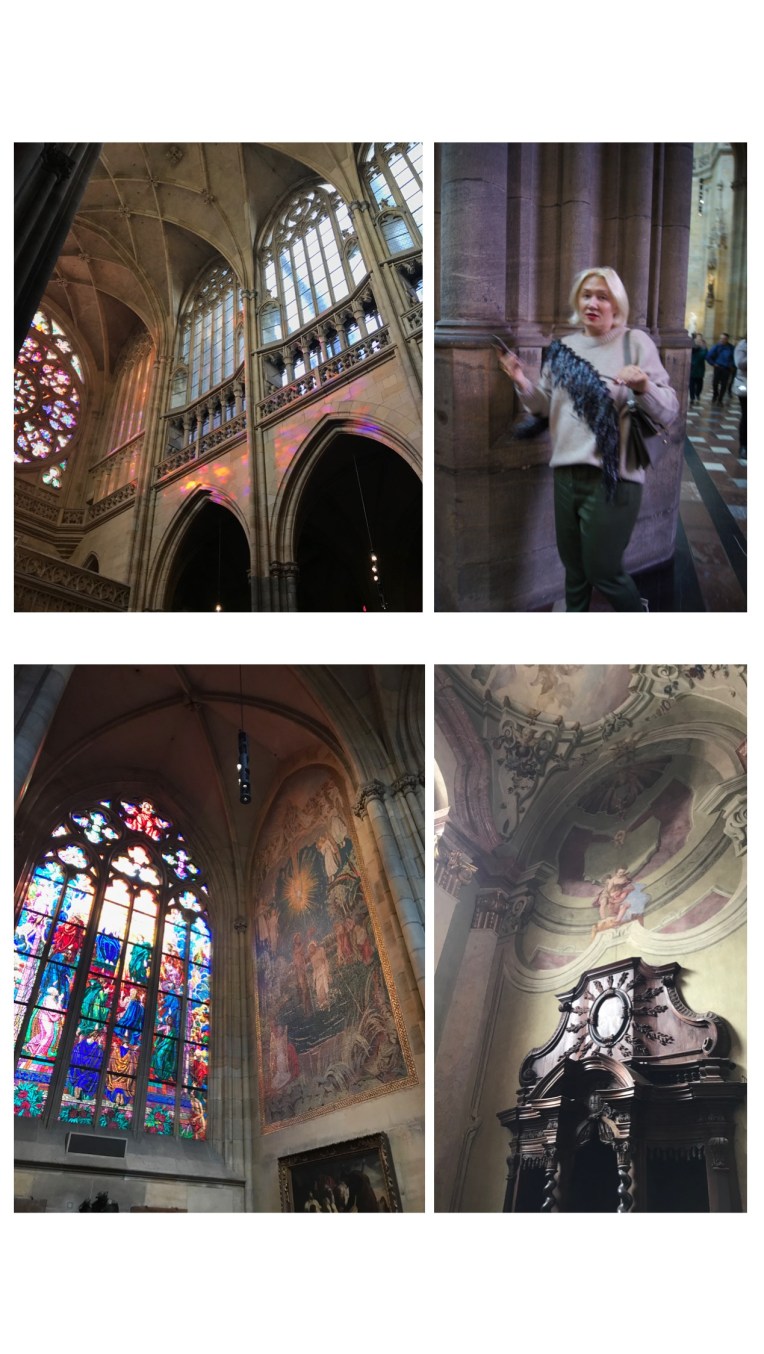
Our last destination in Prague was the Hradčany neighborhood. Hradčany is dominated by the vast Prague Castle complex (which we didn’t manage to see and decided to leave it as a reason to come back to Prague soon). Religious sites include the mind-blowing St. Vitus Cathedral, known for its over-the-top Gothic-ness and stained-glass windows by the one and only Alfons Mucha, and St. George’s Basilica, with a red facade and Romanesque interior. The tiny, colorful houses on Golden Lane are home to historical exhibits and souvenir shops, but it’s so commercialised that it’s simply speaking a sad thing to see.

That would be it from the ‘very important’ places to see in Prague. My favourite addresses from the city are coming up soon!
All photos by Edward Kanarecki.

Ny Carlsberg Glyptotek

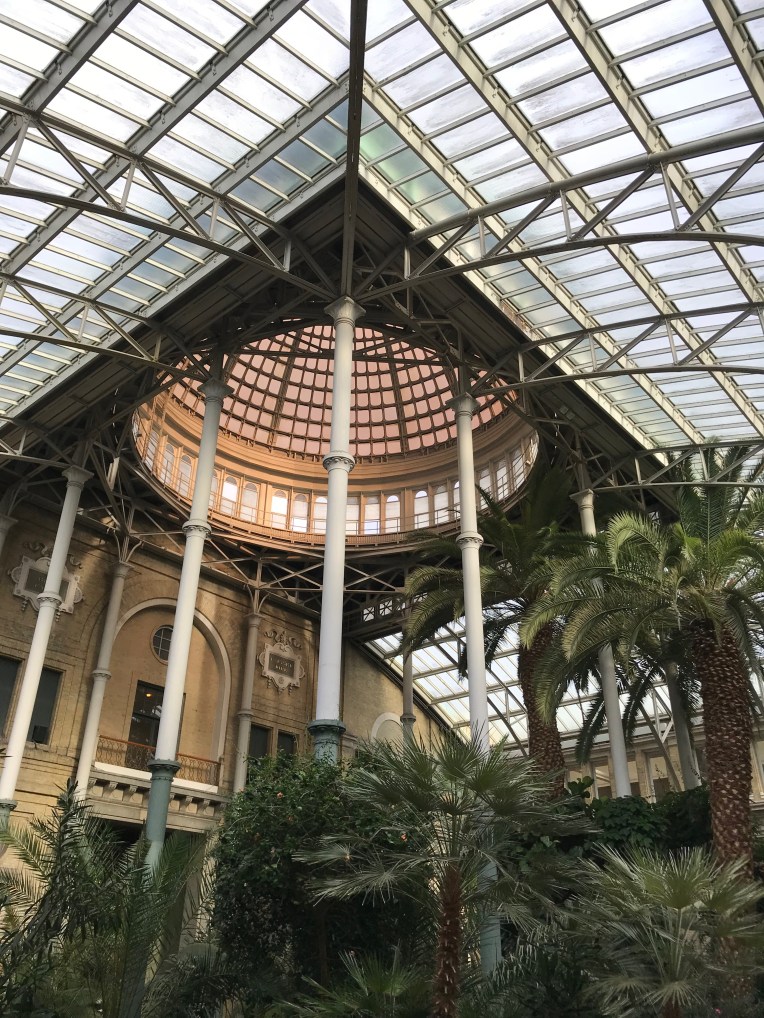
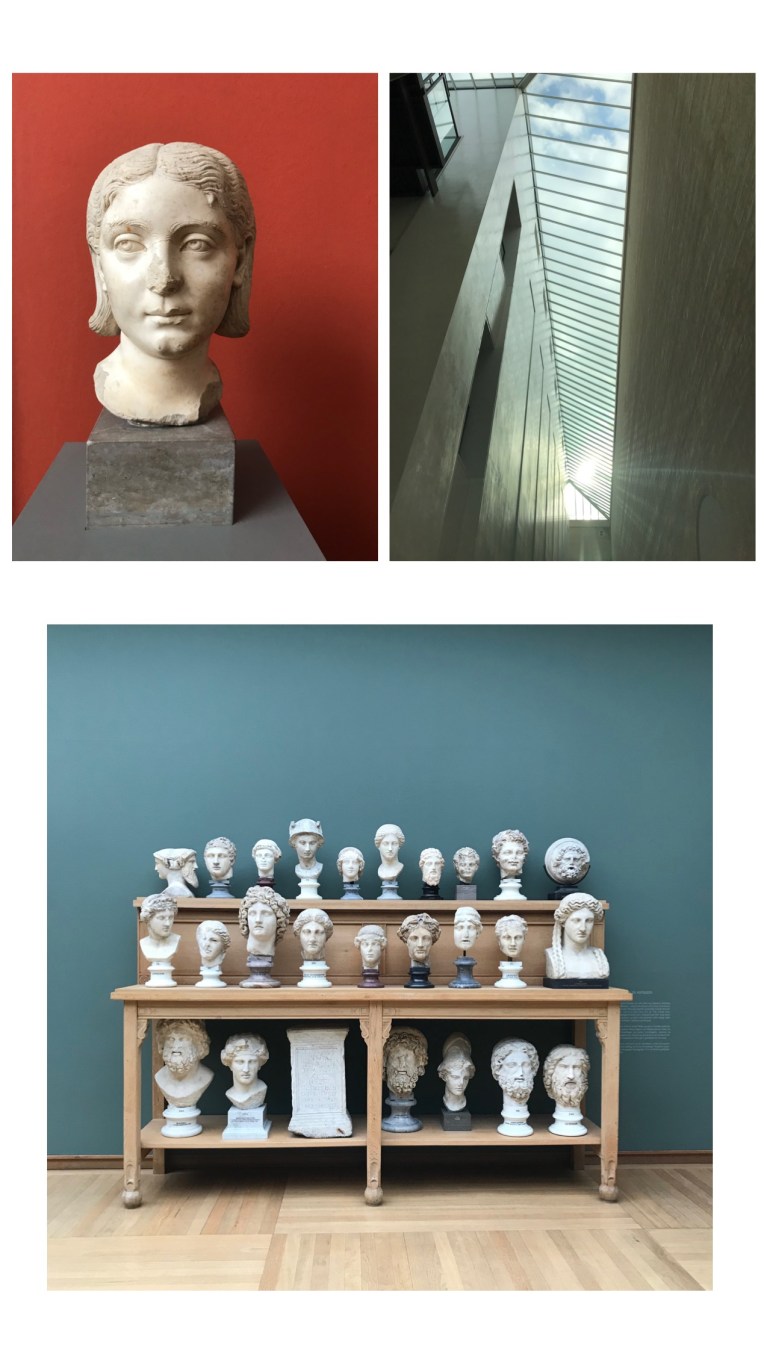
 Ny Carlsberg Glyptotek in the heart of Copenhagen displays ancient and modern art in truly unique surroundings. Founded in 1888 by the brewer Carl Jacobsen, the art museum contains two main departments combining art in impressive architectural surroundings.
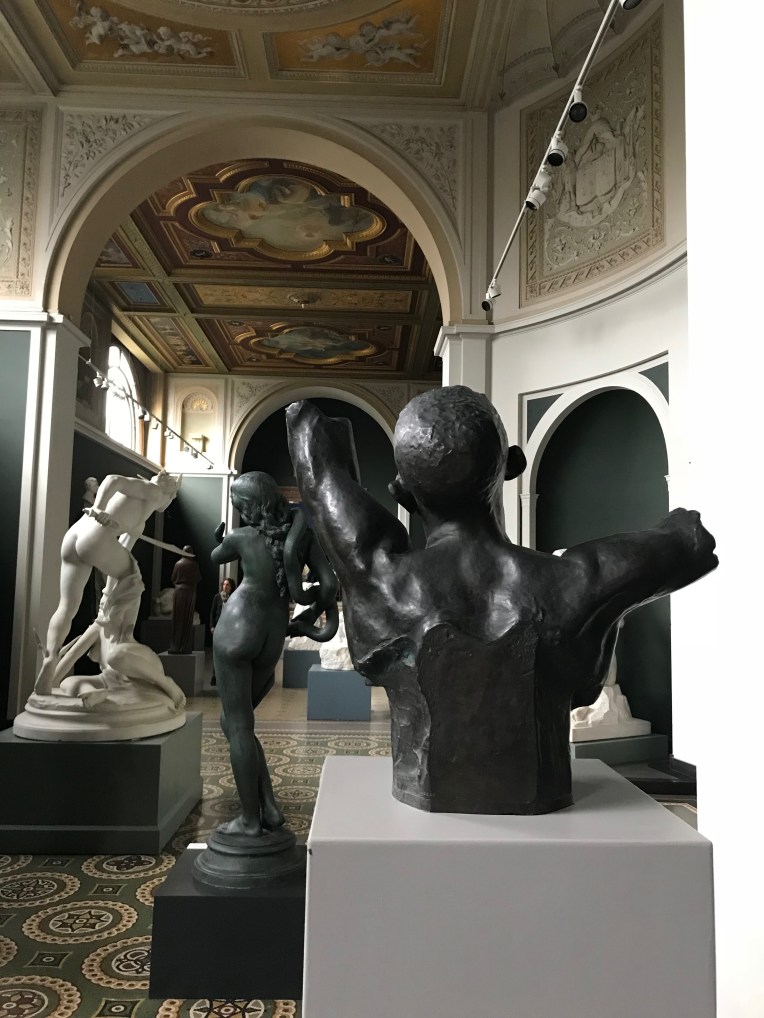
The Department of Antiquities houses excellent collections of Egyptian, Greek, Etruscan and Roman art, providing a delightful stroll through 3500 years of art and history. The Modern Department focuses on Danish painting and sculpture of the 19th and 20th centuries, as well as French art of the same period (currentlt not on display, sadly). It is also possible to see the complete series of Degas’ bronzes (!) and 35 sculptures by Rodin. And of course, Glyptotek is known for its beautiful and spacious Winter Garden, where you can take a breathe and refresh yourself at Café Glyptoteket. Shortly, the Glyptotek is a must-see when in Copenhagen.

Dantes Plads 7 / Copenhagen

Photos by Edward Kanarecki.

Copenhagen

SONY DSC

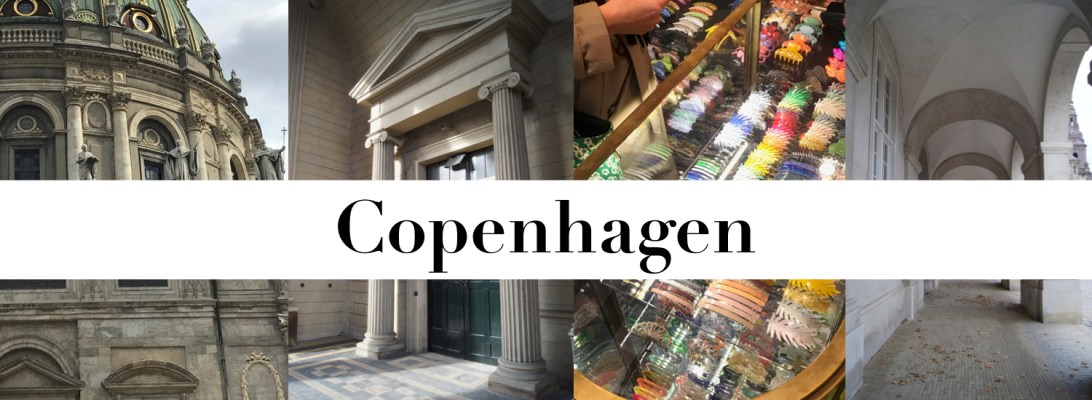
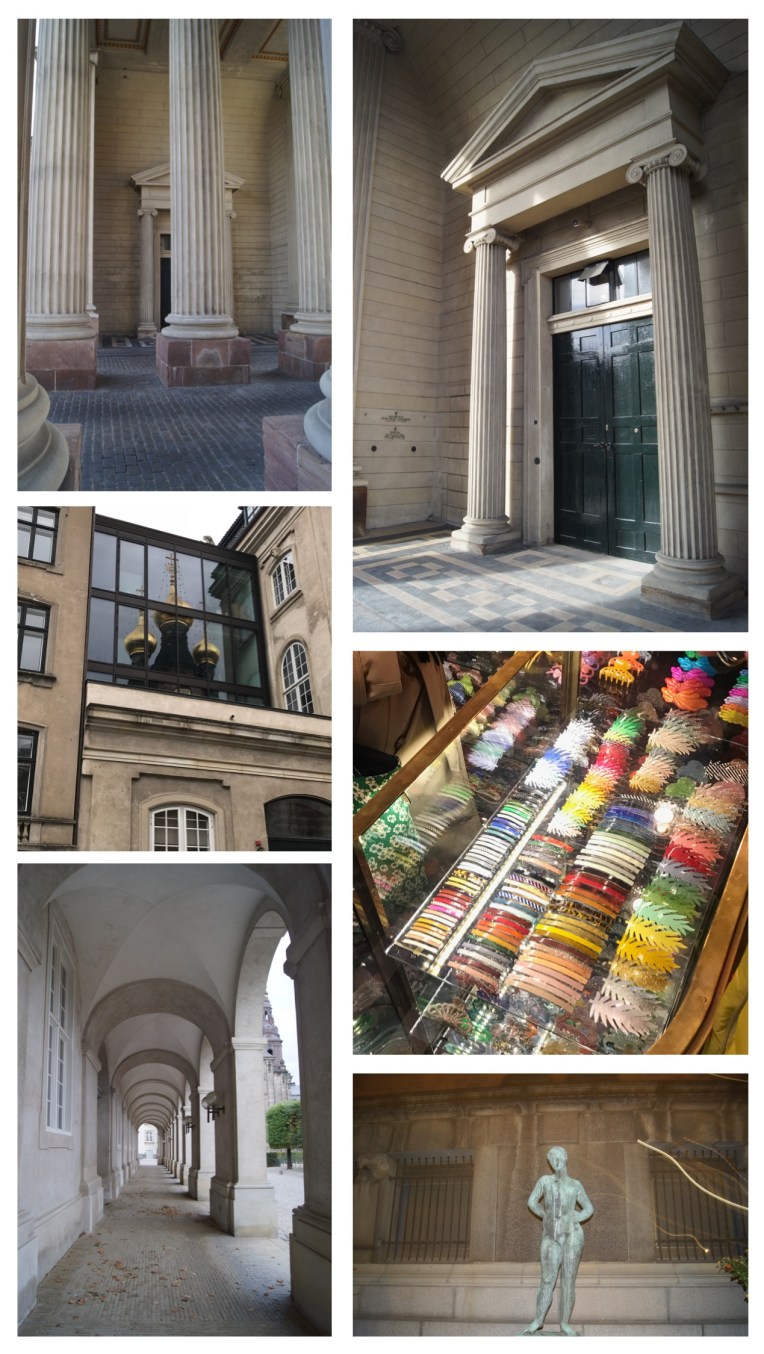
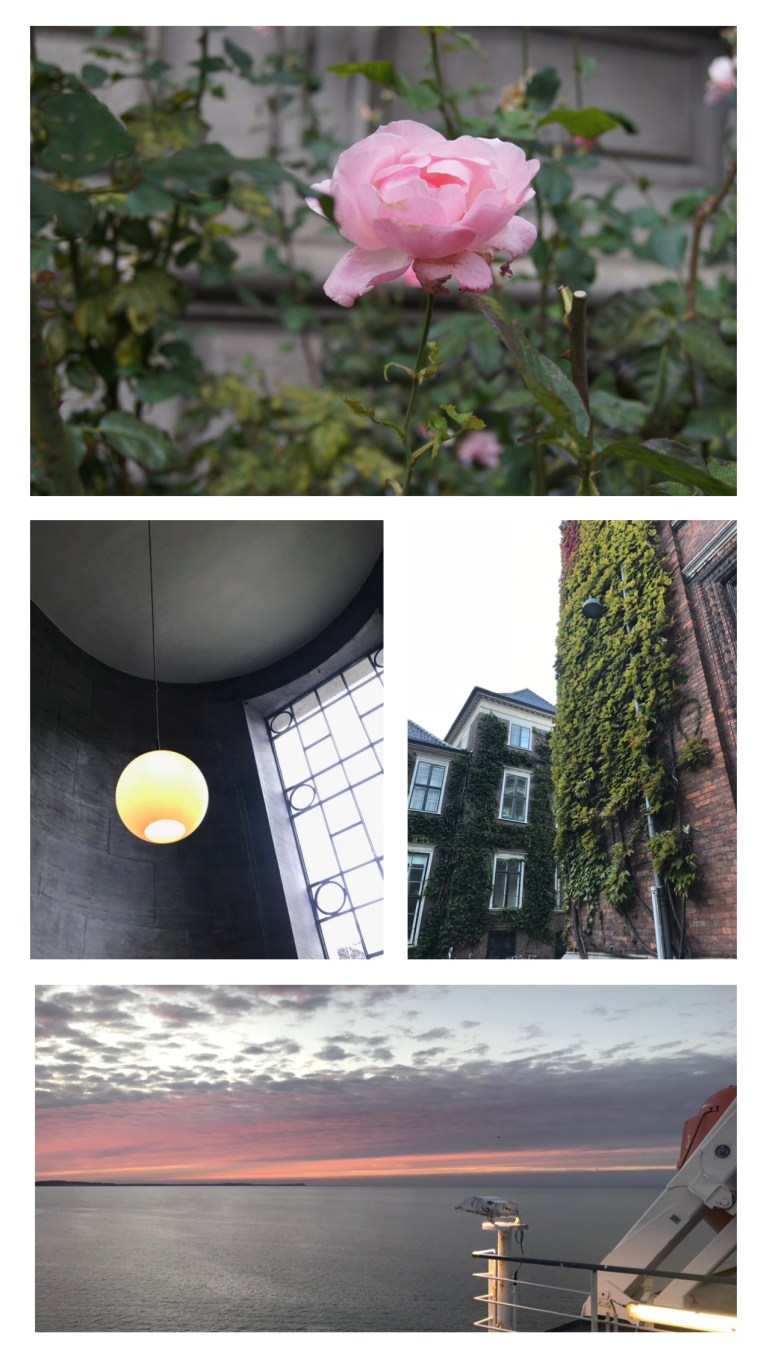
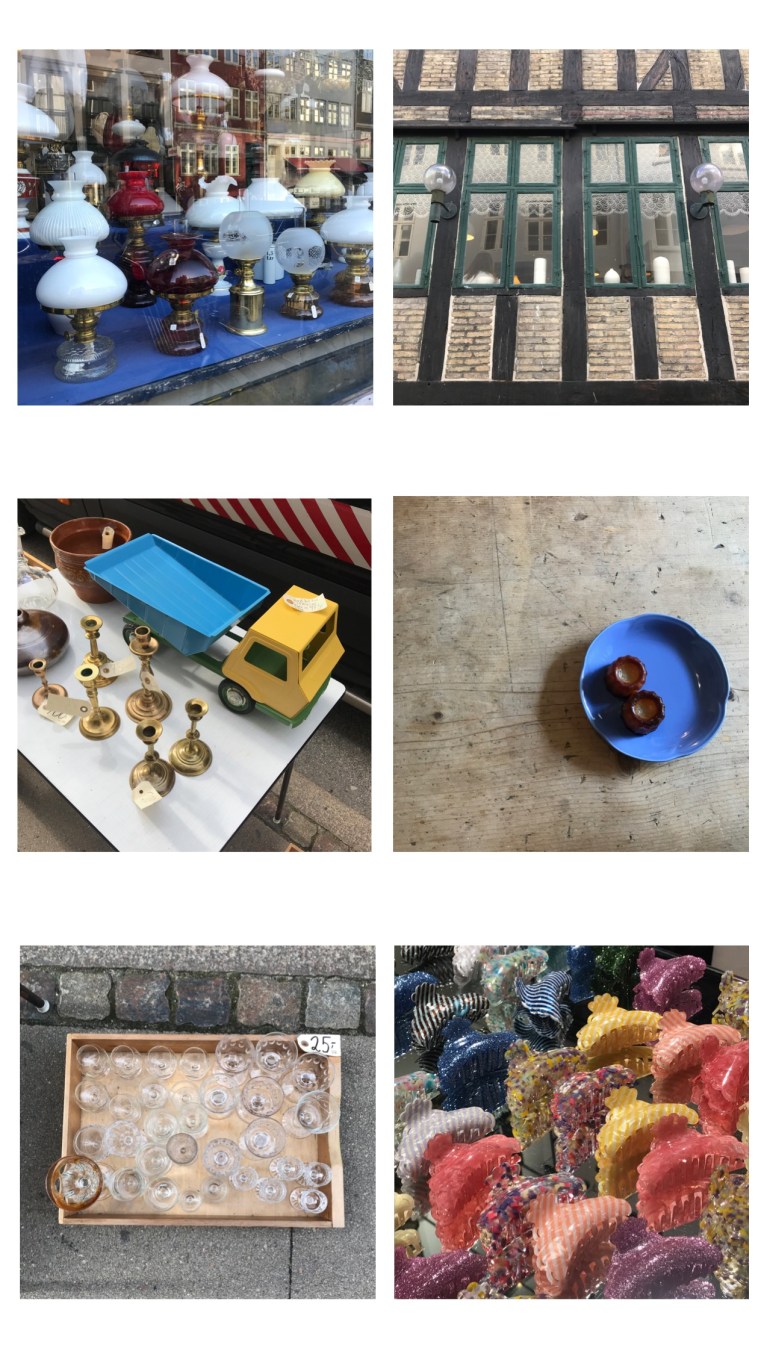
Before an actual trip to Copenhagen, I thought of this place in terms of an Instagram filter: one, everything’s extremely minimal, two, people are obsessed with Ganni. The first is a complete myth, the latter is a fact. The city itself stuns with gorgeous, classical architecture (see the Amalienborg, the palace of Danish Royal family) and a widespread fascination with Ancient sculpture – boutique and restaurant interiors clearly suggest that, while the permanent exhibition at Ny Carlsberg Glyptotek museum (more about this incredible place soon) seems to be the main source of inspiration. So, the stereotypical, Scandinavian minimalism is only present in the newer architecture that can be spotted a few steps away from the city centre. Other than that, Copenhagen is full of roses (they grow in front of townhouses). Vintage is respected and cherished, as you can easily see lots and lots of old Danish porcelain standing in the window sills or sold in trendy concept stores. People here love a good matcha and fresh pastry (check Atelier September for that). And, yes – the locals dress insanely good, not just during Copenhagen fashion week. Their style is extremely distinct – it’s nothing like the ‘Parisian chic’ or ‘Berlin cool’. It’s about colour, polish, tactility, so many things simultaneously. I think that’s true eclecticism. Also, another observation: women from Copenhagen love their hometown brands. I was surprised to see so many faux fur Saks Potts coats and Ganni knits strolling down the postcard-ish Nyhavn street, worn so… naturally! The only thing that slightly terrified me was the number of stores selling hair clips. You know, the most kitschy ones, with rhinestones and all… at first I was repelled. But then, a Copenhagen person knows how to pull off one of those and look good. That’s an art.

More posts on my favourite addresses in Copenhagen coming up very soon!

Slajd1-kopia 2Slajd2-kopia 3Slajd3-kopiaSlajd4

All photos by Edward Kanarecki.
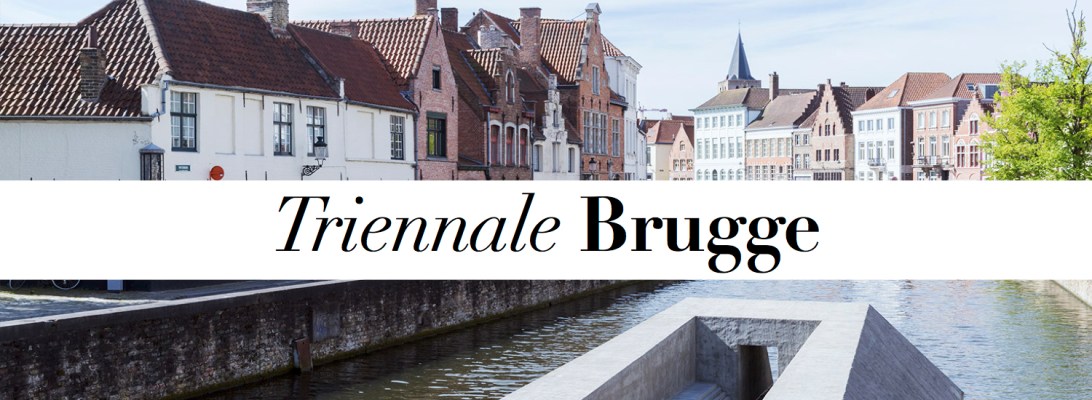
Triennale Brugge

IMG_6690

I went to Brugge (you might also know it as Bruges), the capital of West Flanders in  Belgium, last week. The city is world-known for its canals, cobbled streets, townhouses and medieval buildings – shortly speaking, majority of this magical city is under protection of UNESCO. Well, no wonder why. But this time, this city felt even more enchanting than usual.

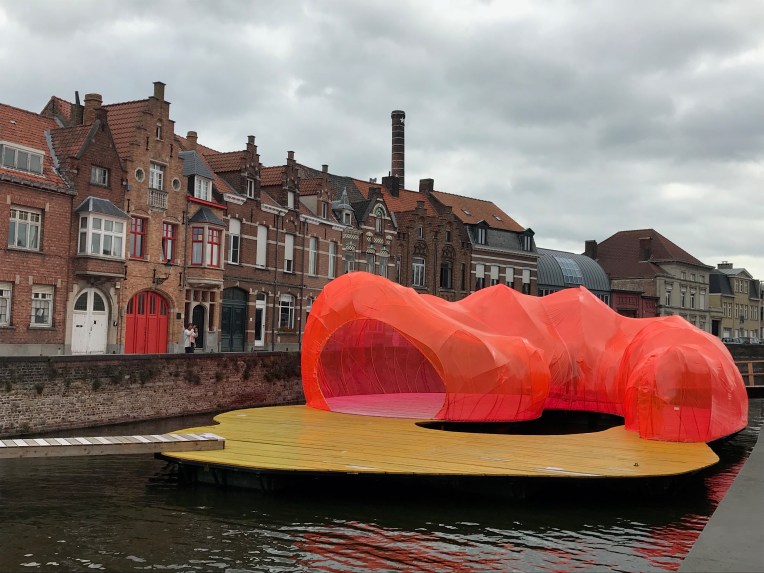
Now I’m honest. I had no idea that the Triennale Brugge 2018 is on – this was meant to be a few day trip to the town I’ve been visiting for years. But the occurring event transformed this city into a breathing artwork. The Brugge Trienniale invited international artists and architects to think about this question: how flexible, liquid and resilient can a historic city like Bruges be in an age when nothing seems to be certain any longer? Many of them sought inspiration for their work in the role of liquidity in the city that is literally criss-crossed and surrounded by water. The waterways that once earned Brugge its international renown, become a metaphor for Liquid City. Fifteen works of art, installations and meeting places have been put up in the city centre. You can walk into them and experience them. And while seeking them, discover the less touristic, off-beat tracks of Brugge. My favourites? The inflated installation by Spanish studio Selgascano, which is a literal ‘meeting place’ on water, and Jarosław Kozakiewicz‘s ‘Brug’ bridge. The ‘Skyscraper’ by StudioKCA, which is a massive whale sculpture made of 5 tons of plastic pulled out of the ocean, makes you think as well.

Triennale Brugge 2018 lasts until September 16.