Men’s – Lovers Rock. Wales Bonner AW20

For her autumn-winter 2020 show in London, Grace Wales Bonner had friends and audience members sitting at tables around a dance floor, joining her celebration of Lovers Rock, the specifically British Afro-Caribbean music scene sprung from underground London house parties in the ’70s. “Lovers Rock was created by second generation Jamaicans in this country, their own kind of sweet mix of reggae and soul,” the designer explained. “It’s a reflection of my family on my father’s side. My grandad came from Jamaica in the 1950s. My dad used to work on Lewisham Road, and I found these documentary photographs by John Goto of teenagers at Lewisham Youth Club in the ’70s.” What fascinated and touched Wales Bonner was how kids of her dad’s generation wore clothes which referenced Jamaican style and Rasta flag colors, woven into a “a fun mix-up” of standard English smartness, “irreverent, but always elegant.” There was a denim tailored coat lined with velvet; a women’s look featuring  a corduroy patchwork matching shirt and skirt color-blocked in red, yellow, green, and black; slim-fit ’70s track pants; and “the kind of Adidas trainers Bob Marley would have worn.” The full repertoire of Wales Bonner’s refined tailoring was on display as well: tweedy suits, separates and coats, worn over body-hugging sweaters and roll-necks, with a stronger representation of womenswear in combinations of blazers and full pleated skirts. The self-knowledge Wales Bonner has gained over the years means she knows who she is and what her brand stands for by now. “It’s coming up for five years,” she summed up to the press. “I’m looking back and consolidating. For me, my approach is elegant, designed, and crafty—about what’s the perfect suit? Now I want to build the business.”

Collage by Edward Kanarecki.

Fondazione Prada, Love You.

Hello in 2020! Just returned from the holidays and I really can’t wait to share with you all the places I’ve visited. Plus, the men’s fashion month has started in London, so be prepared for lots of newness in the first days of the decade! Which, by the way, took off with far too many sad events globally… this might be absolutely out of context, but if you mind and can, please donate a dollar or two (or more!) here to help Australia’s wildlife that’s suffering due to the hazardous fires. Or choose any other Australia-focused organisation (like Salvation Army and Red Cross) that will help the ones in need. It’s really time to take action (one of my New Year’s resolutions, by the way).

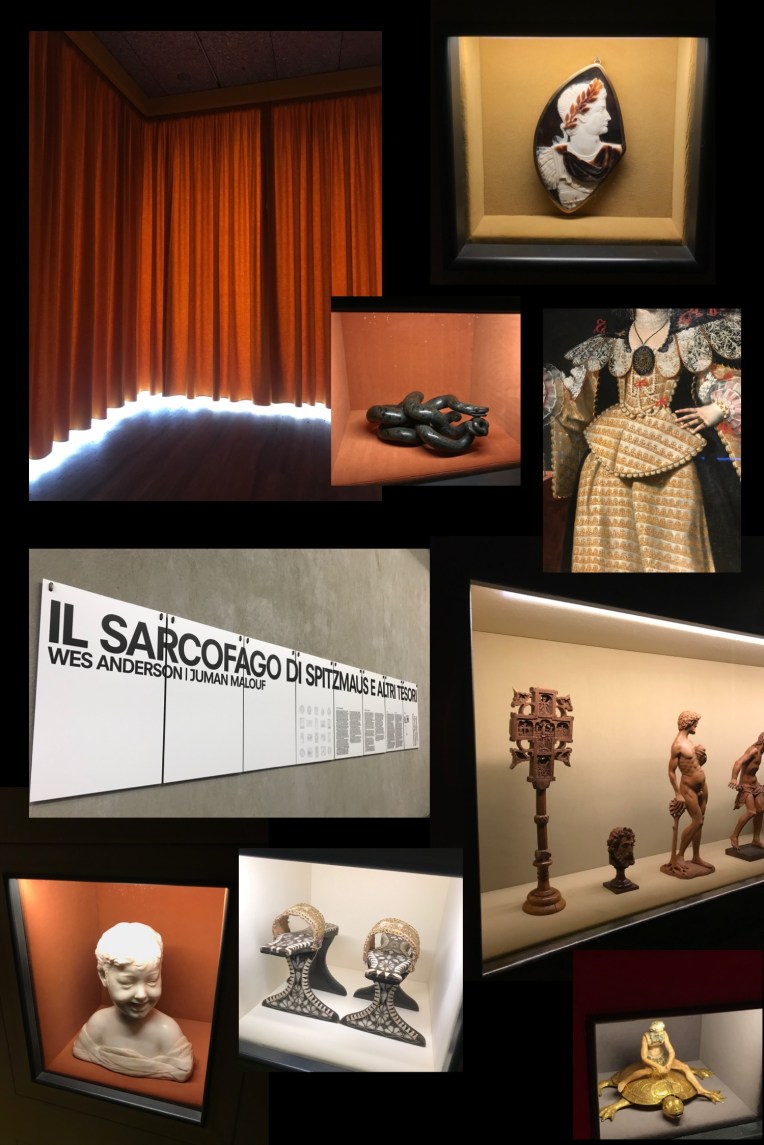
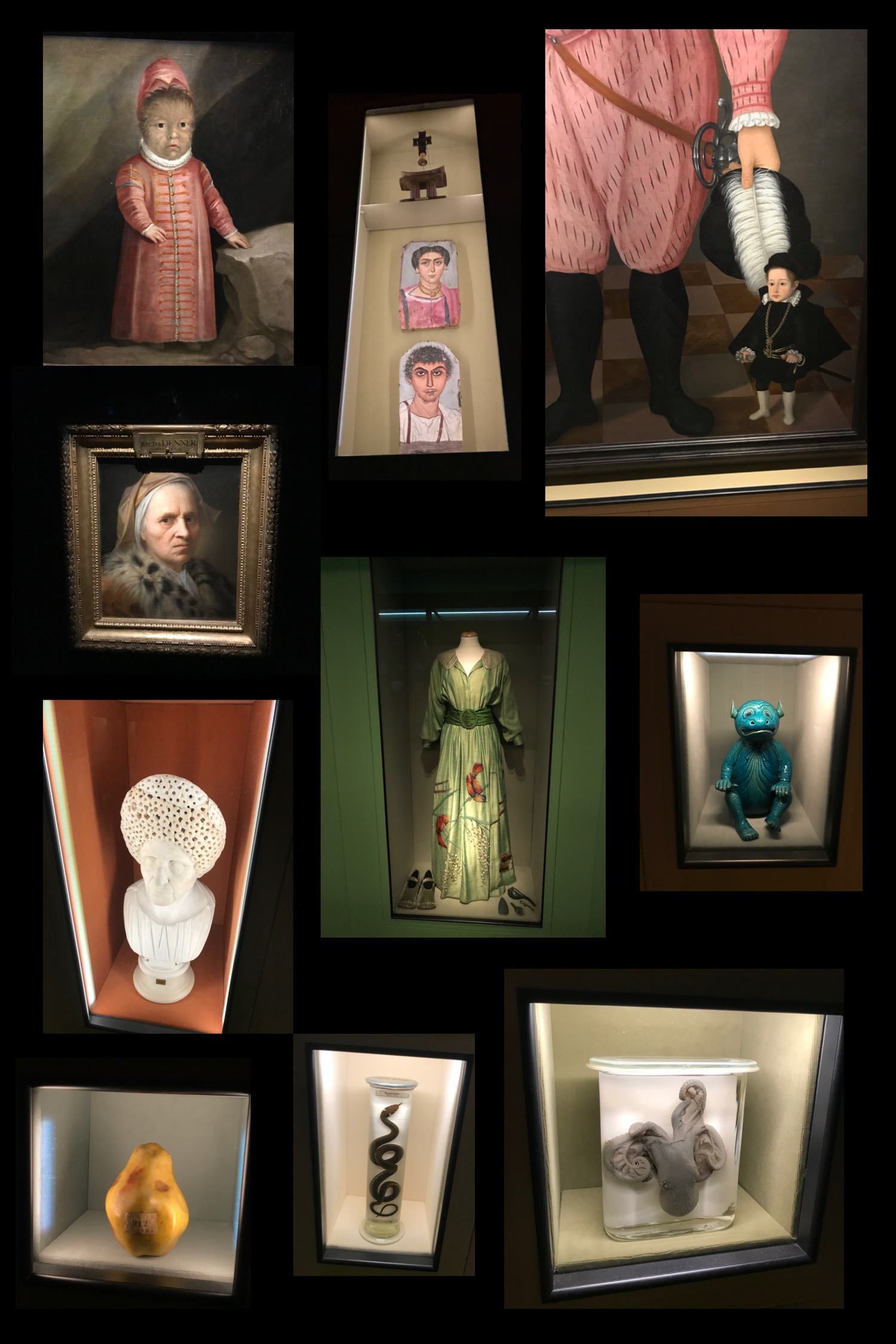
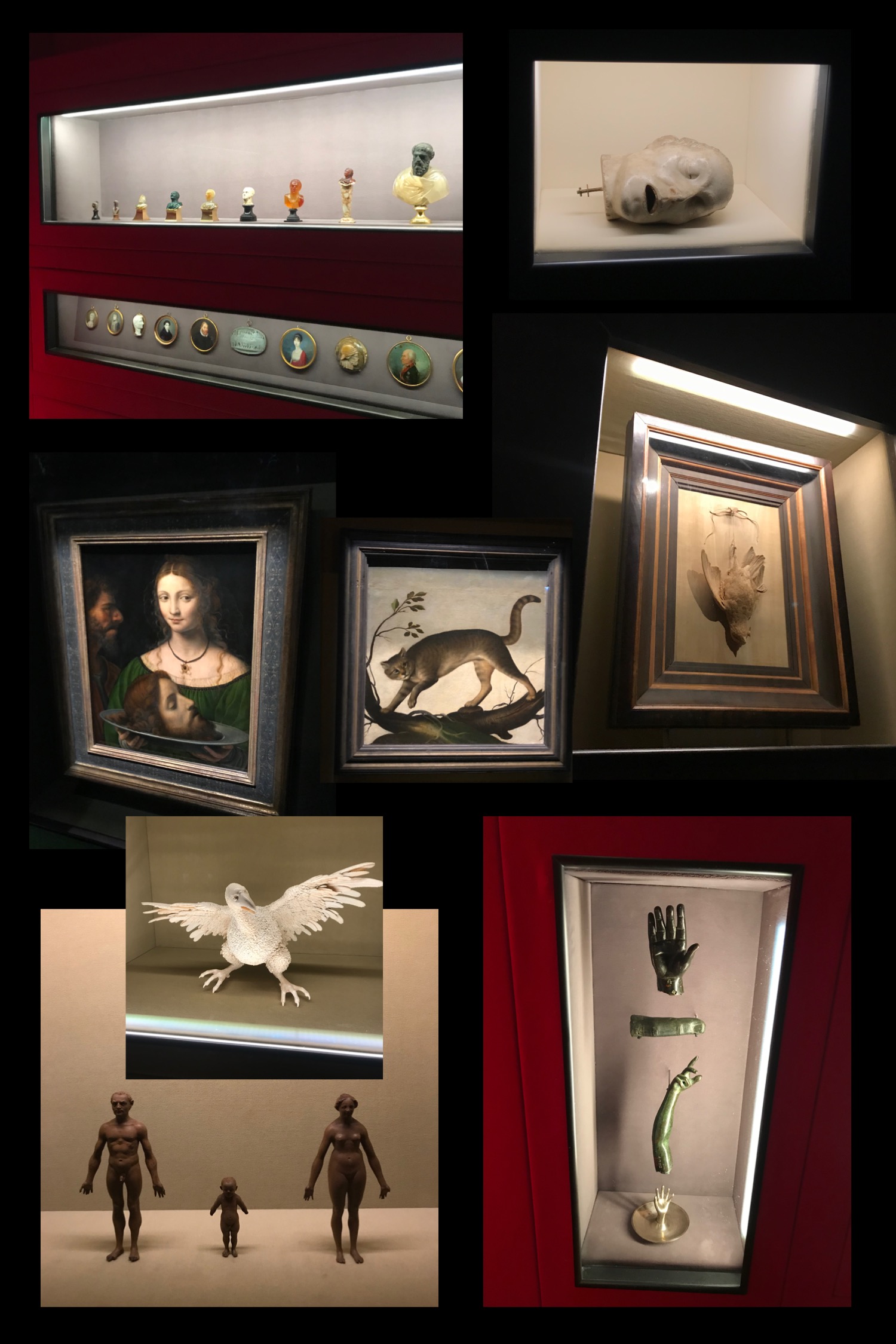
Back to the post’s topic. For the starter, Fondazione Prada in Milan. It was my second time here, and I love this place as much as I did a few years ago (here‘s a post from 2015 feauturing the pernament exhibition). The creator of Fondazione is, as the name suggests, Miuccia Prada, whose love for art is as strong as for fashion. Designed by Rem Koolhaas, the museum is built on the grounds of a former distillery. Throughout the time it expanded (the newest addition is the “Torre” – keep reading for more) and well rooted into Milan’s art landscape. The biggest reason behind visiting Fondazione Prada again – and Milan in general! – was the current exhibition: “Il sarcofago di Spitzmaus e altri tesori” (Spitzmaus Mummy in a Coffin and Other Treasures) conceived by Wes Anderson and Juman Malouf. Organized in collaboration with the Kunsthistorisches Museum in Vienna, the exhibition features 538 artworks and objects selected by the renowned film director and illustrator-writer from 12 collections of the Kunsthistorisches Museum and from 11 departments of the Naturhistorisches Museum in Vienna. Before taking a look at the photos I took there, let me tell you: it was an incredible experience.

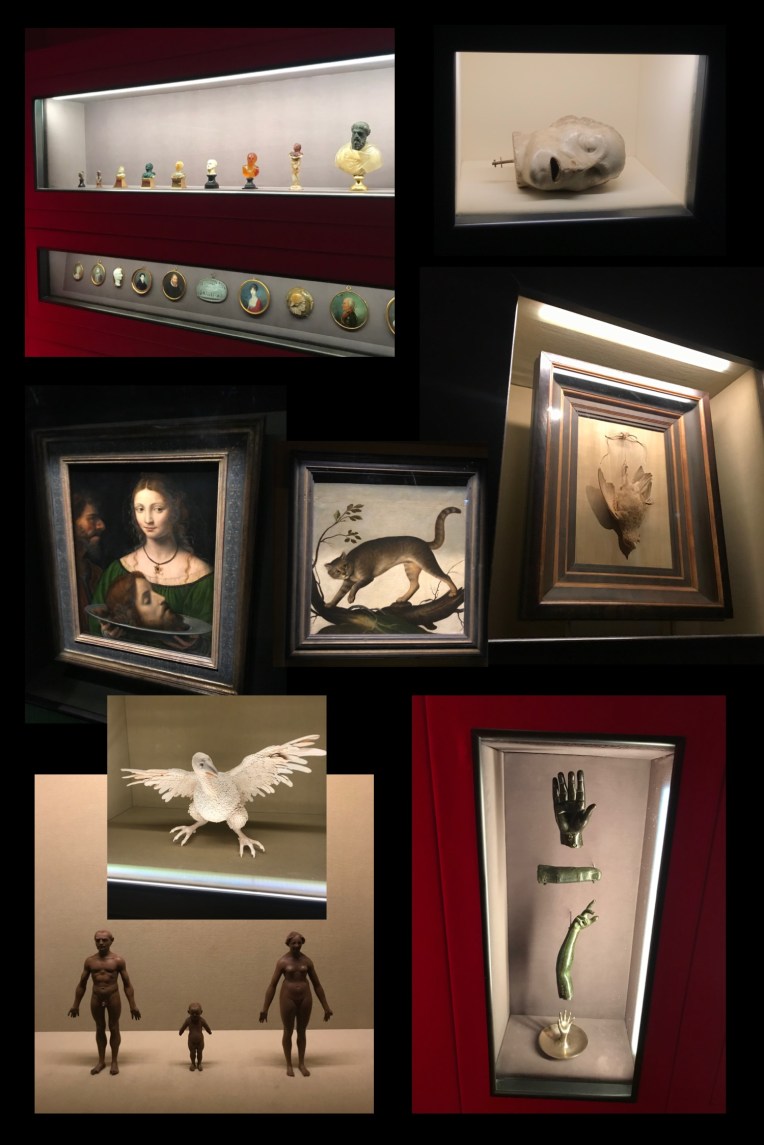
The exhibition explores the reasons behind the decision to create a collection and the ways in which it is housed, presented and experienced. Looking back to the past and drawing inspiration on the model of the Wunderkammer, the exhibition challenges traditional museum canons, proposing new relations between the institutions and their collections, and between their professional figures and their public. The choice of exhibited works, based on a non-academic, interdisciplinary approach, not only illustrates Anderson and Malouf’s deep knowledge of the two museums, but also reveals unexpected parallels and resonances between the works included in the project and the creative universes of the two artists.The exhibition narrative is formed by groups of works: from green objects to portraits of children, from miniatures to timepieces, from boxes to wooden objects, from portraits of noblemen and common people to natural subjects like the garden as well as meteorites and animals presented as scientific exhibits or artistic depictions.

Spitzmaus Mummy in a Coffin and Other Treasures” was presented at the Kunsthistorisches Museum in Vienna from November 2018 to April 2019. The Milan exhibition is a second version with a larger display area and a greater number of exhibits. The original layout of rooms and vitrines, conceived by the two artist-curators with Itai Margula as a treasure chest, has been transported to the exhibition space of Fondazione Prada as a ready-made. The exhibition extends across the ground floor of the Podium to create a setting inspired by the Italian garden, with the presence of elements evoking hedges and allegorical pavilions typical of Renaissance garden. On view until the 13th of January!

Now, time for the rest of Fondazione Prada…
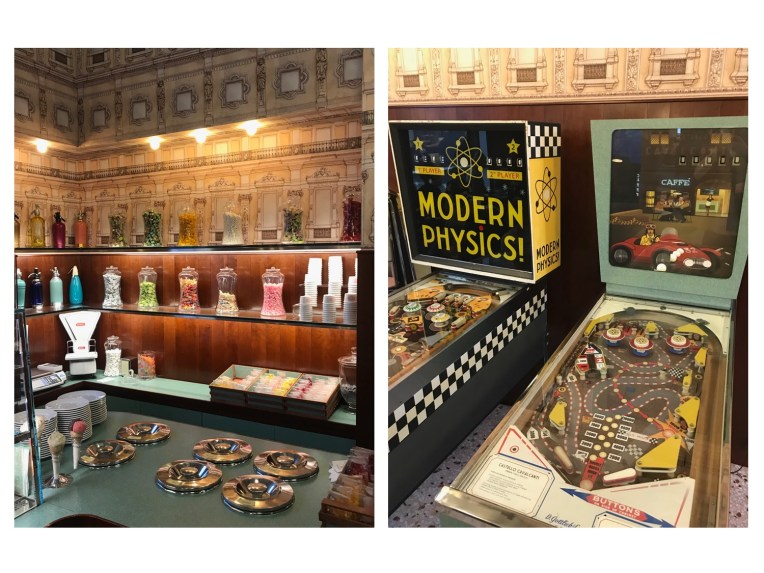
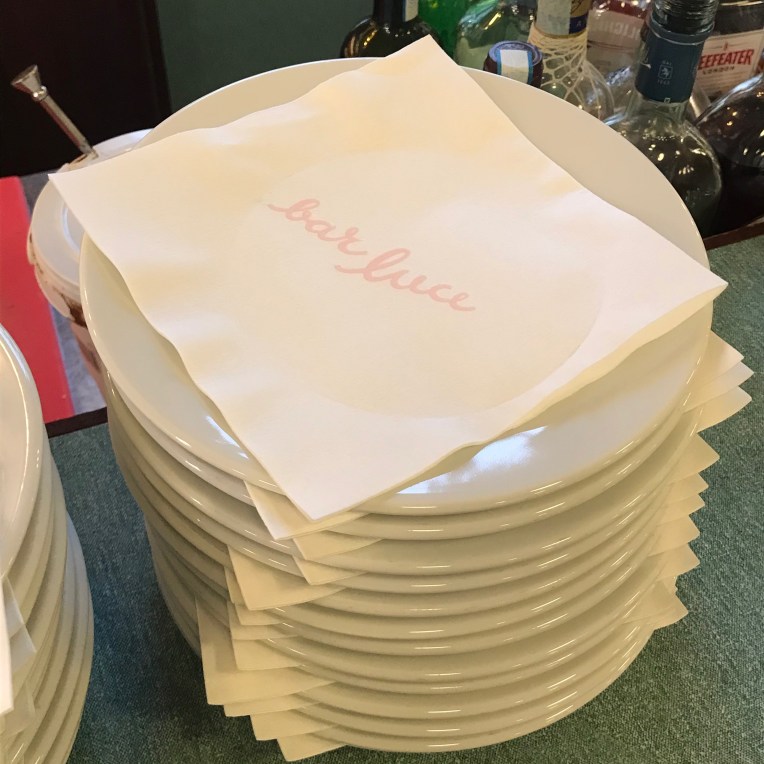
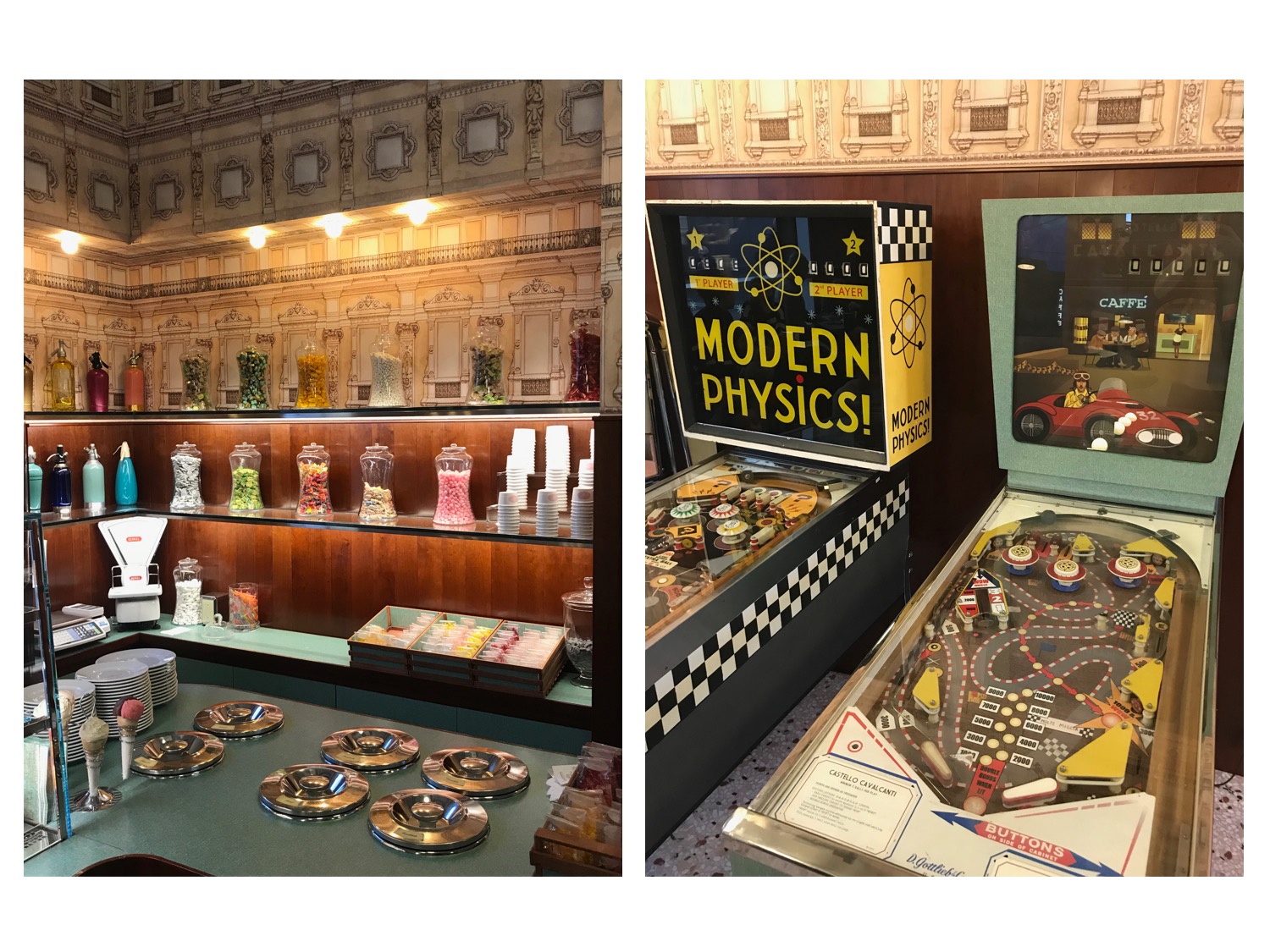
Bar Luce is probably the only museum cafeteria that sparks so many emotions. The place was conceived by Wes Anderson (those pastel colour combinations are unmistakably him) as “a space for real life with numerous good spots for eating, drinking, talking, reading, etc. While I do think it would make a pretty good movie set, I think it would be an even better place to write a movie. I tried to make it a bar I would want to spend my own non-fictional afternoons in.” Delicious coffee and delightful marzipan cakes from Prada’s Marchesi 1824 patisserie (more on this soon!) are served here everday. Be aware of the lines!
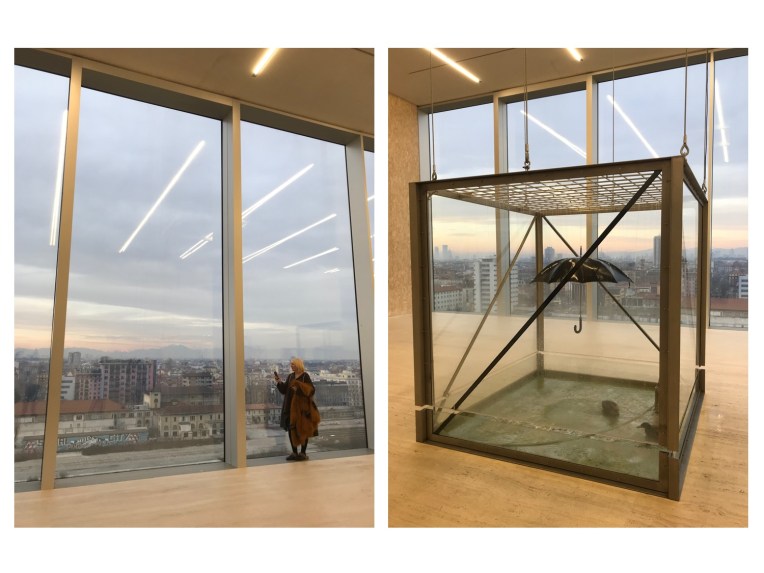
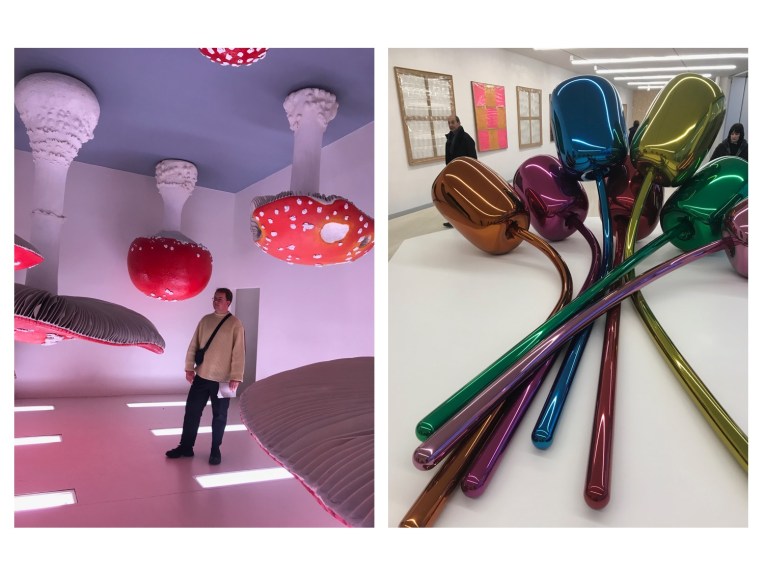
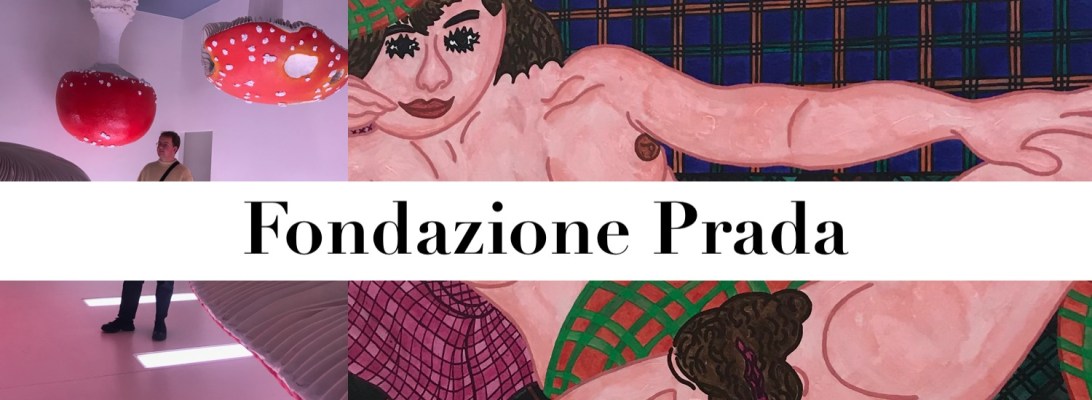
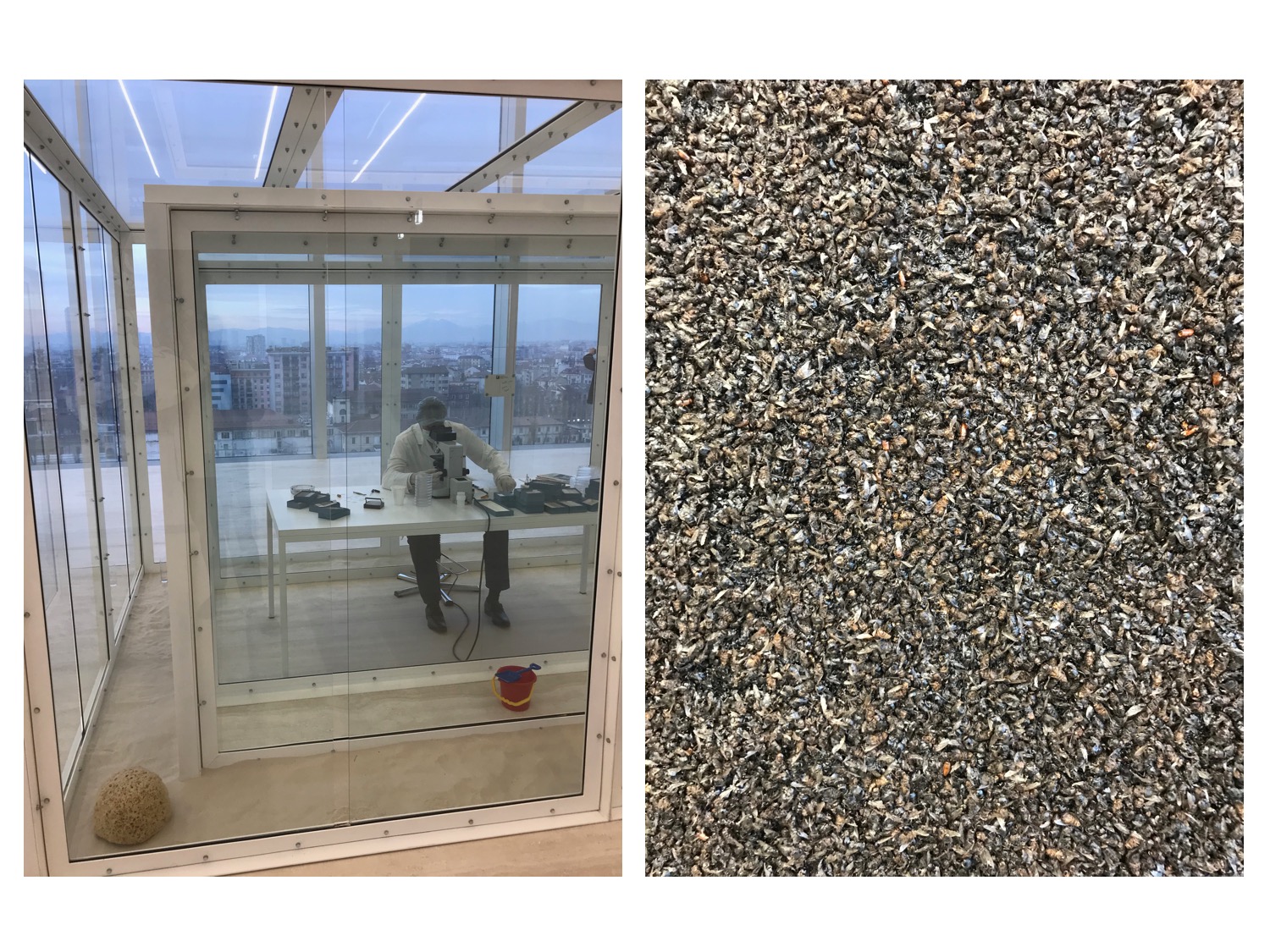
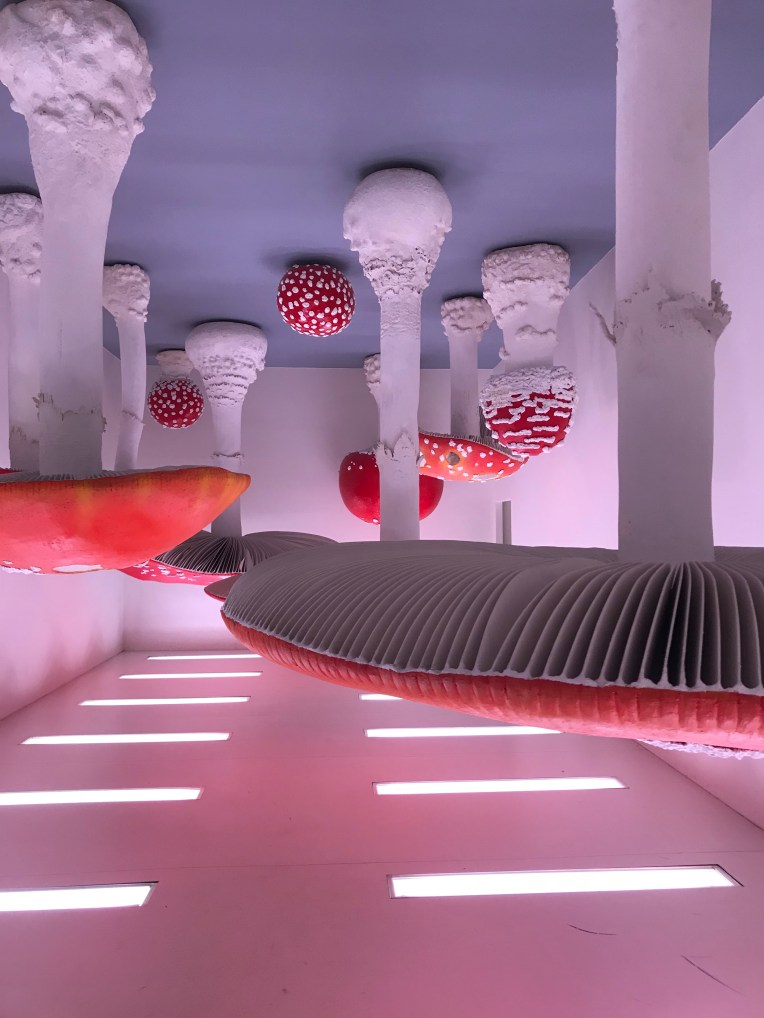
Project Atlas emerged from a dialogue between Miuccia Prada and Germano Celant and is exhibited at the Torre. It hosts works from the Prada Collection displayed in a sequence of environments incorporating solos and confrontations, created through assonances or contrasts, between artists such as Carla Accardi and Jeff Koons, Walter De Maria, Michael Heizer and Pino Pascali, William N. Copley and Damien Hirst, John Baldessari (R.I.P.) and Carsten Höller (the upside down mushroom room!). The group of exhibited artworks, realized between 1960 and 2016, represents a possible mapping of the ideas and visions which have guided the creation of the collection and the collaborations with the artists that have contributed to the activities of the foundation throughout the years. Atlas therefore traces an evolving path between the personal and the institutional, open to temporary and thematic interventions, special projects and events, with possible integrations from other collections and institutions.
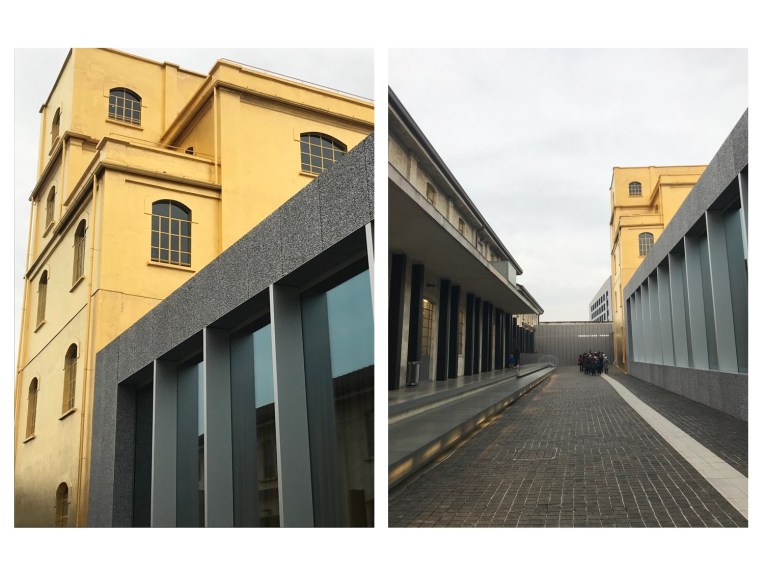
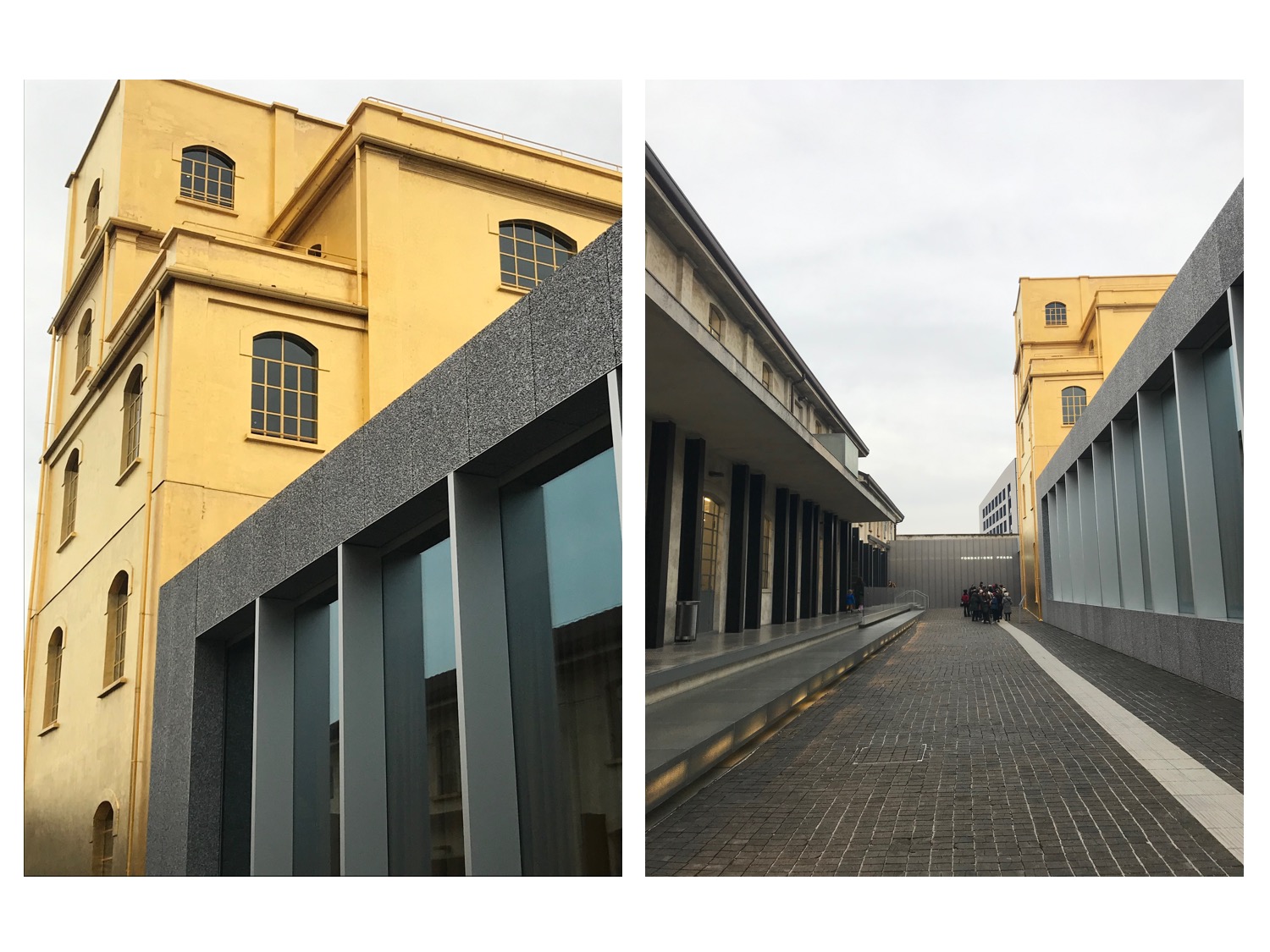
Other than Atlas and Podium spaces, Fondazione Prada also holds such venues as Cinema and the gold-plated Haunted Tower. This time, however, we didn’t manage to visit the latter, as there were no more tickets available. It’s the pernament collection of Robert Gober and Louise Bourgeois artworks – which we saw last time. But if you’re planning your trip here, make sure to book the tickets to every Fondazione space on-line or in advance! It’s really, really, really worth it.

Largo Isarco 2 / Milan

/

All photos by Edward Kanarecki.

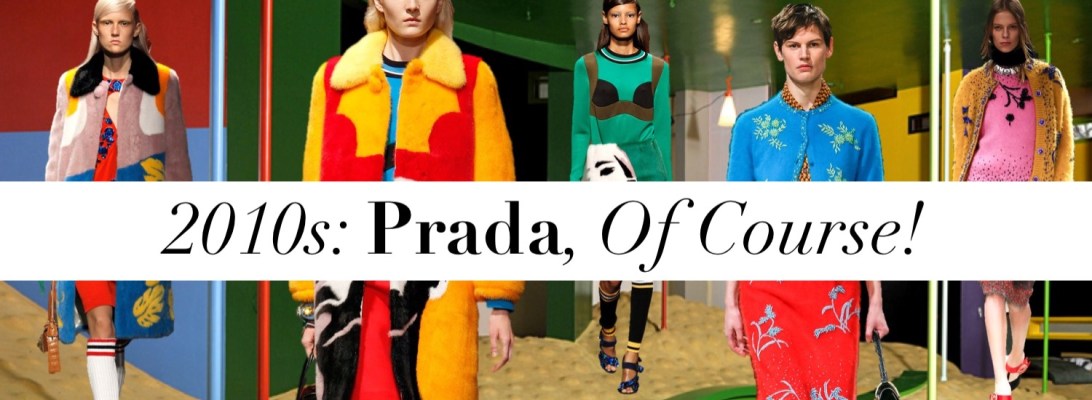
The 2010s: Prada, Of Course!

PRADA

Believe it or not – I can’t! – but we’re heading towards a new millenium. So, how do you choose the most important collections, designers and labels of the decade? The ones that made an actual impact in the 2010s? Well, it’s not an easy task. It all began in September 2009 with New York’s spring-summer 2010 shows and ended when the autumn-winter 2019 haute couture shows wrapped in Paris. Few thousands of shows, by the way. There will be 19 posts (that’s really the only possible minimum!) reminding about the best – and if not the best, then strongly influencing – moments in fashion.

Prada, Prada, Prada!

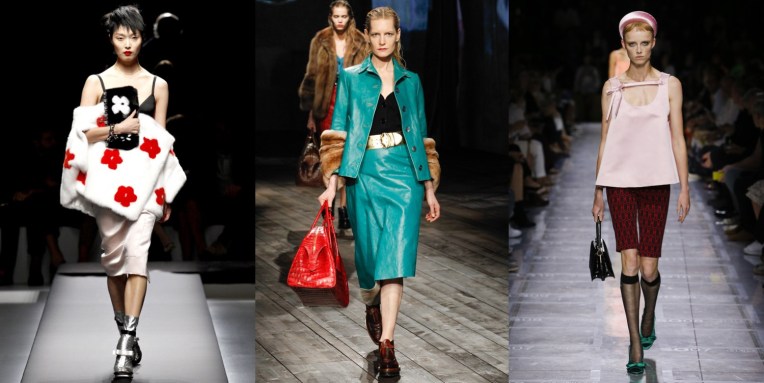
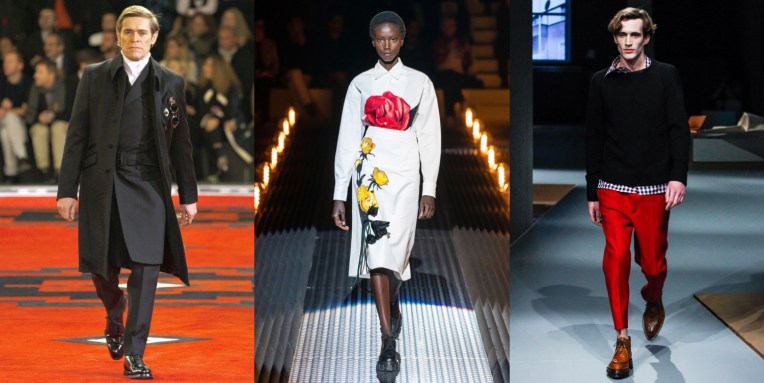
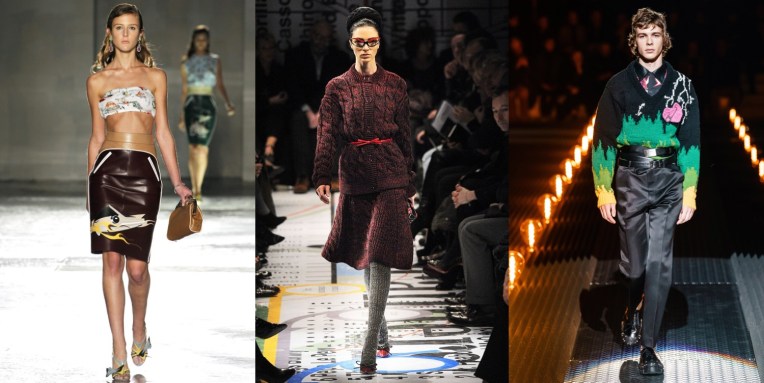
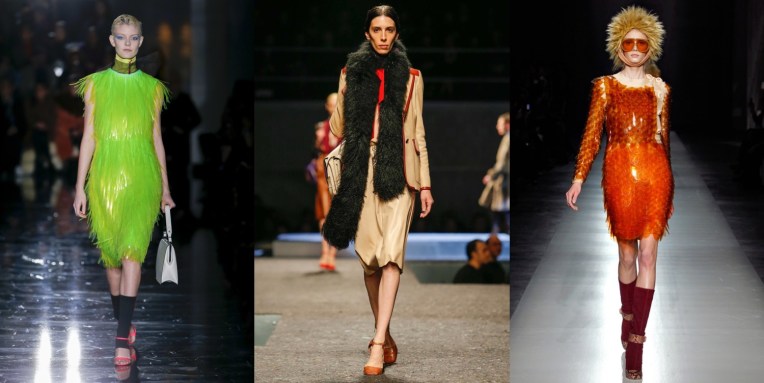
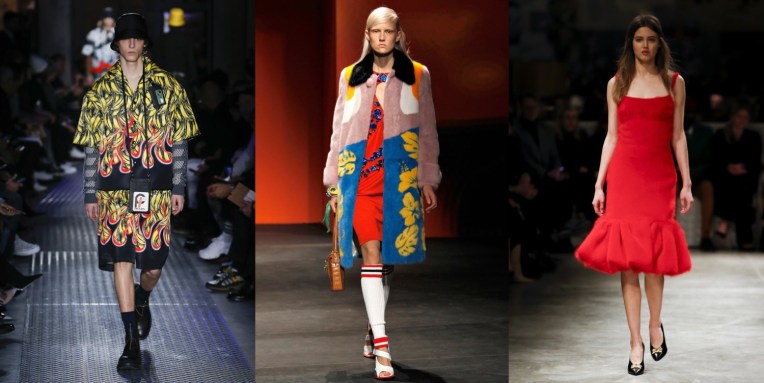
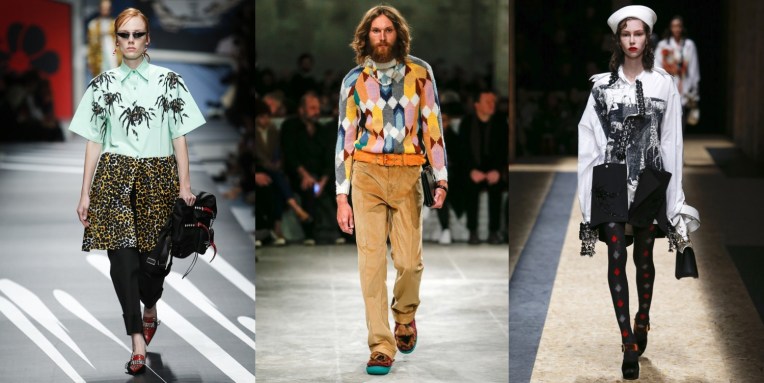
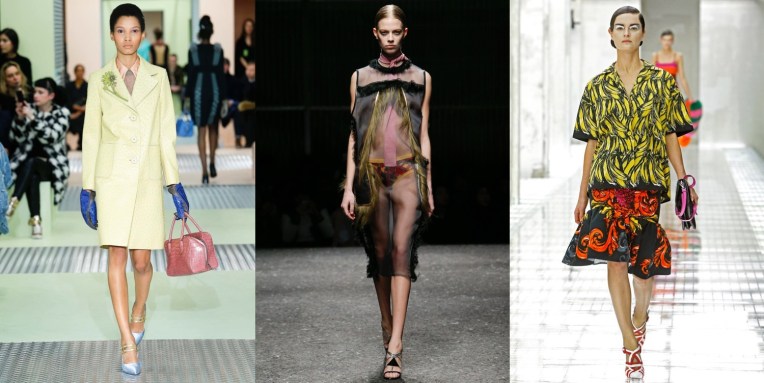
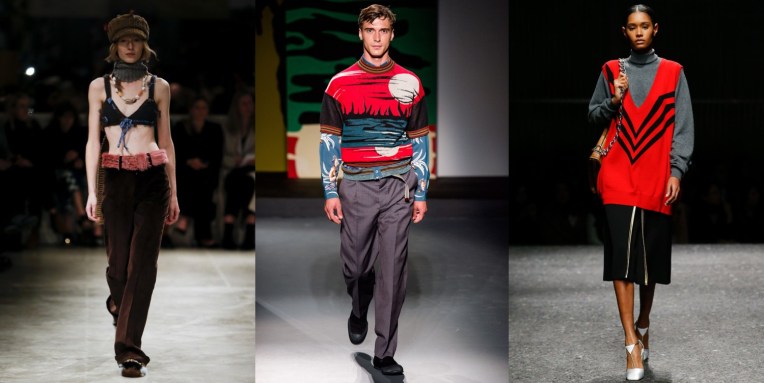
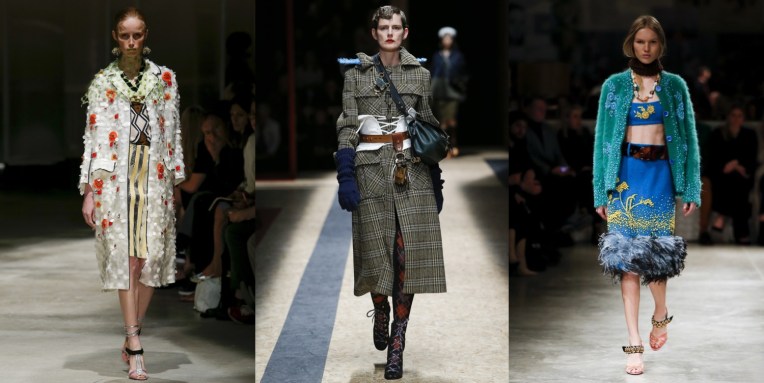
Miuccia Prada is certainly one of the most influential fashion designers of our time. Her fashion isn’t just fashion: it’s an on-going dialogue between art, society, culture, and at times even politics. Her Prada woman and man jump from being decadently eccentric to modernly elegant; they can be vagabond, they can be sophisticated, they can be bold in their neon nylons and printed banana shirts (so Jeff Goldblum!). In her 2010s collections, Prada turned her talent to the reivention of a more conventional expression of beauty, striving to modernize embellishment, taking fabrication and surface detail to unprecedented heights, fusing plastic with precious silks, showing cable knit alongside cable knit prints and cable knit embroideries, imagining and then realizing her own spectacular brocades offset by humble cottons borrowed from menswear. Nearly each collection Prada presented in this decade is iconic – and can be recalled by coining separate themes or words (Madame Frankenstein, Japan, pin-up girl, film noir, Margot Tenenbaum, sailors, pastels, stripes, The Bitter Tears of Petra Von Kant…the list goes on!). Noting other successes of Prada in the 2010s – like Fondazione Prada in Milan, re-opening the Linea Rossa line, the non-stop growth of Miu Miu’s allure – I really can’t wait to see how Miuccia shapes her 2020s…

Slajd01Slajd02Slajd04Slajd03Slajd05Slajd09Slajd07Slajd10Slajd08Slajd06Slajd11

Collage by Edward Kanarecki.

The 2010s: Jonathan Anderson’s Loewe

Slajd1

Believe it or not – I can’t! – but we’re heading towards a new millenium. So, how do you choose the most important collections, designers and labels of the decade? The ones that made an actual impact in the 2010s? Well, it’s not an easy task. It all began in September 2009 with New York’s spring-summer 2010 shows and ended when the autumn-winter 2019 haute couture shows wrapped in Paris. Few thousands of shows, by the way. There will be 19 posts (that’s really the only possible minimum!) reminding about the best – and if not the best, then strongly influencing – moments in fashion.

Jonathan Anderson‘s Loewe.

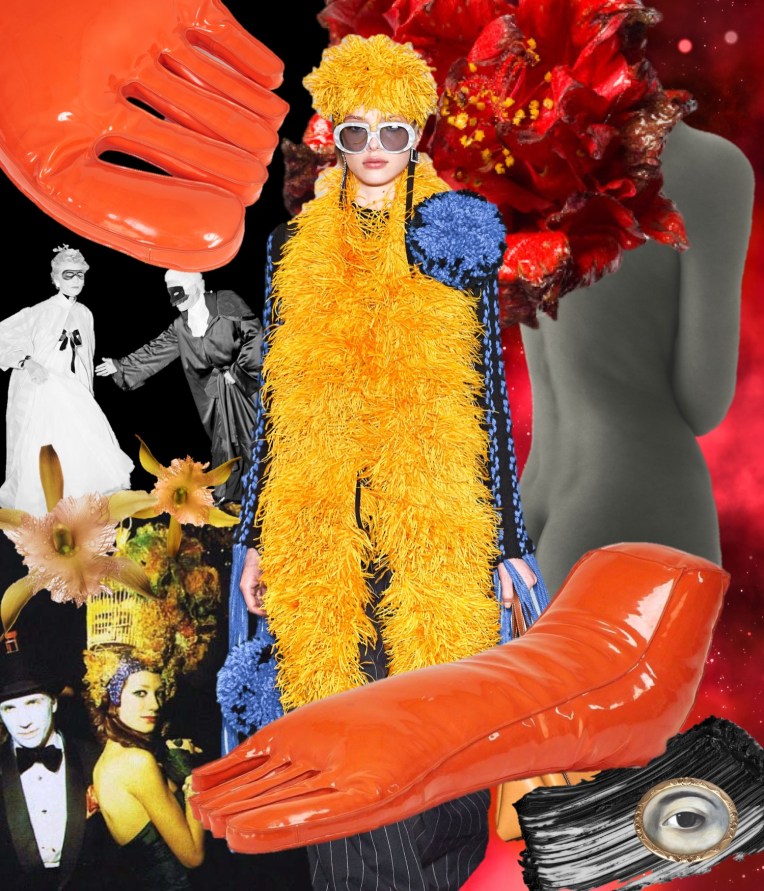
The most succesful brand rebirth of the decade? Jonathan Anderson’s take on Loewe,  so the story of a sleepy Spanish leather house becoming one of the hottest labels in Paris. Anderson’s vision for the label defines the role of a creative director: everything, from the campaigns (photographed by the designer’s favourites: Steven Meisel, Gray Sorrenti or Jamie Hawkesworth) and branding (revived by M/M Paris) to store interiors and inspiring, visual communication, must be consistent, garden-fresh and, simply speaking, beautiful. But Anderson’s Loewe also thrives thanks to its desirable, yet non-mainstream products. The “Puzzle” bag became one of those timeless it-bags without even one, shouting logo on it. The clothes fascinate with their incredible, artisan detailings. Loewe shoes are the fine balance of pretty and ugly. Eclectic accessories (like Dumbo ears hat or cat face necklace) and capsule collections that rotate around unexpected themes (the best-seller “Paula’s Ibiza” line; the tribute collections to Charles Rennie Mackintosh and William de Morgan). The designer often compares himself to a curator, when explaining his role at Loewe. And this metaphor really fits.

Collage by Edward Kanarecki.
 

Hot. Bottega Veneta Pre-Fall 2020

Slajd1-kopia 9

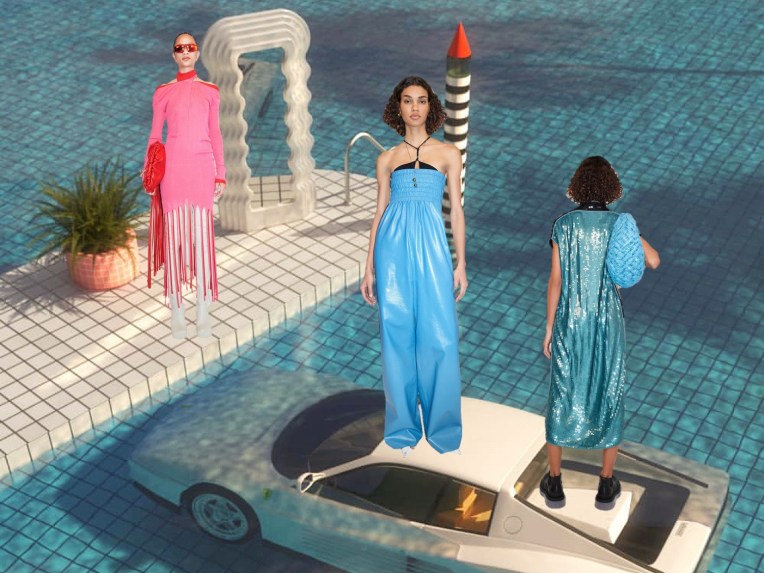
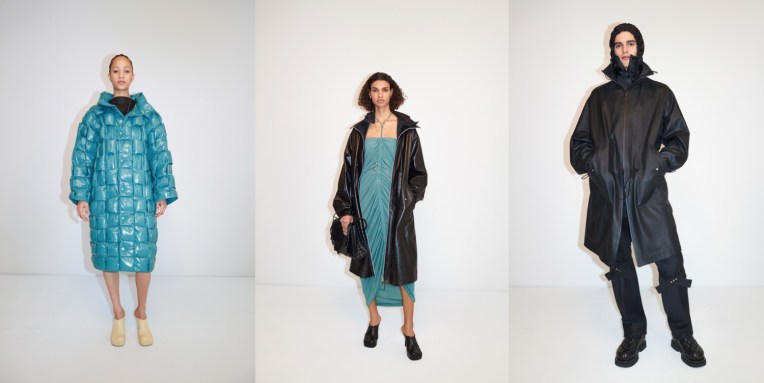
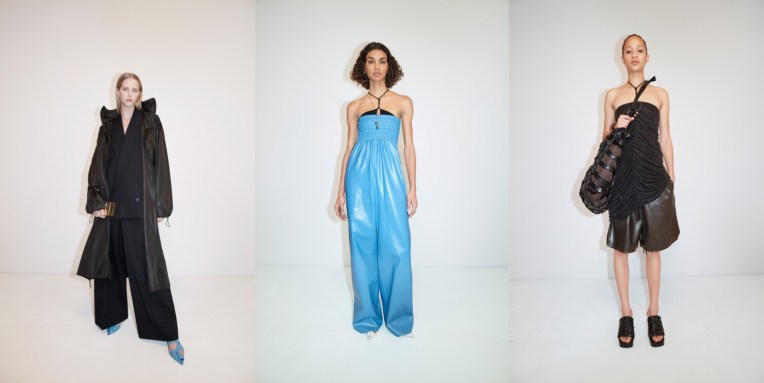
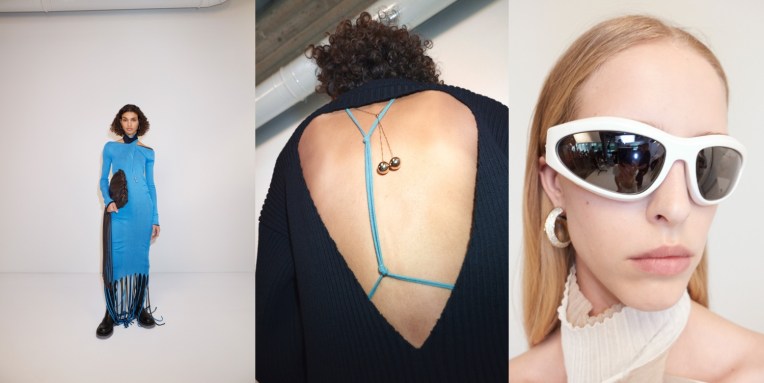
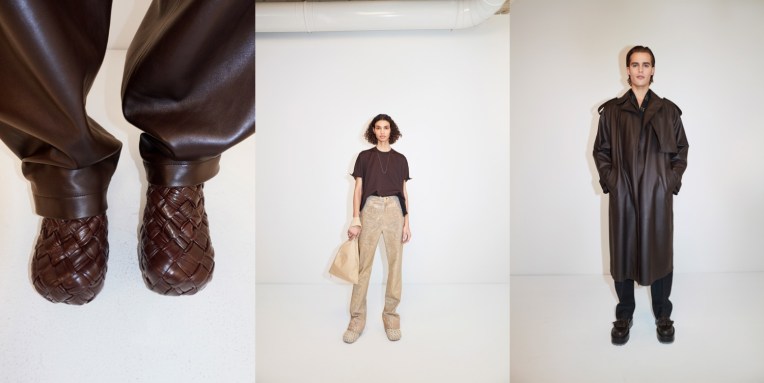
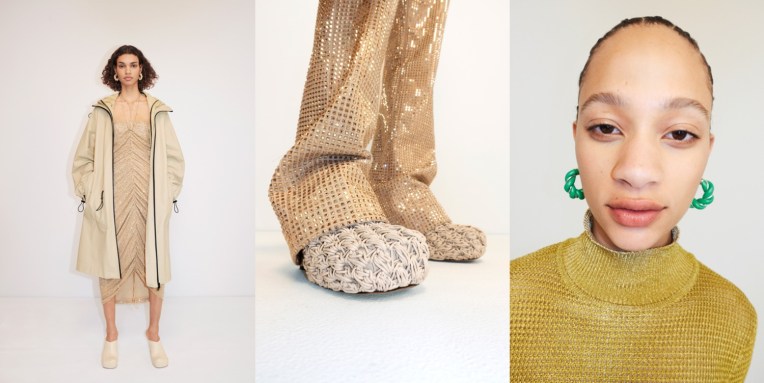
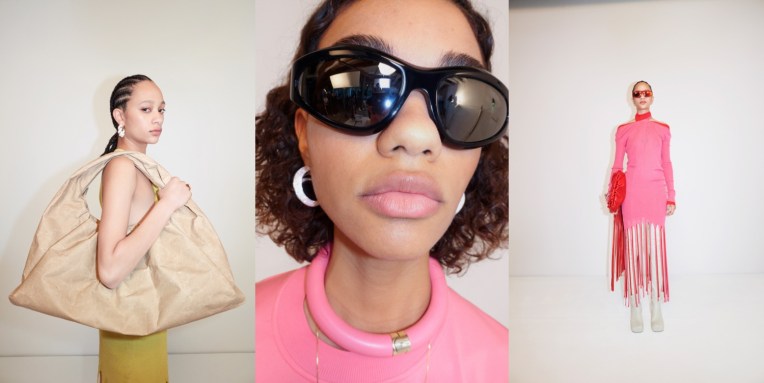
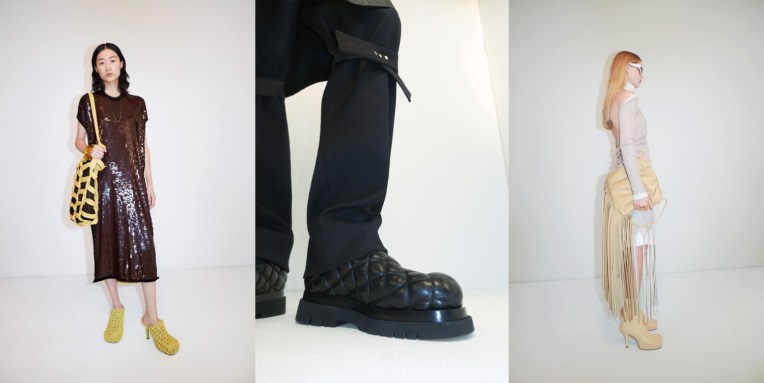
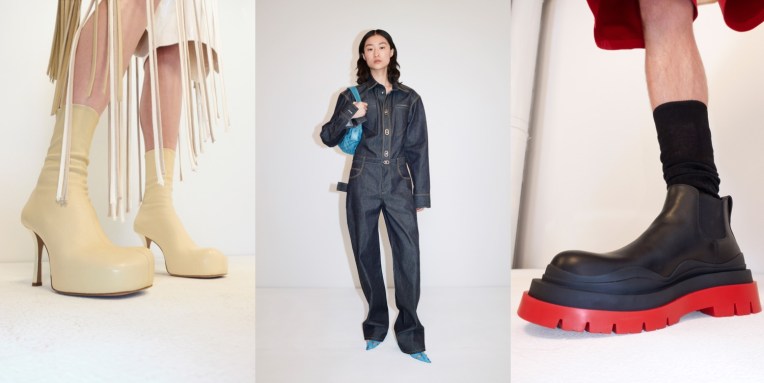
Maybe Daniel Lee‘s winning of nearly every nomination during the recent British Fashion Awards wasn’t such an exaggeration. His pre-fall 2020 collection for Bottega Veneta is so, so, so hot. First, he let colour in. The splashes of cobalt blue, rubber pink and sun-drenched ochre is a combination that will inject vibrance to your autumn wardrobe on a daily basis. Then, all the leather. Lee proves once again his respect for Bottega Veneta as a leather house, creating wonders. The signature intrecciato weaving goes XXL in coats and bags, the shoes get fun bubble quilts and the polished, over-sized pants have an amazing, butter-y texture. Also, something has shifted in Daniel’s ready-to-wear. Comparing to his last autumn-winter season, this one feels very sensual and body-friendly. Just take a look at the knitted dresses and tops with ankle-lenght fringes or the fluid-like sequinned eveningwear. Not speaking of the tailoring, which gets more and more refined with every season. And Bottega denim? A big yes.

Slajd1-kopia 12Slajd3Slajd2-kopia 4Slajd4Slajd5Slajd8Slajd7Slajd9

Collage by Edward Kanarecki.