The 2010s: The Tale of Jacquemus

Slajd1-kopia 8

Believe it or not – I can’t! – but we’re heading towards a new millenium. So, how do you choose the most important collections, designers and labels of the decade? The ones that made an actual impact in the 2010s? Well, it’s not an easy task. It all began in September 2009 with New York’s spring-summer 2010 shows and ended when the autumn-winter 2019 haute couture shows wrapped in Paris. Few thousands of shows, by the way. There will be 19 posts (that’s really the only possible minimum!) reminding about the best – and if not the best, then strongly influencing – moments in fashion.

France, sun, love. Jacquemus.

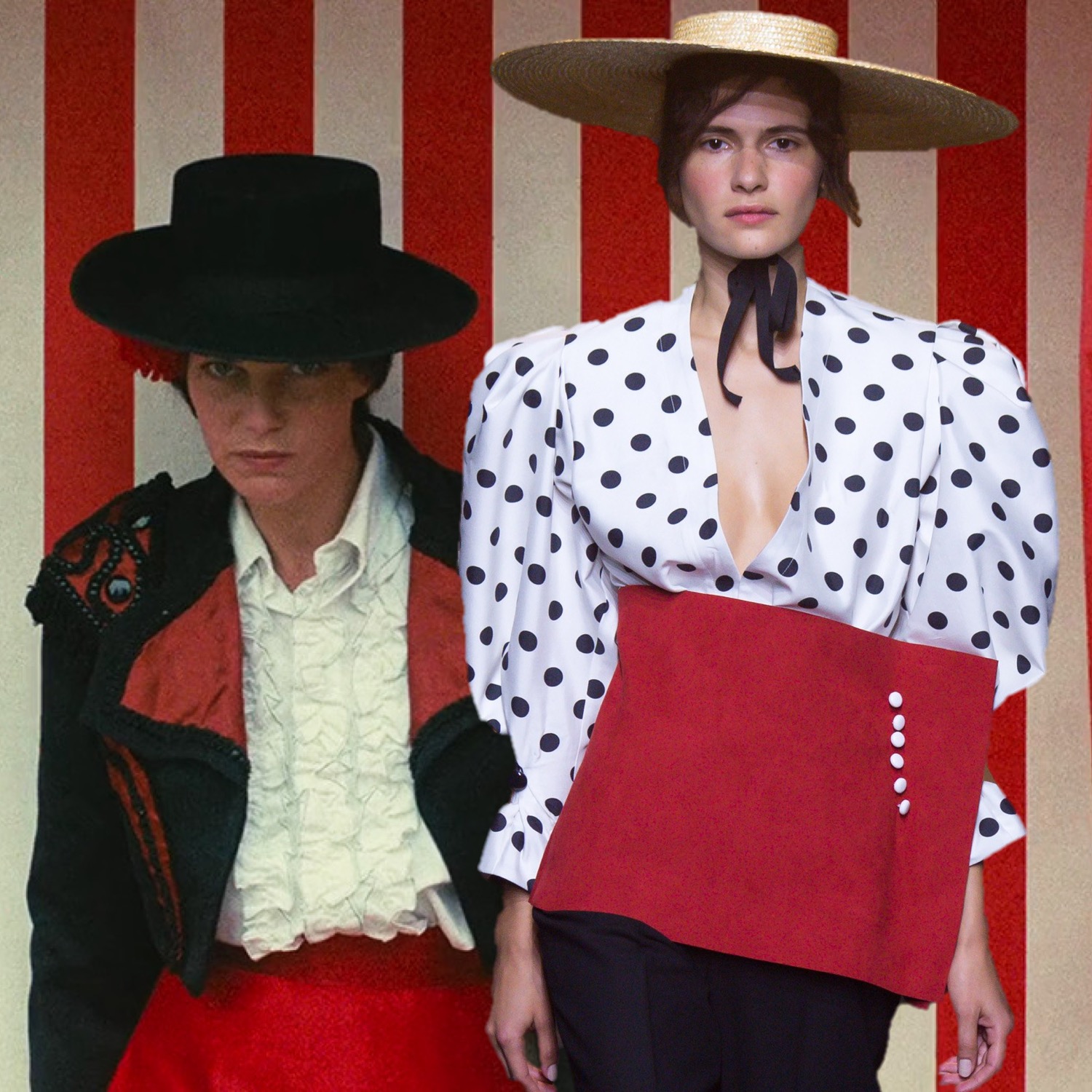
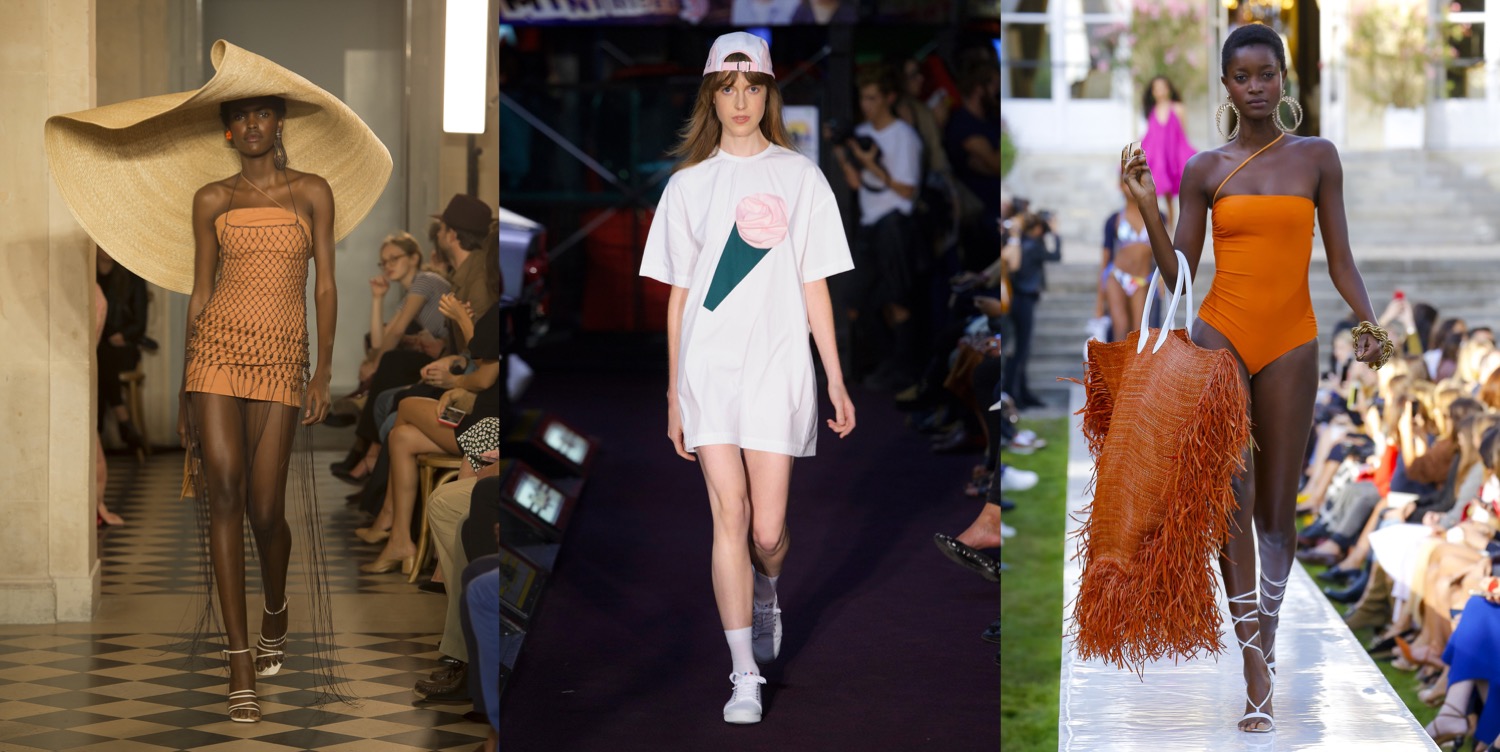
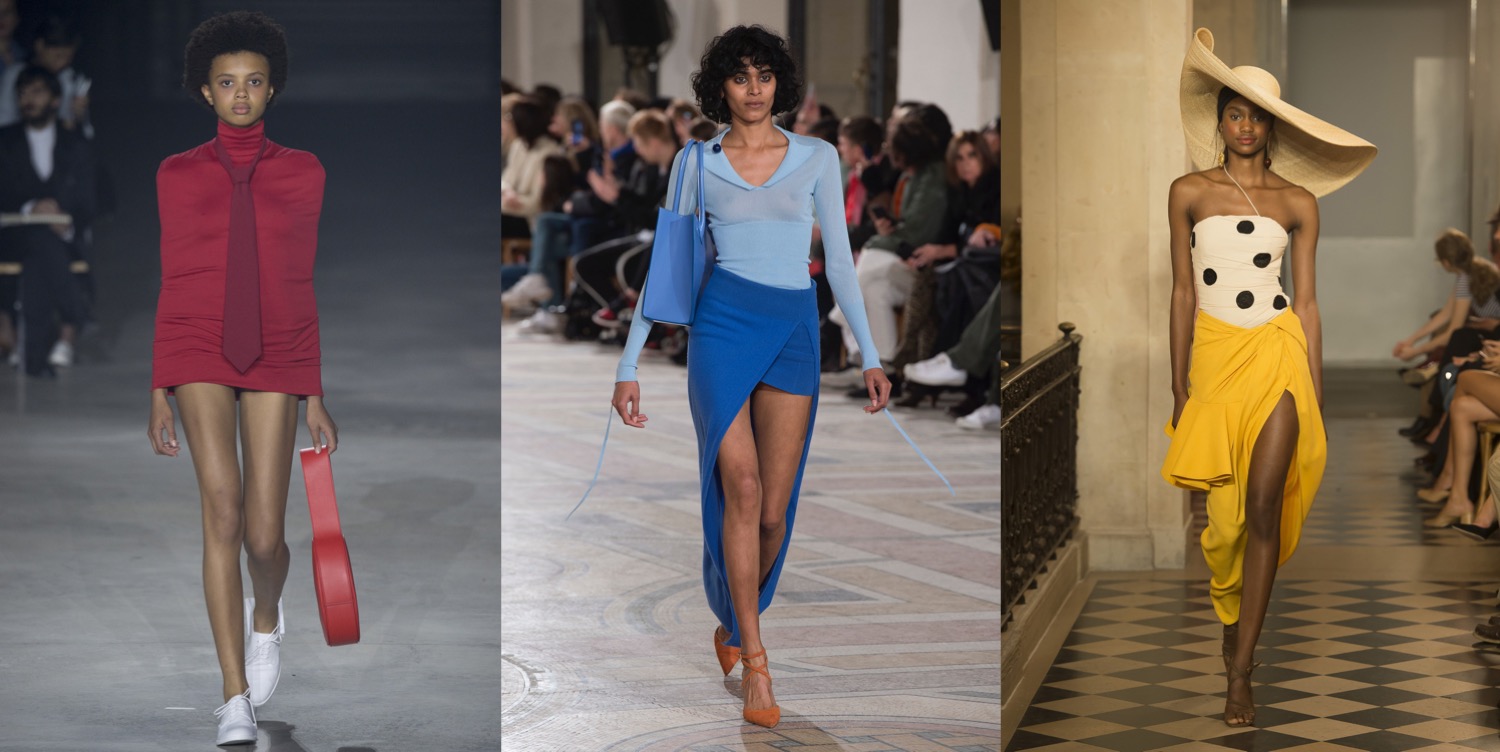
The tale of Jacquemus is one of the most inspiring and joyful stories of 2010’s fashion. A boy from the South of France made the entire industry lose its mind for XXL straw hats, hilariously small bags, cheerful polka-dots and dresses that mentally transport you to the beach in any season. Simon Porte Jacquemus started from scratch, staging his first fashion show in a public swimming pool in Paris. With every season, his style got refined and the collections expanded at an organic pace. From the spectacular La Santons de Provence show, which was all about the designer’s love for his sun-drenched home, to the spring-summer 2020 line-up staged in the middle of a Provençal field, every collection Jacquemus delivers keeps on getting better. From all the emerging labels that took off in the 2010s, Jacquemus is the biggest star!

Slajd1-kopia 9Slajd2-kopia 9Slajd3Slajd6Slajd4Slajd5

Collage by Edward Kanarecki.

Stella  McCartney Beauty UK

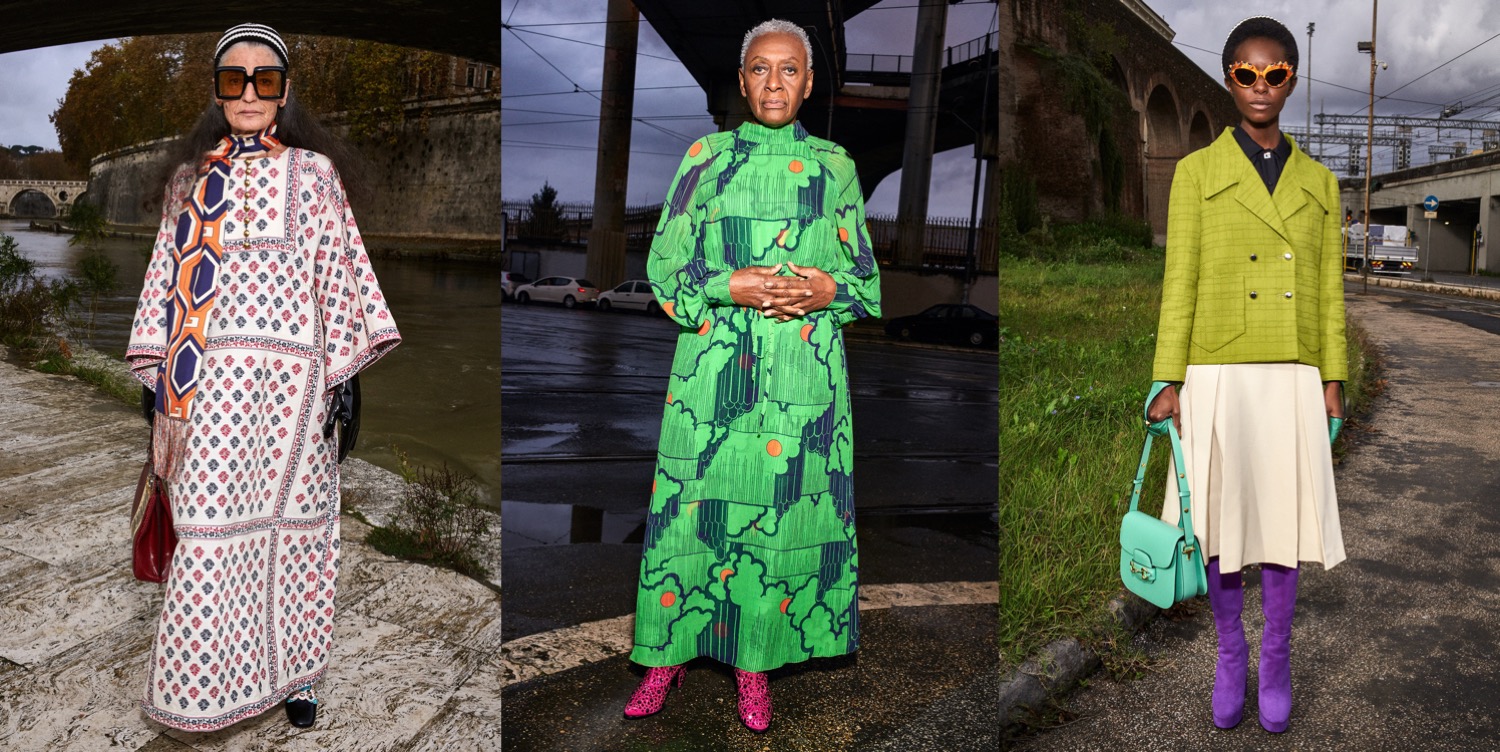
Clothed Bodies. Gucci Pre-Fall 2020

GUCCI

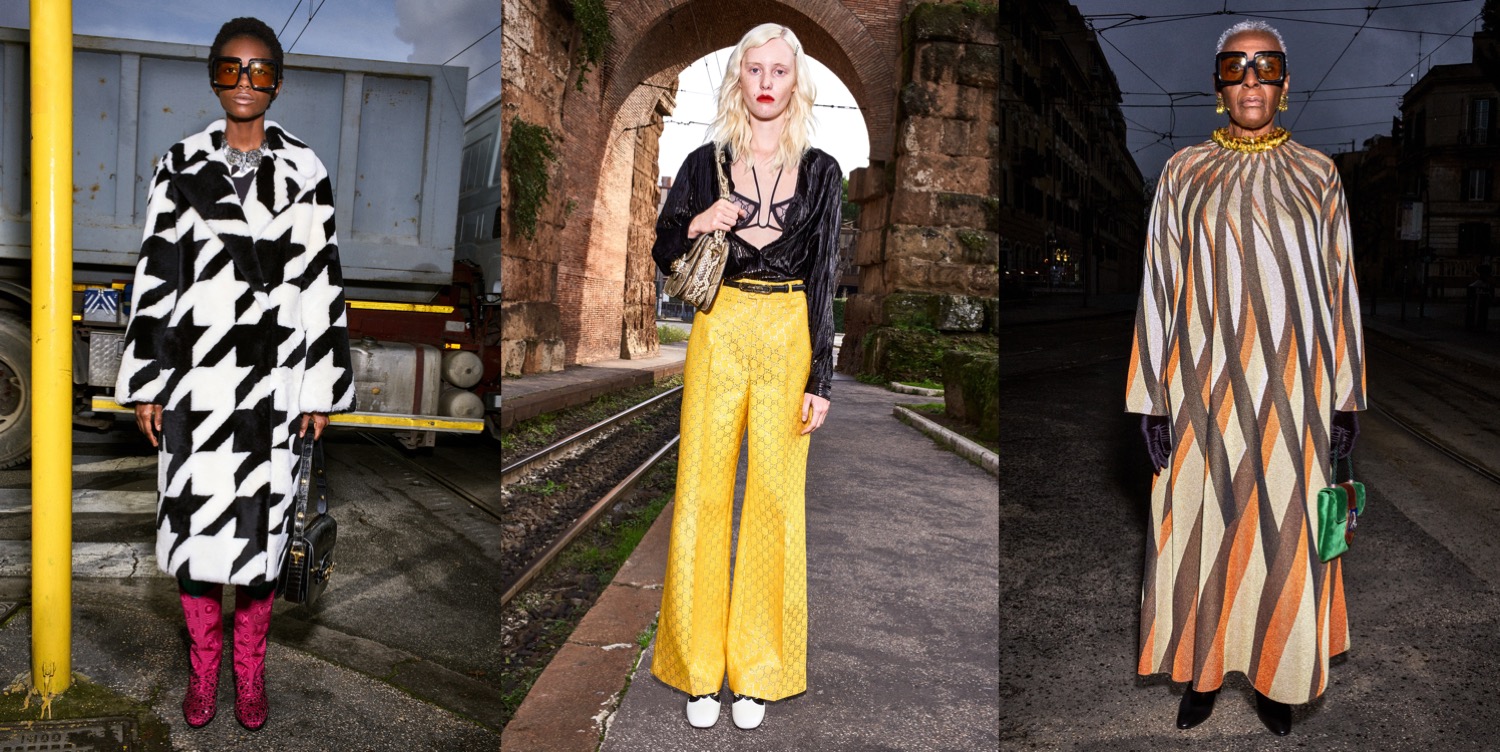
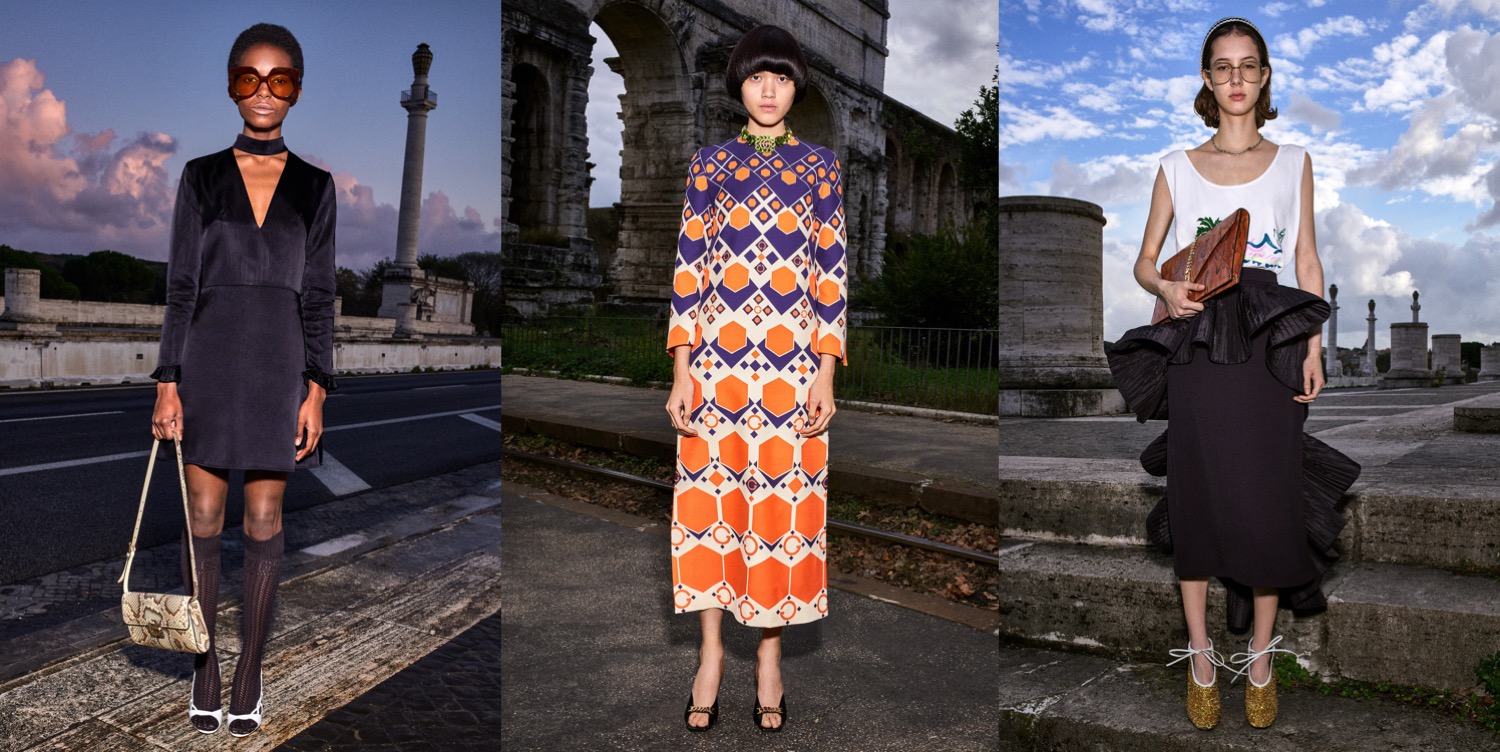
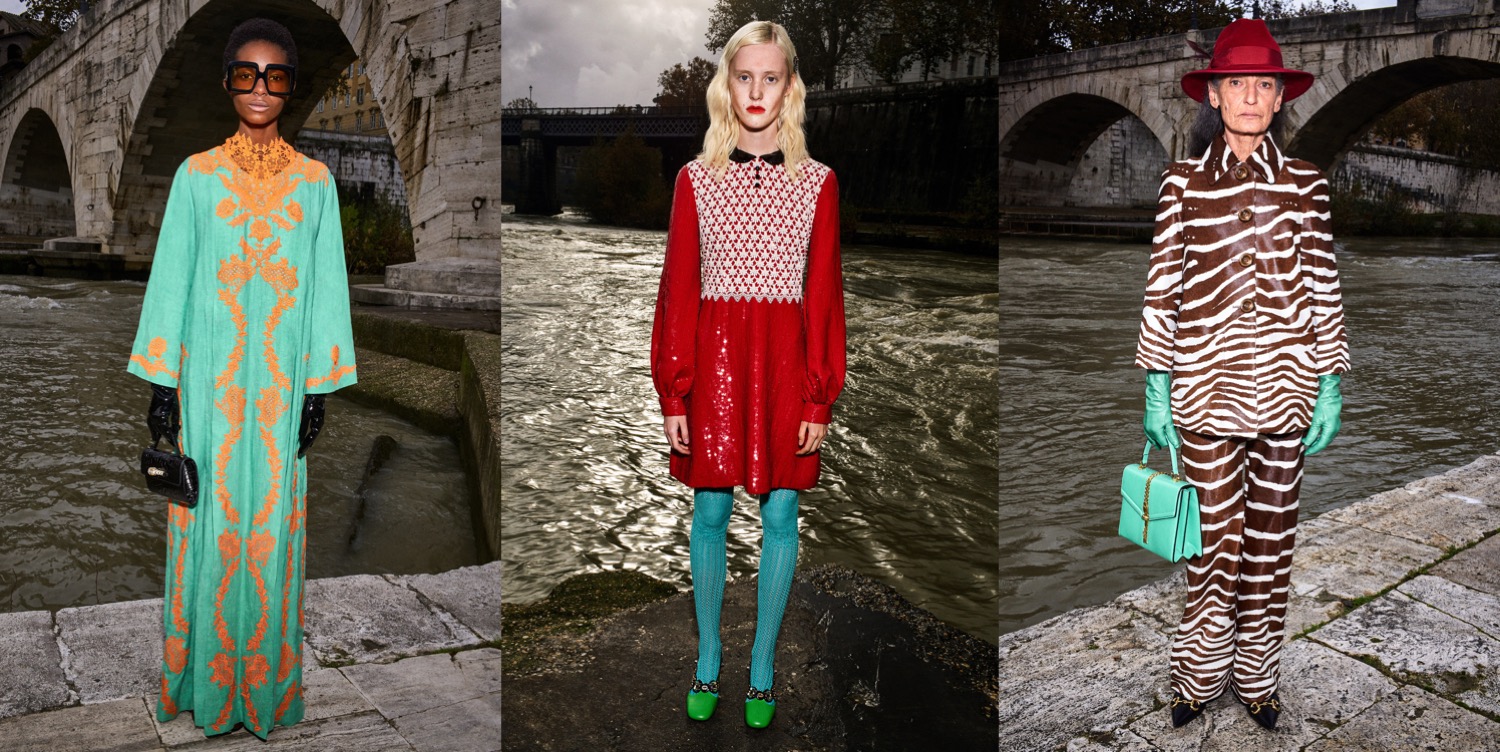
Alessandro Michele‘s pre-fall 2020 collection for Gucci is the post scriptum of his vision he staged back in September. “It tells the same story about proportion, silhouette, and, above all, the balance between shape and color,” he summed up. Balancing contrasting bearers of meaning in the same outfit has always been a Michele’s skill. He simplified his looks – cleaning it up (aesthetically) definitely works for Alessandro lately. Shapes had clarity, with hints to the elegance of the 1960s (trapeze dresses in solid colors or in black with cutout décolletage; short capes calling to mind Pierre Cardin’s futuristism; bold floral ensembles with boxy-cut little jackets) and to the free-spirited bohemia of the 1970s (gorgeous kaftans in every possible length; flowing feminine chemisier dresses; floor-grazing linen tunics with contrasting macramé appliqués or geometric motifs). Decoration and embellishments, although reduced, were still idiosyncratic and full of appeal. Michele’s knack for cultivated quirk crept up also in his punctuation of lingerie as a subtly sexual message – a theme he introduced in the September show. Logoed brassieres and underwire bras peeked from underneath blouses or crisscrossed open tops, worn under leather blazers.

The lookbook was shot in Rome through the lens of  Bruce Gilden. The cast of characters was as diverse as can be, including model and advocate Bethann Hardison and fashion legend Benedetta Barzini, both fabulous in their age-defying charisma and presence. “At the core [of the collection] remains the relationship between clothing and its wearer, and everything that revolves around these ‘clothed bodies,’” explained Michele. “The set and the photography not only emphasize the look but also the characters, providing a viewpoint to delve into the relationship between empty and full spaces, between clothed bodies and the space around them—and therefore between where we are and what is happening.

Slajd1-kopia 8Slajd2-kopia 8Slajd3Slajd4Slajd5Slajd6

Collage by Edward Kanarecki.

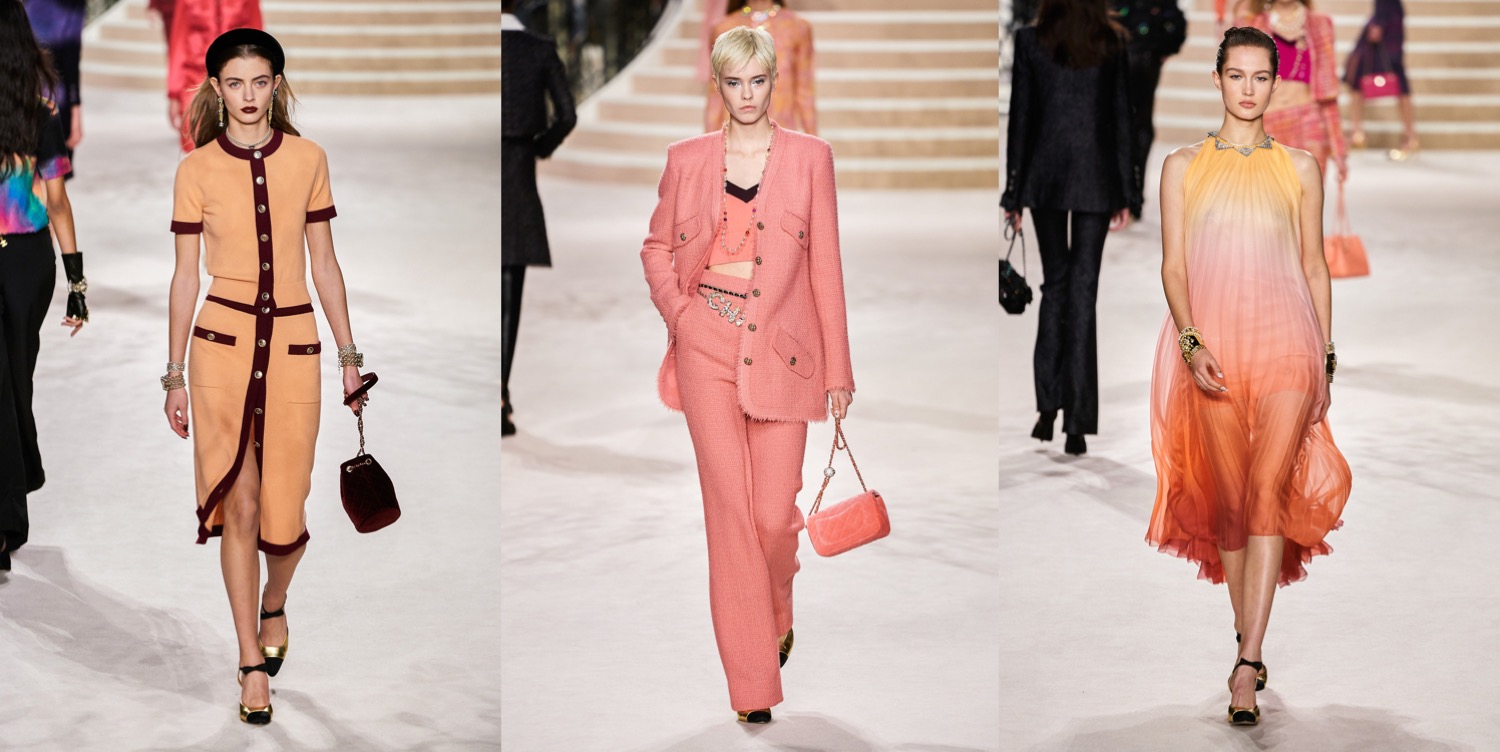
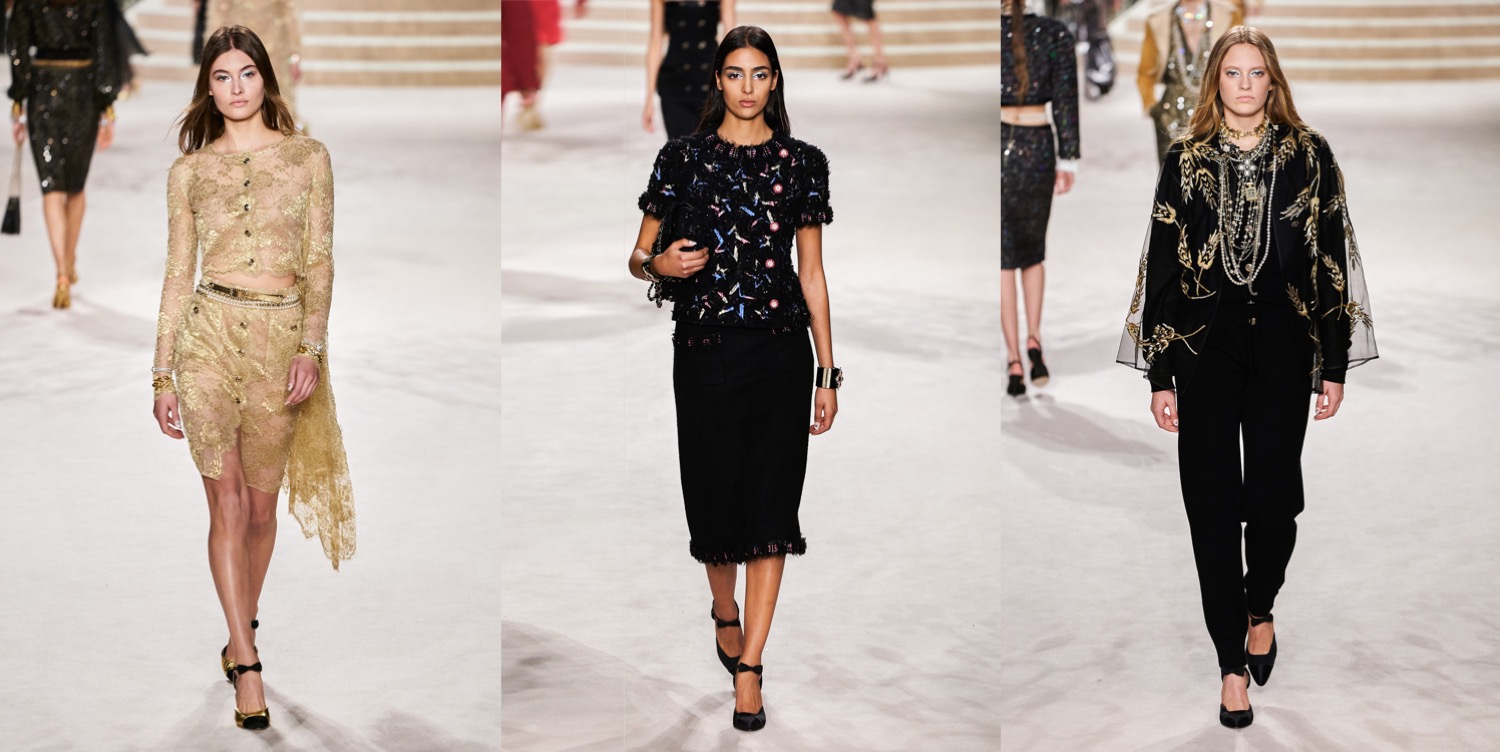
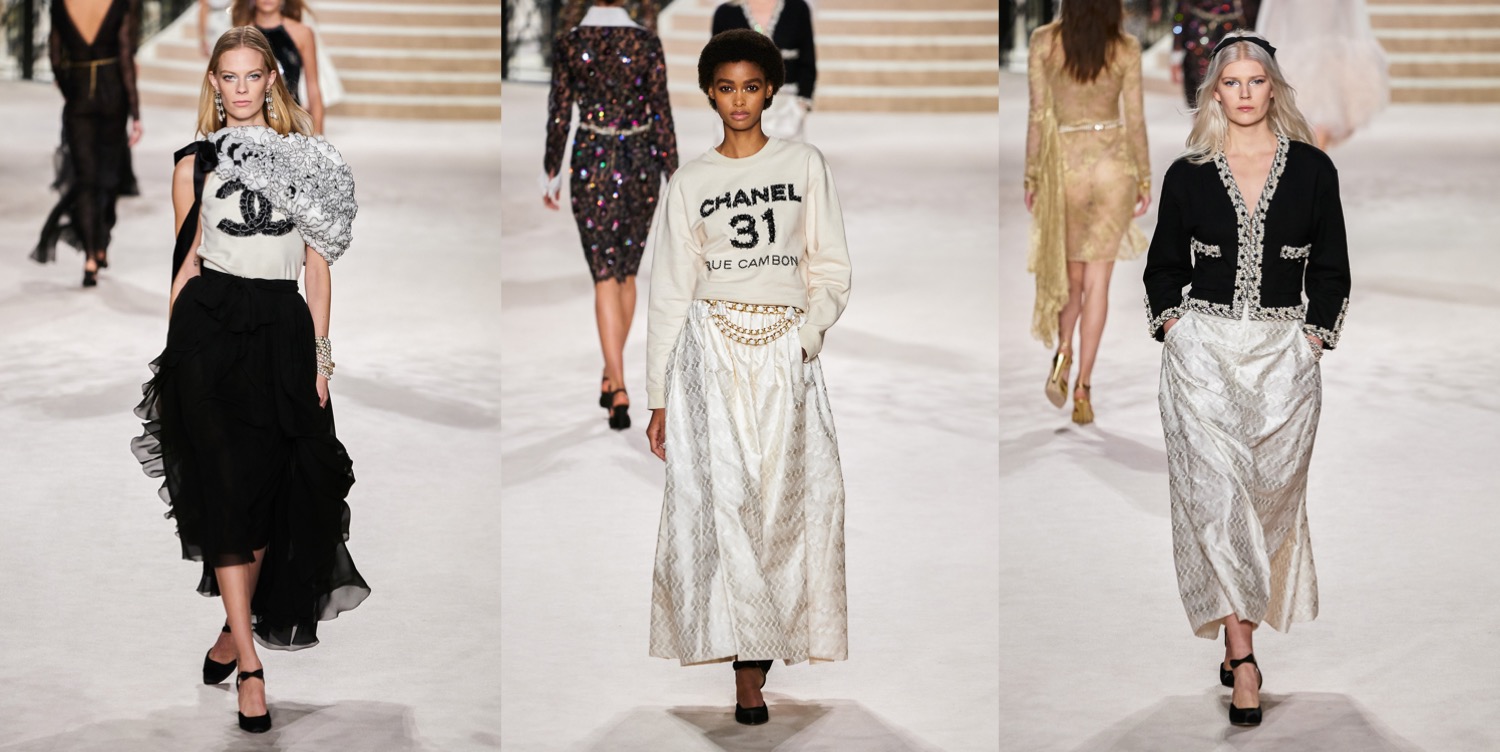
31 Rue Cambon. Chanel Pre-Fall 2020

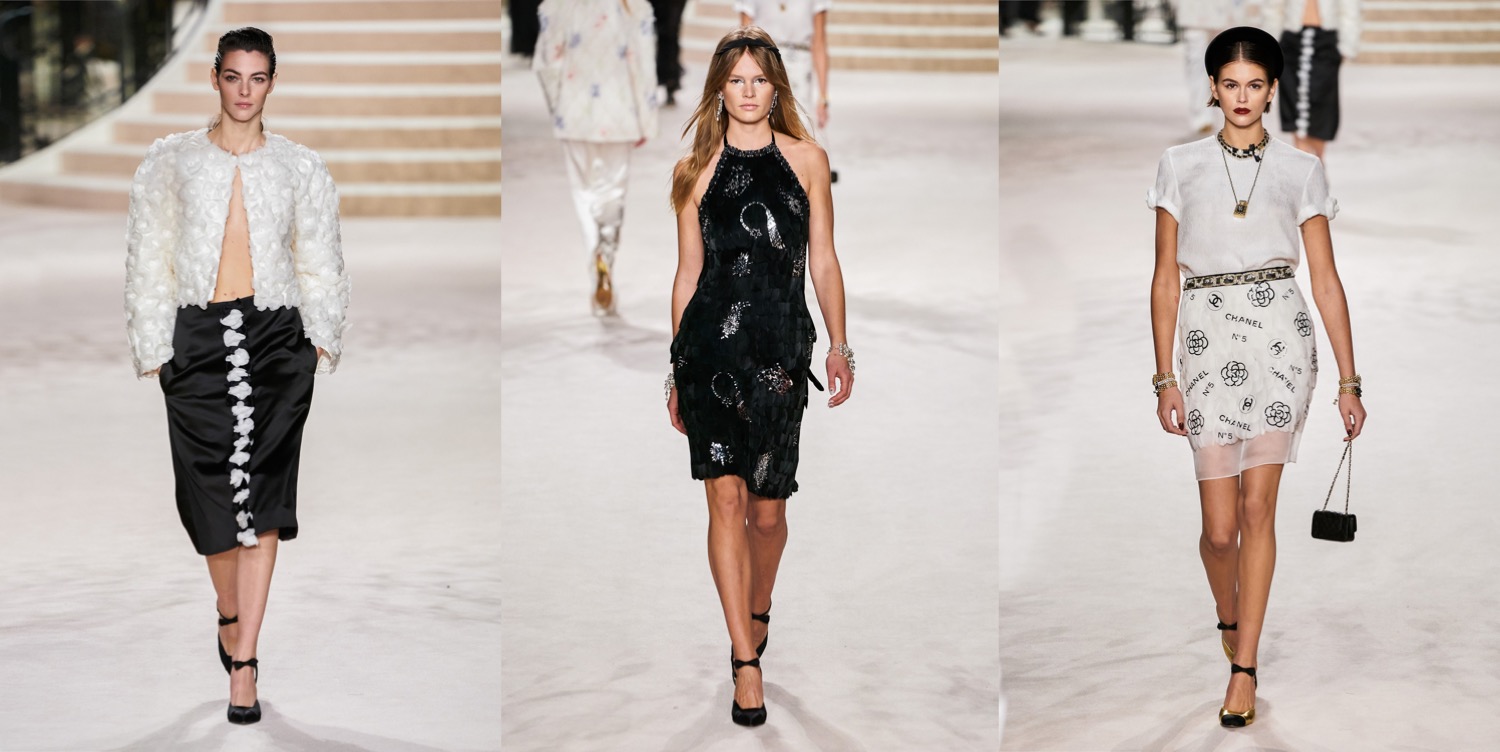
Virginie Viard takes Chanel to its (at times clichée) codes. Viard titled her Métiers d’Art show “Paris 31 rue Cambon” for the street where Coco Chanel first set up shop as a milliner in 1910 (“Chanel Modes” at Number 21), and where she later expanded her fashion empire to embrace six additional 18th-century buildings, with her legendary haute couture salons at Number 31. The guests sat inside of Coco’s legendary apartment, XXL-scaled and set up in Grand Palais (there was even the famous mirrored staircase). “I adore the apartment,” Viard said backstage, and she evidently found inspiration in this setting where Chanel retreated from the running of her house and entertained friends. The designer described the collection as “the things we like, a mix of Karl and Chanel—the codes.” Of course, comparing to Lagerfeld’s globe-trotting Méters d’Art fairy-tales – think Moscow, Edinburgh, Texas, the Met in New York – seeing Viard show in Paris felt quite unamusing. Nevertheless, the collection was properly Chanel – elegant, refined, refreshingly minimal, yet far from modesty. The pre-fall collections of Chanel showcase the incredible work of the luxury suppliers of the fashion industry – embroiderers, feather and artificial flower makers, milliners, custom shoemakers – many of which Chanel has acquired to keep them operational and the skills alive. Viard, who directed the Chanel studio under Lagerfeld for decades, has a fine appreciation of what these ateliers are capable of. A bolero jacket with broad feathers overprinted with a shadowy pattern of Chanel’s iconic camellias; a feather blazer worked into a subtle trompe l’oeil plaid; eveningwear kept in the most gorgeous, sorbet ombré colour palette… delightful. Viard proves once again that her Chanel takes a slower approach, one that cherishes the timeless classics and the artisan work. Less Instagram moments, more beauty in the details.

Collage by Edward Kanarecki.

Fluidity. Jil Sander Pre-Fall 2020

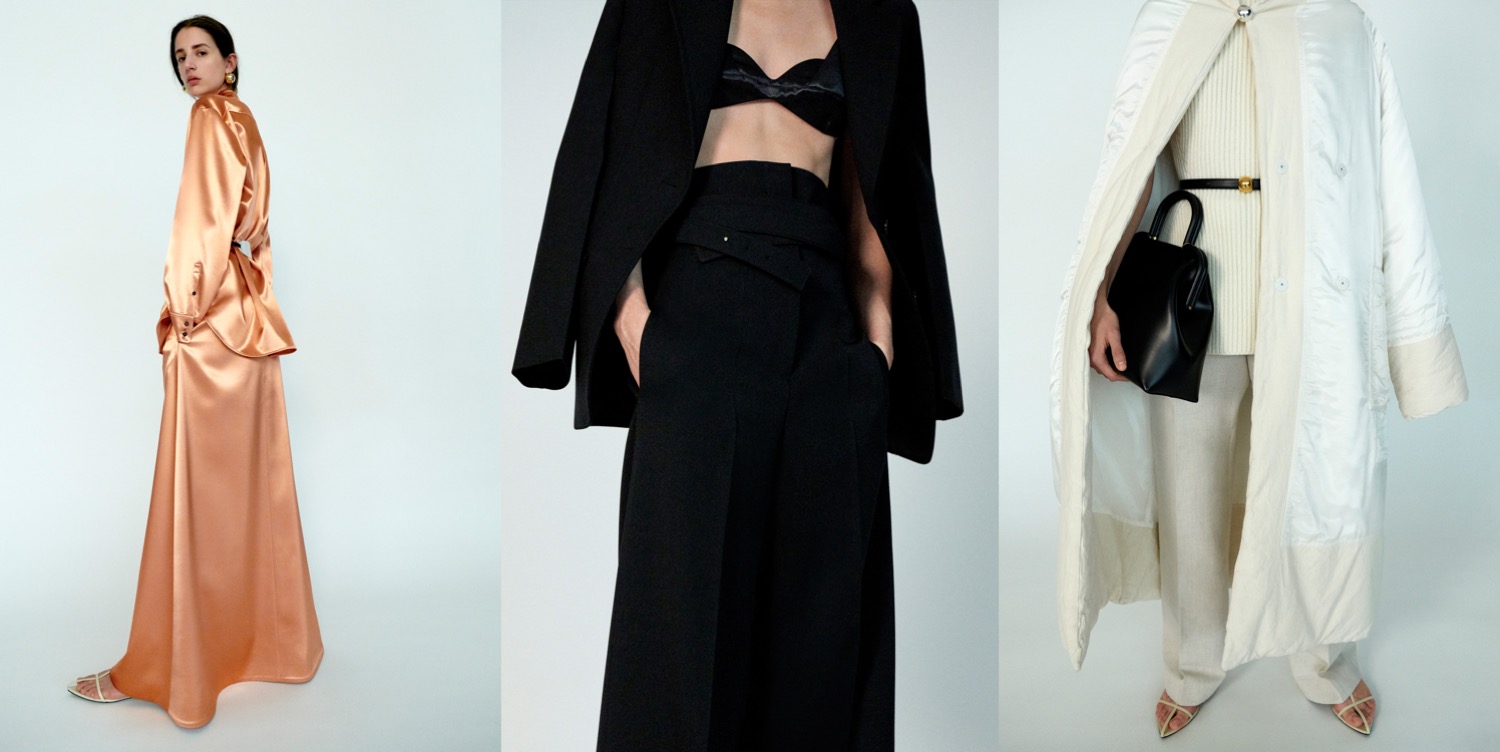
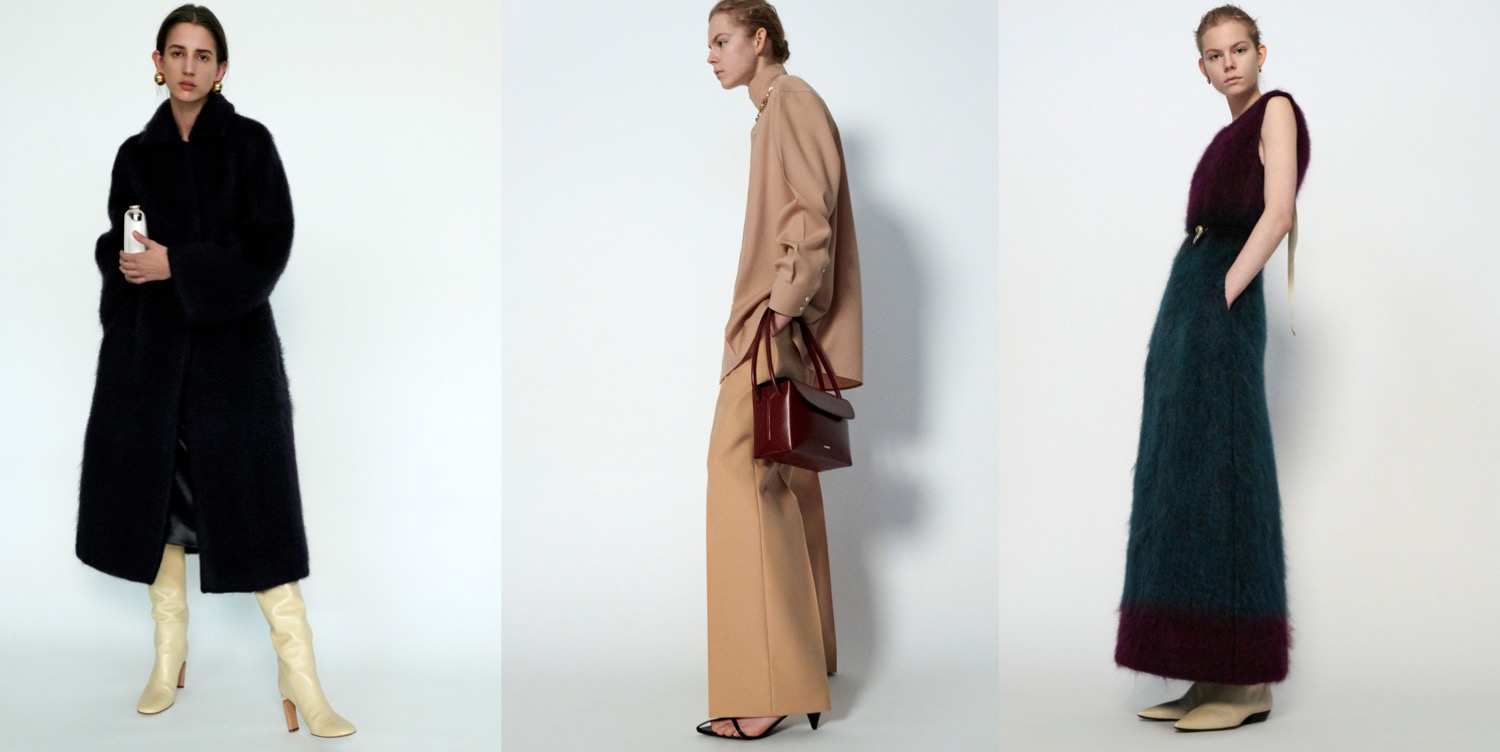
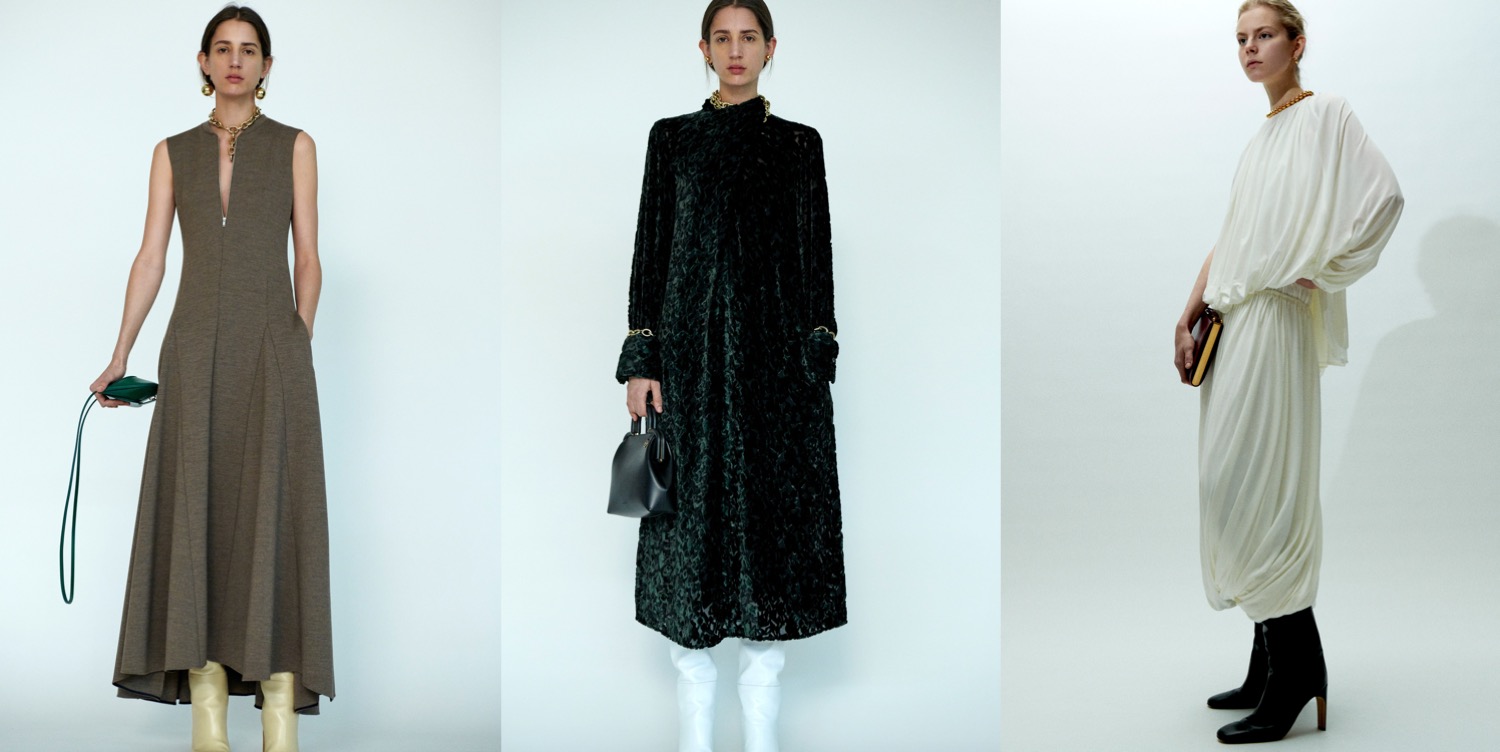
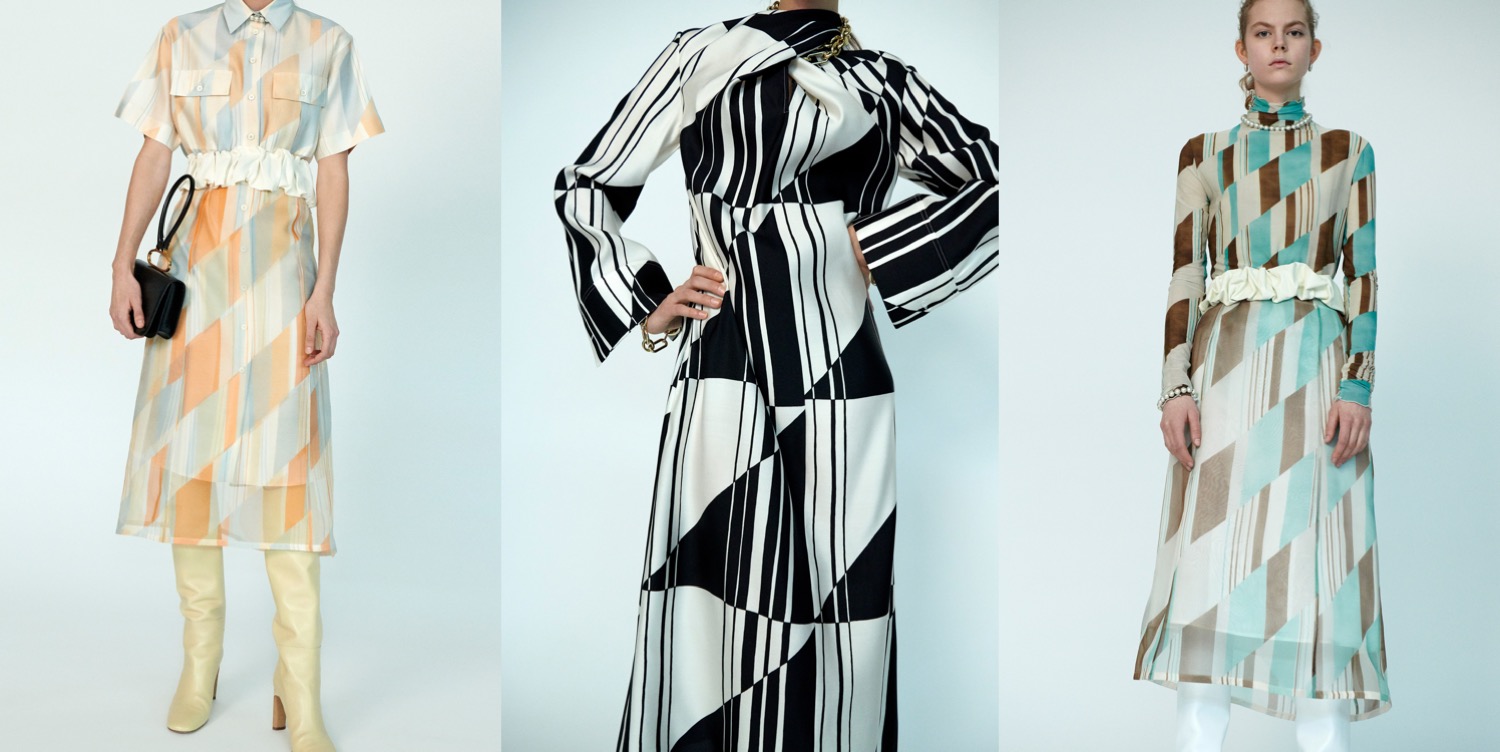
Lucie and Luke Meier‘s vision for Jil Sander is all about soft, tactile minimalism (which occasionally lets some eclecticism in). For pre-fall 2020, the duo once again showed their appreciation for craft. A skirt suit was padded and stitched with an abstract floral motif, while an ensemble in soft pink satin had a luscious, almost liquid finish. Fluidity of the silhouette is a big topic for the Meiers – they continue to master it, creating refined, feminine, yet magically comfortable forms. Please do note the feminine lines of the décolletages, borrowed from corsetry and delicately lined with inconspicuous embroideries (see the high-waisted ruched slipdress). Art references are also crucial in their vision for Jil Sander. Recently, the designers have been fascinated by the Viennese Secession movement, extensively researching the work of Wiener Werkstätte’s artists like Josef Hoffmann, Koloman Moser, and the textile designer Maria Lucia Stadlmayer. Their aesthetics, which flourished at the juncture of Art Nouveau’s sensuality and Japonisme’s sophisticated restraint, clearly appealed to the Meiers. For pre-fall, Stadlmayer’s graphic patterns were reproduced in their original proportions and colors on sheer organza layers, juxtaposed over sharp-cut silk twill or silk jersey shirts, skirts, and tunics, inducing a slightly kinetic, blurred chromatic effect. “We used the motifs on their authentic scale, because you have permission from the archives in Vienna to reproduce them only in the exact proportions and colors she intended to use,” they said. “We really cared about keeping the integrity of the design; we didn’t want to appropriate them in the wrong way.”

Collage by Edward Kanarecki.

Warsaw in November

Warsaw in November might sound grey and rainy (well…), but this doesn’t mean the capital of Poland loses any of its charm. Here are the places I’ve been to during my 48h trip to the city and I hope you get to see if you’re visiting anytime soon. Scroll down for more!

Magda Butrym no longer needs an introduction in the industry. At her core, the Polish designer stands for two things: local hand craftsmanship and fashion that’s playful, yet sophisticated. Her autumn-winter 2019 offers plenty of her signature floral mini dresses in updated silhouettes and statement, 80’s tailoring. But there are also new additions: one of the blazers has a huge black flower attached to it, making the look fantastically exagerrated, but not ridiculous. The handwoven oatmeal sweater is another highlight – it’s backless and comes with waist-cinching ties. As Butrym told Vogue, she’s “inspired by the romantic East”. Well, just look at the pleated silk frock covered in a folk-inspired poppy print and you will get it right away. Each Magda Butrym design is created in an old Warsaw home, where Butrym and her brother have carved out their family business in the old Polish style. She’s a leading Polish designer with countless retailers world-wide, but at the same time she stays where her home is, and consistently fuses her local surroundings with current obsessions, like cowboys or Dolly Parton, in her work.

Magda Butrym store-in-store / Redford & Grant / plac Marszałka Józefa Piłsudskiego 1-3

Regina Bar is a place that will surprise you with its culinary eclecticism. The cuisine is a fusion of Asian and Italian tastes, so don’t be surprised when you spot pizza with salty duck and hoisin sauce in the menu (by the way, it’s delicious!). Locals come here for the classical pork wontons and the crunchy General Tso’s Chicken. The signature cocktails are inspired with Sex & The City’s characters, but if you can’t choose between Carrie and Samantha, take the matcha. Booking a table in advance is recommended.

ul. Koszykowa 1
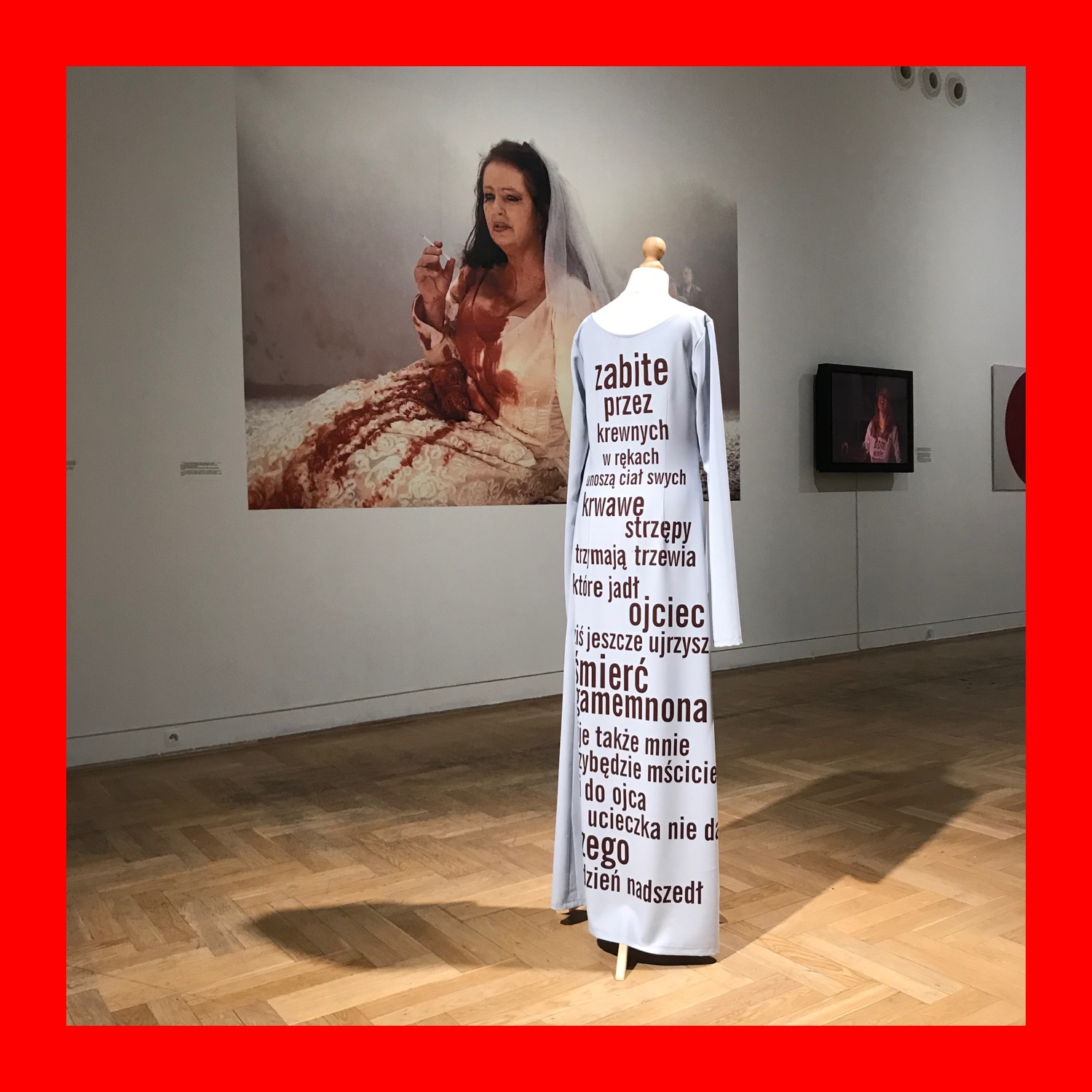
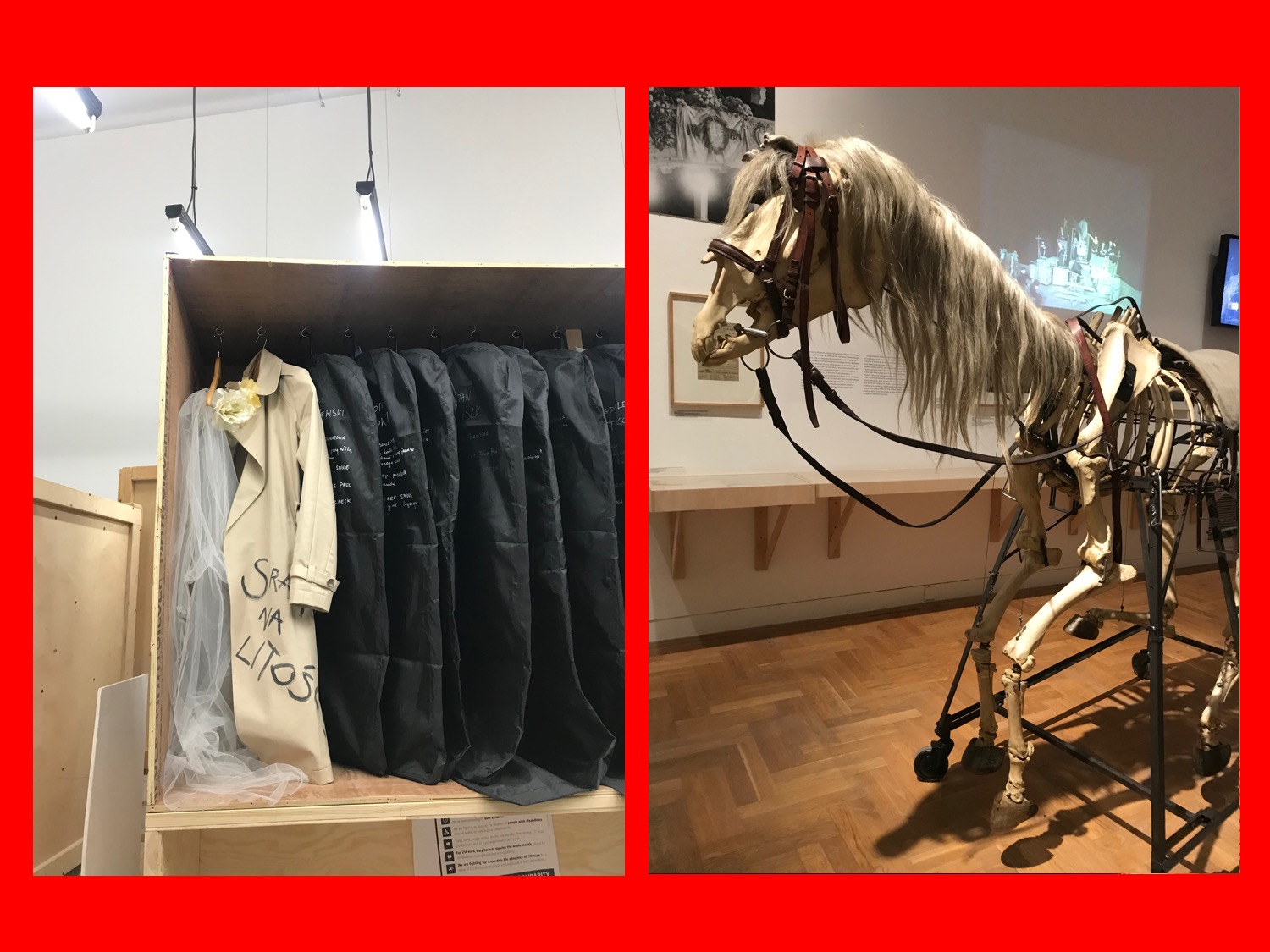
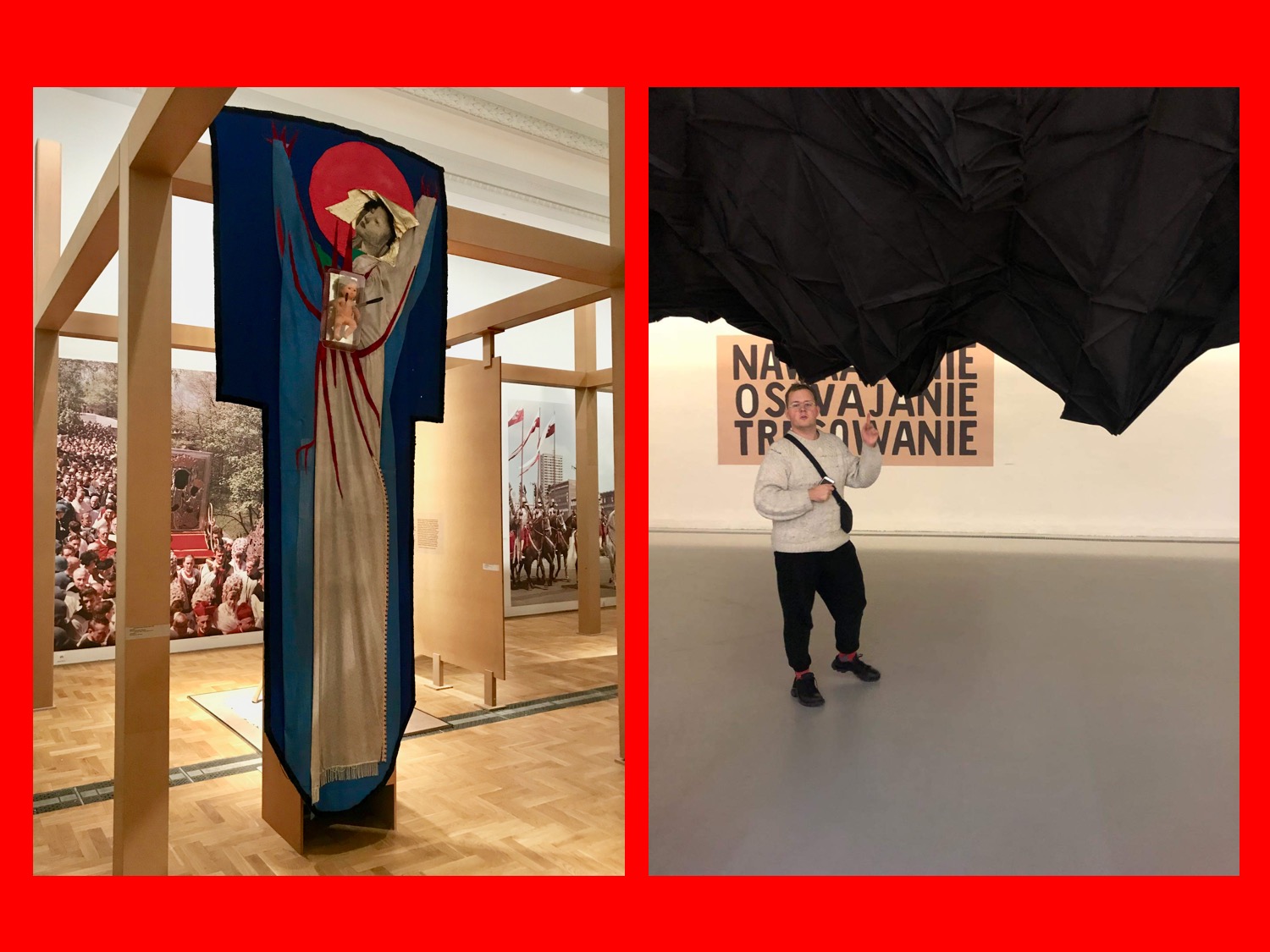
Zachęta National Gallery of Art is an institution whose mission is to popularise contemporary art as an important element of socio-cultural life. It’s a place where the most interesting phenomena of 20th and 21st century art are presented, especially focusing on Polish artists. Right now, Change the Setting. Polish Theatrical and Social Set Design of the 20th and 21st Centuries is one view. Its concept was born out of the original vision of Robert Rumas, a respected visual artist and set designer. The curator and his team of collaborators lead the viewers through 100 years of history, building the narrative of the exhibition according to an issue and theme-based layout and creating contextual references to earlier and later phenomena.The exhibition shows the most important set design phenomena shaping the space and aesthetics of theatre performances and political and social events in Poland in a new light. The large cross-sectional show is an innovative attempt at a comprehensive presentation of the process of evolution of set design: from the first reform of the theatre to contemporary times, taking into account the problems, phenomena, and resulting repercussions inherent in understanding the role of this field in the histories of Polish theatre and culture. Although the authors intent is not an academic approach to the subject or a linear presentation of the history of Polish set design, including the transformations of theatrical art, the exhibition encompasses key themes inscribed in the history of the theatre and issues faced by contemporary theatre in the broad context of current cultural, political and social phenomena. It’s one of the best exhibitions I’ve seen in a while in Warsaw: it surprises and makes you realise once again (especially if you’re a Pole) that Poland isn’t an easy country.

The exhibition is open until 19.01.2020 / plac Małachowskiego 3

Luxury vintage is rather a dead topic in Poland. It’s often a random splatter of Zanottis, Pleins, occasional fakes and God knows what else. Well, until I’ve discovered Alicja Napiórkowska’s Image House, which is the ultimate exception. Good, old Céline, Rick Owens, Yves Saint Laurent, Comme Des Garçons… brilliant.

Ul. Mokotowska 52
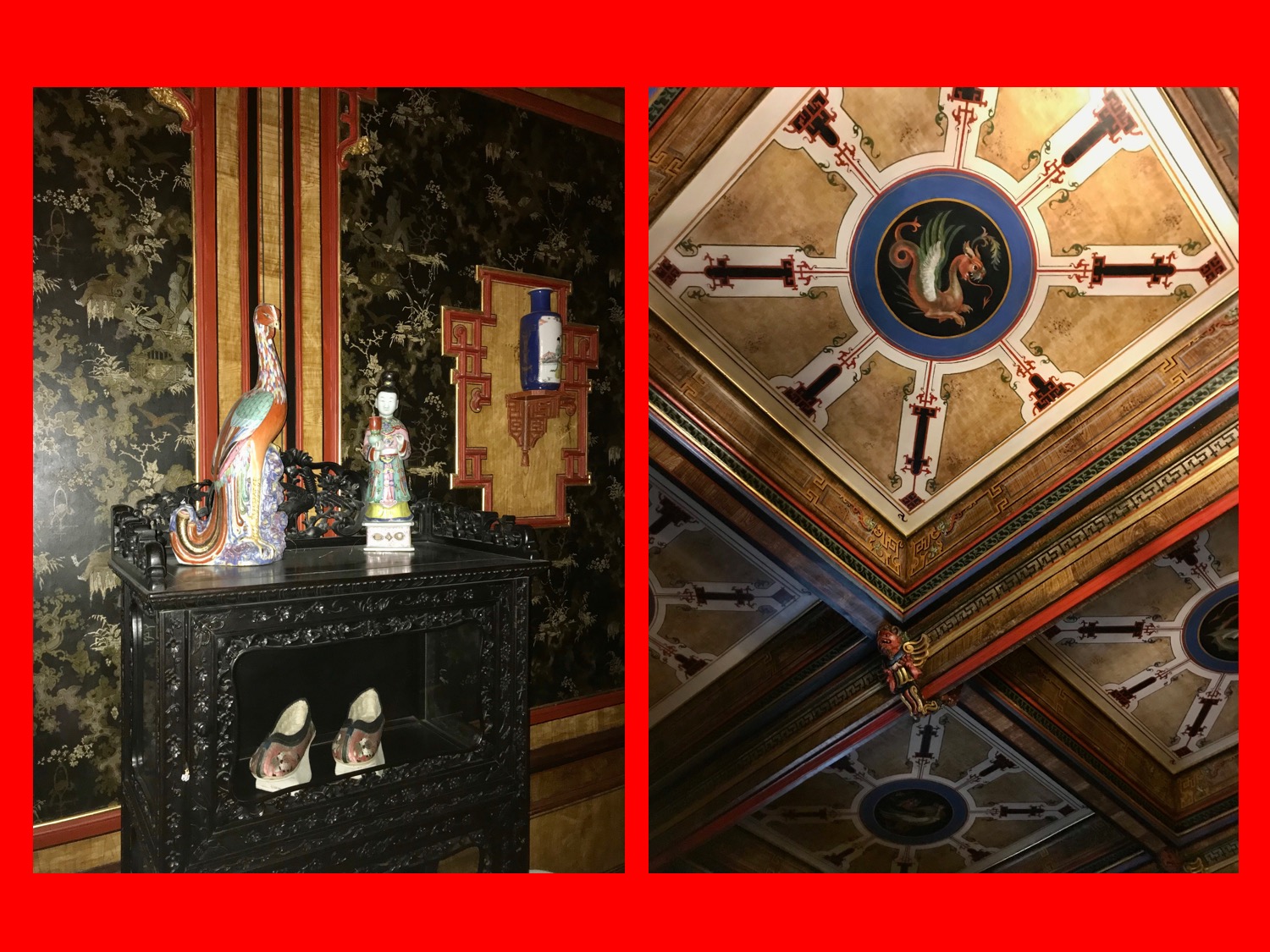
If you’re having a spare afternoon, take a trip to Wilanów Palace. The history of the palace, a wonderful Baroque royal residence, began in 1677, when a village became the property of King John Sobieski III. Augustyn Locci, the king’s court architect, received the task of creating only a ground floor residence of a layout typical for the buildings of the Republic of Poland. Huge construction works were conducted in the years 1677-1696. After completion, the building comprised of elements of a nobility house, an Italian garden villa and a French palace in the style of Louis XIV. After the death of the King, the Palace became the property of his sons, and in 1720, a run down property was purchased by one of the wealthiest women in Poland of those days – Elizabeth Sieniawska. In the middle of 18th century, the Wilanów property was inherited by the daughter of Czartoryski, wife of a field marshal, Izabela Lubomirska, during whose reign, Wilanów started shining with its previous glory. Sixty nine years later, the Duchess gave Wilanów to her daughter and her husband, Stanislaw Kostka Potocki. Thanks to his efforts, one of the first museums in Poland was opened in the Wilanów Palace, in 1805. The exposition consists of two parts: on the main floor you will be able to see the royal apartments of the palace. Rooms where parties took place, chambers where the royal couples listened to music, met their friends and guests, and where they worked and rested. The first floor is the most intriguing: the China-themed rooms. The Chinese Apartment is decorated with Chinoiserie paintings, wood engravings and wallpapers, and furnished with European pieces of furniture that imitated Chinese style. The collection of Far-East works of art amassed by Potocki was that of a true art admirer and a scholar, as he collected miscellaneous objects and products. A large number of the objects have been preserved to his day and form part of the contemporary Museum collection.

ul. Stanisława Kostki Potockiego 10/16

/

All photos by Edward Kanarecki.