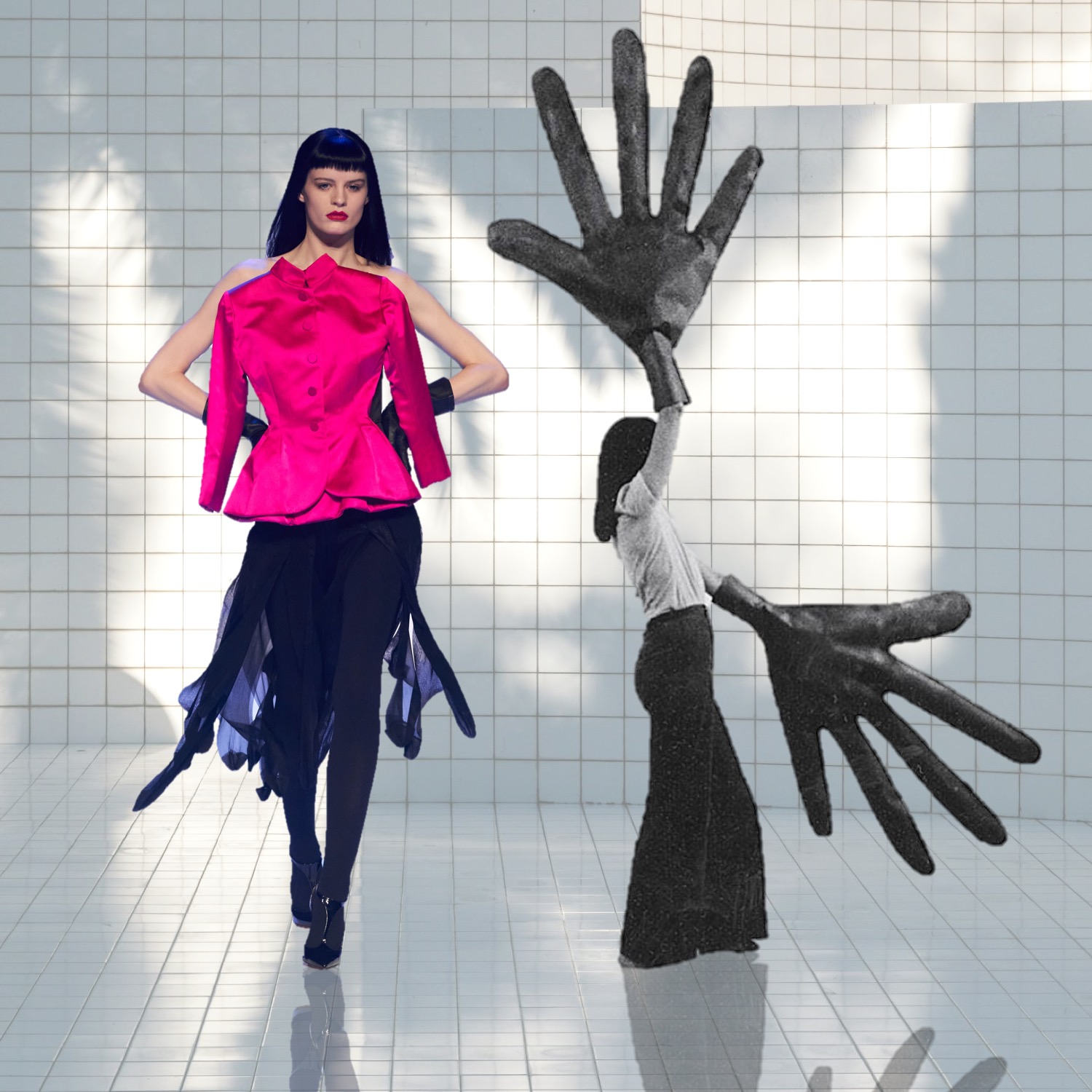
Valentino’s Night-Dreaming in Beijing

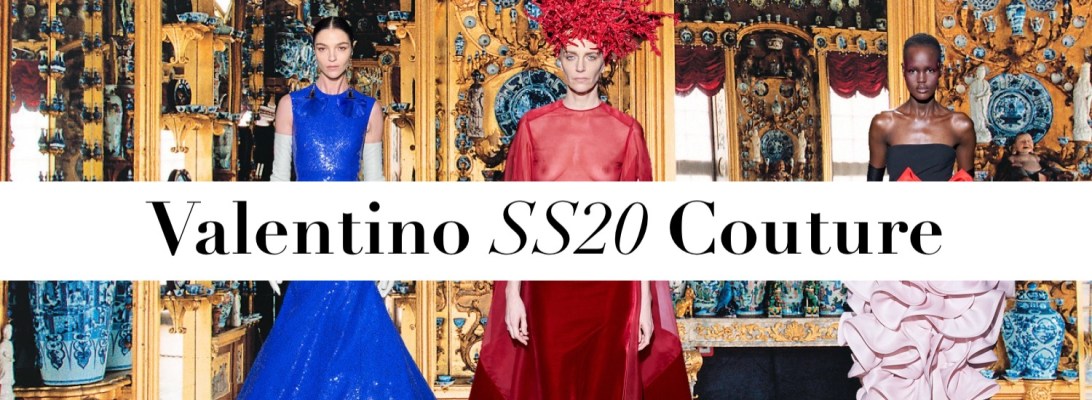
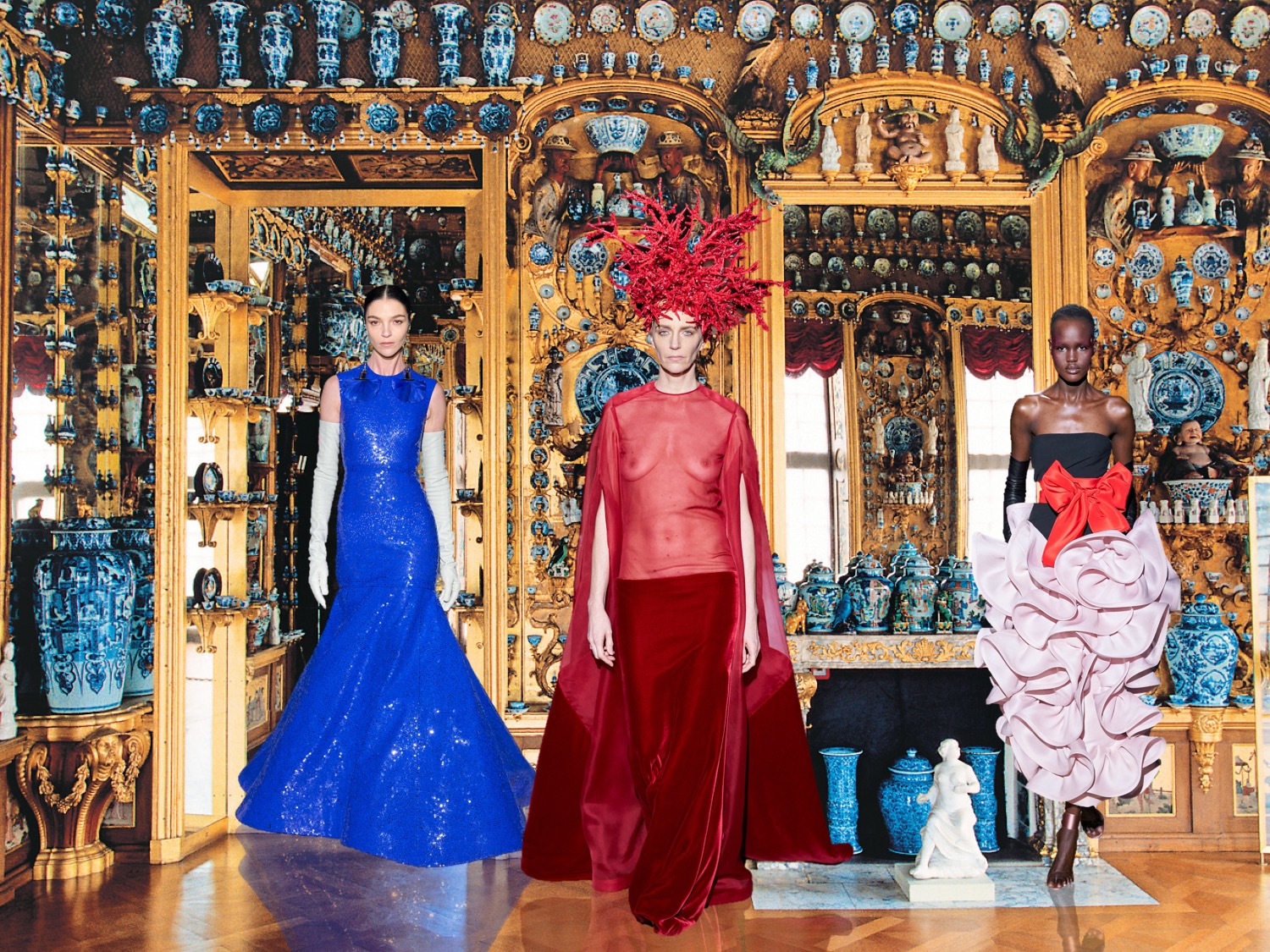
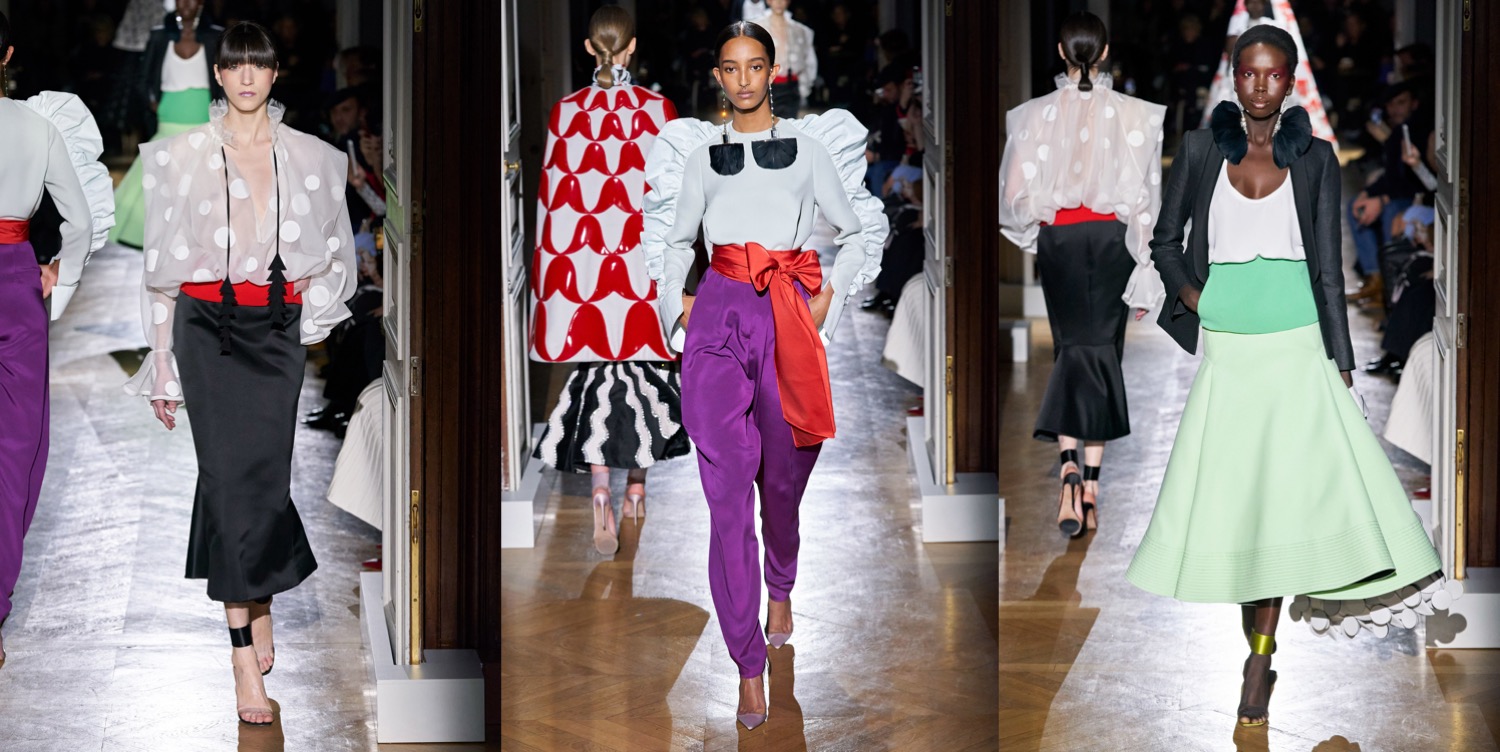
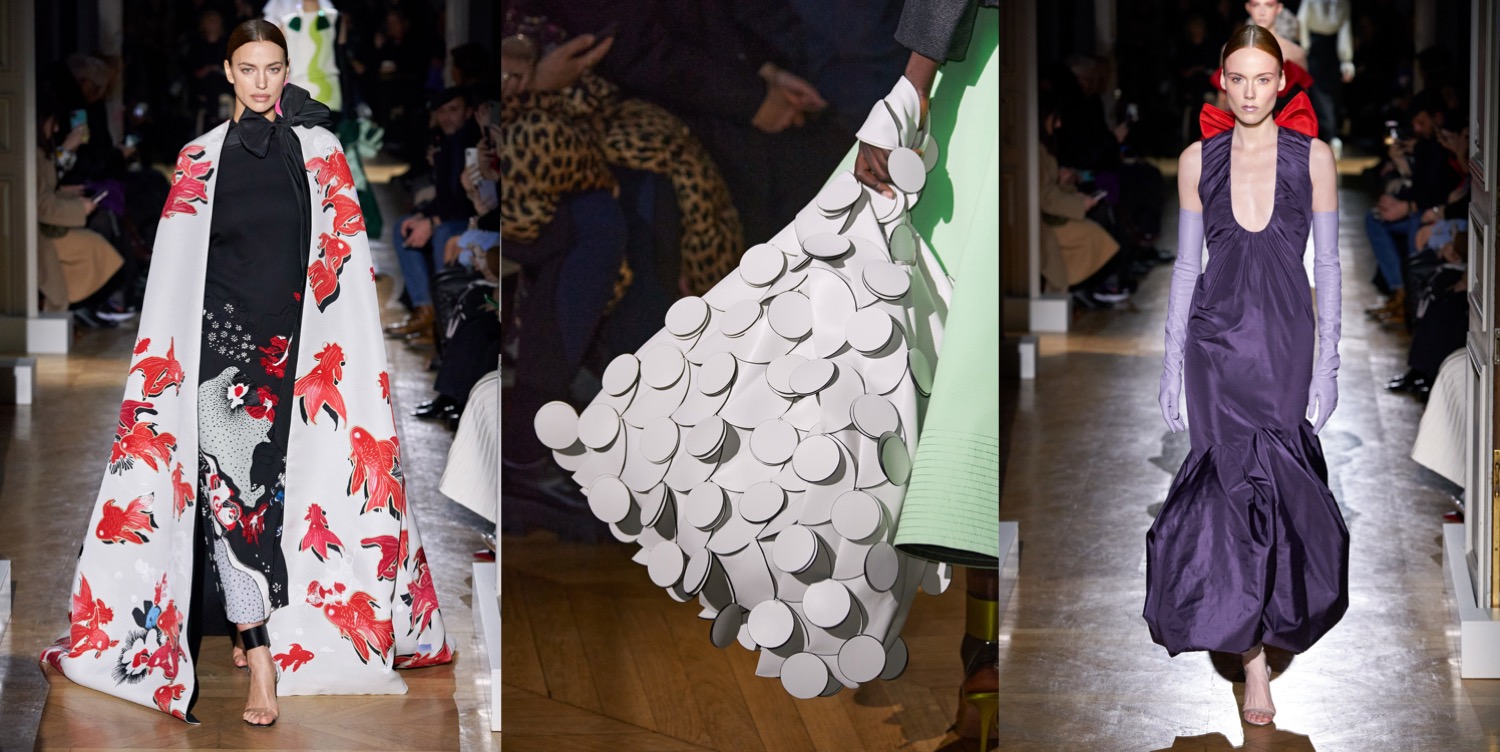
As I mentioned right here not a long time ago, Pierpaolo Piccioli is a gift to fashion. On the eve of the designer’s Valentino haute couture show in Beijing’s storied Summer Palace, Piccioli was walking through the improvised couture atelier where most of the house’s tailors and seamstresses have been transplanted from the brand’s Palazzo Mignanelli HQ at the foot of Rome’s Spanish Steps – pointing out the many wonders created by these “alchemists”. The 45 masterworks designed by Piccioli and executed under the direction of Valentino’s brilliant premieres, or heads of the ateliers (Alessandra, Antonietta, Elide and Irene) and their respective teams have been designed especially for this moment and with an eye to the bevy of glamorous, free-spending clients from the region. Piccioli, however, averred that it is “a real Italian haute couture collection—not anything to do with China. It’s important to keep your identity,” he added, “especially when you bring your culture to another world and use it to evaluate the diversities.” But alongside those diversities, Piccioli found dynamic synergies, too. His moodboard was filled with images of the masters of the early Italian Renaissance that he loves – think Piero della Francesca and Fra Angelico – alongside photographs taken of the Summer Palace itself, and of portraits of the emperors and empresses who once ruled here, revealing unexpected aesthetic dialogues, “two moments of grandness of old cultures,” as Piccioli explained, “of history and heritage.” Some of the grand ball gowns, sheath dresses, and wide-leg pant ensembles were worked with elaborate intarsia and appliqué techniques to suggest the swirling brocades in a Bronzino portrait. Others took the leitmotifs of Valentino’s ultra-romantic work from the 1970s and 1980s: point d’esprit ruffles, overscale rose prints, and a passion for bows, as well as classic haute couture fabrics including gazar, cigaline, silk velvet, and duchess satins and failles. Here, they were amplified into the extravagant volumes and dimensions that characterize Piccioli’s haute couture collections. Now, let’s talk couture numbers. A dress entirely covered in hundreds of shaded pink bows of various sizes required 350 meters of fabric, for instance; a voluminous ball gown composed of ruffles of cherry red point d’esprit – 600 meters of tulle in total! – took 1,300 hours to complete; and a silvery dress and balaclava were entirely embroidered in more than 32,000 silvery sequins (for the show, beauty maestro Pat McGrath silvered the model’s face to match, creating an out-of-this-world effect). Meanwhile, an intarsia opera coat composed of swirling sections of Oz green sequins, ivory wool, and soft pink crepes (eight different types of fabric in all) worn over wide pants and a turtleneck top in a smaller-scale version of the pattern took a cool six and a half months to complete. Delightful.

All collages by Edward Kanarecki.

The 2010s / Galliano’s Future at Maison Margiela

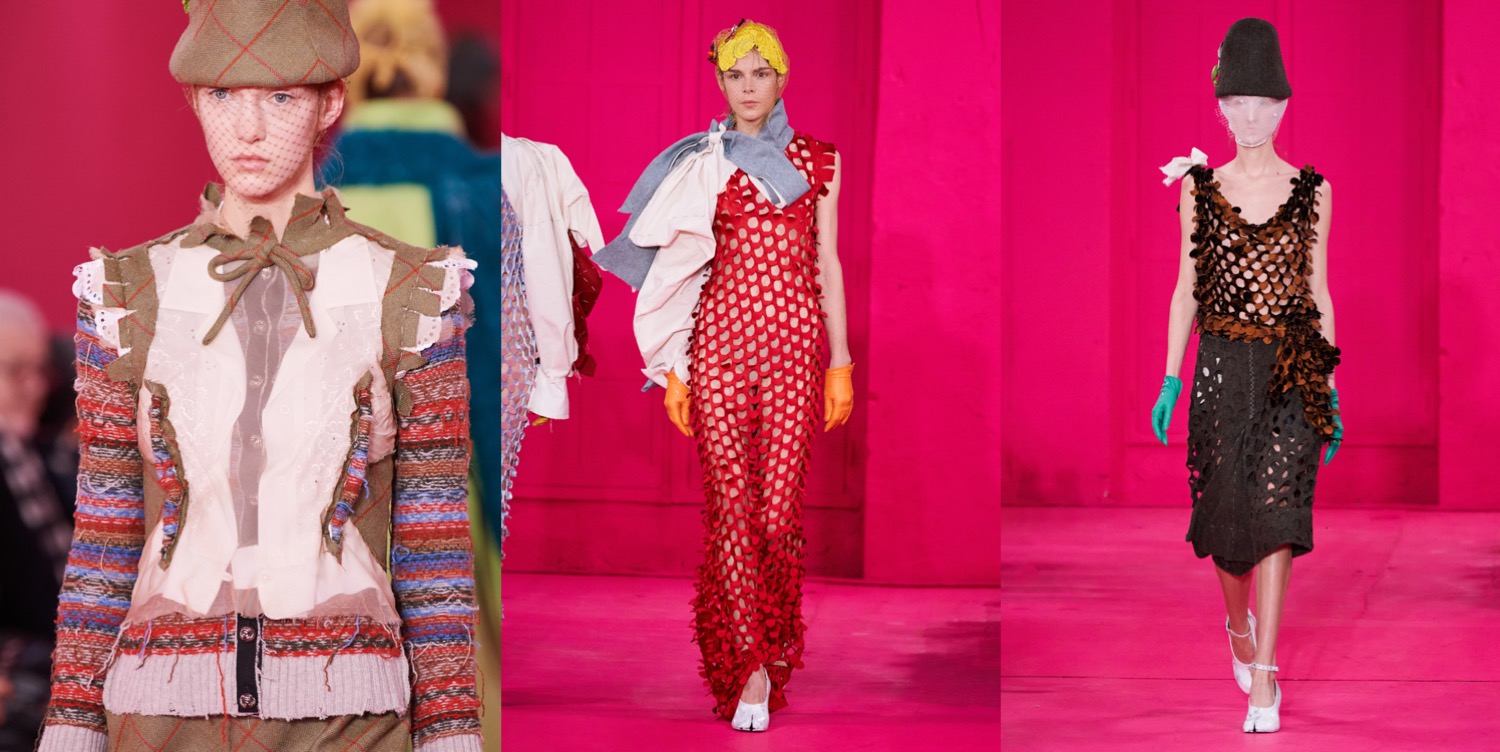
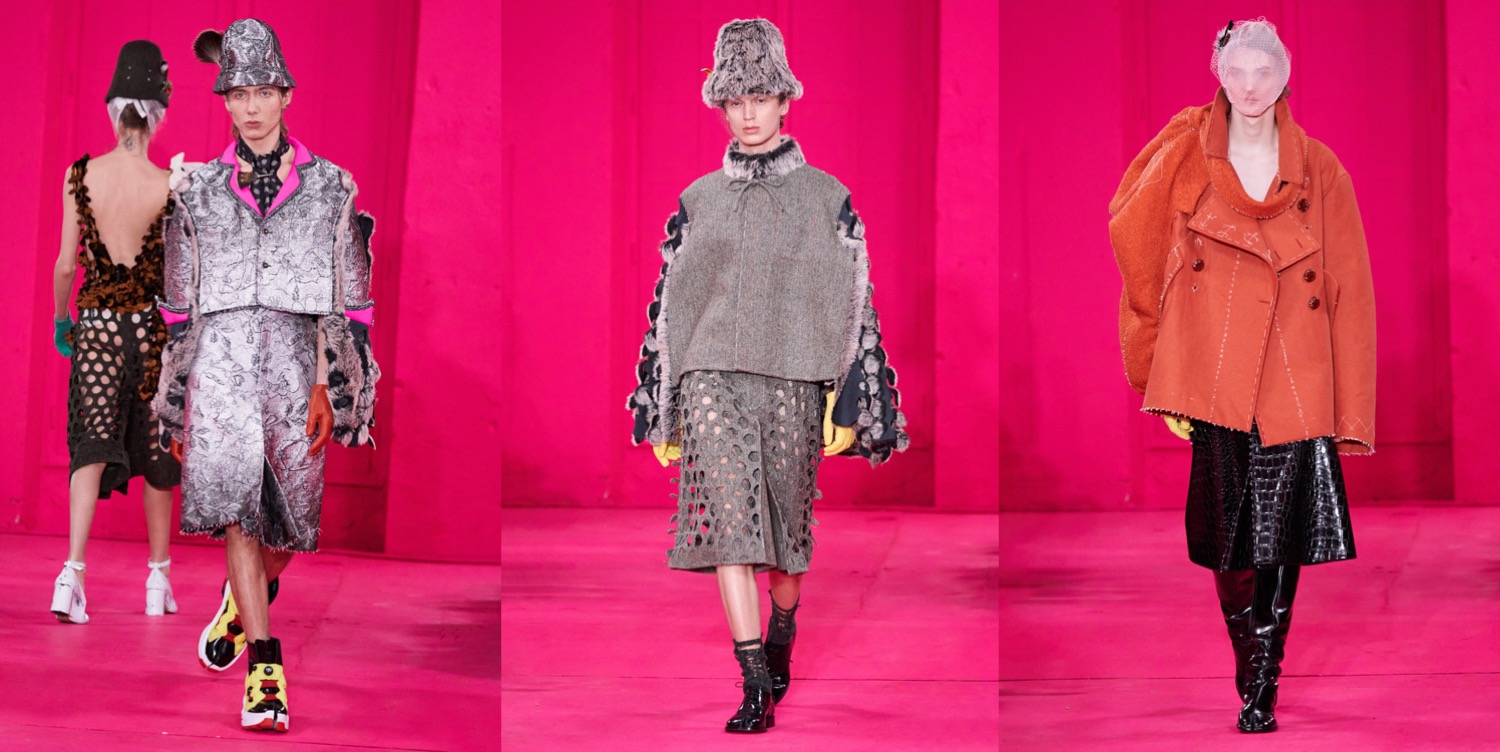
Maison Margiela AW18 Couture by John Galliano

Believe it or not – I can’t! – but we’re heading towards a new millenium. So, how do you choose the most important collections, designers and labels of the decade? The ones that made an actual impact in the 2010s? Well, it’s not an easy task. It all began in September 2009 with New York’s spring-summer 2010 shows and ended when the autumn-winter 2019 haute couture shows wrapped in Paris. Few thousands of shows, by the way. There will be 19 posts (that’s really the only possible minimum!) reminding about the best – and if not the best, then strongly influencing – moments in fashion.

John Galliano‘s vision of the future at Maison Margiela.

Maybe I wasn’t a total fan of every Maison Margiela collection under John Galliano, but one thing is sure: the designer’s vision for the brand is always thought-provoking. Moreover, just a couple of days ago, it was announched that after five years as creative director of the label, John has extended his contract. Galliano joined Maison Margiela in 2014, taking over the brand’s womenswear, menswear, accessories and Artisanal couture collection. Under his tenure, the revenues have even doubled (which is positively surprising!). John’s talent is matched by his understanding of today’s generations: its ways of thinking, struggles and dreams. And he is doing exactly what the label always did at its best: disrupt, innovate, and inspire. One of my favourite collections is the autumn-winter 2018 couture line-up. Collections like this make you believe in fashion again. Maison Margiela‘s Artisanal line is an outlet for Galliano‘s wildest ideas, which seems to let him explore his most dynamic ideas with the unlimited freedom. But when you listened to John speaking about the collection, you suddenly undertood it’s not just a mega-artist’s next epic fantasy. There’s a seed of reality in those multi-layered garments packed with utilitarian textiles, protective pillow-y elements and extreme colours. “We’re all nomads today. . . we do move in tribes.” That nomadic glamour, the term he coined after the show, refers to the contemporary state of things. On the daily basis, we absorb so much information through different, constantly booming media. At the end of the day, we want comfort – but is it even possible in today’s world? Rather, we need shelter or an armour – which can be constructed from tulle, felt wool or some sponge-y material, just as Galliano predicts. Even though we already exist in the hi-tech world, the vision of iPhones and iPads sticking out of our bodies like some kind of exoskeleton feels rather dystopian on the other note. But then, if the future will bring the humanity to “neo-digital natives”, as the designer called it, then at least our wardrobes won’t disappoint with boldness.

All collages by Edward Kanarecki.
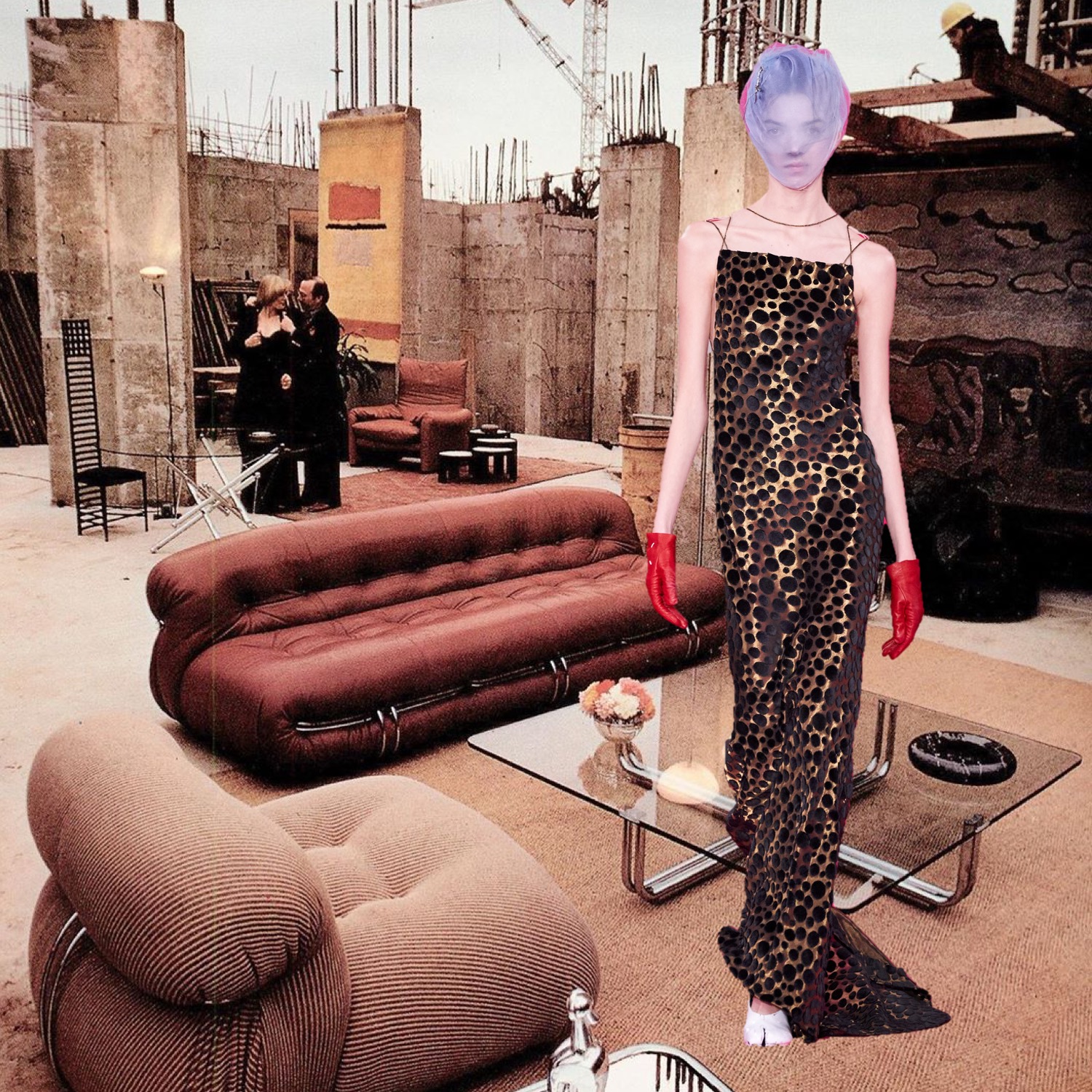
The 2010s / Pierpaolo Piccioli’s Couture at Valentino

Believe it or not – I can’t! – but we’re heading towards a new millenium. So, how do you choose the most important collections, designers and labels of the decade? The ones that made an actual impact in the 2010s? Well, it’s not an easy task. It all began in September 2009 with New York’s spring-summer 2010 shows and ended when the autumn-winter 2019 haute couture shows wrapped in Paris. Few thousands of shows, by the way. There will be 19 posts (that’s really the only possible minimum!) reminding about the best – and if not the best, then strongly influencing – moments in fashion.

Pierpaolo Piccioli‘s Valentino and making fashion FASHION again.

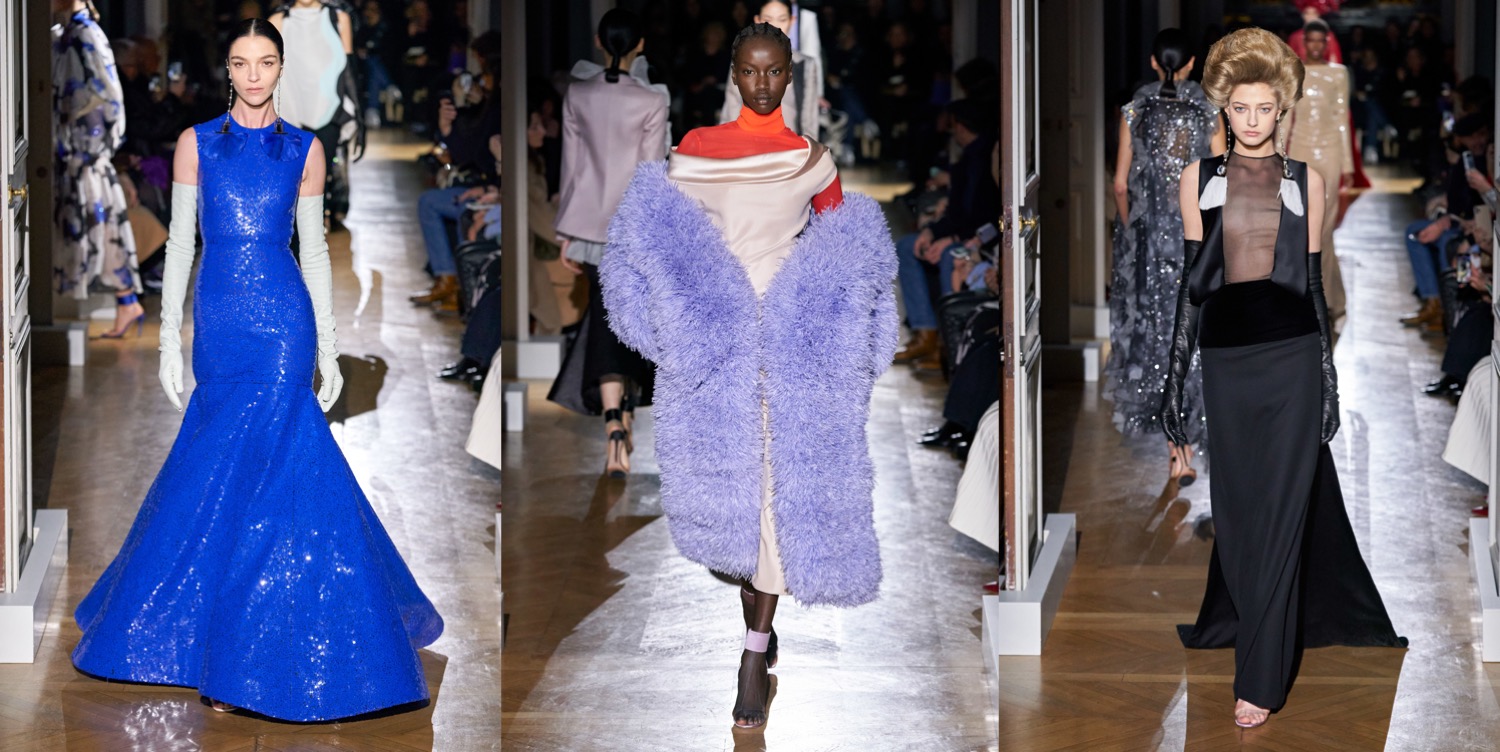
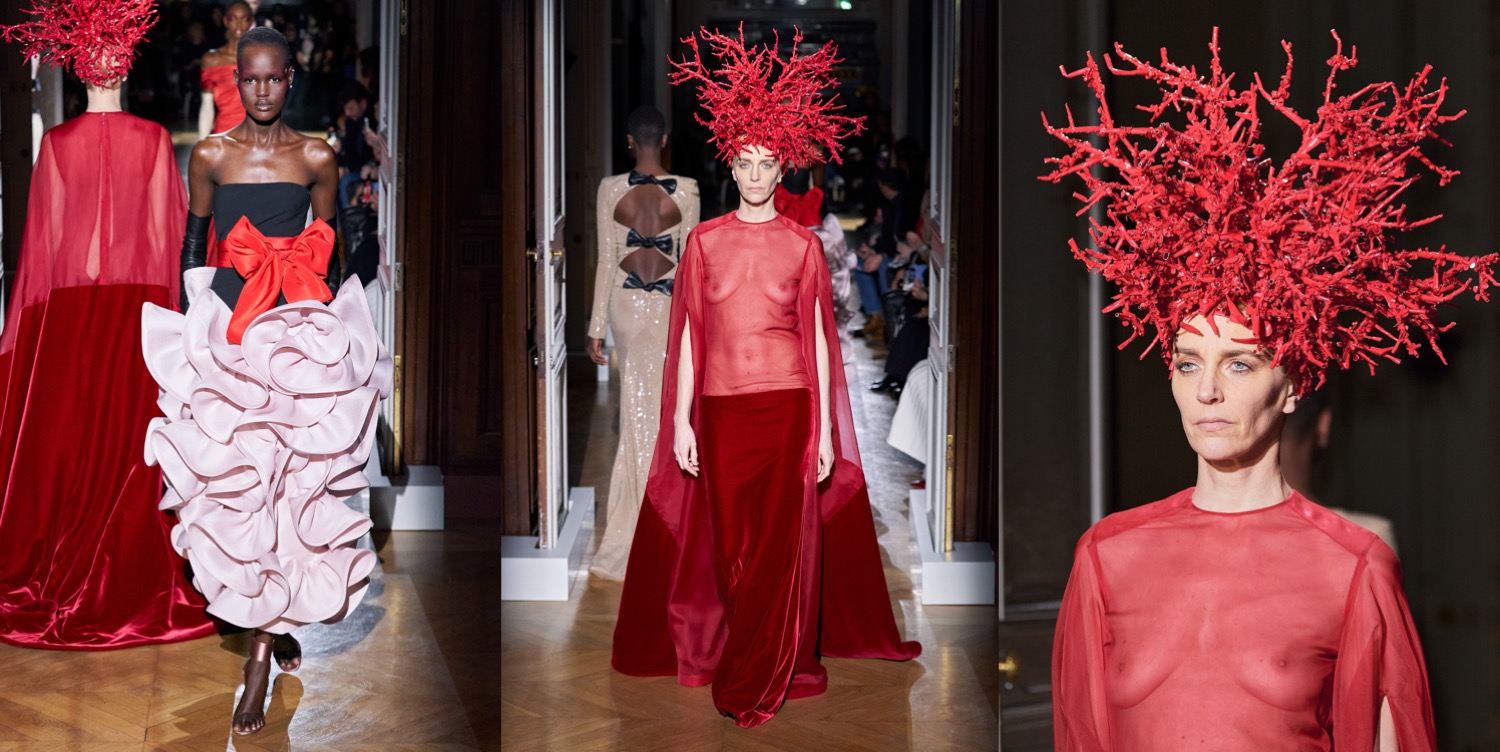
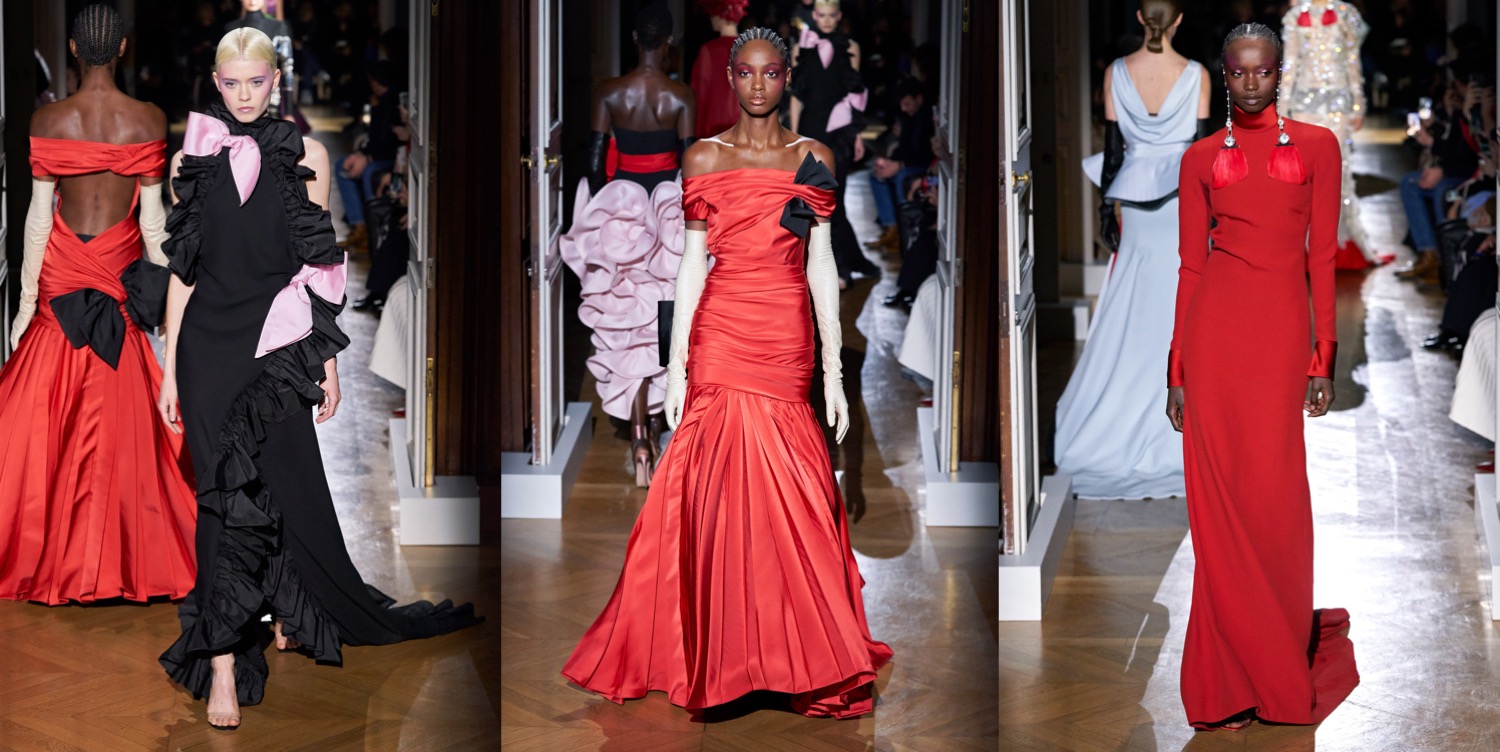
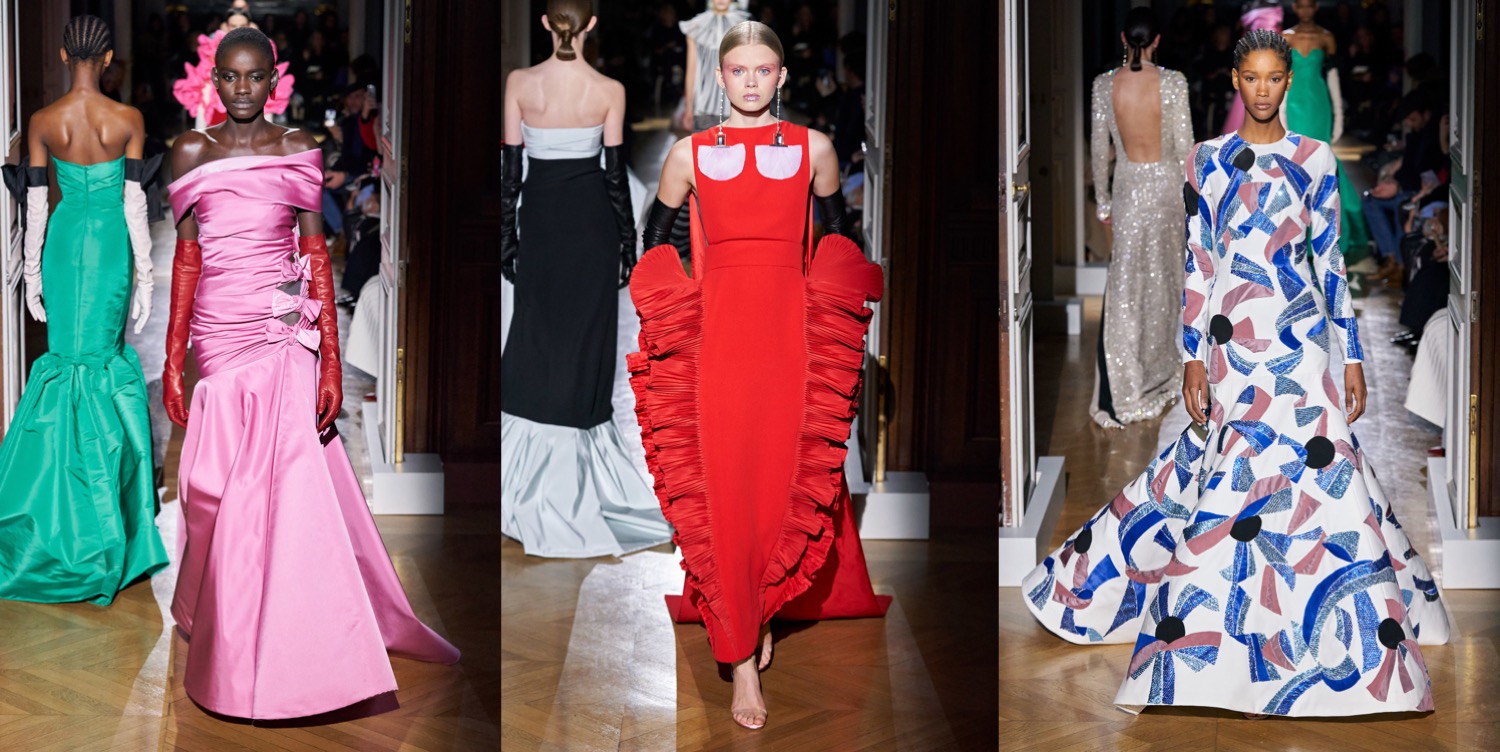
Pierpaolo Piccioli’s couture for Valentino is the only couture that really mattered in the last couple of years. No crazy venues that attempt to distract you from noticing how plain the collection is. Just pure, joyous, glorious haute couture that enchants and truly impresses. And makes Celine Dion cry. The spring-summer 2019 collection was a triumph of audacious colour, beauty and glamour. But also, it was a major model casting breakthrough, with completely diverse models that made the garments even more exquisite. The designer embraced black beauty, having Adut Akech open the show (in a brilliant, pink ensemble) and Naomi Campbell close (in a gown made out of translucent organza in the shade of Chocolate Dahlia). There was Liya Kebede, there was Lineisy Montero, there was Ugbad Abdi. Runway icons, veterans, and newcomers. The entire scene looked like a fairy-tale… that really took place. This couture collection showed to what extent colour is crucial for Pierpaolo, especially in terms of his haute fashion. “You don’t invent beauty, but you can invent new harmonies for colour”, the maestro said backstage. Just read the following: a coral coat worn with a chocolate crepe blouse and emerald gabardine pants. Lilac serape topped a pair of orange pants. Turquoise lace and tangerine silk faille. Green sequins. Pale mauve. Matisse blue. All that worked with voluminous ball gowns that took hundreds of hours to create at Valentino atelier in Rome. A season later, with a 5-star line-up of models including the great Lauren Hutton, each singular silhouette that came down the Valentino runway added more and more meaning to a show that celebrated the opulence of diversity through a “gathering of individuals“, as colours, shapes, headpieces, flowers and fringes came together in one stunning presentation of fashion design and its finest. Piccioli again made you feel ecstatic with his vision of couture. From the yellow tiered wool yarn fringing and Hmong/Miao tribe-inspired headpieces to cartoonish leopard prints and Matisse cut-outs in acid colours, this show was spectacular. The cut, the plumage details, those subtle Yves Saint Laurent references, the out-of-this-world craftsmanship, the magnificience… this collection is so deep in its beauty that it truly touches your soul. Unquestionably, Piccioli is a couturier of Garavani’s heights. And it’s a blessing for today’s fashion to experience his genius. On to 2020s!

Spring-summer 2019 haute couture

Autumn-winter 2019 haute couture

Spring-summer 2019 haute couture

Spring-summer 2018 haute couture

Autumn-winter 2018 haute couture.

/

All collages by Edward Kanarecki.
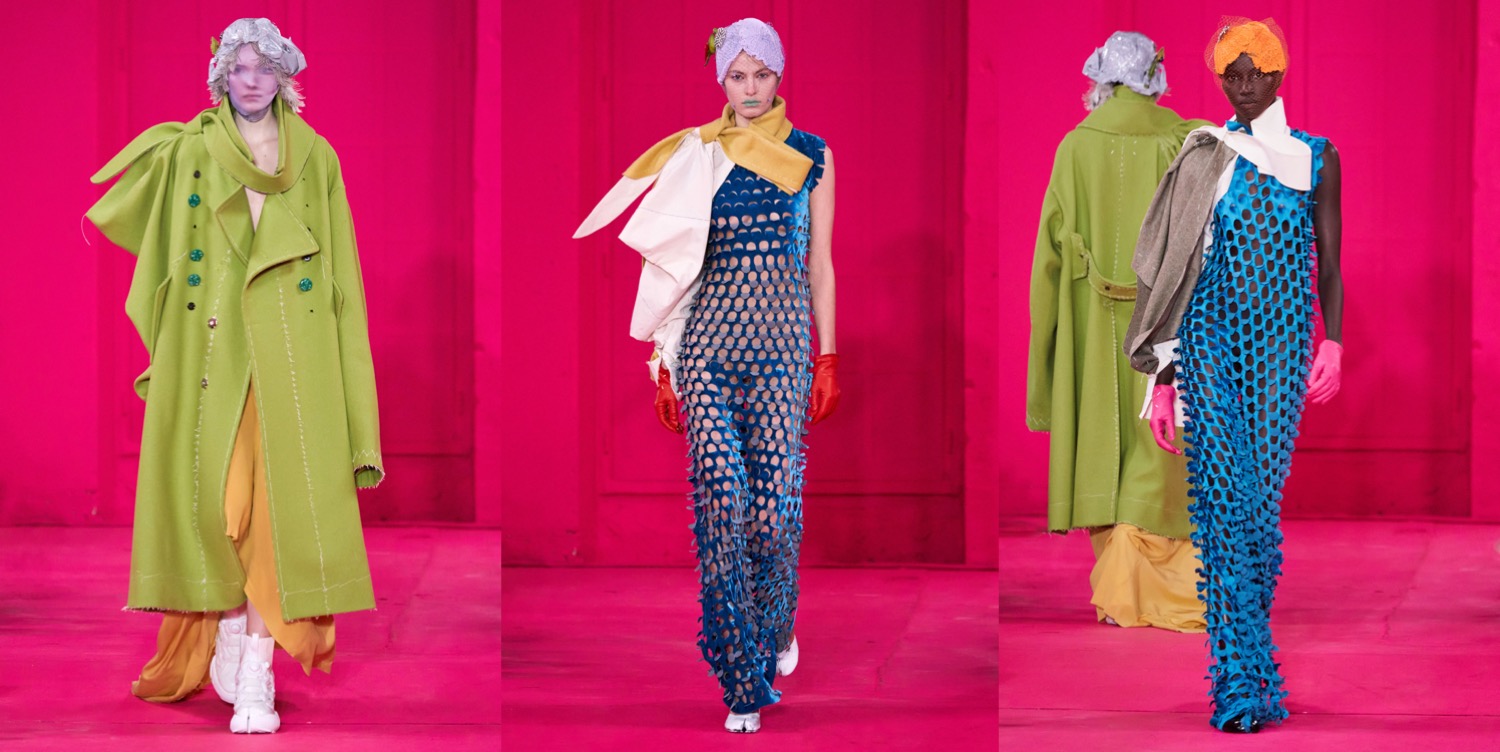
Fantasy. Valentino Couture AW19

Summing up: it’s a fantasy.

With a 5-star line-up of models including the great Lauren Hutton, each singular silhouette that came down the Valentino runway added more and more meaning to a show that celebrated the opulence of diversity through a “gathering of individuals“, as colours, shapes, headpieces, flowers and fringes came together in one stunning presentation of fashion design and its finest. Long sentence, I know, but Pierpaolo Piccioli makes you feel ecstatic with his haute couture. From the yellow tiered wool yarn fringing and Hmong/Miao tribe-inspired headpieces to cartoonish leopard prints and Matisse cut-outs in acid colours, this show was spectacular. The cut, the plumage details, those subtle Yves Saint Laurent references, the out-of-this-world craftsmanship (note that pink dress made out of squares!) the joy, the magnificience… this collection is so deep in its beauty that it truly touches your soul. Bravo, bravo, bravo.

Collage by Edward Kanarecki.