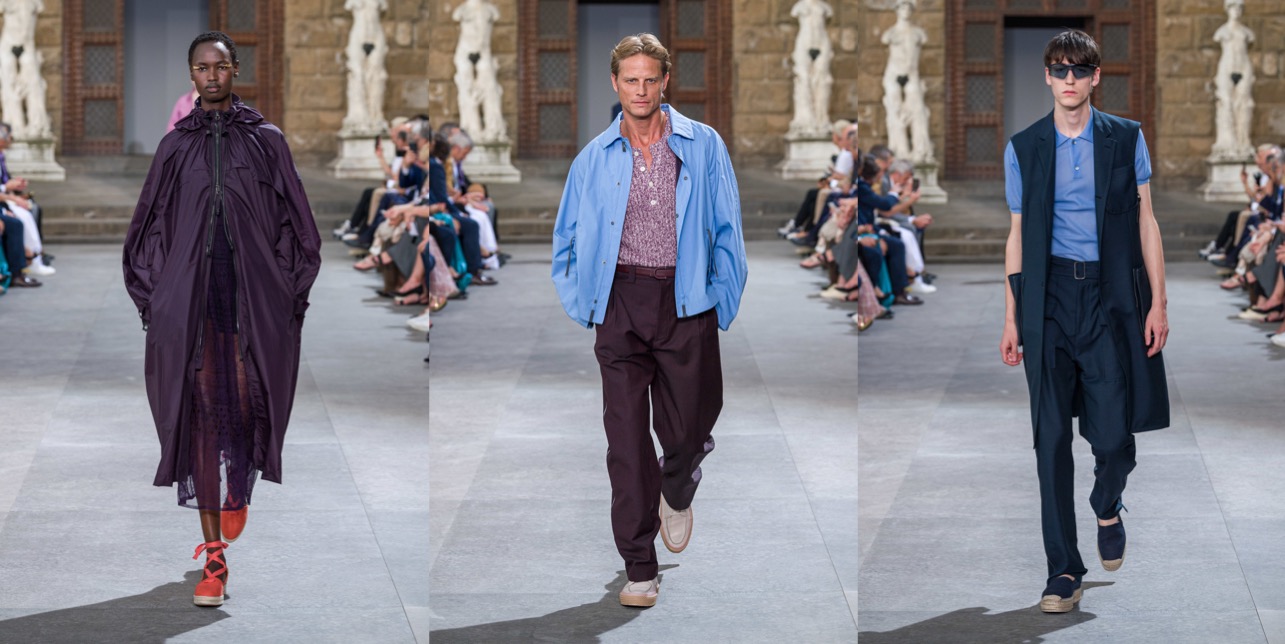
Arrival. Wales Bonner SS23

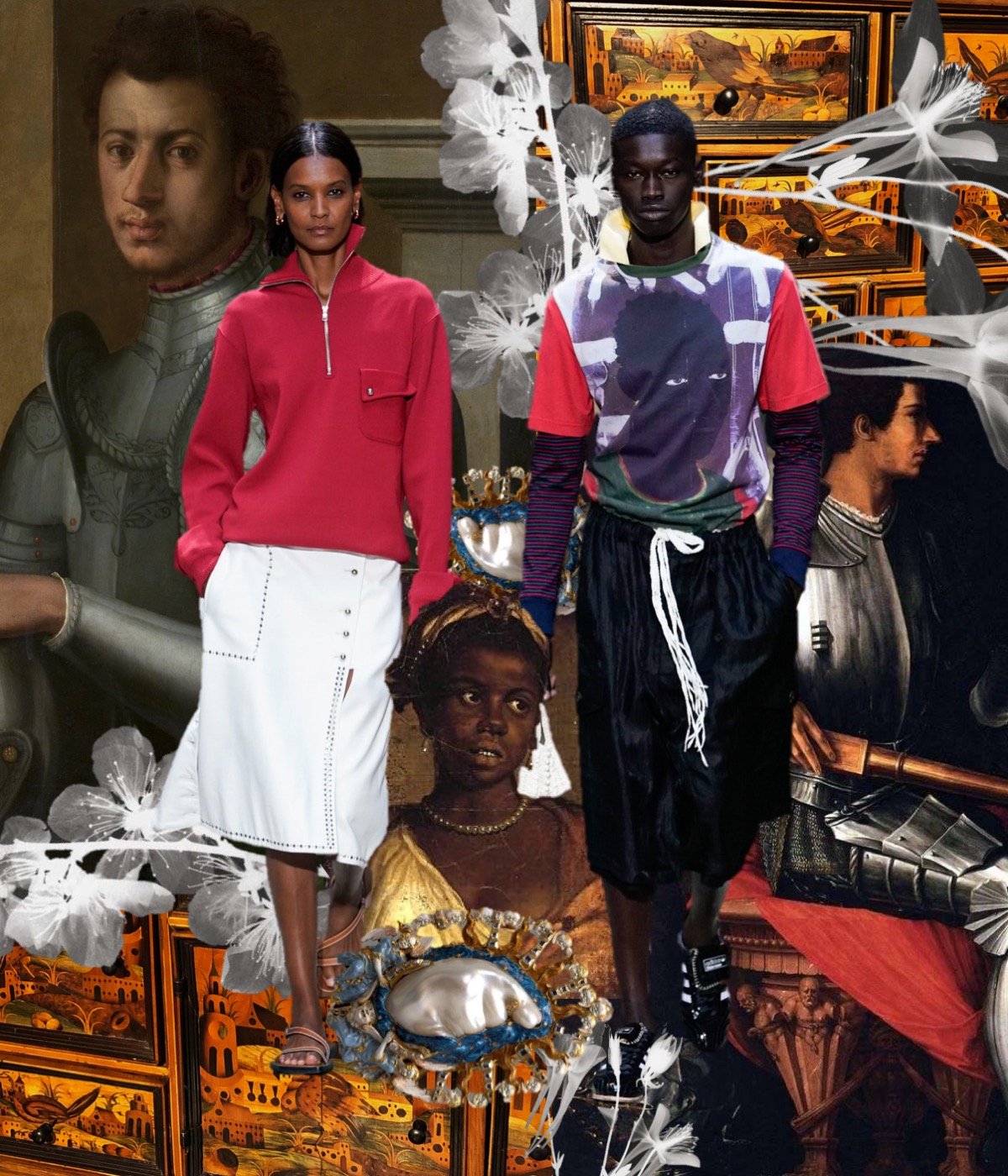
Towards the end of the press preview of this sumptuously progressive show, Grace Wales Bonner mentioned Sankofa. This bird-looking-backwards symbol of Ghana’s Akan people, she said: “means’ ‘going back to go forward.’ It is not about being nostalgic or historical. It’s about taking something from the past in order to pass it forward and make it useful for the future. And that’s the spirit of this collection.” Wales Bonner was speaking in the central courtyard of Florence’s Palazzo Medici Riccardi, a space where one Pitti Uomo executive mentioned in passing that there had never before been a live fashion show. It was as if the Palazzo had been waiting 485 years – the time since it was once home to the first Black head of state in modern Europe – to become the outbound runway for this evening’s Sankofa flightpath. Its starting cipher was Alessandro de Medici, who until his assassination in 1537 at the hand of a cousin ruled here as the first hereditary monarch of the Florentine Republic. His mother was named Simonetta da Collevecchio – aka “Soenara” – and was Black. She, history a little shakily relates, was a house servant who became mother to Alessandro after an encounter with either Duke Lorenzo (the official father) or Pope Clement VII. “I wanted to acknowledge that presence but also think about the idea of arrival,” said Wales Bonner. The building also held an additional layer of resonance relevant to her practice of excavating multifaceted manifestations of cultural intersection through garments. The palazzo was commissioned by Alessandro’s ancestor Cosimo in 1444, around the same time that he hosted the 17th ecumenical council, a global gathering of Christendom which according to historian Paul Strathern included: “Armenians and Ethiopians… other entourages included Moorish, Berber, and black African attendants.”
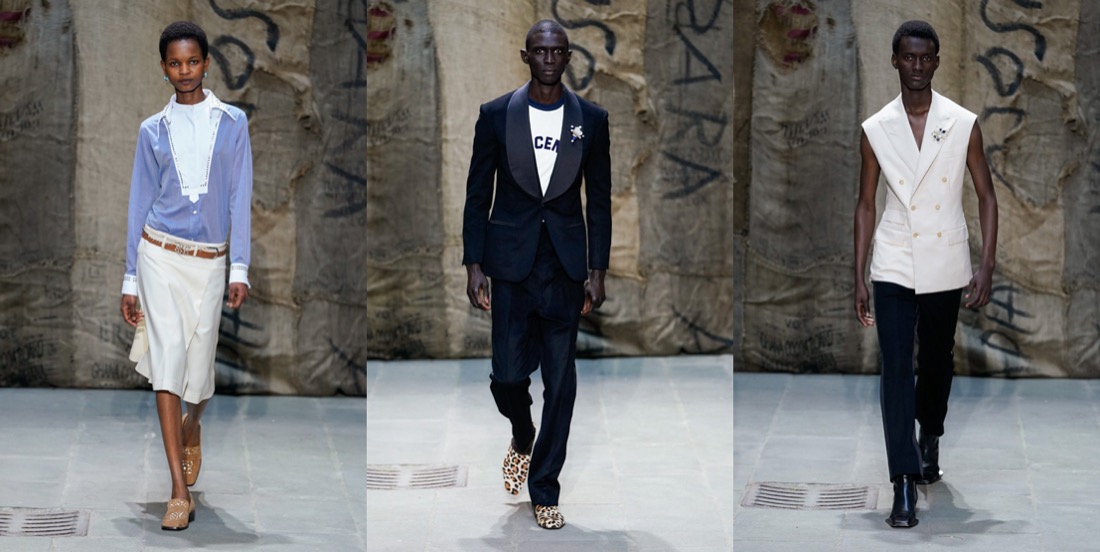
All of this context served as evidence that the building around us has played a role in the history of Black agency and participation in Renaissance Italy. It was leveled by the intervention in the Palladian architecture by the artist Ibrahim Mahama, who clad the space in a huge patchwork of hand stitched jute sacks originally used to export cocoa from his home country of Ghana – where Wales Bonner met him several months ago – into the global markets. “It was important to have an equal representation within the space,” said Wales Bonner. The opening look featured the reproduction of an artwork by Kerry James Marshall. This was another pointer towards Wales Bonner’s intention to rehang the display of menswear in Florence just as one would rehang a gallery – in order to shift the visitors’ experience. Just as effective was the slow coalescence of menswear forms – some sourced from the previously mentioned binary of contemporary European tropes of formality and informality, and others from a broader array of traditions whose boundaries were broken down by adjacency. Paris’s Charvet provided handsome robes and day-pajamas in jacquards whose patterns were drawn from Wales Bonner’s research into West African tradition. The macramé womenswear dresses were set with hand-made glass beads by Ghanaian artisans, and the heat-dryed hand-dyed jersey had been fashioned in Burkina Faso (Wales Bonner was building new trade routes between Africa and Italy, and Savile Row too). In menswear there was genre-busting back and forth between futuristic sportswear (which included a hand-made adidas shoe whose trefoil looked lacily artisanal) and Wales Bonner-directed, Anderson & Sheppard-cut tailoring in cashmere and camel hair that was de-conventionalized through emphasised shoulders and small sly acts of sartorial ‘wrongness’ that looked incontrovertibly right. So back to Sankofa. What was the backward-looking-bird returning to, in order to pass forward for the future? Said Wales Bonner: “It’s about bringing an Afro-Atlantic spirit to European luxury by honoring these traditions wherever they are. And making something hybrid or integrated through working with different people.

Collage by Edward Kanarecki.
NET-A-PORTER Limited

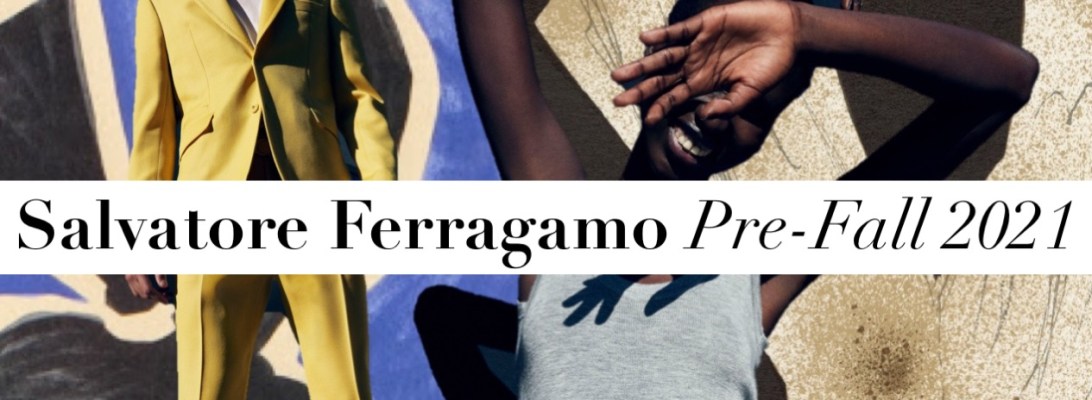
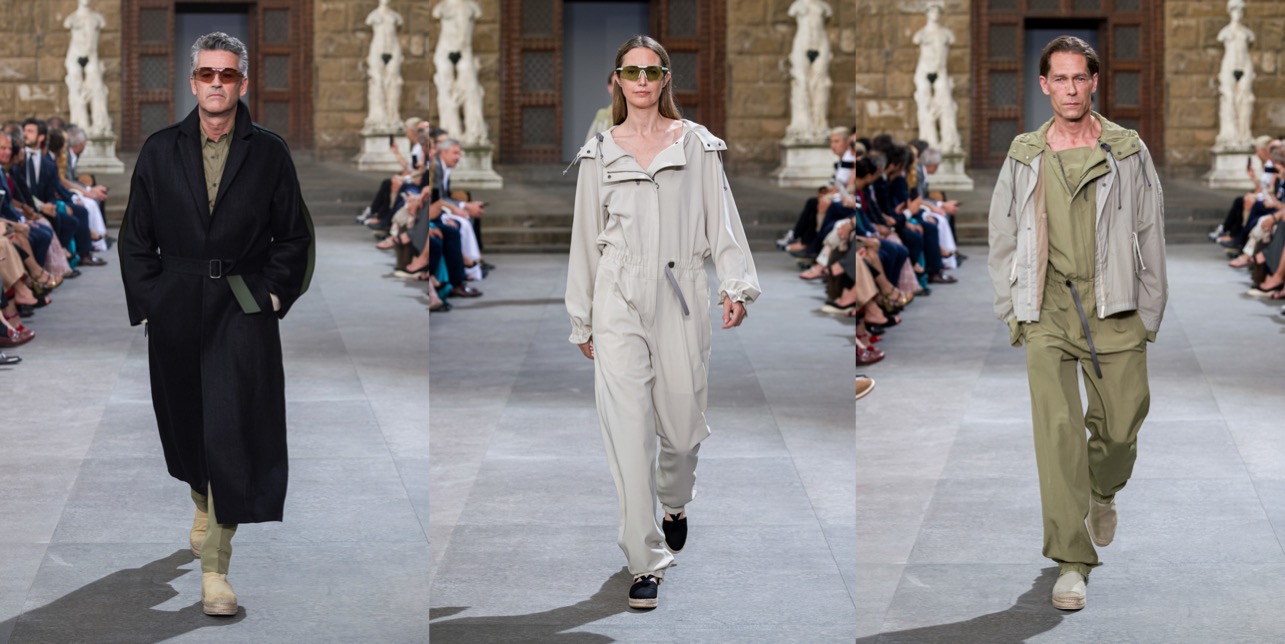
Balancing Act. Salvatore Ferragamo Pre-Fall 2021

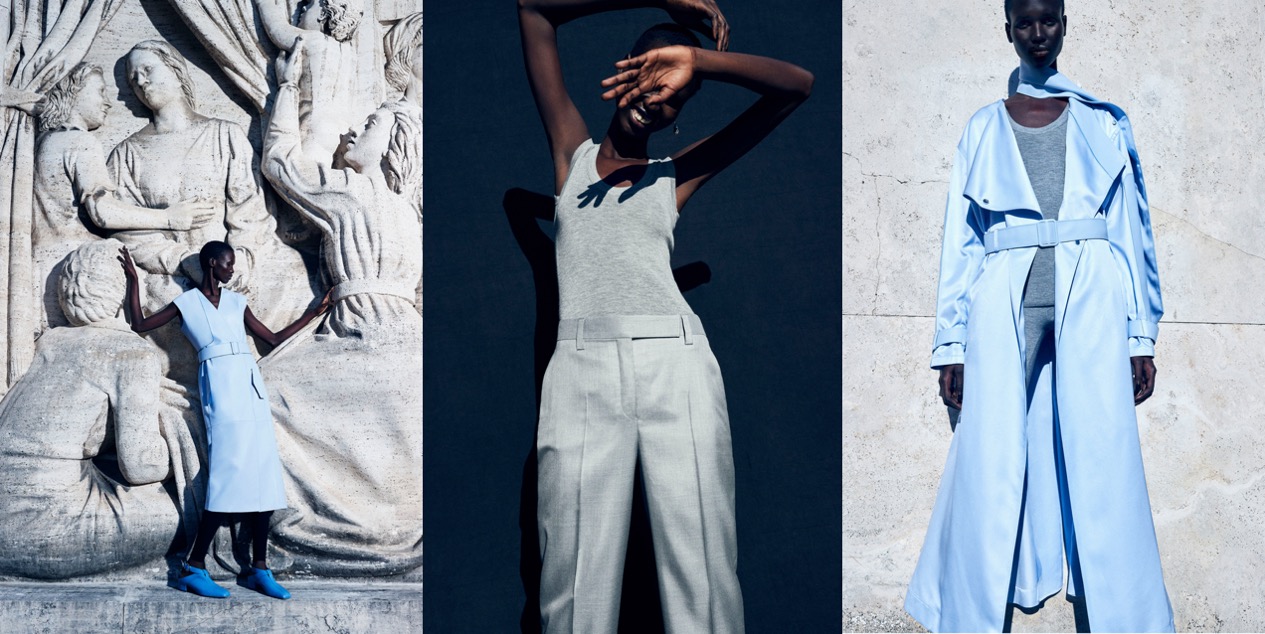
Pre-fall 2021 collections are gradually popping up (yes, the industry still wants you to think about next year’s autumn in this year’s winter). Paul Andrew likes to put things in context; he has so far used films and historical locations to frame his fashion narrative. In keeping with that practice, he shot the Salvatore Ferragamo pre-fall lookbook in Florence at Manifattura Tabacchi, a former cigarette factory built in the modernist style of the 1940s, which was recently rescued from a state of disrepair to become Polimoda’s campus: “It’s a progressive, creative place full of life and enthusiasm, with lots of young people hanging around,” he told Vogue during a Zoom call from his Florentine studio. It proved an apt location to convey the collection’s feel. “I want to bring joy and beauty to this world.”Andrew isn’t alone in his desire for turning toward the positive; nor is he alone in the urge to contextualize collections within a larger frame. Social and cultural issues have become non-negotiable parameters for every fashion designer who wants his creative work to resonate with a broader audience. Customers more than ever buy into conscious creativity – ethical, responsible, value-driven. Andrew is playing his part, steering Ferragamo into sustainable territory and keeping his commitment to responsible practices – reducing waste by choosing deadstock leathers; using recycled nylons and certified natural fibers; editing collections with a tighter focus. Doing less but better has become his mantra, a belief that has him embracing a timeless, nondisposable aesthetic. Collections are built around high-quality investment pieces that have longevity and durability, while retaining a strong contemporary appeal. This pre-fall collection is a good example of his new approach. The chic purity of line and the slender construction Andrew favors looked timeless indeed; what made the offering distinctive was its focus on tactile leather dressing offered in many variations, highlighting the artisanal expertise of the Florentine house. Shapes and silhouettes for both the men’s and women’s lines conveyed a feel of ease and comfort, while retaining their sophistication. He didn’t shy away from the occasional statement piece either. Ample A-line and wrap dresses featured adjustable matching belts or scarves, changing them into more form-fitting shapes; slender tunics and elegant shirtdresses were often worn over matching trousers or lightweight cashmere leggings. A leather circle skirt patchworked in a bold geometric archival motif added a decorative flavor, as did the contrasting hand-painted edgings on a softly architectural nappa coat dress. “I’m really thinking of what customers will want and desire after this COVID nightmare will be over,” he mused. “We’re keeping our fingers crossed that they’ll be back in stores and eager to be dressed up and to buy and invest in fashion. But they’re not going back to the old ways.” Things have to be shaken up and changed, then. “My feeling is that people will continue to be more casual, after months at home Zooming in their pajamas I’m not sure they’ll be suddenly dying to be in form-fitting garments again,” he said. “So it’s a balancing act. Whatever you do, there must be some casualness and ease combined with high-values and sophistication, refinement, beauty. But mostly, it has to have a certain vibrance – and to bring joy.

Collage by Edward Kanarecki.
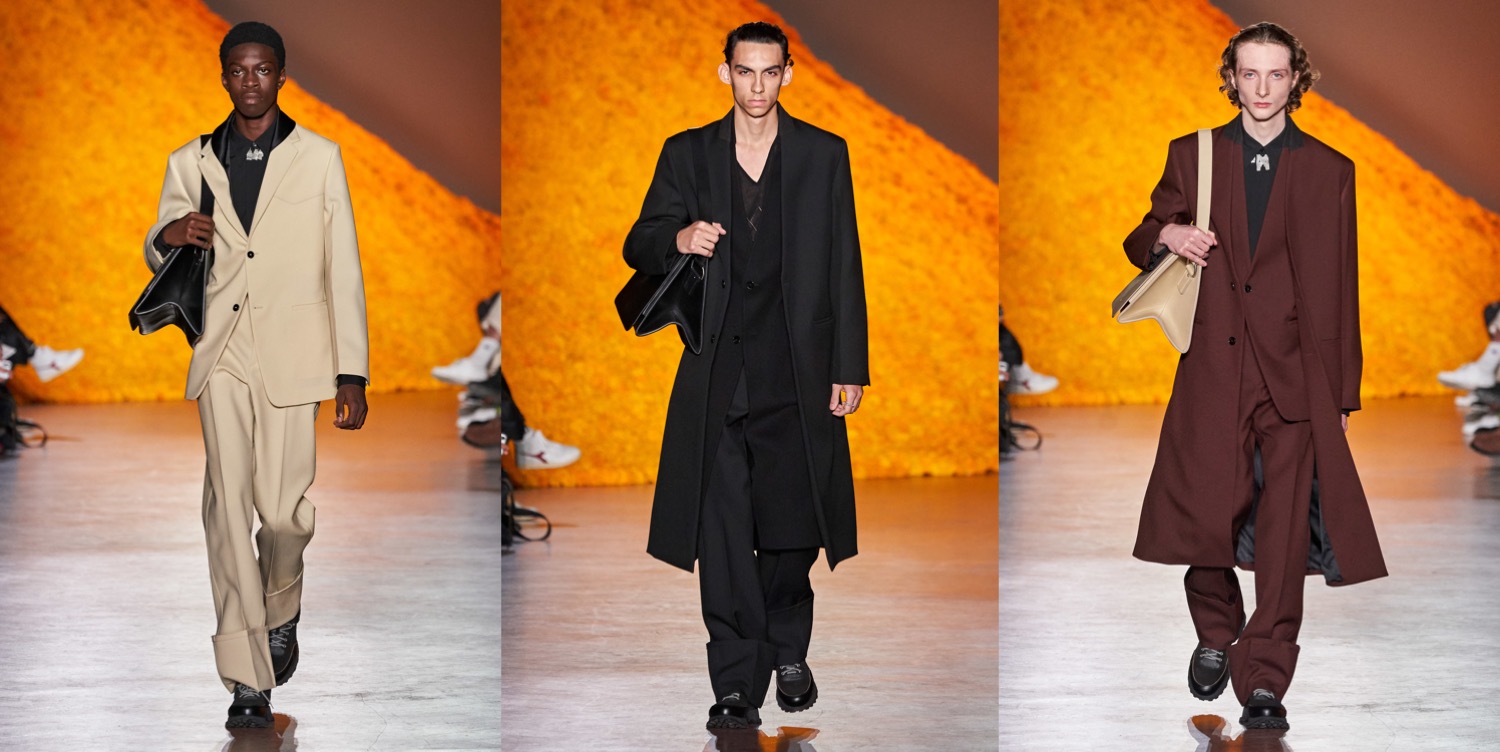
Men’s – Pure and Forever. Jil Sander AW20

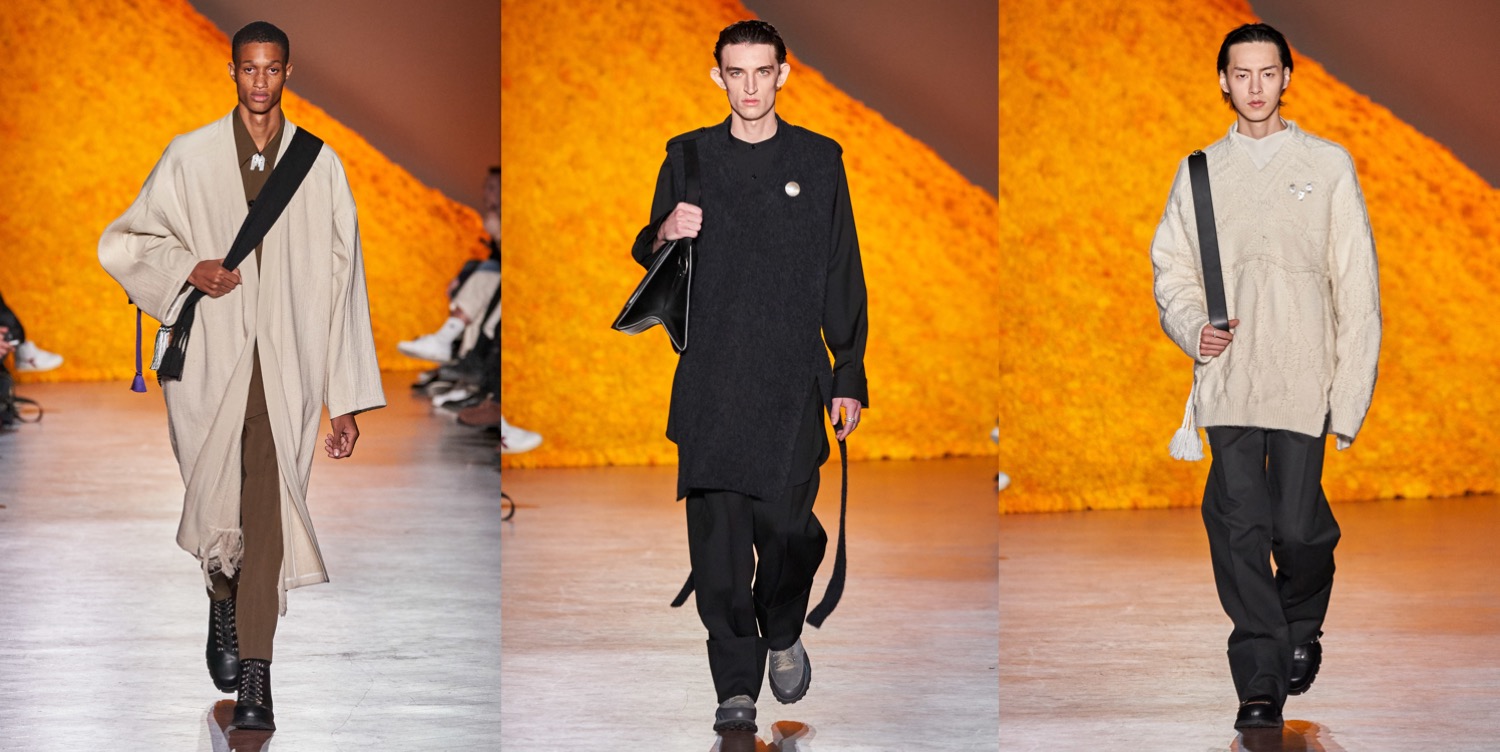
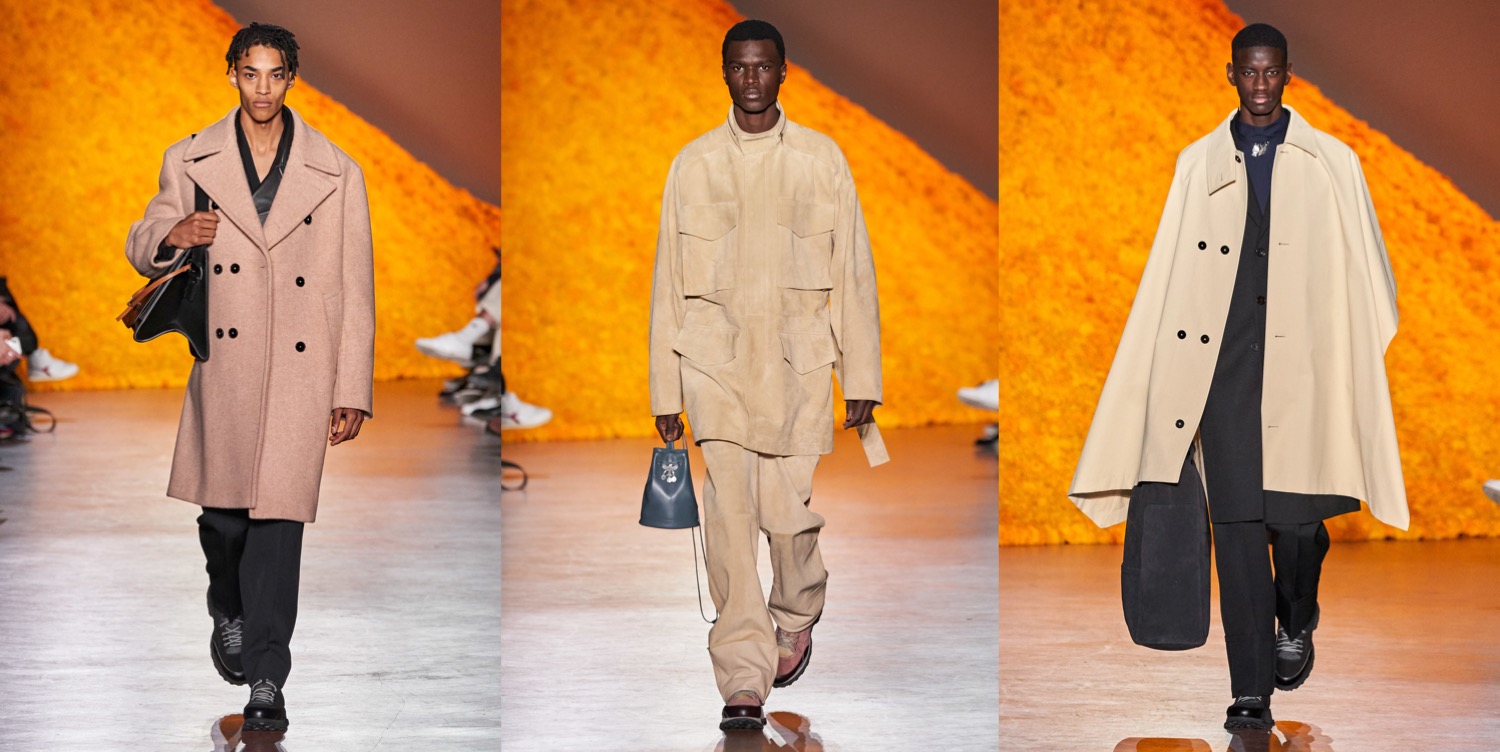
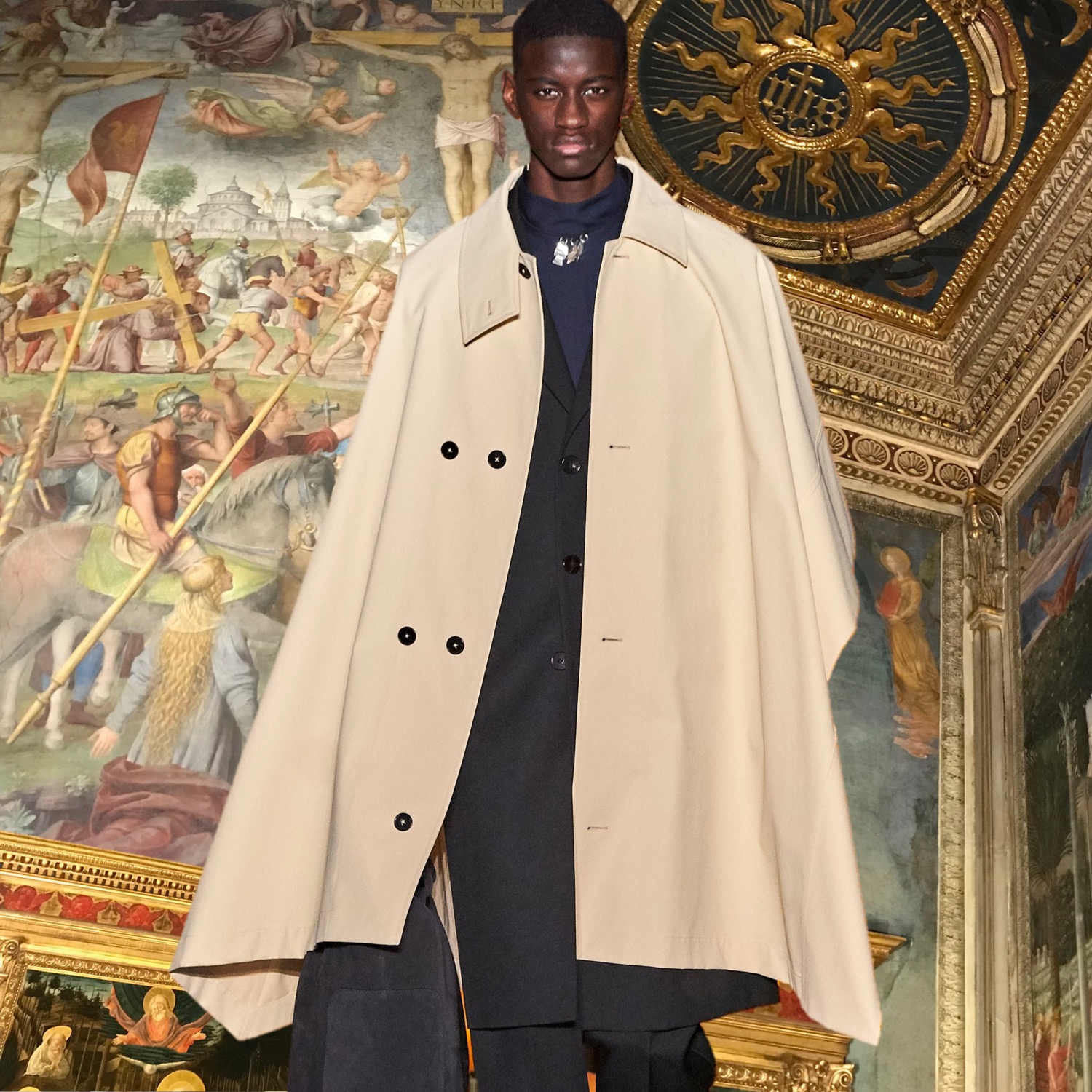
For the autumn-winter 2020 season, Lucie and Luke Meier presented their men’s Jil Sander collection at Pitti Uomo in Florence. In the complex of the Santa Maria Novella, where the show was staged (accompanied by three huge heaps of marigolds), stands an ancient pharmacy dating back to the 13th century in which balms and salves have been concocted from calendula for generations. This created a connection to the fine silk tassels – confession box Catholic, but here mostly in monochrome – that sparked thoughts of local historical attire, as did a carefully roughened white habit that passed in the collection. Still, the Meiers don’t need references to stand behind their clothes. Lucie spoke of wanting to make garments with lifetime appeal (“cherishable clothes”). The Shetland knitwear, the fantasic, over-sized tailoring, the ornamental, yet subtle beaded details on the coats – those are clothes that will stay with you forever and never get out of fashion.

Collage by Edward Kanarecki.

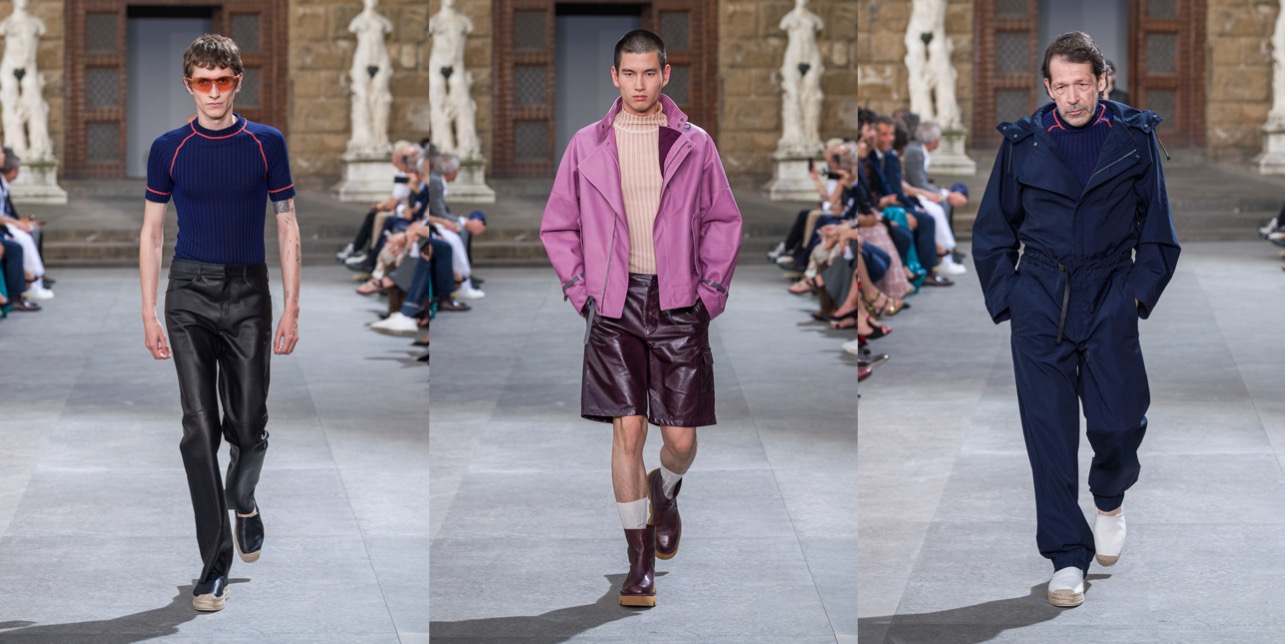
Men’s – Italian Goodness. Salvatore Ferragamo SS20

I’m still in absolute awe. Salvatore Ferragamo‘s spring-summer 2020 collection for men (and resort 2020 for women) was the best thing I’ve seen for a while in fashion. It was that good. No fashion show has ever been allowed in Florence’s Piazza della Signoria before. The view had to be really, really impressive, noting that the models walked in front of David. Plus, comparing to other shows we’ve seen this month, this one had a real sense behind the location: Florence is the company’s home. Now, fashion. Paul Andrew and Guillaume Meilland have already proved that they’re a good match for Ferragamo in their previous. But this one was their best. I fell in complete love with all the jumpsuits the designers sent down the runway – especially the one in deep purple, with a zipper and a belt at the waist. The perfect balance between utilitarian and Italian elegance. Something you would love to wear to your vineyard in Tuscany. I adored all the leather pants and shorts, too. The colour palette, mainly mint, lavender and ochre, was a dream. There’s beautiful tailoring as well as pajama pants. While using the so-called “rave” sunglasses sounds like trying too hard to impress the younger audience, here they looked properly cool. Just wow.

Collage by Edward Kanarecki.
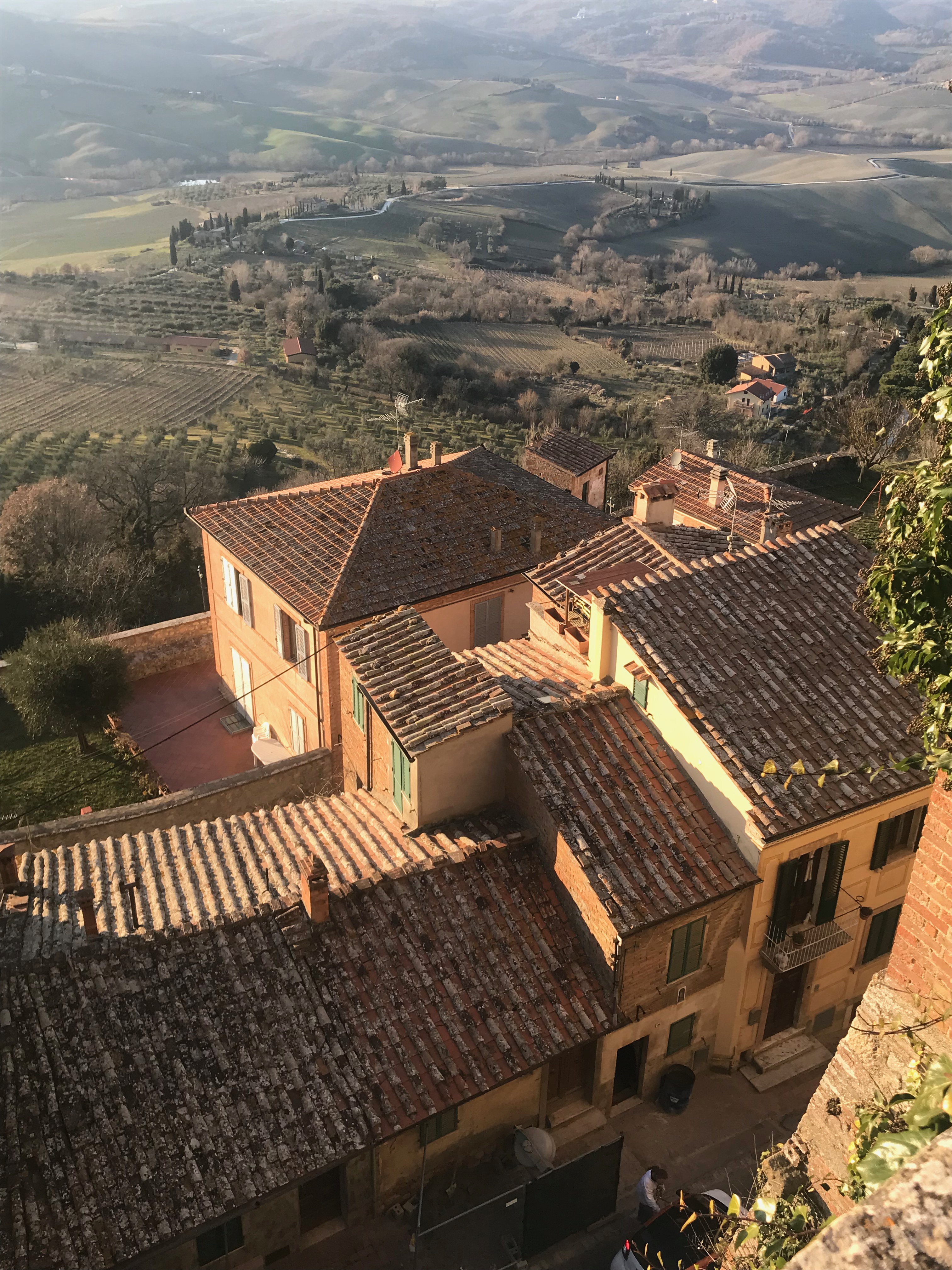
Montepulciano

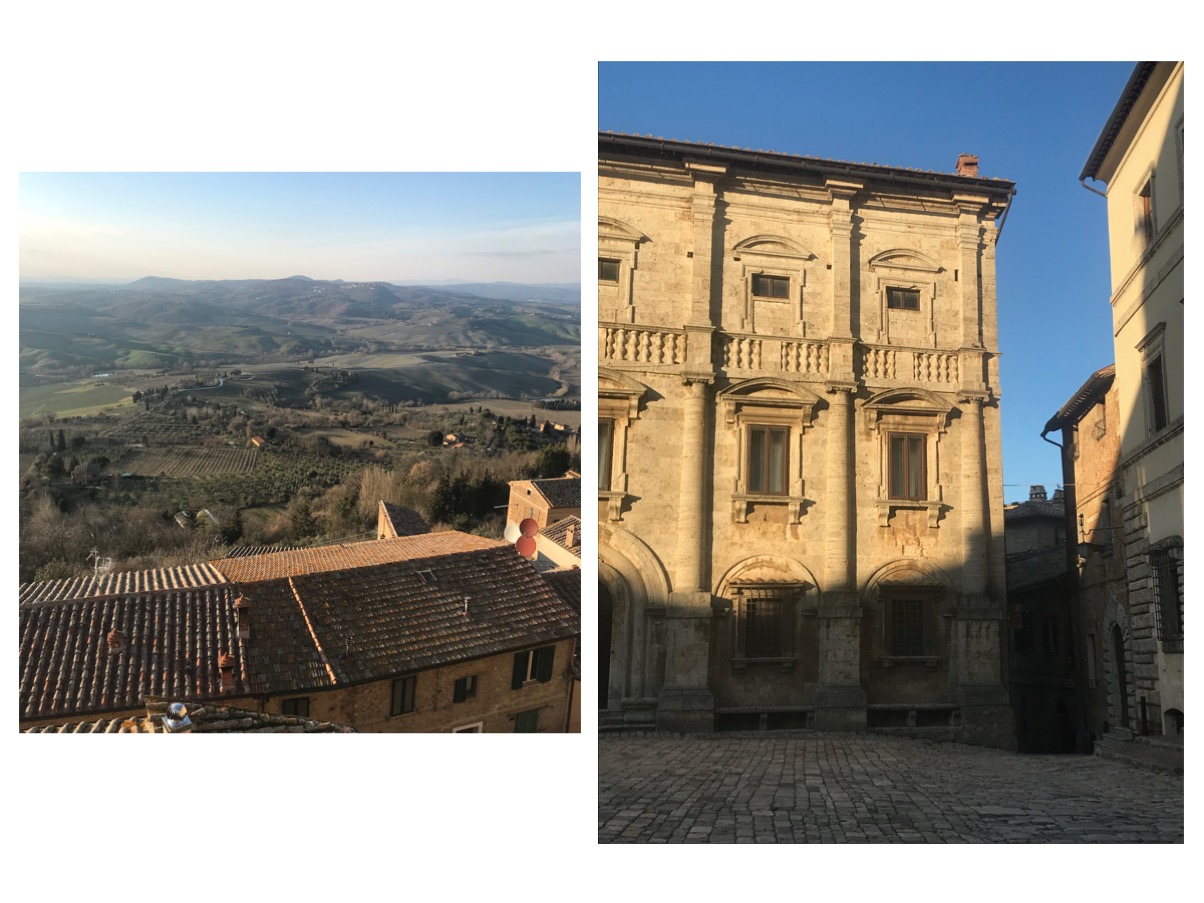
If you’re travelling by car and got a place to stay at in Florence, you really should go and discover Tuscany. To feel the Tuscan rhythm of life, try Montepulciano. This medieval village rests atop a narrow hill and can be found in an unbelievably postcard-perfect landscape, filled with cypress trees and sun-drenched vineyards…The best way to discover the elegant historic center is on foot: as you walk along, you’ll come across Renaissance palazzos before reaching – at the highest point of Montepulciano – the main piazza. But despite its beauty, Montepulciano is also world-famous for its Vino Nobile, considered one of the best Tuscan wines in the world, made with grapes coming from vineyards surrounding the village. Also, it’s worth visiting the local food stores (I mean, their salami and cheese… well. I can’t believe I ate all the supplies I brought home!) and the oldest library in town – Magnanet Libreria Di Lorenzo Rago. The owner is the third generation of the family that opened it and there are more than 15,000 books (!) in their archives. It’s impossible not to fall in love with this place…

All photos by Edward Kanarecki.