Men’s – Safe and Defend. Gosha Rubchinkiy AW16

_GOS0117

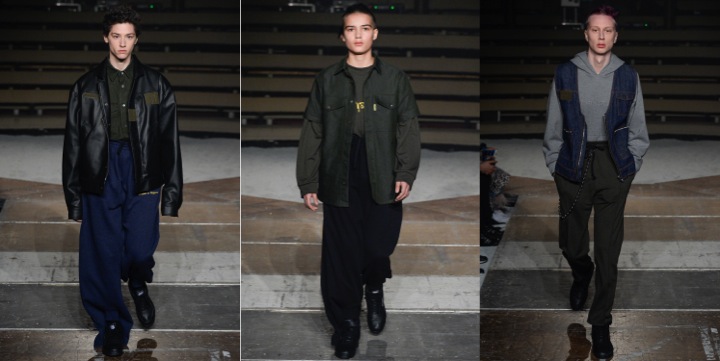
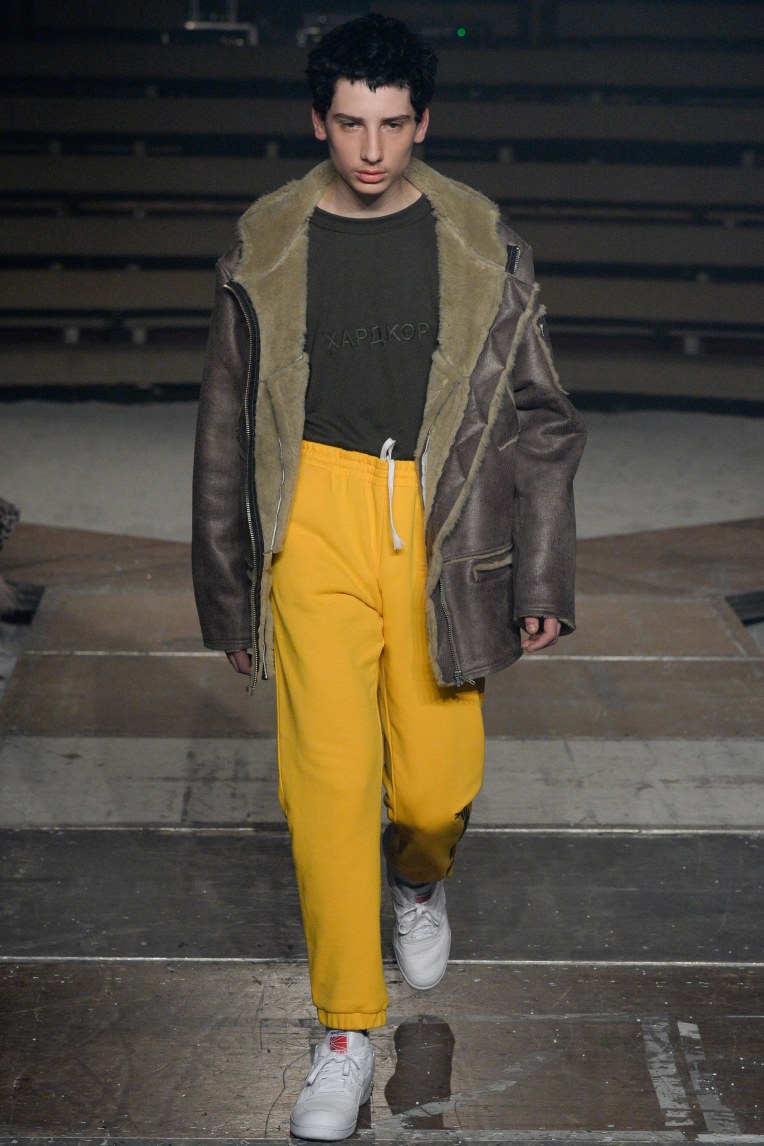
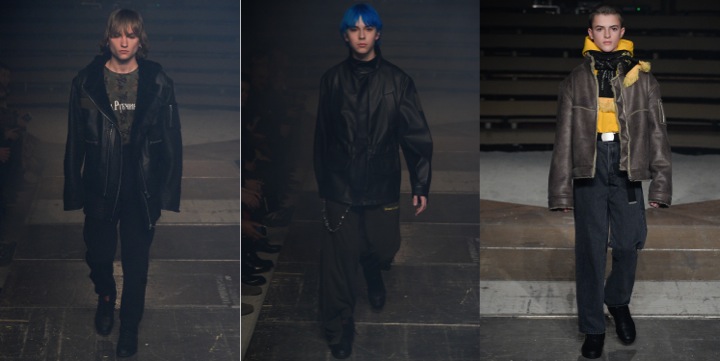
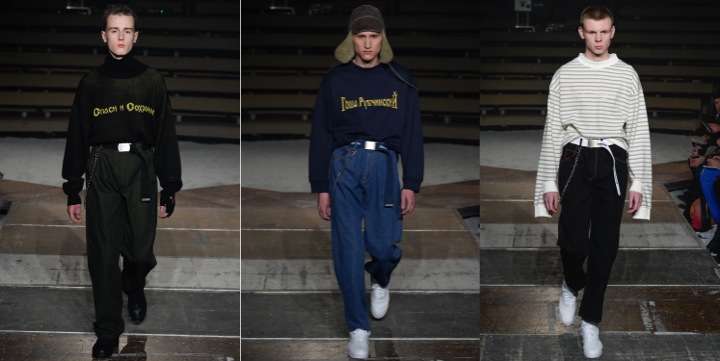
Cпаси и Cохрани. “Save and defend“. If the menswear fashion month wasn’t depressive enough (take Prada’s response towards migrants and Rick Owens’ apocalyptic vision of the world), then Gosha Rubchinskiy delivered us a dose of sweatshirts with Cyrillic signs, which aren’t too optimistic in their meaning either. In Orthodox religion, “save and defend” is a caption which accompanies nearly every icon – they are meant to protect an individual from different  oppressions. However, in Gosha’s collection, the sweatshirts were more like direct messages to the world – which might, or might not refer to Soviet nations (specifically Russia), which suffer from political and economic crisis. Traditionally, Rubchinskiy sent the runway with street-cast boys, who had the “I don’t care it’s a fashion show” look in their eyes. The Russian designer is known for his raw and extremely off-duty style – the Tam-Tam Club, a St. Petersburg nightclub from the 90s built-in a former Communist Youth building, is what Gosha mentioned as a place he recalls the closest to autumn-winter 2016 attitude. If talking of the clothes, we all know the signatures – the Гоша Рубчинский (translates into Gosha Rubchinskiy, of course) tops, yellow sweatpants and over-sized, slightly tattered biker jackets phreshed off the runway. In other words, the idea which begun the Gosha Rubchinskiy cult hasn’t changed much. Surely, the designer’s loyal followers will fall in love with these looks.
Slide05

Slide06

Slide07

Slide2-kopia

Men’s – Soviet Modern. Gosha Rubchinskiy SS16

gosha-rubchinskiy-003-1366

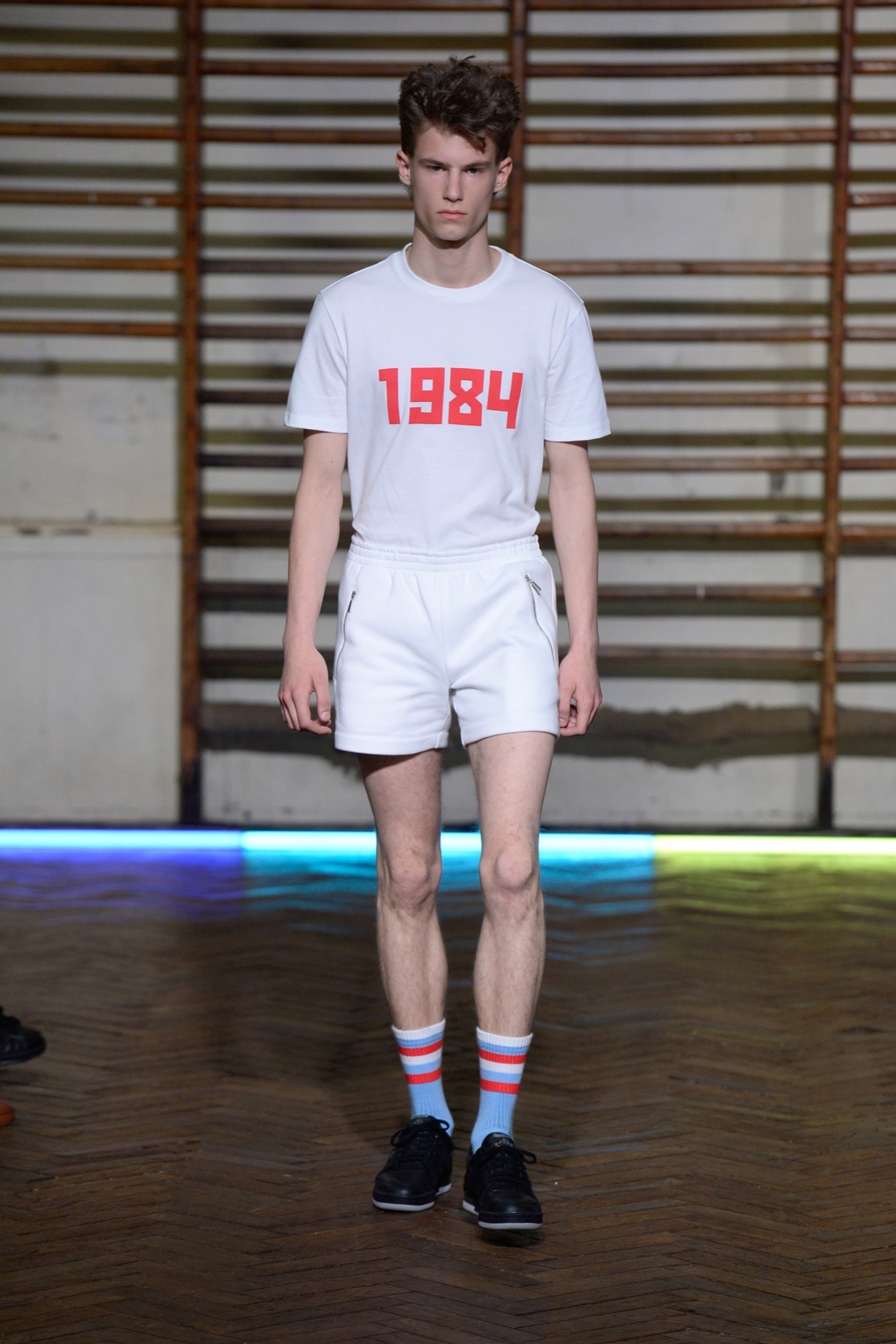
Gosha Rubchinkiy is the guy from Moscow, who brings on the nostalgic ideas of post-soviet Russia and its “fashion”. Soviet sportswear and Iron Curtain era was mentioned in the collection, too, by presenting the infamous symbols and dates on shirts and t-shirts. The silhouettes of jumpers were inspired by Eastern-bloc athletes (all the Russian flag colours) and the short shorts would be perfect for PE classes. Even the venue had something to do with sports – the oldest basketball gym of France was the venue of the show. But the overall effect of this collection seems to be the same as usually in case of Gosha – strong homage to his homeland and a kind of irony perceived in the air toward’s Russia today.

gosha-rubchinskiy-006-1366

gosha-rubchinskiy-007-1366

gosha-rubchinskiy-019-1366

gosha-rubchinskiy-021-1366

gosha-rubchinskiy-023-1366

Men’s – Russia / China. Gosha Rubchinskiy AW15

Gosha_Rubchinskiy_02_1366

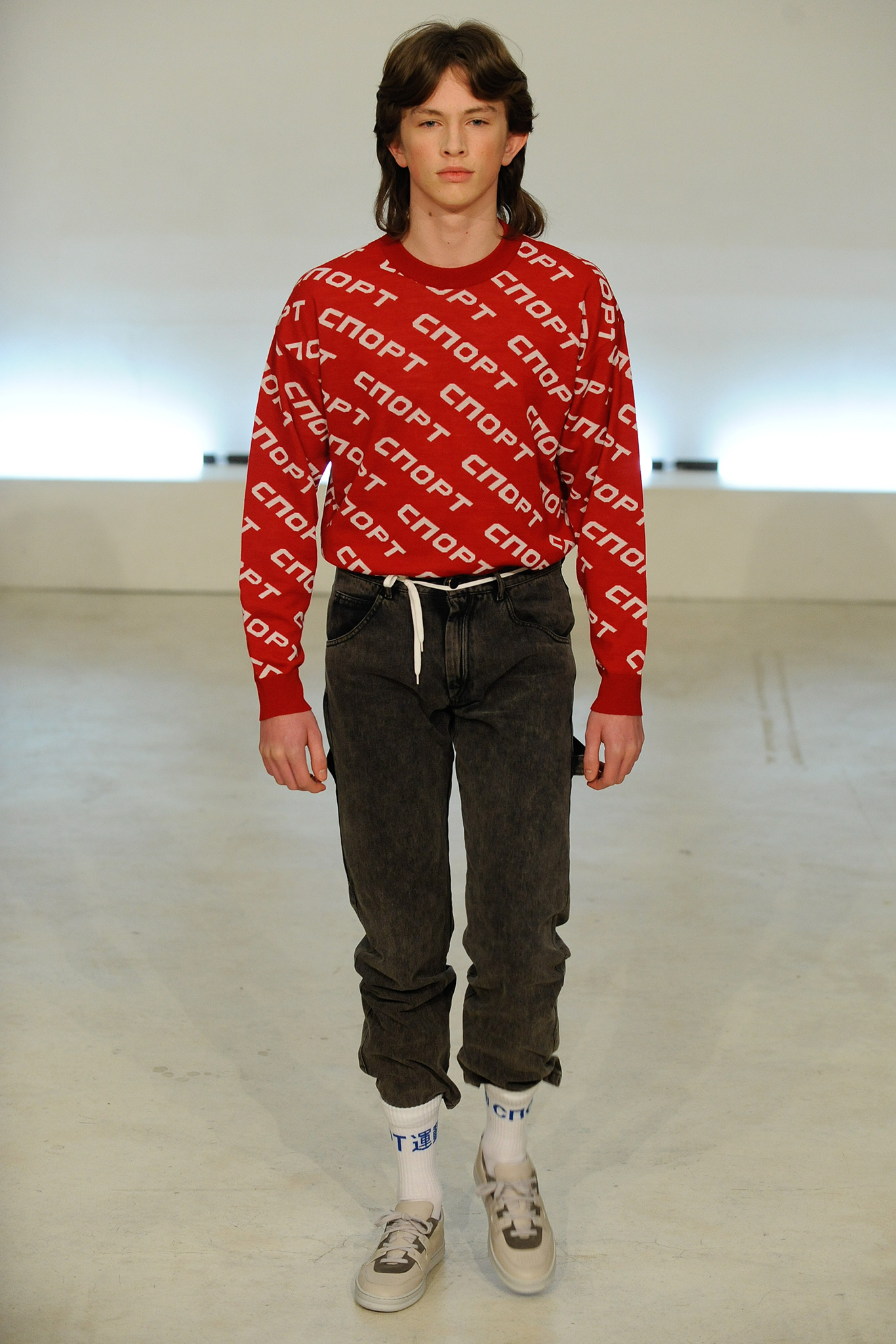
After Walter Van Beirendock, Gosh Rubchinskiy is the second designer of the day which brings politics to fashion. This time, we leave Paris and we go to Putin’s Russia, where everything’s strongly connected with Chinese market. Presented in an old Orthodox church, the models wore SPORT sweatshirts, “ugly” white socks and soviet-Russia inspired fur varsity jackets.This entertaining collection saw street-cast models—some as young as 13—transformed into brand-hungry Russian youths of the immediate post-glasnost years, as seen through a Rubchinskiy prism. That’s amazing how Gosha found a way to critisize Putin’s political influenece in today’s Russia. Definitely, if Rubchinskiy presented his collection in Moscow, the next day he would sit in jail – the parody and sense of the whole thing seems to be very visible.

Gosha_Rubchinskiy_15_1366

Gosha Rubchinskiy Menswear Fall Winter 2015 in Paris

Gosha_Rubchinskiy_05_1366

Gosha_Rubchinskiy_07_1366

Gosha_Rubchinskiy_08_1366

Men’s: Russian Skater. Gosha Rubchinskiy SS15

Slide02

Gosha Rubchinskiy, Russia’s young fashion star just came for the Paris fashion week, to show his SS15 collection for men. And that’s surely something, that the Parisian fashion scene never have seen (although they had other Russians, like Vika Gazinskaya or Ulyana Sergeenko). Known for his post-Soviet, skater style and street influenced clothes, thanks to Comme des Garcons he found his place here. One of his first customers back in 2010 was Dover Street Market, which opened a corner for the post-Soviet brand in its London store, and in 2012, Comme des Garçons took on production and distribution. As he says, his clothes are made in mind for Russia’s post-1991 generation, those who grew up in the midst of a reawakening of religious roots in the post-Soviet boom-or-bust economy. For spring, Rubchinskiy showed leather jackets, fur coats, canvas shirts, skater sweatpants and silent, white t-shirts with his logo written in Russian. In my opinion, everything here is wearable, and all of it is really cool. But are these clothes so, so breath-taking?

Slide03

Slide04

Slide05-kopia

Slide06