Men’s – Be Who You Are. JW Anderson SS22

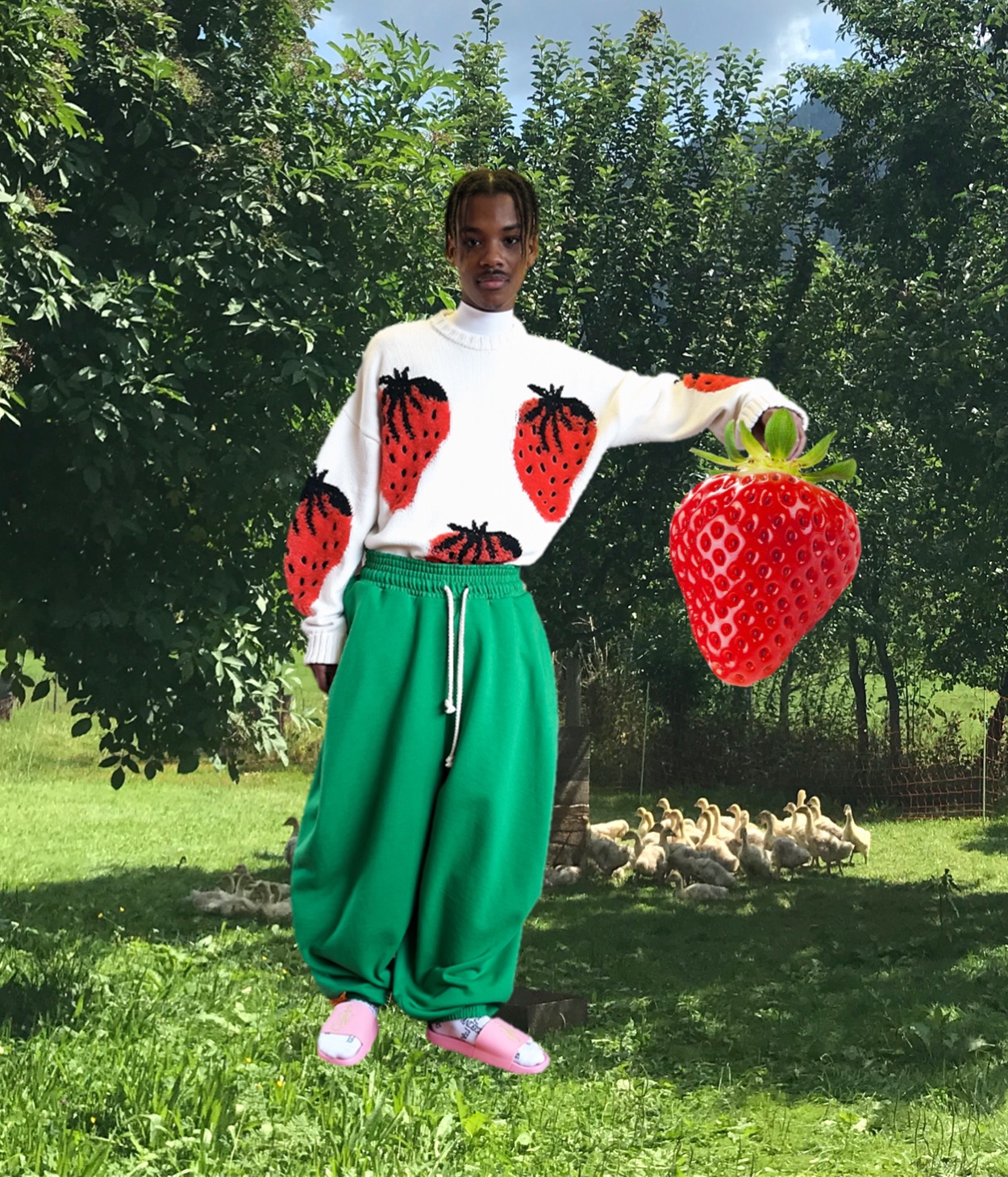
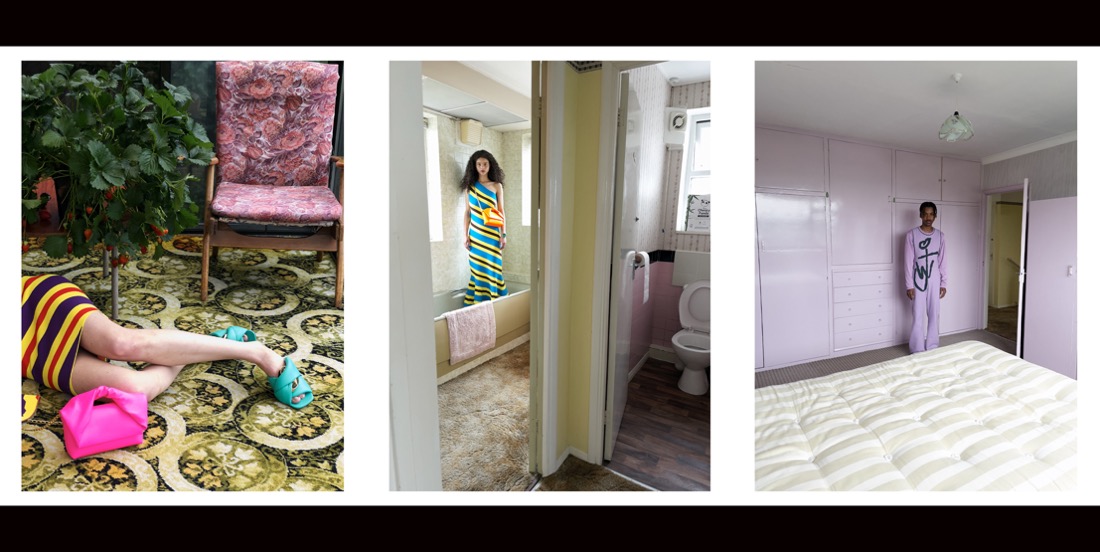
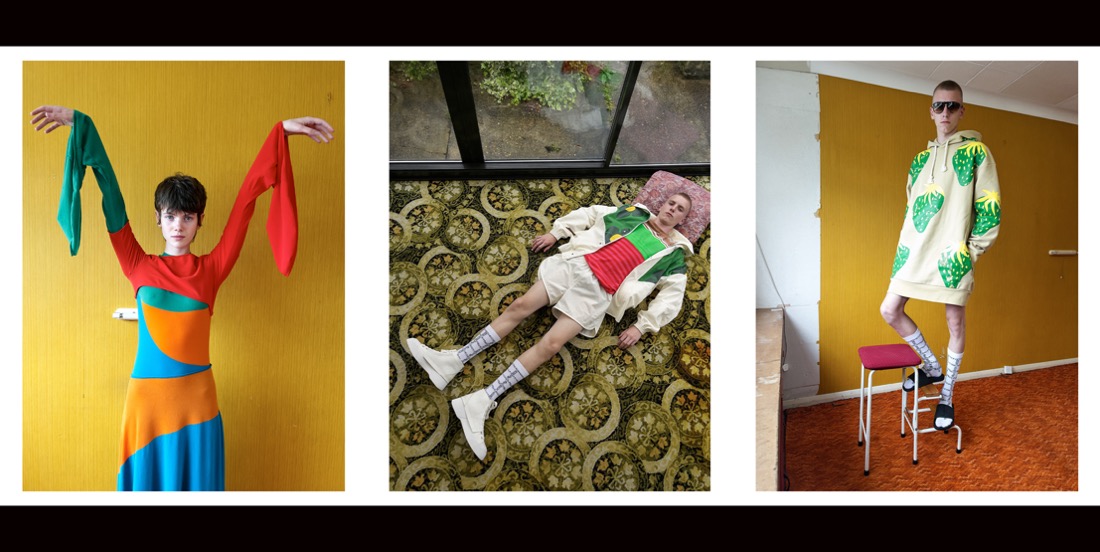
Partly digital, partly physical, men’s Paris Fashion Week starts today. The JW Anderson spring-summer 2022 (and women’s resort 2022) look-book was shot by Juergen Teller, who perfectly captured what’s on Jonathan Anderson‘ mind this season. “Caught in the moment, when sexuality awakens. There is palpable ambiguity, and provocative wrongness, to his dressing choices“, Anderson described the guy he pictures in this playful, bold offering. The collection hits a juvenile note with colourful and hedonistic clothing as a mean of self-expression that blur the lines between stay-at-home, sports and club dressing: “The kind of glorification of being who you are or what want to be: the idea of privacy of the individual“. The line-up’s instant must-have? All the strawberry knitwear, for both him and her. The designer looks forward to full re-emergence, and is clearly ready to celebrate the good days that are coming!

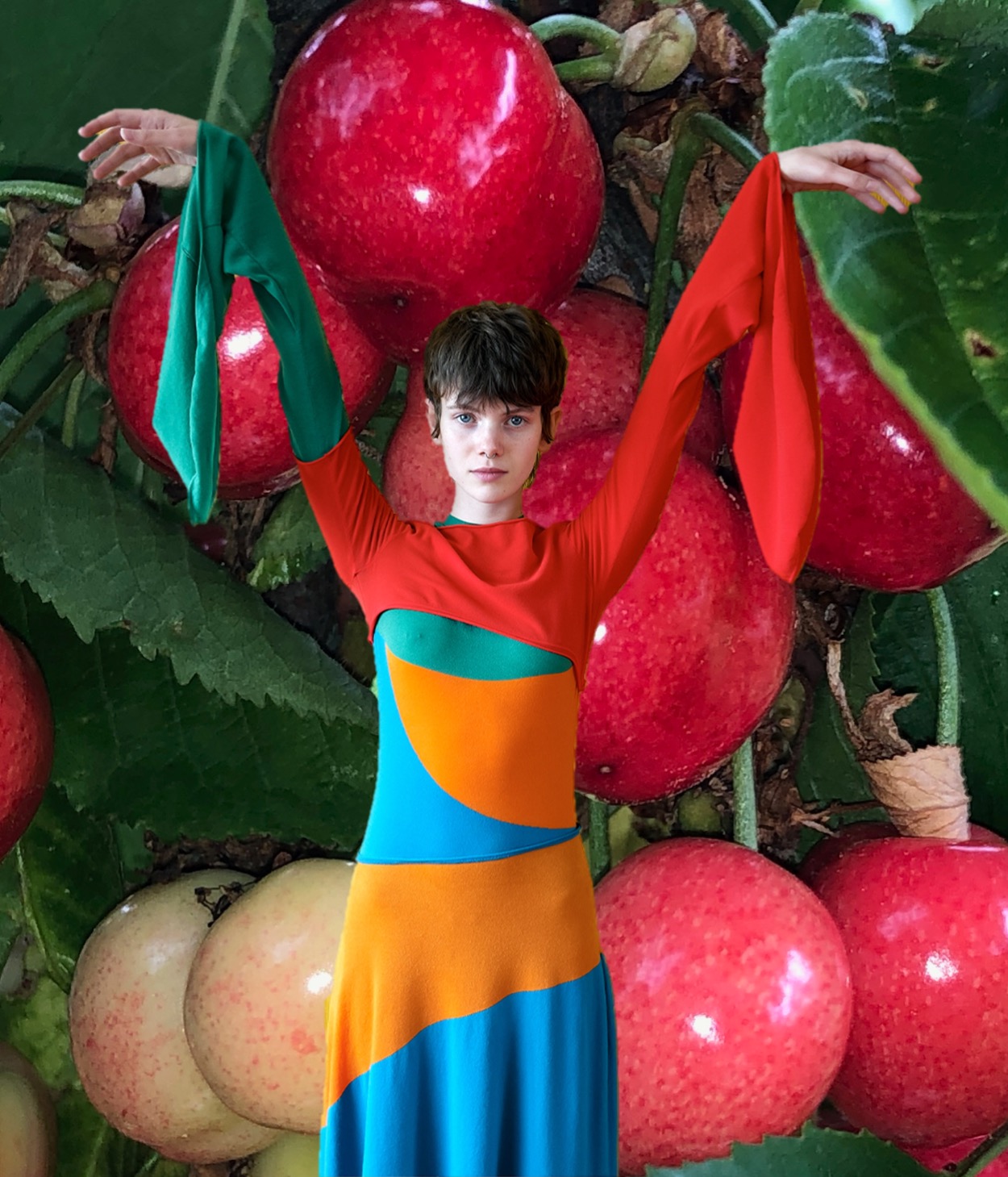
All collages by Edward Kanarecki. Look-book photos by Juergen Teller for JW Anderson.

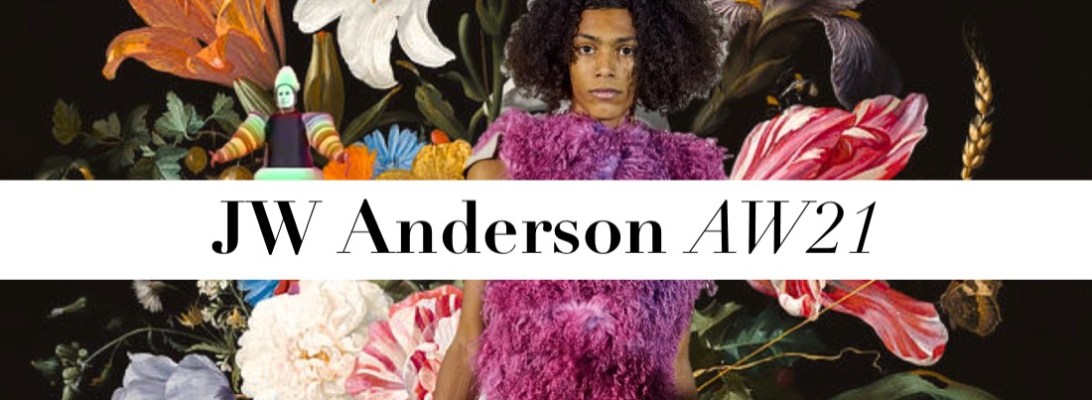
Men’s – Real and Fun. JW Anderson AW21

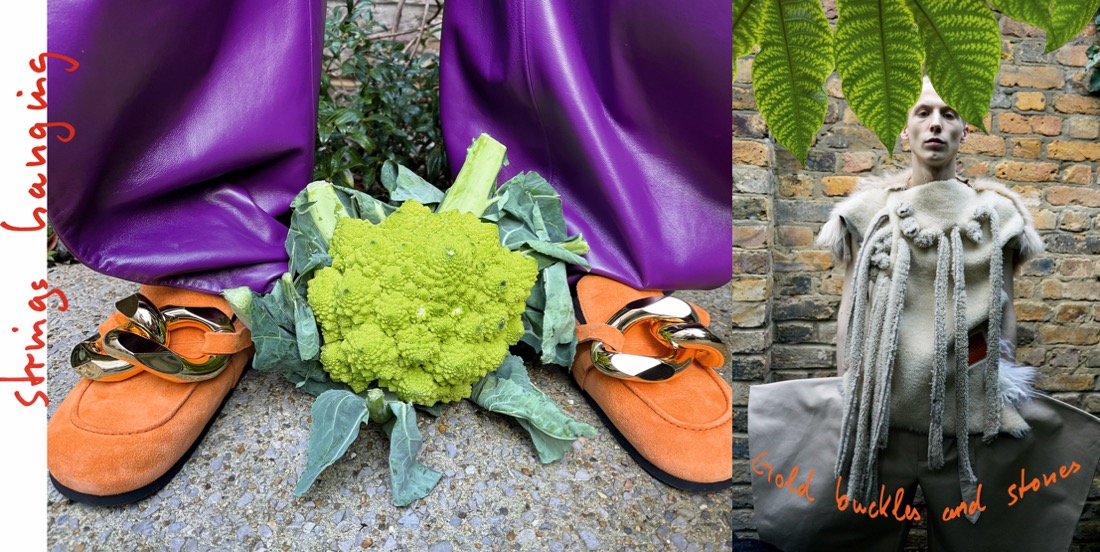
Jonathan Anderson working with Juergen Teller? That’s a match I’m living for. JW Anderson‘s autumn-winter 2021 collection for men (and pre-fall 2021 for women) has been photographed by Teller in London, in his distinct, easy, spontaneous manner. The process basically reflected what Anderson wanted to achieve this season with the garments. “I felt it was better to start the year with something lighter and less calculated,” he declared on a Zoom call with Vogue. “At the beginning of 2021 I wanted something that’s reality. A reality check.” Reality? Well, now that reality’s gone mad, the hilarious antics going on in Anderson’s new set of look-book-posters are a reasonable enough response to the zeitgeist. There’s Sophie Okonedo, who played Charlotte Wells, the mental hospital patient with multiple personality disorder in Ratched, acting up with a gourd, a pumpkin, and an armful of berries, and a trio of male models doing things with cabbage, cauliflower, and an assortment of house plants. To add to the silliness, the handwritten captions are all nonsensically mixed up. “It’s a lot to do with being straightforward, and that’s why I wanted to use Juergen,” Anderson opined. “He’s so good at showing a sharp reality without any fuss.” As usual with JW Anderson, eclectic matchings are the key. Follow the vegetables: ever so cute as crocheted radishes on a sweater, or embroidered on a hoodie; suggestive as great big prints of gourds and a random peach – yet also inspired by Anderson’s interest in 17th century Dutch still lifes, and the work of the British painter William Nicholson. An existential, speculative rabbit-hole, this one: “Why do we glorify something as simple as a lemon or a radish? Is it meditative?” he asks, rhetorically. “So we turned that idea into patterns and iconography. I like this idea of humor in clothing. Squashes on jeans. A peach in the middle of a sweater. Something that makes you grin. Because fashion is meant to make you think, or dream.” Then, the extreme trousering. Follow those upended isosceles triangular trouser legs, and you’re off down the warren leading to Dada and Surrealist costume, the Cabaret Voltaire and Bauhaus theater, if you please. Or perhaps to bump into the checkerboard patterns that the extraordinary gender non-conforming anti-fascist Surrealist Claude Cahoun photographed herself wearing. Those shape experiments are a bold “no, no” to stay-at-home sweats. “I spent so much time last year admiring people ‘doing’,” Anderson says. It’s reinvigorated his belief in craft, in making things himself, in the way he did when he started his brand at the age of 24. “Because I think the world is starting to change. I think this isn’t a time for shock – I think we want reality, honesty, to be stimulated in a way that isn’t sensationalized.

“Live” collage by Edward Kanarecki.

Merry Christmas!

Merry Christmas!

I wish you all the very best this festive season! May this Christmas bring you much joy, peace and happiness.  Stay safe and grateful, and spread the love!

Yours truly,

Edward

Daria Werbowy by Juergen Teller and Vanessa Reid for Pop Magazine SS16.

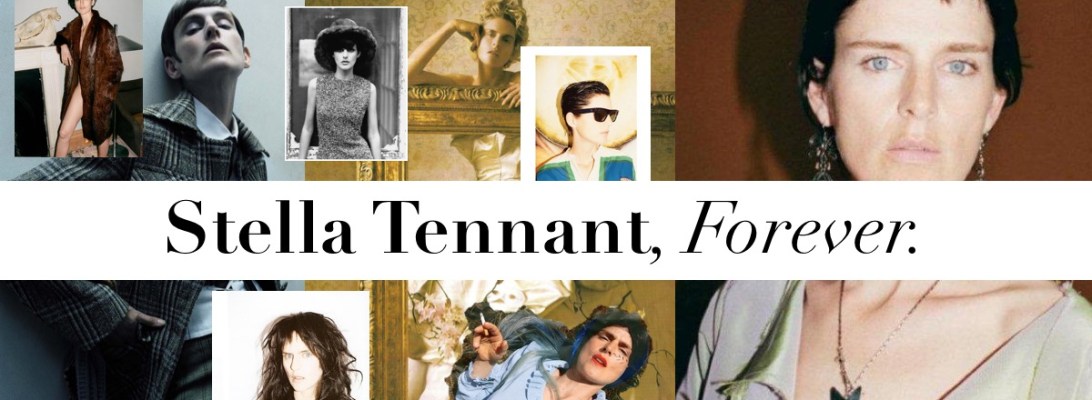
Stella Tennant. Forever.

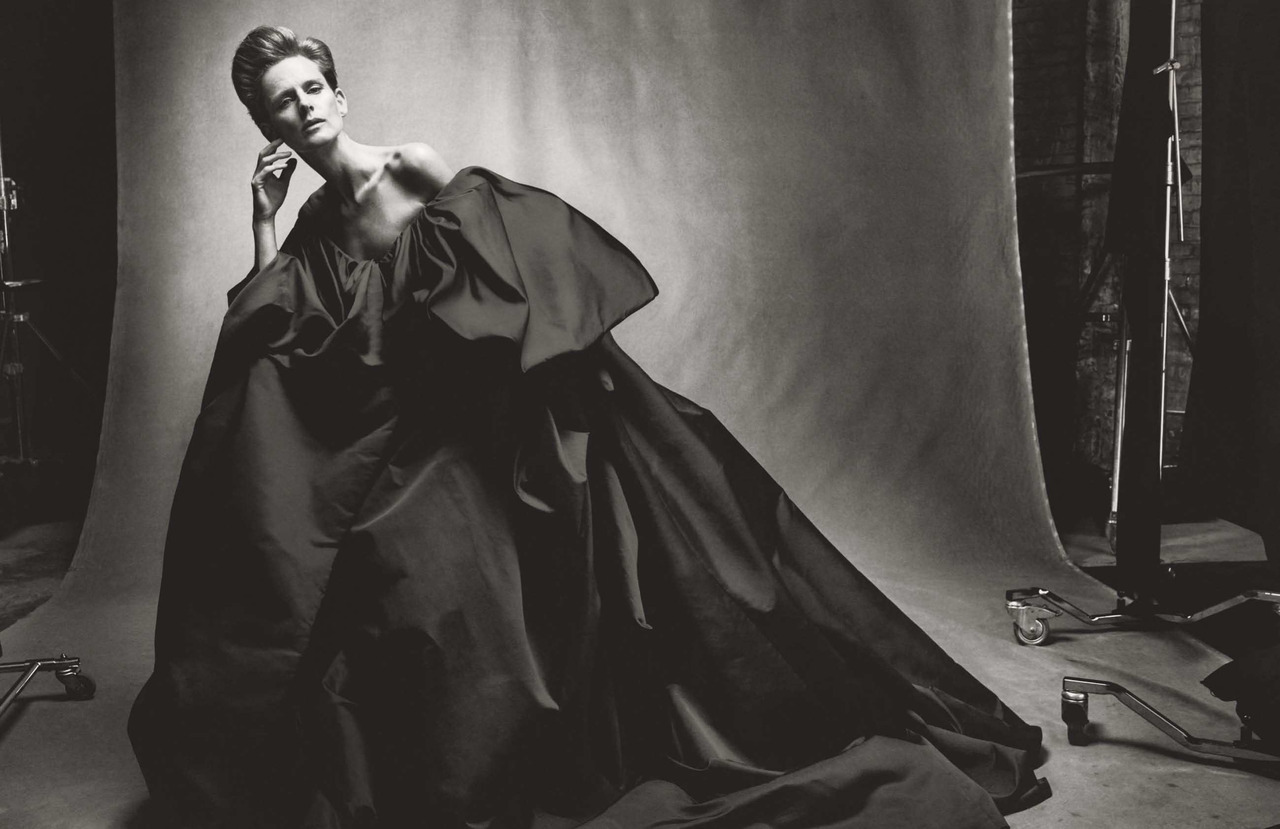
Steven Meisel for British Vogue

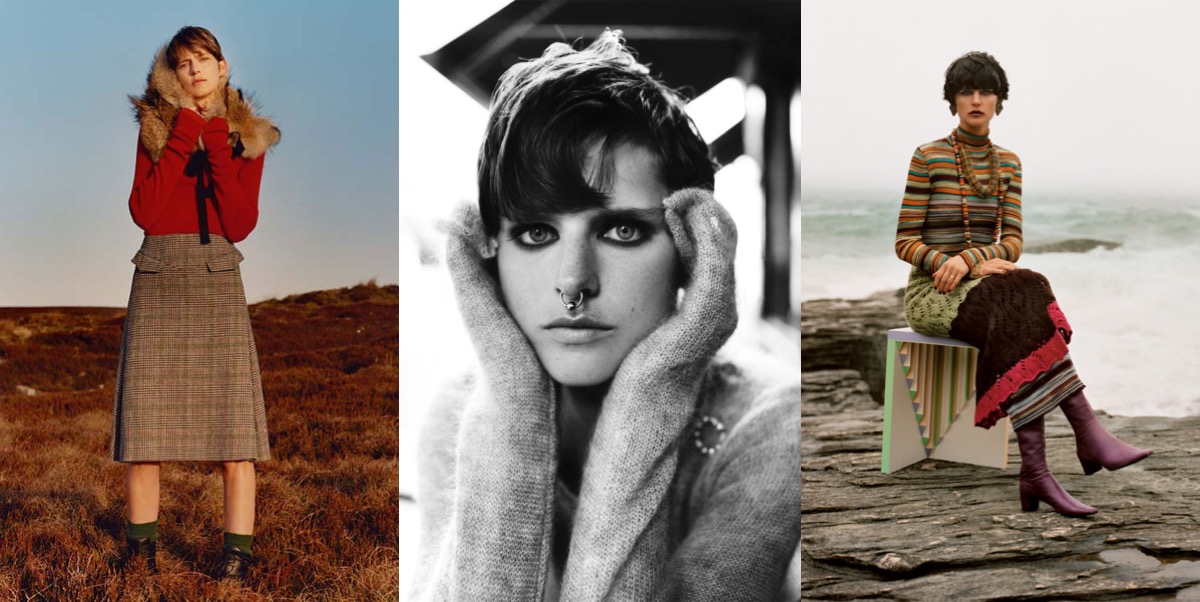
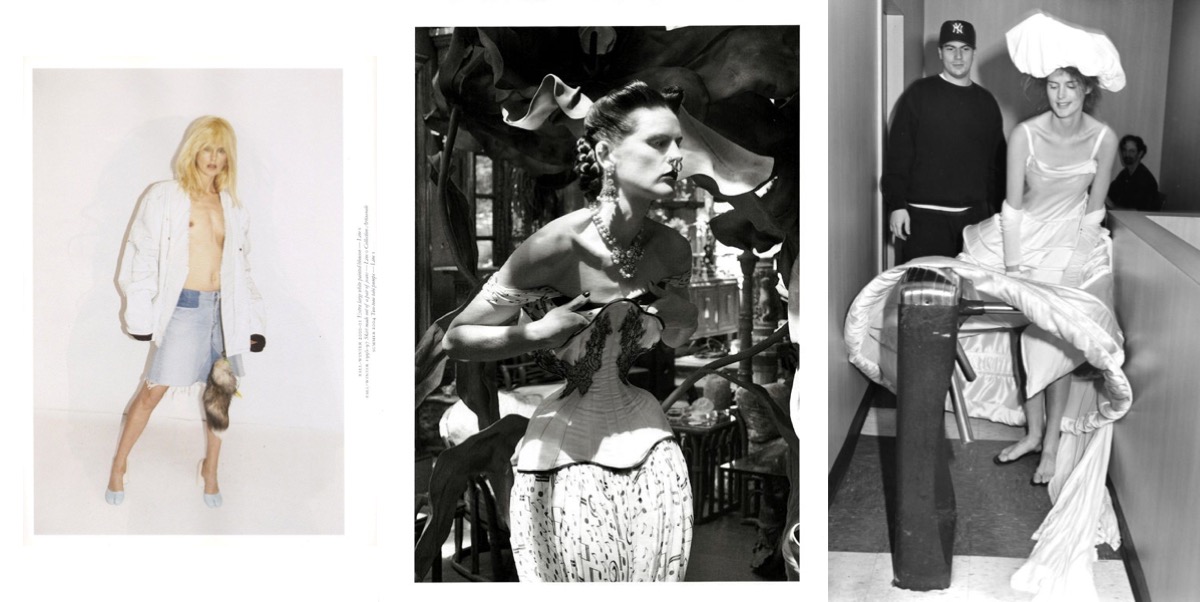
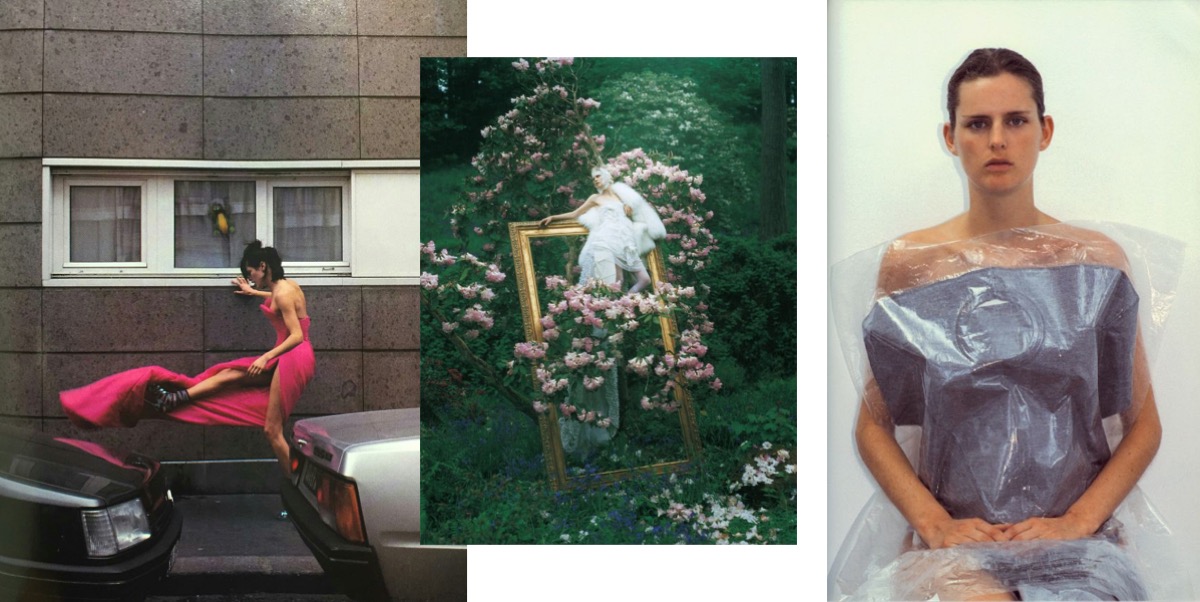
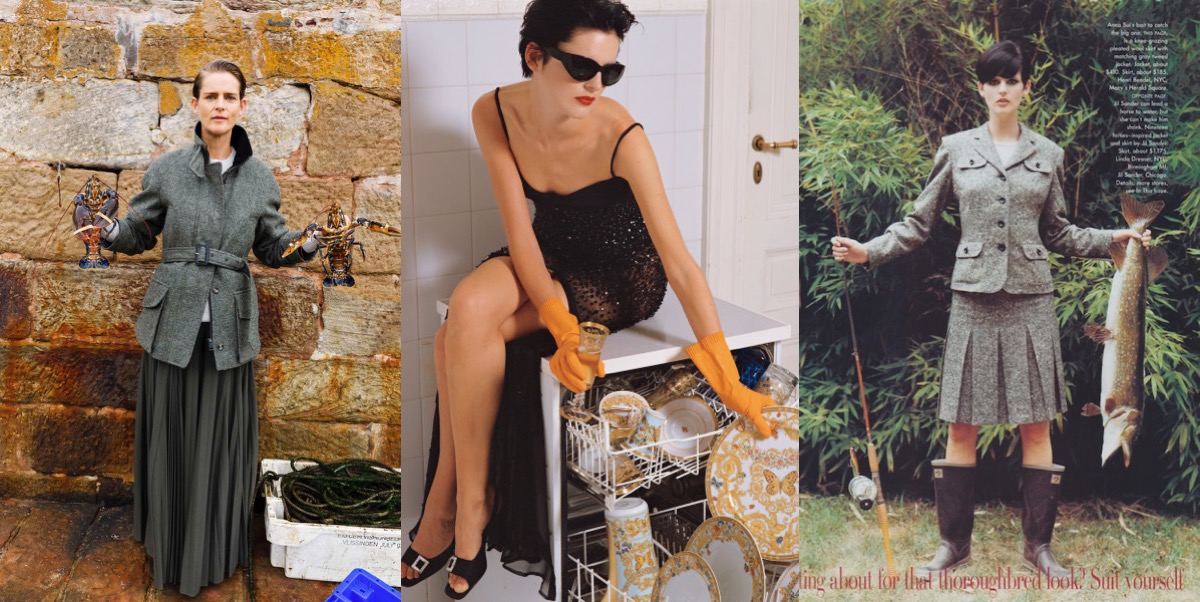
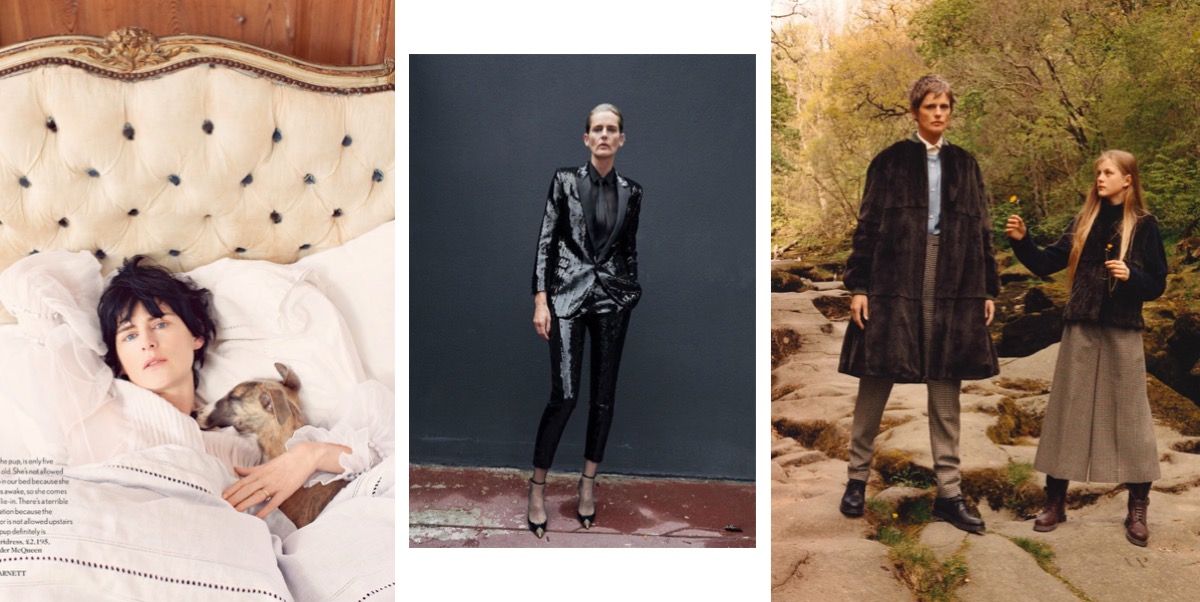
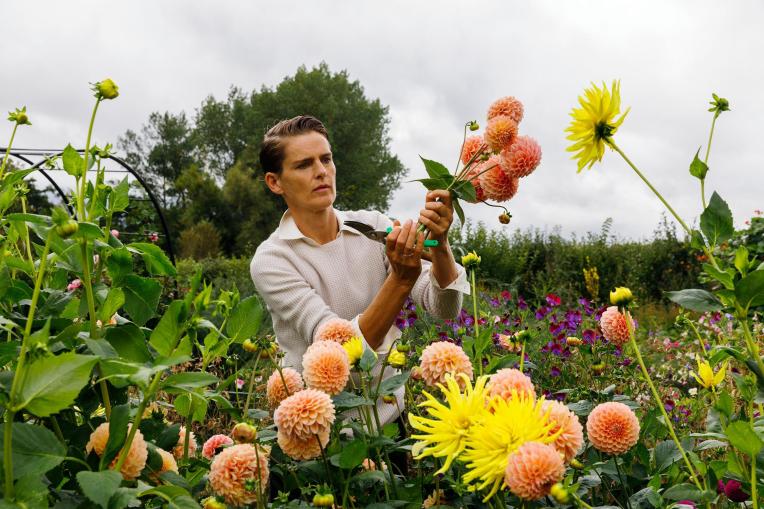
Stella Tennant, the iconic British model famed for her statuesque beauty and inimitable personal style, has passed away at the age of 50. My heart broke when I discovered the news. Wisdom and beauty, royalty and true artist, game-changing rebel and forever elegant. While Tennant was first known for her signature tousled pixie haircut, androgynous features, and commanding six-foot-tall presence – as well as her longstanding creative relationships with fashion legends from Steven Meisel to Karl Lagerfeld – her passion for sculpture, environmental causes, revival of the heritage Holland & Holland brand and her home country of Scotland were what eventually became closest to her heart. The news of Tennant’s untimely death was confirmed earlier today in a statement released by her family – including her husband, the French photographer David Lasnet, and her four children, Marcel, Cecily, Jasmine, and Iris – who asked for their privacy to be respected.

From left: Valentino spring-summer 2020 couture, Vogue Italia cover by Steven Meisel, Juergen Teller.

Holland & Holland ad by Hawkesworth, Steven Meisel, Missoni ad.
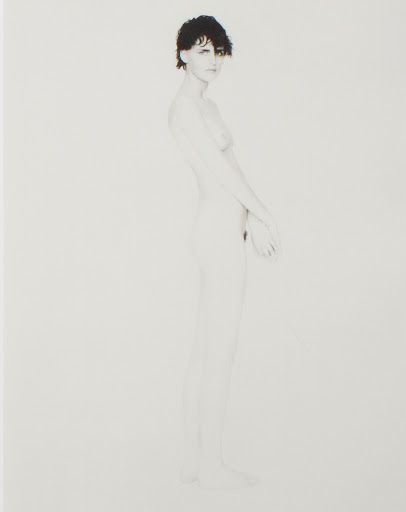
Paolo Roversi.

Tennant was born in 1970 as the youngest of three to the Hon. Tobias Tennant and his wife Lady Emma—daughter of the current Duke of Devonshire and his wife Deborah, the youngest of the famous high-society Mitford sisters. Despite her aristocratic pedigree, Tennant’s upbringing was decidedly more down to earth; she grew up on a 1,500-acre sheep farm in the Scottish Borders. It was a region that remained close to her heart throughout her jet-setting modeling career and one she would eventually call home again upon purchasing a Berwickshire farmhouse in the early-aughts. Tennant displayed a natural creative instinct from a young age, attending the famous British boarding school Marlborough College before going on to complete a degree in sculpture at the Winchester College of Art. Her career as a model began when she caught the eye of fashion writer Plum Sykes, with whom she appeared in the now-iconic Steven Meisel shoot for British Vogue’s December 1993 issue, “Anglo-Saxon Attitude,” which captured a nascent London scene of well-heeled women whose eccentric take on style offered a British counterpart to the U.S. grunge movement. A famous anecdote saw Tennant show up to the shoot with a nose ring, much to the surprise of the Vogue editors – it was her refusal to remove it that endeared her to Meisel, who invited her to model for him the next day in a Paris shoot for Vogue Italia.


Chanel ad, with Karl Lagerfeld, Bruce Weber for Vogue Italia.


Self Service.
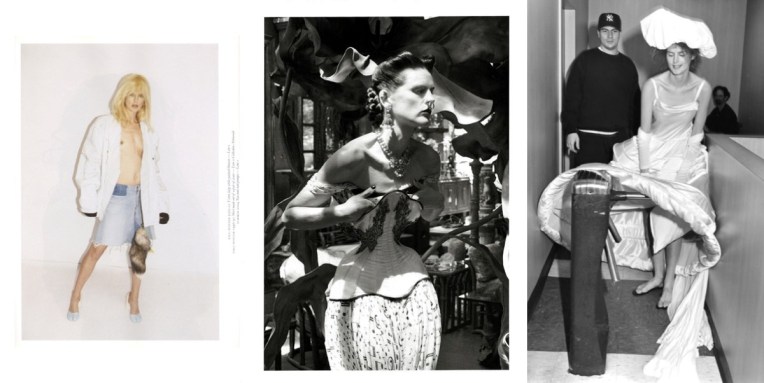
Juergen Teller for Purple, Steven Meisel for Vogue Italia, Bruce Weber for Vogue.
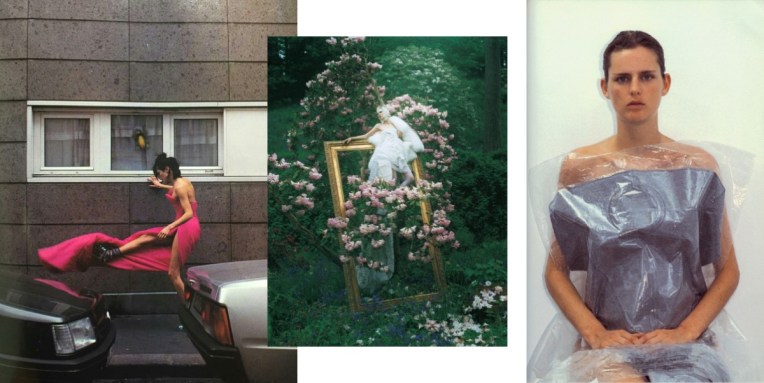
Mark Borthwick, Tim Walker, Mark Borthwick.
Martin Parr for Sunday Times Style.

From there, Tennant was a regular muse of Meisel’s, shot by him most recently for the December 2018 cover of British Vogue. She also became a favorite of some of the most influential fashion photographers of the 1990s, including Mario Testino, David Sims, and Mark Borthwick, embodying the edgy, waifish insouciance that served as one of the defining features of fashion imagery throughout that decade. On the runways, Tennant made regular appearances for Karl Lagerfeld at Chanel, alongside the likes of Jean-Paul Gaultier and Versace. She also became a mainstay of Alexander McQueen’s runway spectacles, walking for some of his most iconic shows, including spring 1996’s “The Hunger” and spring 1997’s “La Poupée.” In 1998, after announcing her first pregnancy with her photographer boyfriend David Lasnet, Tennant retired from the industry. (The pair would marry later that year, with Tennant wearing a memorably minimalist Helmut Lang gown for their wedding in Scotland.) Shortly after the birth of her third child in 2002, Tennant made a return to modeling in a campaign for Burberry shot by Mario Testino that was partly credited with revitalizing the fortunes of the brand and returning it to its now global status as a fashion leader. Another career milestone came at the closing ceremony for the 2012 London Olympics, at which Tennant appeared with fellow British models Kate Moss and Naomi Campbell (among others) during a tribute to the country’s fashion industry.
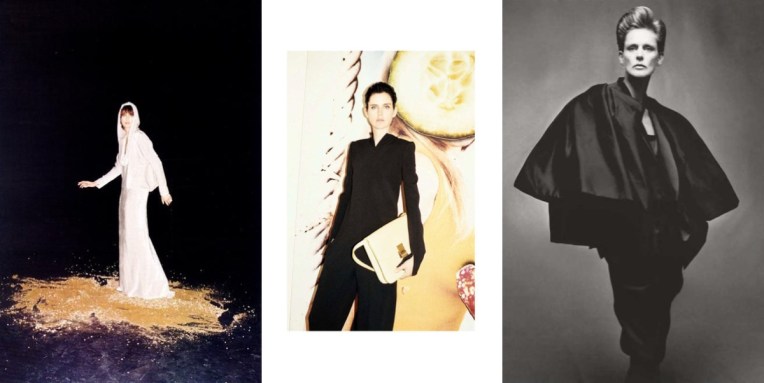
Juergen Teller for Marc Jacobs and Céline, Steven Meisel for British Vogue.
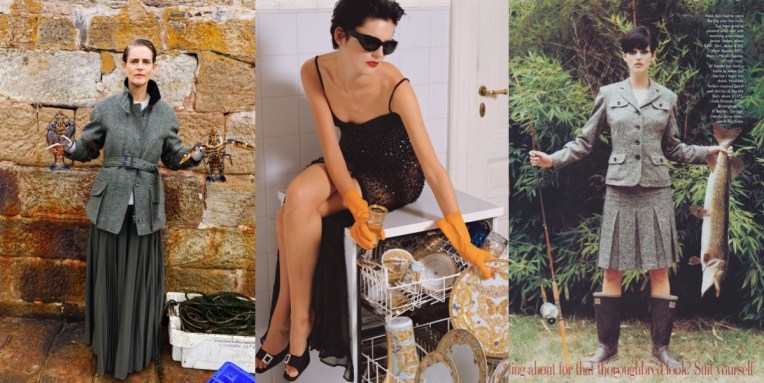
Martin Parr for Sunday Times Style, Versace ad by Bruce Weber, Bruce Weber.

British Vogue, Juergen Teller for Saint Laurent, Jamie Hawkesworth.
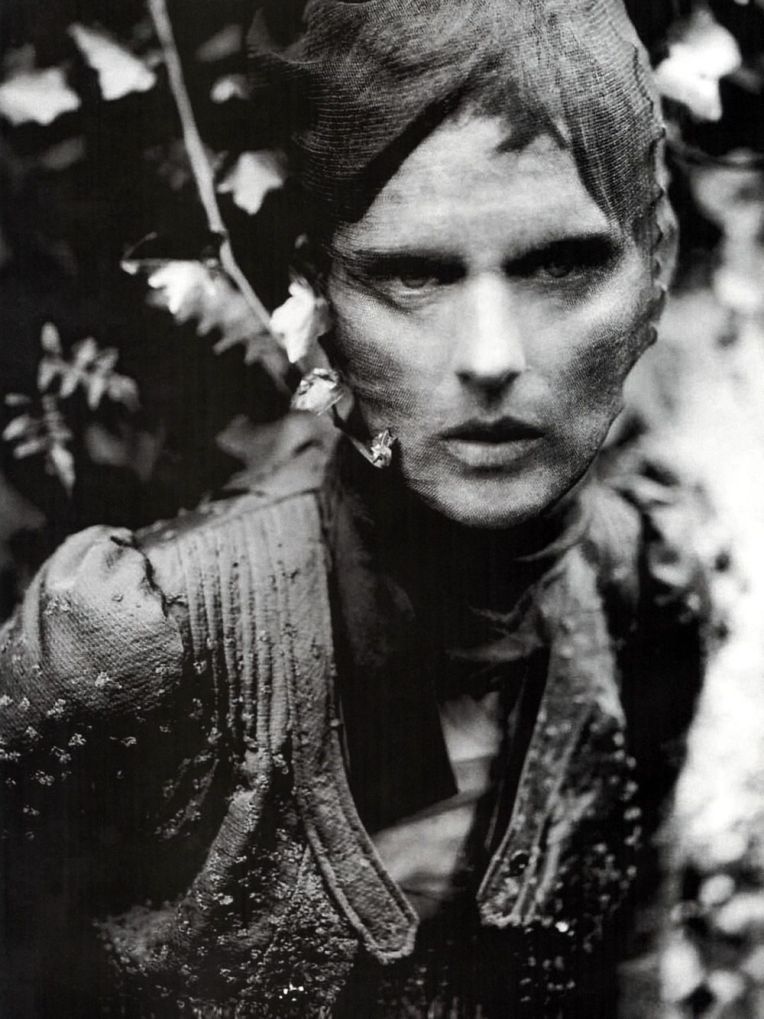
Paolo Roversi.

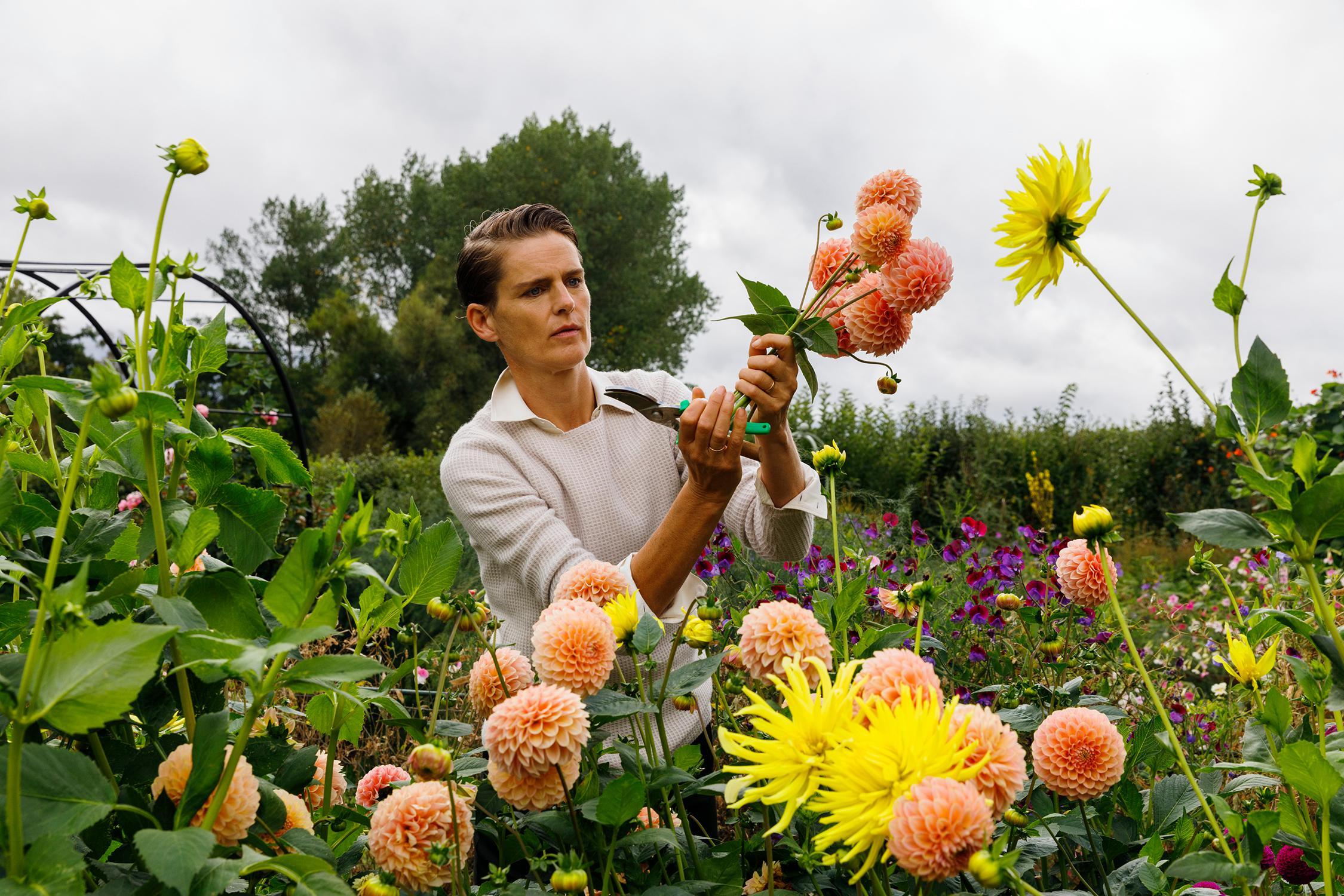
Tennant always maintained a lifelong interest in sculpture, establishing a studio at her home in Berwickshire, where she worked with her sister Issy on a luxury homewares brand named Tennant & Tennant. Over the past decade, Tennant also grew to be a vocal advocate for environmental causes, appearing in a number of campaigns for the nonprofit Global Cool raising awareness around climate change, and joining forces with Oxfam for Second Hand September. Already, tributes have begun pouring in from luminaries of the fashion world. But while the statement released by her family earlier today marks the end of an extraordinary career as one of fashion’s most beloved and iconic personalities, Tennant’s legacy as a groundbreaking figure in the history of British style, as well as a passionate supporter of causes close to her heart, will live on.
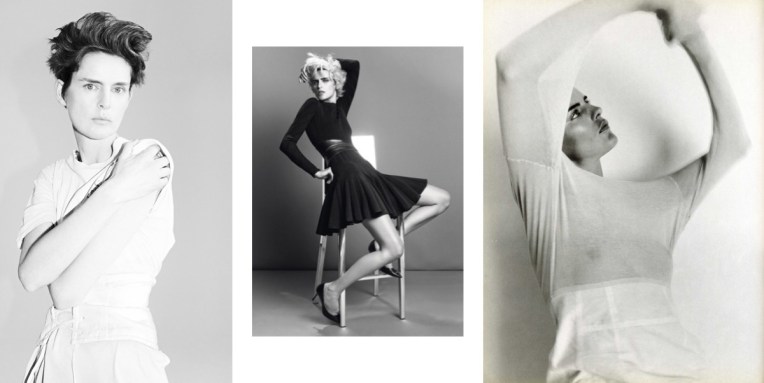
Willy Vanderperre for Document, Self Service, Mark Borthwick.
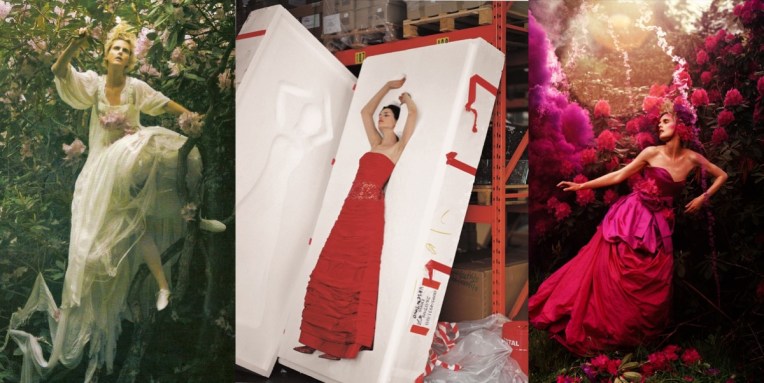
Tim Walker.

Versace ad.

REST IN PEACE, Queen. You will be missed.

Eternal. Chanel Pre-Fall 2021

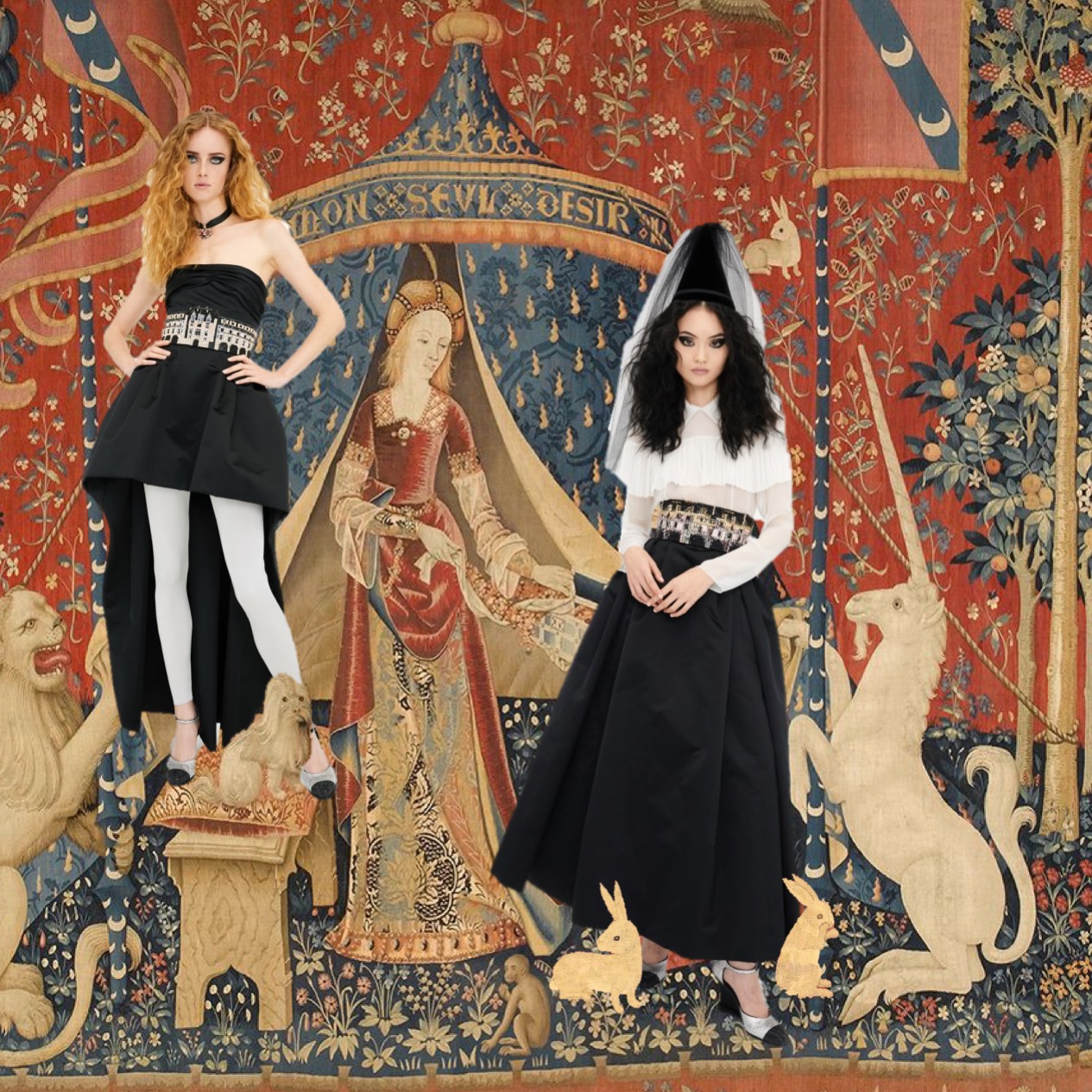
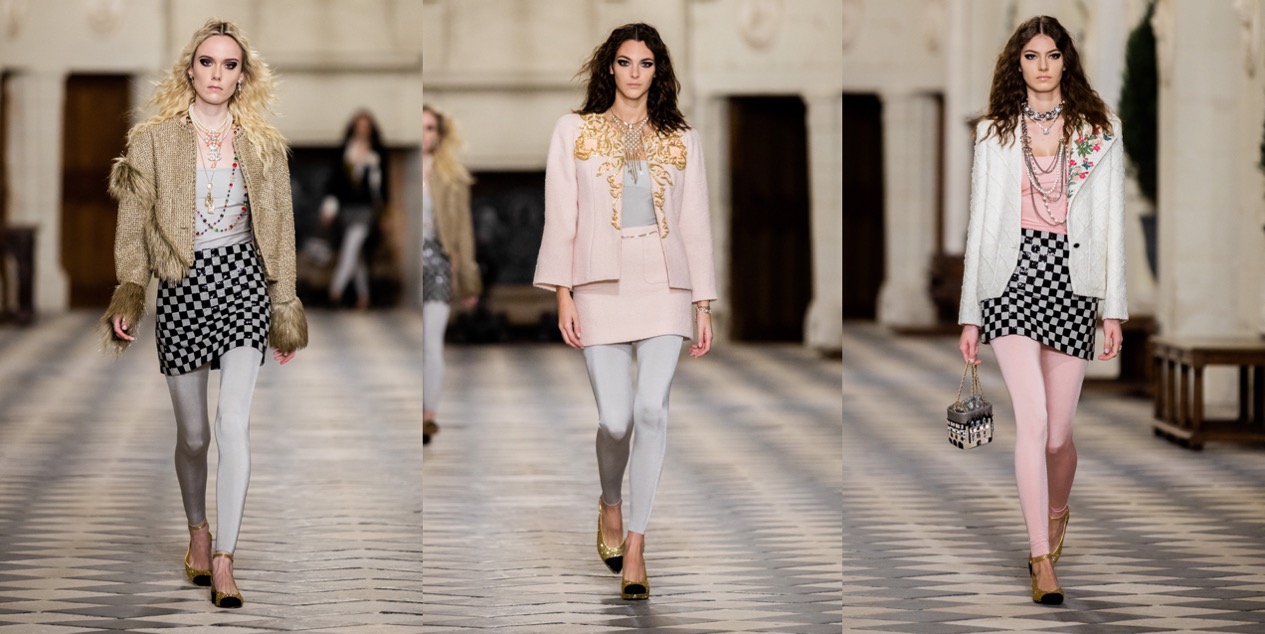
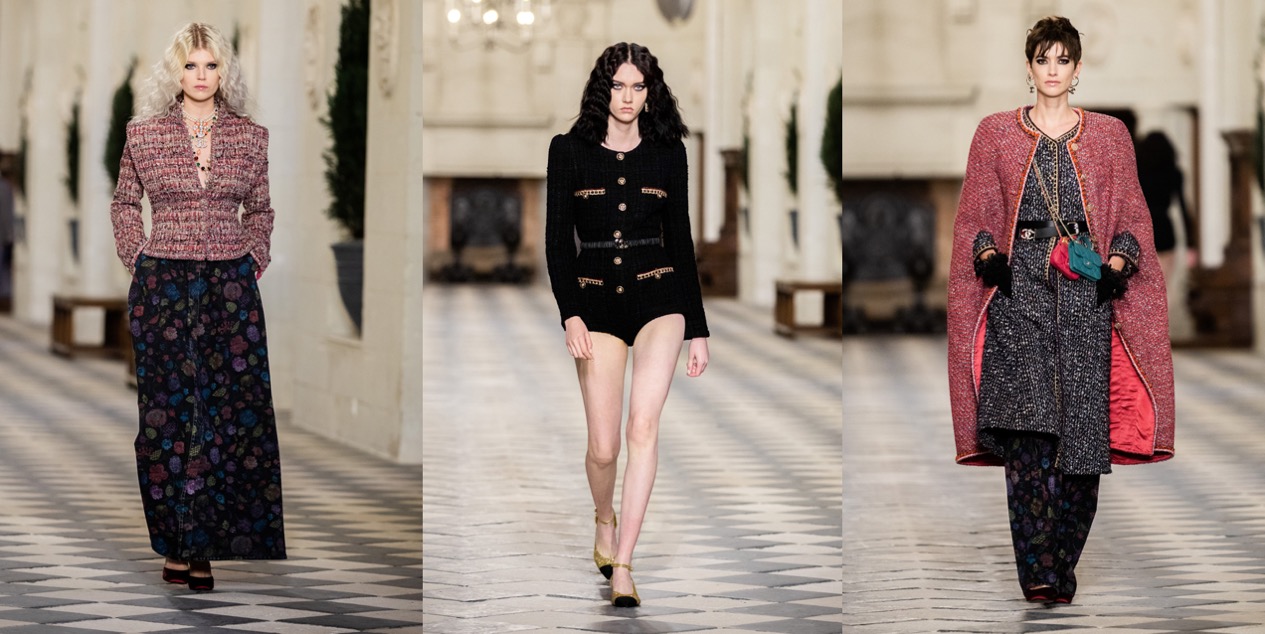
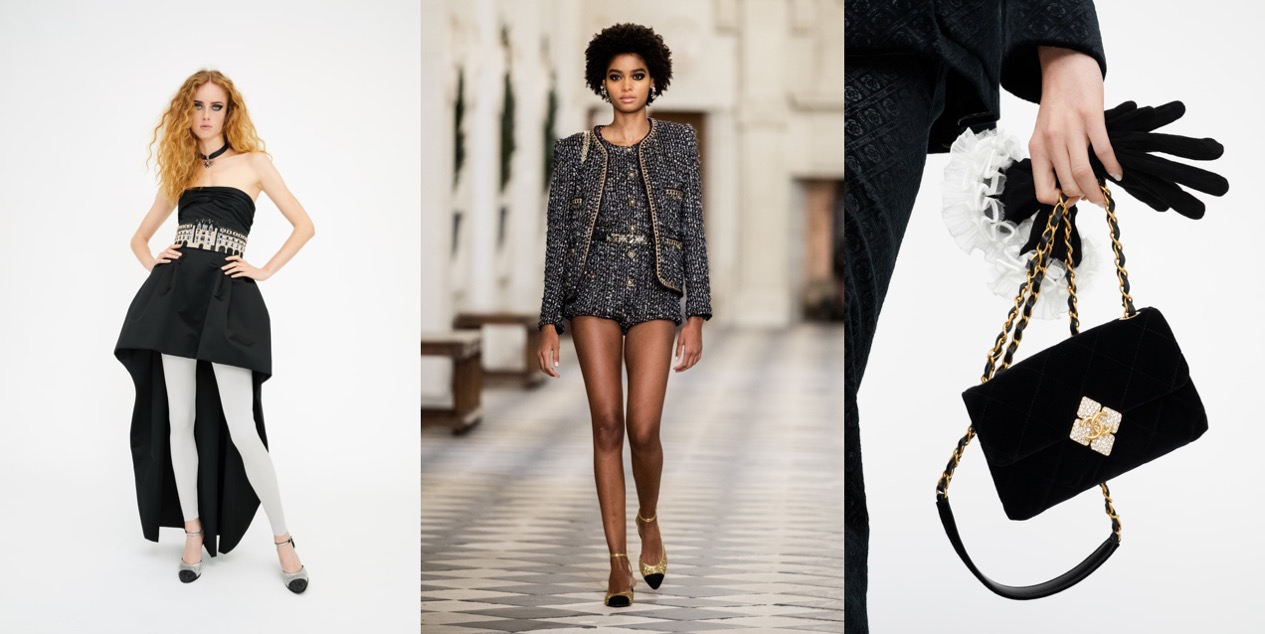
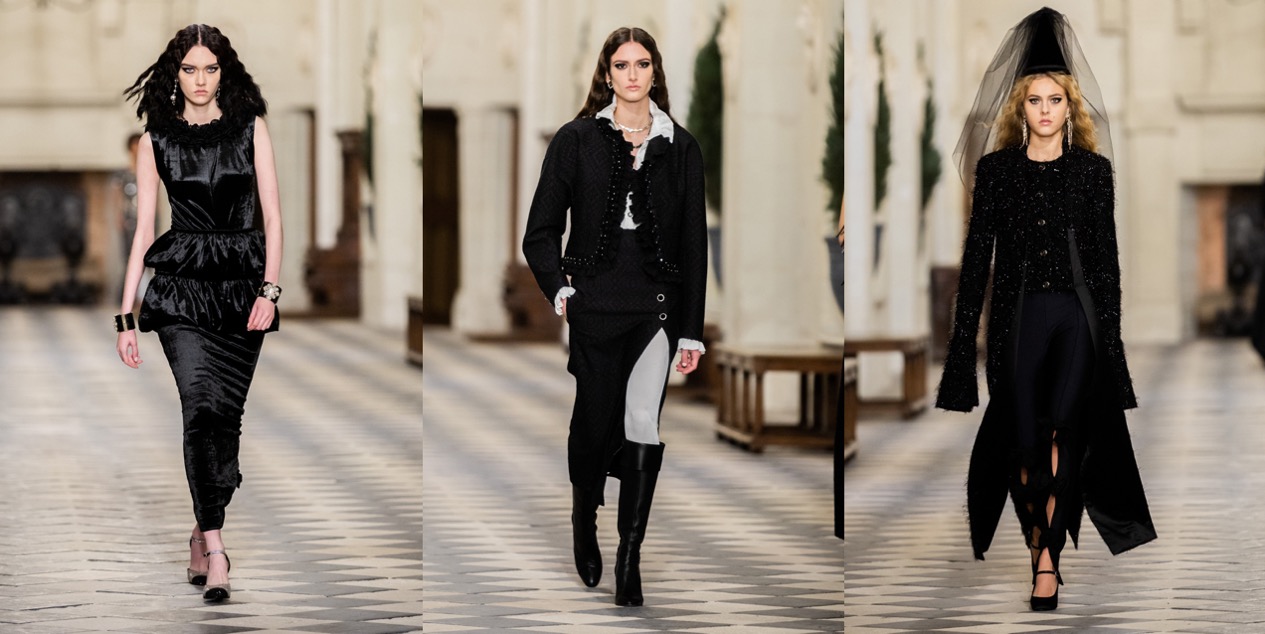
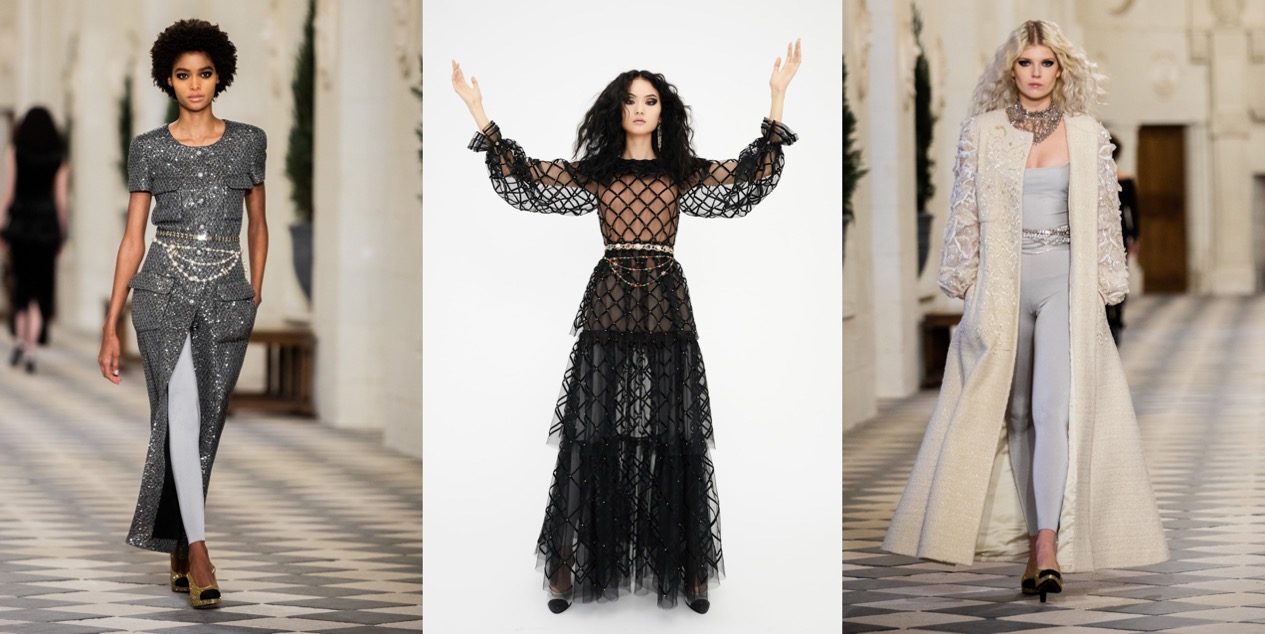
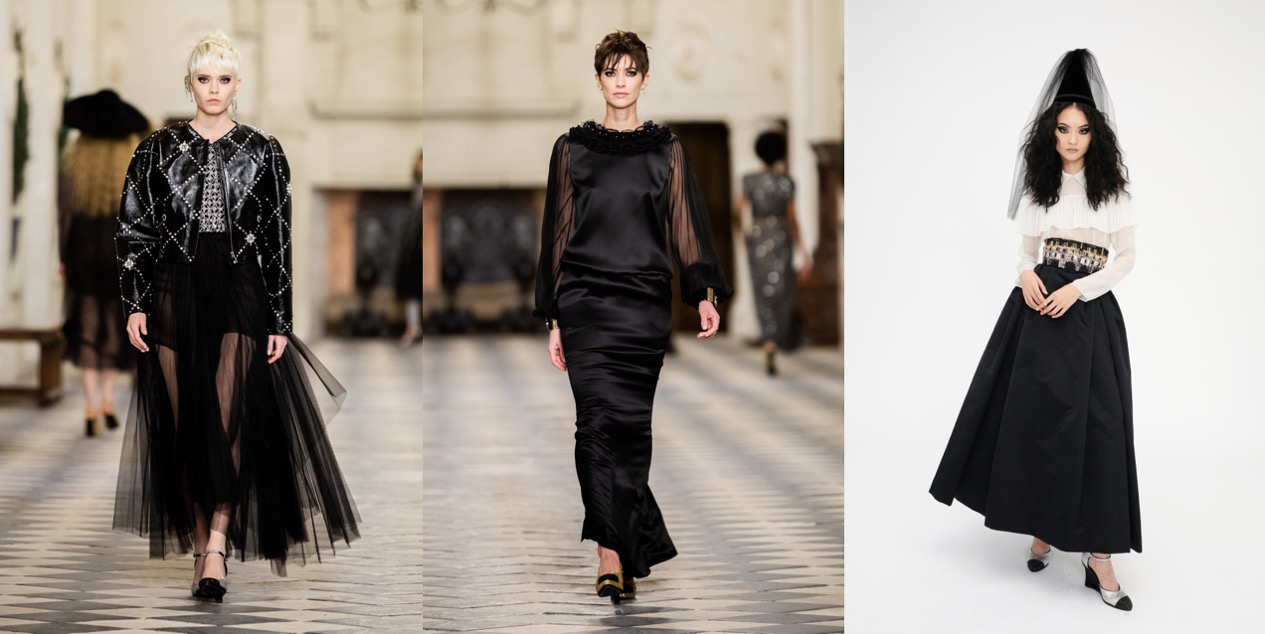
Virginie Viard‘s Chanel seems not to care about being “cool” or “relevant” – maybe that’s why her vision is often underrated and simply mistunderstood. Her Chanel is eternally… Chanel. And I think that’s why I learned to love it. This collection highlights the creative dialogue between Virginie Viard and the Maisons d’art, enhancing the creations of the house. This year, the Métiers d’art collection was held at the Château de Chenonceau, located in the Loire Valley and also known as Le Château des Dames. The show was nearly guest-less due to COVID-19 – there was only Kristen Stewart, the brand’s ambassador, in the audience (this had to be fun!). Le Château des Dames’s history is closely linked with the legendary women who alternately lived there: Katherine Briçonnet, Diane de Poitiers, Catherine de’ Medici, Louise de Lorraine, Gabrielle d’Estrées and Louise Dupin. In the second half of the 16th century, the queen of Italian origins, Catherine de’ Medici gave this residence the splendour of the Renaissance. As proof, numerous inscriptions of her monogram remain visible in the castle’s décor: two interlaced Cs that bear an astounding resemblance to the double C that Gabrielle Chanel presented as early as 1921 on the stopper of the N°5 perfume. Beyond the emblematic CC, echoes of the castle’s rich history meet the world of Chanel in the black-and-white hues of the tiling in the “Royal Gallery“, the appearance of the lion, Gabrielle Chanel’s beloved symbol, embroidered tapestries and in the ordered lines of the castle’s gardens. What about the collection? It’s pure elegance and craftsmanship, all created with the skills of Métiers d’art artisans: paruriers from Desrues, feathermakers from Lemarié, milliners from Maison Michel, embroiderers from Lesage and Atelier Montex, shoemakers from Massaro, goldsmiths from Goossens, glovemakers from Causse Gantier and pleaters from Lognon, in Paris and in France. The collection was a balance of princess style and something a bit darker. The chess board sequin miniskirts (and matching purses) worn over shiny lycra (or bejeweled stretch velvet) leggings, an amazing woven tweed ball skirt paired with a black sweater with Renaissance white flower motifs growing up the arms, capes, poet blouses, ruffled gauntlet gloves, and massaro’s D’Artagnan boots for a bit of 16th-century dress-up swagger. There’s a lot to love about this collection, especially seen through the lenses of Juergen Teller. Viard, as she explained, took inspiration from Lagerfeld’s fall 1983 trompe l’oeil “shower” collection for Chloé that featured embroidered faucets and showerheads spouting crystal water sprays. Her own playful trompe l’oeil, developed with the inventive embroidery house of Montex, reimagines the castle in Lego-like sequin bricks, used as cummerbund sashes that cinch the waists of full satin ball skirts worn with fragile organza blouses flourished with some of those Catherine de Medici–via–Coco Chanel ruffled collars. The chateau’s tapestries inspired intarsia knits and Lesage embroidered evening sweaters. Lemarie, meanwhile, famed for their feather and artificial flower work, are responsible for the trellis of black ribbons laid over translucent organza that evoke Chenonceau-era court dress with a light 2020 touch. That dialogue across the centuries is also expressed in the playful drama of a floor-length black velvet coat that opens to reveal a pale tweed body, gilt buttoned like a traditional Chanel jacket. Delightful.

Collage by Edward Kanarecki.