Men’s – Botswana. Givenchy AW16

_MON0607

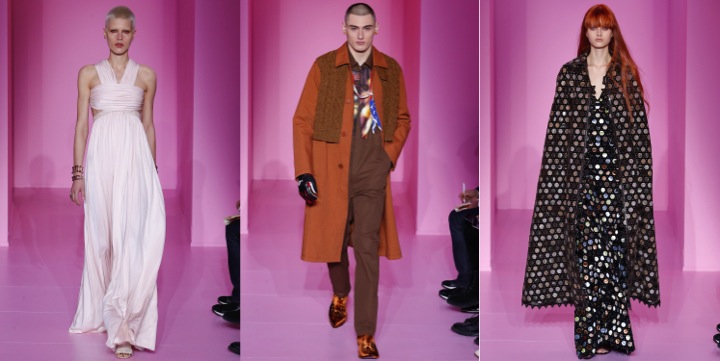
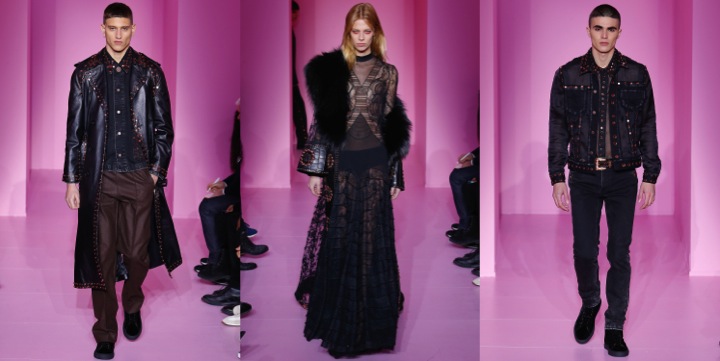
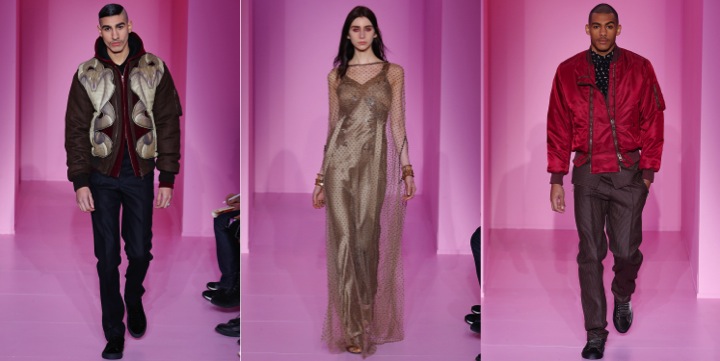
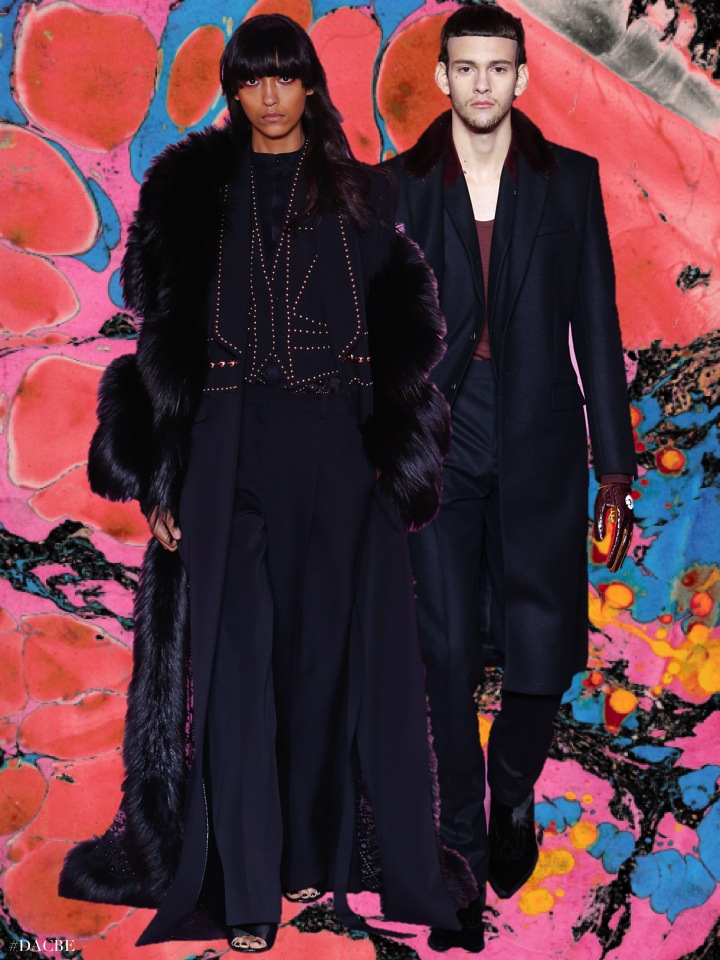
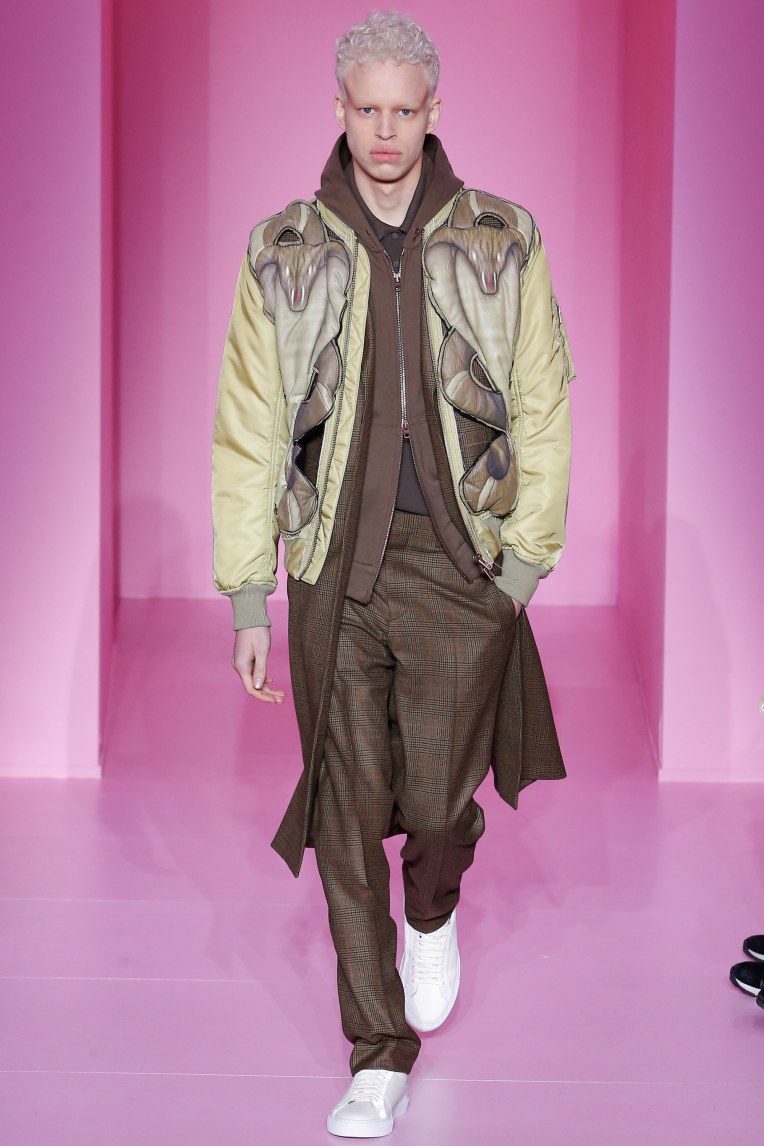
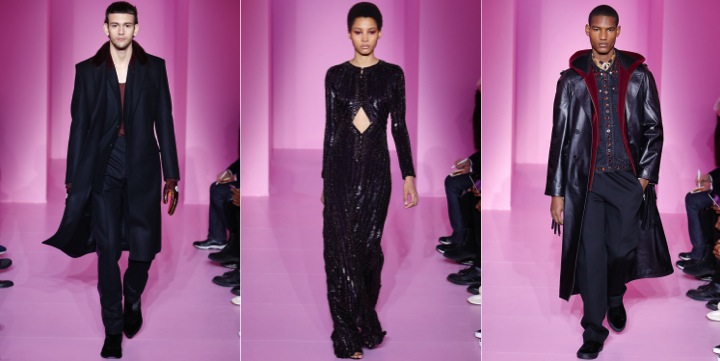
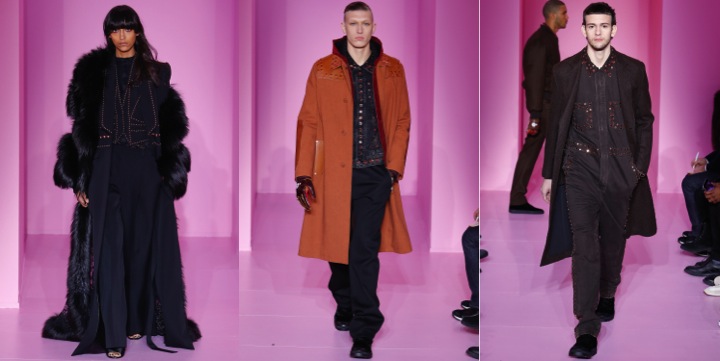
I’ve been so excited about Riccardo Tisci‘s stree-style-wise pre-fall 2016 look-book which was photographed in Berlin – but I don’t feel that excitement anymore, if talking of Givenchy‘s menswear outing. It just feels like a look-back at the collections that Tisci delivered for men in the last few years. This season, the mood-board was all about a very narrow and specific theme – it was photographer Frank Marshall’s images of Botswana and its music devotees dressed up in their favourite band t-shirts, fringed biker jackets and cowboy hats. Indeed, it’s quite difficult to imagine the leather-filled Wild West in the heart in this African country. “I looked in the book and saw these gangs, their freedom – it was something very new for me”. There was a free-spirited attitude in the collection, which has also brought a spotlight on Africa’s stereotype-breaking subcultures. However, if you won’t pay attention to what books Tisci holds on his bookshelf, then the menswear part seems to look good, but surely not ground-breaking.

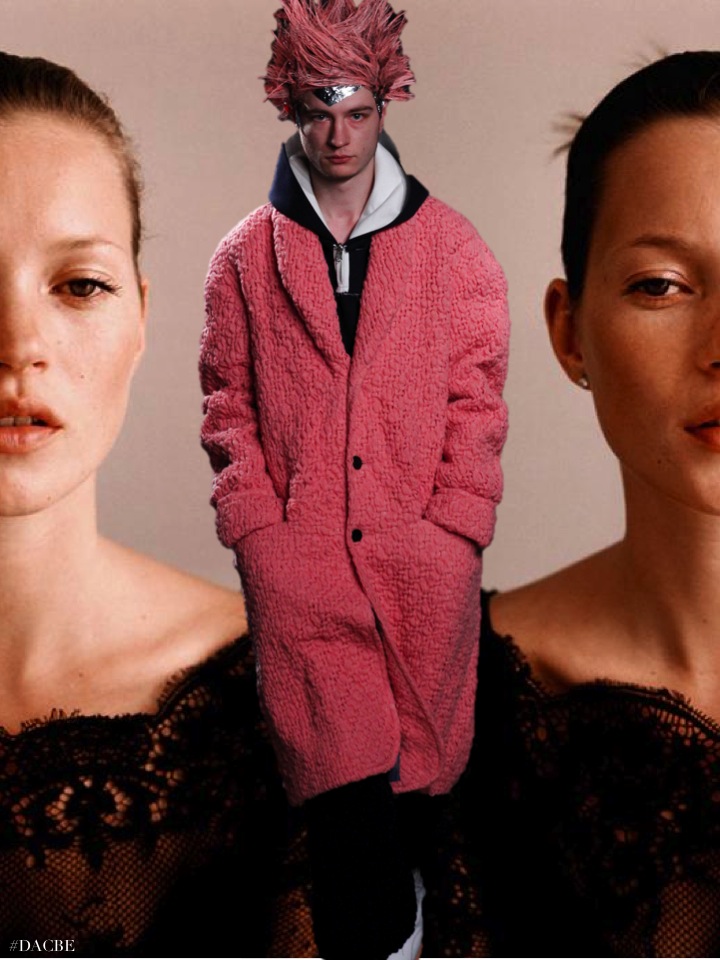
I have the same feelings towards the women’s part, which in reality is the spring-summer 2016 haute couture collection (smartly overlapped with menswear for the next season). Back in the days, when Givenchy’s creative director did separate haute couture presentations, everybody knew his girl well. You surely didn’t want to mess up with her. Her black, lace gown, fur stole and vampish make-up tells it all – she is a romantic, slightly gothic dame. And as you see, she hasn’t changed even a bit, she is still the Tisci girl from the Instagram favoured #GivenchyGang. The haute couture part is a collection of masterpieces (take the hand-embroidered cape with circular patterns), but just like in the case of menswear – doesn’t feel fresh.
Slide01

Slide04

Slide02

Slide05

Slide03

Slide1-kopia

Men’s – Opera Garnier. Dries Van Noten AW16

_DRI0735

Ok, Dries. You win.

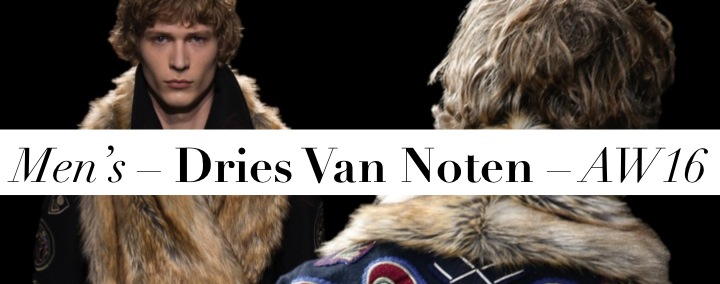
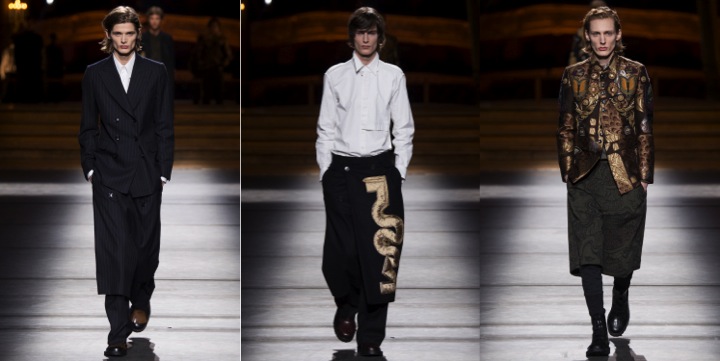
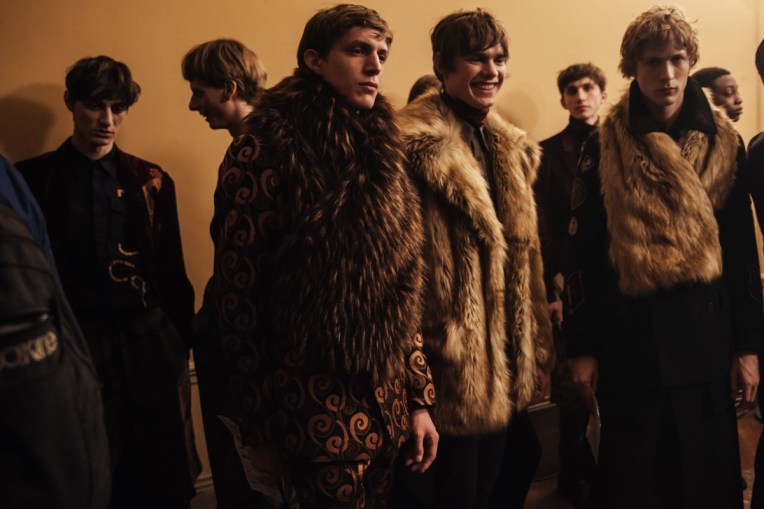
And it’s not only because you had the best fashion show venue, comparing to all the other designers and brands of this season. In fact, the runway was situated in one of the most important places in Paris – on Opera Garnier’s stage, from where the guests had a stunning view on the red, velvet auditorium. The Belgian designer said that he had been trying to book this place for 15 years: “Every year we applied and applied and applied, and every year they said ‘No.’ But then they said ‘Yes!”. So no wonder why the autumn-winter 2016 season seems to be extremely significant for Van Noten. The fashion industry holds two main types of designers – those who do a “show” instead of “fashion“, and those who do “fashion” but can’t afford or want to have a “show“. But Dries Van Noten is an exception – everything in his fashion show is in full, poetic symbiosis. And I tell you, the clothes from this menswear outing are as exceptional as the place they were presented in.

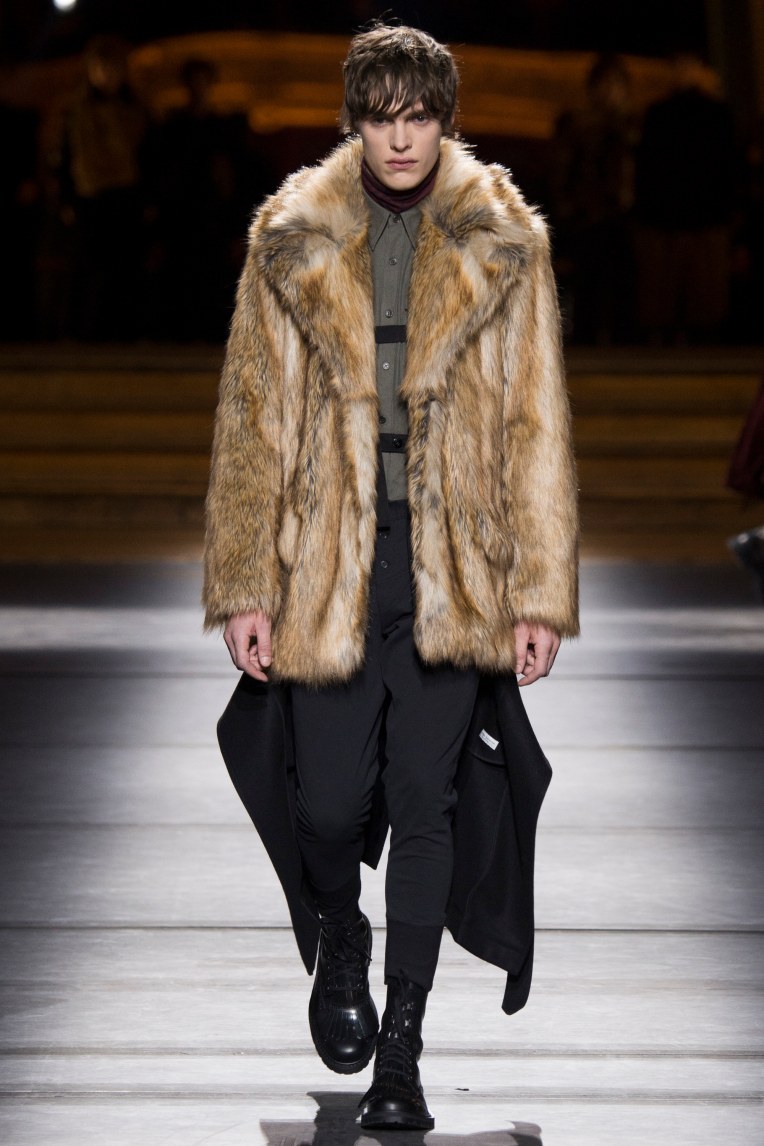
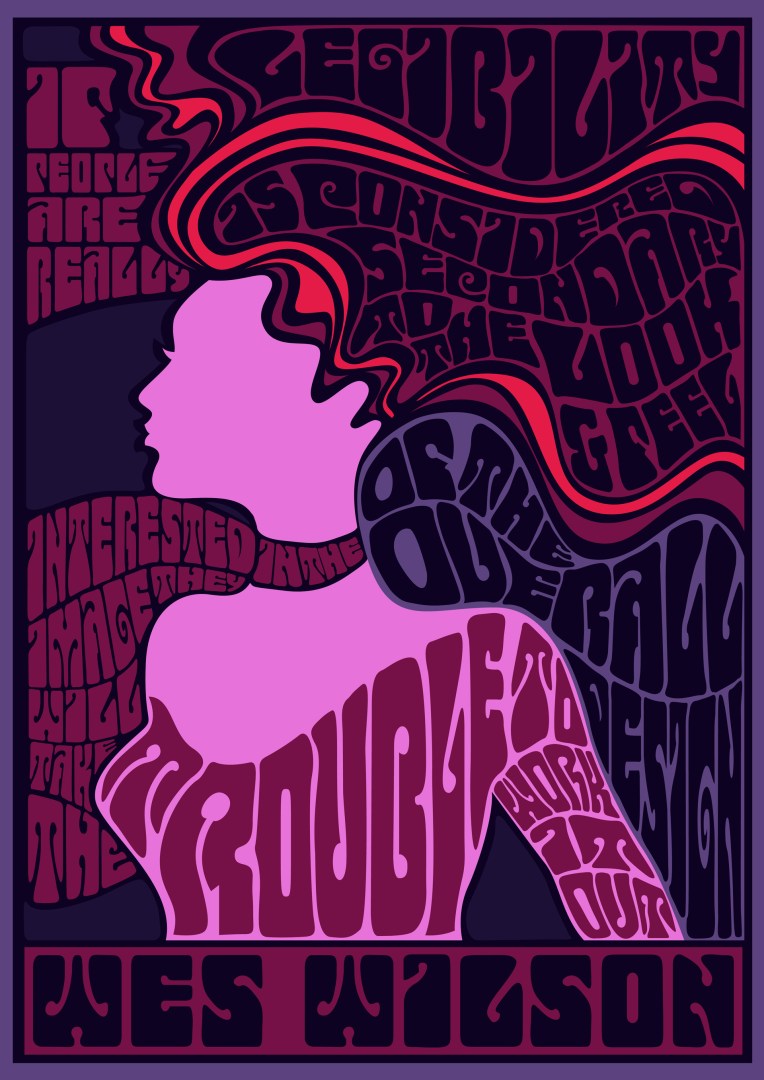
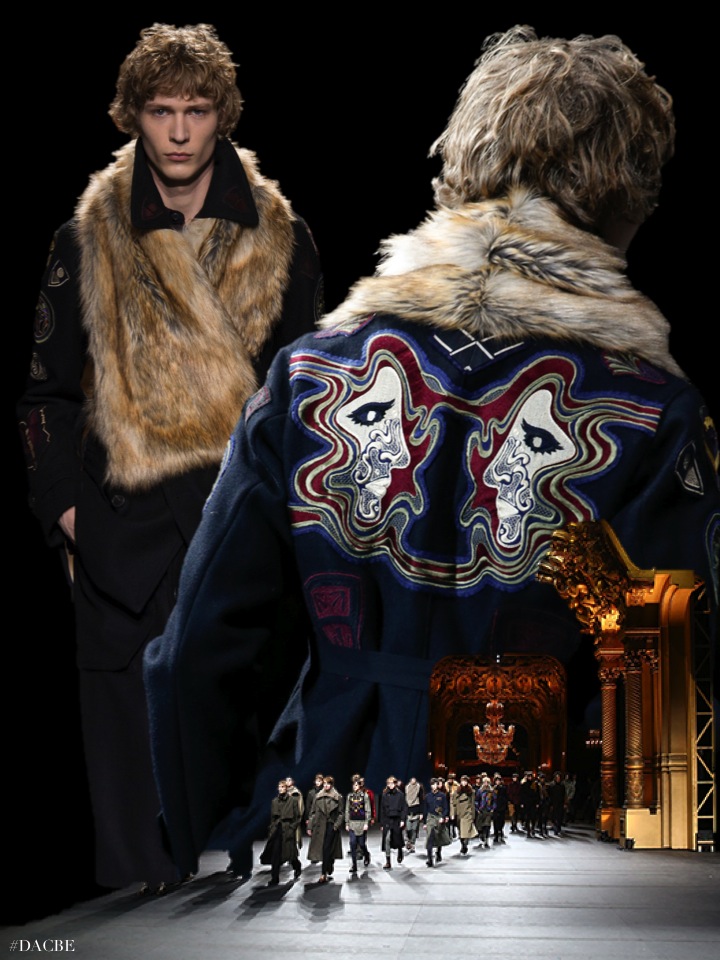
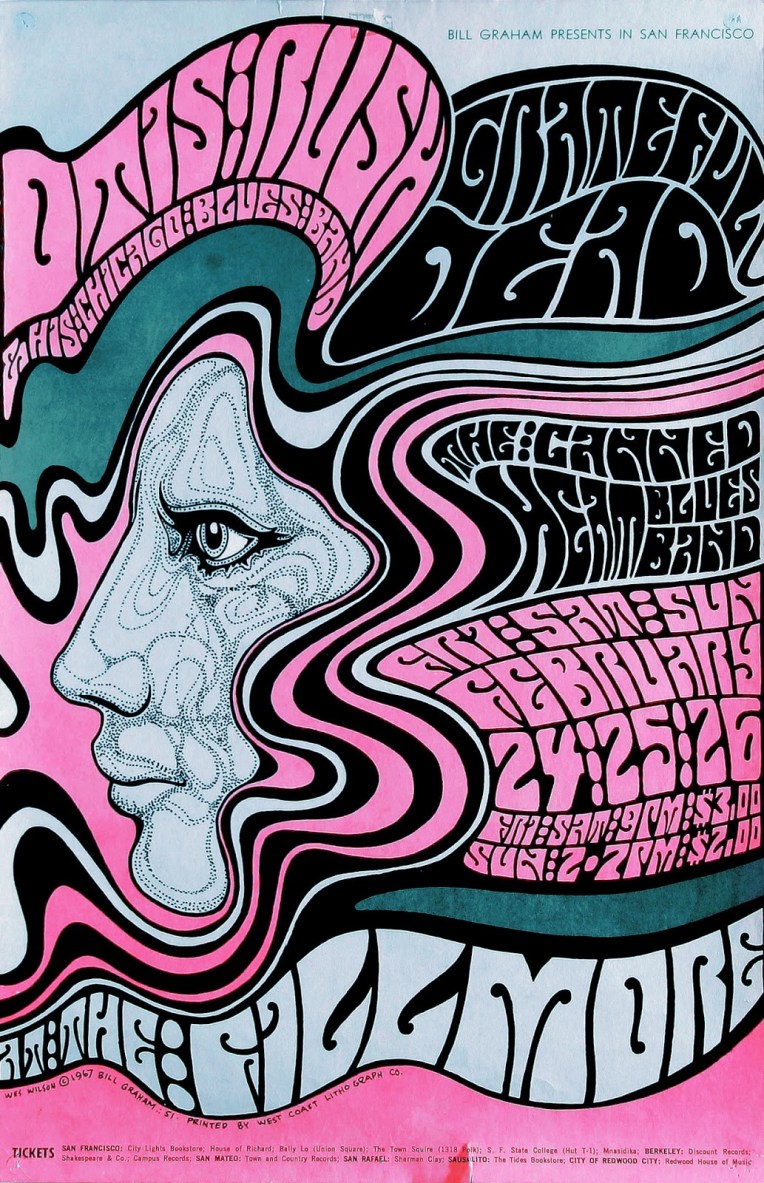
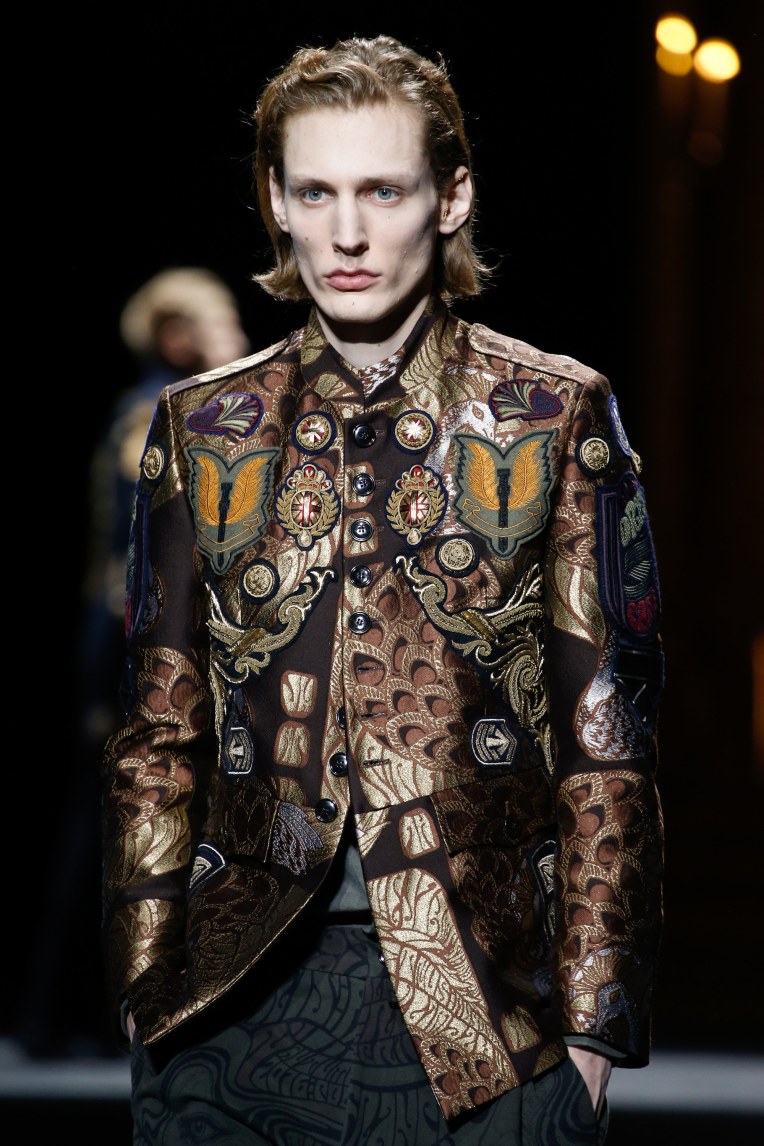
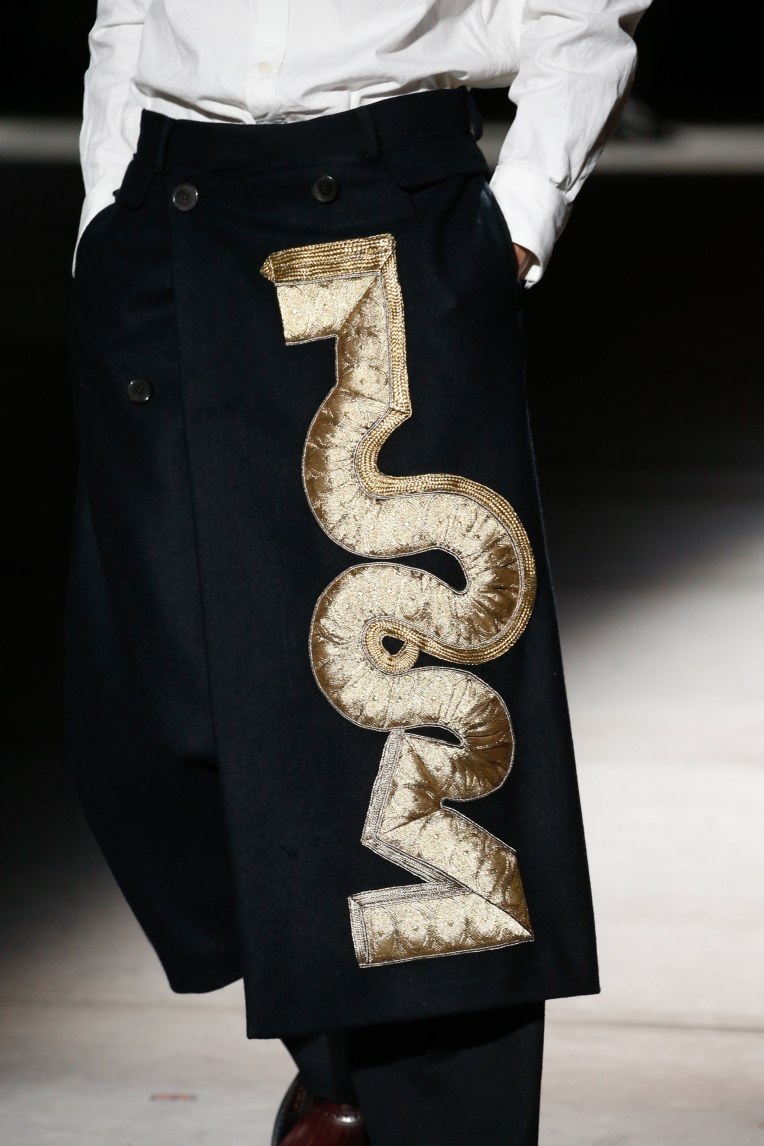
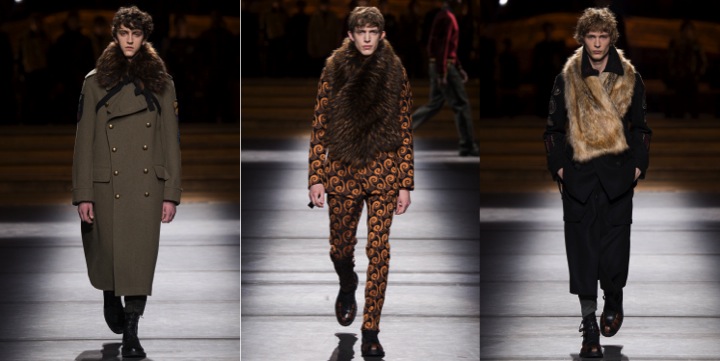
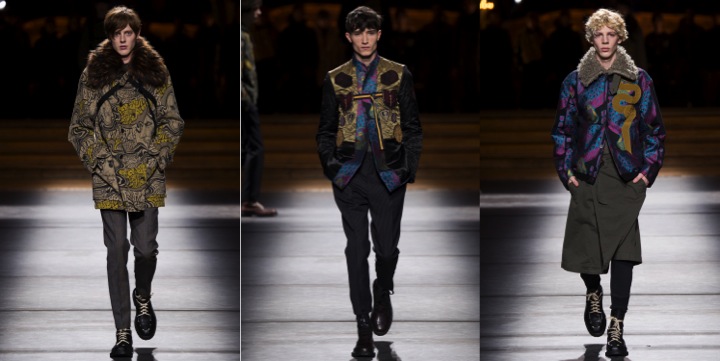
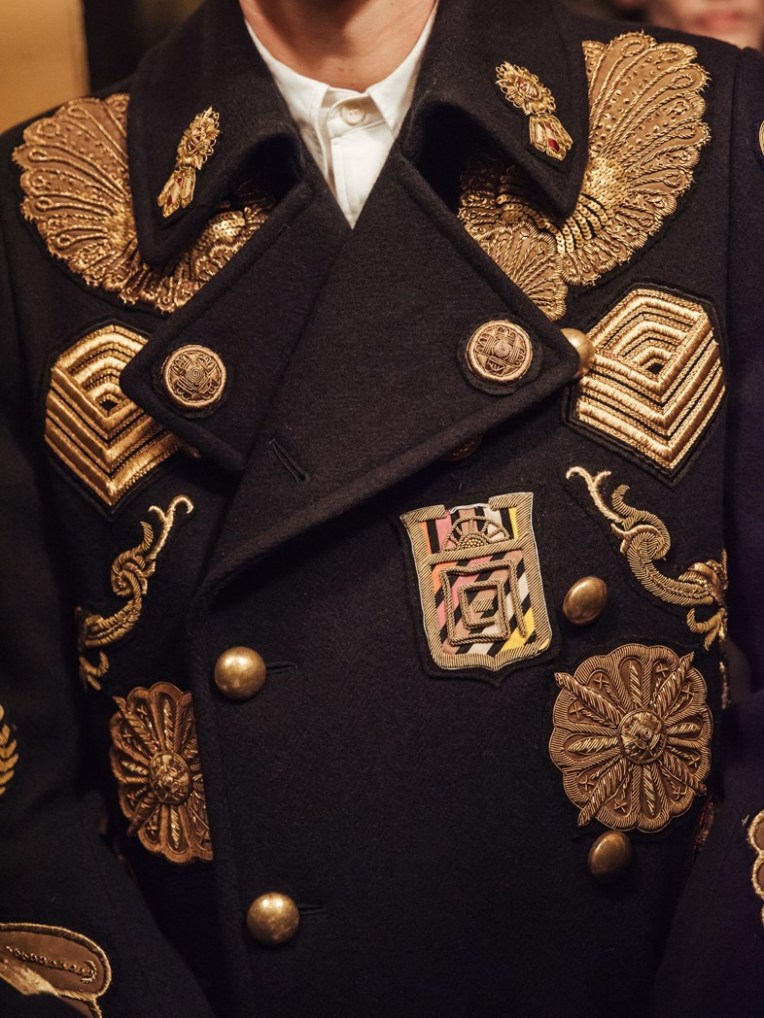
It all started quite calmly, with a few well-tailored tuxedos and coats. And then, then, it felt as if the Madame Butterfly appeared on the stage – the over-sized suits styled with turtlenecks; the magnificently embroidered military jackets with Belle Epoque motifs and baroque emblems; the to-die-for waisted coats with attachable fur collars made me sigh and feel the real, chronic yearning of the season. If talking of the oneiric, face embroideries, they were made in collaboration with Wes Wilson, the graphic artist who conveyed the visual expression of the psychedelic West Coast at its ’60s/’70s. There was a refreshing clash between the operatic, bohemian elegance and the “get high by the beach” skate-board guy. A kind of subverted reality.

“What is reality? What is the dream? Where does everything start and begin? So for me it was really good to be able to show here onstage and not in a room. It turns your world a little bit upside down.” Dries Van Noten has definitely staged the most beautiful (and additionally, wearable) collection up to now – but I don’t think anybody else will create a greater impression this season. A very, very high target is set.

Wes-Wilson-01_1920

Slide12

Slide2-kopia 3

1157659

Slide15

Wes Wilson_01

_A2X1191

1157669

_A2X1174

Slide14

Slide13

SONY DSC

1157671

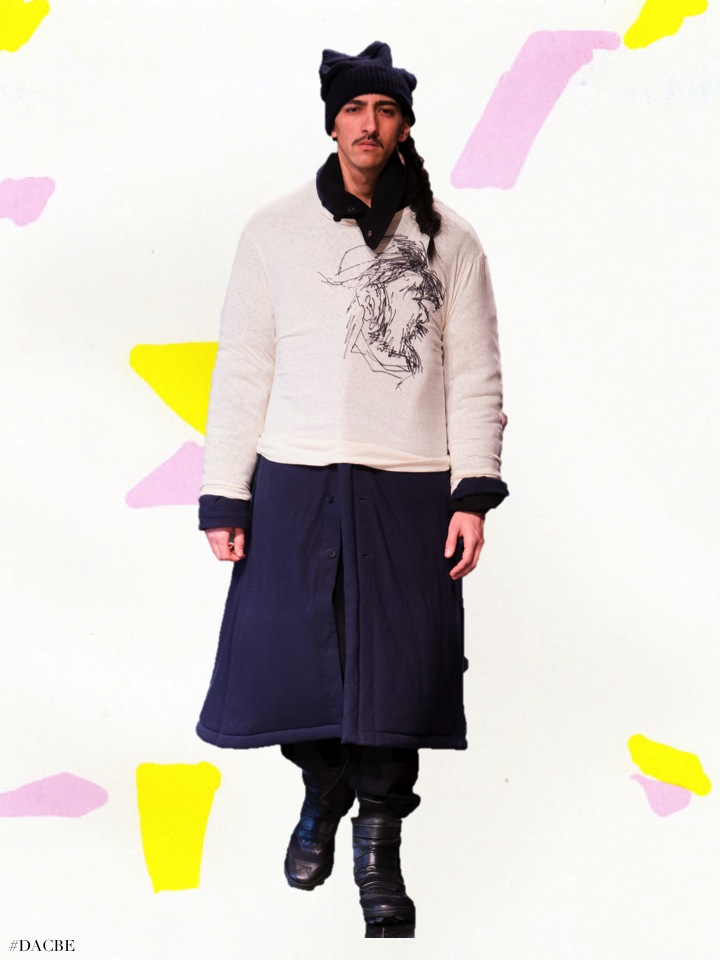
Men’s – Irony of a Man. Yohji Yamamoto AW16

_MON0566

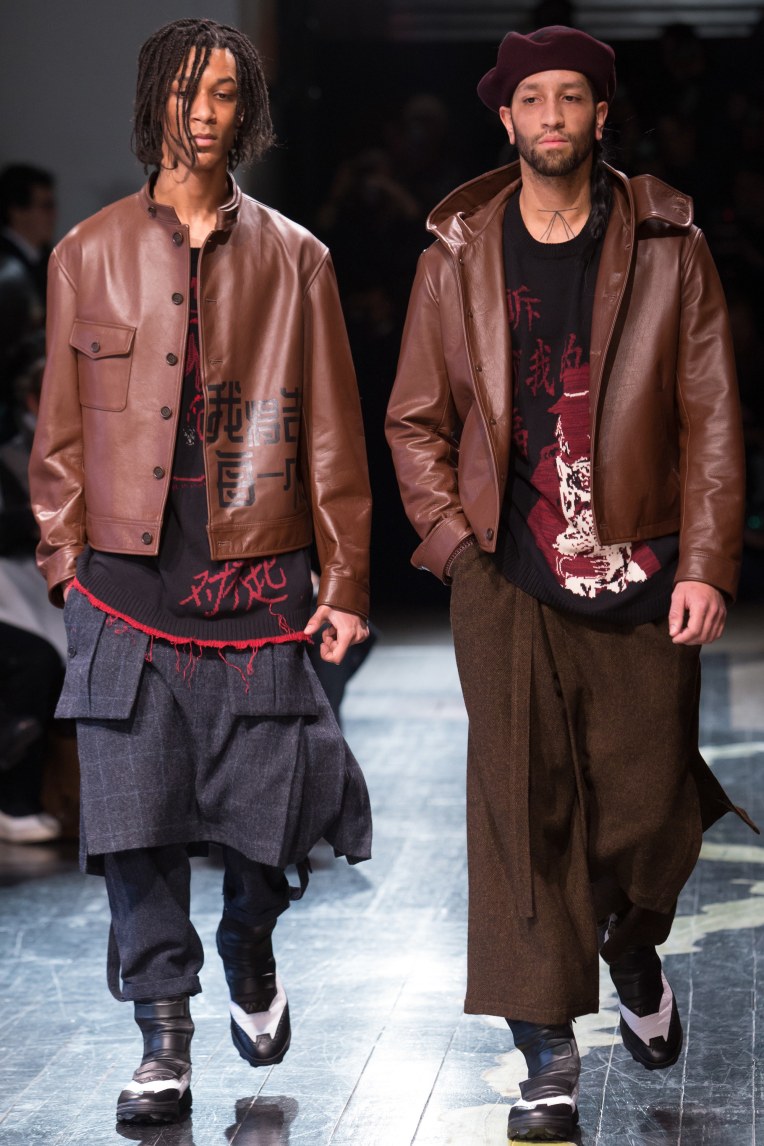
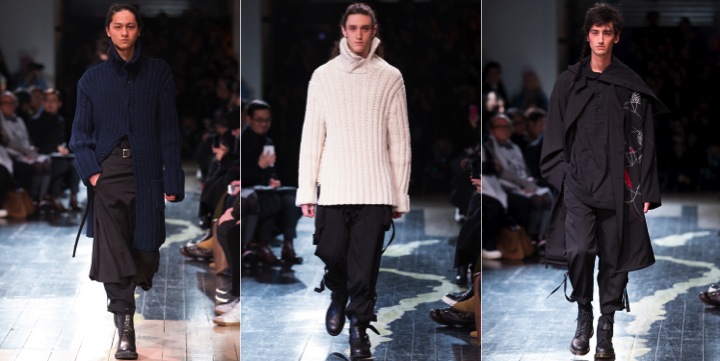
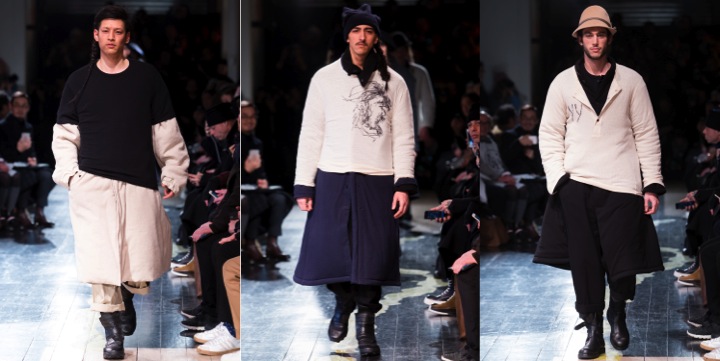
Yohji Yamamoto staged an elusive, but powerful collection for the autumn-winter 2016 season. The Japanese designer, who is known for his intellectual, yet sometimes difficult to understand garments, presented a collection which defines today’s masculinity. It might be an old-school, macho guy wearing a tank-top to show off his triceps; there is also the family man, who enjoys comfortable, soft knits. And let’s not forget about the boy who looks good in a man-skirt, which is basically a pocketed sheath covering a pair of woolen combats. Moreover, this meaningful collection was focused on the ironic, hand-stitched signs: “Corporate Motherfuckers” read the slogan on the back of a bumpy, cotton shirt. Then, “The only woman I know is my mother”, and “Help me I’m too hot”. Was this the next, Paris fashion week protest towards the global matters? After a wave of press’ questions, Yohji laughed, saying “It’s a kind of joke”. Whatever all of that means, this collection, based its beauty in its chaos, and in the abstract world of Yamamoto.

Slide16

Slide17

Slide19

Slide18

Slide3

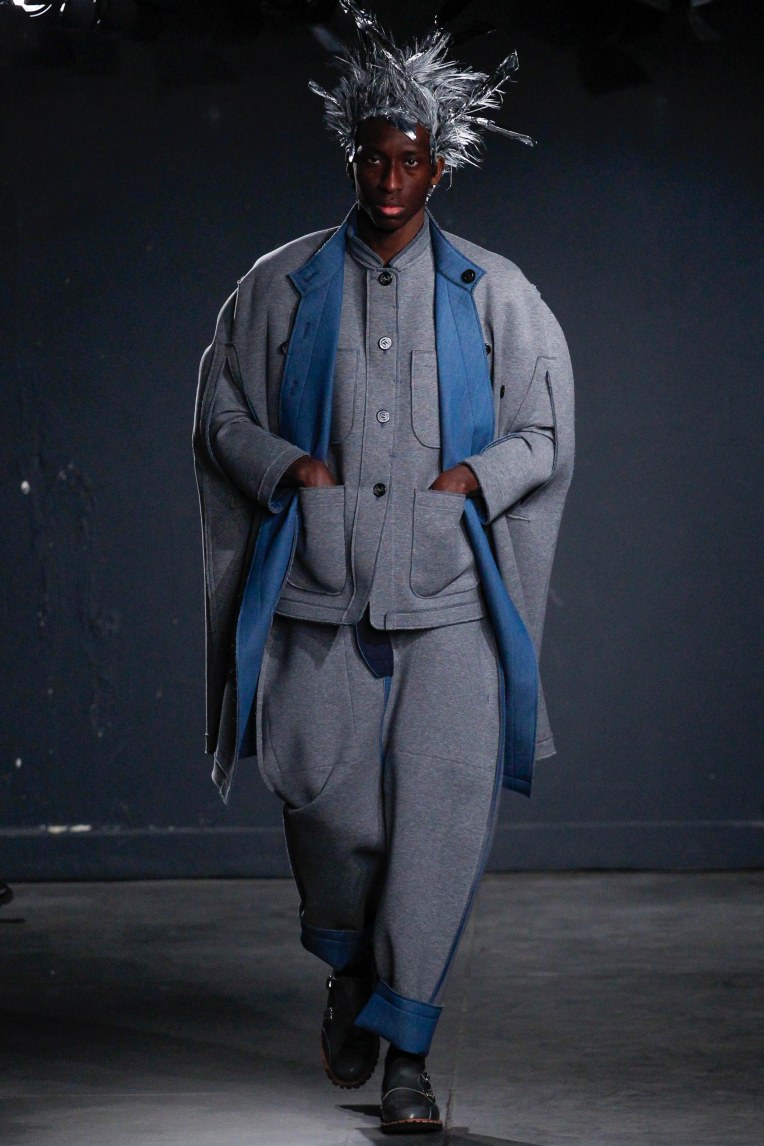
Men’s – Spongy Denim. Julien David AW16

_ARC0205

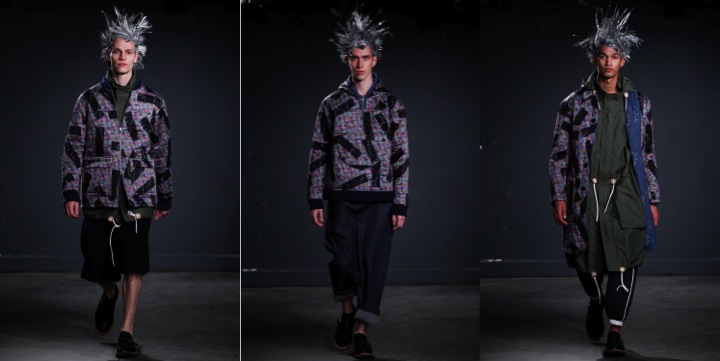
Julien David never, but never dissapoints to deliver the most exciting fabrics and textures for his menswear collections. Spongy denim. Do you feel it? ‘Cause I do. Utilitarian jump-suits, blazers, pants, coats – I want to have nearly every single piece from autumn-winter 2016 collection, made of this fabulously durable, warp-faced cotton textile. Moreover, this collection is inspired with Akira, a dystopian anime film from 1988, set in futuristic Tokyo. No wonder why Japan, and its modernistic approach, is constantly appearing on Julien’s mind – all of his clothes, for both men and women, are manufactured in Japan. Except the sharp, aluminum spikes on models’ heads, the collection didn’t directly show the stereotypical, bold nature of anime characters; to a big extend, it was all about a comforting neutrality. And whatever they say about the prosperity and functionality of high-tech textiles, David believes denim will still rule in the future.

Slide08-kopia

Slide09-kopia

Slide10-kopia

Slide11-kopia

Slide1-kopia

Men’s – Safe and Defend. Gosha Rubchinkiy AW16

_GOS0117

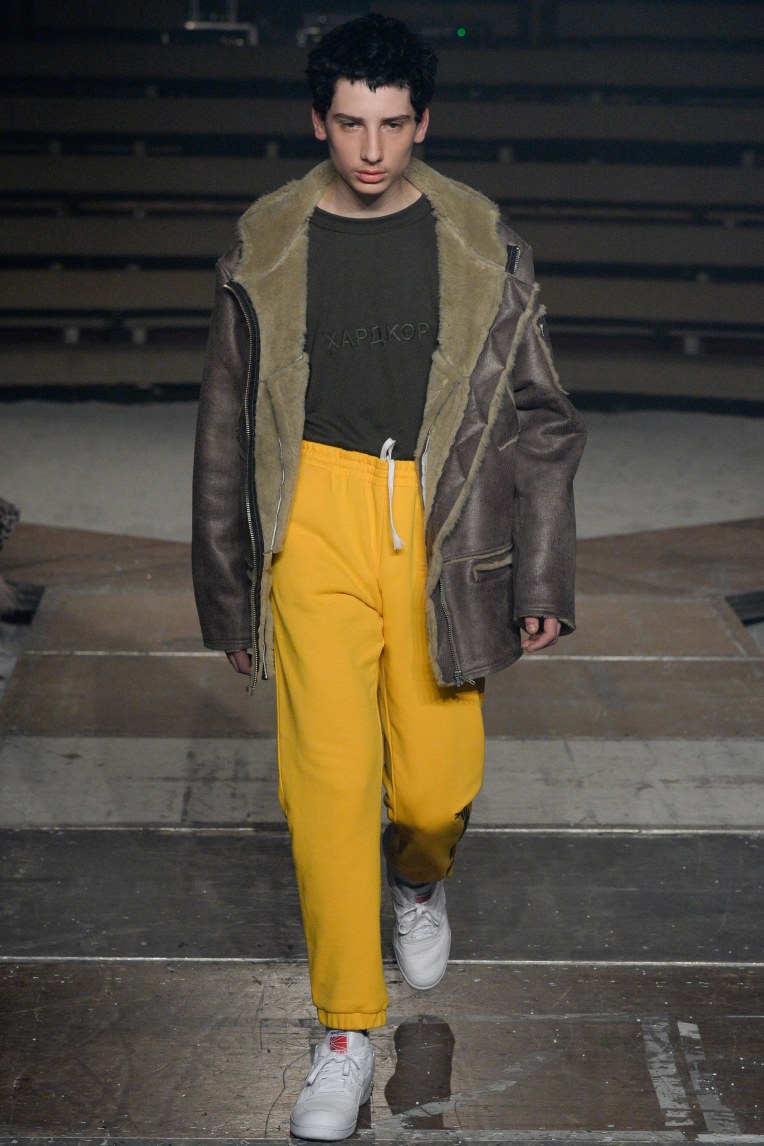
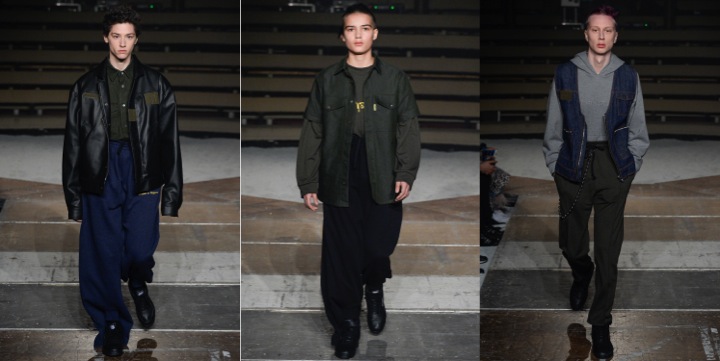
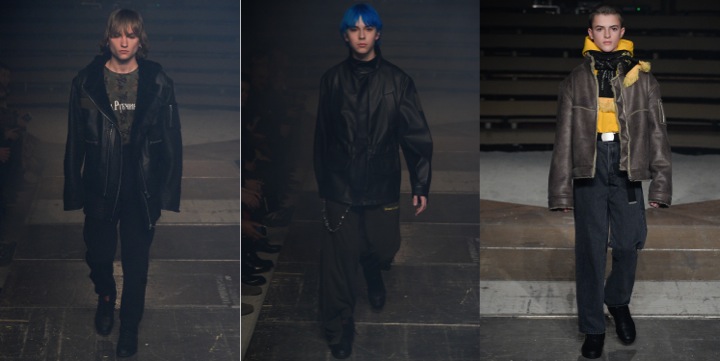
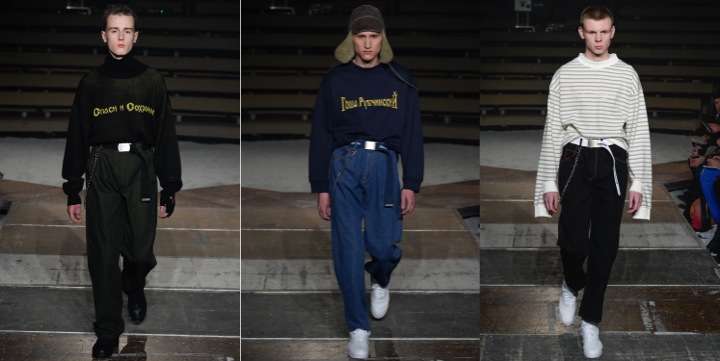
Cпаси и Cохрани. “Save and defend“. If the menswear fashion month wasn’t depressive enough (take Prada’s response towards migrants and Rick Owens’ apocalyptic vision of the world), then Gosha Rubchinskiy delivered us a dose of sweatshirts with Cyrillic signs, which aren’t too optimistic in their meaning either. In Orthodox religion, “save and defend” is a caption which accompanies nearly every icon – they are meant to protect an individual from different  oppressions. However, in Gosha’s collection, the sweatshirts were more like direct messages to the world – which might, or might not refer to Soviet nations (specifically Russia), which suffer from political and economic crisis. Traditionally, Rubchinskiy sent the runway with street-cast boys, who had the “I don’t care it’s a fashion show” look in their eyes. The Russian designer is known for his raw and extremely off-duty style – the Tam-Tam Club, a St. Petersburg nightclub from the 90s built-in a former Communist Youth building, is what Gosha mentioned as a place he recalls the closest to autumn-winter 2016 attitude. If talking of the clothes, we all know the signatures – the Гоша Рубчинский (translates into Gosha Rubchinskiy, of course) tops, yellow sweatpants and over-sized, slightly tattered biker jackets phreshed off the runway. In other words, the idea which begun the Gosha Rubchinskiy cult hasn’t changed much. Surely, the designer’s loyal followers will fall in love with these looks.
Slide05

Slide06

Slide07

Slide2-kopia