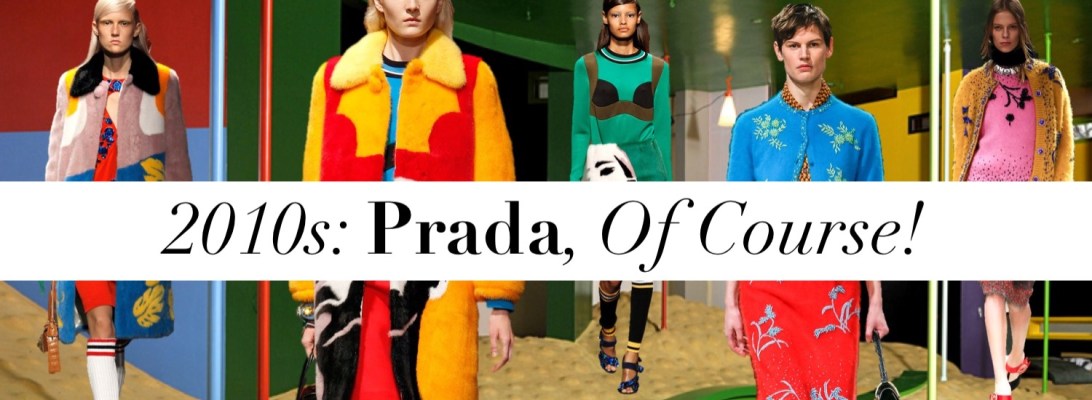
The 2010s: Prada, Of Course!

PRADA

Believe it or not – I can’t! – but we’re heading towards a new millenium. So, how do you choose the most important collections, designers and labels of the decade? The ones that made an actual impact in the 2010s? Well, it’s not an easy task. It all began in September 2009 with New York’s spring-summer 2010 shows and ended when the autumn-winter 2019 haute couture shows wrapped in Paris. Few thousands of shows, by the way. There will be 19 posts (that’s really the only possible minimum!) reminding about the best – and if not the best, then strongly influencing – moments in fashion.

Prada, Prada, Prada!

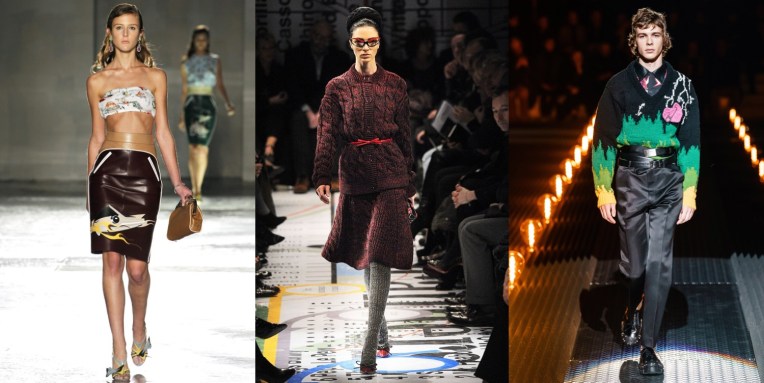
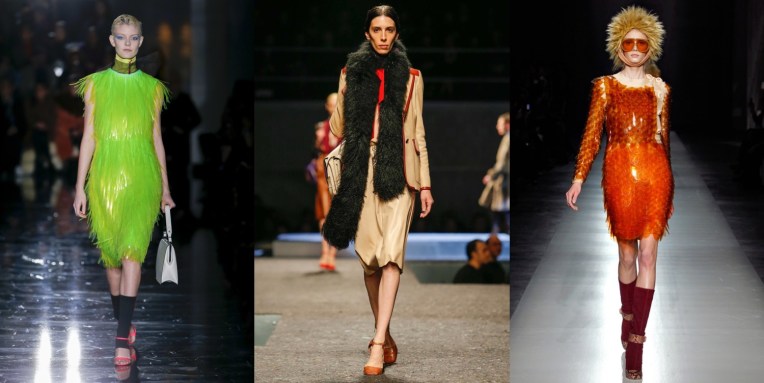
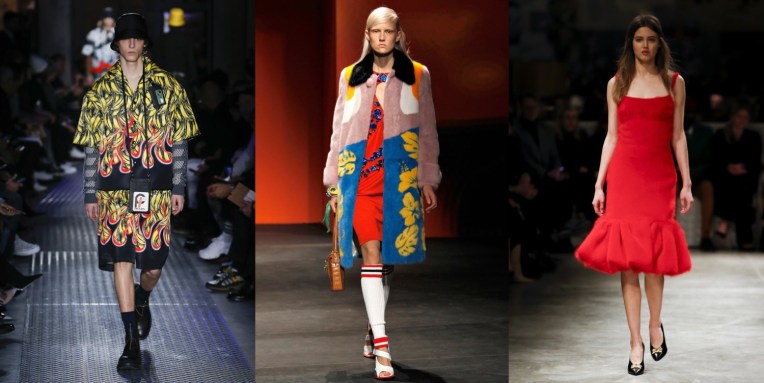
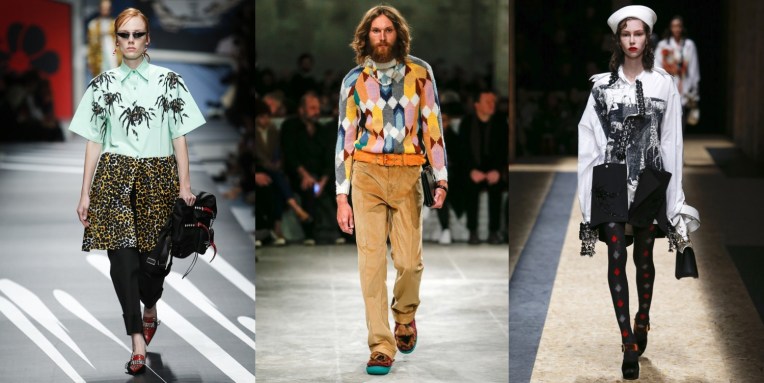
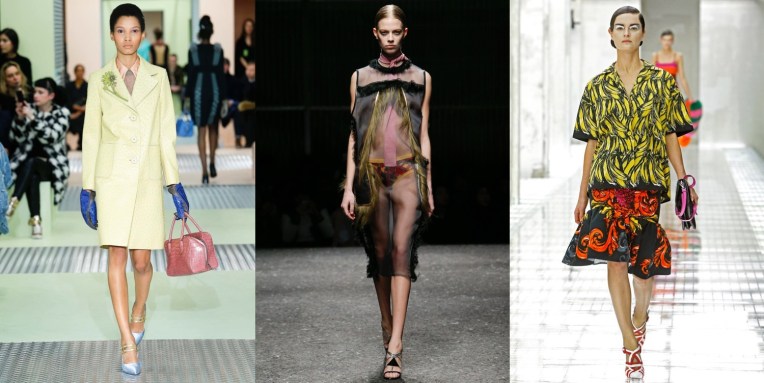
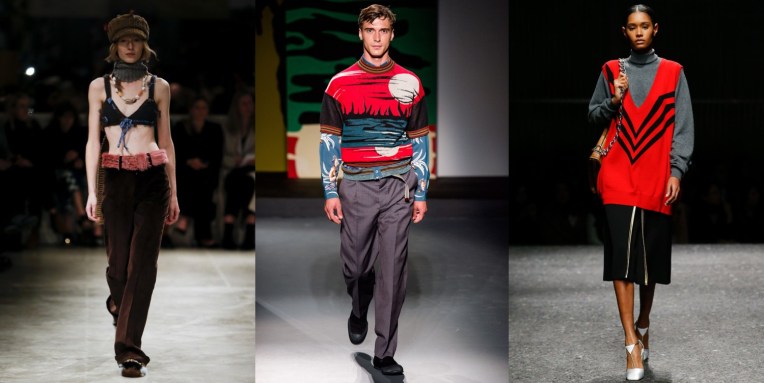
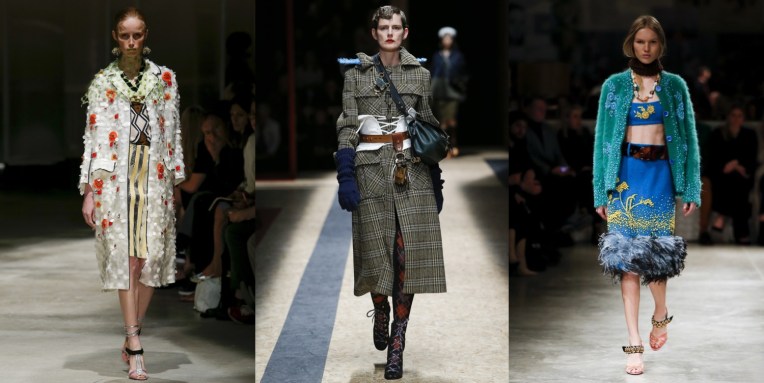
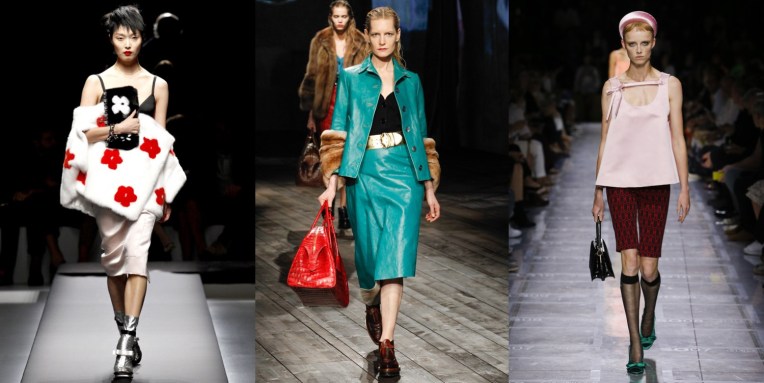
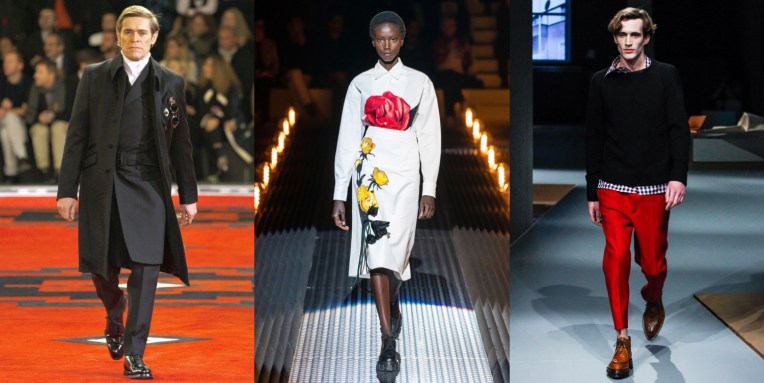
Miuccia Prada is certainly one of the most influential fashion designers of our time. Her fashion isn’t just fashion: it’s an on-going dialogue between art, society, culture, and at times even politics. Her Prada woman and man jump from being decadently eccentric to modernly elegant; they can be vagabond, they can be sophisticated, they can be bold in their neon nylons and printed banana shirts (so Jeff Goldblum!). In her 2010s collections, Prada turned her talent to the reivention of a more conventional expression of beauty, striving to modernize embellishment, taking fabrication and surface detail to unprecedented heights, fusing plastic with precious silks, showing cable knit alongside cable knit prints and cable knit embroideries, imagining and then realizing her own spectacular brocades offset by humble cottons borrowed from menswear. Nearly each collection Prada presented in this decade is iconic – and can be recalled by coining separate themes or words (Madame Frankenstein, Japan, pin-up girl, film noir, Margot Tenenbaum, sailors, pastels, stripes, The Bitter Tears of Petra Von Kant…the list goes on!). Noting other successes of Prada in the 2010s – like Fondazione Prada in Milan, re-opening the Linea Rossa line, the non-stop growth of Miu Miu’s allure – I really can’t wait to see how Miuccia shapes her 2020s…
Slajd01Slajd02Slajd04Slajd03Slajd05Slajd09Slajd07Slajd10Slajd08Slajd06Slajd11

Collage by Edward Kanarecki.
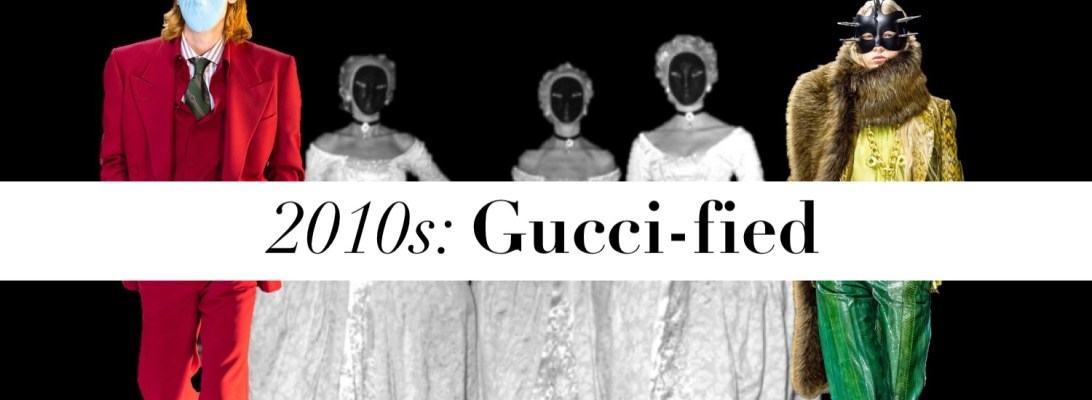
The 2010s: Gucci-fied World

Slajd1-kopia 8

Believe it or not – I can’t! – but we’re heading towards a new millenium. So, how do you choose the most important collections, designers and labels of the decade? The ones that made an actual impact in the 2010s? Well, it’s not an easy task. It all began in September 2009 with New York’s spring-summer 2010 shows and ended when the autumn-winter 2019 haute couture shows wrapped in Paris. Few thousands of shows, by the way. There will be 19 posts (that’s really the only possible minimum!) reminding about the best – and if not the best, then strongly influencing – moments in fashion.

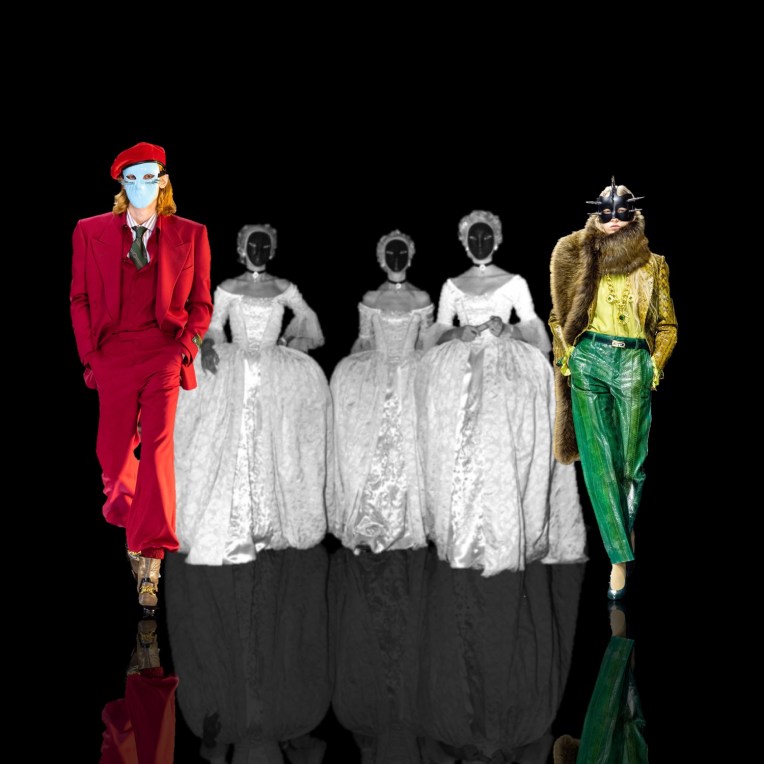
Alessandro Michele‘s Gucci-fication.

The day when Alessandro Michele was appointed the creative director of Gucci, nobody had a clue what awaits the brand. Not only the unprecedented commercial success was a surprise, but also the completely new and idiosyncratic way for a big fashion brand to communicate globally with its audience. Today, you can’t imagine the fashion world without Michele’s vision of Gucci: opulent, rich, gender-blurring and absolutely Italian. His womenswear surprises with splendor and grandeur: it’s romantic, over-the-top and finds inspiration in the least predictable places (like bootcamp Gucci or Dario Argento’s horrors). Michele’s version of masculinity has become fashion’s predominant one: an idea not just for men in skirts but of men embracing loveliness, textural richness and glamour – things that not a while ago were reserved largely for women. Alessandro does things in his signature, retro-infused aesthetic with consistency – whether we’re speaking of the advertising campaigns (they are always out-of-this-world and jaw-dropping) or collections that can always be mixed together, creating a Gucci look.

Collage by Edward Kanarecki.
Hot. Bottega Veneta Pre-Fall 2020

Slajd1-kopia 9

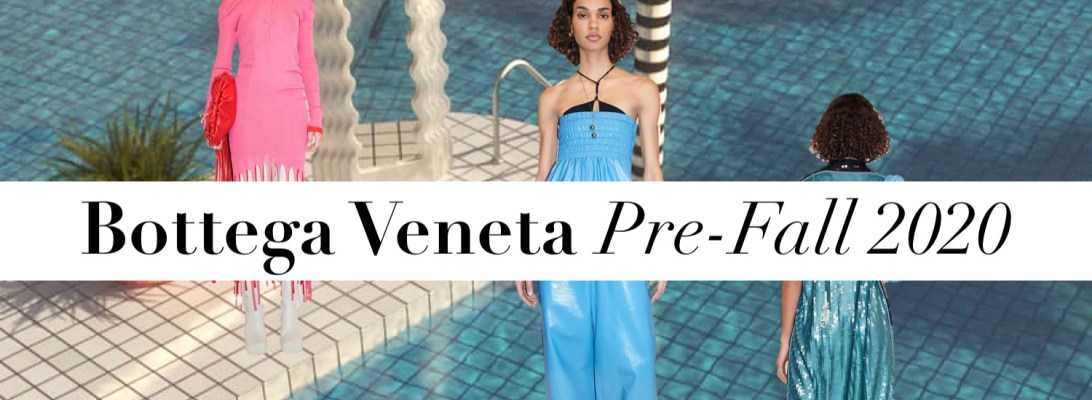
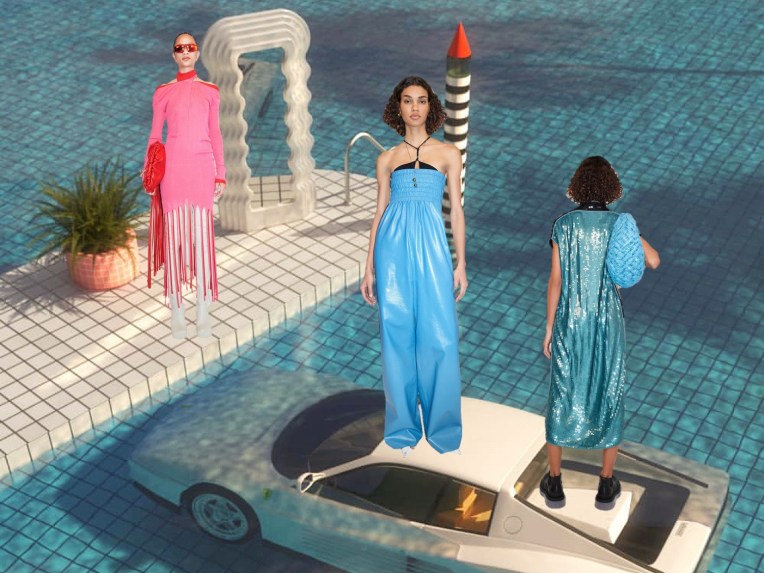
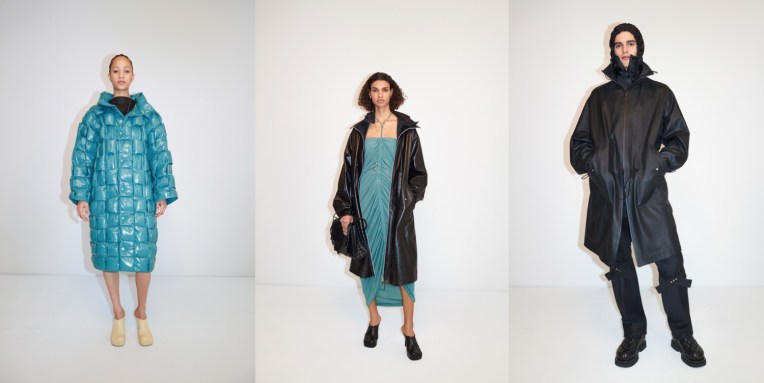
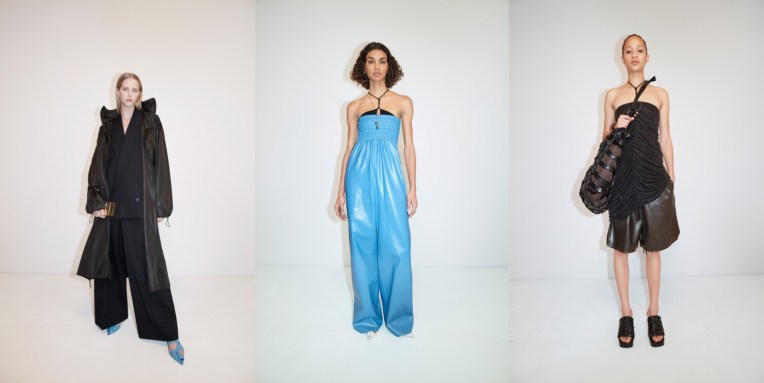
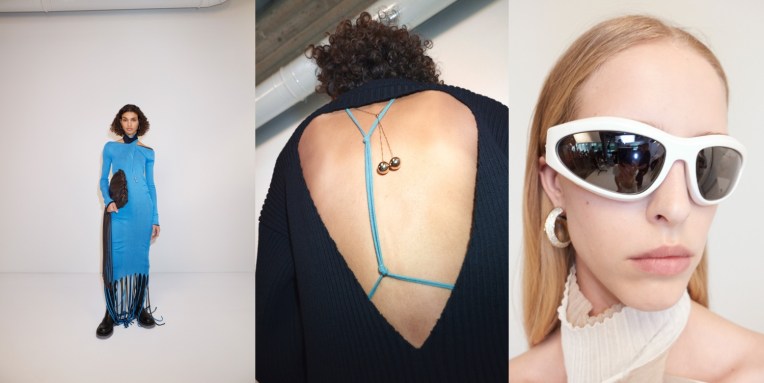
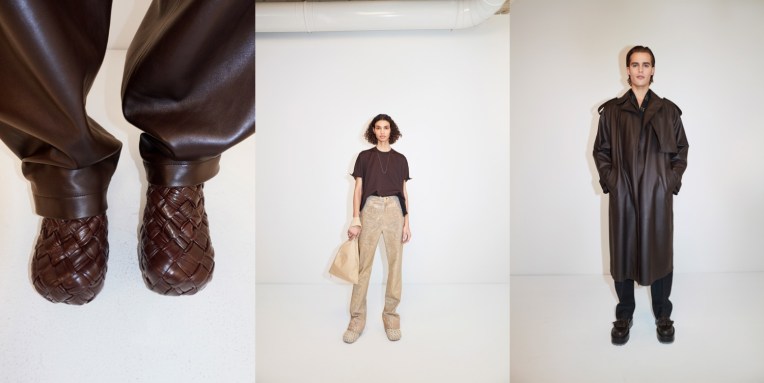
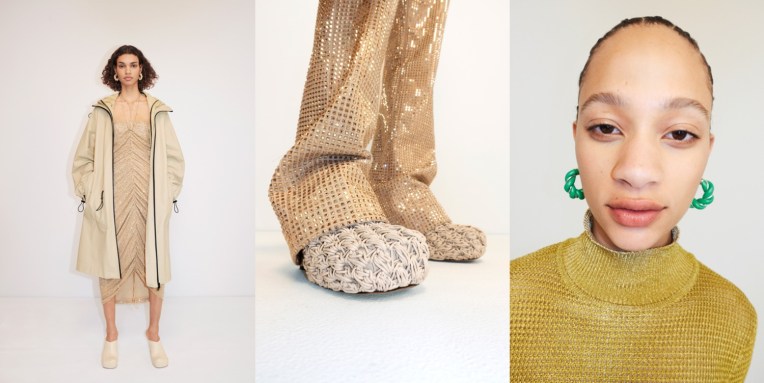
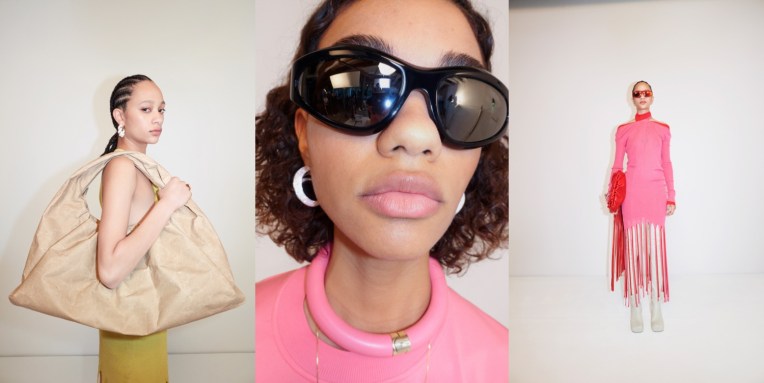
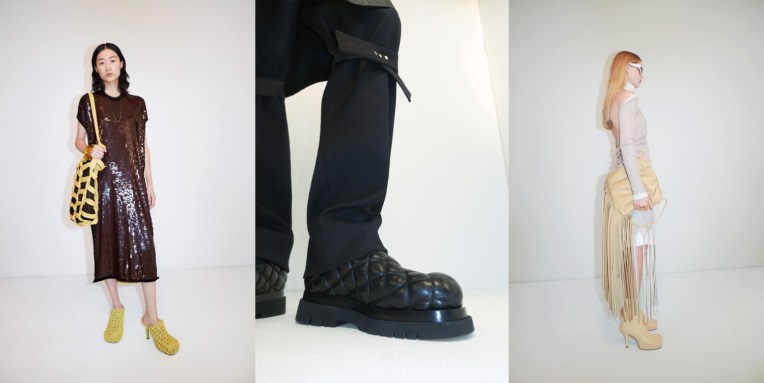
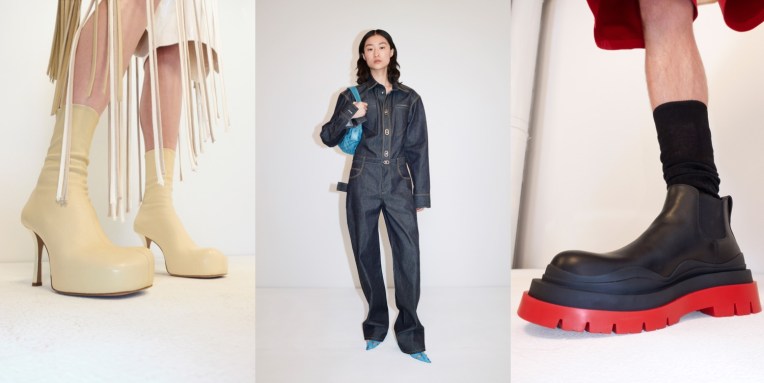
Maybe Daniel Lee‘s winning of nearly every nomination during the recent British Fashion Awards wasn’t such an exaggeration. His pre-fall 2020 collection for Bottega Veneta is so, so, so hot. First, he let colour in. The splashes of cobalt blue, rubber pink and sun-drenched ochre is a combination that will inject vibrance to your autumn wardrobe on a daily basis. Then, all the leather. Lee proves once again his respect for Bottega Veneta as a leather house, creating wonders. The signature intrecciato weaving goes XXL in coats and bags, the shoes get fun bubble quilts and the polished, over-sized pants have an amazing, butter-y texture. Also, something has shifted in Daniel’s ready-to-wear. Comparing to his last autumn-winter season, this one feels very sensual and body-friendly. Just take a look at the knitted dresses and tops with ankle-lenght fringes or the fluid-like sequinned eveningwear. Not speaking of the tailoring, which gets more and more refined with every season. And Bottega denim? A big yes.

Slajd1-kopia 12Slajd3Slajd2-kopia 4Slajd4Slajd5Slajd8Slajd7Slajd9

Collage by Edward Kanarecki.

Clothed Bodies. Gucci Pre-Fall 2020

GUCCI

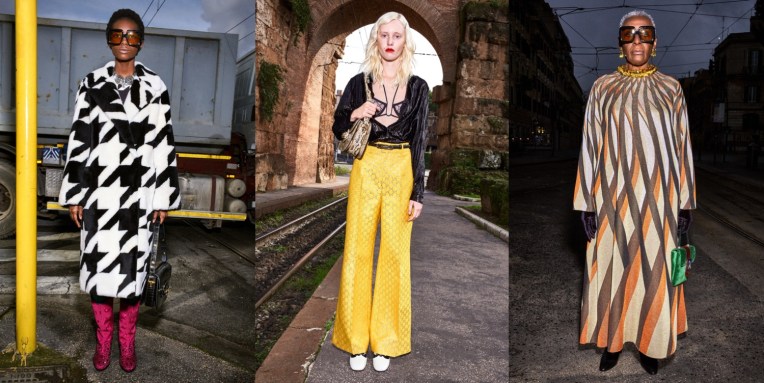
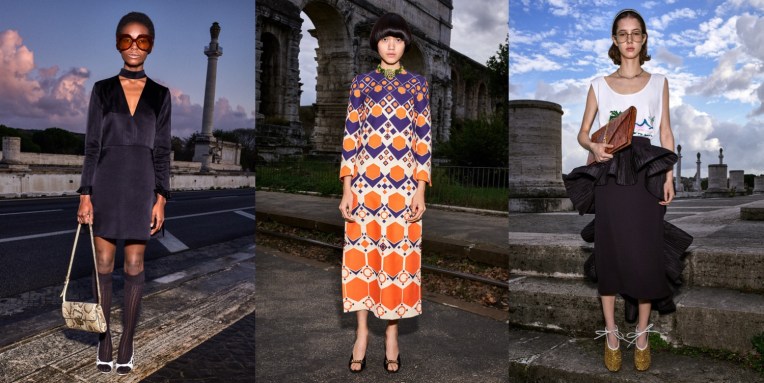
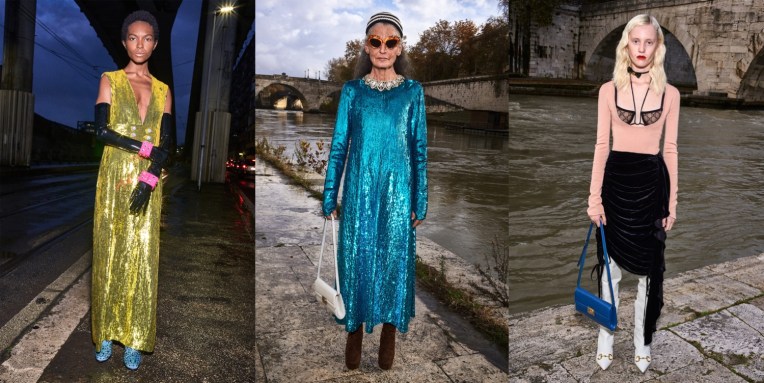
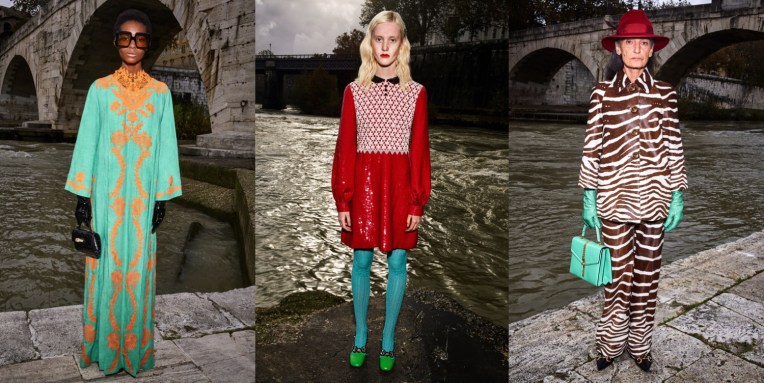
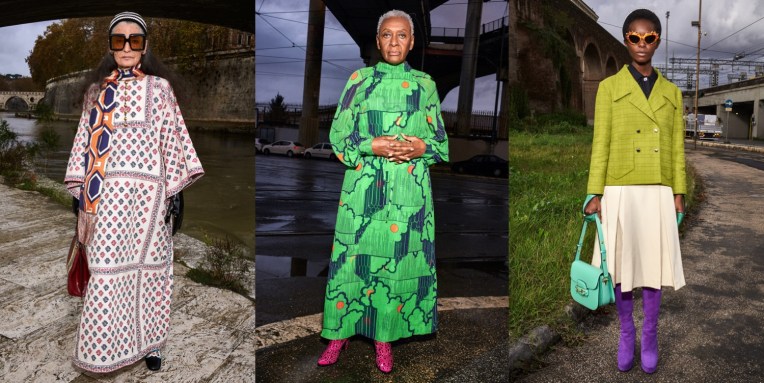
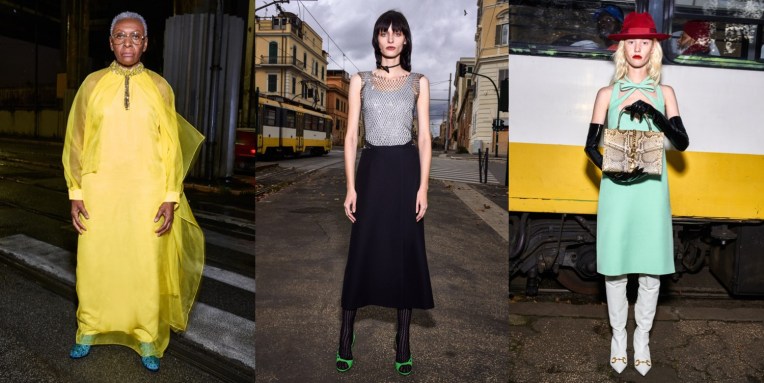
Alessandro Michele‘s pre-fall 2020 collection for Gucci is the post scriptum of his vision he staged back in September. “It tells the same story about proportion, silhouette, and, above all, the balance between shape and color,” he summed up. Balancing contrasting bearers of meaning in the same outfit has always been a Michele’s skill. He simplified his looks – cleaning it up (aesthetically) definitely works for Alessandro lately. Shapes had clarity, with hints to the elegance of the 1960s (trapeze dresses in solid colors or in black with cutout décolletage; short capes calling to mind Pierre Cardin’s futuristism; bold floral ensembles with boxy-cut little jackets) and to the free-spirited bohemia of the 1970s (gorgeous kaftans in every possible length; flowing feminine chemisier dresses; floor-grazing linen tunics with contrasting macramé appliqués or geometric motifs). Decoration and embellishments, although reduced, were still idiosyncratic and full of appeal. Michele’s knack for cultivated quirk crept up also in his punctuation of lingerie as a subtly sexual message – a theme he introduced in the September show. Logoed brassieres and underwire bras peeked from underneath blouses or crisscrossed open tops, worn under leather blazers.

The lookbook was shot in Rome through the lens of  Bruce Gilden. The cast of characters was as diverse as can be, including model and advocate Bethann Hardison and fashion legend Benedetta Barzini, both fabulous in their age-defying charisma and presence. “At the core [of the collection] remains the relationship between clothing and its wearer, and everything that revolves around these ‘clothed bodies,’” explained Michele. “The set and the photography not only emphasize the look but also the characters, providing a viewpoint to delve into the relationship between empty and full spaces, between clothed bodies and the space around them—and therefore between where we are and what is happening.

Slajd1-kopia 8Slajd2-kopia 8Slajd3Slajd4Slajd5Slajd6

Collage by Edward Kanarecki.

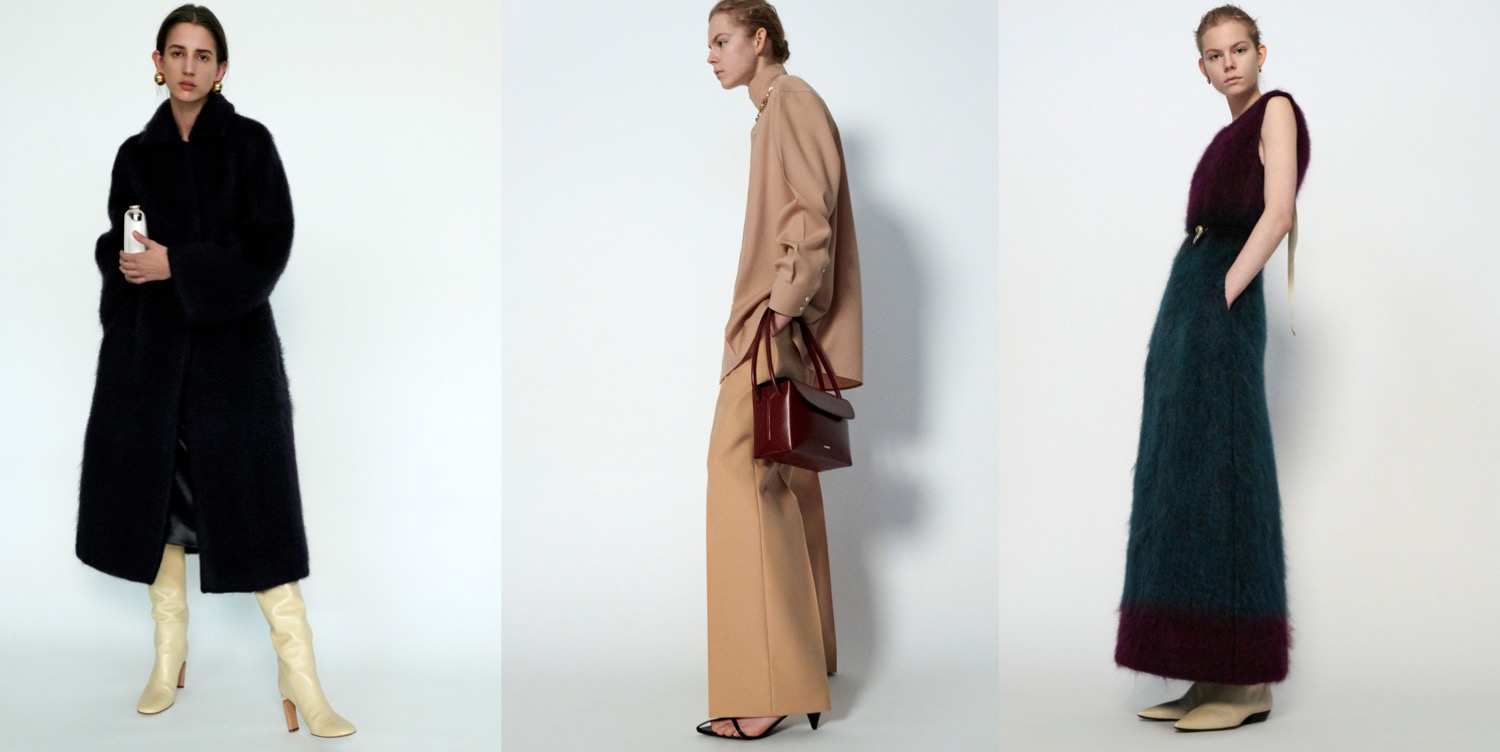
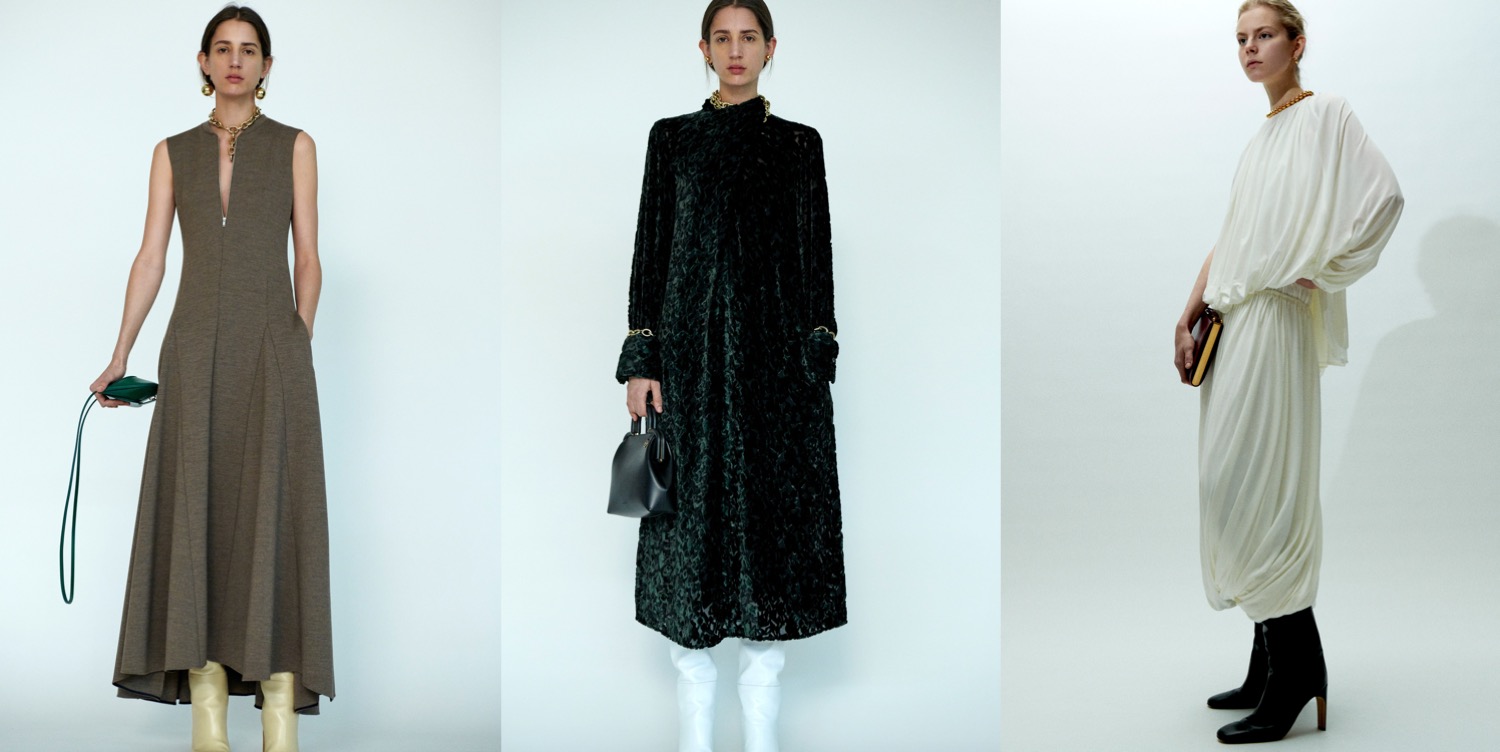
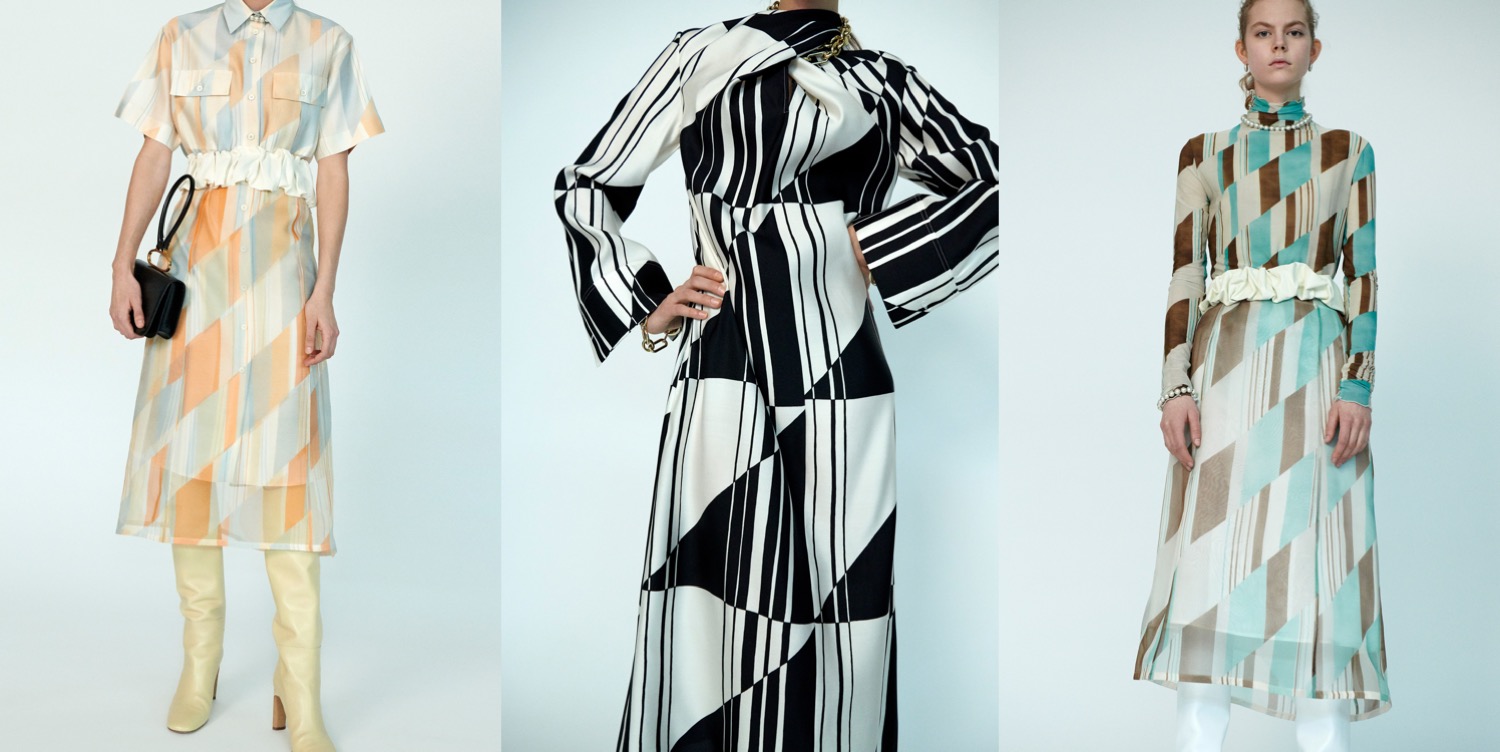
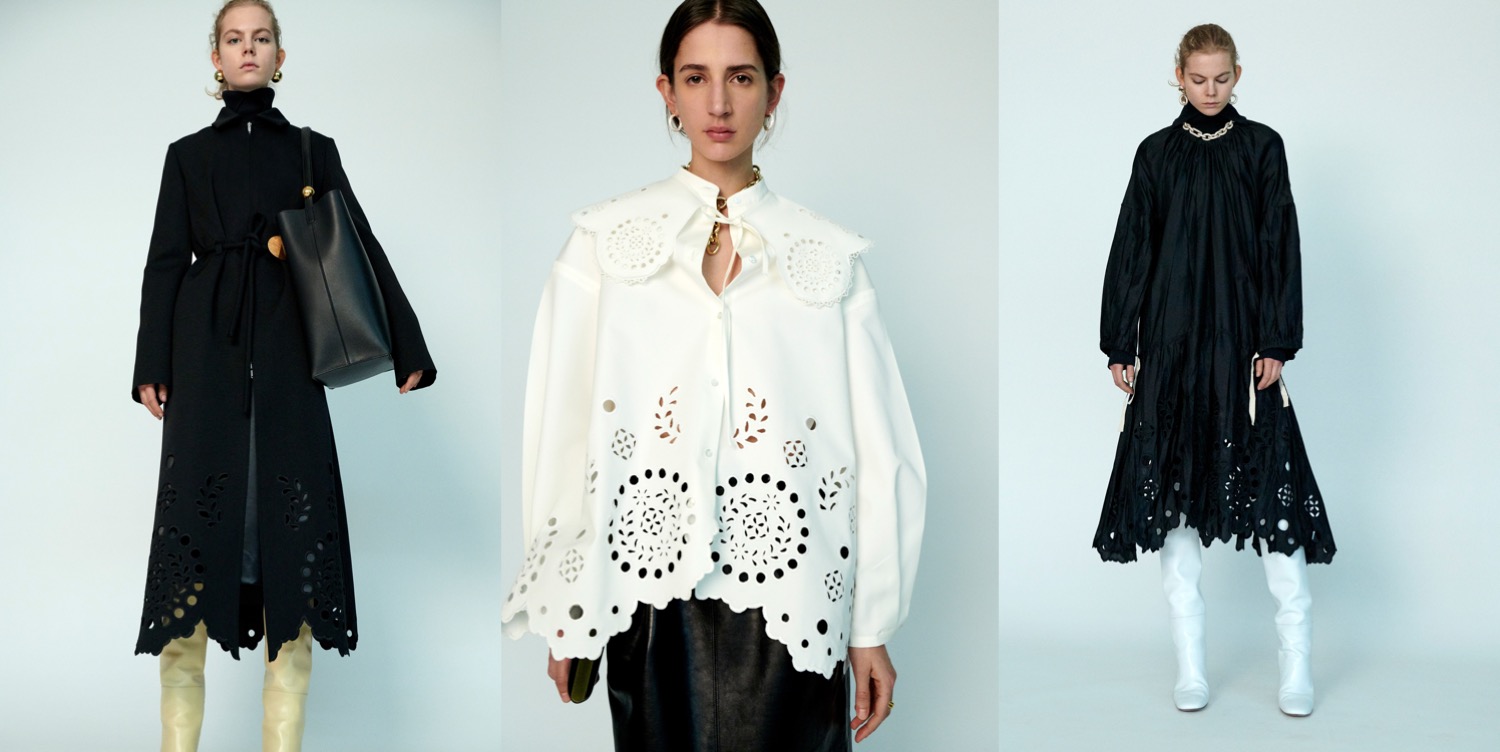
Fluidity. Jil Sander Pre-Fall 2020

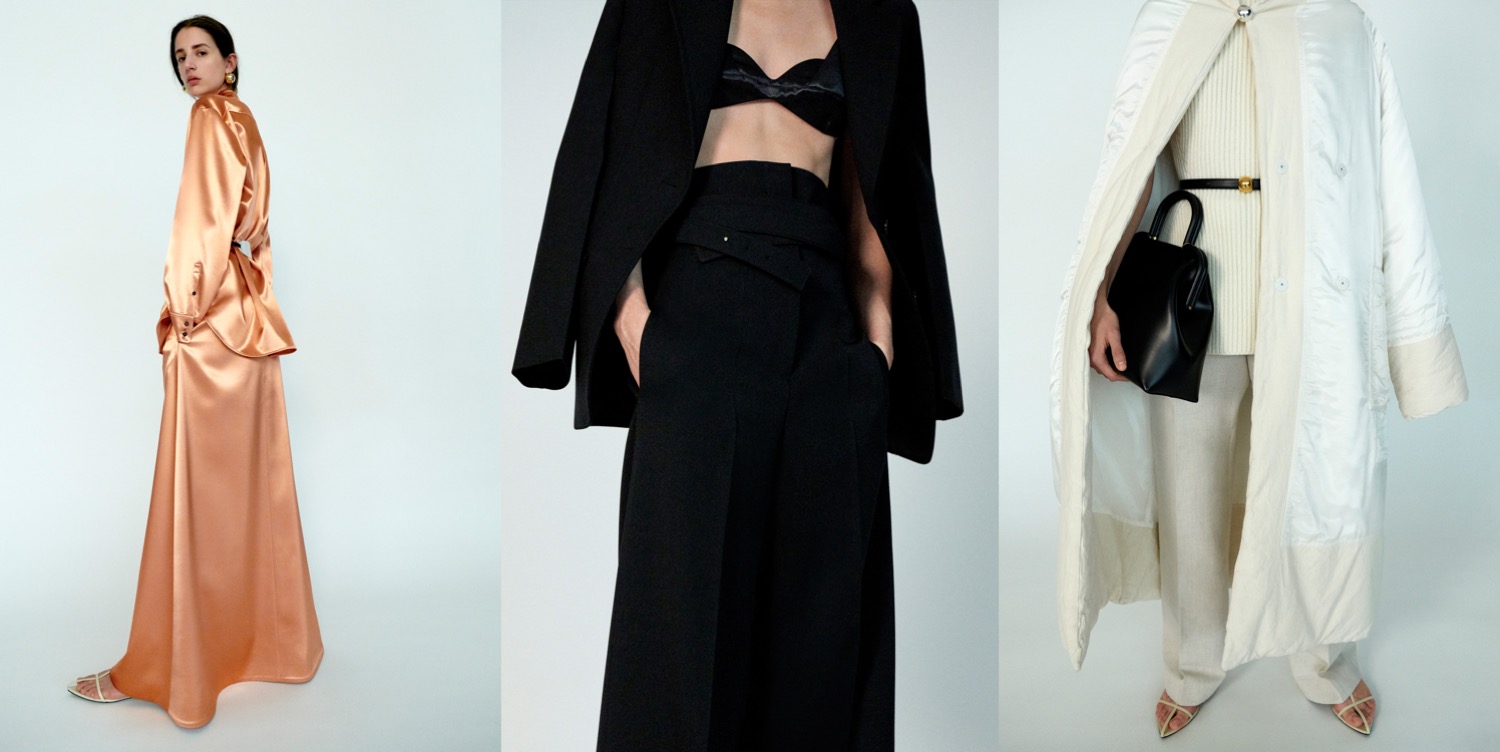
Lucie and Luke Meier‘s vision for Jil Sander is all about soft, tactile minimalism (which occasionally lets some eclecticism in). For pre-fall 2020, the duo once again showed their appreciation for craft. A skirt suit was padded and stitched with an abstract floral motif, while an ensemble in soft pink satin had a luscious, almost liquid finish. Fluidity of the silhouette is a big topic for the Meiers – they continue to master it, creating refined, feminine, yet magically comfortable forms. Please do note the feminine lines of the décolletages, borrowed from corsetry and delicately lined with inconspicuous embroideries (see the high-waisted ruched slipdress). Art references are also crucial in their vision for Jil Sander. Recently, the designers have been fascinated by the Viennese Secession movement, extensively researching the work of Wiener Werkstätte’s artists like Josef Hoffmann, Koloman Moser, and the textile designer Maria Lucia Stadlmayer. Their aesthetics, which flourished at the juncture of Art Nouveau’s sensuality and Japonisme’s sophisticated restraint, clearly appealed to the Meiers. For pre-fall, Stadlmayer’s graphic patterns were reproduced in their original proportions and colors on sheer organza layers, juxtaposed over sharp-cut silk twill or silk jersey shirts, skirts, and tunics, inducing a slightly kinetic, blurred chromatic effect. “We used the motifs on their authentic scale, because you have permission from the archives in Vienna to reproduce them only in the exact proportions and colors she intended to use,” they said. “We really cared about keeping the integrity of the design; we didn’t want to appropriate them in the wrong way.”

Collage by Edward Kanarecki.