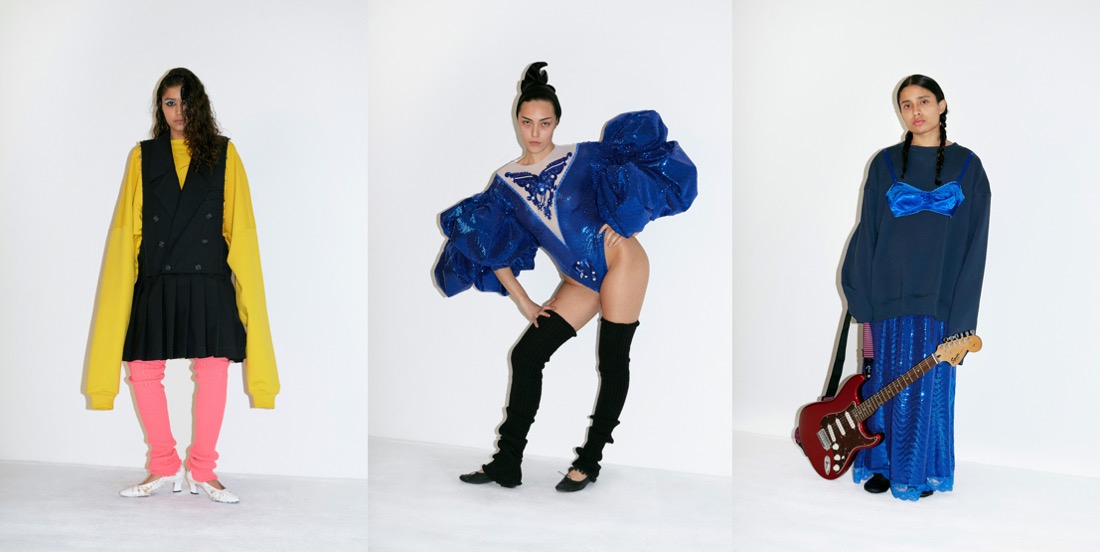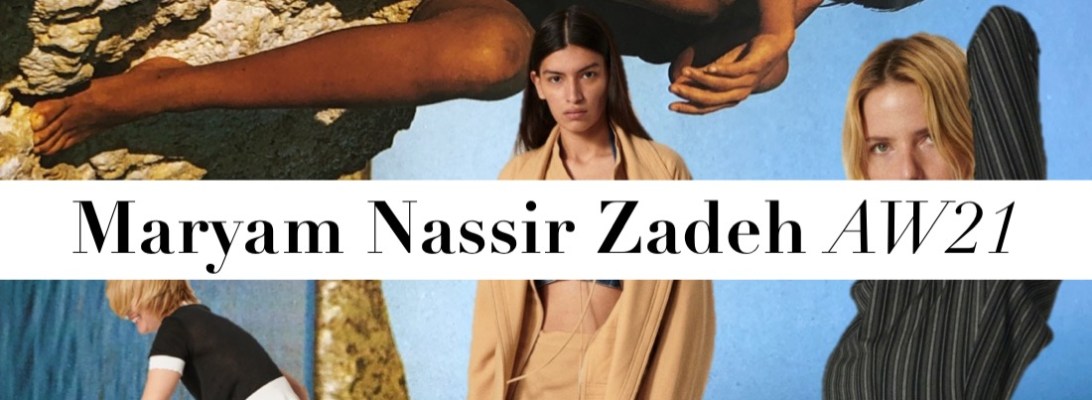
Spice Up. Maryam Nassir Zadeh AW21

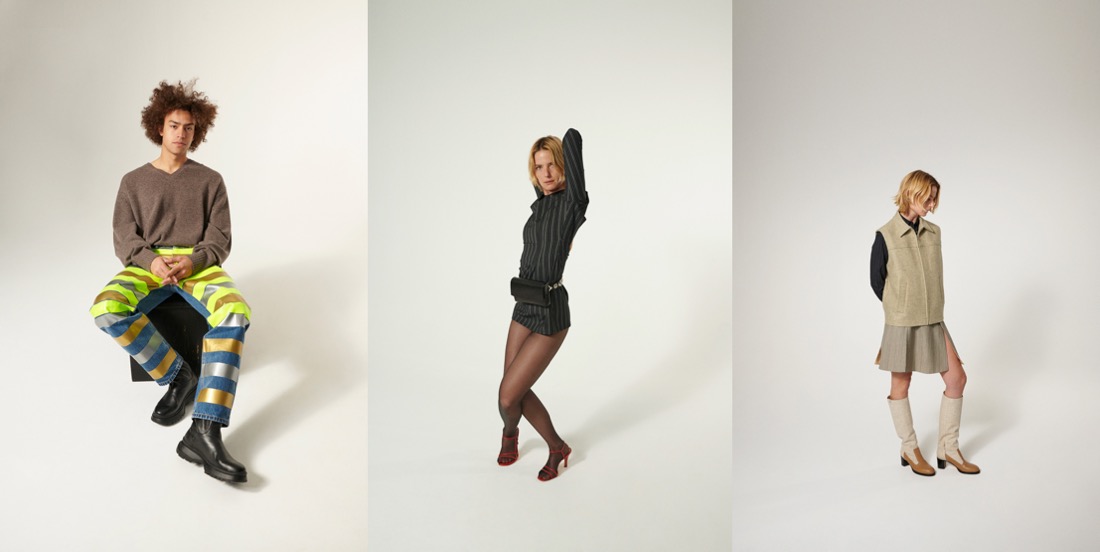
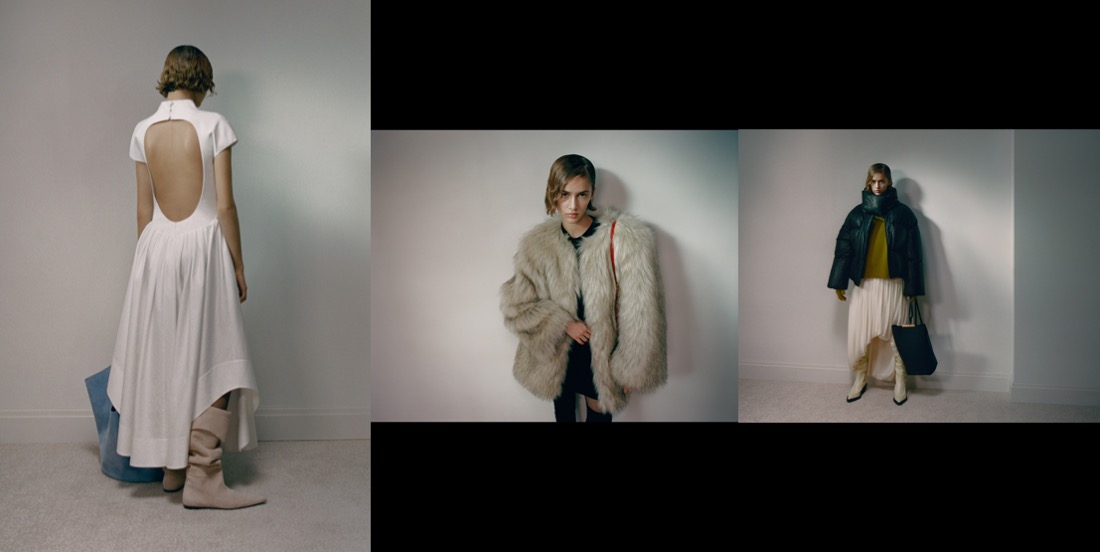
When I think of a contemporary New York girl, I see her dressed in Maryam Nassir Zadeh. And even during lockdown, she wears Zadeh’s “oddly elegant“, always authentic and never forced designs. The designer hasn’t created a runway collection since spring 2020, and the extended pause gave her the space to reset, refocus, and design closer to her own tastes, without the distractions and noise of a show. Like her recent collections, autumn-winter 2021 felt simpler and stripped back, but also sexier. The heat mostly came from a handful of miniskirts (like one in metallic leather, shown with a matching blazer) and backless, thigh-grazing party dresses. As she often does, Zadeh predicted the miniskirt comeback early on. The designer foresees her clients craving clothes that feel bolder, happier and lighter. Zadeh isn’t a moodboard-type designer, but she did make one surprise reference: Carrie Bradshaw in Sex and the City – the early seasons, filmed at the turn of the 2000s. Who didn’t rewatch all the episodes in the lazy quarantine days? You can glimpse SATC’s protagonist in the asymmetrical party dresses, vibrant accessories and the plucky flower pin adorning a slip. Zadeh’s interest was less in the character or TV show and more in the balance of no-frills minimalism and “spice ups,” as she put it. In our stay-home-style moment, it was easy to picture Carrie (and many of Zadeh’s customers) in the opening look: a cobalt knit set paired not with sneakers, but block-heel mules. Definitely an idea for Carrie’s 2021 wardrobe in And Just Like That…!

Collage by Edward Kanarecki.
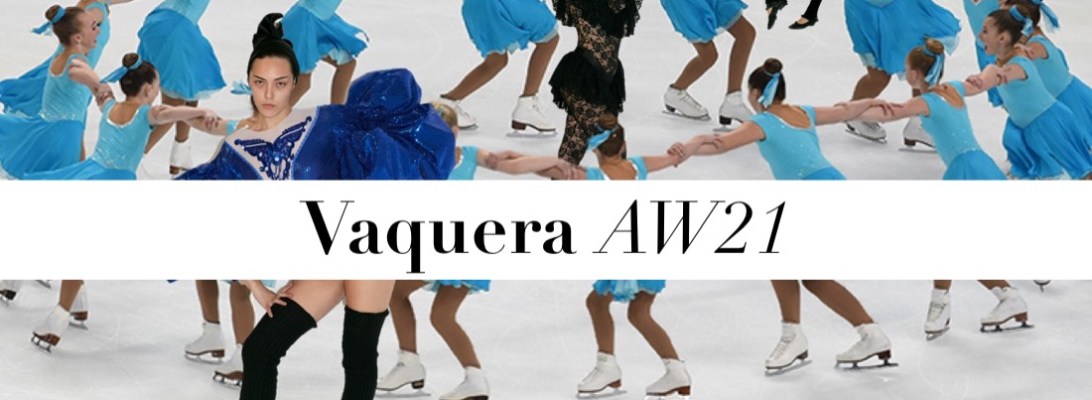
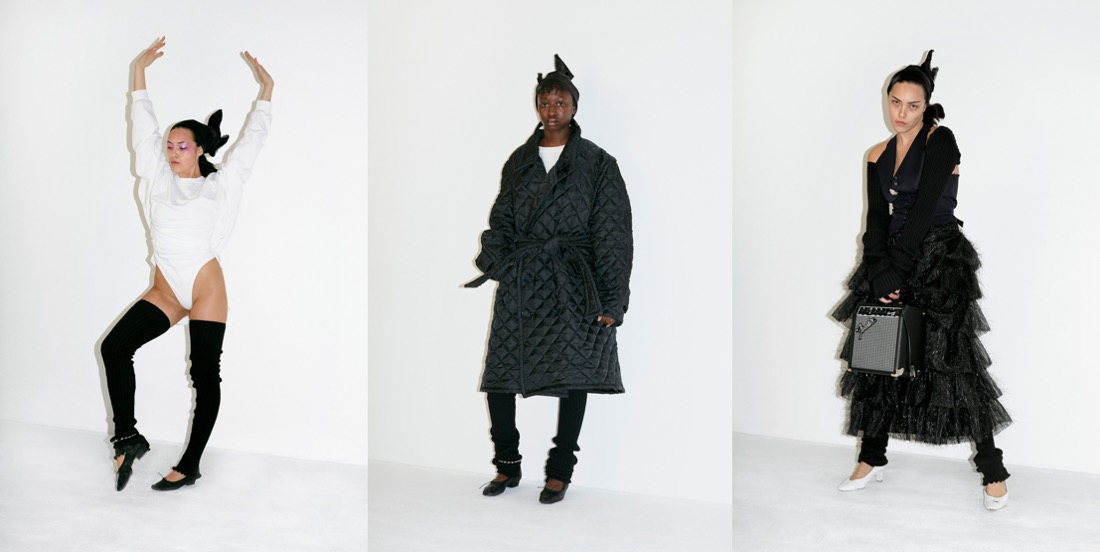
Performance. Vaquera AW21

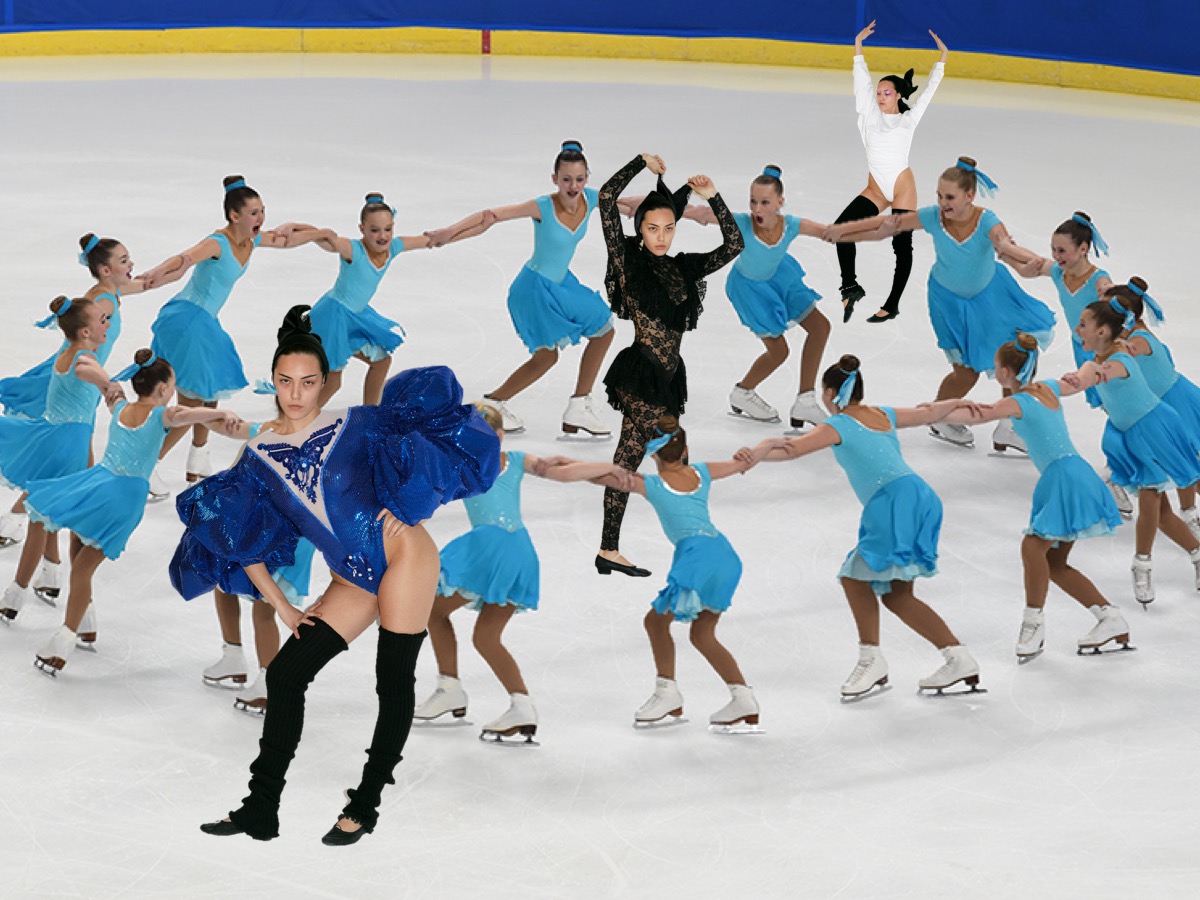
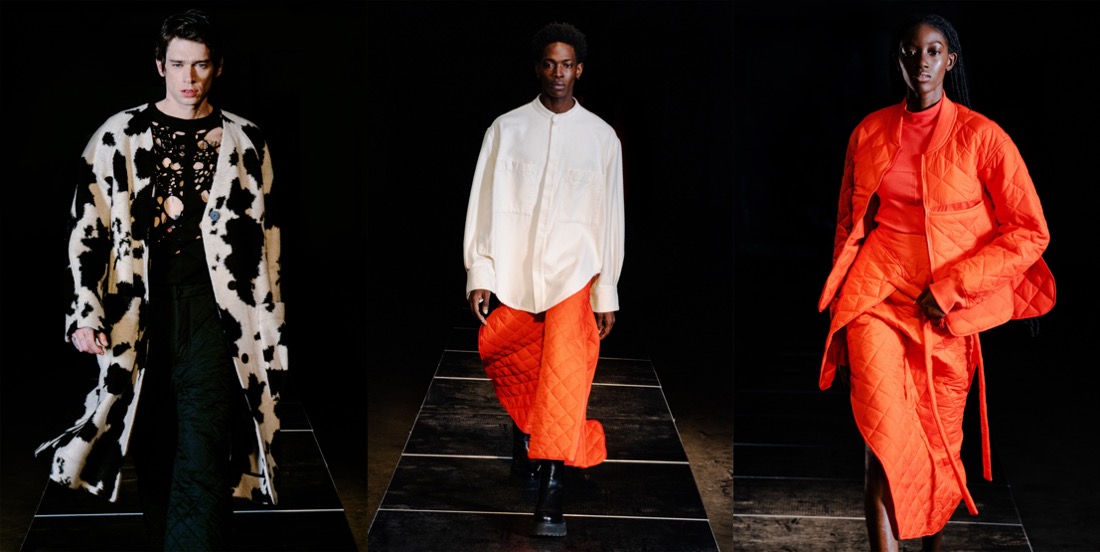
The dancing theme, whether it’s Erdem‘s ballerinas or Dries Van Noten‘s emotional contemporary dance production, is having a moment this season. It’s natural: we’re year in global lockdowns, and we all want to shake it off. For autumn-winter 2021, Vaquera‘s Claire Sullivan, Patric DiCaprio and Bryn Taubensee were inspired by the sensation of “waiting to go back out in the world, to go onstage.” That’s why you see an oversized tee that reads “Runway Star” and Tonya Harding–style leotards. Of course, performance is central to the Vaquera mystique and they’re hoping to be back at it by showtime in September, but the downtime of the last year has helped them to grow in other ways. New York’s perennial cool kids are growing up. The latest line-up marks their second season under the Dover Street Market umbrella and the Vaquera lifestyle is expanding. There’s without a doubt a new level of finesse to the new season’s vegan leather motorcycle jackets; they call them “real” pieces. The collection also takes cues from the way the designers themselves are dressing. There are sweatshirts fused with bras and slip dresses, and the front panel of one skirt is embellished with a pair of satiny panties. A turtleneck collaged with found scraps retains the DIY spirit that has defined their work since the beginning, and a very large brassiere worn as a tank is an example of the proportion play that is another hallmark of their earliest collections. Many designers this season end up with offerings that are somewhere between WFH comfort and optimistic vision of finally going out to the world. Vaquera checks all the boxes.

Collage by Edward Kanarecki.

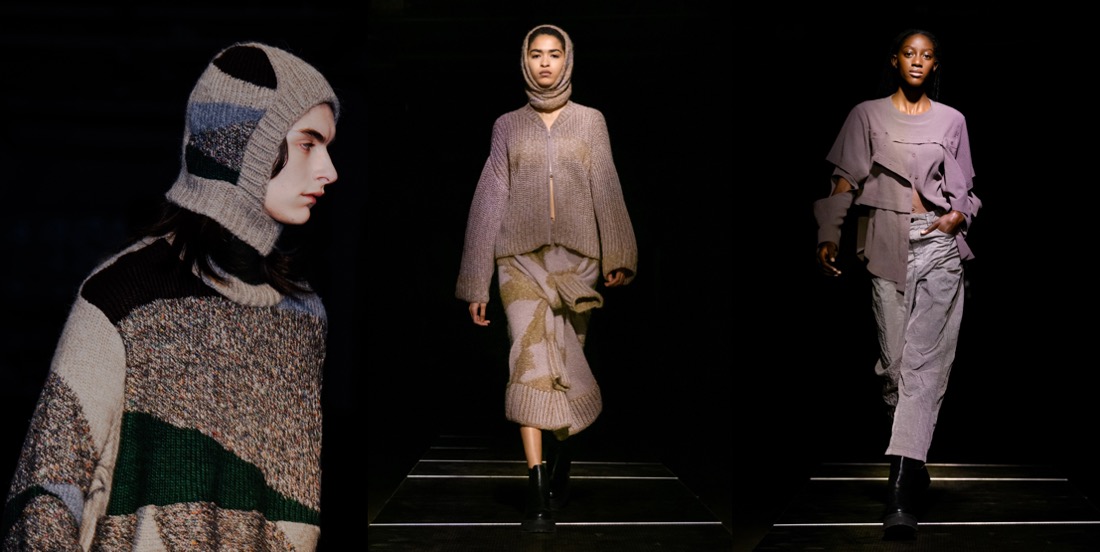
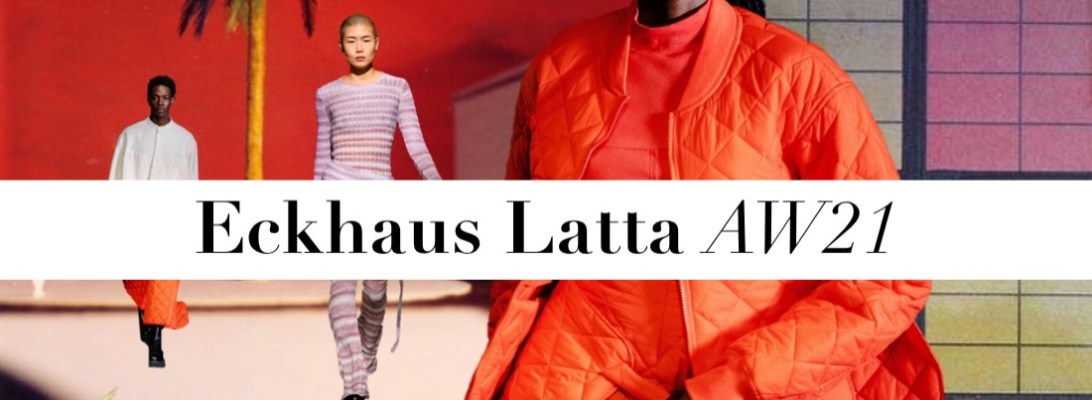
Grounded Approach. Eckhaus Latta AW21

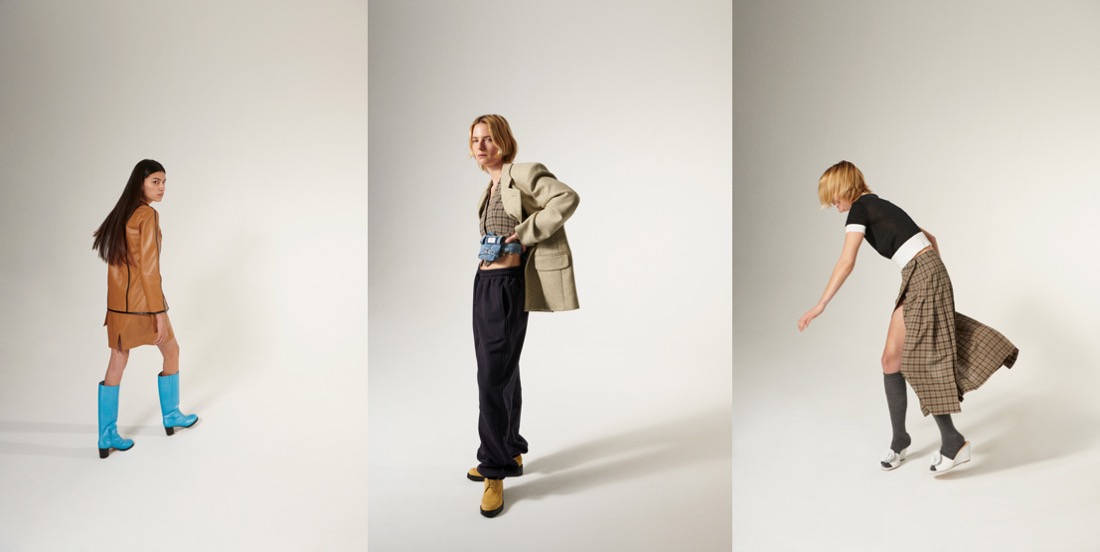
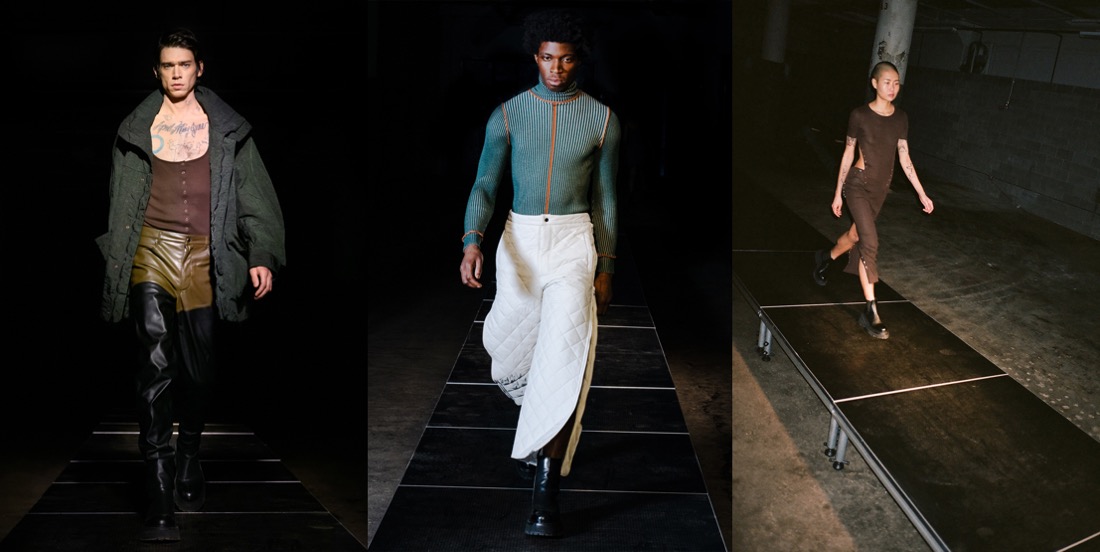
Like many people during this period, Zoe Latta and Mike Eckhaus had a mood rollercoaster. As the duo explained on a Zoom call with Vogue that bummed-out vibe provided a creative spark, suggesting that their focus ought to be on comforting shapes and textures and a somber palette. The Eckhaus Latta duo went on to report that, thankfully, they are feeling more optimistic now – and that they are eager to get back to fashion business as usual, with live events and people around, but in the meantime, like the rest of us, they’re making do. Perhaps accidentally, it’s that sentiment that served as the red thread through their autumn-winter 2021 outing. The most arresting idea the designers explored this time out was the deconstruction of familiar silhouettes in ways that created artful voids in the clothes or that made them adaptable into different forms. It was a poetic expression of our current state, a year into the pandemic. Eckhaus and Latta also played with optical patterns, like trippy rib knits and a black-and-white jacquard, and with ways of giving a sense of hand to synthetic fabrics. The collection was small, but thorough; every look was wholly considered, from form to detail. Perhaps the collection’s most admirable quality, though, was its grit – though we often look to fashion for fantasies of the future, that kind of grounded approach is necessary. This Eckhaus Latta line-up not only captured the general mood, but somehow it made it look… cool.

Collage by Edward Kanarecki.

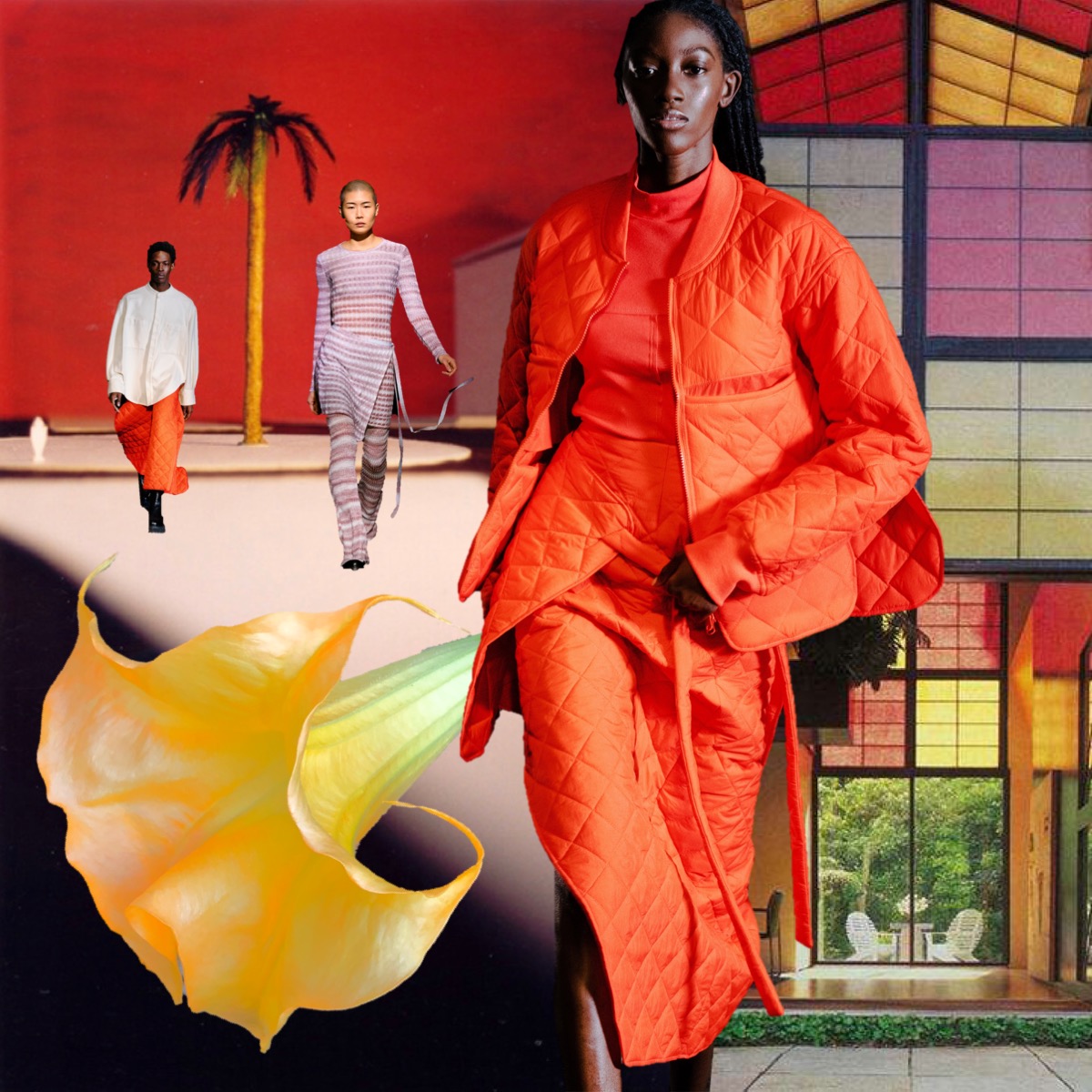
Cravings. Khaite AW21

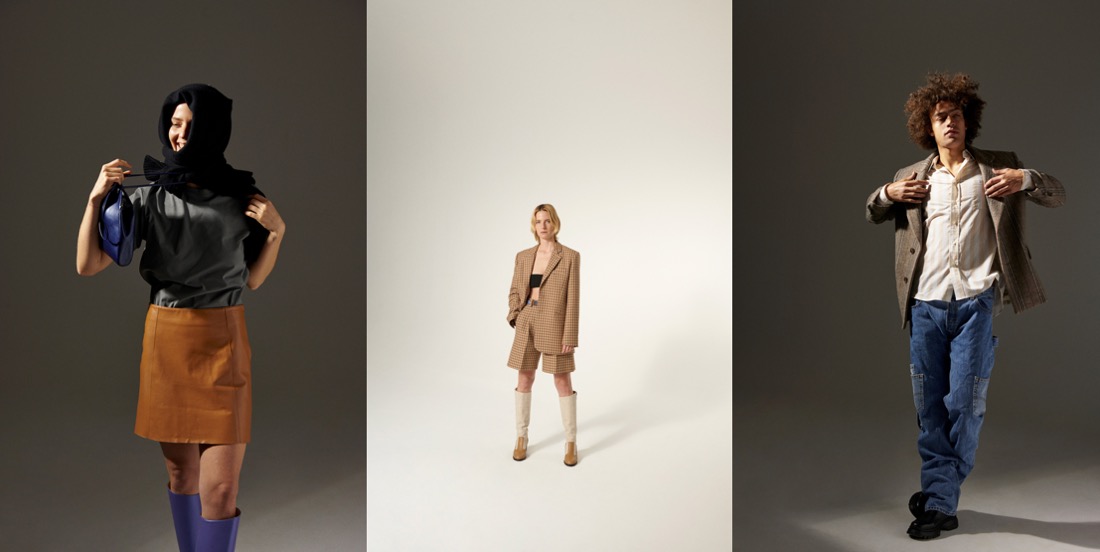
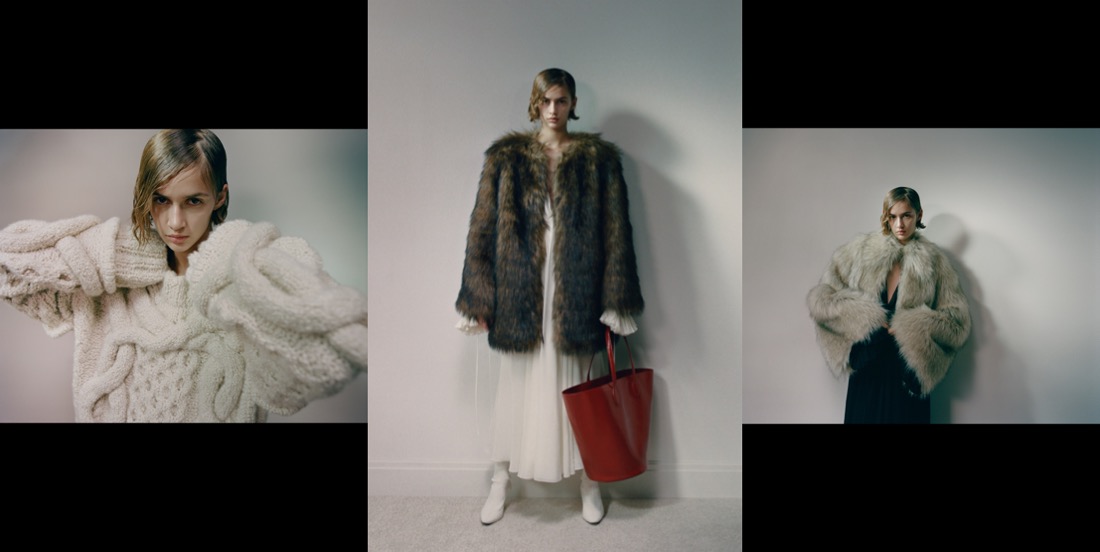
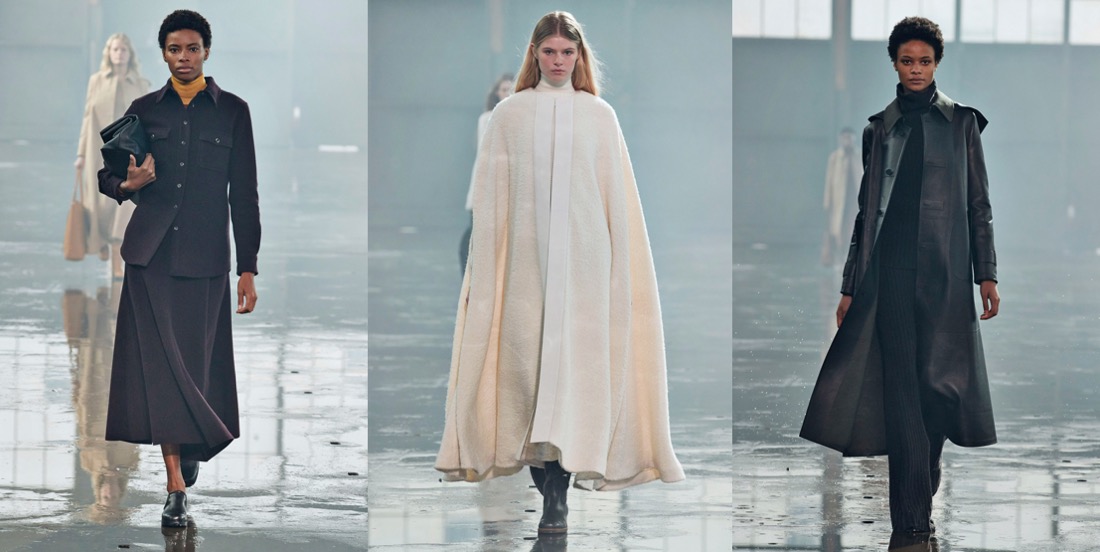
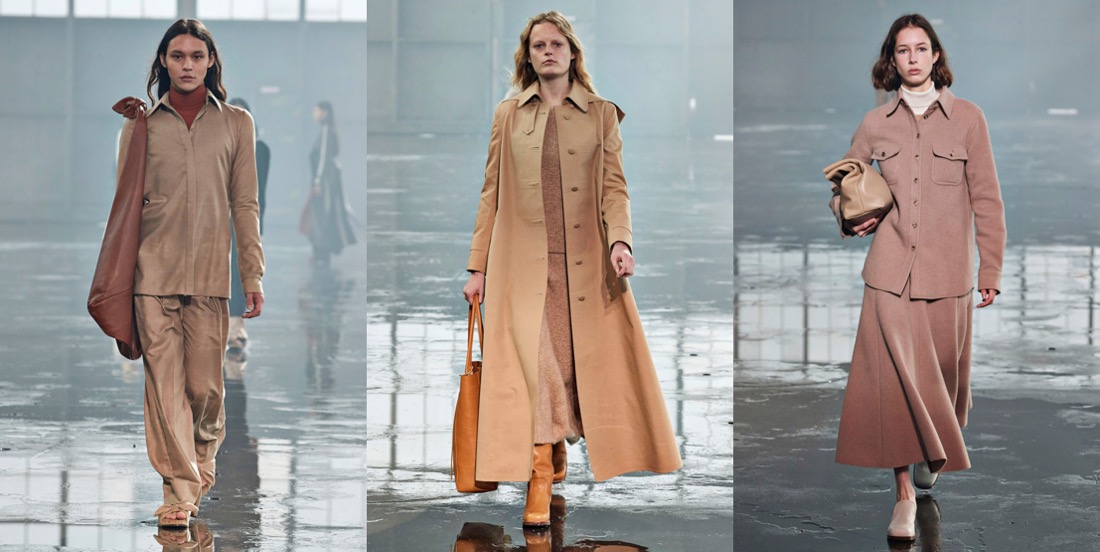
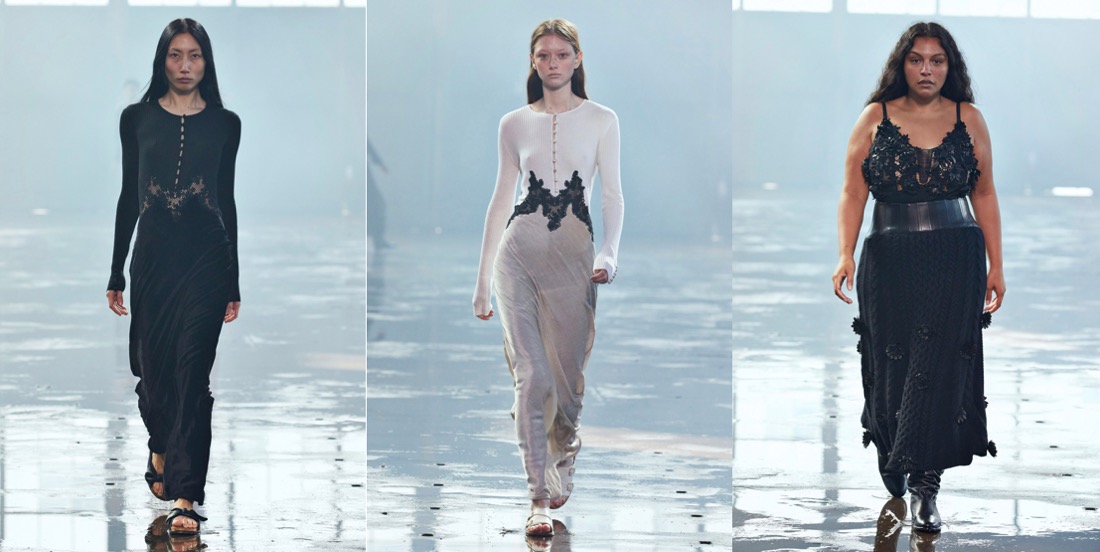
Although it’s officially London Fashion Week, some brands from New York are showing just now. Cate Holstein‘s Khaite for autumn-winter 2021 was meant to be a love letter to long-gone, gritty New York of the 1970s – think Taxi Driver and Klute as a visual reference. The open-back dresses were clear nods to Jane Fonda’s character’s wardrobe in the latter. The collection was unveiled “phygitally”: last night, with the Manhattan skyline in the background, Holstein brought a small group of editors, buyers, and friends to Skyline Drive-In for what was likely their only “real” event of the season. Seated in intage cars, the projector rolled cheeky ’80s “advertisements” for Khaite products, a faux black-and-white movie trailer, and finally, the main event: a short film starring Paloma Elsesser, Soo Joo Park, Akon Adichol, Lulu Tenney, Tess McMillan, and several other models. The production might have stumbled on an actual plot (some of the most memorable scenes: Elsesser opening a Khaite tote full of graffiti bottles; others are stuffing cash into their thigh-high boots; a few girls smoke outside a bodega), and although it was visually satisfying, I just couldn’t find the balance between the film part and the clothes part (the hard-to-achieve golden ratio for any  ‘fashion-film’). The clothes hardly related to the mood of the film, while the uncharismatic look-book made them go even more plain. According to Holstein, the clothes borrowed less from the ’70s and ’80s and more from the 1920s: lace negligees, narrow jersey columns, giant faux fur chubbies. “I’ve always loved that Café Society moment in New York, but I was thinking more about how the ’20s were a response to the 1918 flu,” Holstein told Vogue. Holstein isn’t the only designer predicting a similar shift this year. “It wasn’t just about being comfortable, but about feeling comforted,” she added. “I think we will still want to be treated gently.” This was not a literal ‘roaring ’20s collection’ – it was rather reverential to Khaite itself. Holstein doesn’t do mood boards or themes; she insists every collection is simply a reflection of what she’s craving. Maybe keeping it that way, image-wise, would work better for the collection in overall? The “cravings list” includes plush cashmere knits, boxy leather jackets, sharp tailoring, and romantic cotton dresses. Newness comes in the items she’s personally missing, like the down puffers, which were the collection’s big surprise. She bought her first puffer last year and likely saw an opportunity for a better, ultra-luxe version. Her glossy red and black coats were extra-stuffed and coated in lacquered leather; a cropped camel version came in 100% cashmere. In other words: definitely not coats for graffitiing or smashing windows, but for chic, socially-distanced walks.

Collage by Edward Kanarecki.
Green Power. Gabriela Hearst AW21

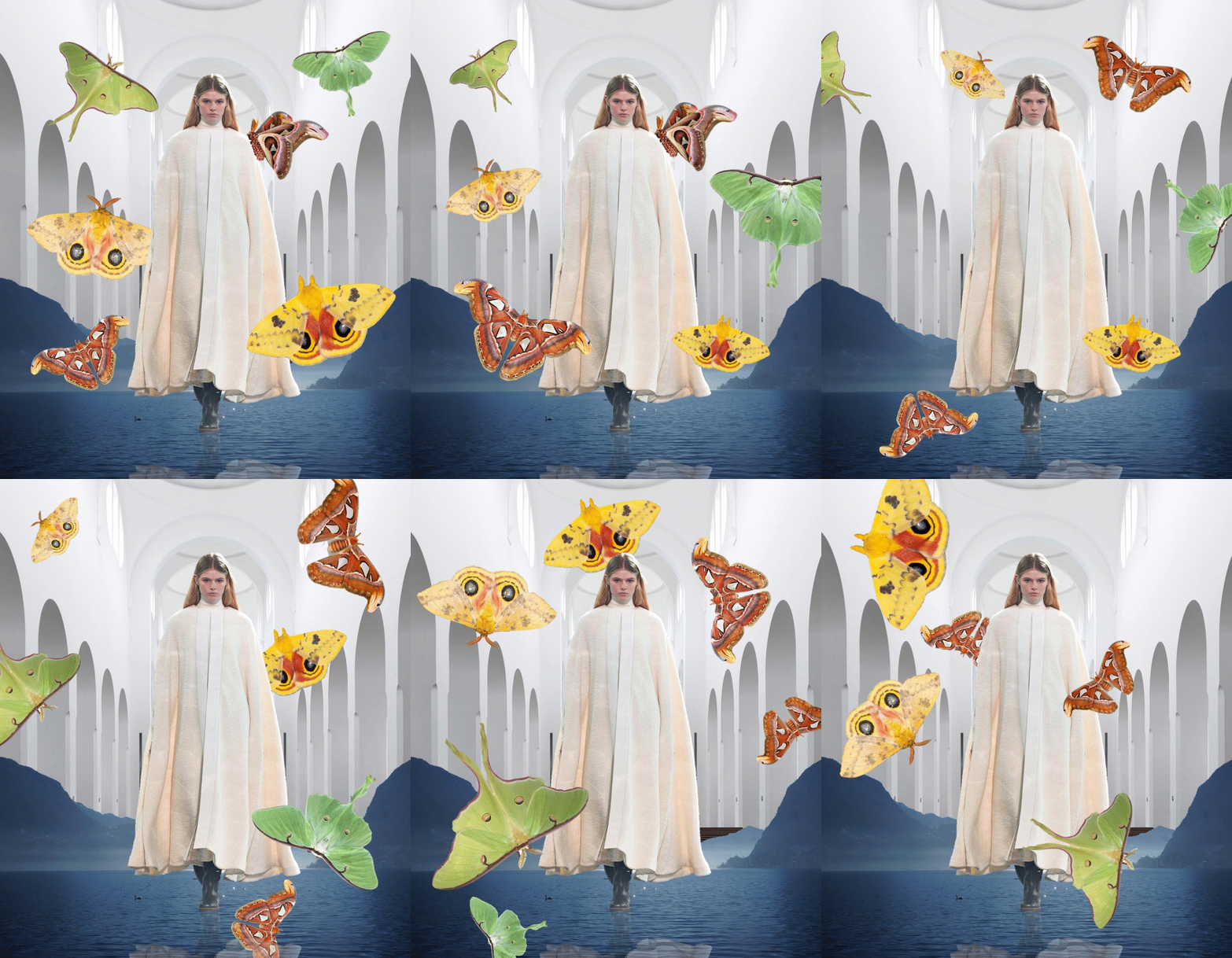
There’s an unofficial trend circulating this season: finding inspiration in powerful women from the past, often with a religiously-charged background. First, Bevza‘s designer mentioned Olga of Kiev as a reference for her knitted hoods and elongated silhouettes; yesterday, Gabriela Hearst talked about Hildegard of Bingen. A writer, composer, philosopher, mystic, and Benedictine abbess, Hildegard was a regular Renaissance woman, except that she predated the Renaissance by about two centuries. “I’m convinced,” Hearst said, “that if she had been a man we’d know her name like we do Leonardo da Vinci’s.” In fact, Hildegard sketched a Universal Man, not unlike Da Vinci’s Vitruvian Man, only hers was completed 300 years earlier. Hildegard resonates with Hearst because among her other polymath pursuits, she was an herbalist, a woman really at one with nature. “She believed in ‘green power,’” said the designer. The environment is a passion of Hearst’s too. Fashion isn’t the greenest of industries, but her company is making strides. She reported that last year 40% of the materials used in the production of her collections were repurposed and deadstock. Her 2021 goal is 50%. Hearst’s efforts around responsible design are at least partly why she was hired as Chloé’s new creative director in December (looking forward to her debut this Paris Fashion Week!). Hearst’s autumn-winter 2021 line-up is all about timeless, beautifully-crafted design that actually needs no further explanantions or mood-boards behind. Still, those behind-the-scenes details are intriguing. Hearst’s 12-year-old daughter Mia’s interpretations of Hildegard’s painted flowers appear as a print on a silk shirtdress and as crocheted appliqués on knit sweater and skirt sets. They also inspired a pair of extraordinary ruanas, hand-knit by the Manos del Uruguay women’s collective in Hearst’s native country. Hearst’s own renditions of Hildegard’s flowers were transformed into hand-painted belt buckles at the center of which she placed mano figas, talismans signifying fertility and, by extension, female power. As usual, the designer offers a well-edited wardrobe of soft, yet empowering tailoring, gorgeous dresses that can be both for the day and night and remarkable outerwear (knotting details at the shoulders softened the lines of a trench and the hem of another coat was finished with a deep band of macramé lace).

“Live” collage by Edward Kanarecki.