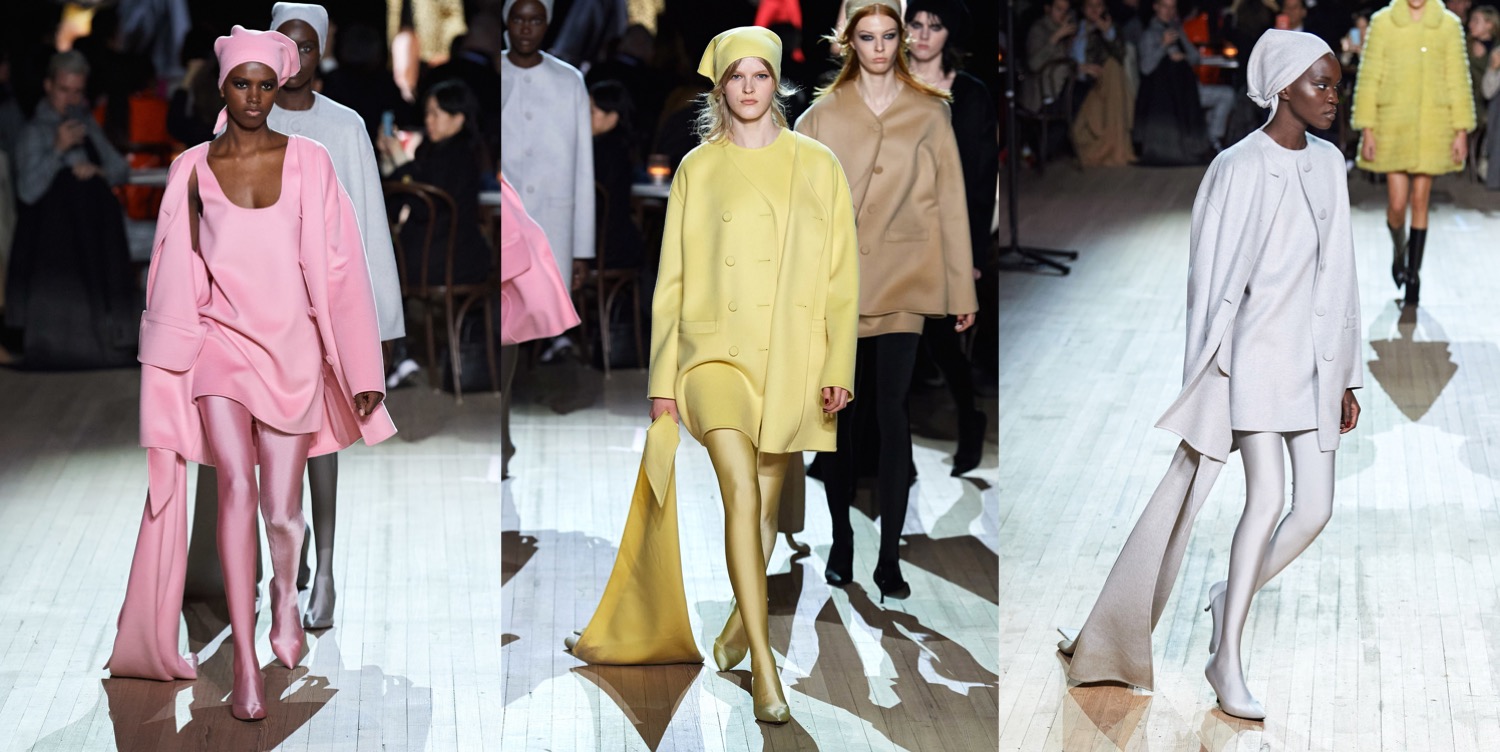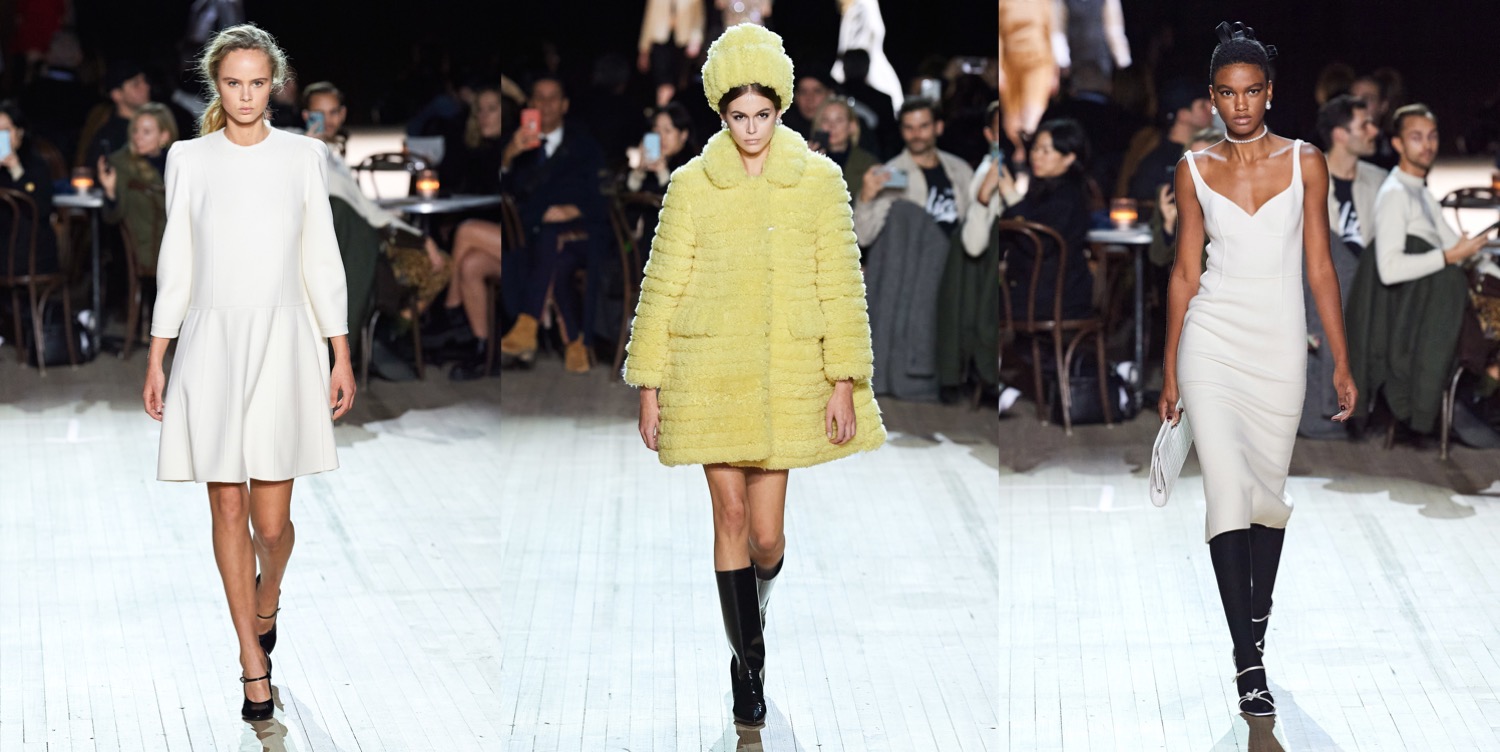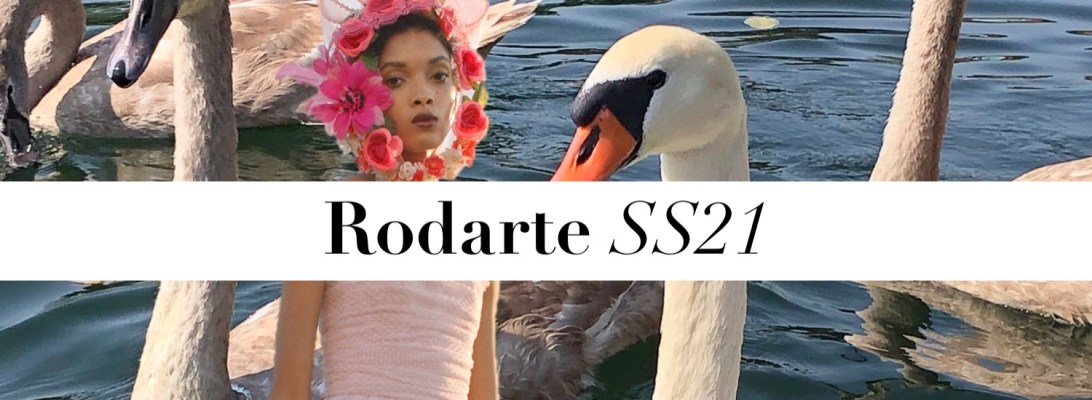
Simple Magic Is Still Magic. Rodarte SS21

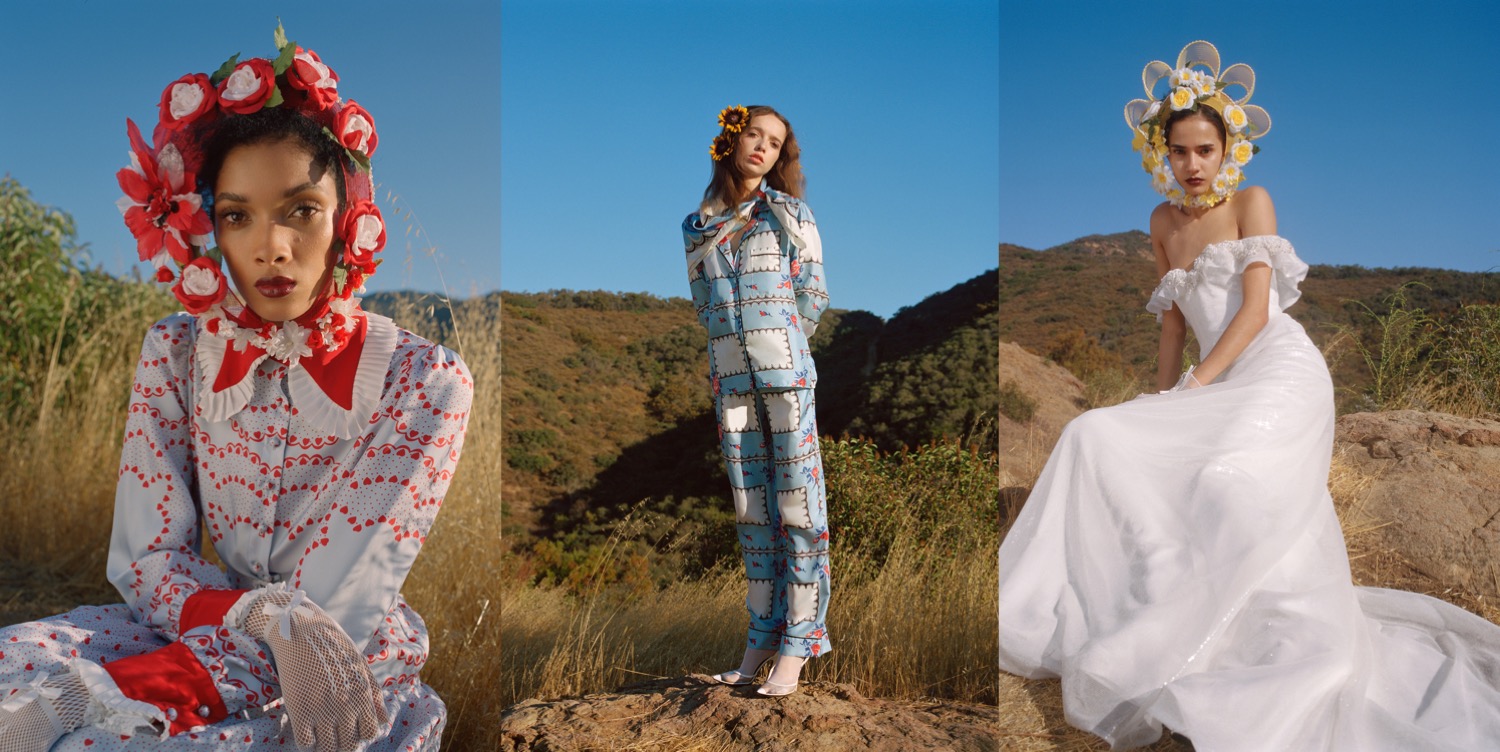
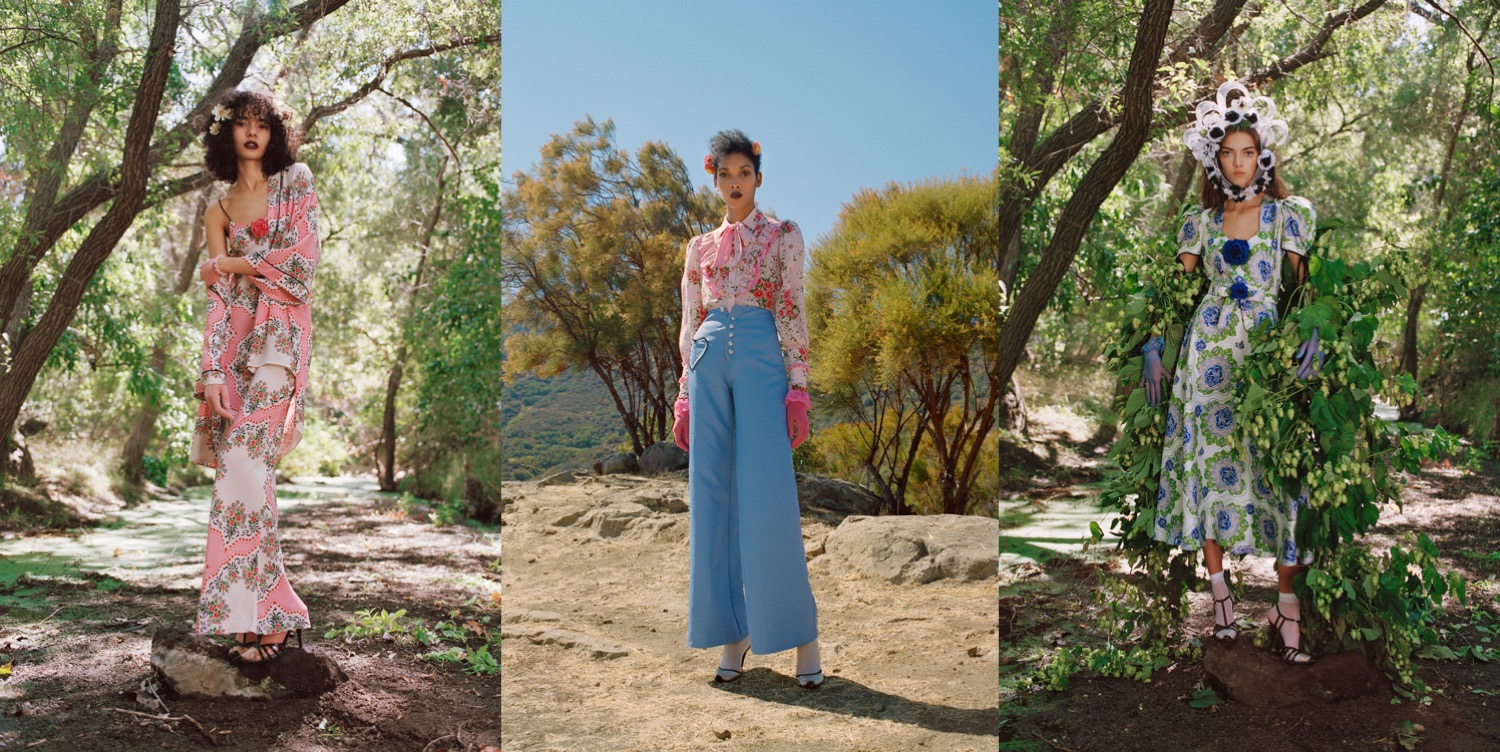
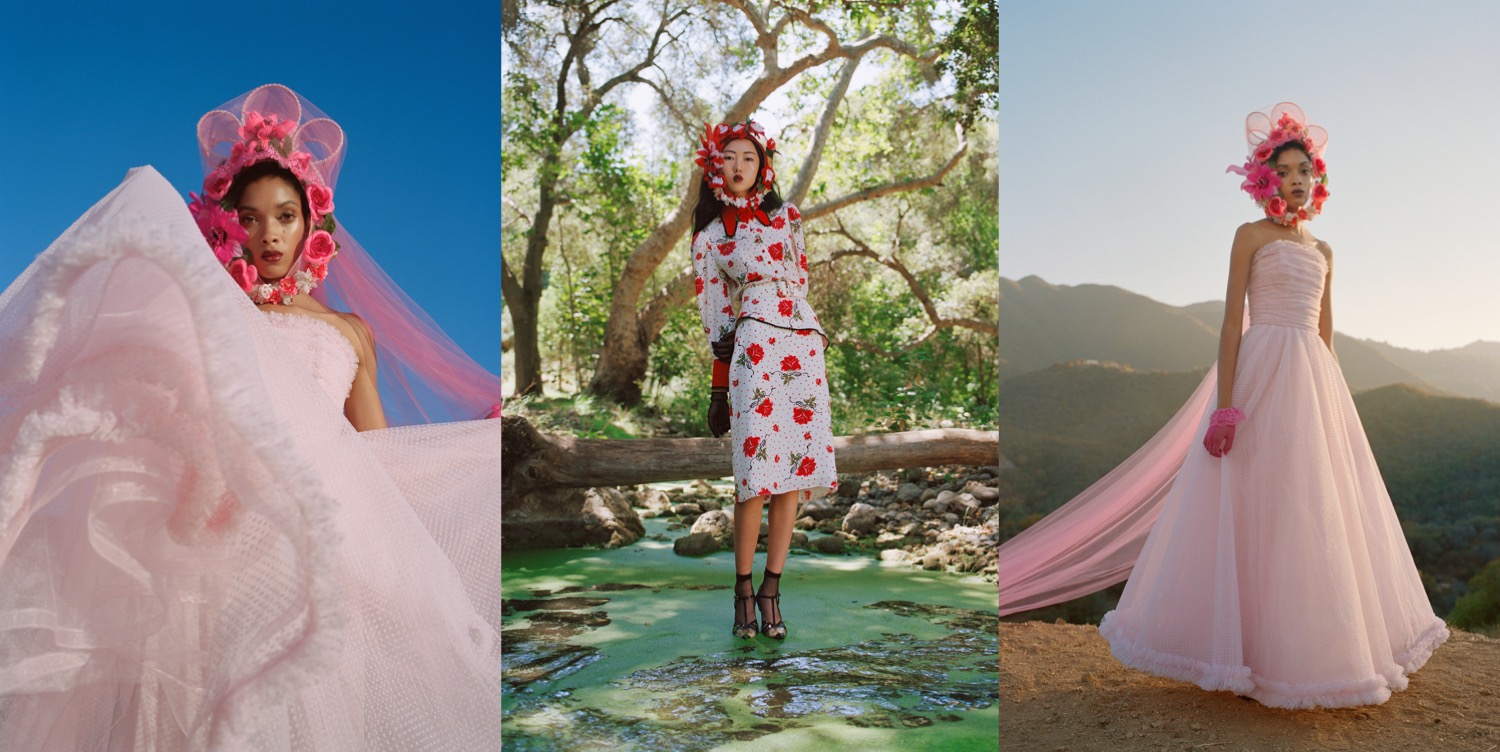
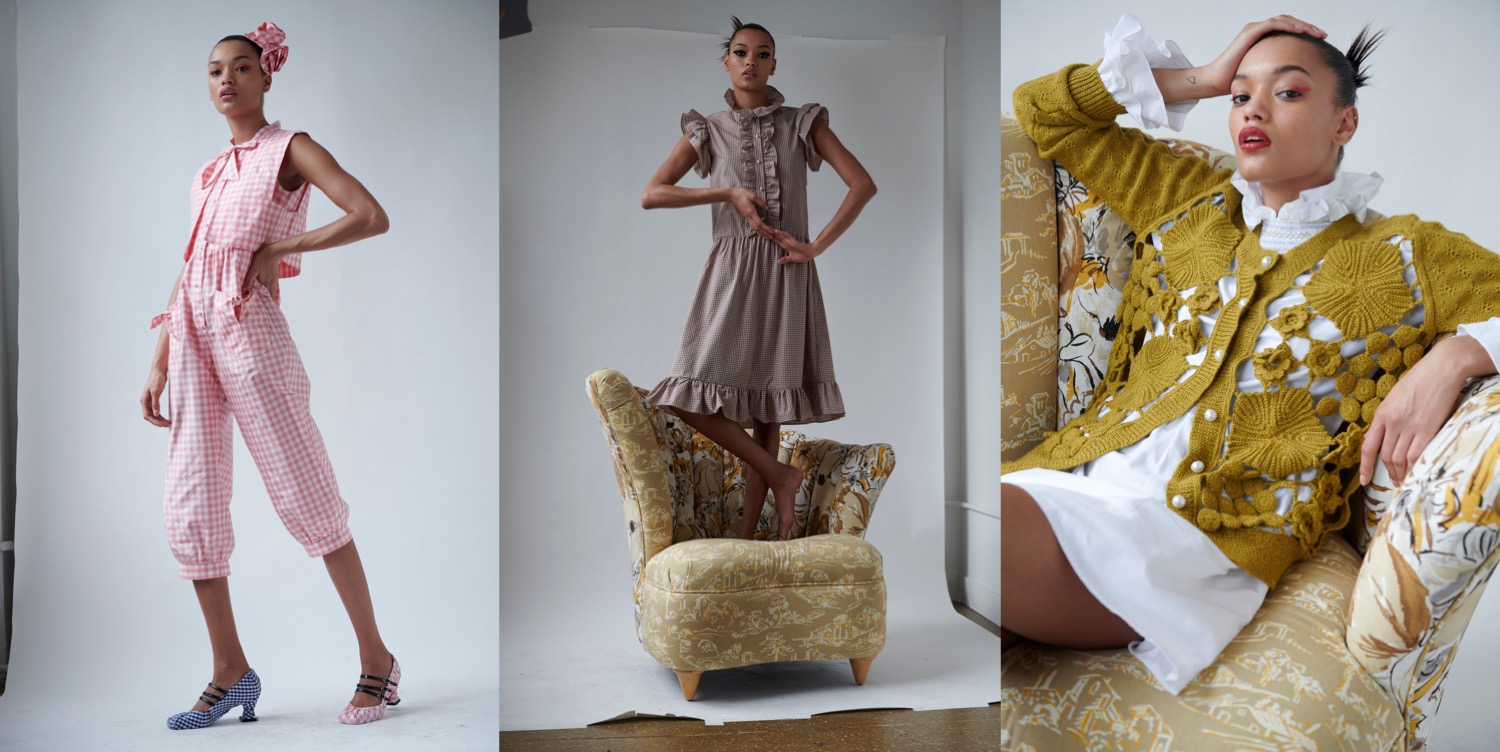
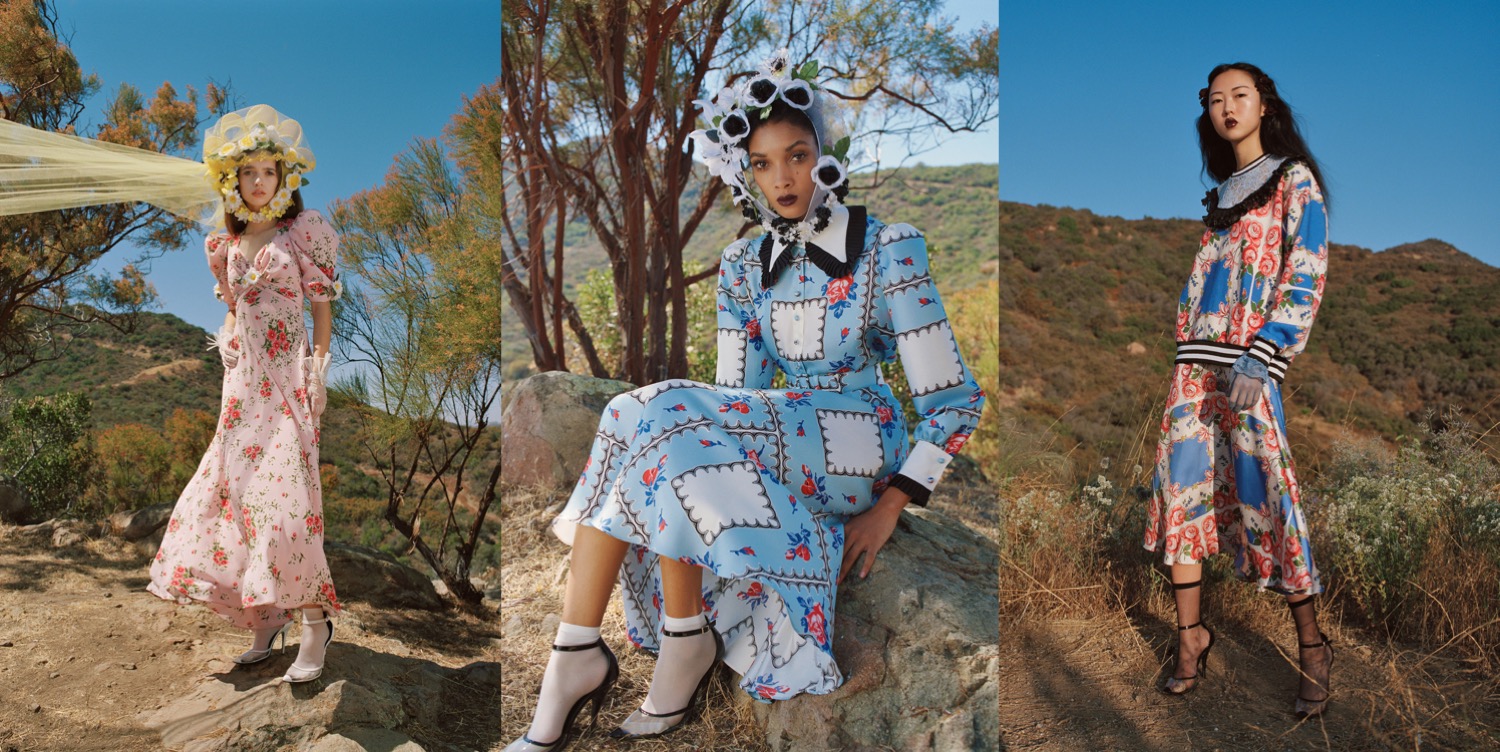
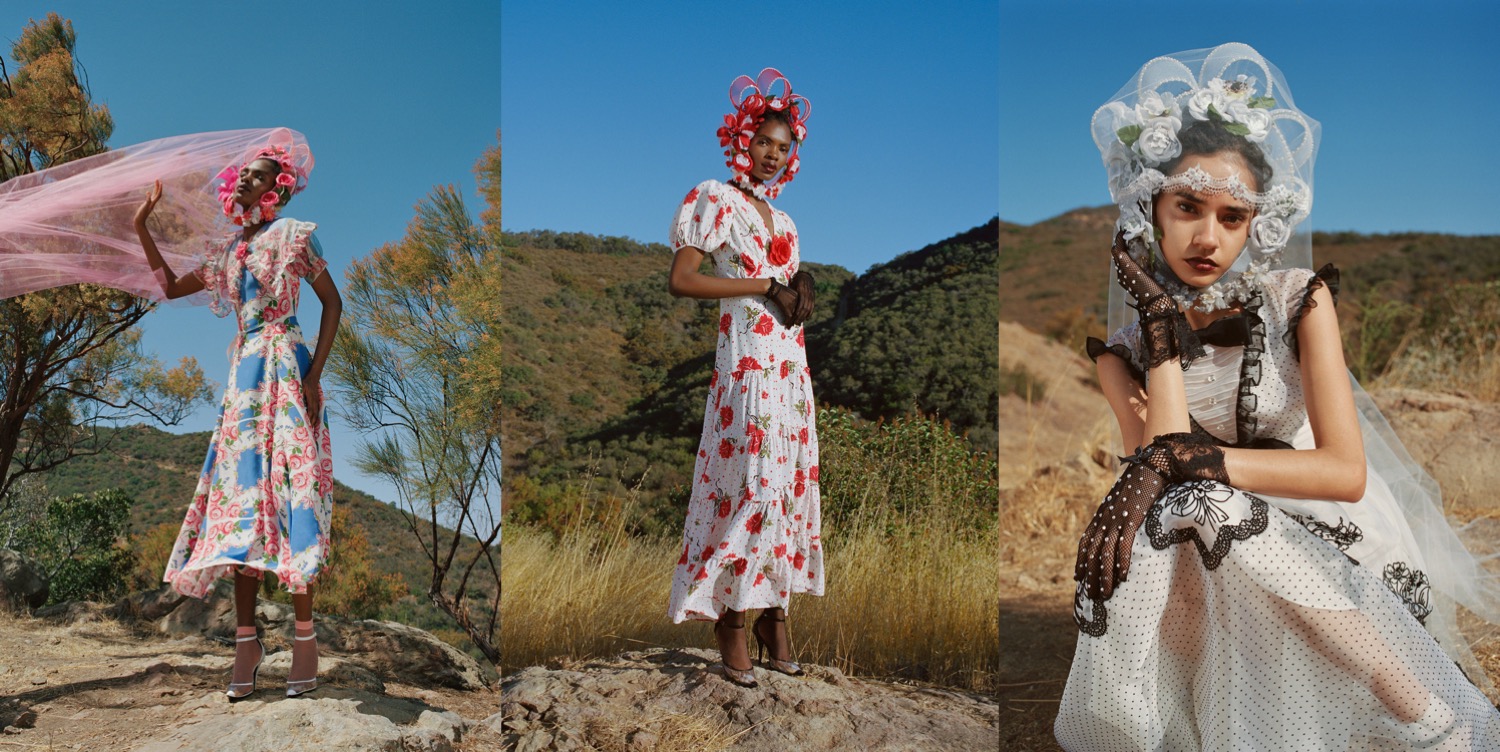
After last season’s Dracula-bitten, romantic extravaganza, Rodarte’s spring-summer 2021 collection – presented in a look-book – is understandably much less dramatic. It’s actually about coming back to the brand’s roots, according to Kate and Laura Mulleavy. The dual crises of a global health pandemic and raging wildfires in California – the sisters’ homeland – forced the designers back into that state: at home, together, with only their creativity to occupy them. While their collection was borne from the same cloistered Californian sisterhood of their earliest outings, the final products are visually different. It’s signature Rodarte, but in more practical-magic version. It’s not so much that the tulle explosions or the cake topper confections have dulled; in the face of such tough times, the sisters are emphasizing the importance of making fashion for this struggling world. “Everything we do is about fantasy and dreams, but we are located in a moment, and we are a part of what is happening now,” Kate told Vogue. A fanciful gown, both designers agree, has little place in today’s world, so instead they channeled their efforts into clothing they would want to wear now “without distilling the ideas.” Expect florals, veils, and just slightly off sweetness. Pajama sets, slips, and robes appear in dainty and orderly floral prints inspired by their local gardens. The floral story continues in the ’40s dresses they played with last season, now relaxed in shape with prints that radiate from the navel or appear in handkerchief-like grids. Silk sweatshirts (I’m on fence with logo ones, though), trackpants, and midi-skirts continue the motif, trimmed in lace or ruffles. All this is topped off with silk floral wreaths that frame models’ faces, giving them the impression of fairies, nymphs, or other magical woodland creatures. With this collection, the Mulleavys have proven their ability to make inherently useful garments that don’t compromise on the Rodarte identity.
Collage by Edward Kanarecki.
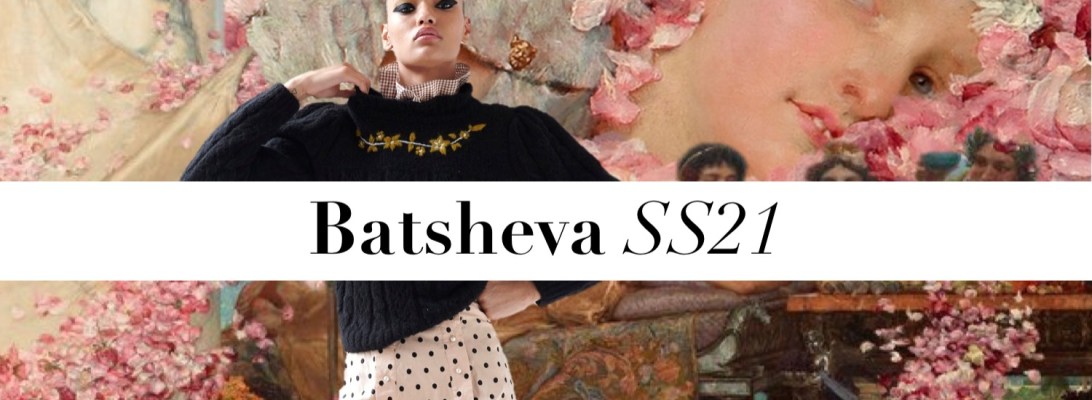
Be Camp, Everyday. Batsheva SS21

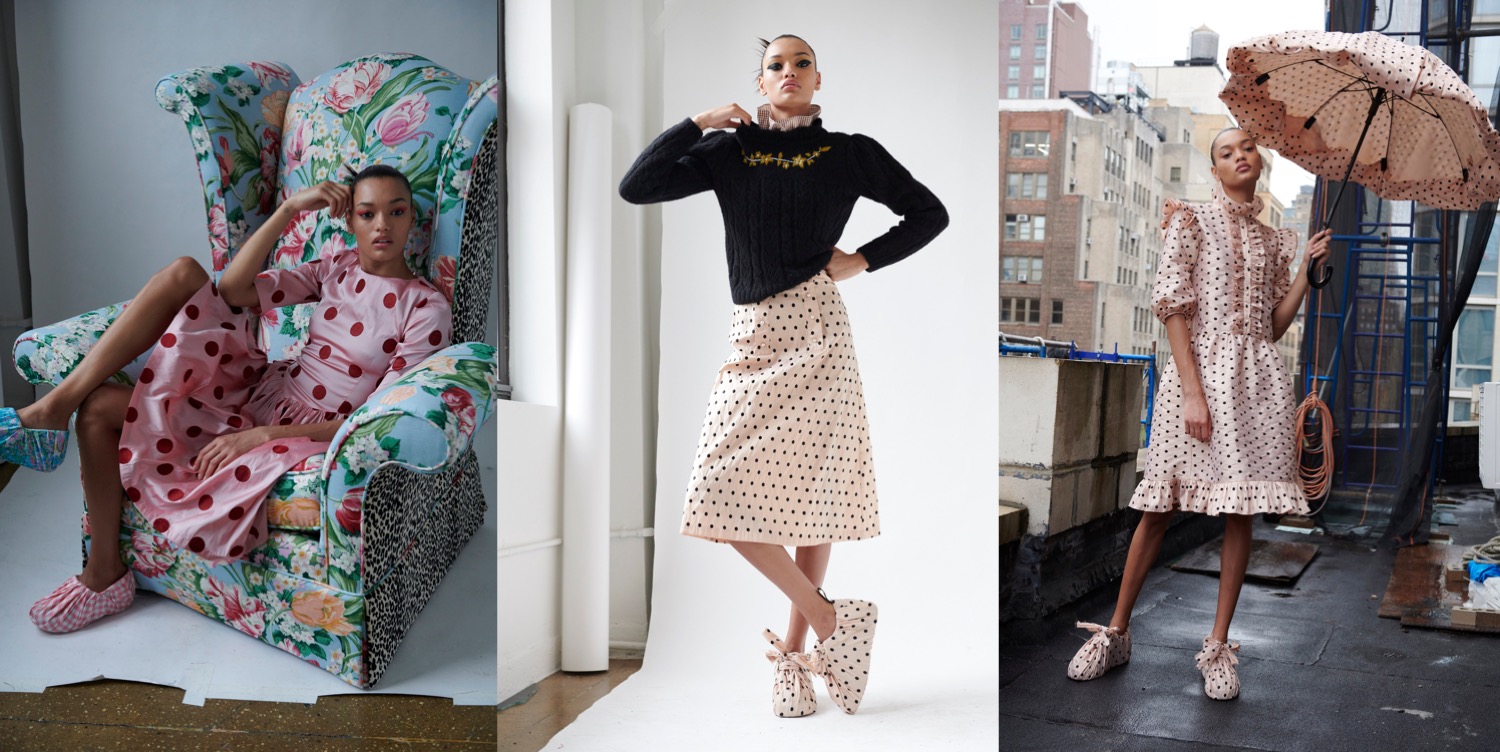
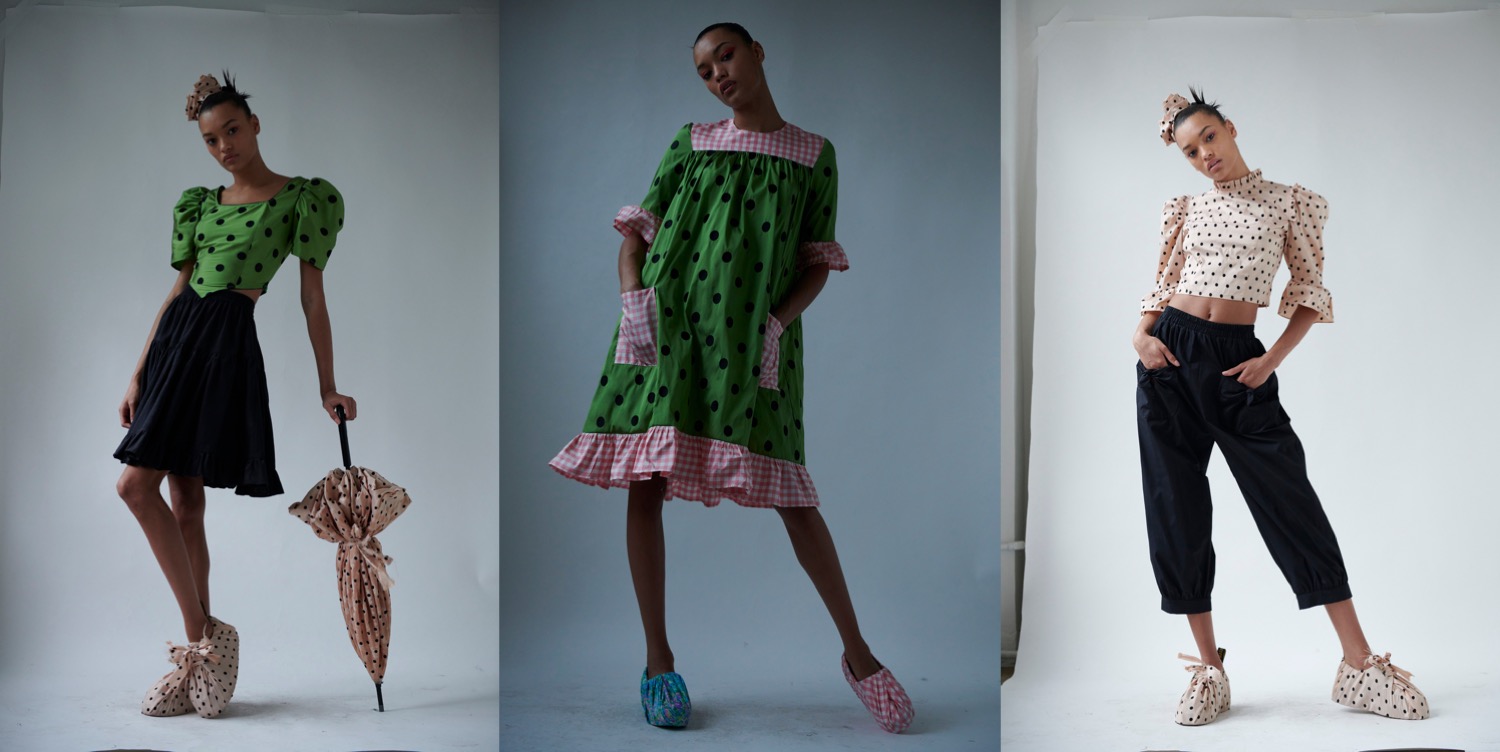
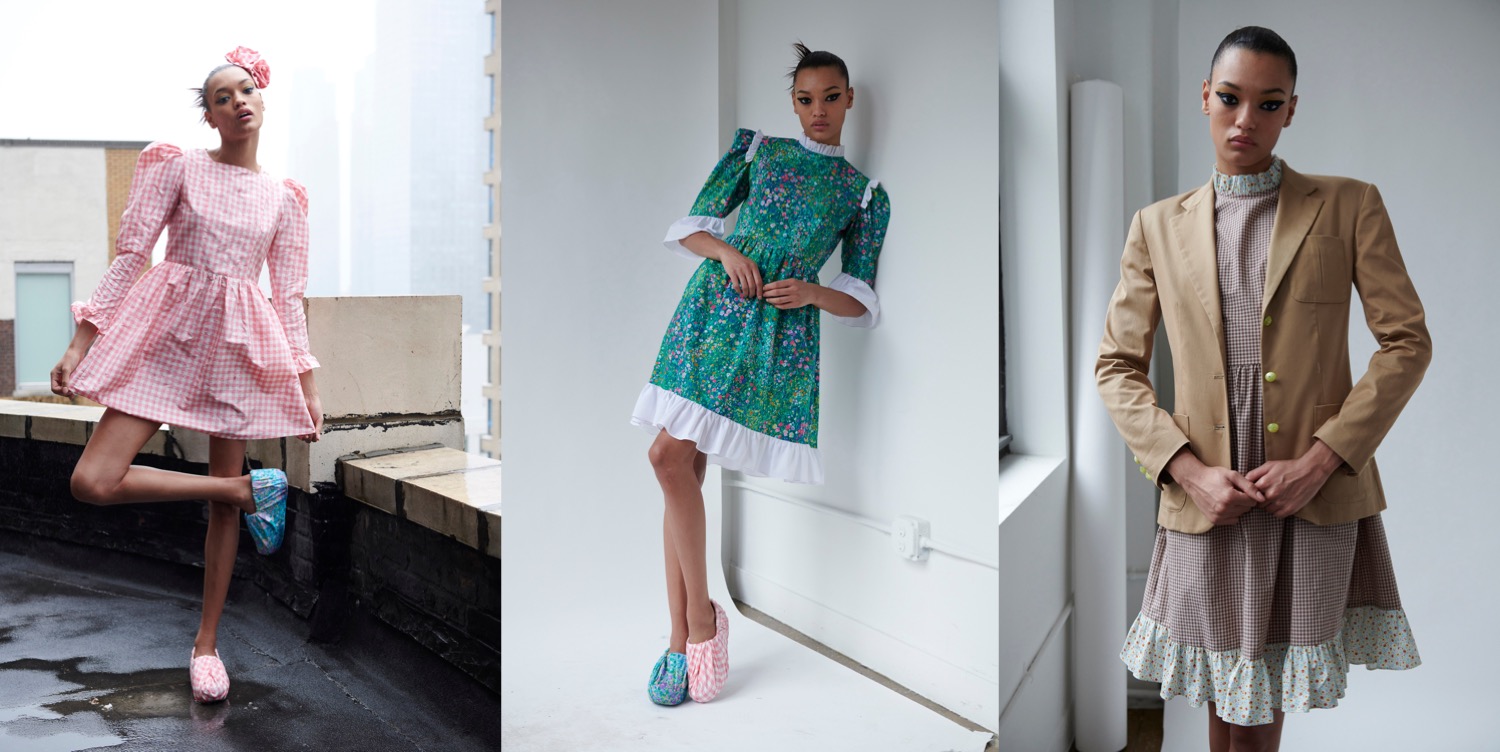
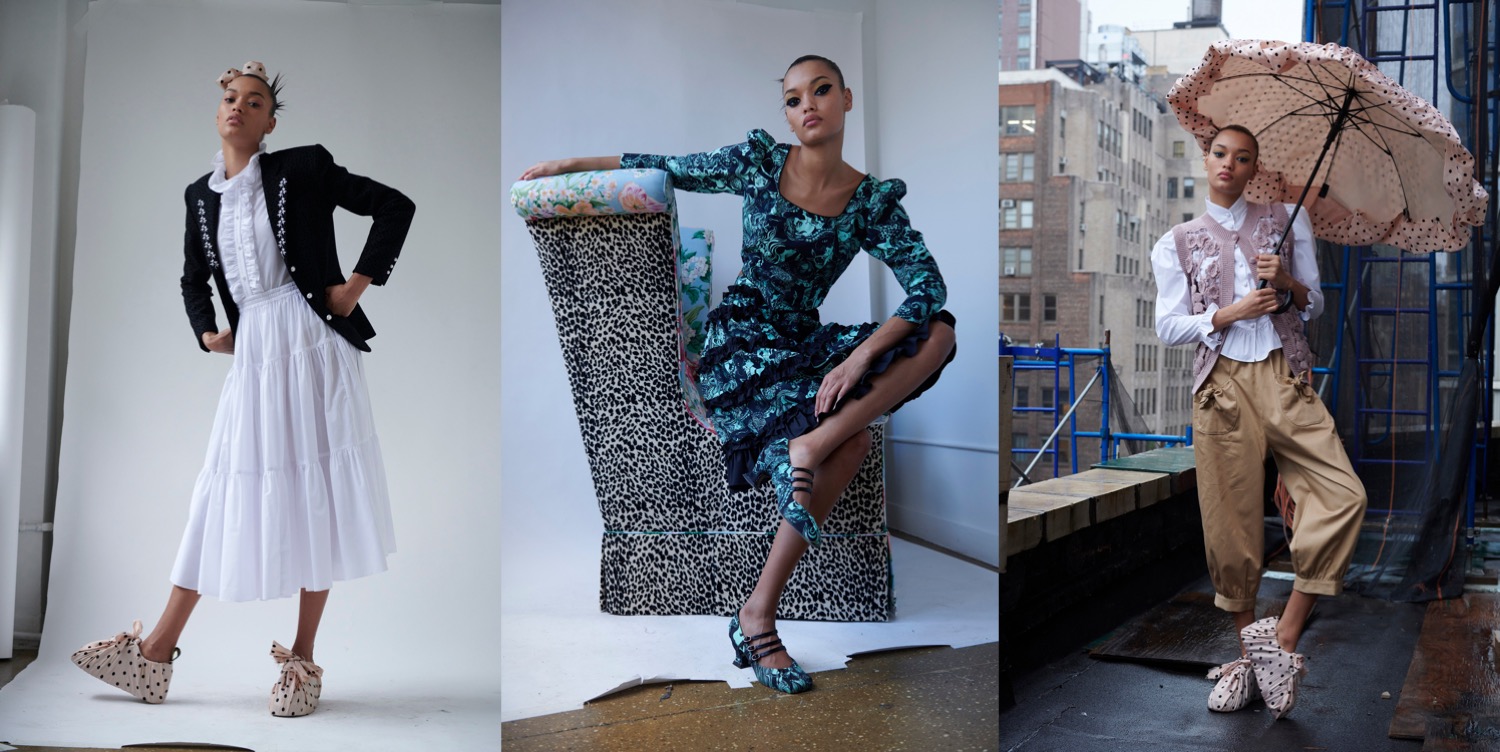
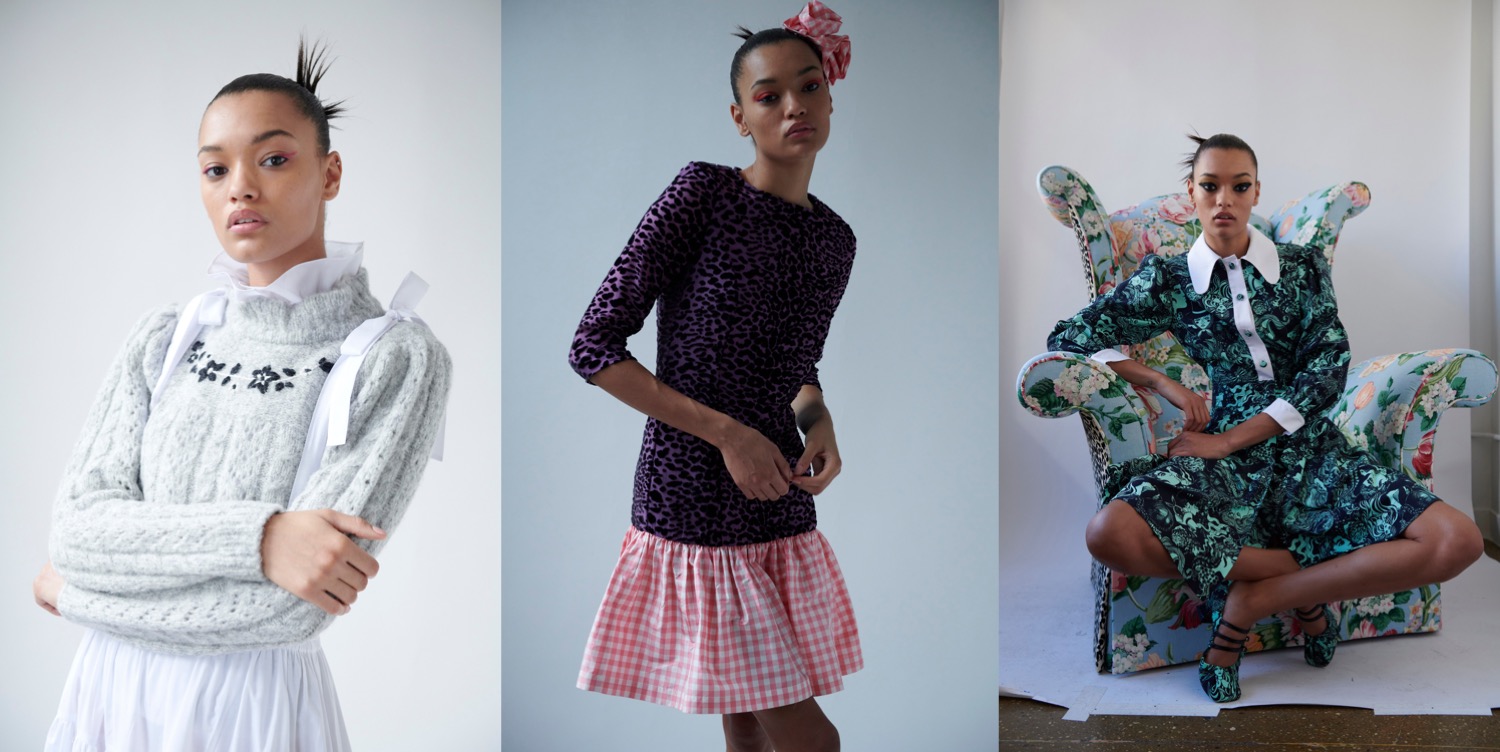
Maybe you can’t judge a season – a month of fashion shows and look-books – by one brand, but somehow Batsheva‘s spring-summer 2021 line-up makes me believe that things are looking up. In hard times like 2020, there’s nothing better than letting some joy in. In Batsheva Hay‘s fashion, adorable polka-dot dresses appear alongside high-collared midi-dresses with dainty embroideries and prints of psychedelic, acid green figures. There are, perhaps, more ruffles and bows than usual, each alighting on a V-neck or high shoulder. There’s playfulness and camp feeling all over those pieces, which – and that’s a Batsheva special – are made for the everyday. Even, if the new routine of Hay’s clients means days and days of Zoom calls. This is a loud “no, no!” to grey, sad sweatpants. The collection went live a few days before the official start of New York fashion week – which will last just three days and with many brands missing – and while many designers seem to struggle in the new reality, with Hay the situation is slightly different. She launched her brand with an unmissable signature, and evolved it however she felt right in her heart. Since day one, she thinks sustainably – some of the fabrics used in her dresses are either upcycled or vintage. When all the turbulent changes caused by the economic downturn of the pandemic (and because of the chaotic mess of the fashion system) abruptly came up, Hay didn’t have to change too much. “Fashion is about dressing,” she declared on a video call with Vogue. “It’s an answer to how people want to dress: be comfortable. Wear something not too expensive, but that feels elevated.” As a brand, she explained she wants to “exist in some way in ordinary lives.” Thinking soulfully and practically happen all too rarely in fashion industry. With some new, beautiful additions – like granny crotchet knits and a simple khaki blazer that will work with everything – Batsheva is a brand that keeps on evolving. And most of all, surprises with its powerful, never-boring consistency.

Collage by Edward Kanarecki, look-book photos by Alexei Hay.

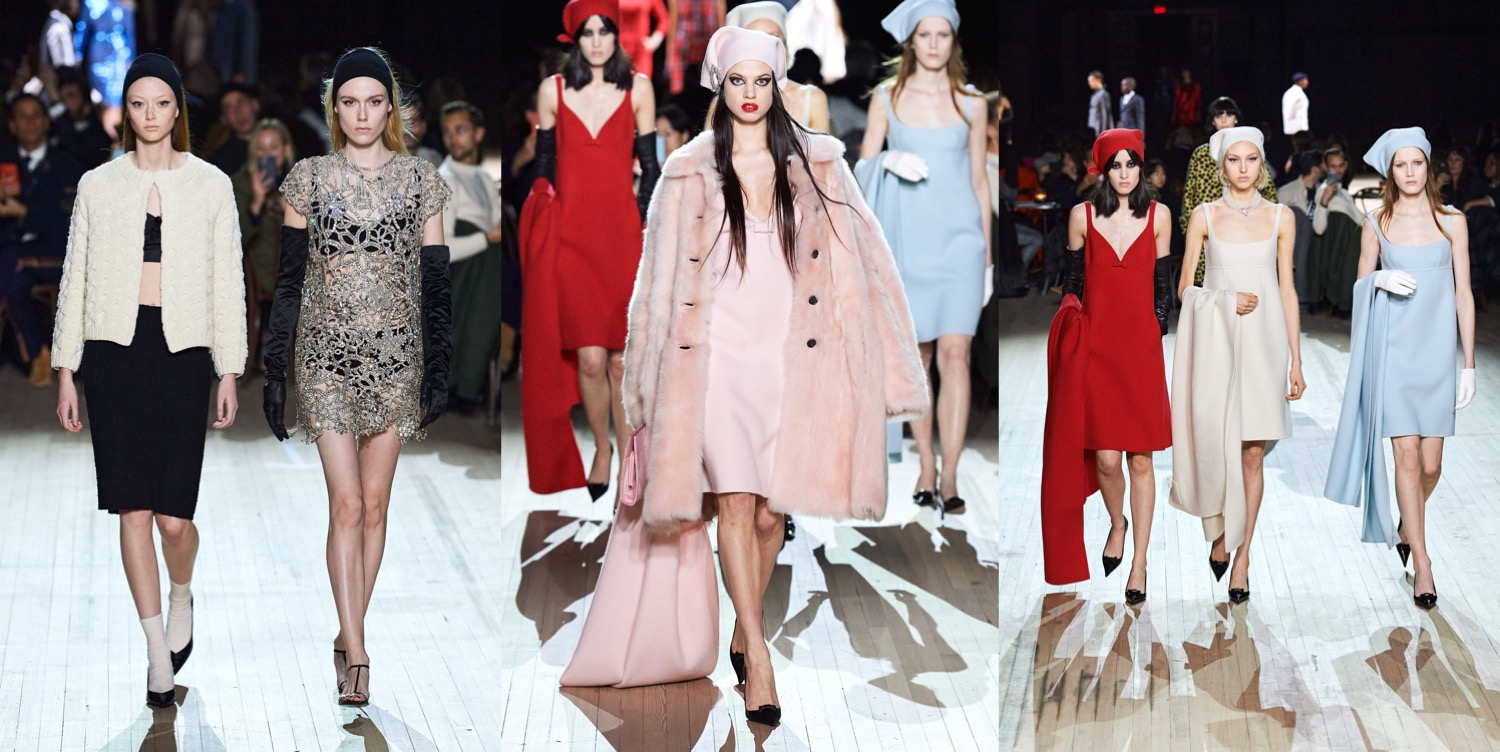
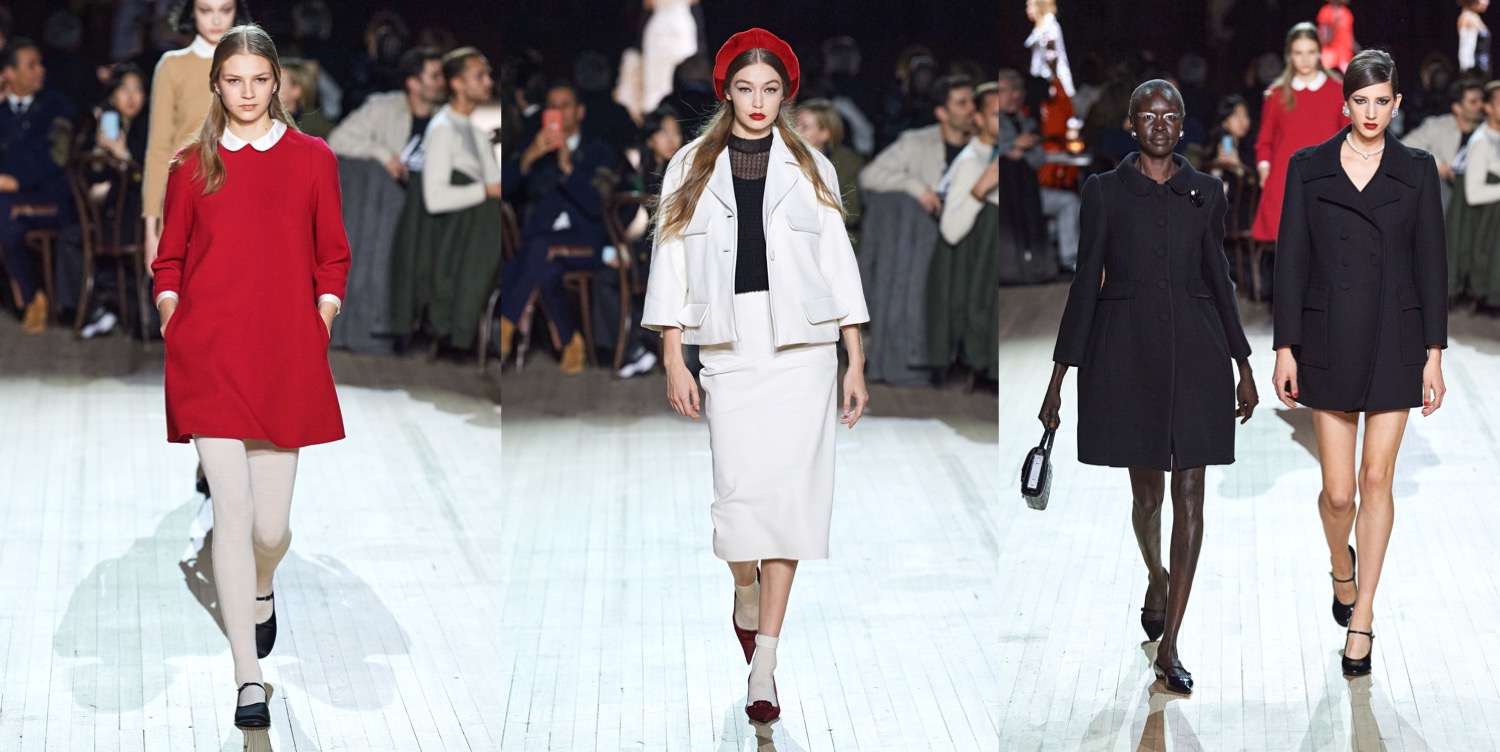
Beauty, Promise, Sparkle and Grit. Marc Jacobs AW20

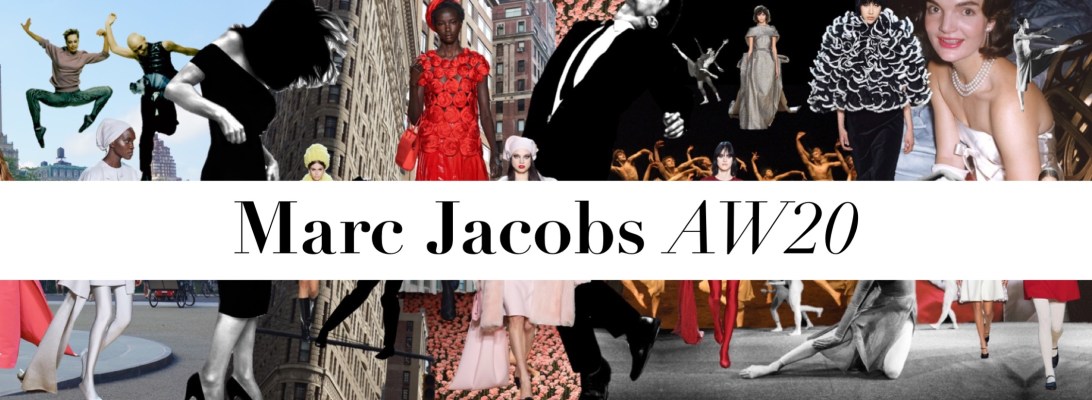
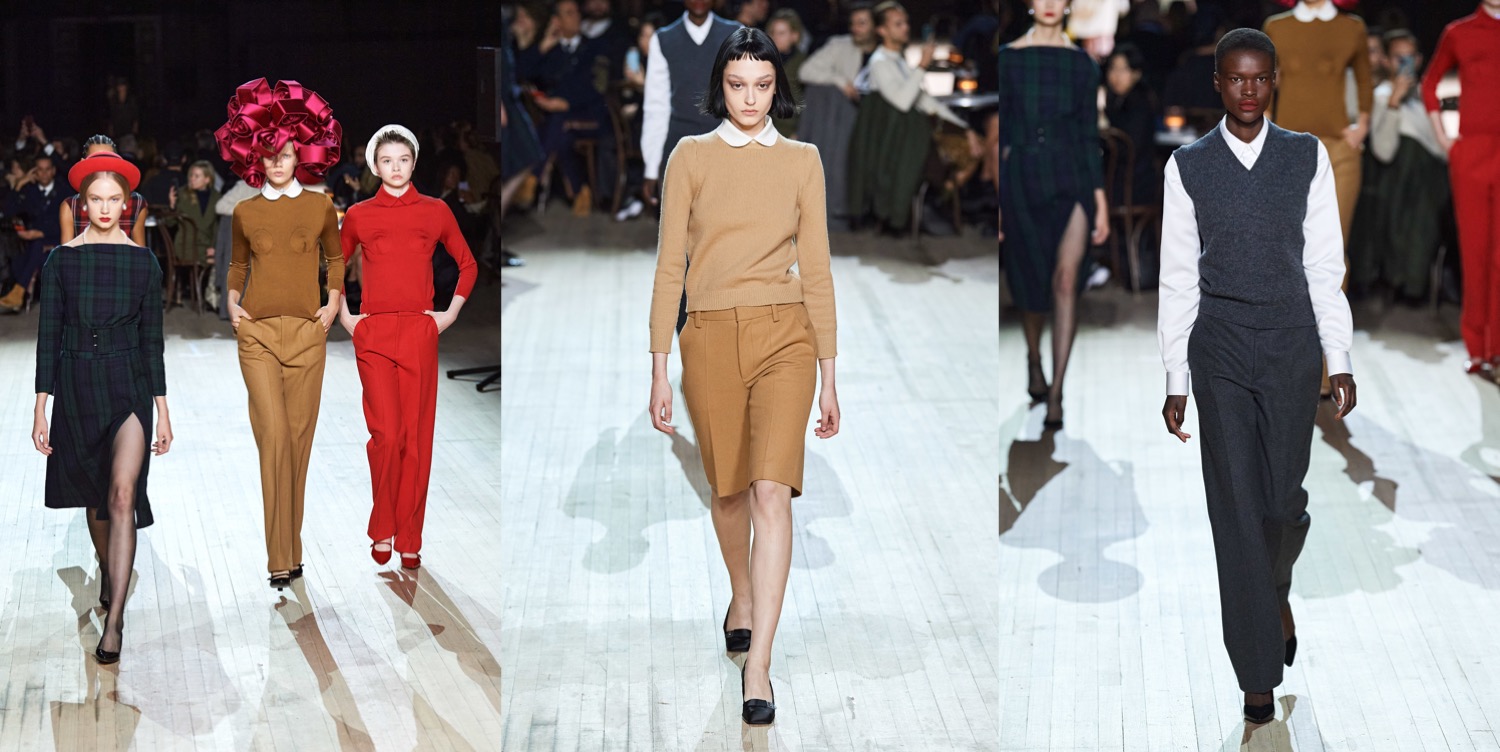
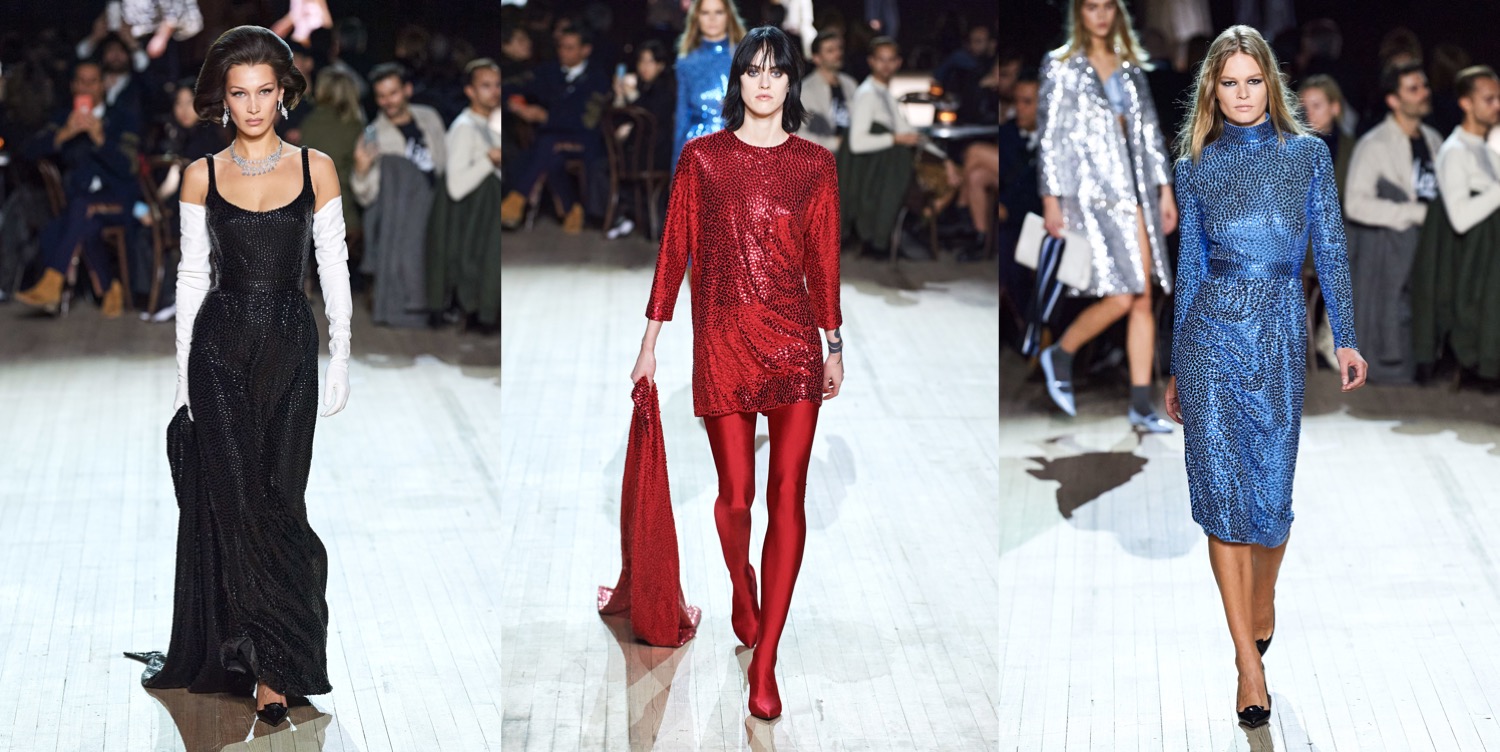
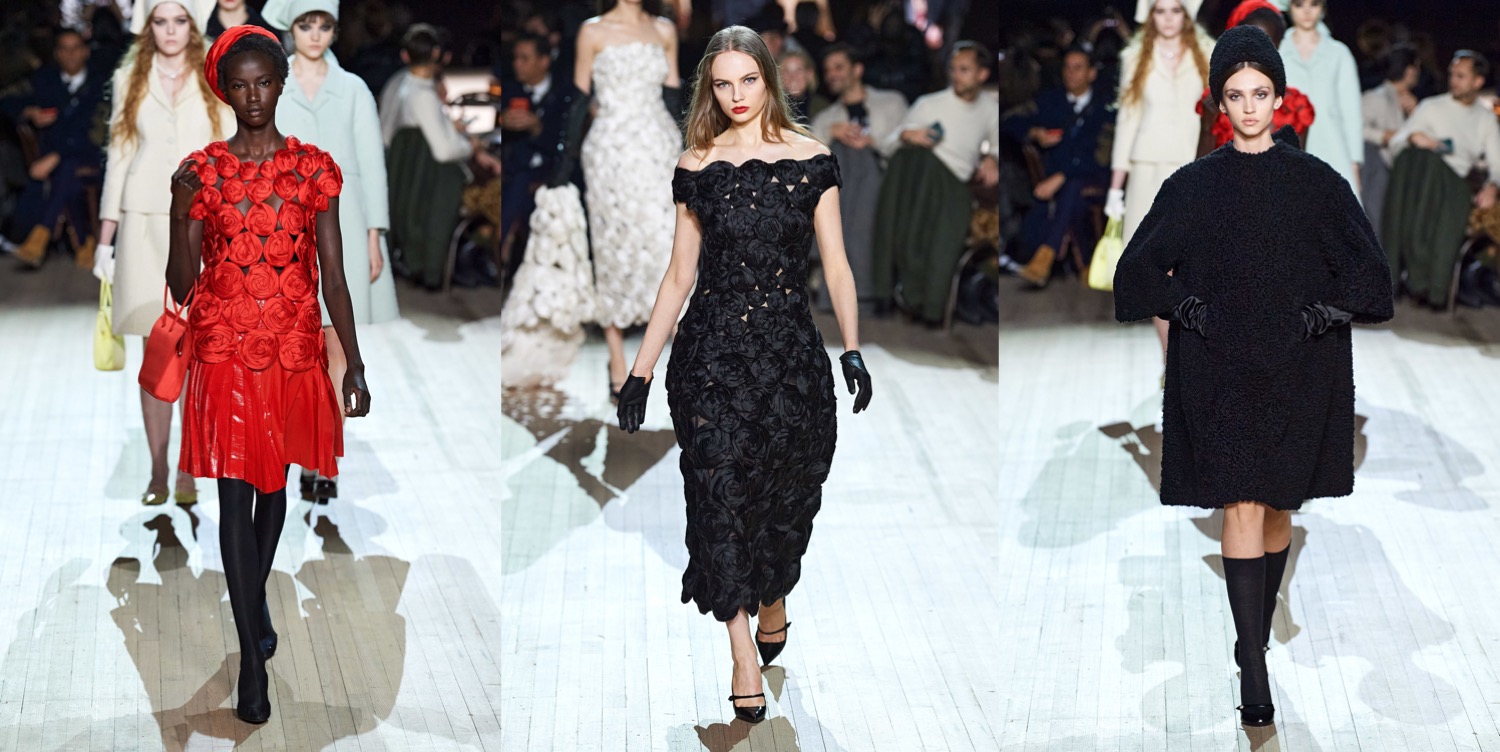
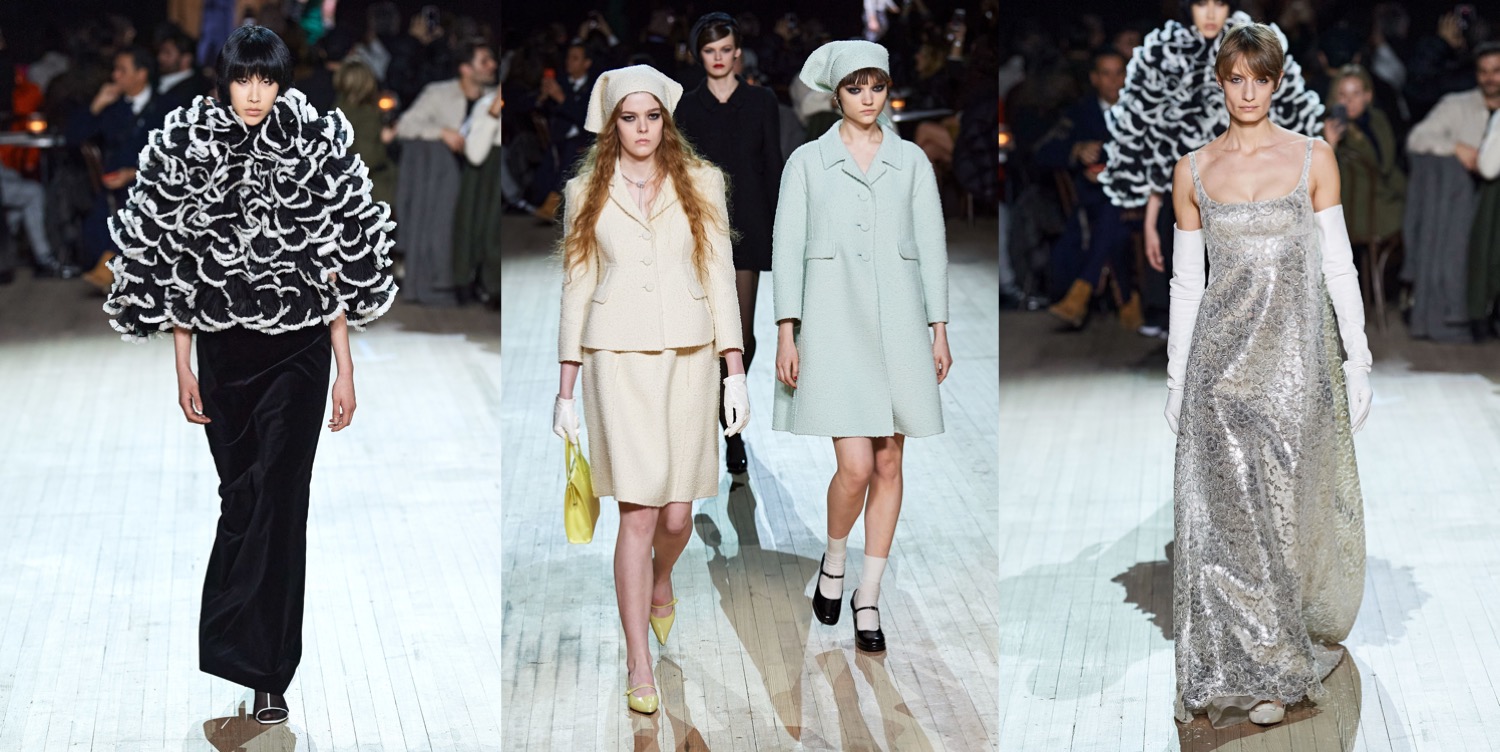
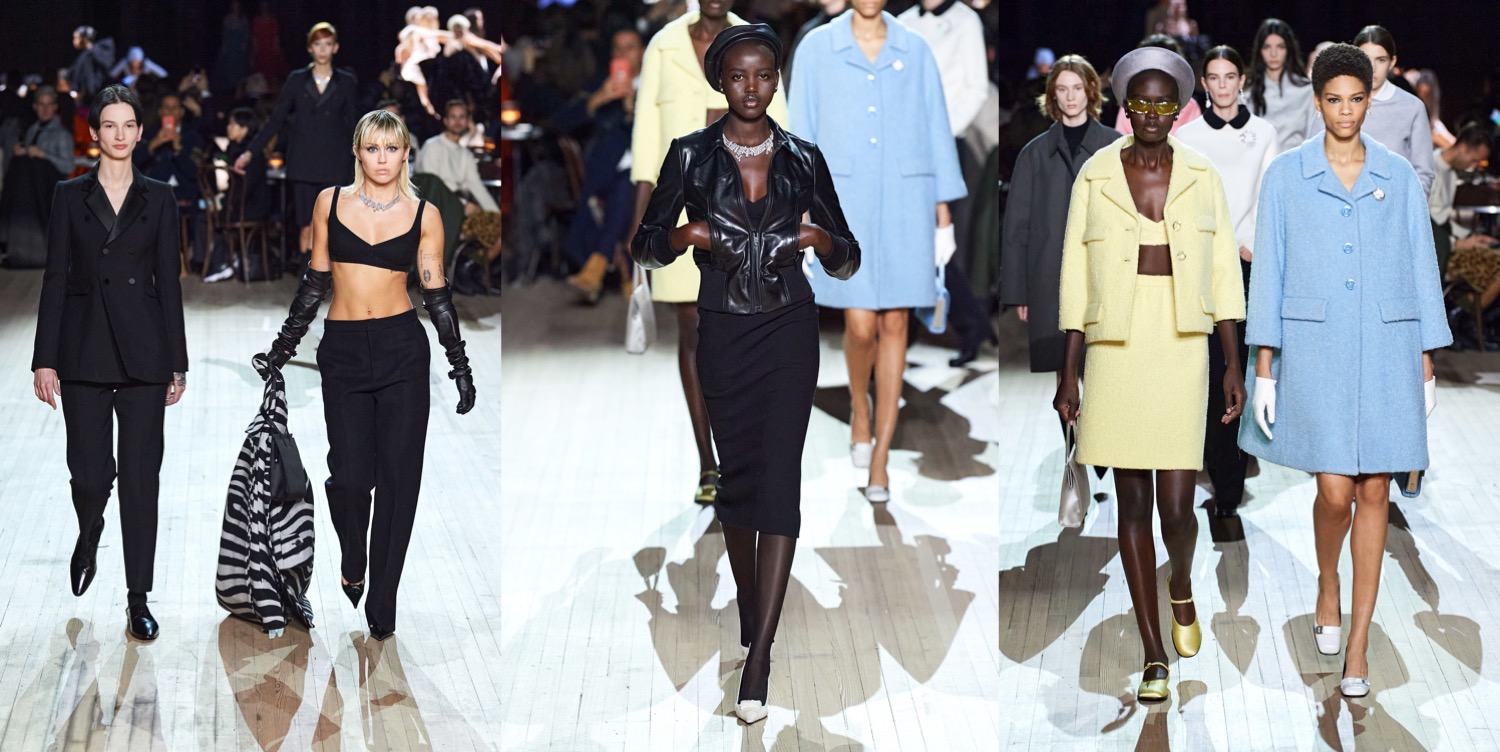
It’s rare I’m rewatching fashion show videos. But in case of Marc Jacobs’ autumn-winter 2020, I think I’ve seen it like five times already. It’s so brilliant. It’s nothing new that Jacobs closes New York fashion week with a vivid finale. But this season, it was even better. The runway featured a dance performance choreographed by Karole Armitage, New York’s „punk ballerina”, with the catwalk staged like a bistro. At some point it was hard to tell who’s the model and who’s the dancer (everybody was dressed in Jacobs), and that was the intention: beauty in chaos, told through powerful movement. Infinitely inspired by his heroes of the past and present, it is style in which different people dress at the various stages, ages and times in their lives that provokes Marc’s love for fashion and possibilities of what it can be. The designer especially had the fading image of disappearing New York in his mind – forever mythical and chic with its „beauty, promise, sparkle and grit”. As a departure from last season’s lamboyance, free spirit and color, this collection emphasizes restraint, quality of fabrics, make and proportion – valuing simplicity and timelessness above all. Jackie Kennedy’s evening dresses, pearls, refined daywear and headscarf looks were a big inspiration, just as the slinky minimalism of New York’s 90s aesthetic (which, of course, was shaped by people like Marc). Each look has its elegant charm, whether we’re speaking of white-collared dresses with above-the-knee lenght, pieces made from draped roses, classic peacoats or the marvelous gowns, inspired with couture masters. What truly stuns in this line-up is the way Jacobs brougt so much relevance and modernity out of nostalgia – literally everything is fit for 2020 here. I think it’s clear who’s (again) the winner or NYFW. And, what’s worth noting, not because other shows were dull and Jacobs was entertaining. We’ve seen some great collections this week – I’m thinking of The Row, Rodarte, Area and few others –  but Marc’s felt definitely the most alive and emotional (and, simultaneously, completely wearable!).

Collage by Edward Kanarecki.
Prairie Dress on Ice. Batsheva AW20

Slajd1-kopia 12

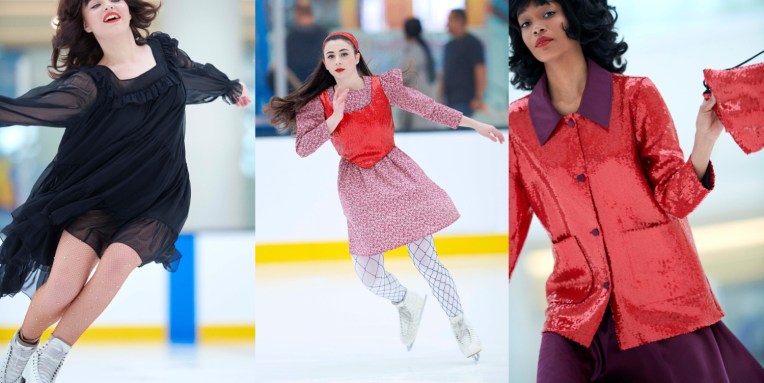
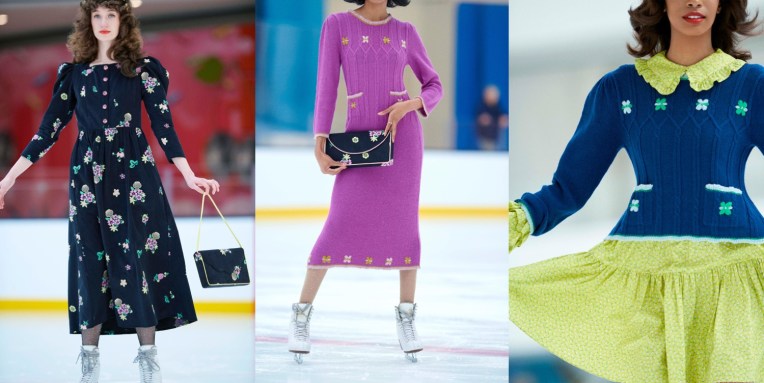
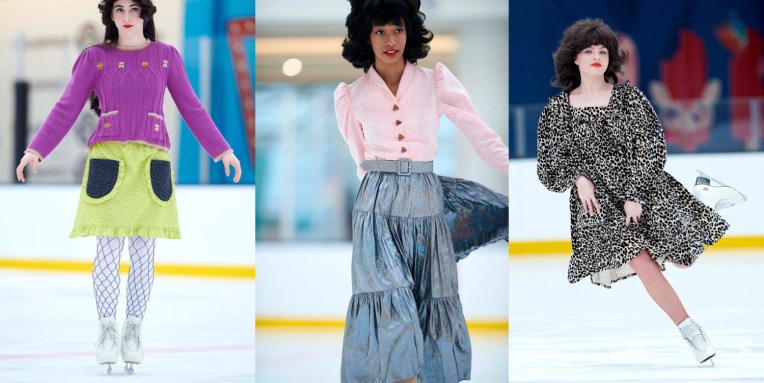
There’s no street style in New York without the Batsheva dress. Batsheva Hay‘s prairie look has trickled down to other, local brands’ repertoire, which just reassures her success. The designer expands, trying out new things. The autumn-winter 2020 collection  had no runway, but a look-book featuring… figure skaters. Batsheva and her husband, Alexei, had conspired to shoot this collection guerrilla style in the American Dream mall, and stumbled upon a figure skating competition on the day they went to scout locations. “Part of what I’m always trying to prove is the wearability of my clothes,” she said, “and athletic movement is the definitive wearability test.” The skaters spin, twirl and jump in Hay’s chiffons, cottons, and custom flower pot embroideries, frozen mid-gesture by the camera. It’s intentionally not glamorous (and definitely not Tonya Harding) and the styling is kooky in its spontaneous way. For the season, the designer brings in evening-worthy sparkles, vintage flocked wool trenches and a red bustier “going out” top. It’s proper hot. For prairie girls not ready to give up their pastoral vibes, Hay offers ruffle V-front dresses and smocks, as well as velvet leopard with a wider, less Victorian neckline – this one is my personal favourite. Sounds (and looks) like lots of fun.

sssddd-kopiafffggghhh

Collage by Edward Kanarecki.
Soft Experimental. Eckhaus Latta AW20

Slajd1-kopia 5

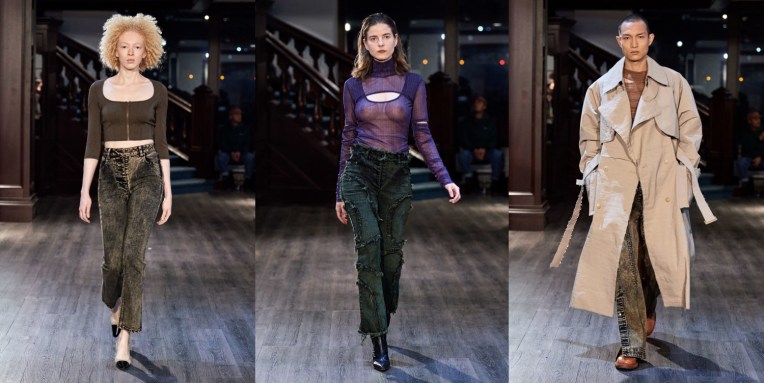
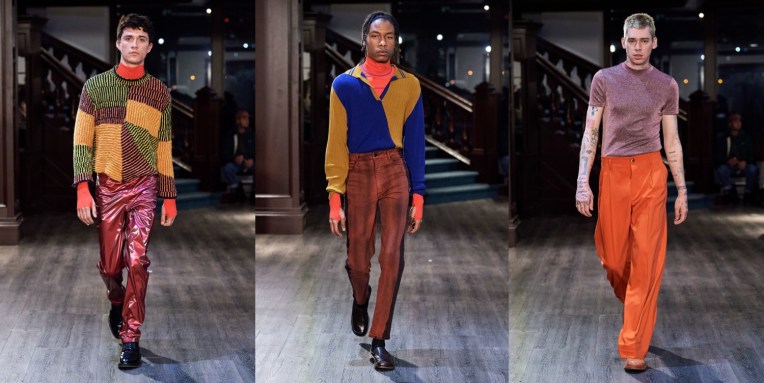
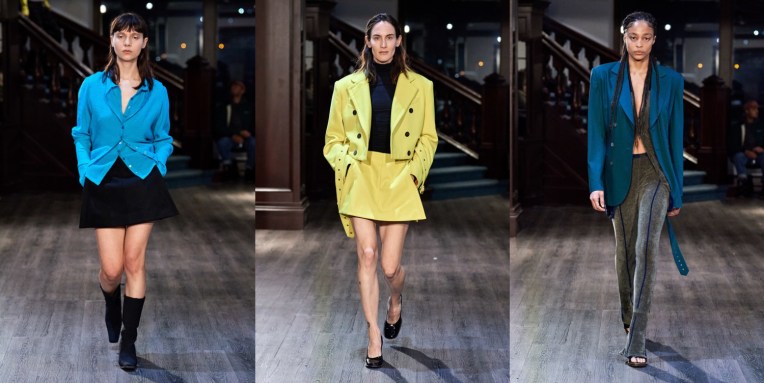
Mike Eckhaus and Zoe Latta were working through a bunch of ideas this season – colored acid-washed and “experimental” distressed denim, as they put it after their Eckhaus Latta show; boxy tailoring paired with either super-abbreviated skirts or languid, flared trousers; liquid fabric effects. As is typical for this New York-based label, the clothes were gently (rather than aggressively) challenging, with most of the novelty to be found in the occasional so-odd-its-good proportion, the unexpected finish on a garment, or the painterly quality of the garments’ surfaces (take the sweater knit with what looked like brushstrokes of bold color or jeans with a watercolor-y acid wash). Everything, even the purposefully frayed pieces, was executed with a lot of polish – and that, Latta and Eckhaus said, was the real story here. As Latta noted, they were posing “existential questions” to themselves, like, “What are we doing here?” and “Why are we making any of this?” that they answered by focusing on craft. The goal, they said, was for every piece in this collection to have a long life cycle, whether that means one wearer using a garment over many years, or several wearers enjoying the same piece. “Whatever we made,” Latta elaborated, “we wanted it to last.” Another sustainability step they took was partnering with resale site The RealReal to source footwear for the runway. Give an existing shoe a life, instead of making dozens of prototypes and samples is a great idea. But also, Mike and Zoe have always been more interested in producing clothes for varying types of people to integrate into their lives and wardrobes as they please than they have been in creating a brand uniform. Seeing all different shoes on the models highlighted the designers’ commitment to designing collections that can be interpreted in a variety of ways.

asdfSlajd5g

Collage by Edward Kanarecki.