The 2010s / Comme Des Garçons AW12

Believe it or not – I can’t! – but we’re heading towards a new millenium. So, how do you choose the most important collections, designers and labels of the decade? The ones that made an actual impact in the 2010s? Well, it’s not an easy task. It all began in September 2009 with New York’s spring-summer 2010 shows and ended when the autumn-winter 2019 haute couture shows wrapped in Paris. Few thousands of shows, by the way. There will be 19 posts (that’s really the only possible minimum!) reminding about the best – and if not the best, then strongly influencing – moments in fashion.

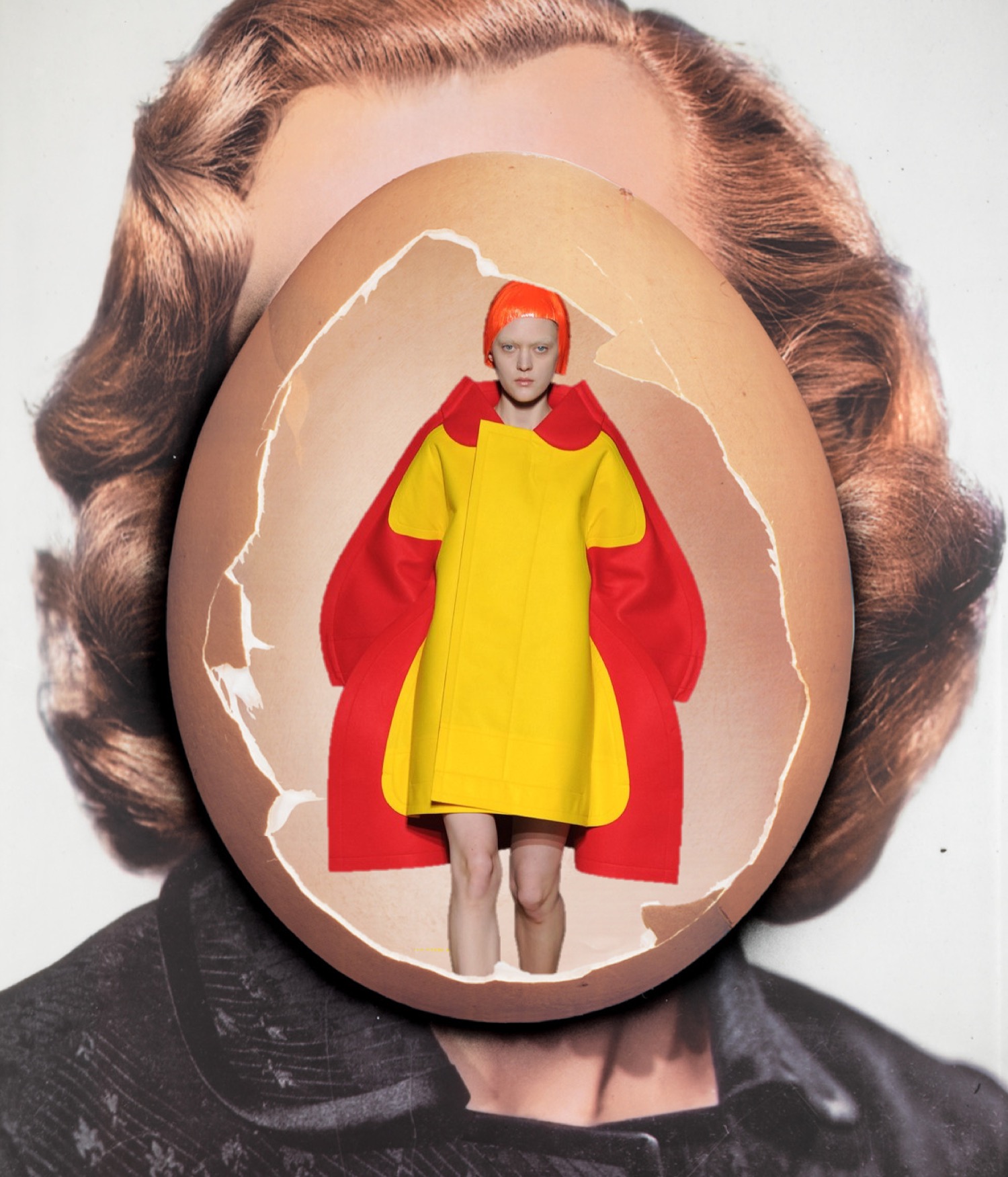
Rei Kawakubo‘s “flat” collection, Comme Des Garçons AW12.

Back in 2012, I was 13. And this collection was a complete fantasy for me. “The future’s in two dimensions” was its provocative premise. The cutout paper-dolliness of looks like the red and pink felted coat-dresses that opened the show, or the lilac jacket and pants that followed – all that was amazingly odd and phenomenal at the same time. In fact, this wasn’t just about fun dressing up – hello, it’s Rei Kawakubo’s work! – but rather a comment on the state of the industry (there was a sort of creativity crisis in the end of 2000s and the beginnings of 2010s, to be honest). If the fashion industry was happy with coverage that reduces its most elevated endeavors to two dimensions, then Rei was going to reduce the industry itself to an equally flat proposition. A handful of ultra-clichéd fashion patterns – camo, leopard, florals, polka dots – were used in the most literal of ways. The “eveningwear” was all about sequins, the ultimate evening cliché. How flat! Kawakubo mocked fashion and us, the viewers, but at the same she created wearable, geometric art-works that still make you sigh with delight. Here’s Iris Apfel photographed by Jeff Bark for Dazed & Confused wearing the most striking pieces from the collection. Naturally, the 13 year old me needed that issue. And the today me still cherishes it for this stunning editorial.

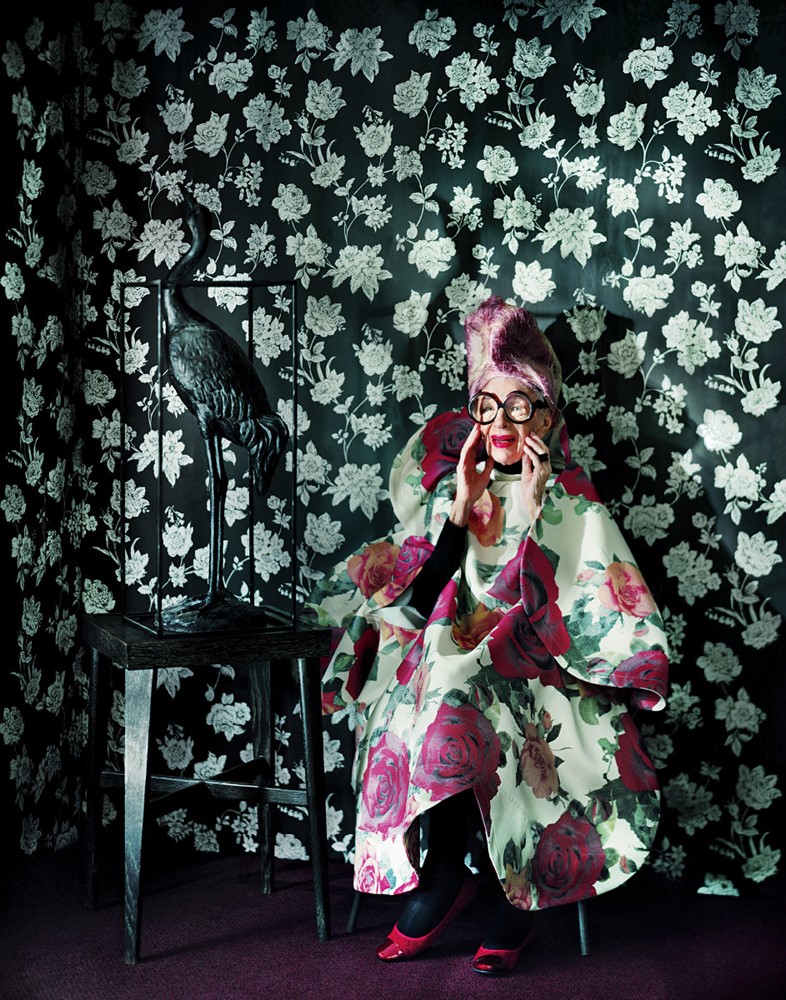
Collage by Edward Kanarecki.
The 2010s / Pierpaolo Piccioli’s Couture at Valentino

Believe it or not – I can’t! – but we’re heading towards a new millenium. So, how do you choose the most important collections, designers and labels of the decade? The ones that made an actual impact in the 2010s? Well, it’s not an easy task. It all began in September 2009 with New York’s spring-summer 2010 shows and ended when the autumn-winter 2019 haute couture shows wrapped in Paris. Few thousands of shows, by the way. There will be 19 posts (that’s really the only possible minimum!) reminding about the best – and if not the best, then strongly influencing – moments in fashion.

Pierpaolo Piccioli‘s Valentino and making fashion FASHION again.

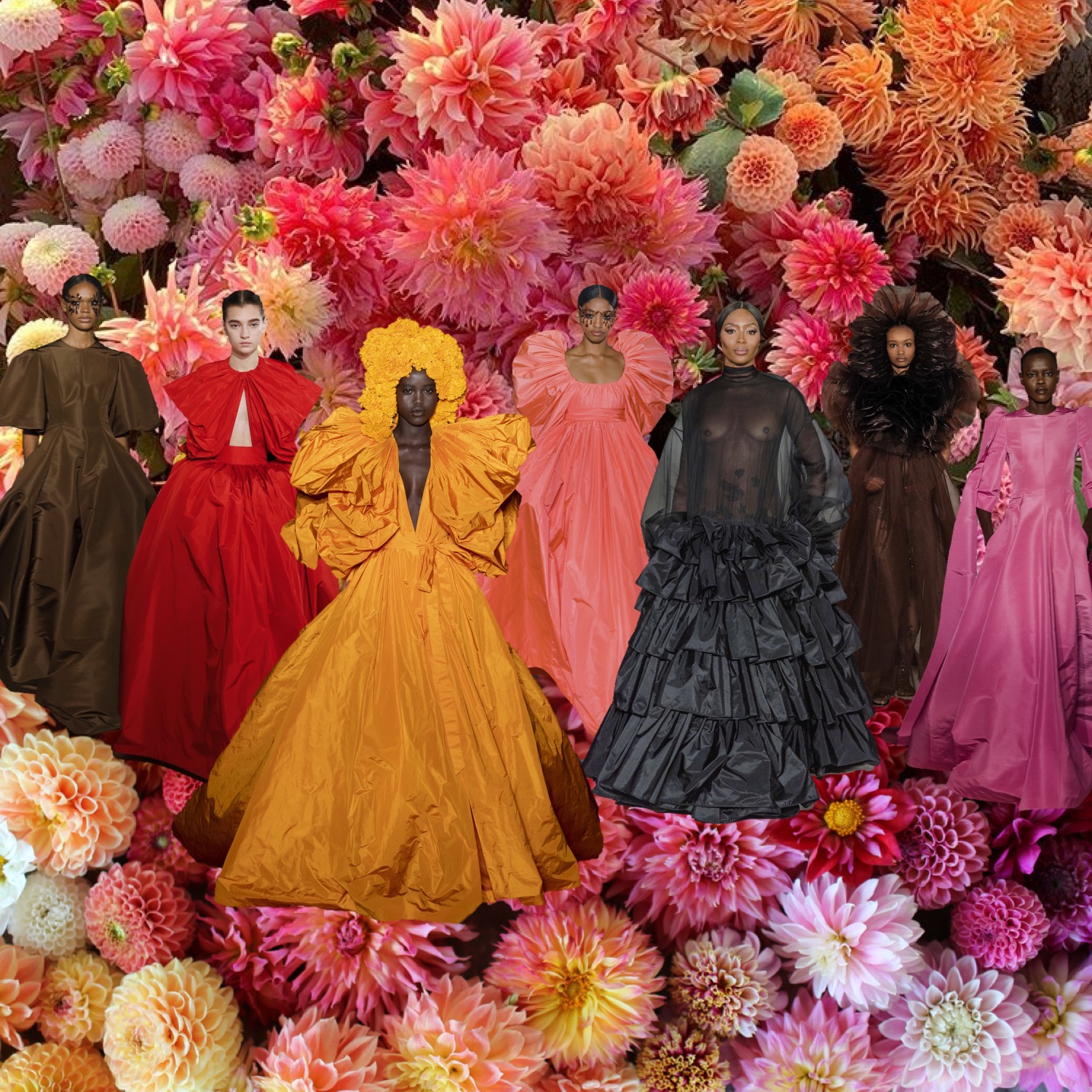
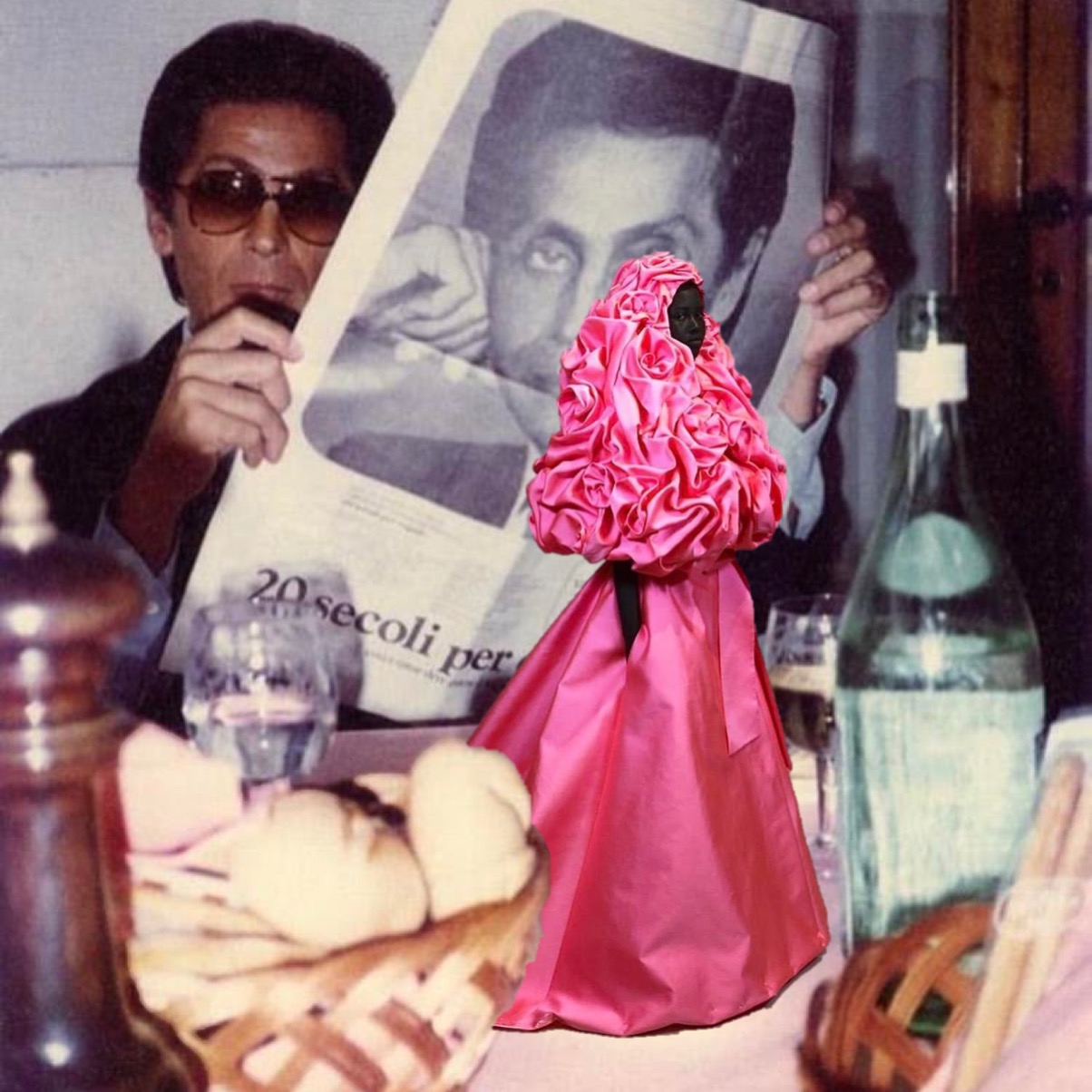
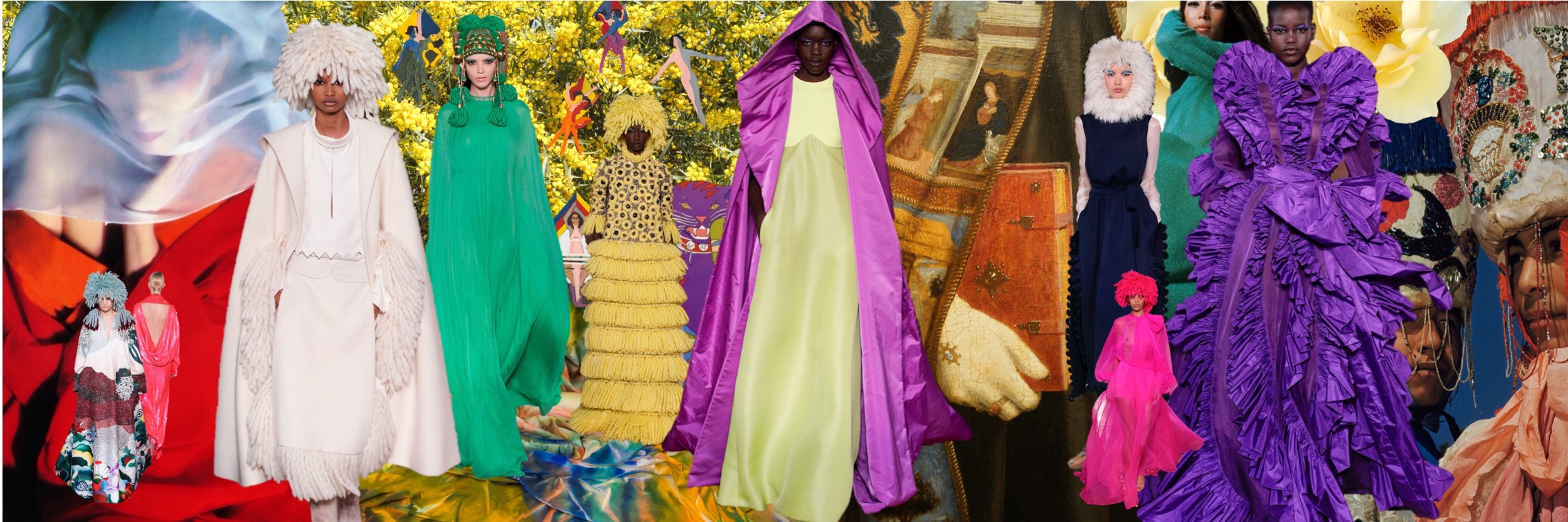
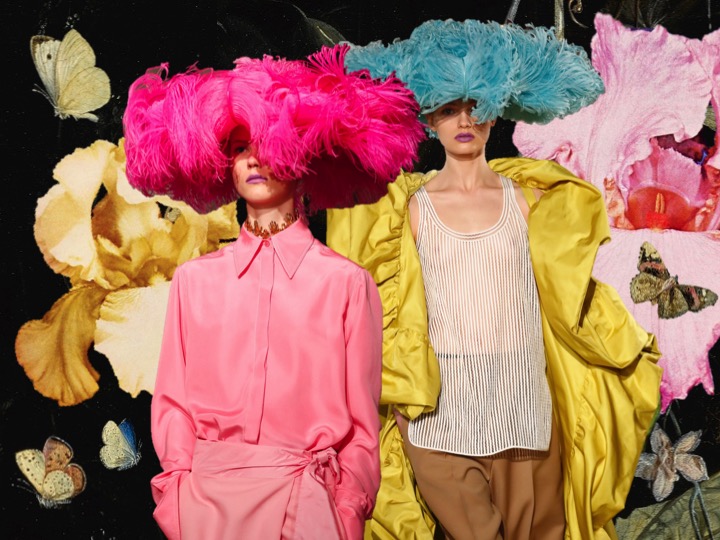
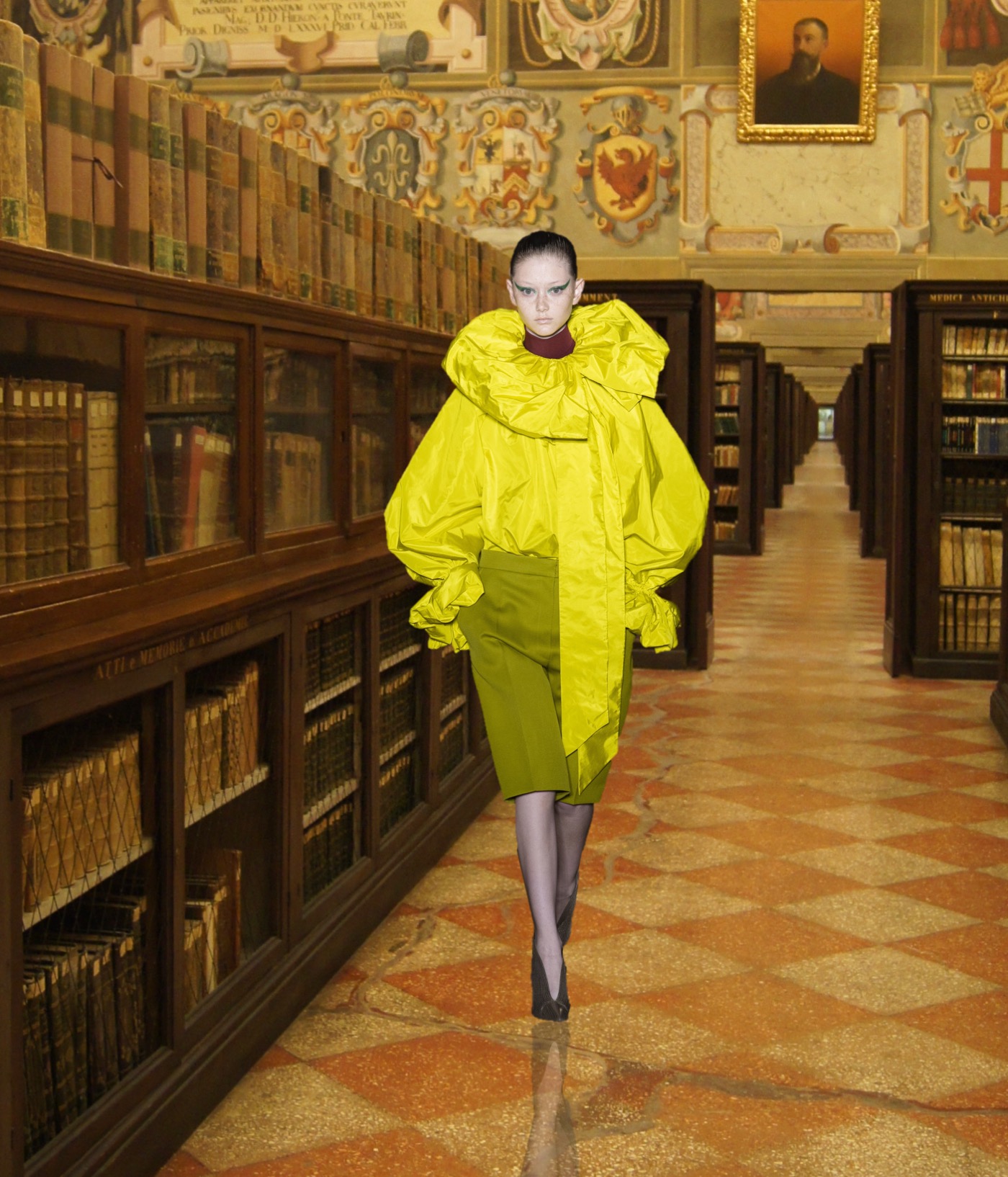
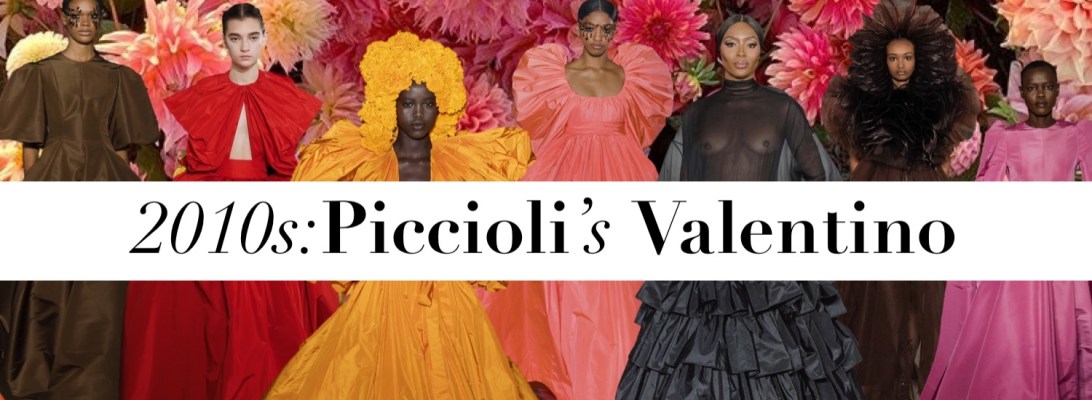
Pierpaolo Piccioli’s couture for Valentino is the only couture that really mattered in the last couple of years. No crazy venues that attempt to distract you from noticing how plain the collection is. Just pure, joyous, glorious haute couture that enchants and truly impresses. And makes Celine Dion cry. The spring-summer 2019 collection was a triumph of audacious colour, beauty and glamour. But also, it was a major model casting breakthrough, with completely diverse models that made the garments even more exquisite. The designer embraced black beauty, having Adut Akech open the show (in a brilliant, pink ensemble) and Naomi Campbell close (in a gown made out of translucent organza in the shade of Chocolate Dahlia). There was Liya Kebede, there was Lineisy Montero, there was Ugbad Abdi. Runway icons, veterans, and newcomers. The entire scene looked like a fairy-tale… that really took place. This couture collection showed to what extent colour is crucial for Pierpaolo, especially in terms of his haute fashion. “You don’t invent beauty, but you can invent new harmonies for colour”, the maestro said backstage. Just read the following: a coral coat worn with a chocolate crepe blouse and emerald gabardine pants. Lilac serape topped a pair of orange pants. Turquoise lace and tangerine silk faille. Green sequins. Pale mauve. Matisse blue. All that worked with voluminous ball gowns that took hundreds of hours to create at Valentino atelier in Rome. A season later, with a 5-star line-up of models including the great Lauren Hutton, each singular silhouette that came down the Valentino runway added more and more meaning to a show that celebrated the opulence of diversity through a “gathering of individuals“, as colours, shapes, headpieces, flowers and fringes came together in one stunning presentation of fashion design and its finest. Piccioli again made you feel ecstatic with his vision of couture. From the yellow tiered wool yarn fringing and Hmong/Miao tribe-inspired headpieces to cartoonish leopard prints and Matisse cut-outs in acid colours, this show was spectacular. The cut, the plumage details, those subtle Yves Saint Laurent references, the out-of-this-world craftsmanship, the magnificience… this collection is so deep in its beauty that it truly touches your soul. Unquestionably, Piccioli is a couturier of Garavani’s heights. And it’s a blessing for today’s fashion to experience his genius. On to 2020s!

Spring-summer 2019 haute couture

Autumn-winter 2019 haute couture

Spring-summer 2019 haute couture

Spring-summer 2018 haute couture

Autumn-winter 2018 haute couture.

/

All collages by Edward Kanarecki.

The Look – Dries Van Noten SS20

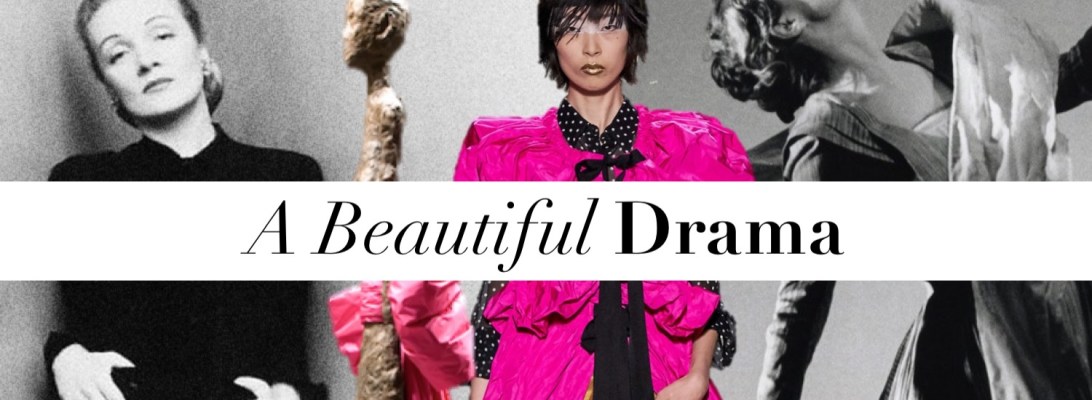
The remarkable Dries Van Noten & Christian Lacroix collection for spring-summer 2020 is still on my mind. It was a true fashion fairy-tale that you never thought would happen (or even expect to happen!). One of the most spectacular looks? The fuchsia parachute dress worn non-chalantly over a polka-dots shirt and brocade shorts. Here, it’s remixed with John Baldessari’s take on Alberto Giacometti, Marlene Dietrich photographed by Irving Penn and Isabelle Huppert as Orlando at the Théâtre Vidy-Lausanne in 1993.

Collage by Edward Kanarecki.

Dover Street Parfums Market

25 years after the launch of the first Comme des Garçons perfume, 15 years after opening the first Dover Street Market in London, Comme des Garçons opens Dover Street Parfums Market in Paris. It’s a place you never knew you needed so much. Located two minutes from Musée Picasso, this outpost of DSM is dedicated to beauty with a selection of perfumes, cosmetic and make-up brands from around the world. From avant-garde independent young labels (Kerosene, 19-69, Ormaie…) to the most established and classic references, it’s an explosion of scents, sounds and textures. Skincare, body and hair care products are also part of the proposal, with a majority of sustainable and organic brands aimed for all the human spectrum. It’s about authencity, diversity, originality and inclusivity. Special guests include Gucci with its Alchemist’s Garden line; Byredo’s unique corner; events by MAC cosmetics (and their Instagram-big Comme Des Garçons tattoo kit available only here); Julien D’Ys’ hair installations; and Thom Browne who is about to launch his very first perfume range entitled 09.27.65. Dover Street Parfums Market has no commercial visuals, logos or gifts with purchases. As for the interior, Rei Kawakubo designed a forest of pillars with egg shaped shelves carved within them. Mainstream beauty stores and department stores are becoming even more bleak and charmless in my eyes now.

11 bis rue Elzevir / Paris

Belle Époque Today. Louis Vuitton SS20

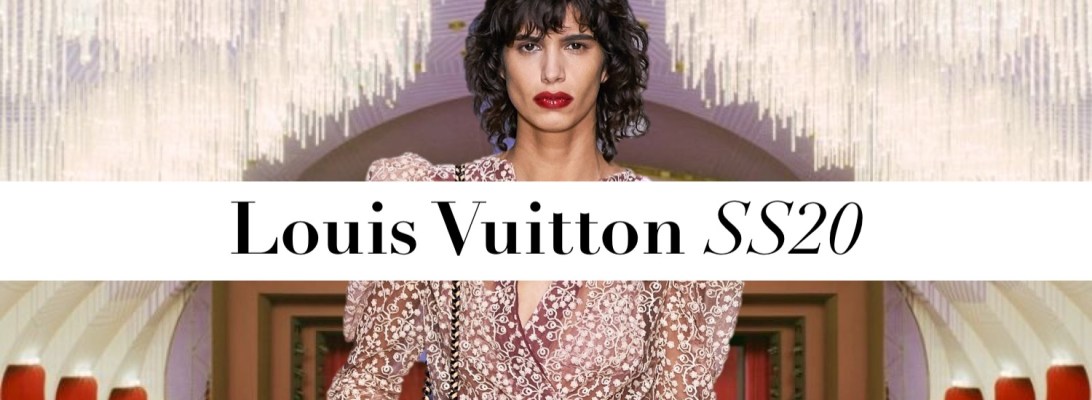
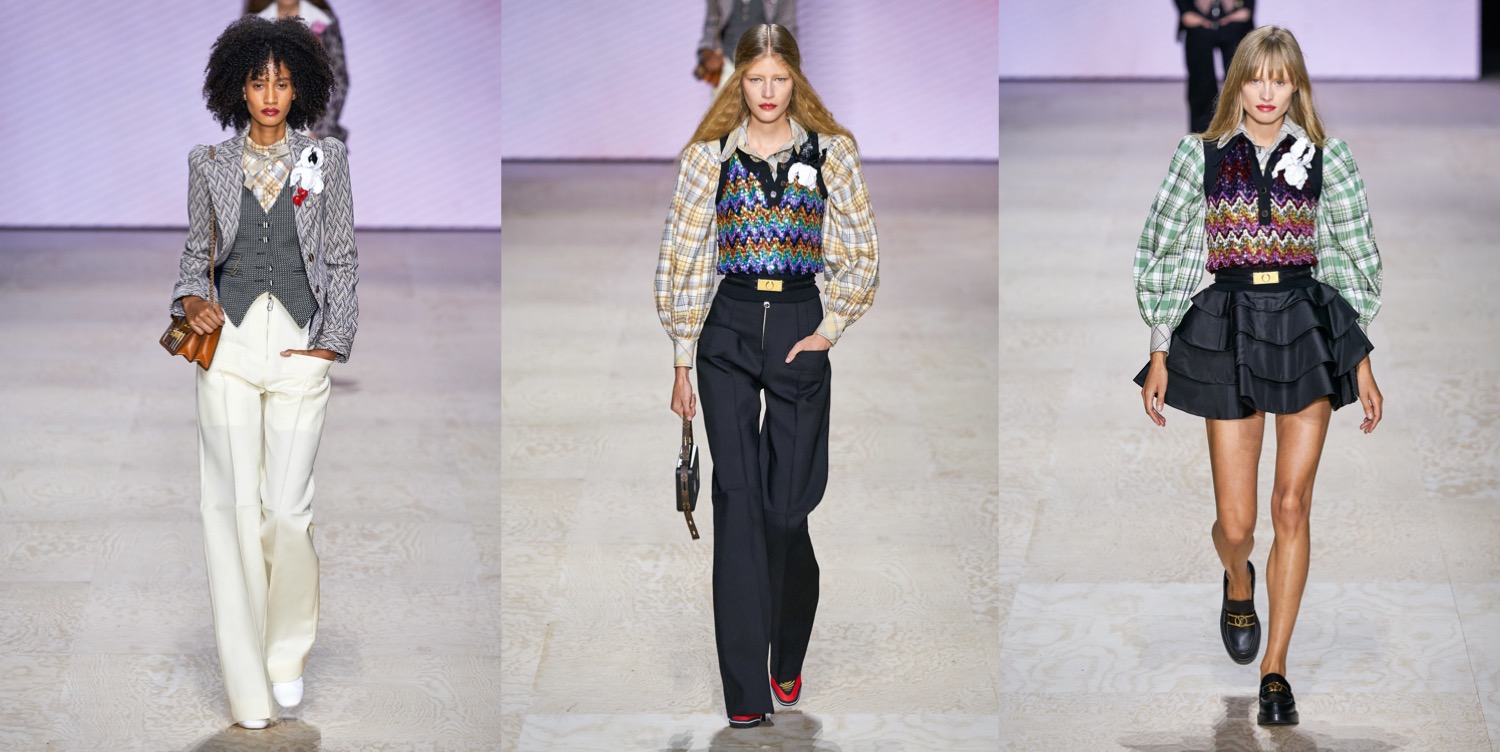
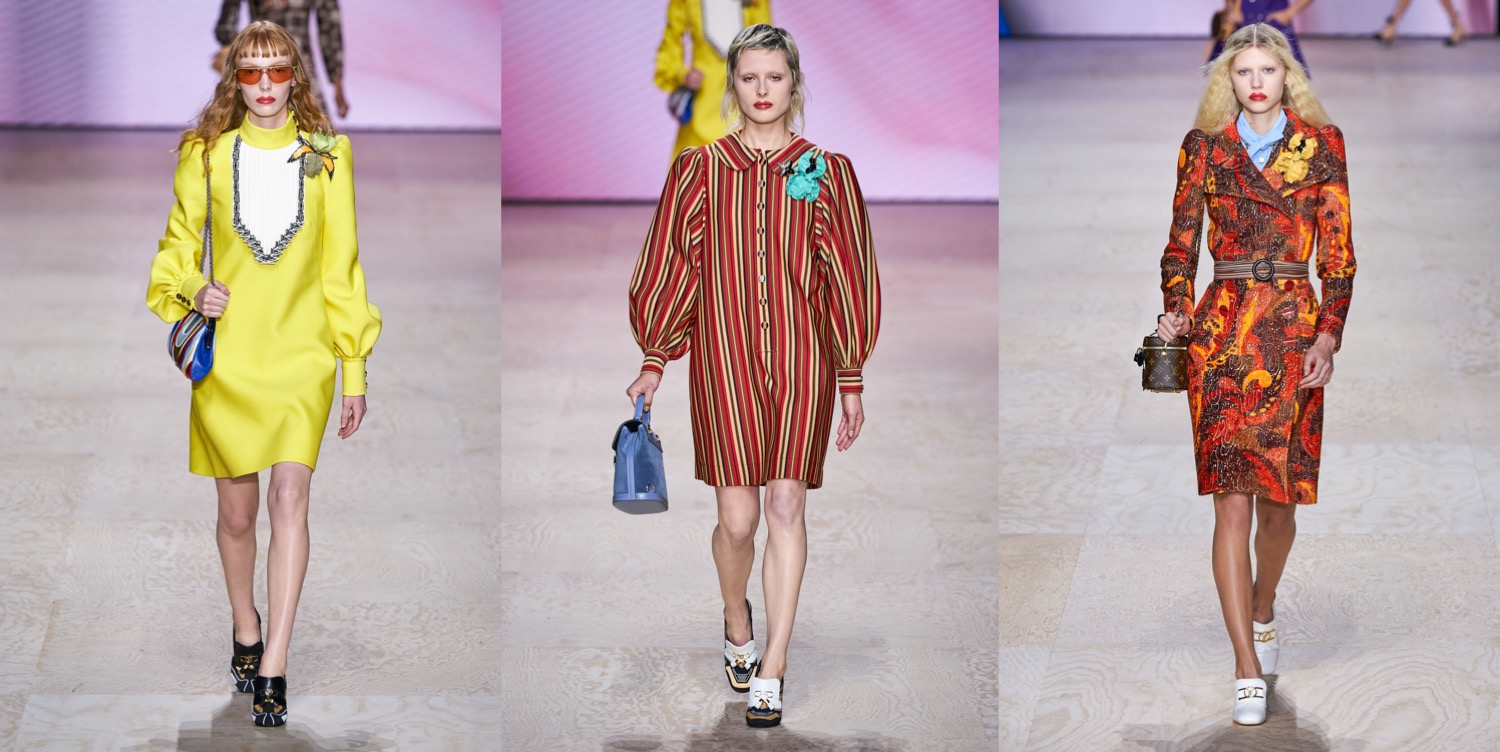
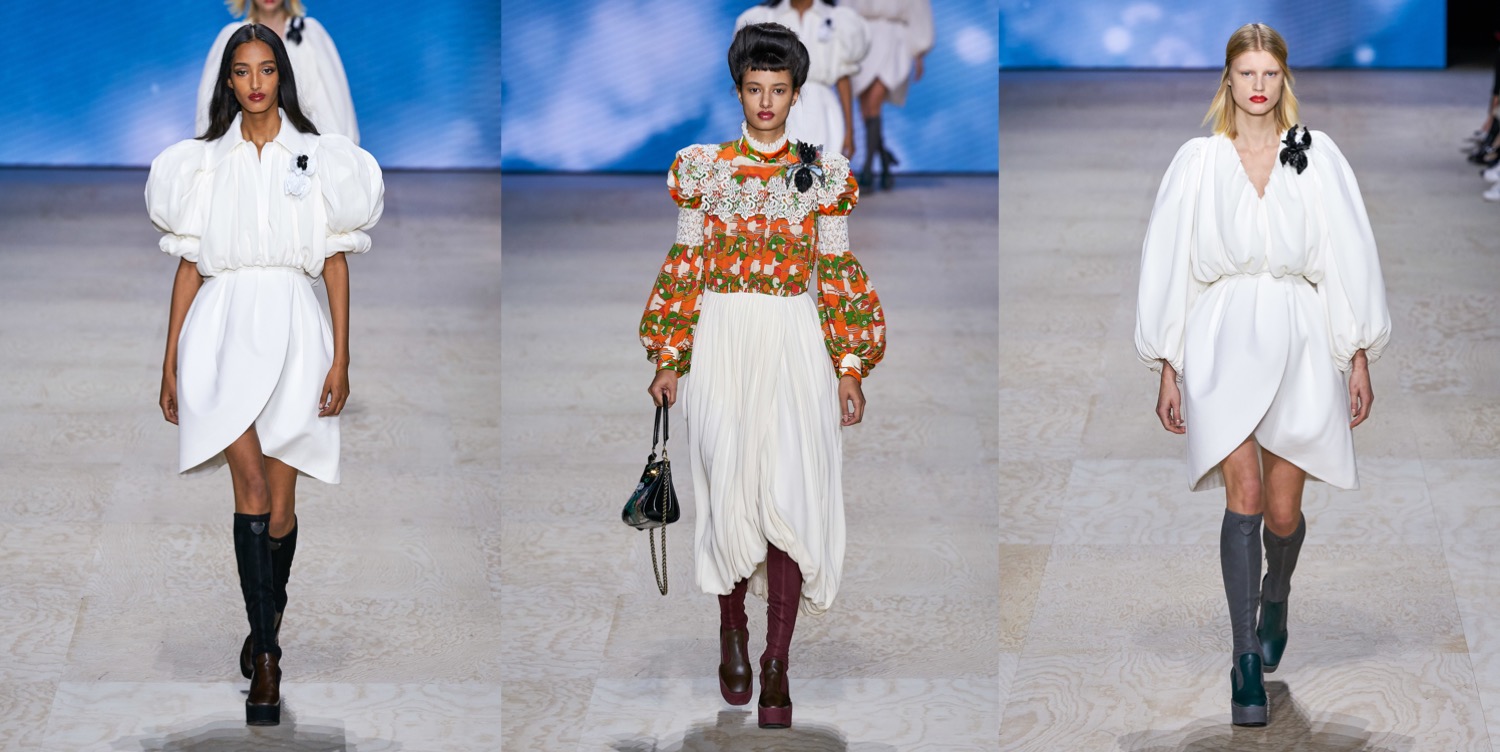
And here is the last collection of Paris Fashion Week: Louis Vuitton. It’s been a season of joyful nostalgia and bold dressing, and Nicolas Ghesquière ticked both boxes with his line-up. For spring-summer 2020 Ghesquière took us to Belle Époque–era Paris after his last season‘s venture to the 1980s. “It’s a part of French history that’s very interesting in art, as well as culturally, in terms of emancipation of women, and, of course, in literature with Proust,” he explained. It’s also a period that more or less coincided with the birth and rise of the house of Louis Vuitton. In the late 1800s, advances in construction and technology ushered in a new era of travel for the elite, to whom Monsieur Vuitton sold his  monogram trunks. There were many Belle Époque references in this collection: the pouf sleeves of shirts; the iris boutonnières, each one different; the Gibson Girl hairdos, and all the Art Nouveau touches, from the psychedelic swirls of a green jacquard coat to the painterly flowers on dresses to a little leather jacket hand-painted with angelic faces. In a way I miss the times when Nicolas did future-wear: we’ve got Gucci, Paco Rabanne and a bunch of other labels that dig in the past for references. Still, the huge screen that featured super-futurist Scottish musician SOPHIE performing an extended version of “It’s Okay to Cry”  while the models walked the runway somehow matched with the clothes’ historical background. And this sort of time-spanning eclecticism is very Ghesquière.

Collage by Edward Kanarecki.