
Guillaume Henry raised Carven, a fellow couture house of the past, into a commercial success. For the past six seasons, he’s at Nina Ricci, another Parisian maison, doing what he’s best at – reviving the spirit of a brand, and making it alive in contemporary times. But first, lets look at the history of Ricci’s legacy. Origing from Turin, Maria Nielli literally became Nina Ricci upon arrival in Paris, when she combined her nickname with her husband’s last name. Her haute couture house was founded in 1932, at 20 Rue de Capucines, complete with the design atelier and salons for client fittings. Her technique, cuts, balance and intriguing use of materials defined the Nina Ricci woman – elegant simplicity.
After years of slight oblivion, the house welcomed extremely talented Olivier Theyskens. However, his designs weren’t that sellable, and the next creative director was named: Peter Copping. His era at Nina Ricci was, well, unremarkable, filled with plain collections of boring clothes (I think the same of his few season tenure at Oscar de la Renta…). And then, Ricci named Guillaume its creative designer, and that was a right choice.
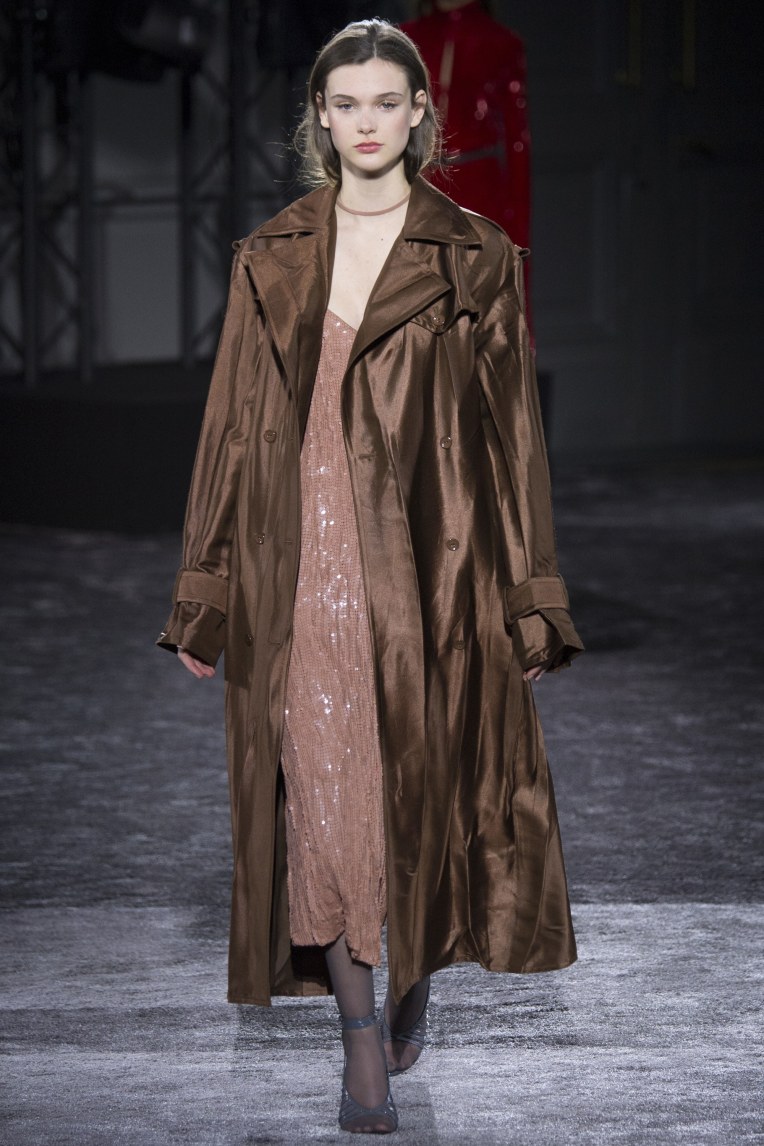
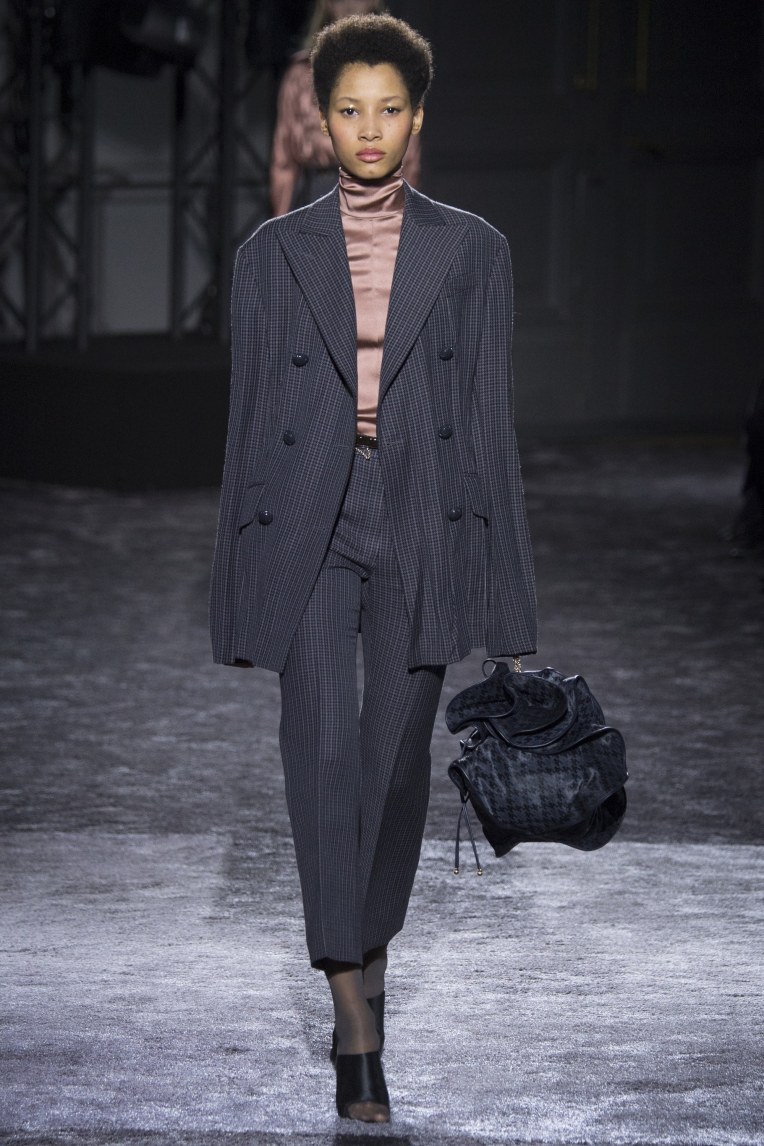

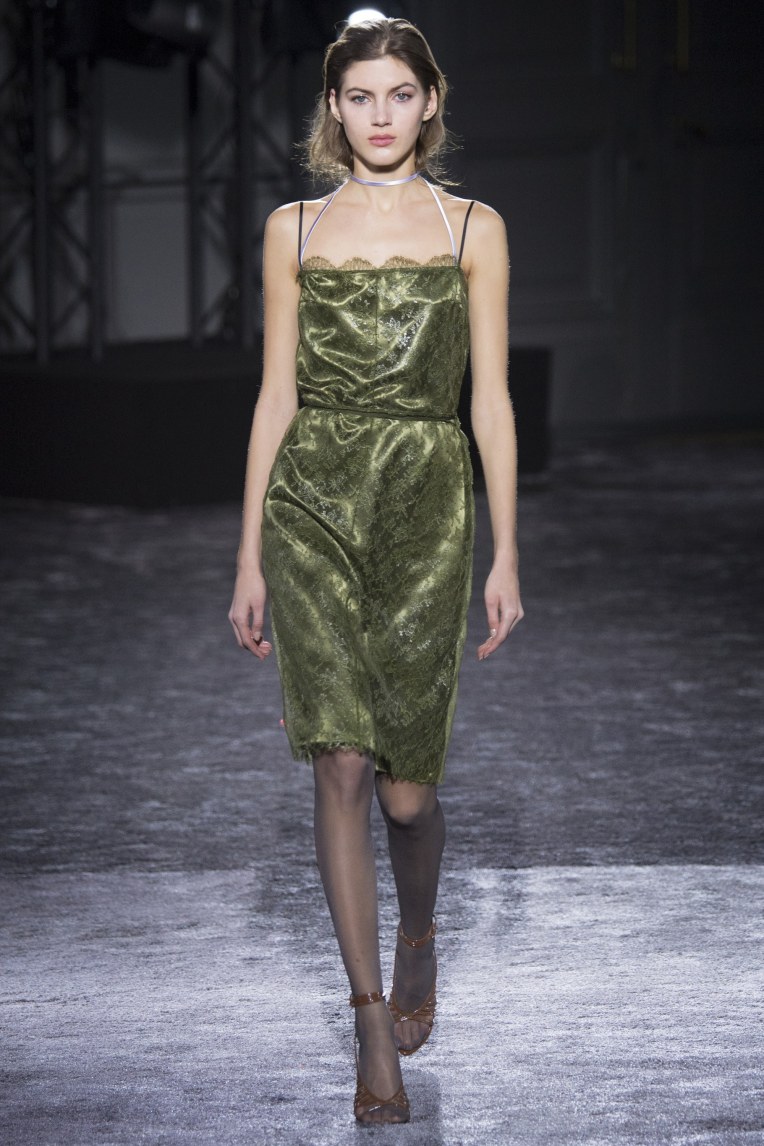
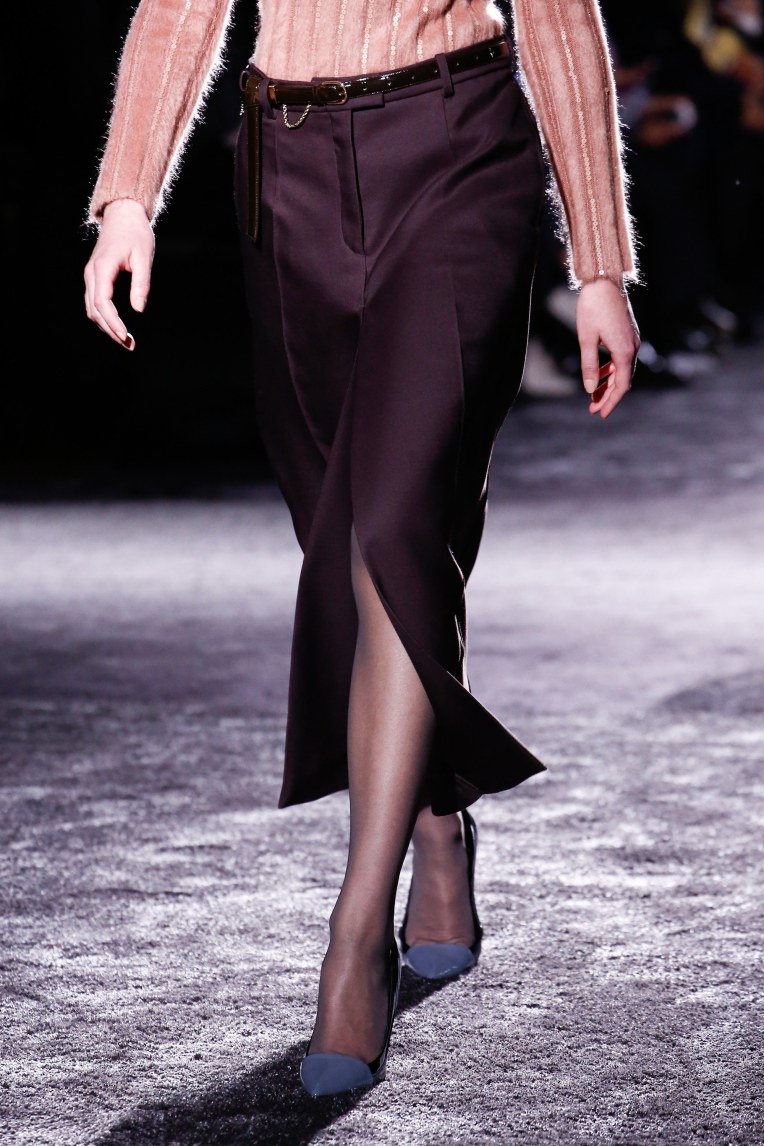
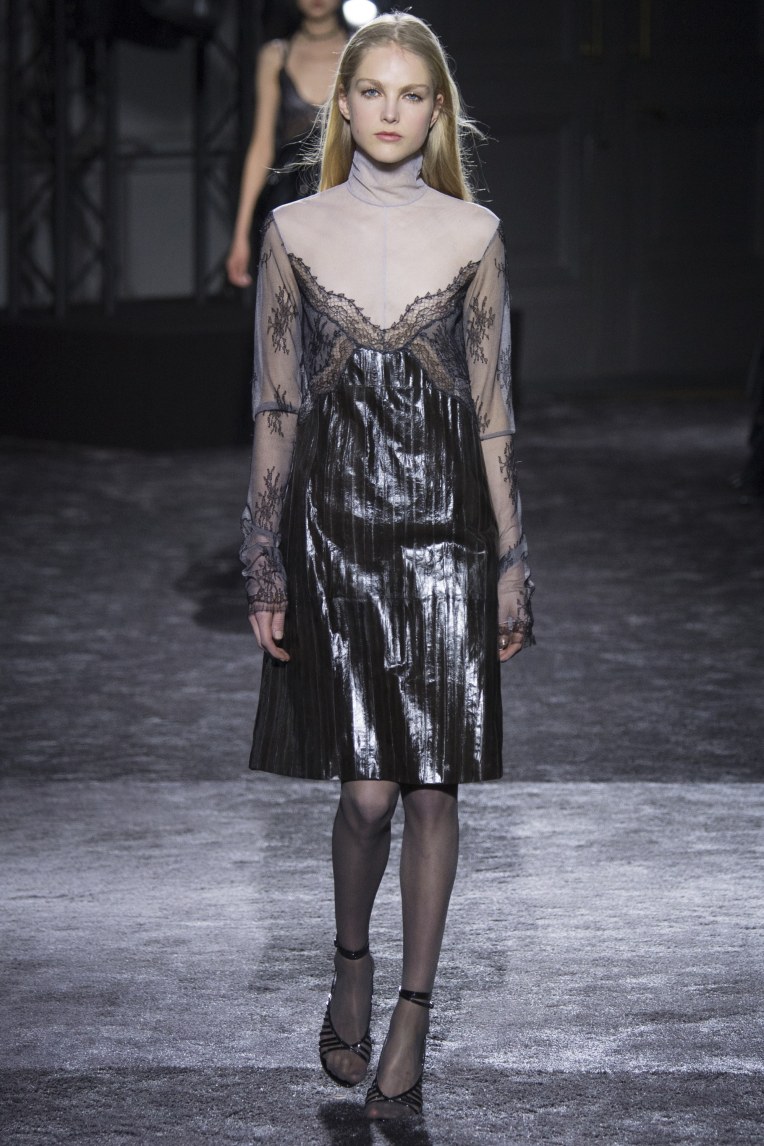
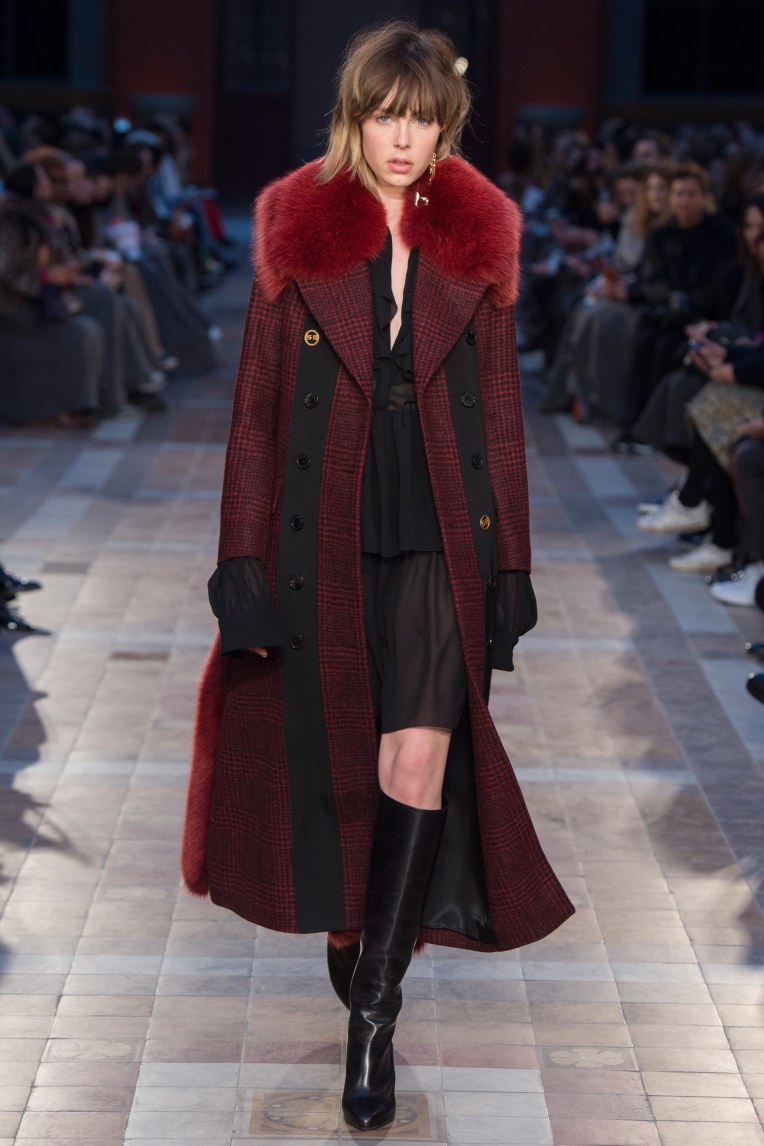
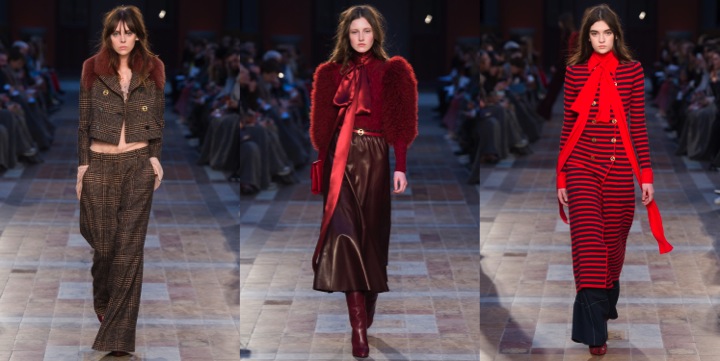
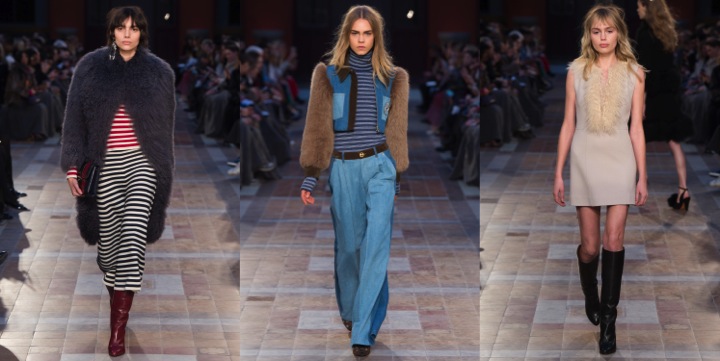
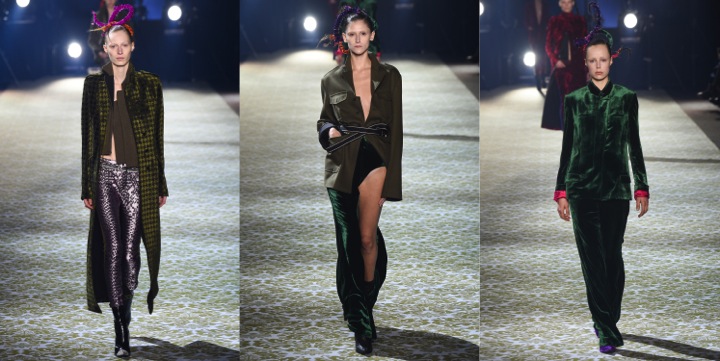
Robe coats made of rich fabrics scent with luxury, and the sequined dresses that are Henry’s signature at Ricci look feminine and powerful. The clothes for autumn-winter 2016 are versatile to a great extend – a pinstripe suit worn with a pastel pink turtleneck can switch with grace from daywear to eveningwear, while the sheer midi-dresses are both assertive and… romantic. Nina Ricci’s recent wardrobe revamp is mature and lady-like, proudly targetting women in their 40s and up – for intellectual, individual personas, who know their style best.
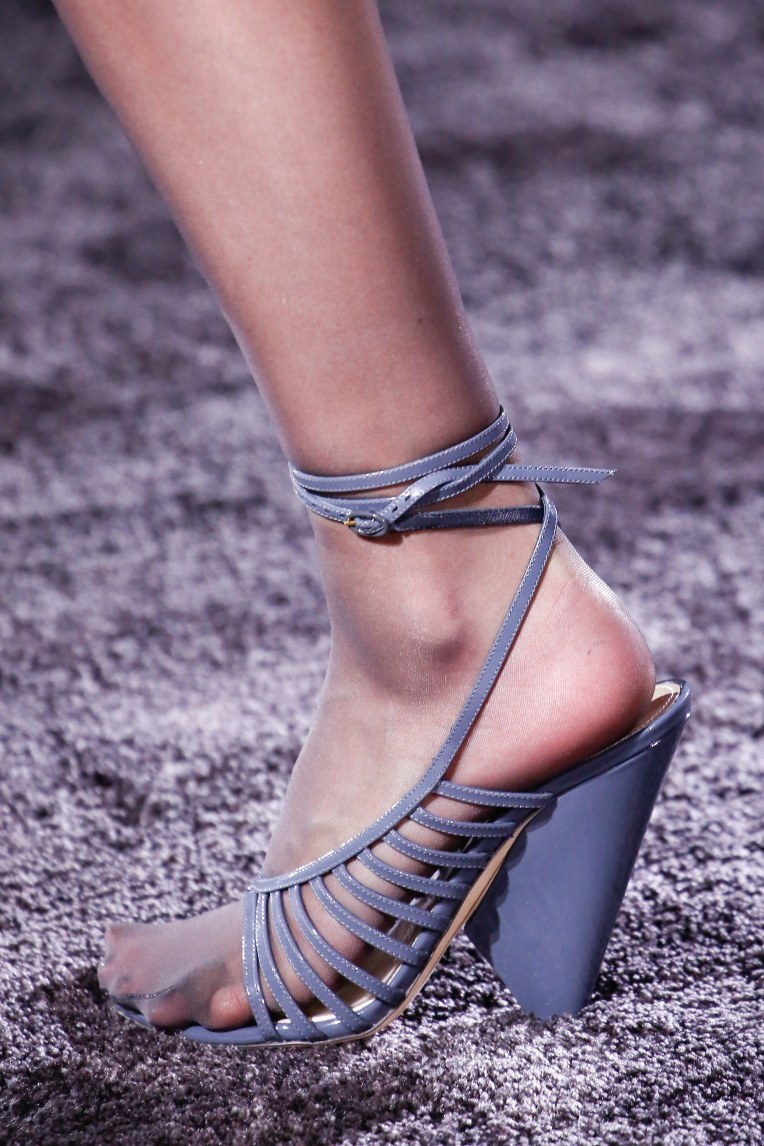

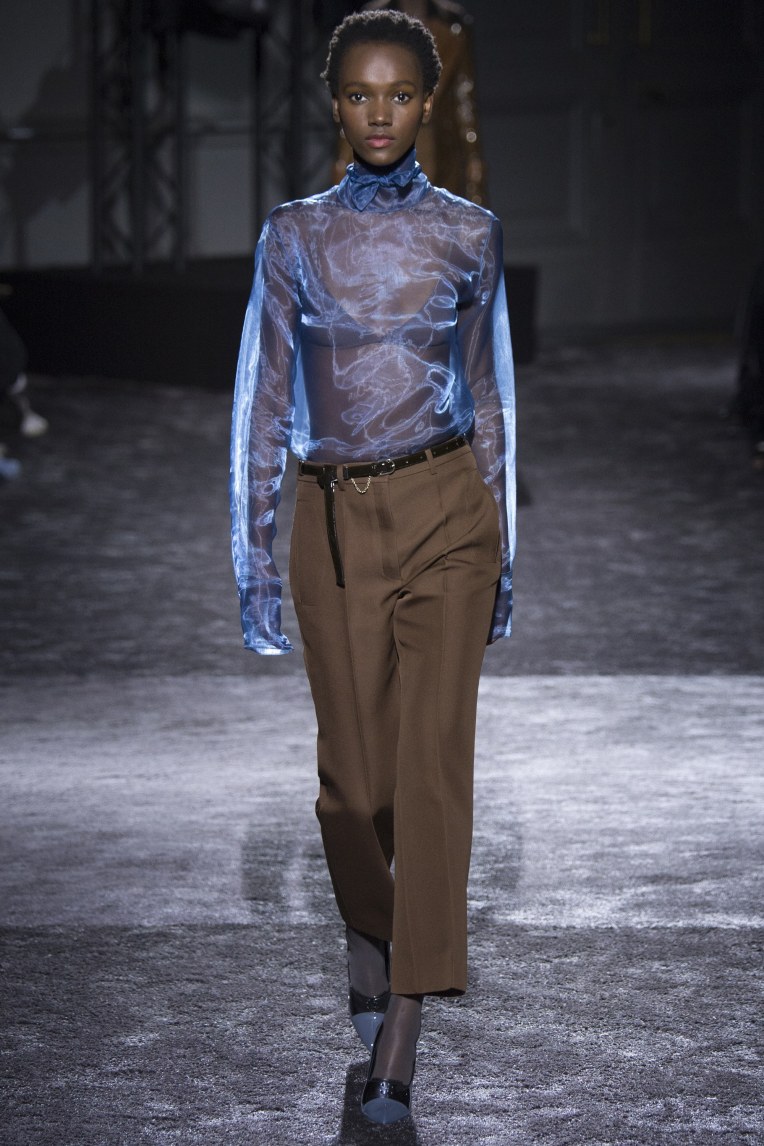
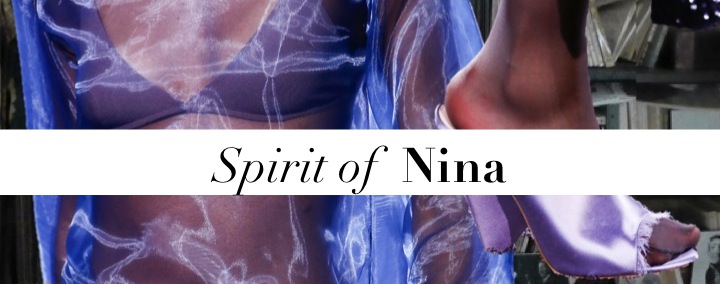
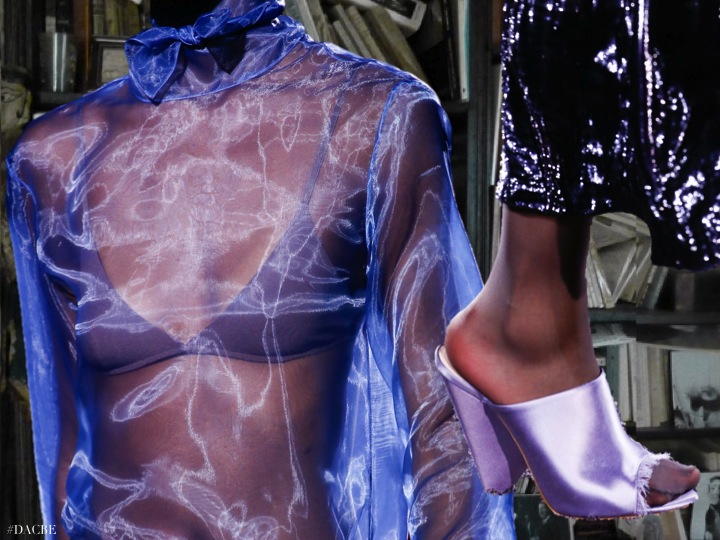
Oh, and take a look at this fluroscent, transparent top – love its edginess, which contrasts with AW16’s elegant chic!





















 Design & Culture by Ed