All About Scicli

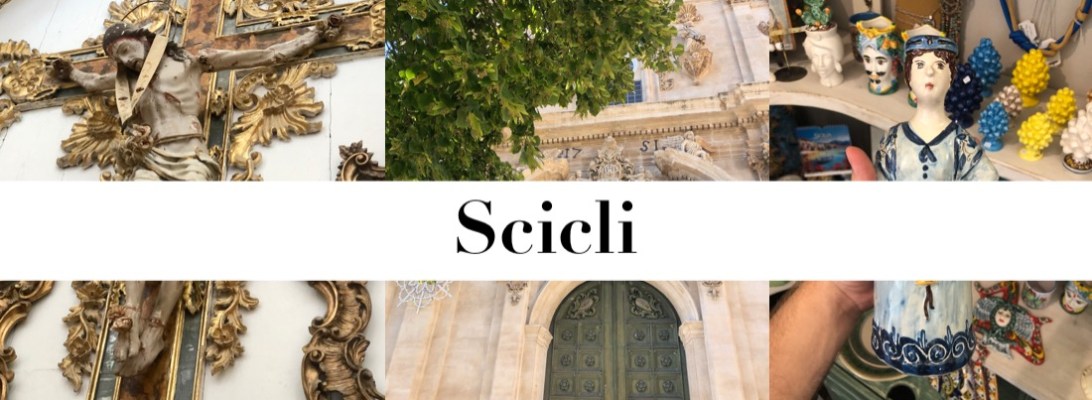
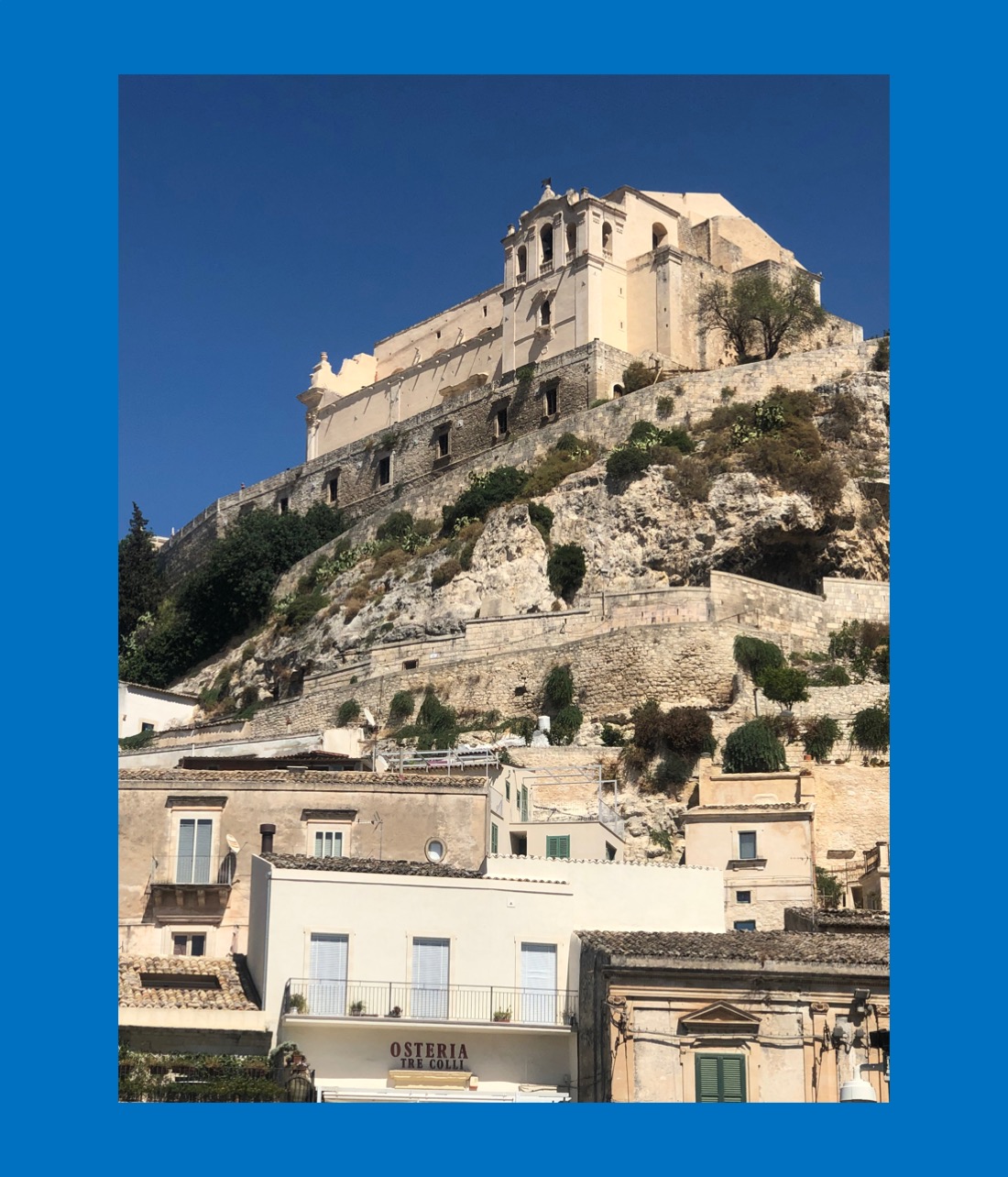
Less well-known than its prestigious neighbours (like Noto or Ragusa), but just as fascinating and beautiful, Scicli is well worth a visit if you’re ever in southeastern Sicily. It sits in a gorge just a few miles from the long sandy beaches of Sampieri and Donnalucata and is overlooked by a towering rocky mass on which the Church of San Matteo sits. The town shares much of its history with the other UNESCO Heritage Site towns of Val di Noto, most specifically the fateful earthquake of 1693, during which over 3,000 of the town’s population died. Scicli, like the towns in the area, was totally rebuilt in pure Sicilian Baroque style. Today, it is a joy to wander around. Scicli’s history, of course, long predates 1693, and it is thought to have taken its name from its founders, the Sicels, one of the three main tribes that inhabited Sicily before the arrival of the Greek colonists. Like the rest of the island, it was passed from one invading conqueror to another, reaching its economic and cultural peak during the Arab and Norman dominations. The many aristocratic palazzi, such as Palazzo Beneventano, are also fun to see, brimming over with characterful gargoyles, elegant swirls, and decorative fancies. A stroll along Via Francesco Mormina Penna is also strongly recommended as it provides a perfect example of a late Baroque street, harmonious in its wholeness and equal to anything found in the neighbouring towns of greater fame.

Photos by Edward Kanarecki.
Don’t forget to follow Design & Culture by Ed on Instagram!
NET-A-PORTER Limited

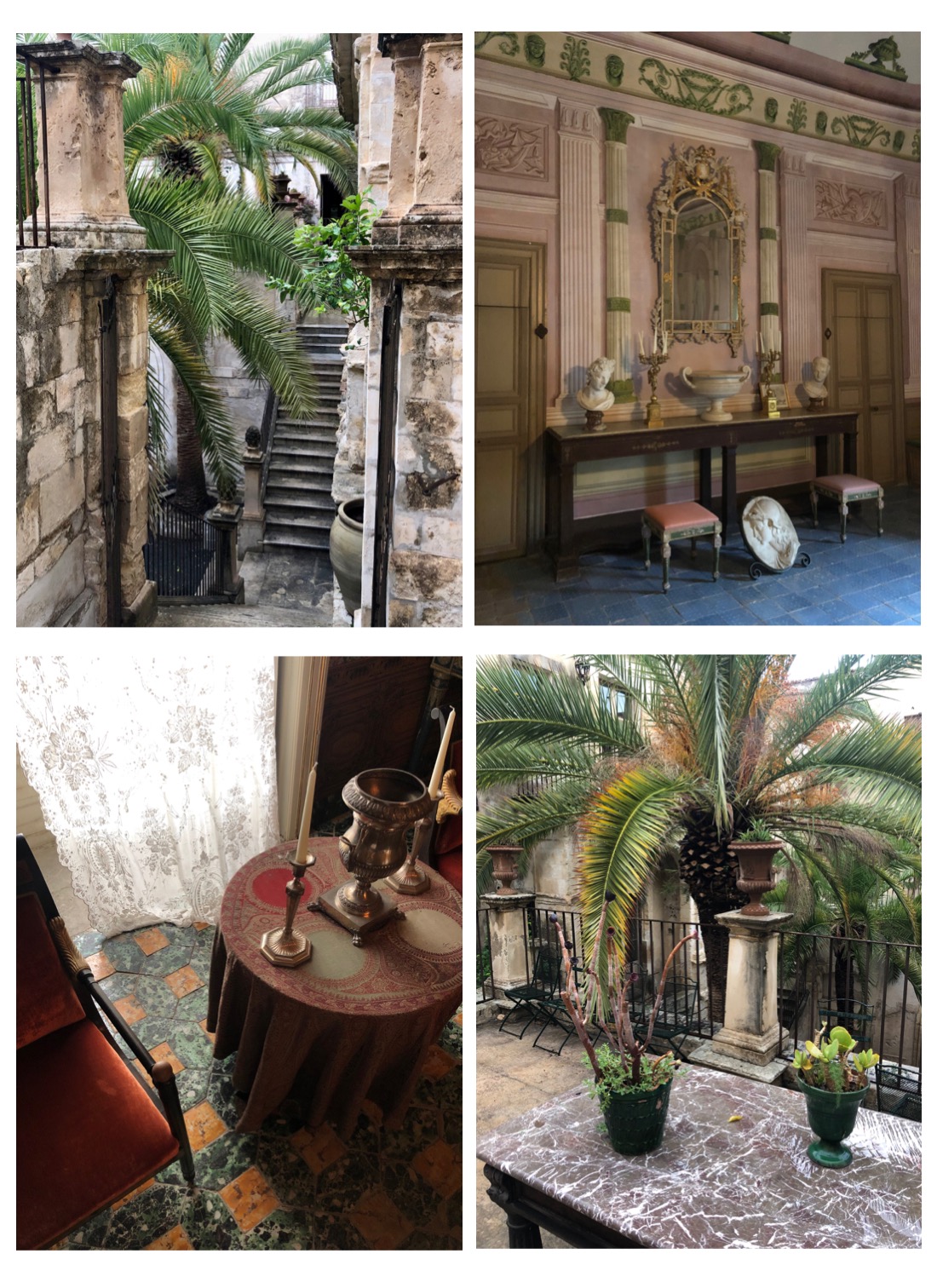
Palazzo Castelluccio in Noto

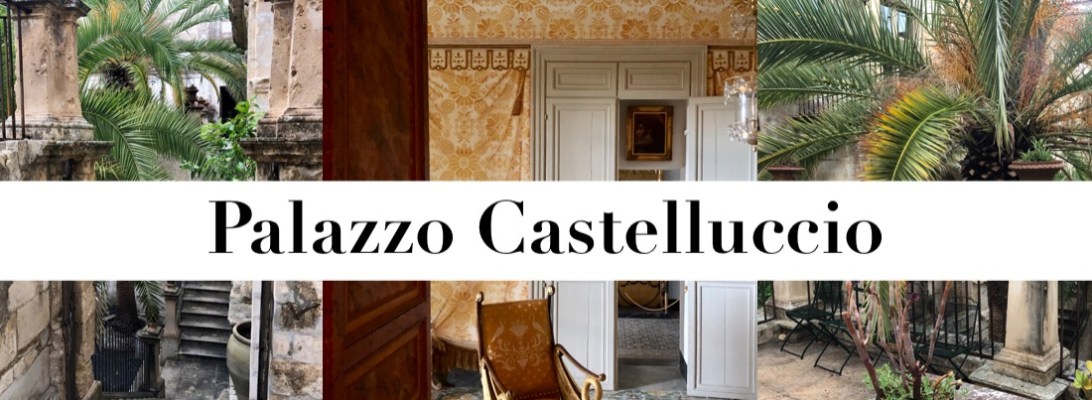
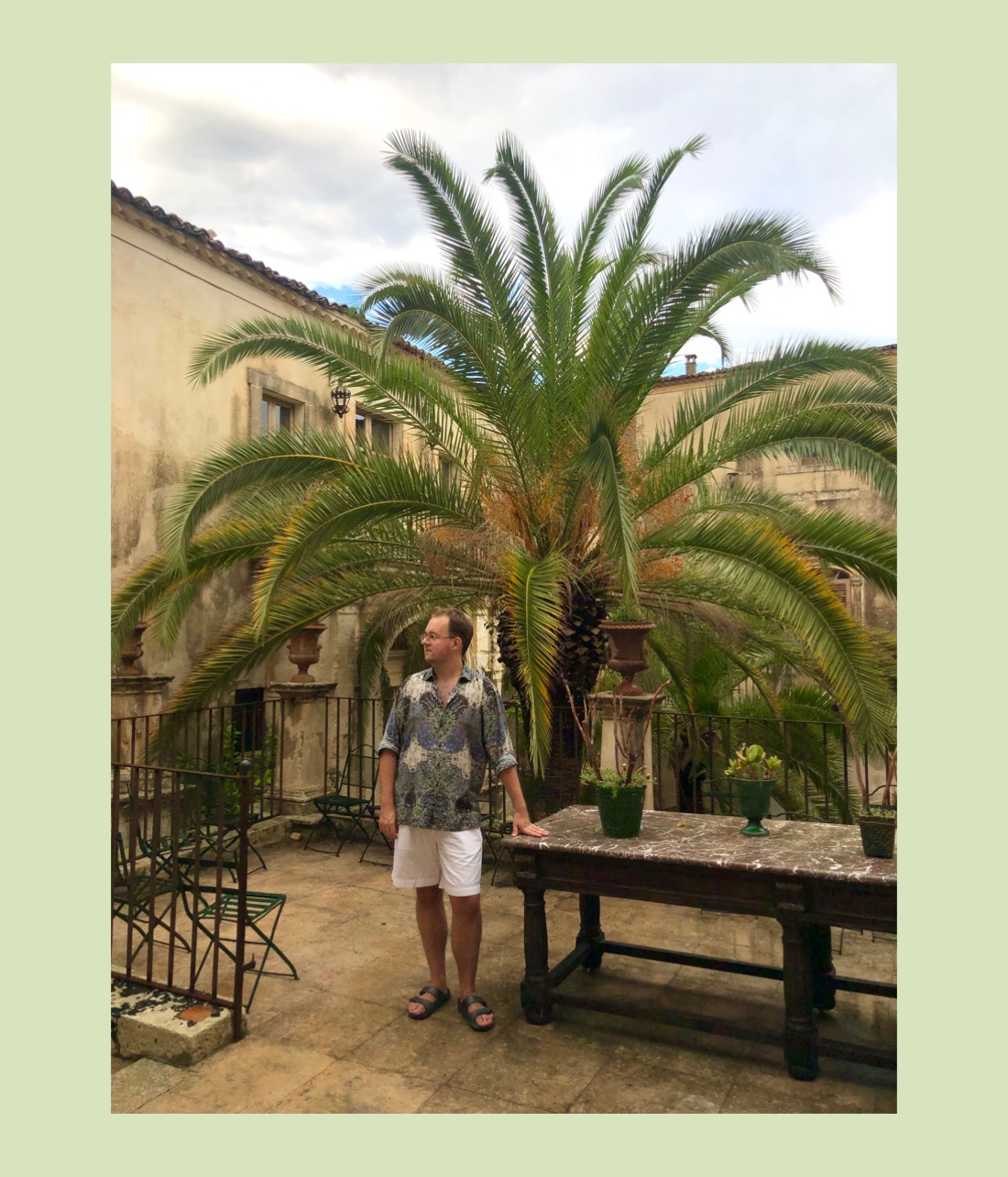
If you lose yourself to the streets of Noto, you will find incredible places to visit and fall in love with immediately. The Palazzo Castelluccio, belonging to one of the oldest families in Noto, was built in 1782 by the Marquis di Lorenzo del Castelluccio after the earthquake of 1693 which partly destroyed the region. The façade of the Palace, on Via Cavour, does not have the same baroque style used for the reconstruction of the main buildings of the city, but instead reflects the neo-classical taste popular in the late 18th century, which can be found in the well-preserved frescoes on the ceilings and walls of the main first floor. Four years of work were needed to revive the Palace, respecting its fine finishing and its history. The frescoes were cleaned and restored, the fabrics replaced and the silver wallpaper remade identically. A collection of Italian and Sicilian furniture and paintings restored the atmosphere of an inhabited palace. The music room, chapel and ballroom are testimony the power and good taste of a large aristocratic Sicilian family. After the death of the last Marquis of Castelluccio, the Order of Malta inherited the Palace and kept it for some years. When the current owner took possession in 2011, the Palace had been uninhabited for decades. The main first floor was in a terrible condition, and the doors, windows, paintings and electrical installations all had to be removed and replaced. Today, the colours have been restored to the grand staircase and its vases and extend a magnificent welcome to visitors…

Via Cavour 10

Photos by Edward Kanarecki.
Don’t forget to follow Design & Culture by Ed on Instagram!
NET-A-PORTER Limited

Kunstgewerbemuseum in Berlin

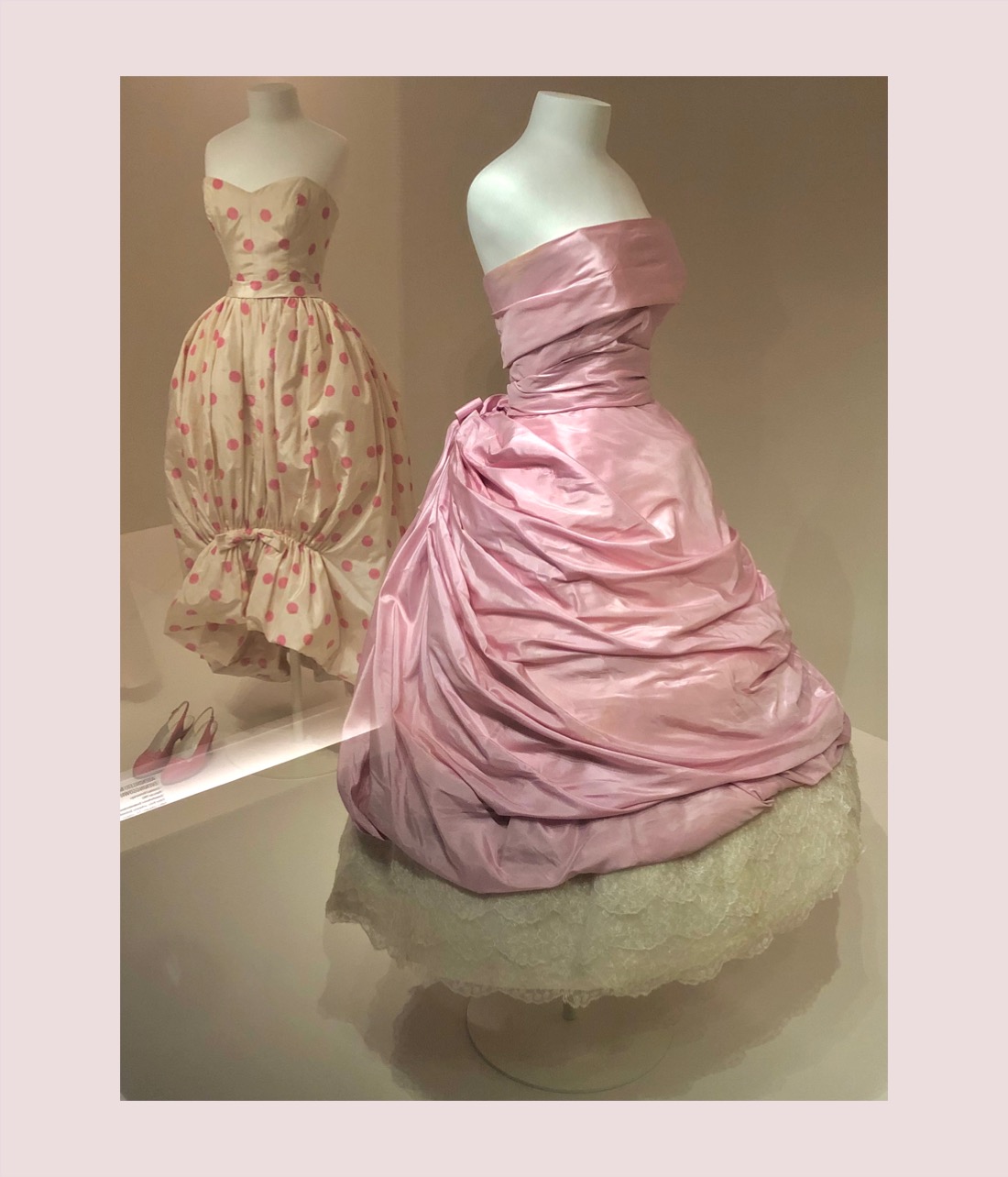
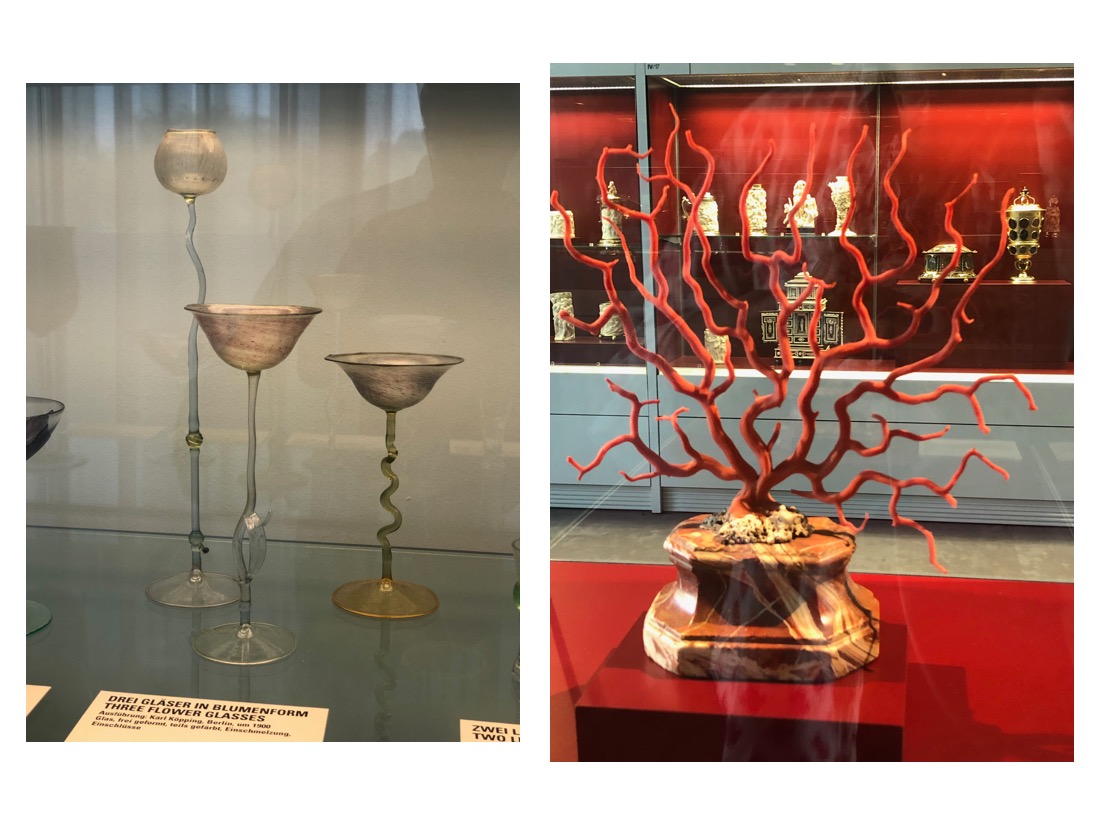
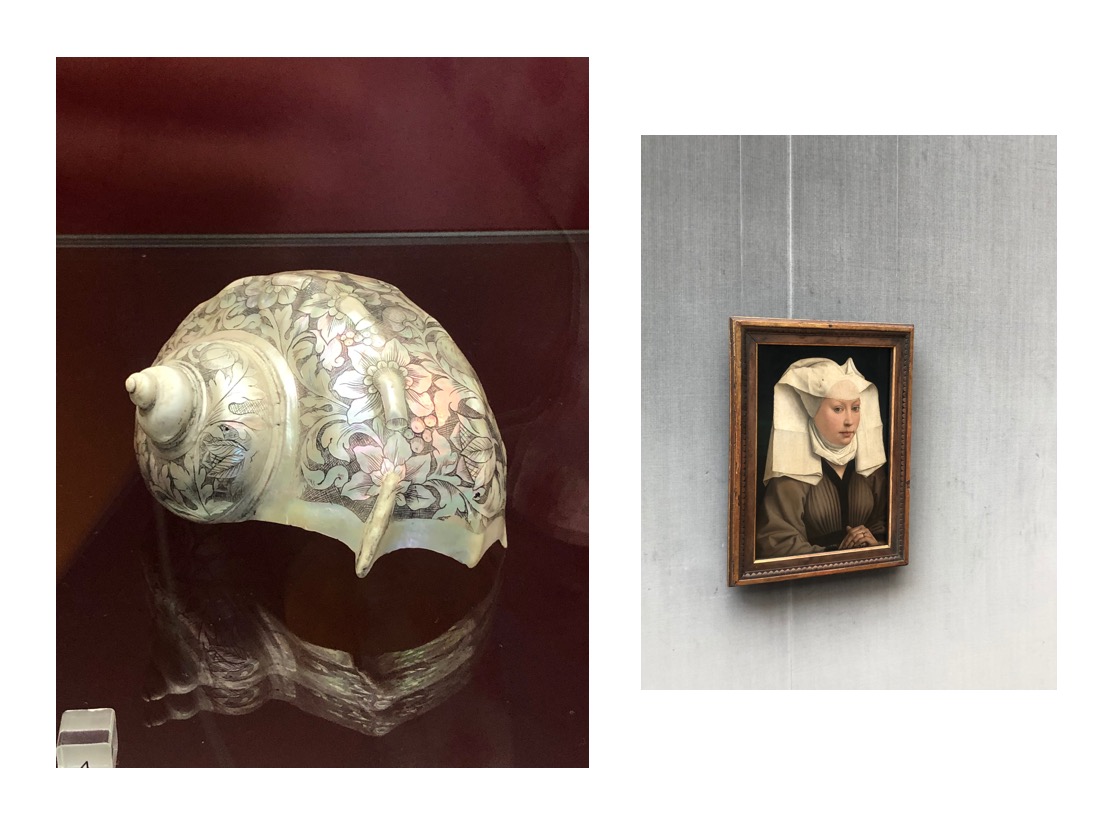
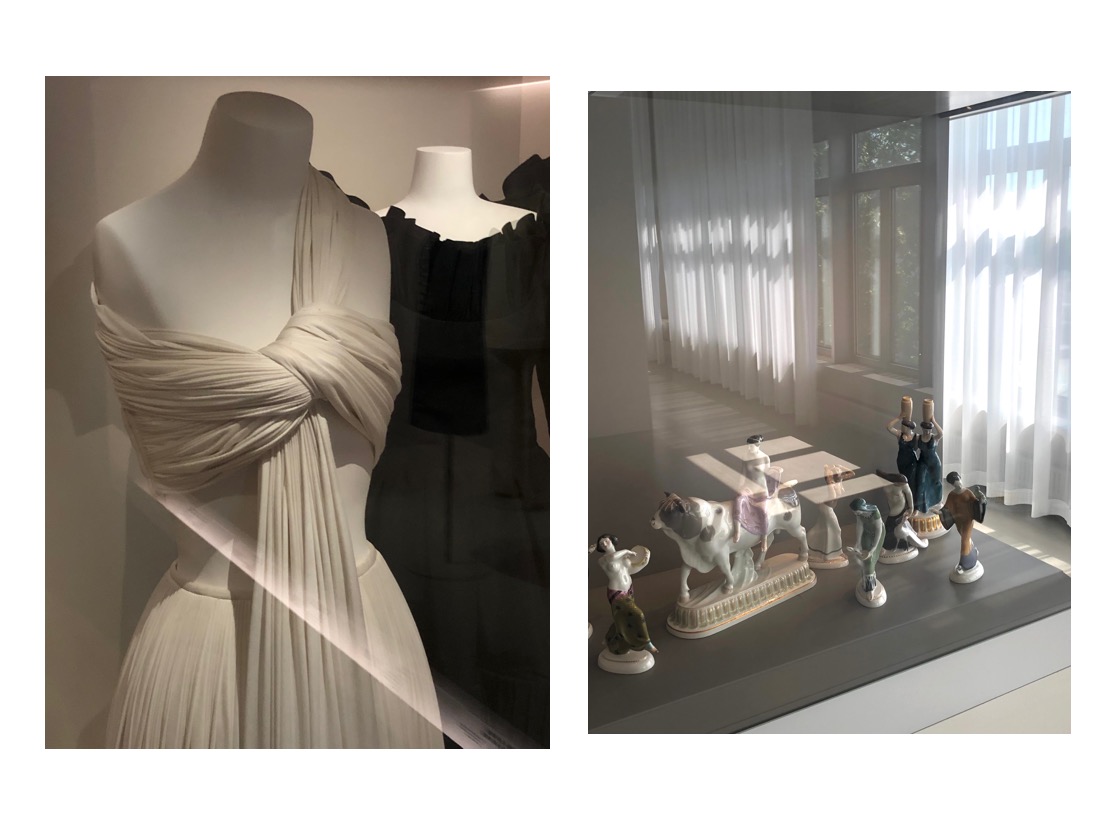
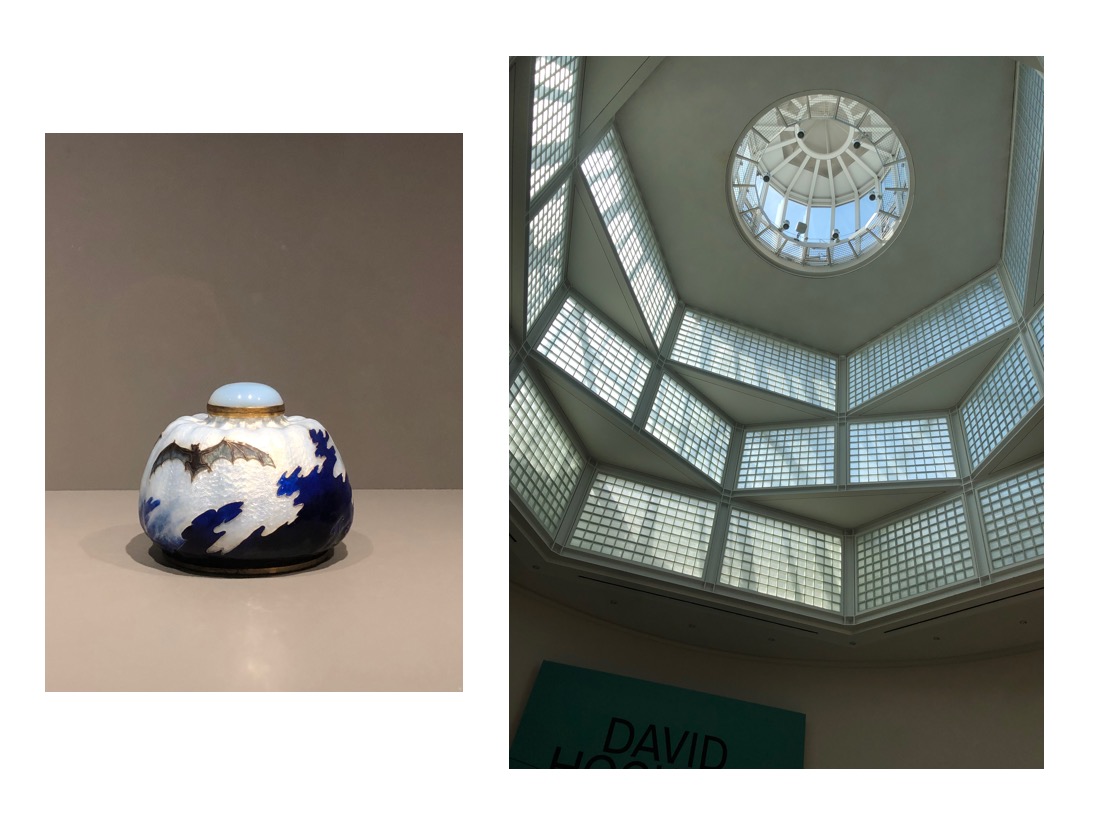
If you’re in Berlin and love fashion history (and decorative / applied arts in general!), make sure to visit Kunstgewerbemuseum. The sheer breadth of the collection is impressive, encompassing a wide variety of materials and forms of craftwork, fashion and design from the early Middle Ages to the present day. The collection’s extensive range of costumes and accessories from the 18th to 20th centuries is presented to visitors since the reopening of the museum in 2014 in a newly conceived fashion gallery. Dresses from the 1960s designed by Jean Patou, Christóbal Balenciaga, and Jean Dessès; Mariano Fortuny’s breath-taking Delphos dresses; 18th century panniers and 19th century crinolines… it’s brilliant. Jugendstil and Art Deco are also well represented at the Kunstgewerbemuseum with glassware from Emile Gallé, pieces of furniture by Henry van de Velde and the glass doors of César Klein. The collection comprises famous and influential design classics such as furniture by Bruno Paul, Ludwig Mies van der Rohe and Marcel Breuer as well as tableware from Wilhelm Wagenfeld. And… in the neighbouring building, there’s the exhaustive Gemäldegalerie with paintings from 13th to 18th century, and it’s also worth visiting.

Matthäikirchplatz / Berlin

Photos by Edward Kanarecki.

Don’t forget to follow Design & Culture by Ed on Instagram!
NET-A-PORTER Limited

Humboldt Forum

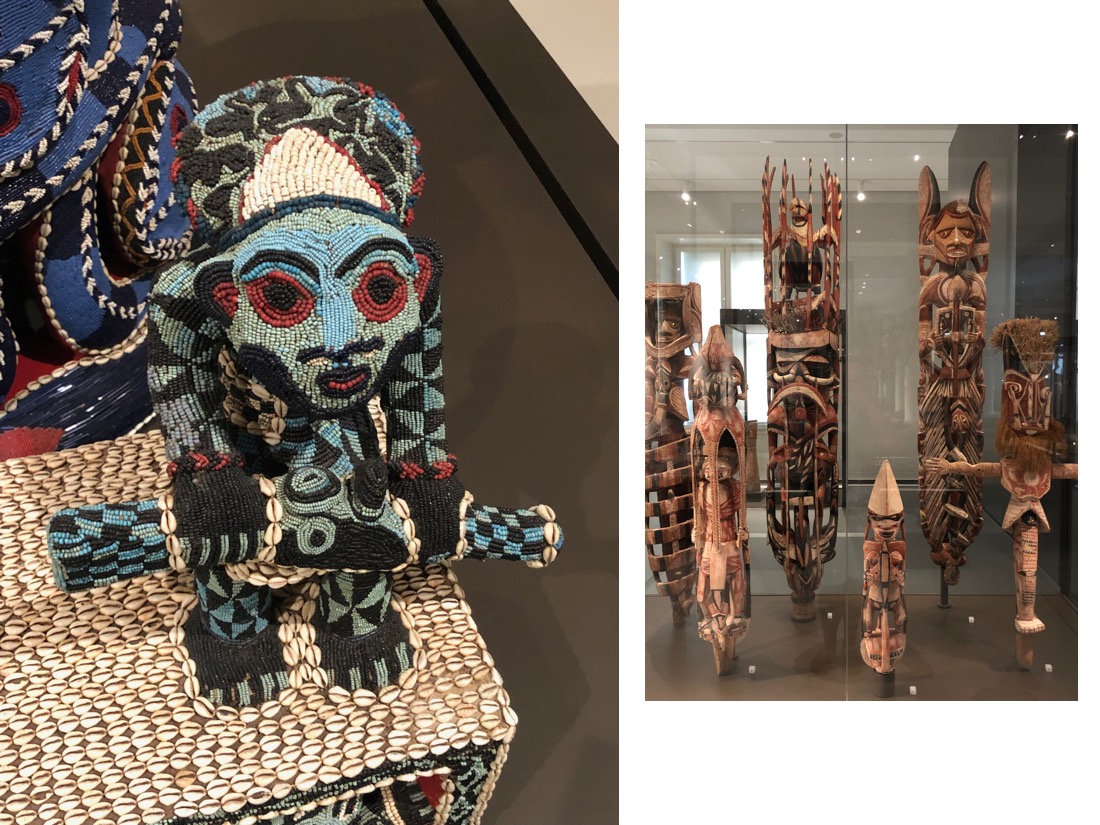
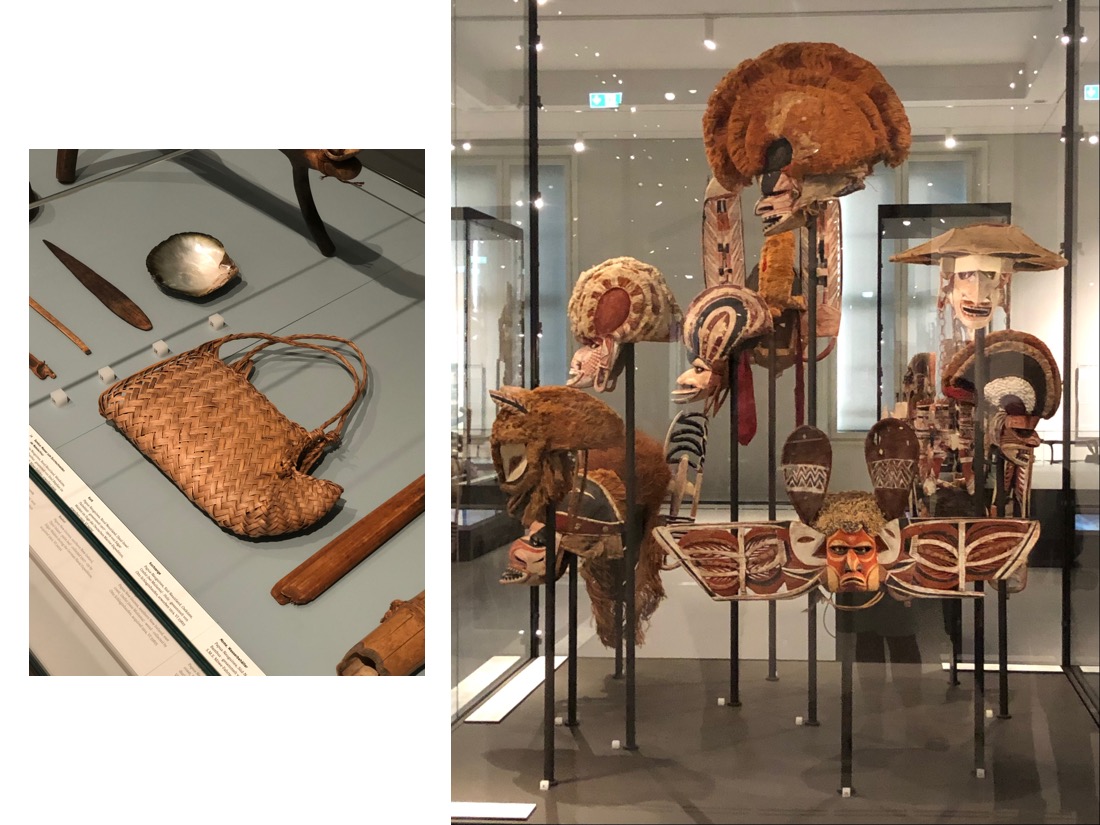
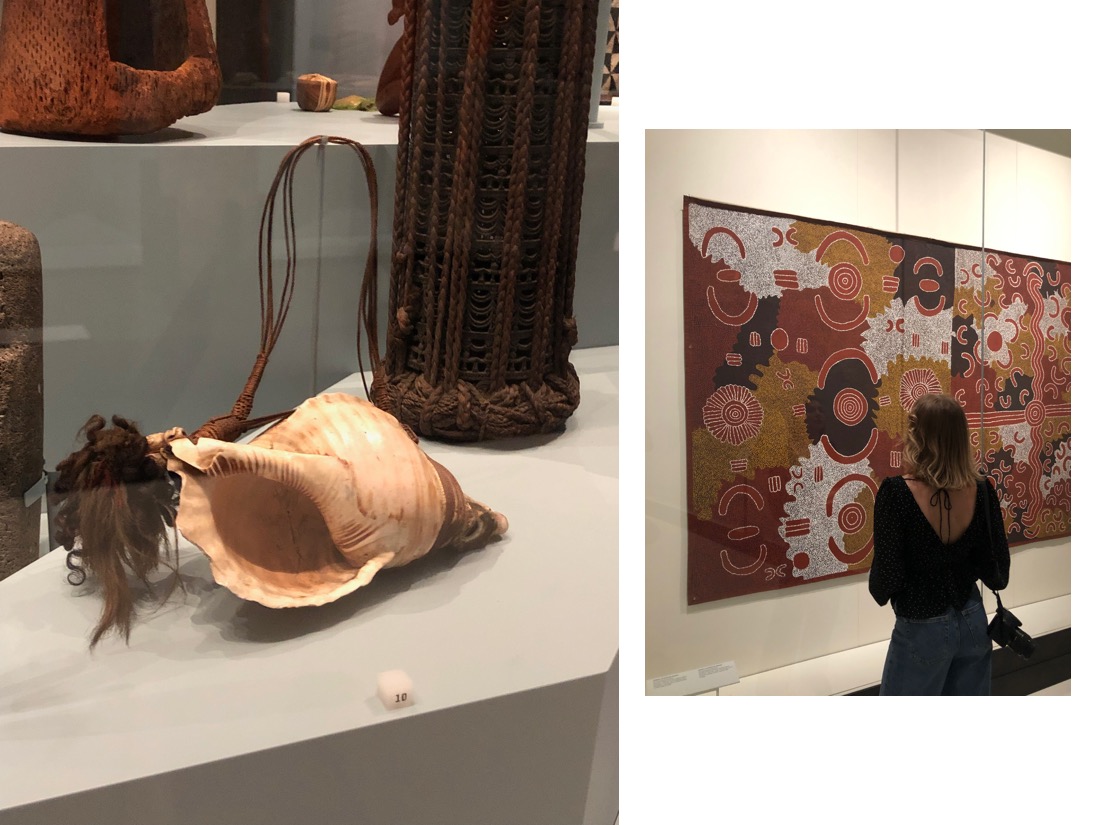
Artistic carvings from Oceania, wooden figures and masks from Cameroon, a Japanese teahouse and sounds from around the world: the exhibitions from the Ethnologisches Museum and the Museum für Asiatische Kunst in the brand new Humboldt Forum offer an eclectic view into the past and present cultures of Africa, America, Asia and Oceania. Around 20,000 archaeological, ethnological and art-historical exhibits offer multiple perspectives on universal themes of humanity. Media installations as an introduction to the exhibitions, Schaumagazin exhibition spaces filled with a varied selection of objects, areas for cultural education, spaces designed by international architects and works of contemporary art pose questions about the history of the objects and place the collections in the context of our present-day world. Definitely worth a visit when in Berlin!

Schloßplatz / Berlin

Photos by Edward Kanarecki.

NET-A-PORTER Limited

Paul Gauguin – Why Are You Angry?

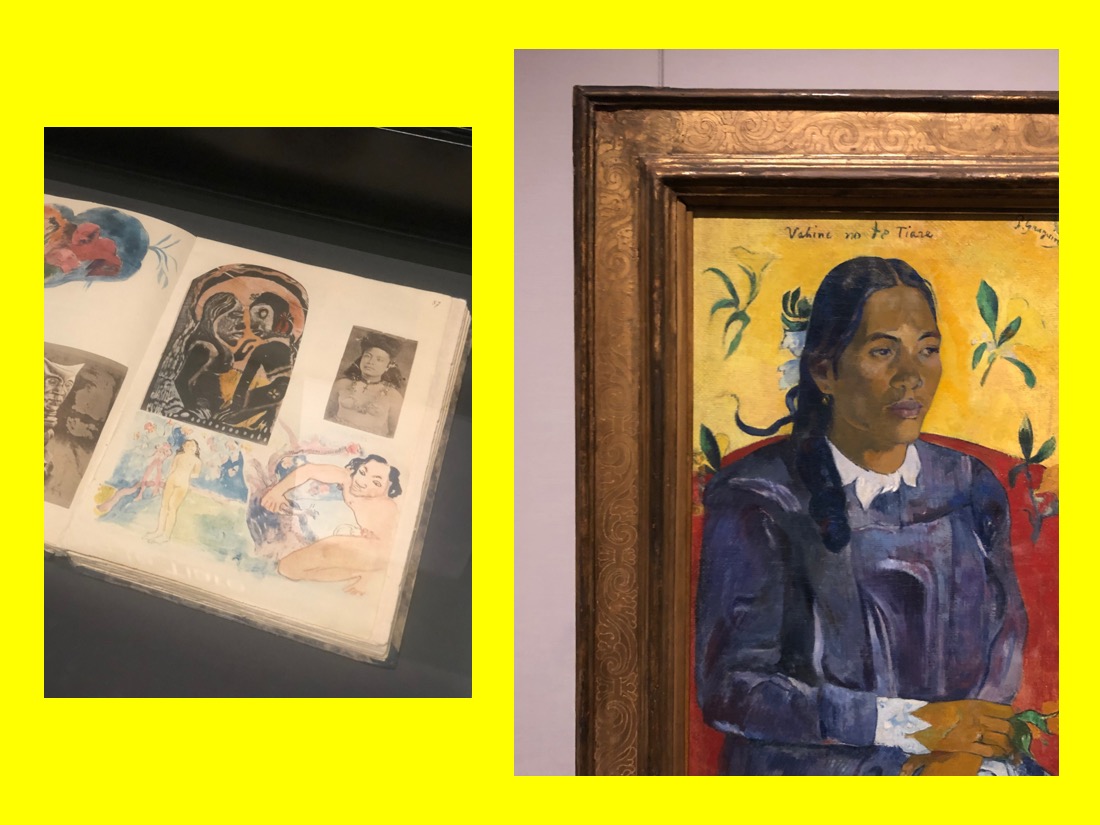
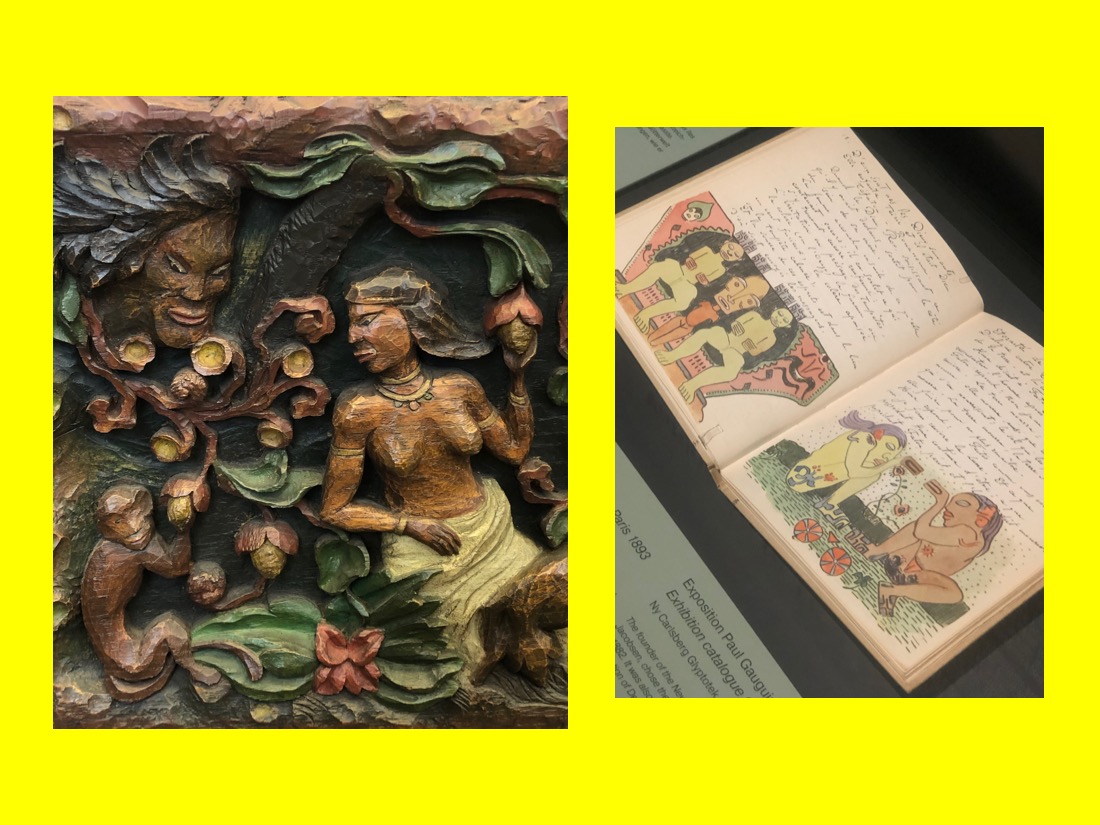
Paul Gauguin was one of the central trailblazers of Modern art, and his most famous paintings were produced on the Pacific island of Tahiti between 1891 and 1901. “Paul Gauguin – Why Are You Angry?” at the Alte Nationalgalerie looks at Gauguin’s oeuvre – which was also shaped by Western, colonial ideas of ‘the exotic’ and ‘the erotic’ – juxtaposing the works with historical material from both Gauguin’s past and his present, and with international contemporary art.  Gauguin left the art capital of Paris, his wife and five children in 1891 to embark on a spiritual and artistic quest to French Polynesia, where he lived until his death, apart from one interlude. It was in this period that Gauguin created one of his major works, the painting Tahitian Fisherwomen (1891) from the Nationalgalerie’s collection.

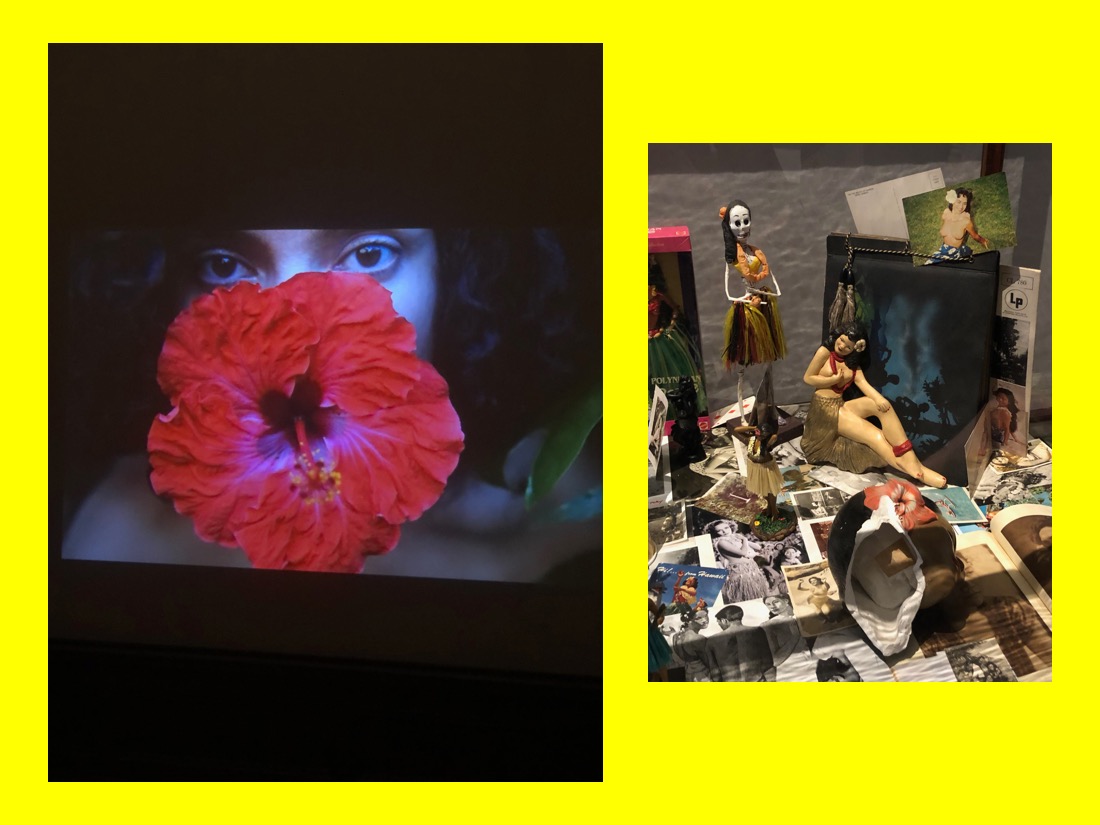
Against the backdrop of historical influences and postcolonial debates, the exhibition interrogates Gauguin’s self-created myth of the “savage artist”. Gauguin made recourse to a colonialist dream of an earthly paradise, but at the same time managed to articulate a completely novel artistic vision. Paul Gauguin – Why Are You Angry? approaches Gauguin from various angles, and also provides a contemporary perspective through works by artists such as Angela Tiatia (New Zealand), Yuki Kihara (Samoa) and Nashashibi/Skaer (United Kingdom), along with the Tahitian activist and multi-artist Henri Hiro (French Polynesia).

Open until the 10th of July / Bodestraße 1-3 / Berlin

Photos by Edward Kanarecki.

NET-A-PORTER Limited