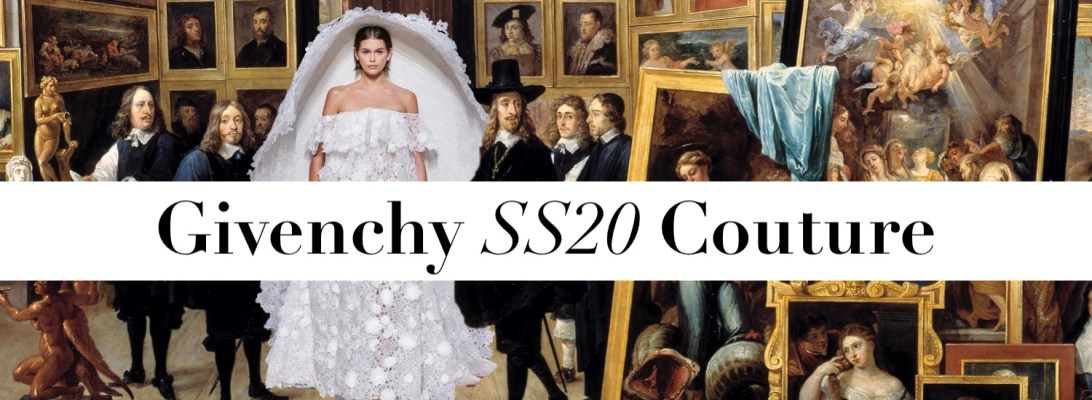
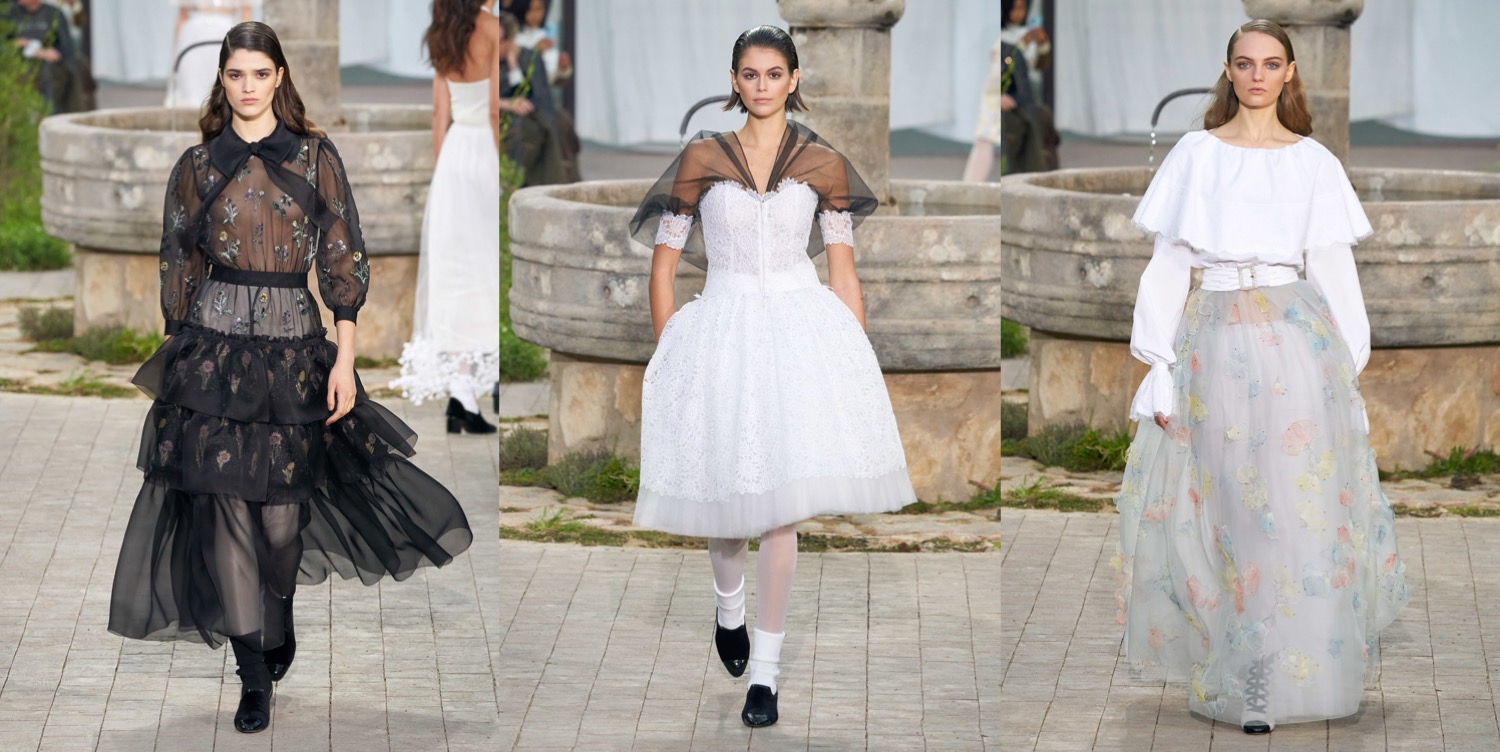
Big Romance. Givenchy Couture SS20

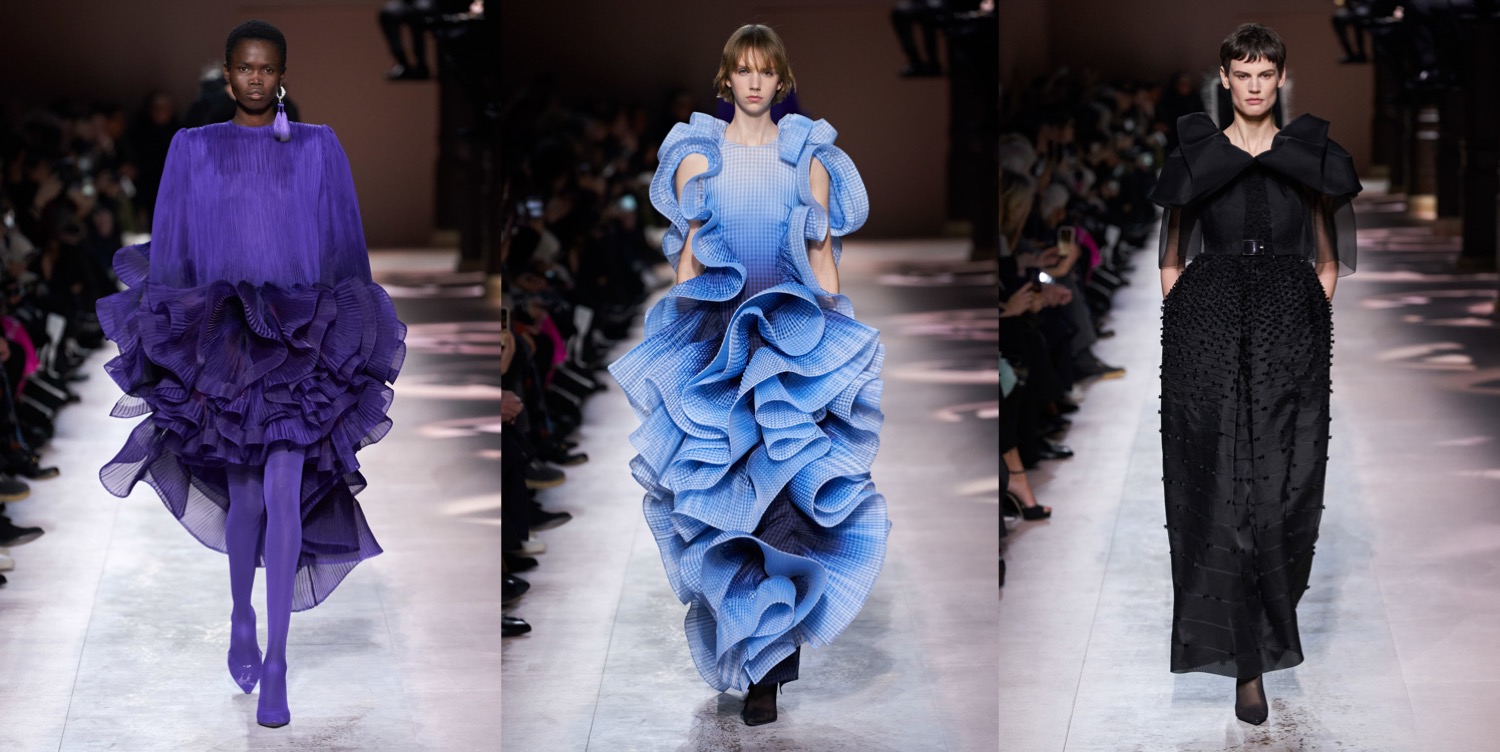
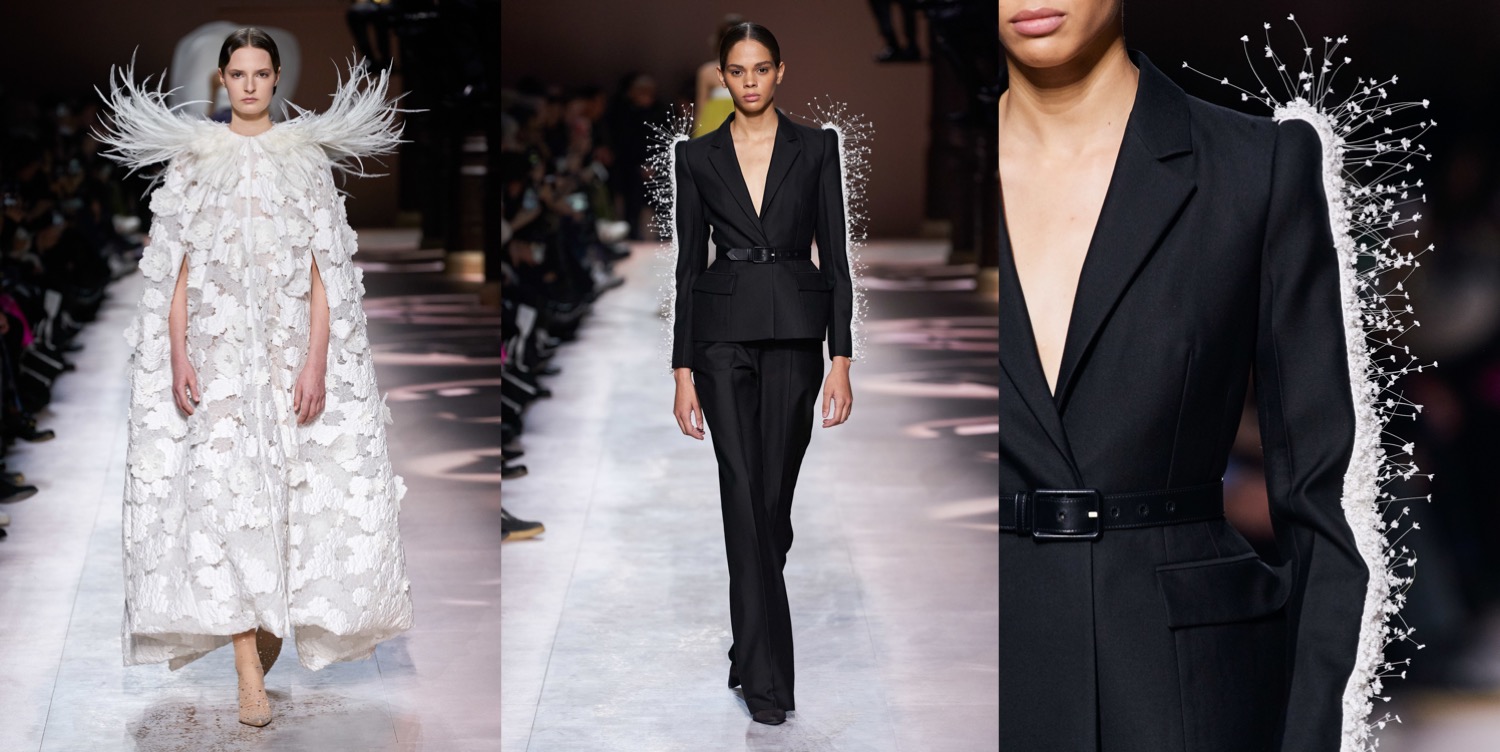
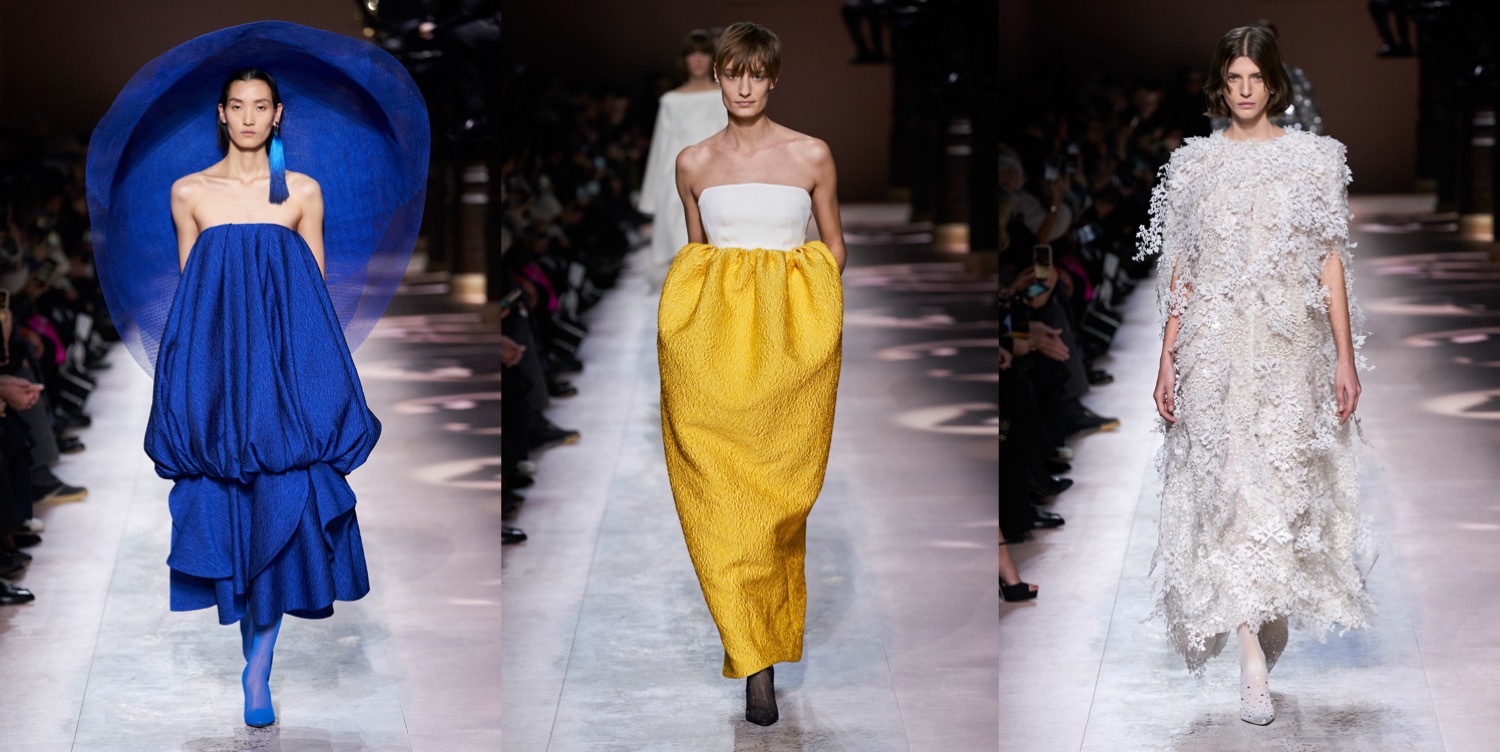
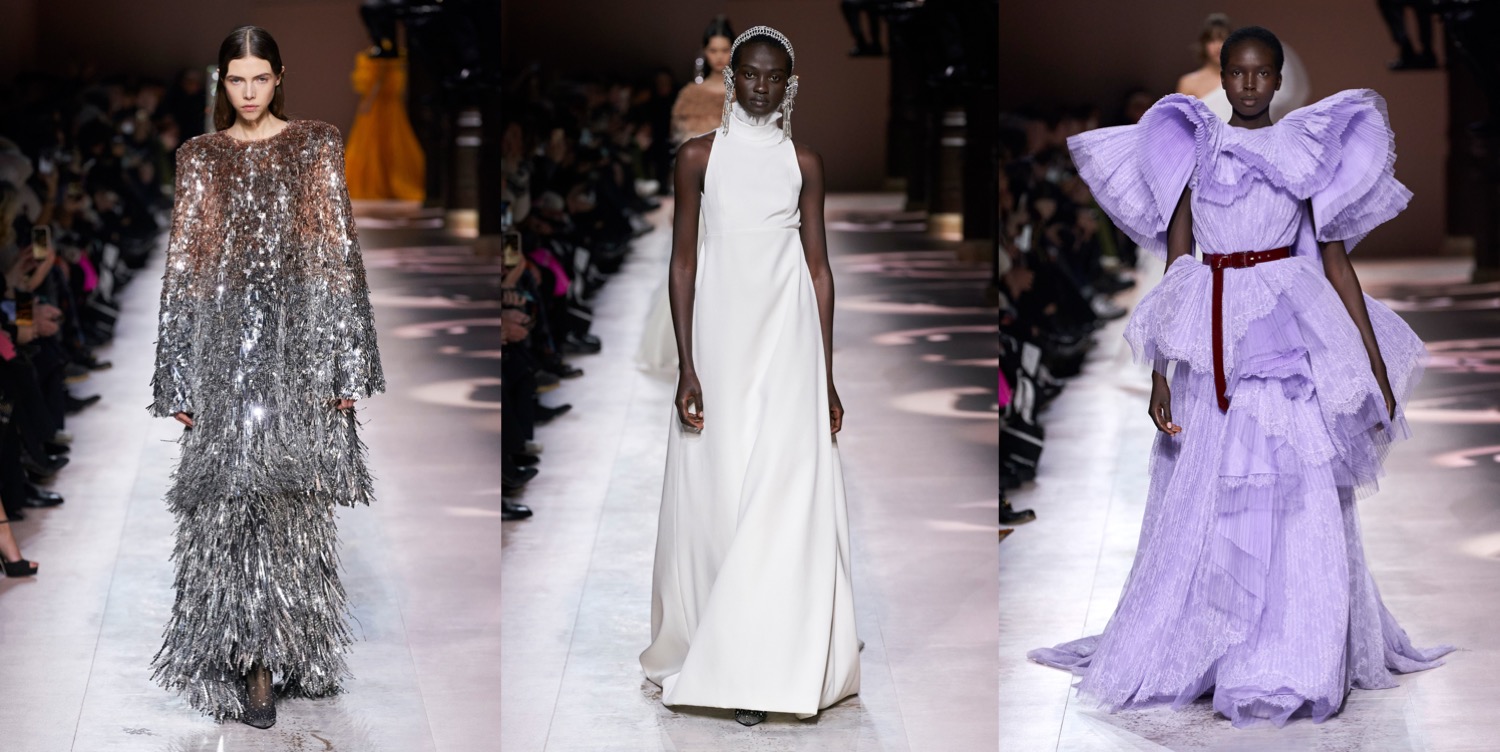
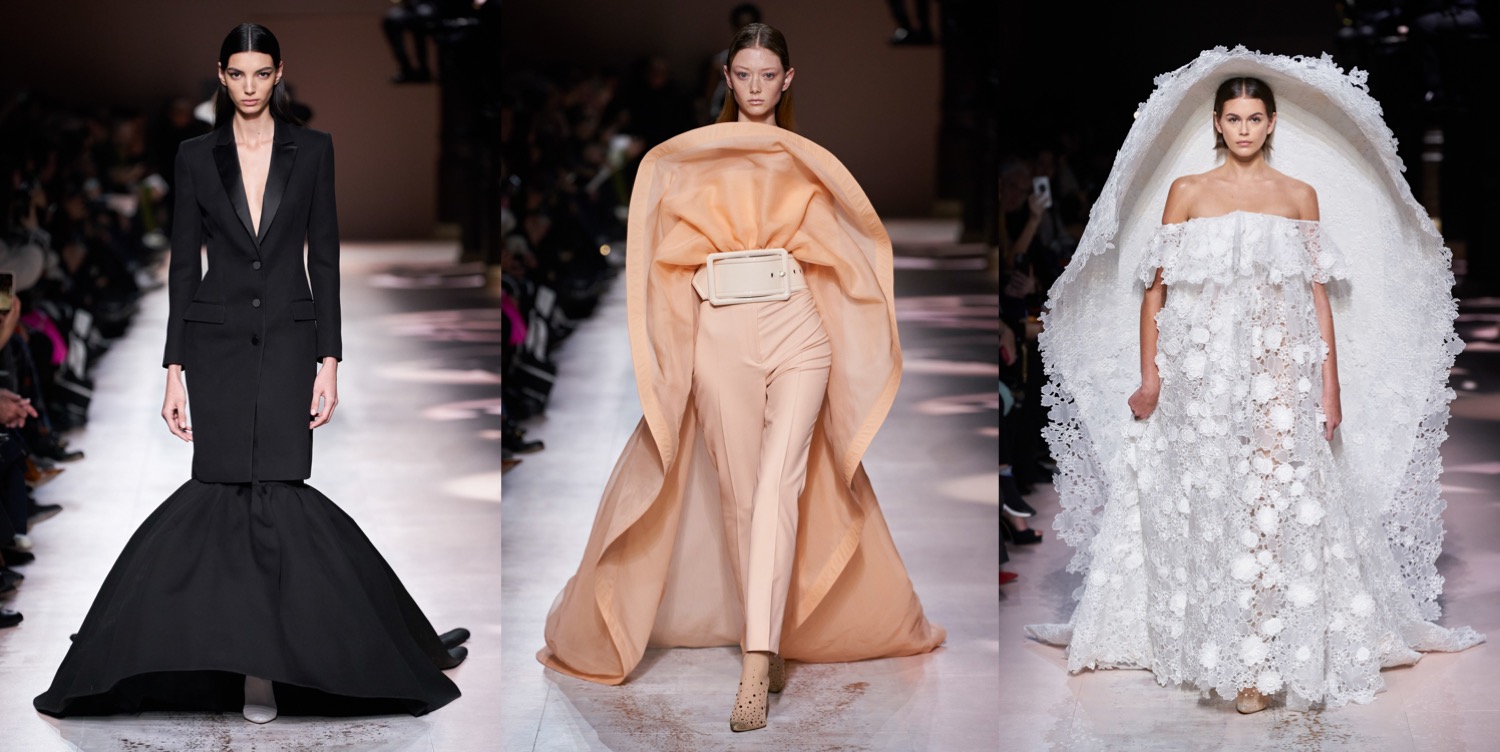
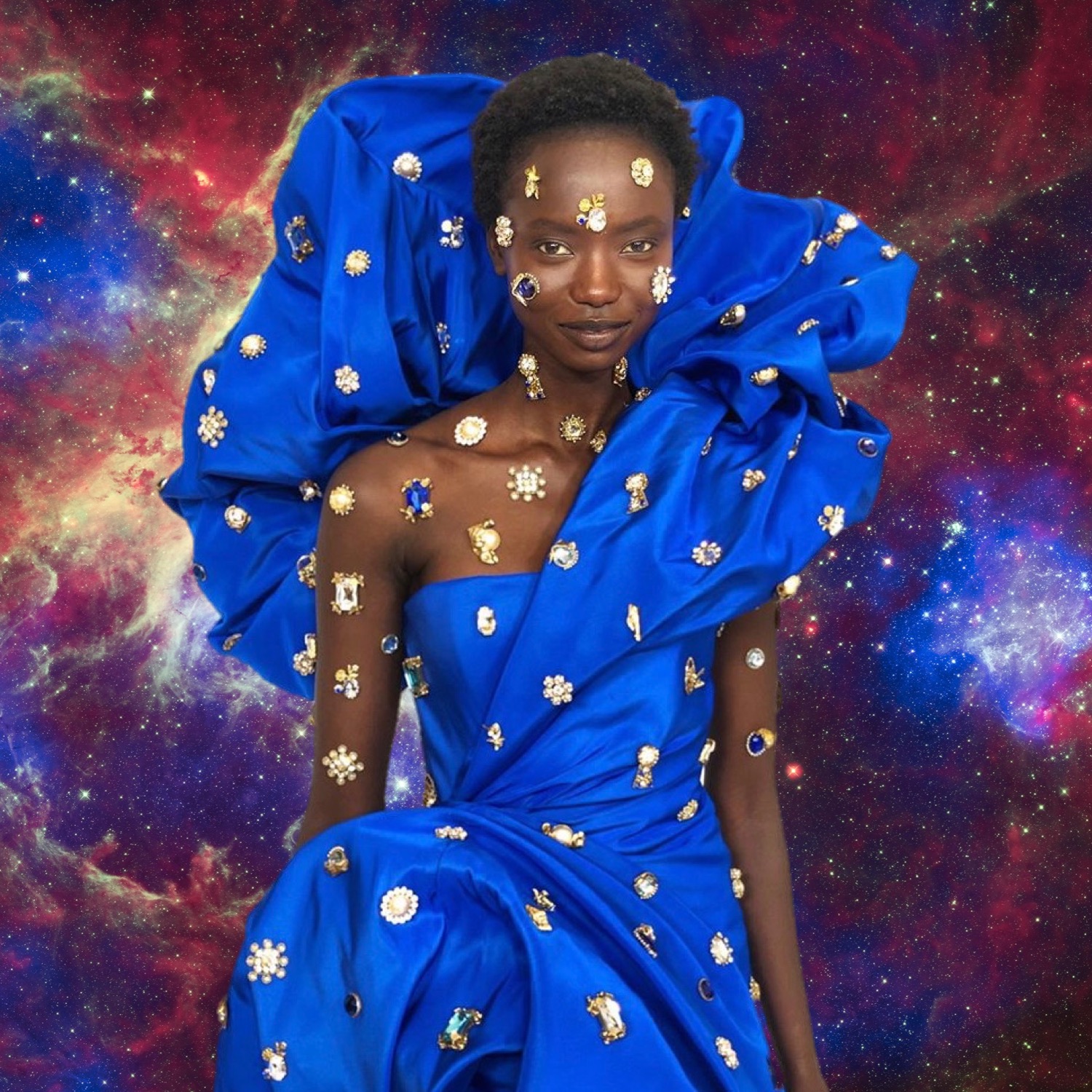
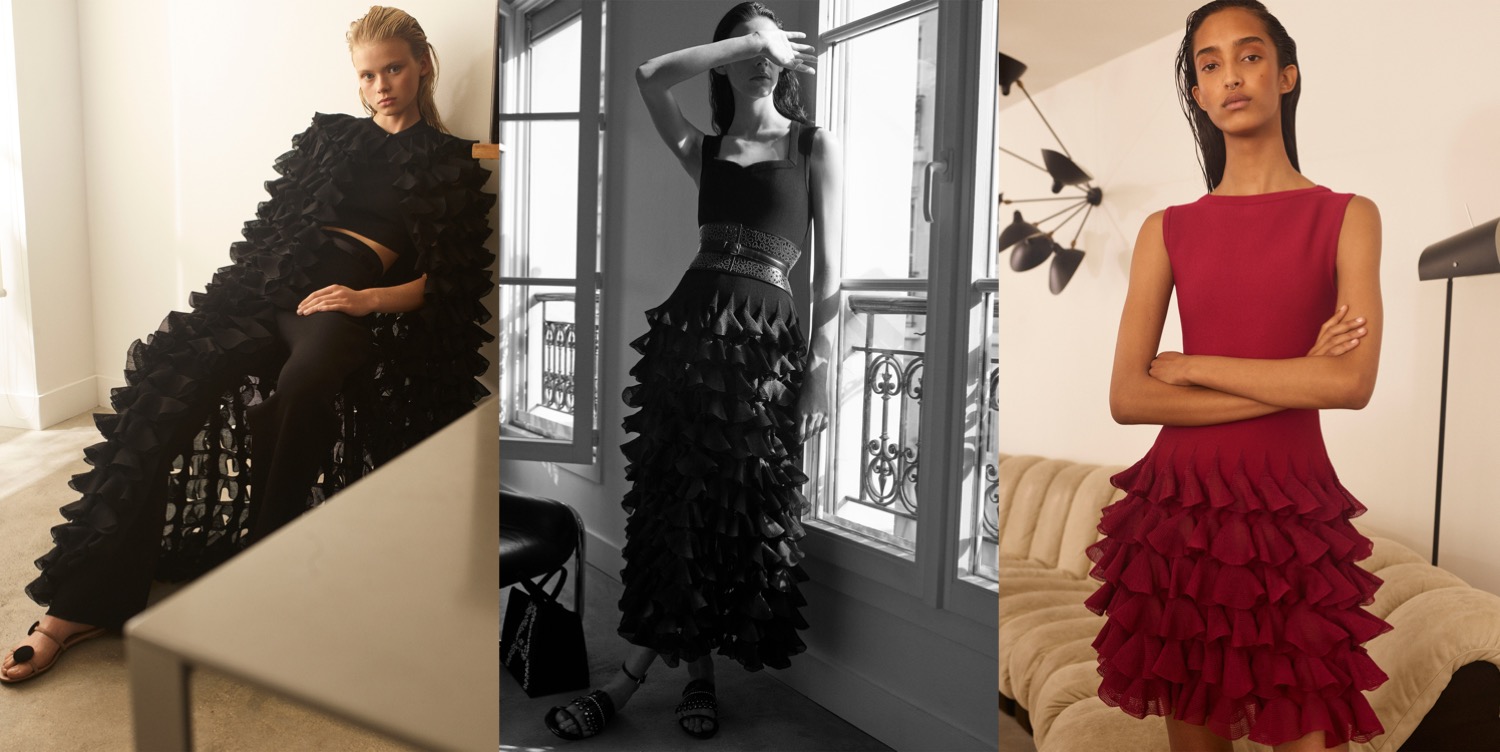
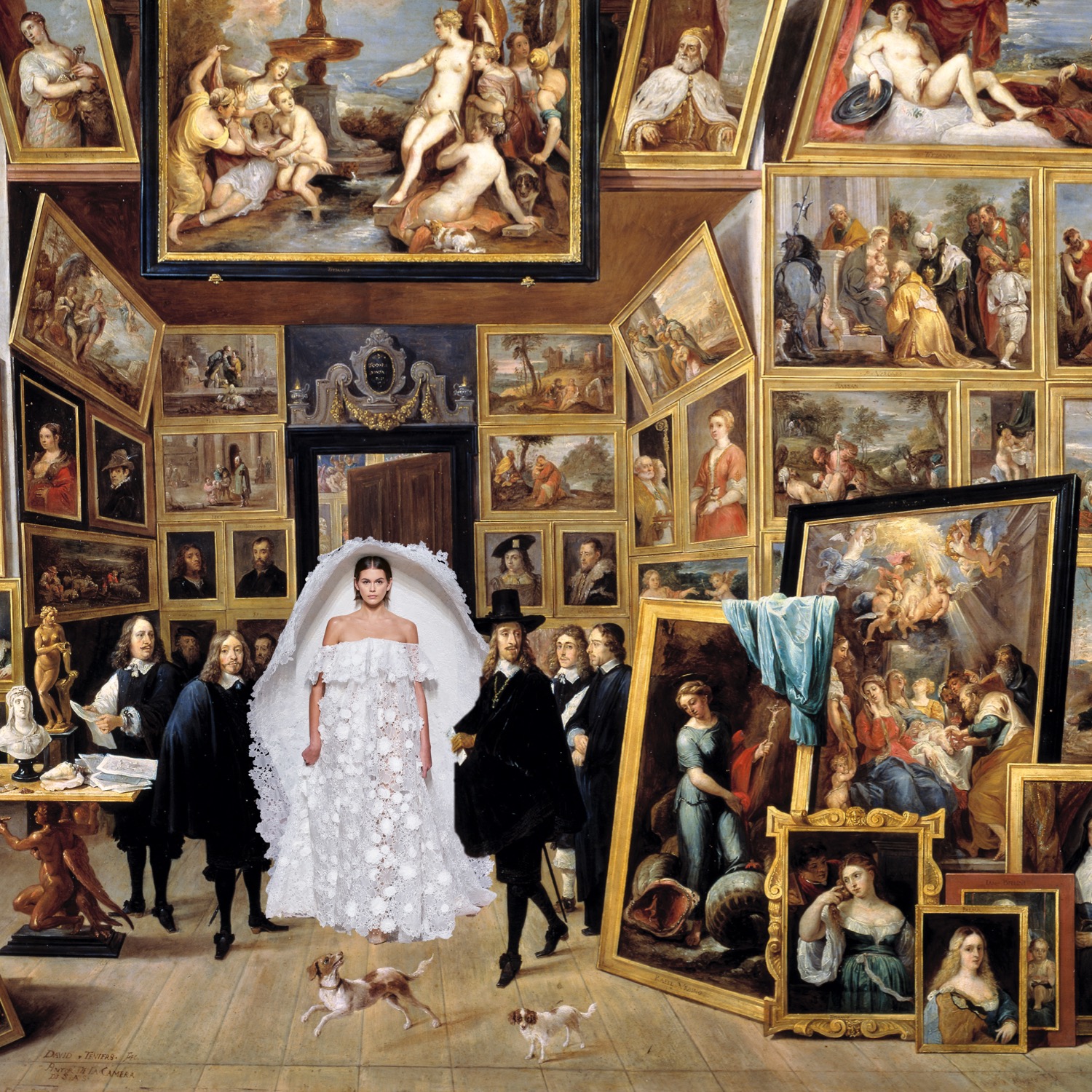
Clare Waight Keller’s spring-summer 2020 haute couture collection for Givenchy was rooted in her memories of visiting the garden rooms planted at Sissinghurst Castle by Vita Sackville-West and by reading the passionate love letters between Sackville-West and Virginia Woolf. “It’s one of the most romantic places in England,” Waight Keller said. “I’m quite obsessed by the place.” Famously it was Woolf’s involvement with Sackville-West and dreaming through the Elizabethan history of the Sackville-West family house that inspired Woolf to write her time- and gender-traversing novel Orlando. Coming back to the collection: Waight Keller once again proved her strengths in tailoring. But what truly stunned the audience were the summer-garden colors and swirling 3D-petal forms of dresses. For the designer, it was “my own love letter to Hubert de Givenchy because I went into the archive for this collection and looked into the history of the house from the very beginning.” Photographs of the pristine flower-lace gowns he made in the era he designed for Audrey Hepburn were pinned to her inspiration board. Givenchy, as it happens, was dedicated to garden design too. The outside edges of the jacket of a neat black pantsuit were implanted with a halo of gypsophila embroidery – this one looked incredible. There was a bit of “couture” casual: multilayered tulle petal-pink skirt overlaid with Chantilly lace was worn with a sheer black T-shirt. Waight Keller finished up her show by sending out Kaia Gerber as the ultimate fantasy bride in an off-the-shoulder cut-lace white chemise and umbrella hat that swooped back over the shoulders, amplifying the volume of the entire look.

Collage by Edward Kanarecki.
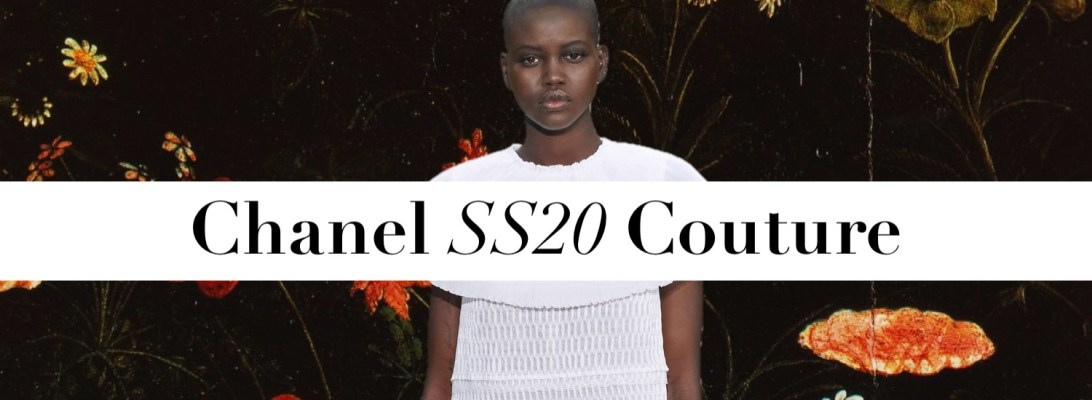
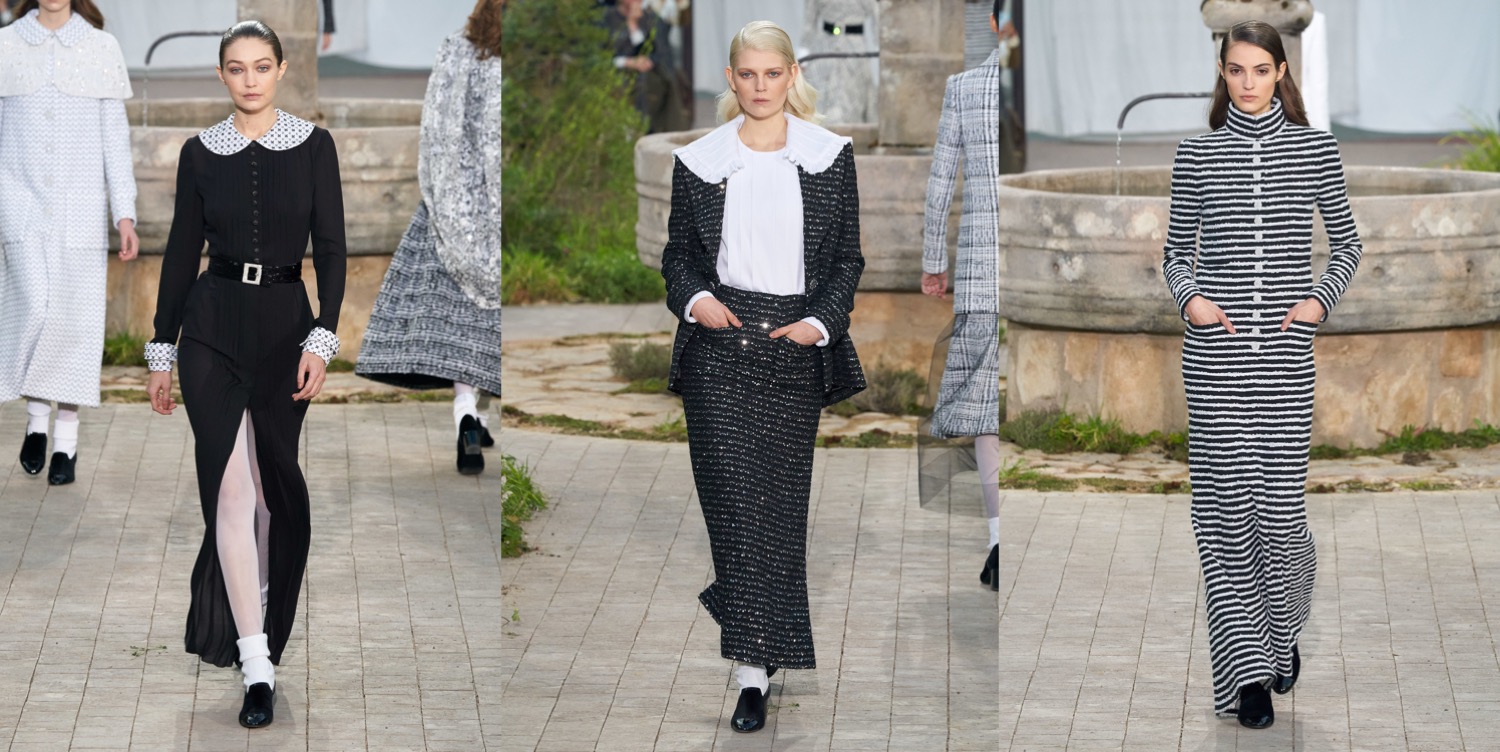
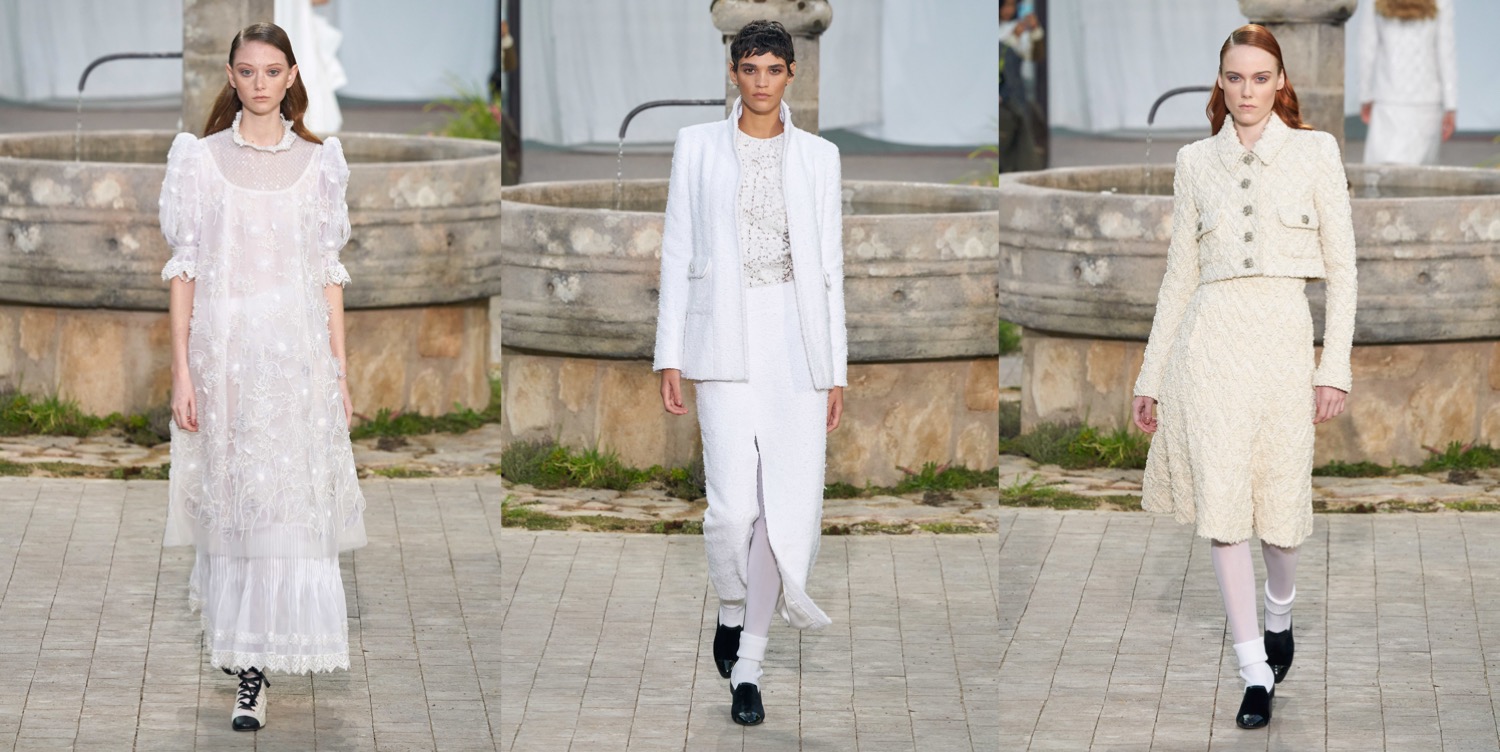
Monastic. Chanel Couture SS20

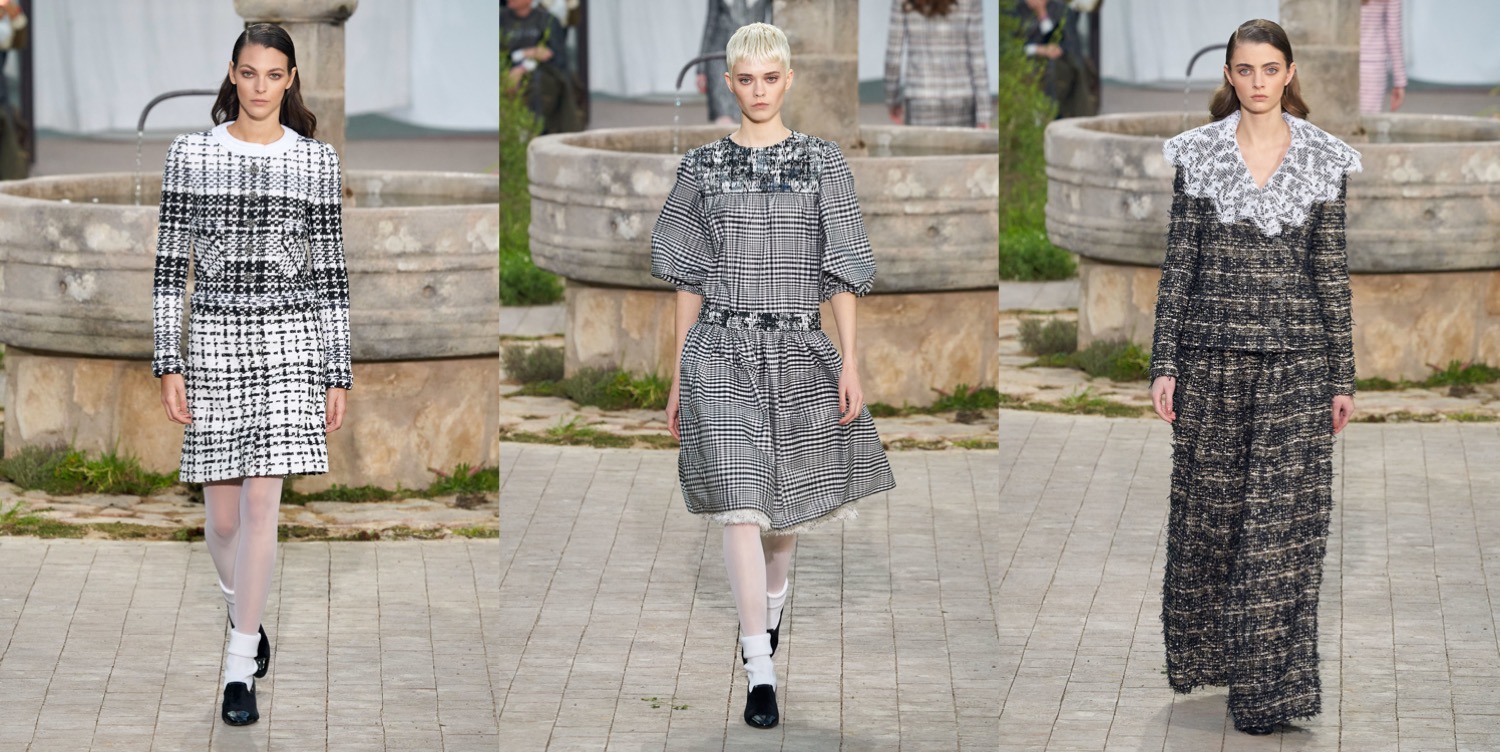
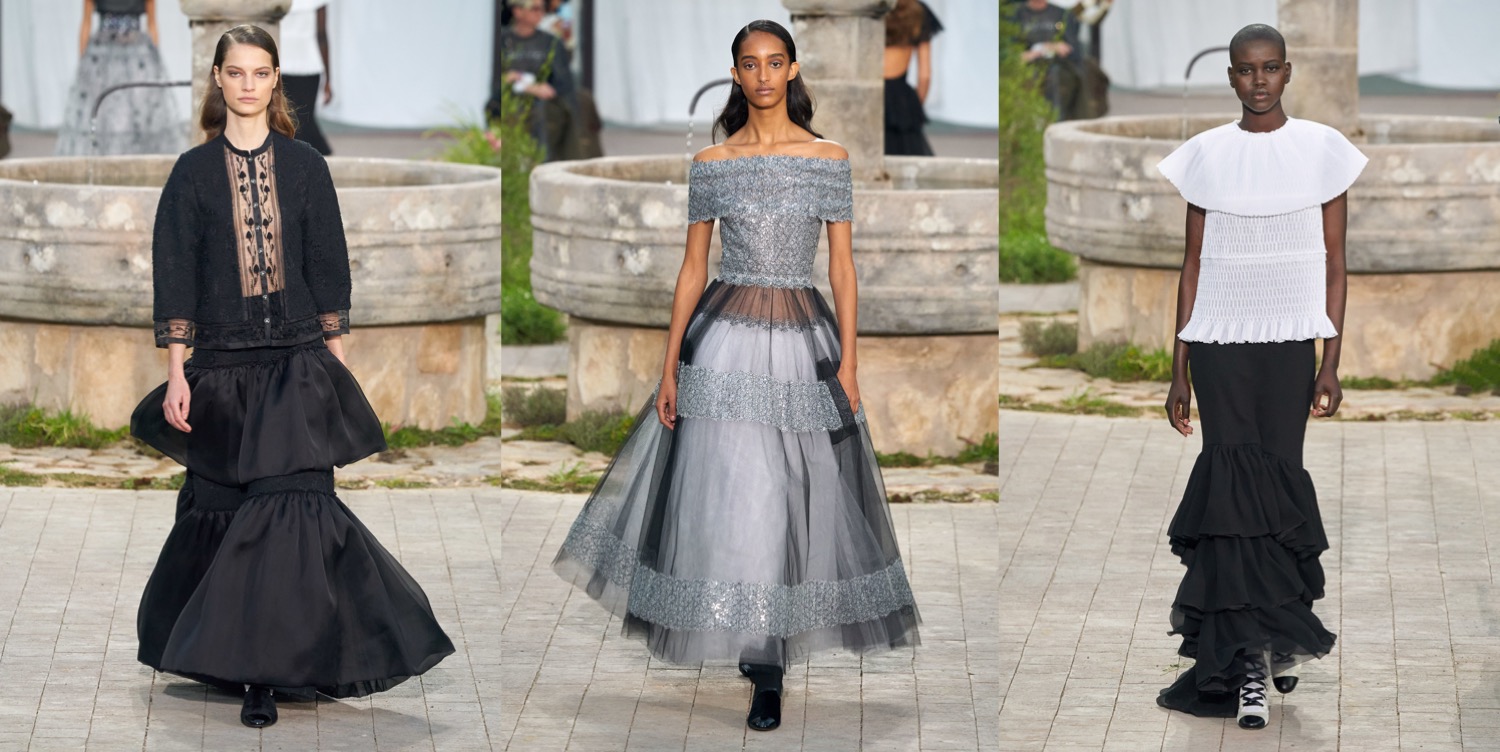
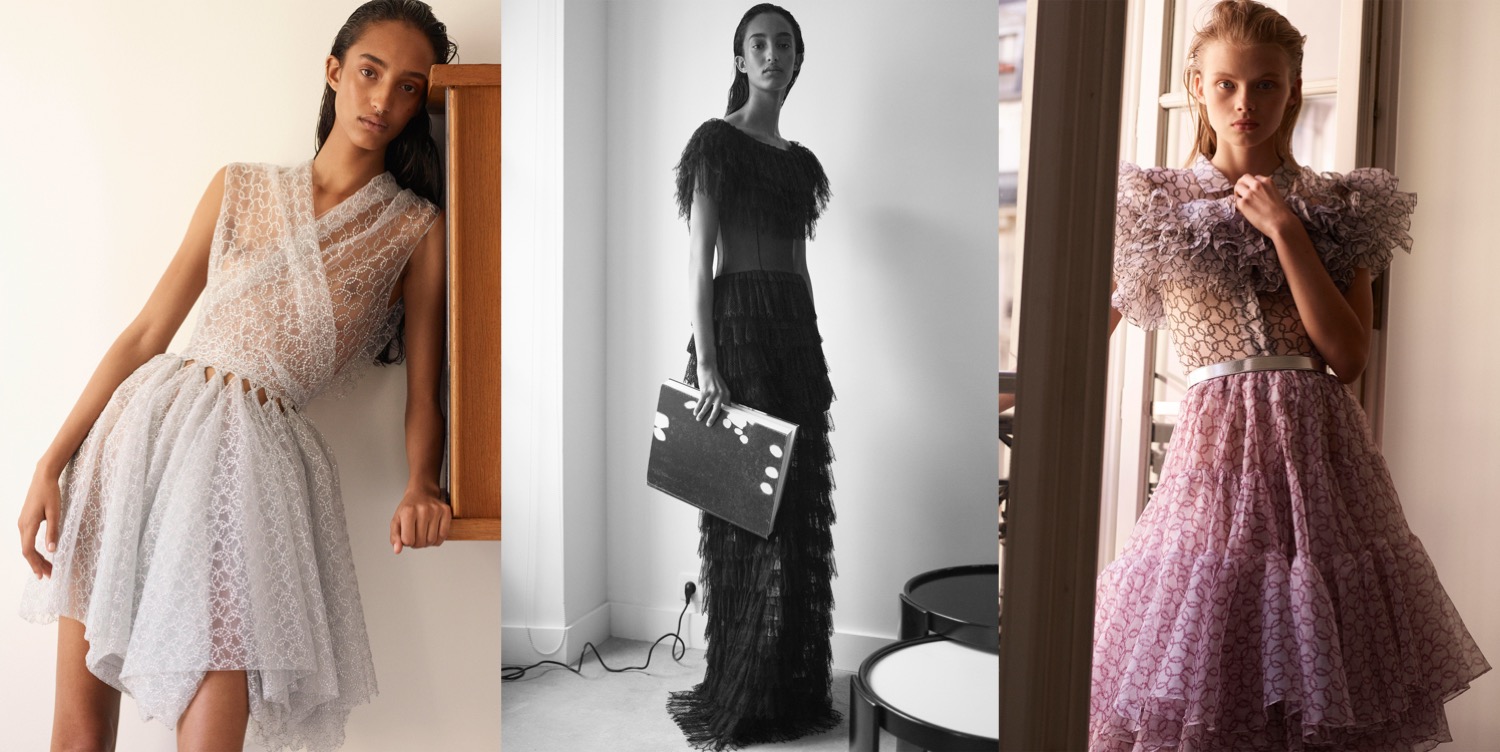
I realised one thing about Virginie Viard‘s Chanel. You just can’t go through her collections and instantly have a feeling about it. If you do, you will rather consider it as boring. But when you take a longer moment for each of the looks, you see what’s so special about Viard’s vision for the brand. It’s light, sober, slow, elavating. Virginie Viard’ spring-summer 2020 haute couture presentation was set in a romantically overgrown garden of a cloister, set  miraculously in Paris’ Grand Palais. The setting suggested a key element in Coco Chanel’s legendary story. She was 11 years old when her mother died, and as her father was often away, it was decided that she would be sent to the convent of Aubazine in the remote French region of Corrèze. Here, her unusual situation meant that she was among the girls singled out to wear an austere black-and-white uniform, one that she would adapt through the years to dress the richest and most stylish women of her age. In imaginative retellings of her autobiography, Chanel would refer to the convent’s strict and unforgiving nuns as “aunts.” These women taught the young Chanel to sew and gave her the tools to forge a life as an independent woman for herself in later years. The aesthetic of the convent stayed with Chanel forever. Fully aware of the biographical significance of the convent in Chanel’s life, and to her aesthetic, Virginie Viard made a pilgrimage to Corrèze on a gloriously sunny day last September. “Karl didn’t like those things,” Viard explained backstage.  “He always said, ‘Oh, it’s ugly, ugly!’ But I said to myself, I must do this.” The visit proved inspirational; “I loved it,” Viard recalled, “it was full of charm.” In fact, she was so moved by the cloister’s garden that she immediately decided to recreate it for the evocative decor of the haute couture set in the Grand Palais, creating an enclosure of dozens of antique linen sheets hung up as though freshly laundered by the girls and the nuns to dry in the breeze. The influence of those convent girls and their childhood home threaded through Viard’s collection in subtle ways that showcased the incredible resources of the haute couture. The designer developed a soft, pastel woven-and-sequined fabric to evoke the chapel’s stained-glass windows. The convent’s unique stone floors, with their rough pebbles laid in a grid that resembled quilting, were evoked in trellises of embroidery tracing the shape of the Peter Pan collars. One particularly beautiful example, on a suit jacket of marled stone-colored tweed, turned out in the hand to have been worked with “sequins” cut from chiffon. Many of the skirts, for instance, were paired with exquisite overskirts in filmy tulle that added extra length, but garlanded the lower leg in exquisitely embroidered fragile dandelion clocks, or scattered meadow flowers, or butterflies made from feathers. Add to all this black patent schoolgirl shoes with white ankle socks. Beautiful.

Collage by Edward Kanarecki.
Sublime. Schiaparelli Couture SS20

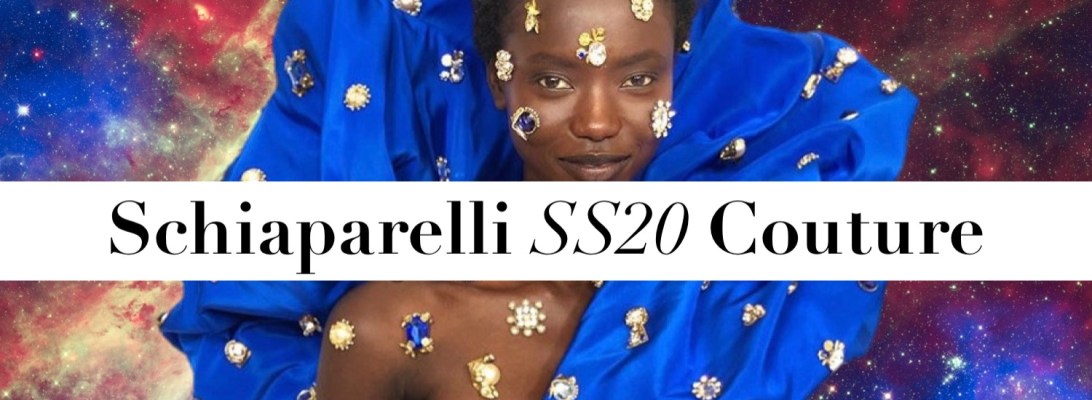
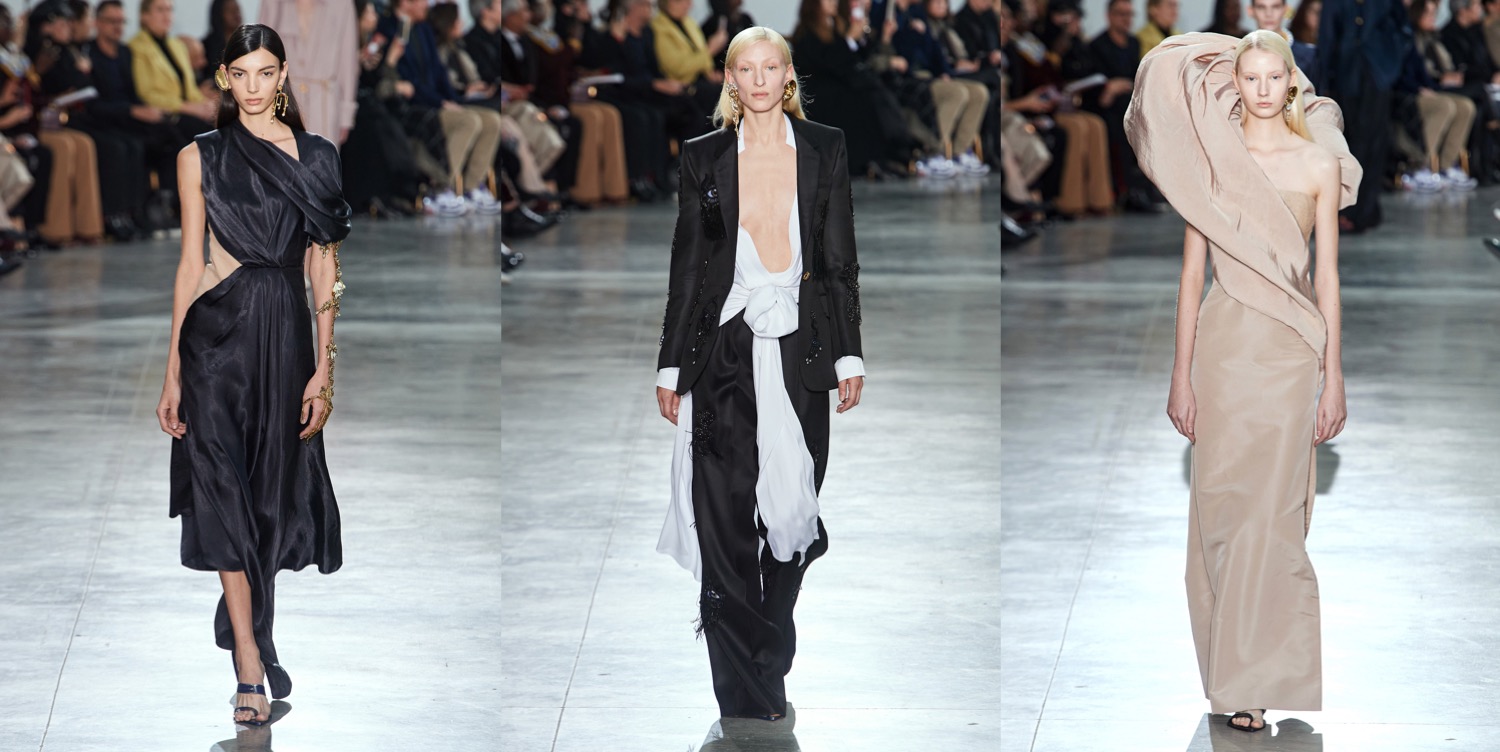
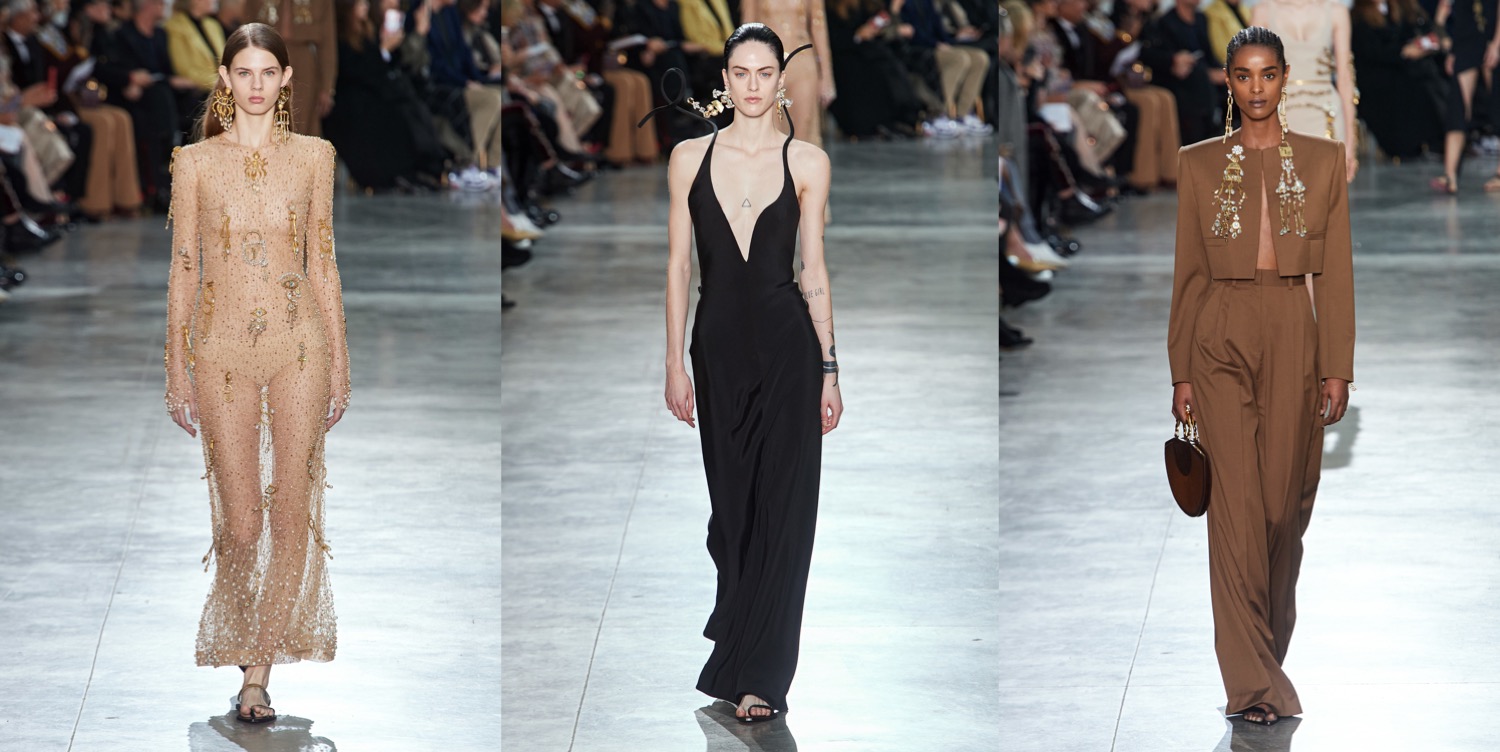
Comparing to his chaotic debut collection last June, Daniel Roseberry‘s take on Schiaparelli for spring-summer 2020 is sublime. S-U-B-L-I-M-E. For this couture line-up, the American designer decided to focus on the “double fantasy” of Elsa Schiaparelli’s style. He began planning the collection by looking at images of Elsa at work in her studio dressed in her inventive, but pragmatic daytime outfits. These he contrasted with “the incredible Surrealist parties that she used to throw – this idea of the woman who dresses for herself during the day but then there’s this duality at night where it becomes performative. I became obsessed with the contradictory personality, the introvert-extrovert idea,” he continued, “trying to embrace those two different extremes and remove all the middle, and do something that feels uniquely Schiap and personal.” Roseberry also looked at the designer’s 1930s friends and collaborators, including the minimalist Deco Moderne furniture and interior designer Jean-Michel Frank (for a daytime palette of cerused oak and parchment that he mixed with navy and cigar brown) and Alberto Giacometti (for the skeletal jewels and rhinestone “bone” embellishments that also referenced Schiaparelli’s own shocking padded jersey skeleton evening dress of 1938). Roseberry has had the opportunity to focus on tailoring (always important in Schiaparelli’s own work) and the collection opened with some stylish options for the couture client who actually works. The “psycho chic” day clothes, as Roseberry described them, morphed into evening pieces that evoked Schiap’s dreams (dreams that his program notes explained “were active, propulsive, exuberant, extravagant, rebellious, ambitious”) and nodded to Yves Saint Laurent and Christian Lacroix’s ’80s and ’90s couture work in striking ultramarine, scarlet, viridian, and of course the brand’s own shocking pink. Schiaparelli is finally back on its track. Roseberry is a wonder.

Collage by Edward Kanarecki.
Never Nostalgic. Azzedine Alaïa SS20

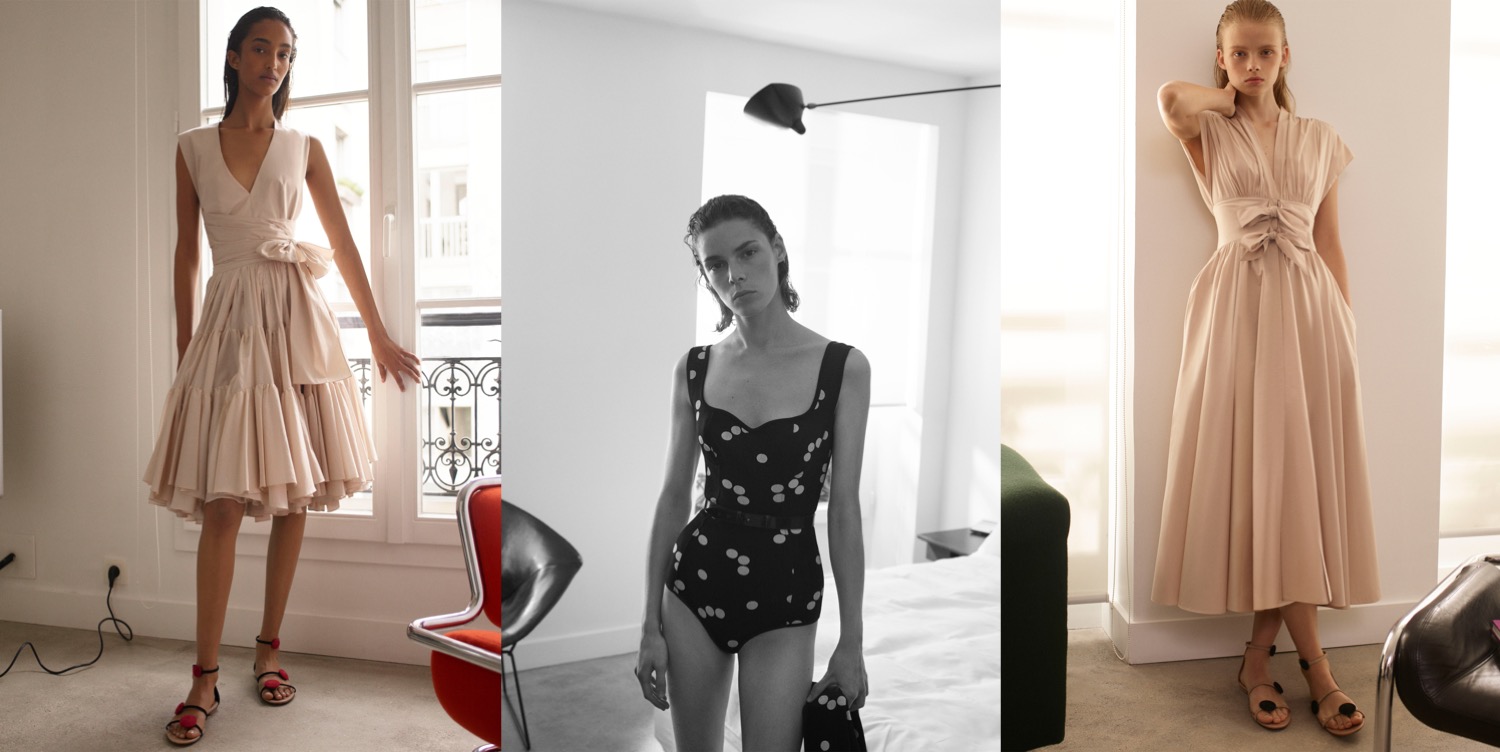
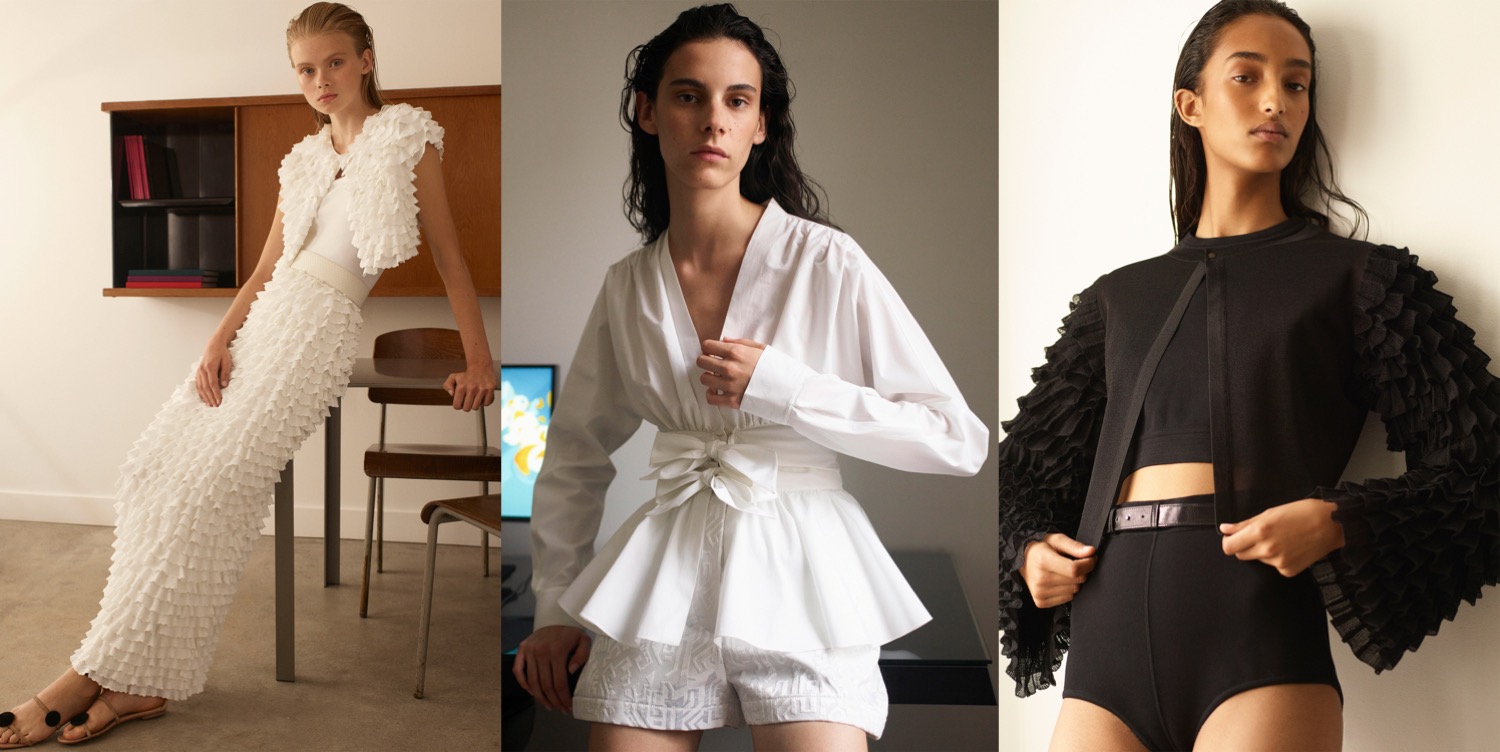
We try always try to have something that relates to our history, without being dated or nostalgic – Mr. Alaïa was never nostalgic,” said Caroline Fabre Bazin, Azzedine’s longtime right arm, during the spring-summer 2020 presentation for the maison. The look-book is a classic homage to the couturier’s outstanding oeuvre. One of the designer’s most iconic pieces, the perfecto, appeared in the collection few times, being the season’s key item. “He would always say ‘yes, okay’ and then he’d change everything, because he hated repeating himself,” said Fabre Bazin. “Practically from the beginning, he made them every season: short, long, with zip, without, in python, leather, denim; every time it was different.” This season, an early, pre-2000 biker jacket returns in Japanese denim or in python. Other throwbacks: a polka dot faille trench or a denim peacoat from summer 1992 (a nod to the Tati exhibition currently on show at the Association Azzedine Alaïa). The bow theme may nod to a collection from 2010, signature studs may return via 3D printing, a technical silk organza may be embroidered with an archival motif and then used on a different silhouette, or a print from 1991 may find fresh relevance on different materials – the studio working under the name of the master reinvents, revisits, reworks. Ultimately, “then” fuses with “now”. The Alaïa atelier has all it needs to keep shining for years to come.

Collage by Edward Kanarecki.
Razor Sharp. Peter Do SS20

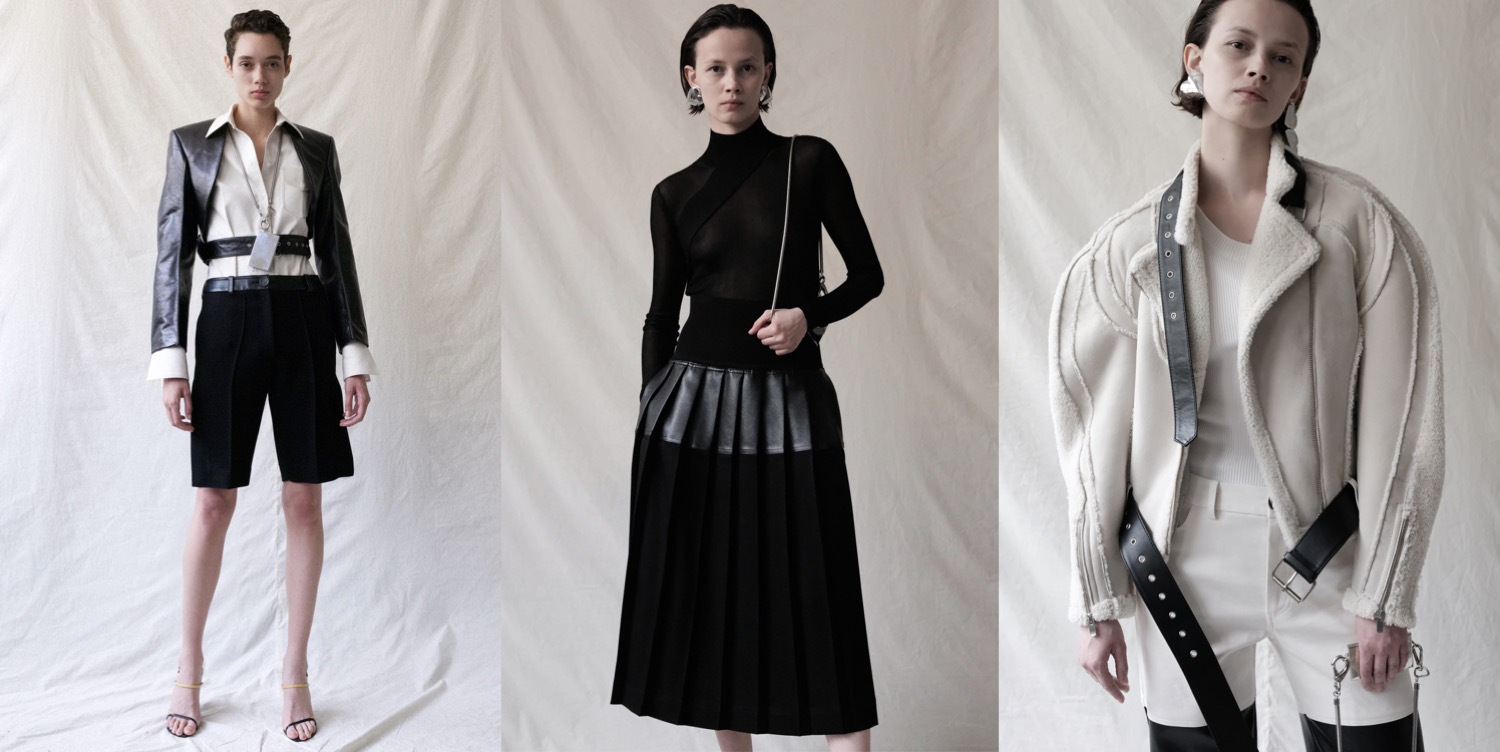
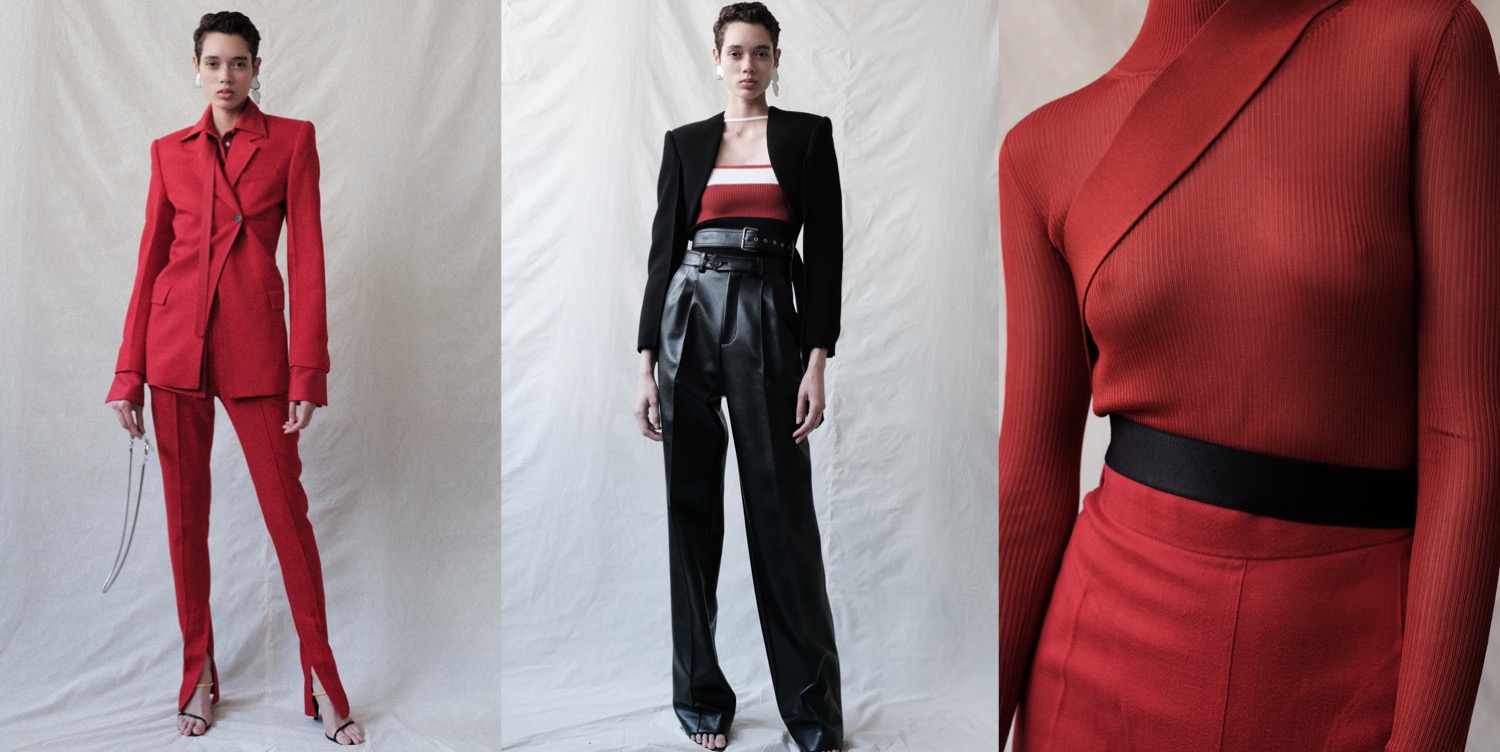
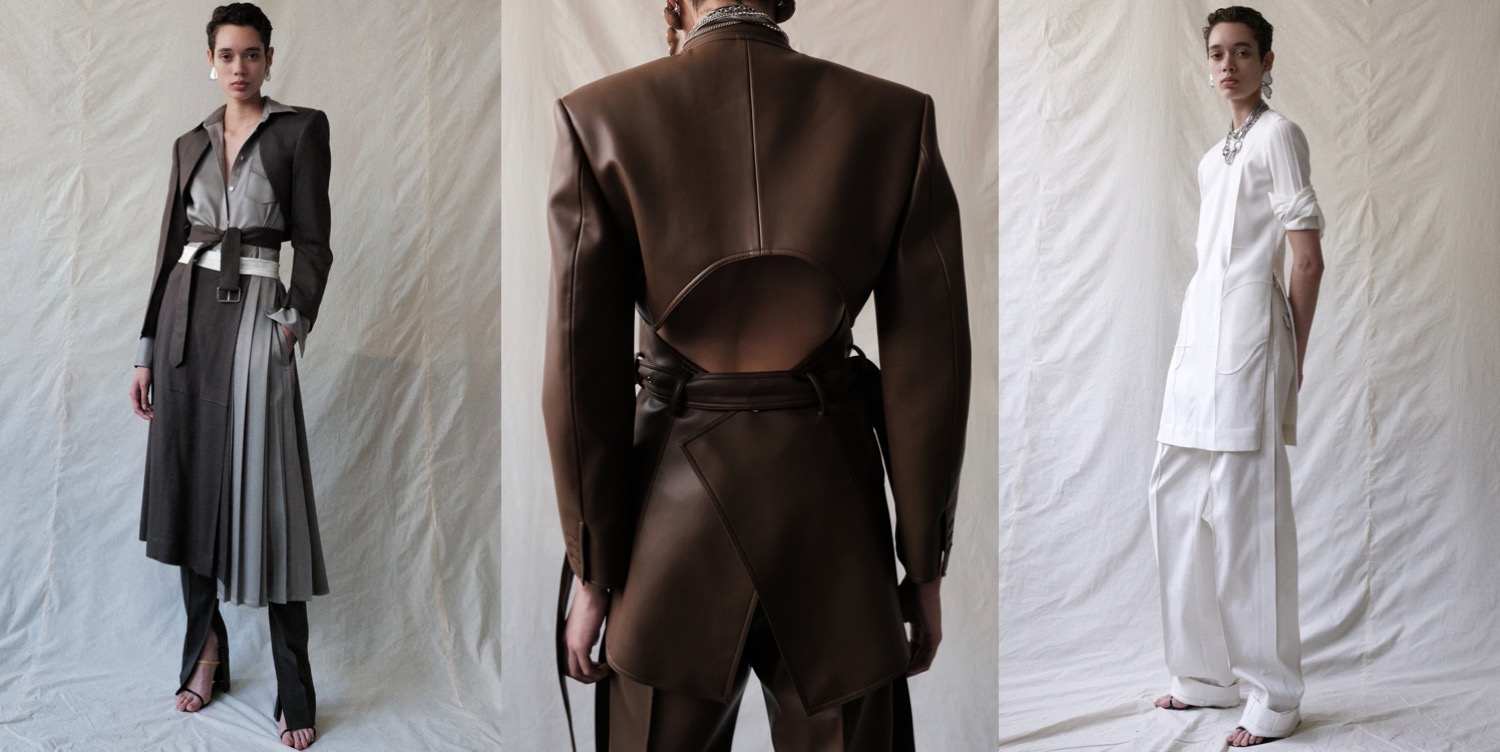
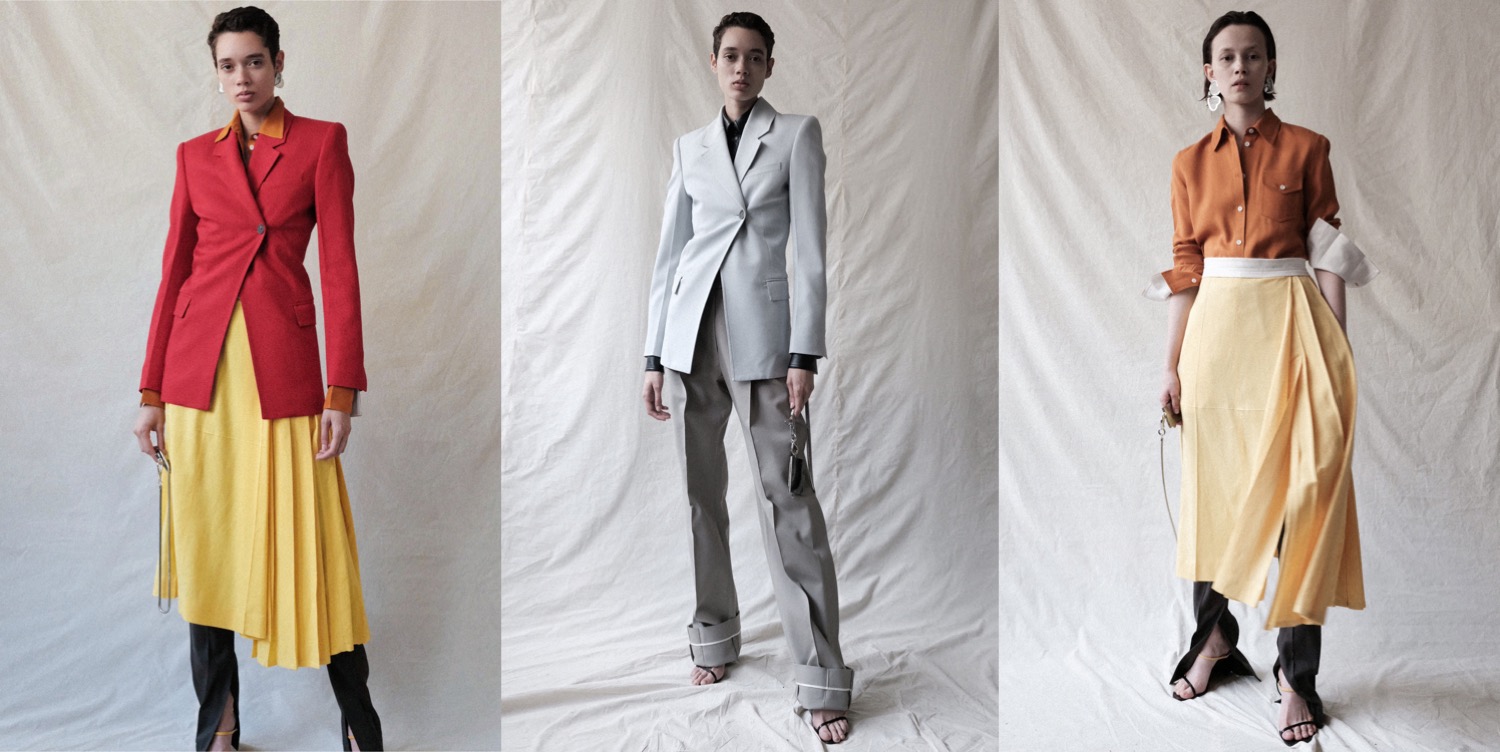
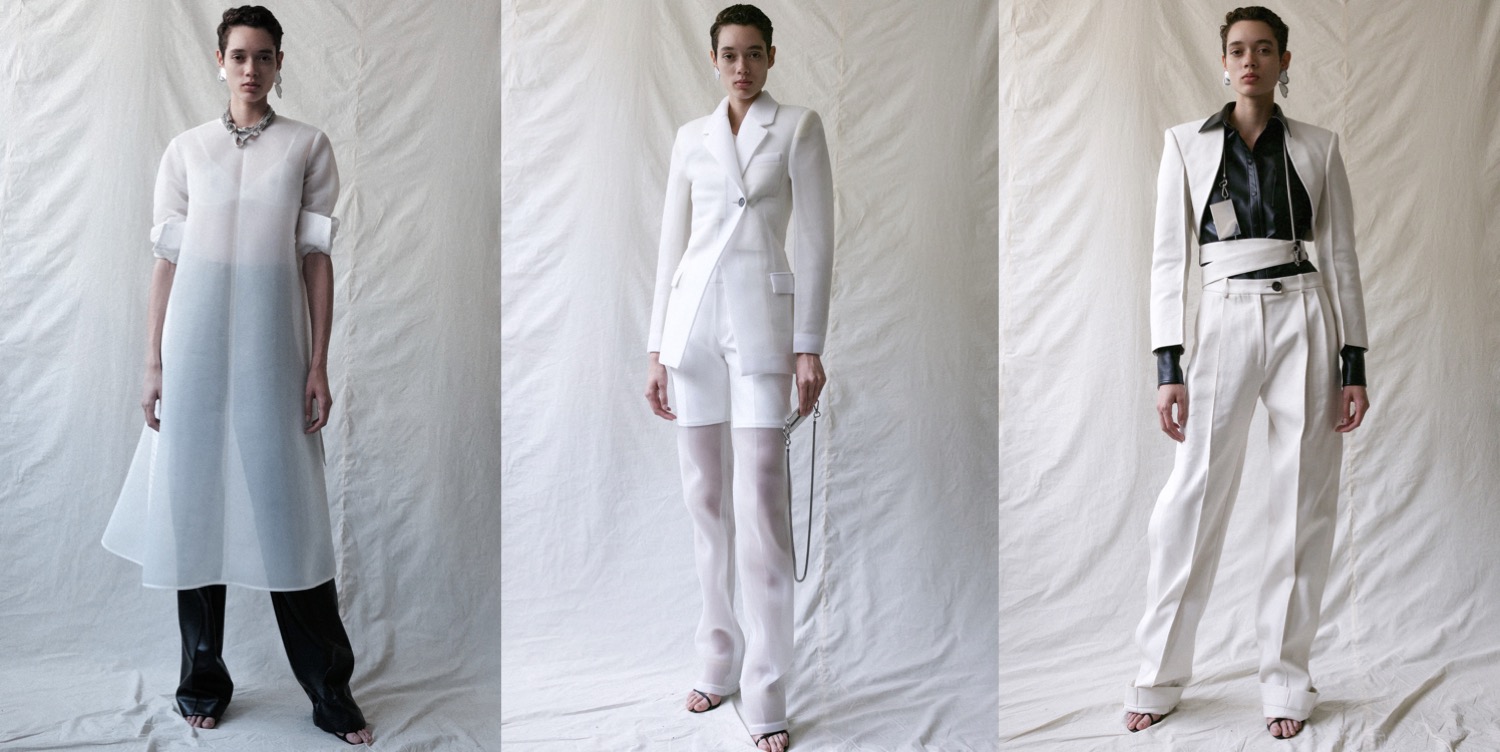
Peter Do SS20 collage

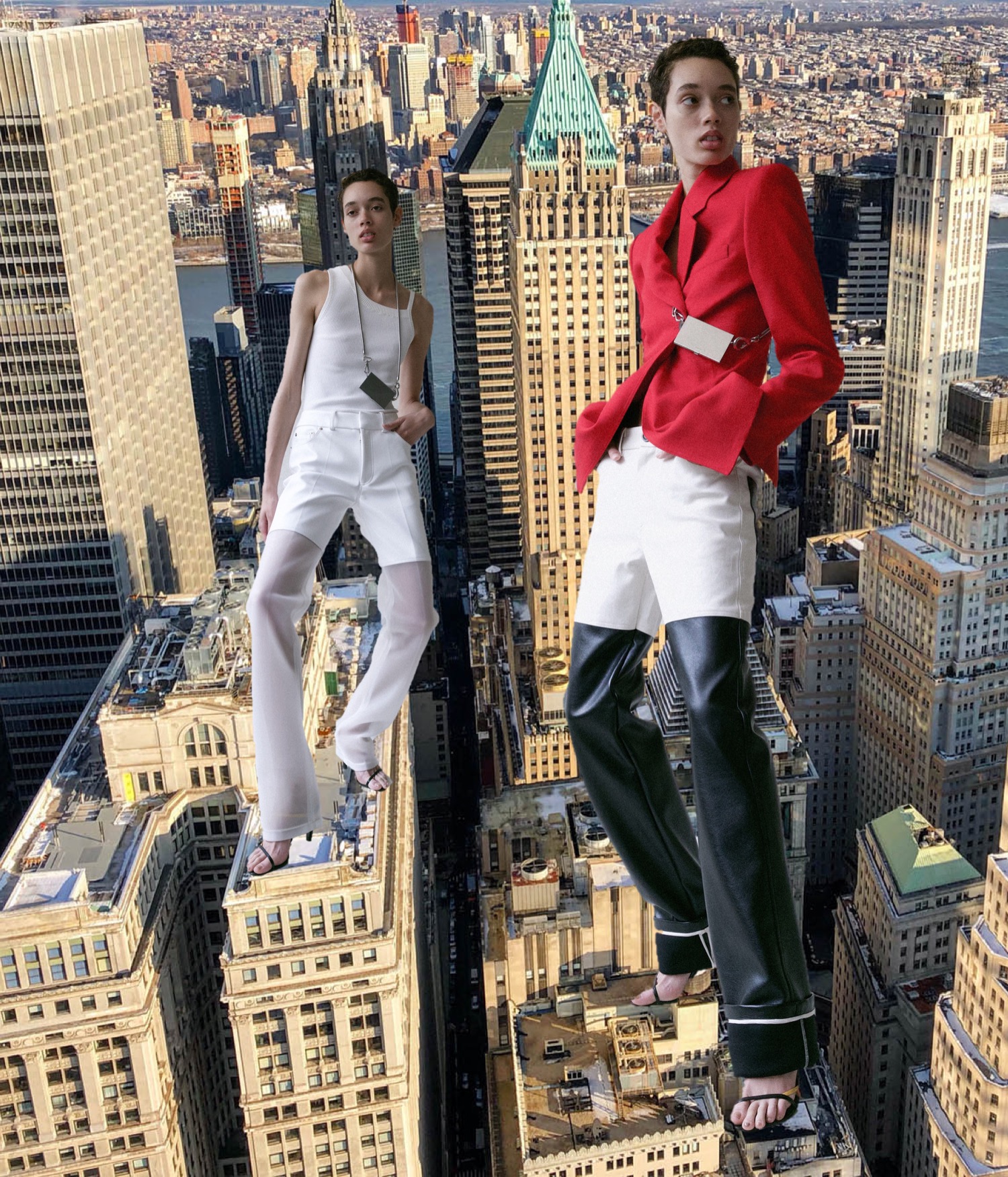
Peter Do‘s name-sake label has been making waves since its very start (which was less than two years ago). The New York-based designer doesn’t do fashion shows and presents his collections off-schedule – those are two factors that could easily make him and his brand an off-the-radar outsider But Peter Do has a consistence in his work that many, much more established brands can envy: very clear, clean and minimal aesthetic that’s as precise as a razor. Do, along with Bottega Veneta’s Daniel Lee and Rokh’s Rok Hwang, shares a very specific alma mater that additionally attracts clients: Phoebe Philo’s Céline. But Philophiles won’t find Céline-like pieces at Peter Do, that’s not the point. Spring-summer 2020’s hero piece is an adjustable jacket that separates into a bolero and a backless waistcoat. Another highlight is the single-button jacket that fastens high and off-center on the torso, producing a nipped-in silhouette. The colour palette, mostly black and white, is beautifully contrasted with shades of ochre and rust. What else is sure about Do? Tailoring is key for the brand. And it definitely stole women’s hearts, if Net-A-Porter is restocking the current collection, and such important retail players as Dover Street Market and Bergdorf Goodman already have the Peter Do classics on their racks.

Collage by Edward Kanarecki.