Space Cowboy. Ganni SS17

Ganni‘s take on spring-summer 2017 appeared to be quite outer-space. The show venue was surrounded around a massive installation of red balloons splattered with paint – the effect looked cosmic. Meanwhile, the clothes had a lot to do with space, but rather in a sci-fi context. The collection was entitled ‘Space Cowboy‘, which, as many of the editors and street-style stars expected, ended in a line of covettable, cowboy boots (in python leather, the Ganni way). But the clothes weren’t that literal (expect the t-shirts!) – geometrical culottes styled with ribbed knit top, leg-exposing shorts in python print, floral robe dresses with ruffled sleevs and fringes. A bunch of modern-day essentials that are about to invade contemporaty women’s wardrobes, kept in an exciting, Wild West aesthetic. But if you’re still in search for astronaut accessories, then next summer Ganni will offer  big, big shades to protect you from the sun’s heat.

Cool Fur. Saks Potts SS17

If you’re a fashion insider, you must have already spotted two or three pastel-coloured fur jackets on the international. street-style scene. There’s a big chance they came straight from Copenhagen’s hottest young label, Saks Potts. The brand’s statement piece stole the spotlight this season, opening the show on Caroline Brasch Nielsen, a runway favorite. In a light-blue shade, covered with lily motif, the outerwear must-have looked charming with simple denim pants and a pair of suede pumps. Saks Potts and its creative usage of fur has many faces. Shaggy, chocolate-brown Mongolian jacket fur was styled in a casual way with vichy pants, while cute, fluffy pompoms covered a simple, black coat. 70s attitude was present in the air – take a look at the Jane Birkin-flares, and the last look (a floral, pussycat bow dress).

Scandi Attitude. Freya Dalsjø SS17


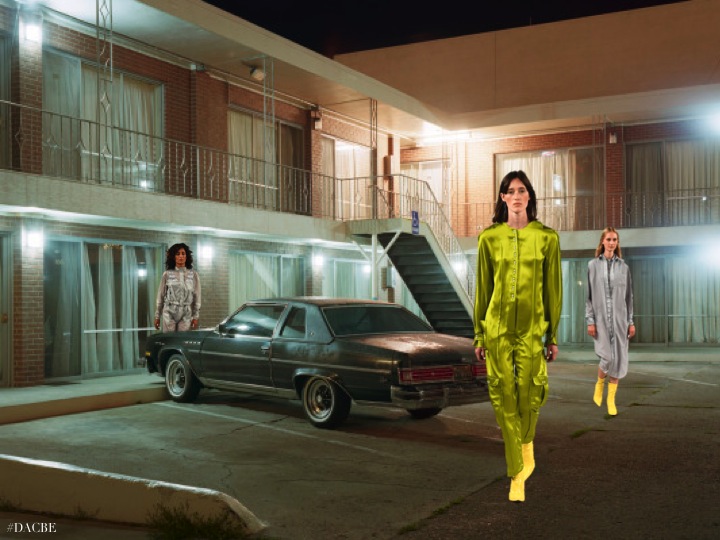
Copenhagen Fashion Week is a great occasion to observe, how Danes do fashion. This time, I’m in love with Freya Dalsjø‘s spring-summer 2017 collection. Dalsjø has a new take on heritage techniques with an avant-garde approach in her work, deconstructing and exaggerating forms and silhouettes. The collection is quite simple at the first glance, but just have a look at the voluminous coats and parachute dresses. Raw-cut denim and pajama shirts with elongated sleeves make me think of the ‘Vetements factor’, but in a much more clean, Scandinavian version. Dalsjø’s strong point of the collection is the colour palette – lime-green jumpsuits, chocolate-brown skirts and bold-yellow, polished boots. Oh yes, the boots… too good to be true. Always unconventional in model casting, clothes with Freya Dalsjø tag live their life on diverse women with attitude.

Becoming a Woman

_GAS0136

Guillaume Henry raised Carven, a fellow couture house of the past, into a commercial success. For the past six seasons, he’s at Nina Ricci, another Parisian maison, doing what he’s best at – reviving the spirit of a brand, and making it alive in contemporary times. But first, lets look at the history of Ricci’s legacy. Origing from Turin, Maria Nielli literally became Nina Ricci upon arrival in Paris, when she combined her nickname with her husband’s last name. Her haute couture house was founded in 1932, at 20 Rue de Capucines, complete with the design atelier and salons for client fittings. Her technique, cuts, balance and intriguing use of materials defined the Nina Ricci woman – elegant simplicity.

After years of slight oblivion, the house welcomed extremely talented Olivier Theyskens. However, his designs weren’t that sellable, and the next creative director was named: Peter Copping. His era at Nina Ricci was, well, unremarkable, filled with plain collections of boring clothes (I think the same of his few season tenure at Oscar de la Renta…). And then, Ricci named Guillaume its creative designer, and that was a right choice.

_NIN0159

_NIN1039

_NIN0737

_NIN0707

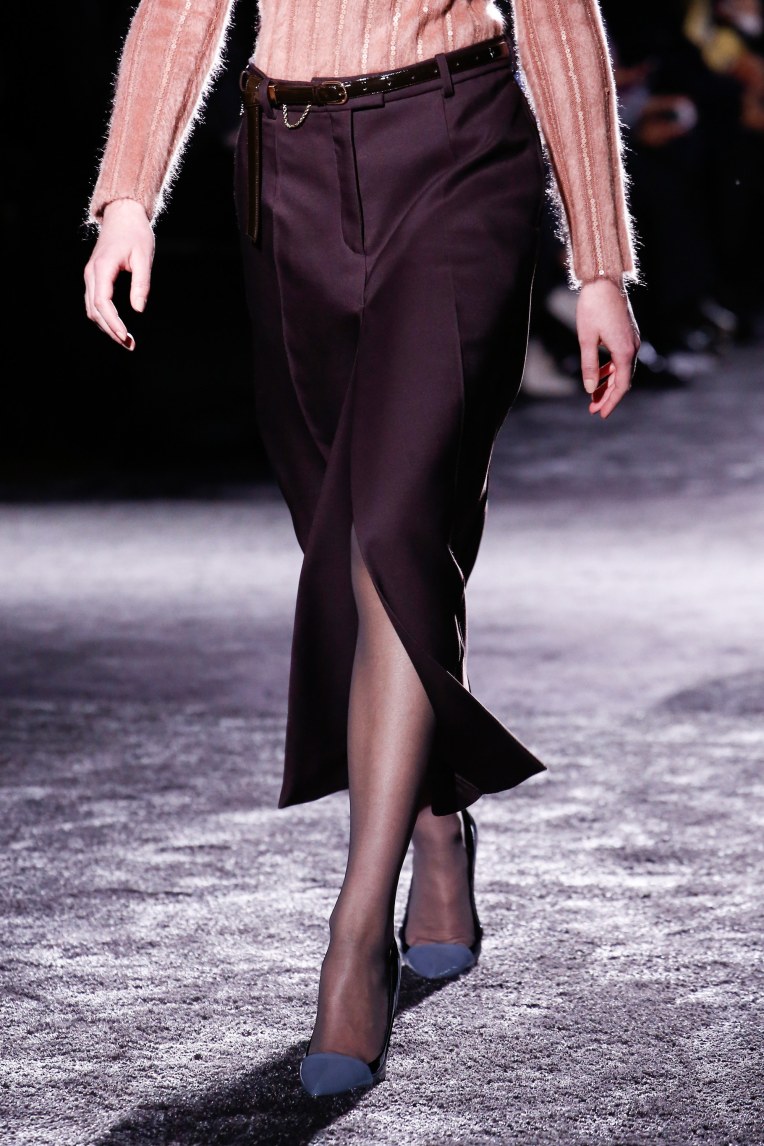
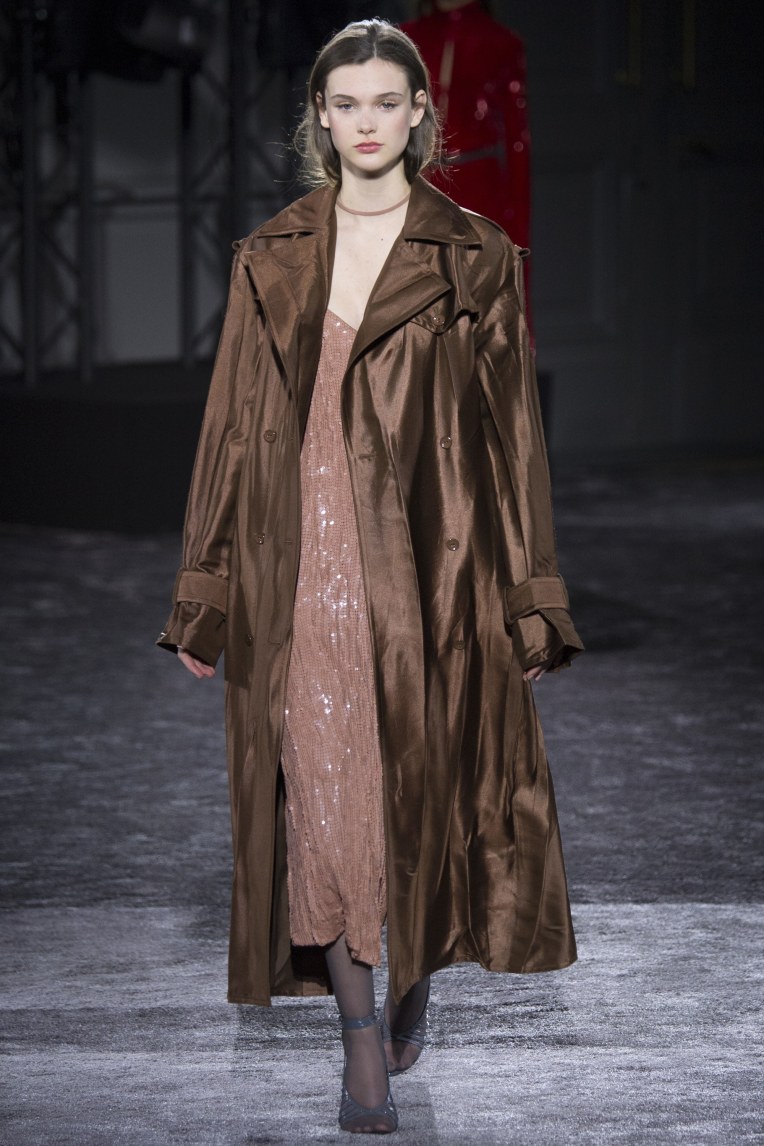
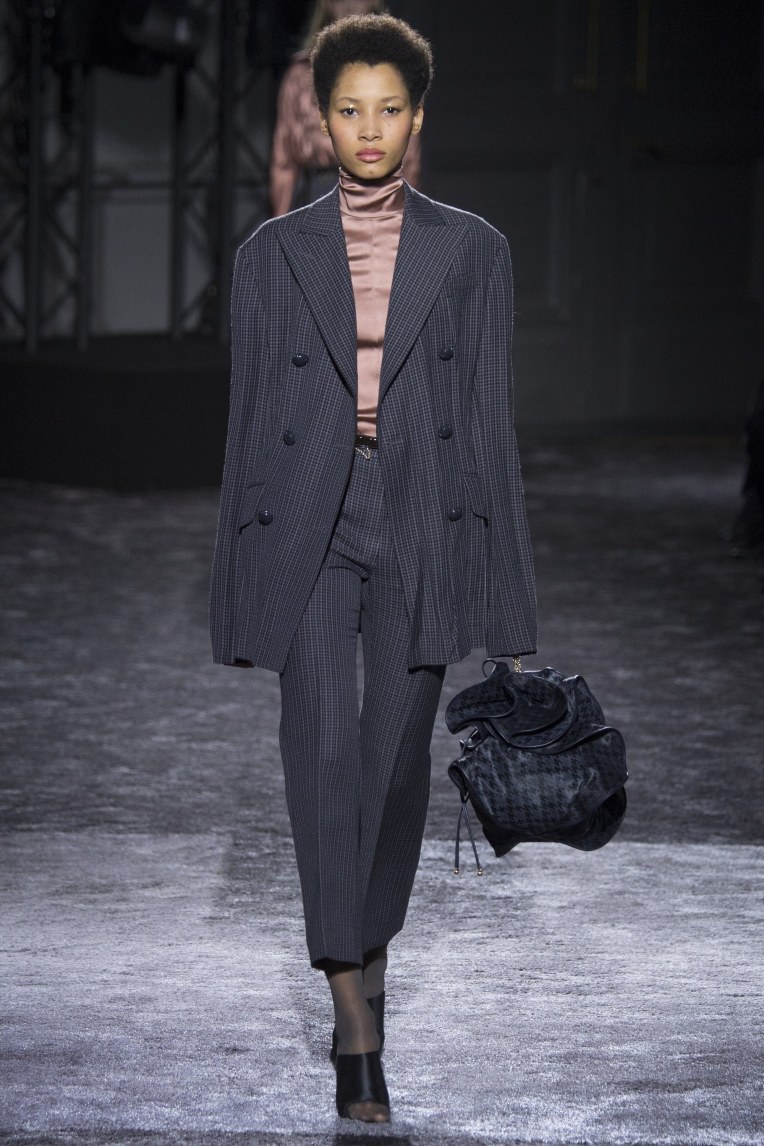
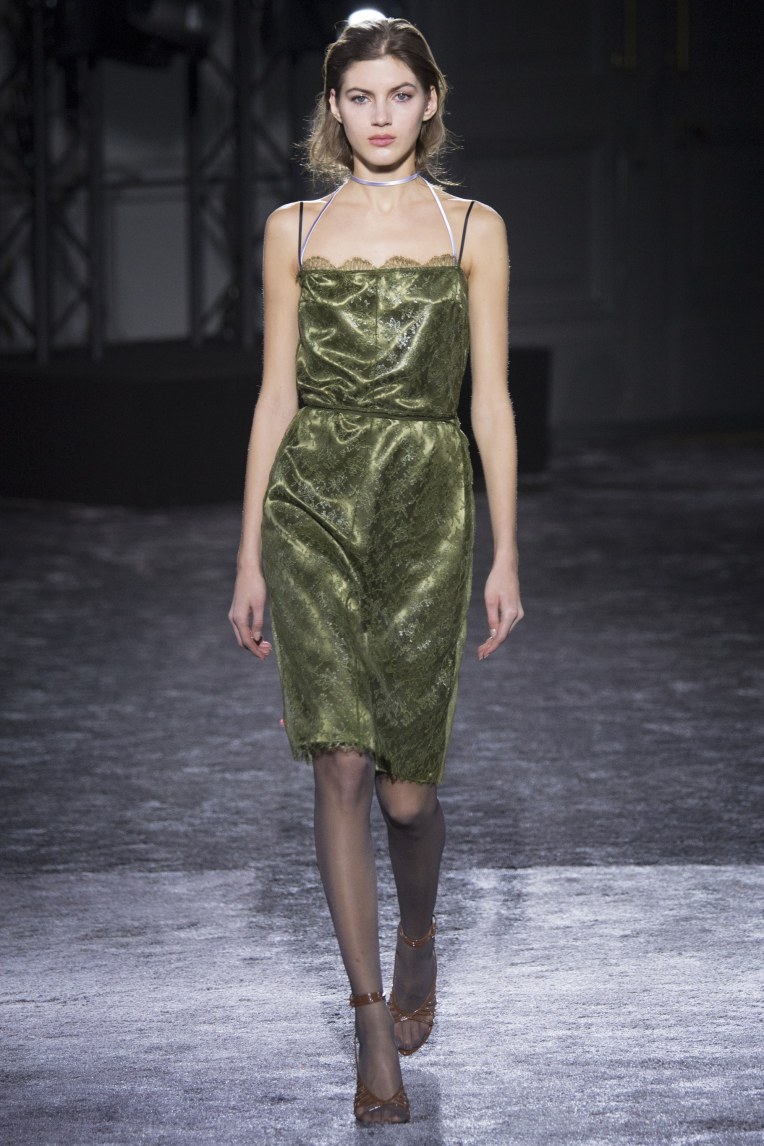
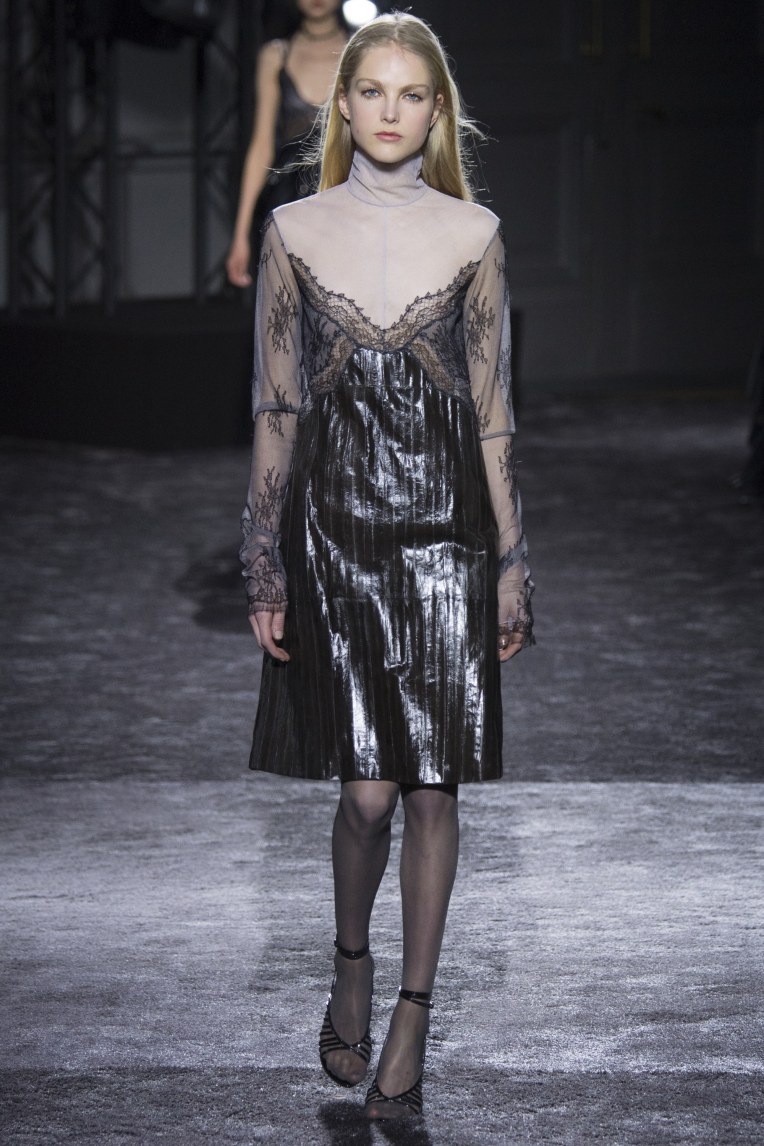
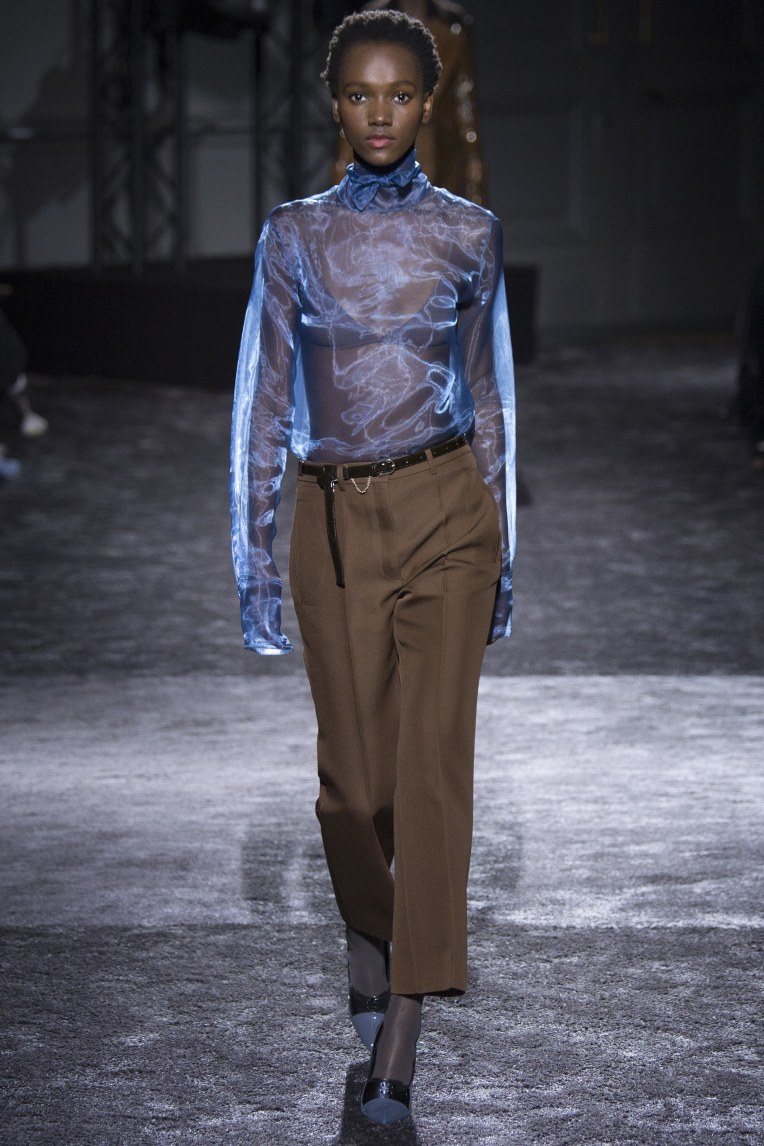
Robe coats made of rich fabrics scent with luxury, and the sequined dresses that are Henry’s signature at Ricci look feminine and powerful. The clothes for autumn-winter 2016 are versatile to a great extend – a pinstripe suit worn with a pastel pink turtleneck can switch with grace from daywear to eveningwear, while the sheer midi-dresses are both assertive and… romantic. Nina Ricci’s recent wardrobe revamp is mature and lady-like, proudly targetting women in their 40s and up – for intellectual, individual personas, who know their style best.

_GAS0078

_NIN0545

_NIN0471

_NIN0291

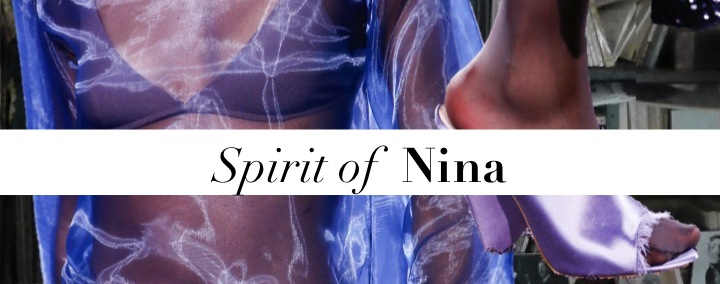
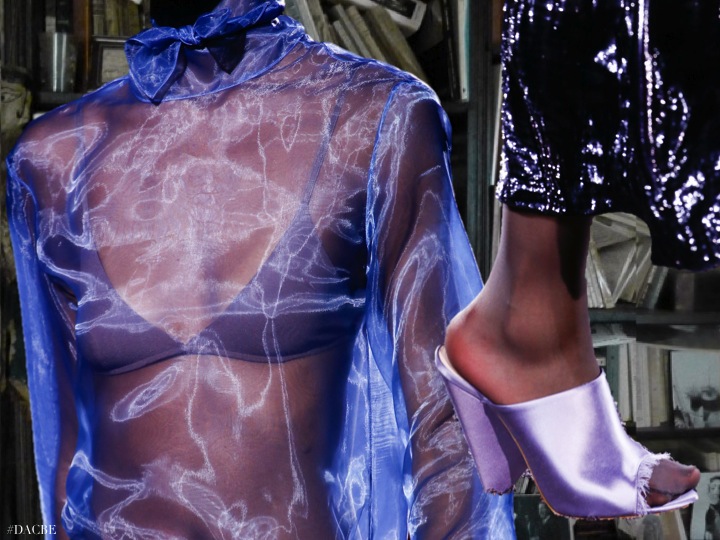
Oh, and take a look at this fluroscent, transparent top – love its edginess, which contrasts with AW16’s elegant chic!

Slide1-kopia 8

Meet Cristaseya

307

Crista Seya is a Paris-based, lifestyle brand that’s against the fashion system’s speed and commercialism. Cristina Casini and Keiko Seya, the founders, both have worked for years as stylists for publications like L’Officiel, Numéro and i-D. In 2013, the duo decided to launch their own label with an aim to release “editions”, not collections, of around 15 items – specifically, one edition per six months. No overproduction, no hurry – just a pure, creative process which combines highest quality craftsmanship with  a cool French attitude.

“Each edition is the building block for a wardrobe,” says Casini. First edition was all about indigo blue, which came across cashmere knits and over-sized pants. Their latest edition was inspired with ethnic prints of Africa, however don’t expect bold colours – it’s rather about the delicate reference, not the theme of the collection. All of Crista Seya’s editions are available at the designers’ lofty studio in Paris’s Ninth Arrondissement, while stores and customers can pick and choose what they like from previous capsules – whether that’s a blue, masculine shirt, camel poncho or a voluminous sweater from the men’s line. Don’t forget that Crista Seya is a lifestyle brand. In the brand’s selection, you will find ceramic heads created in collaboration with renowned artist, Giacomo Alessi. Coming straight from Sicily, the heads were produced, unsurprisingly, in very limited quantities. Or, there are hand-sculpted combs from Japan that were dried for 30 years, along the traditional techniques. Summing up – Crista Seya defines defiance in today’s fashion industry.

304

210

99

331

291

231

178

281

280

105

89

308

204

199

237

292

104

Slide1-kopia 10