(Insider’s) Noto Guide

Welcome to my Noto guide! Here’s a selection of unique, authentic and chic places in the UNESCO-protected, eighteenth-century Baroque town located in the Southern part of Sicily. Prego!
Caffé Sicilia

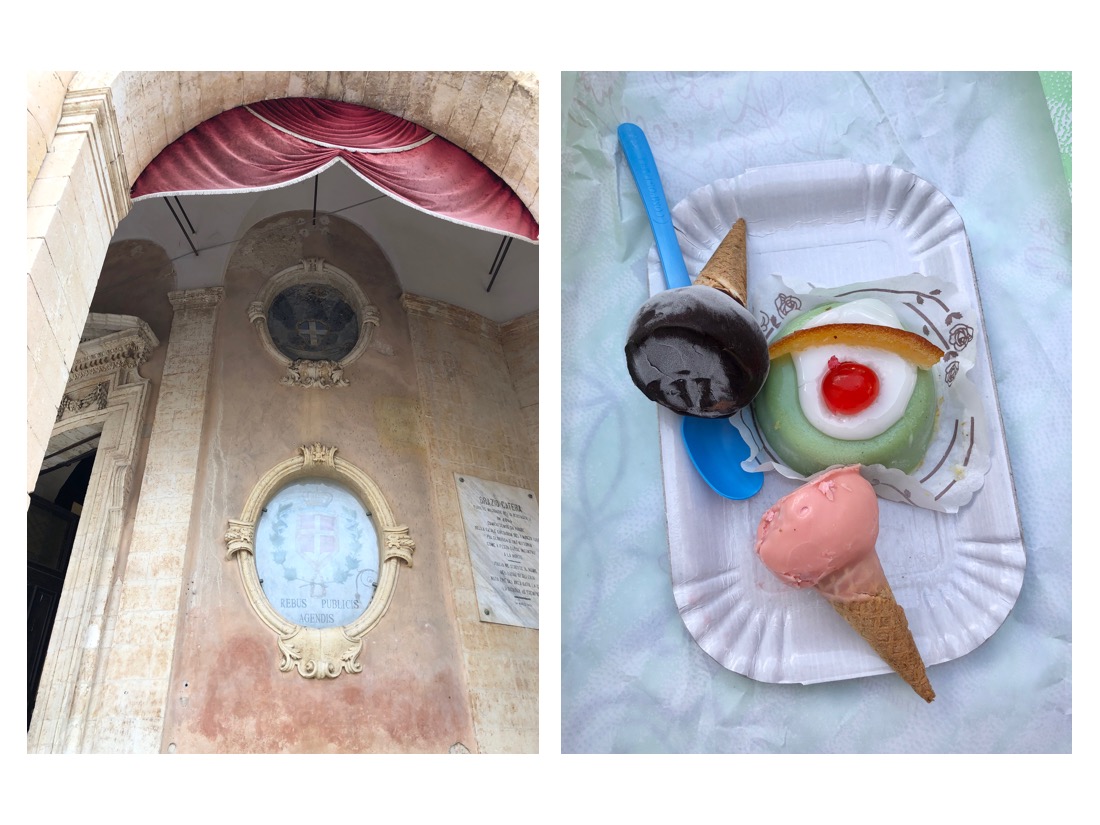
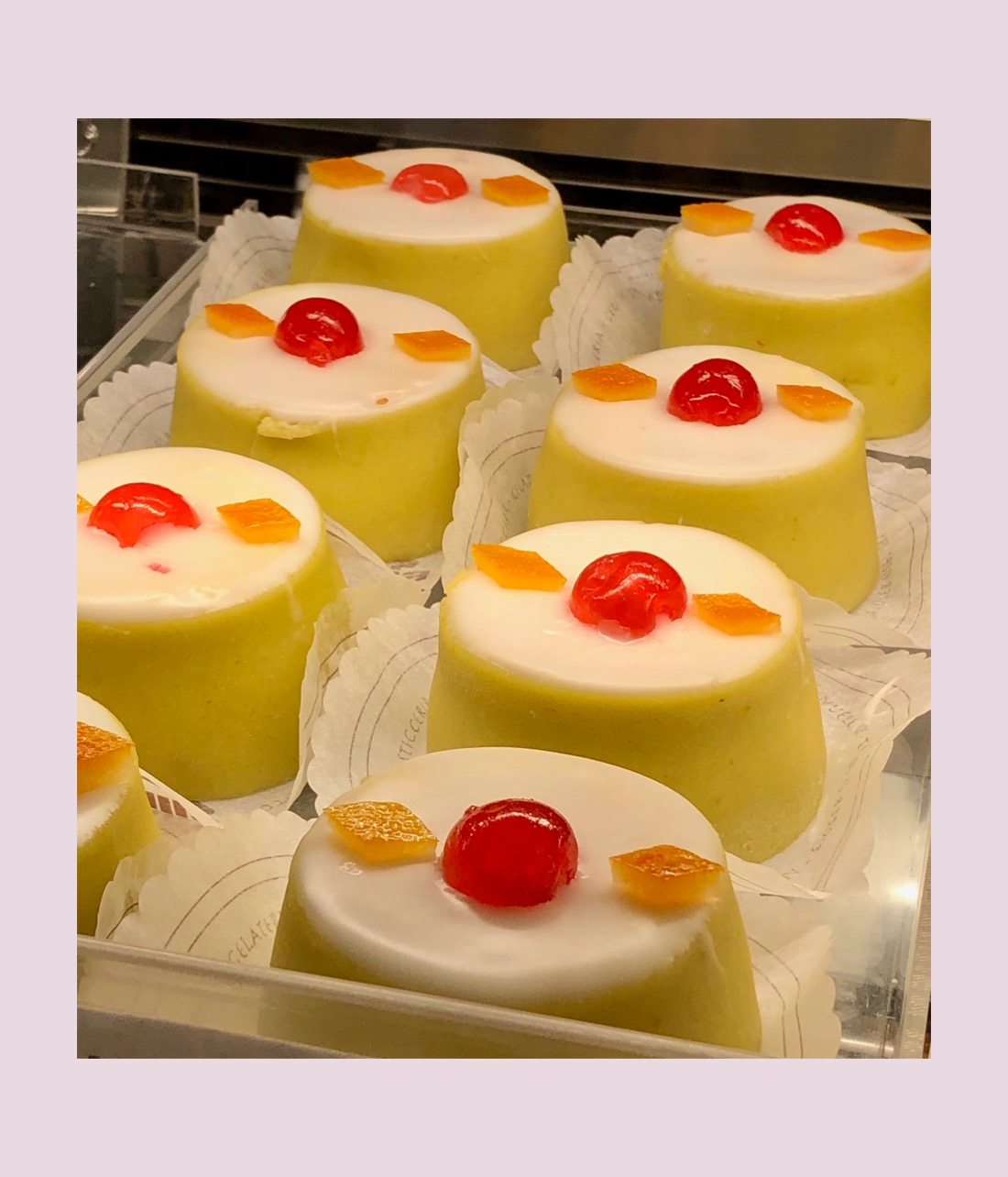
In the town center, a visit to the outwardly unassuming 124-year-old Caffè Sicilia, whose fourth-generation co-owner, Corrado Assenza, serves almond-milk granita and cappuccino ghiacciato (iced coffee with almond milk granita), is a must. Dessert, like the town’s architectural mix and local dialect, defies easy cultural classification, reflecting the French, Greek, Roman, Arab, and North African influences that distinguish Sicily from the rest of Italy. The cassatina siciliana is to die for, just like the chocolate cannoli.

Corso Vittorio Emanuele 125

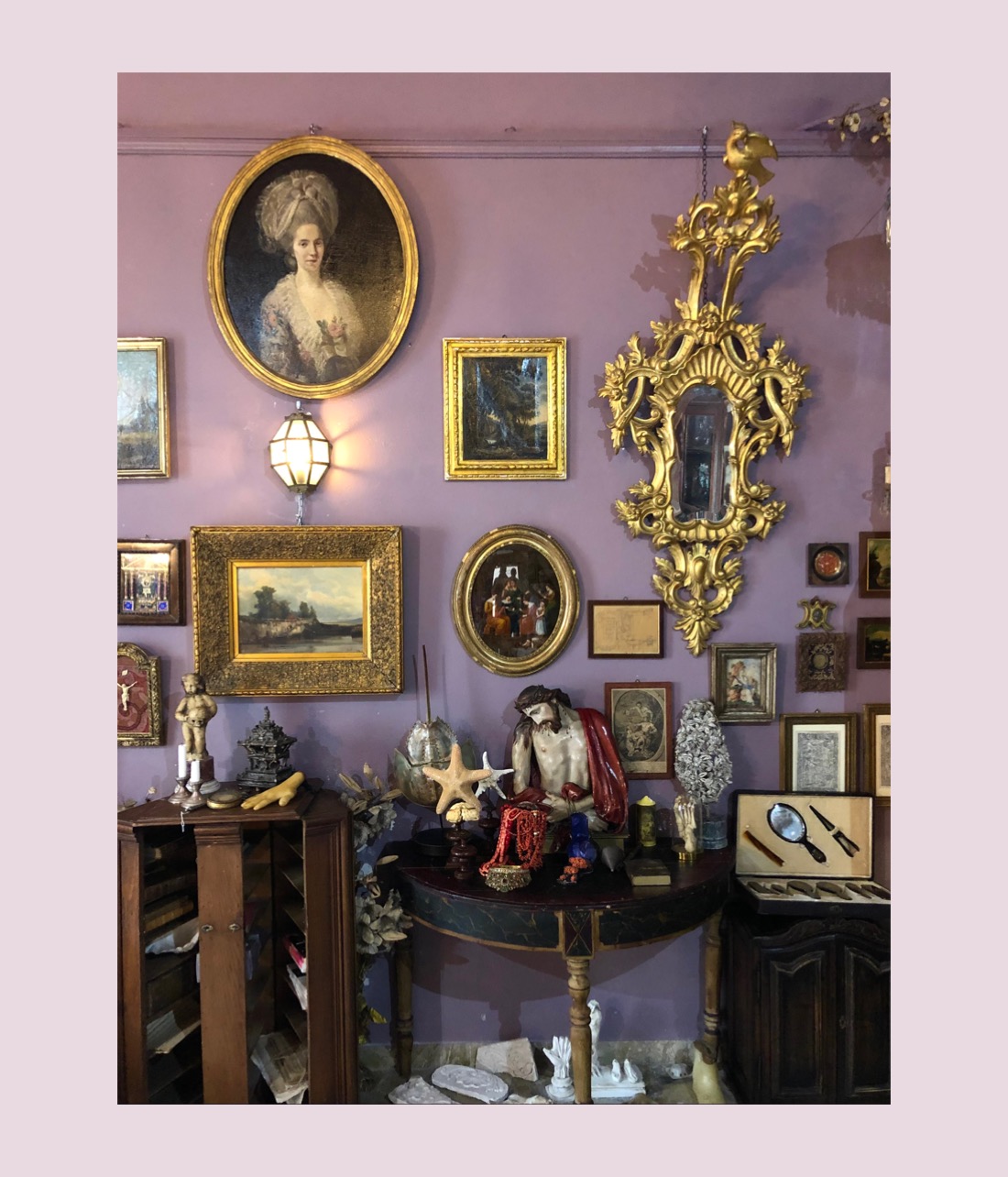
Via Nicolaci Pour La Maison

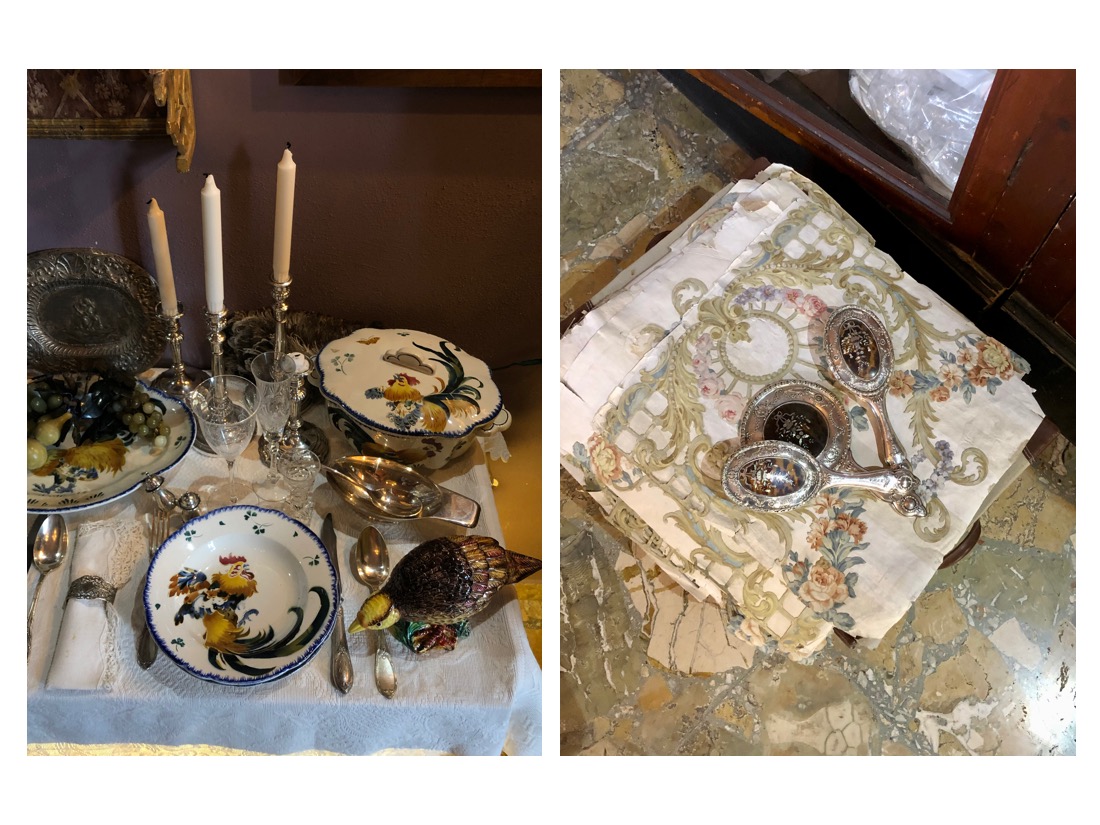
I’ve heard that antique shops in Sicily are a whole different level. But the discreet Via Nicolaci boutique is like a living and breathing cabinet des curiosités.

Via Corrado Nicolaci
Amare Noto

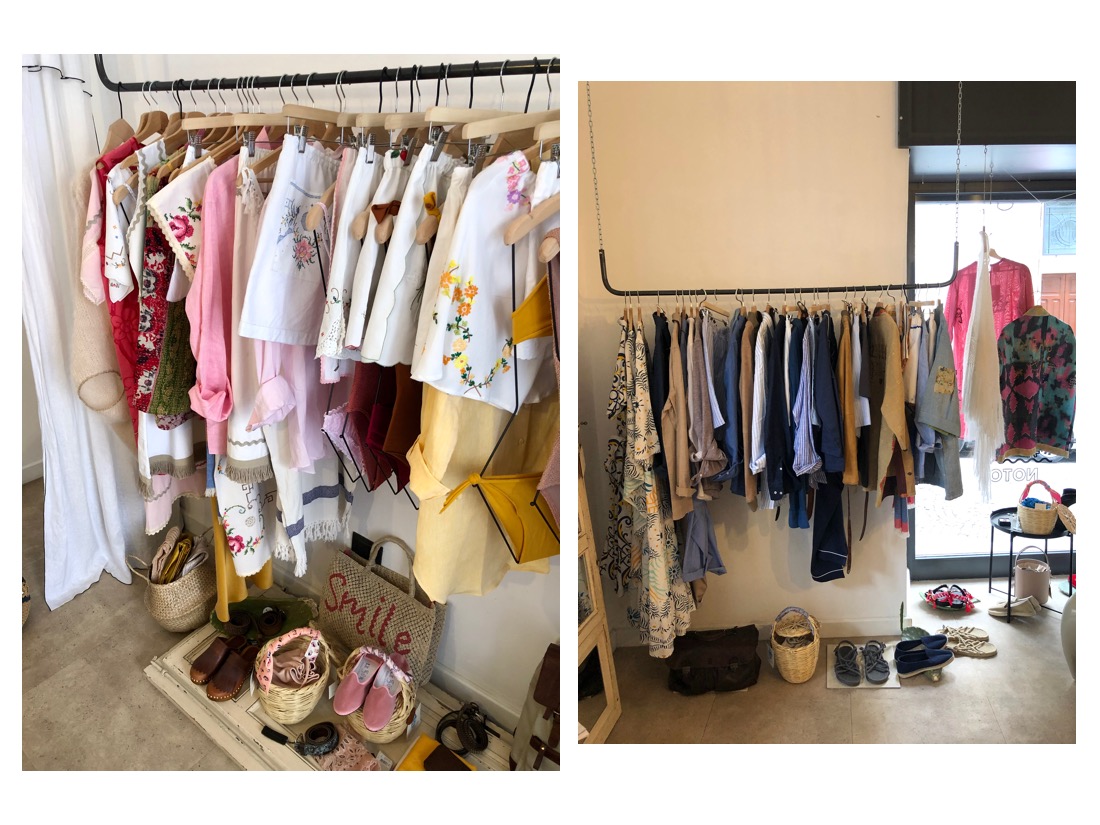
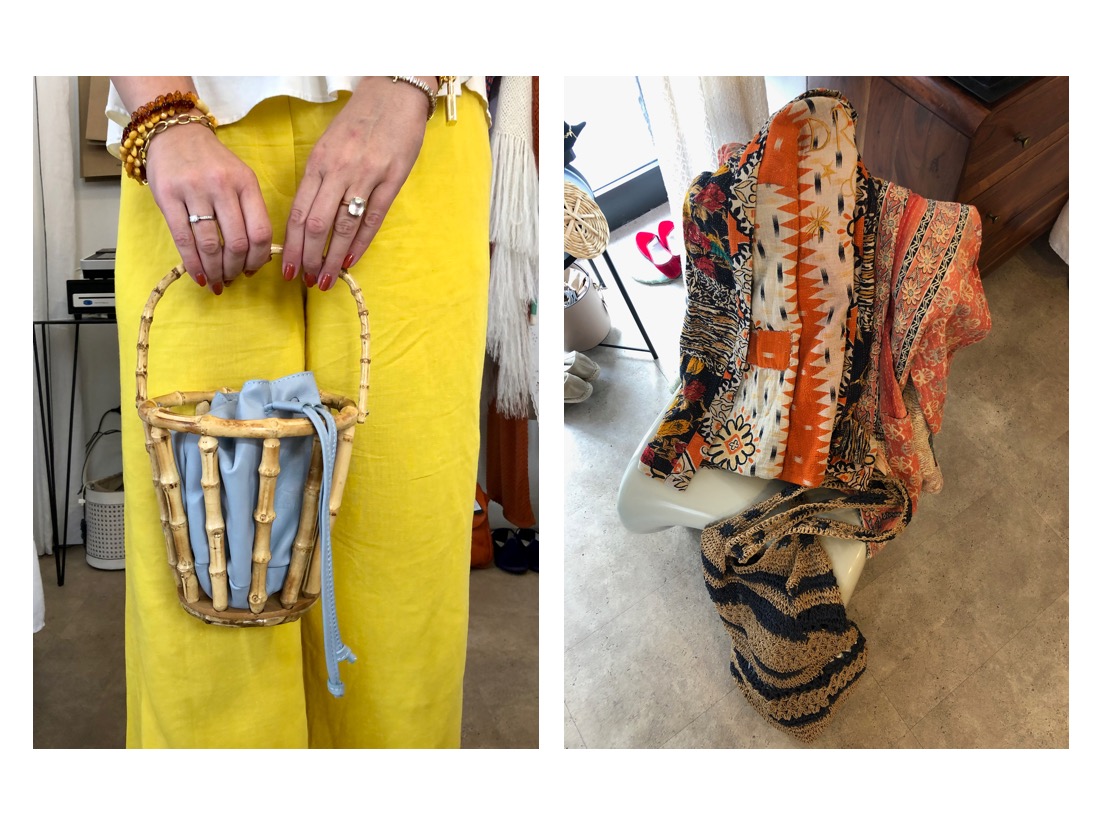
Amare is the best kept fashion secret in Noto. Highly curated selection of Italian and French brands combined with the most charming accessories, basket bags and swimwear. Don’t miss the leather clogs they’ve got in store for the new season!

Corso Vittorio Emanuele 43

Trattoria Fontana D’Ercole

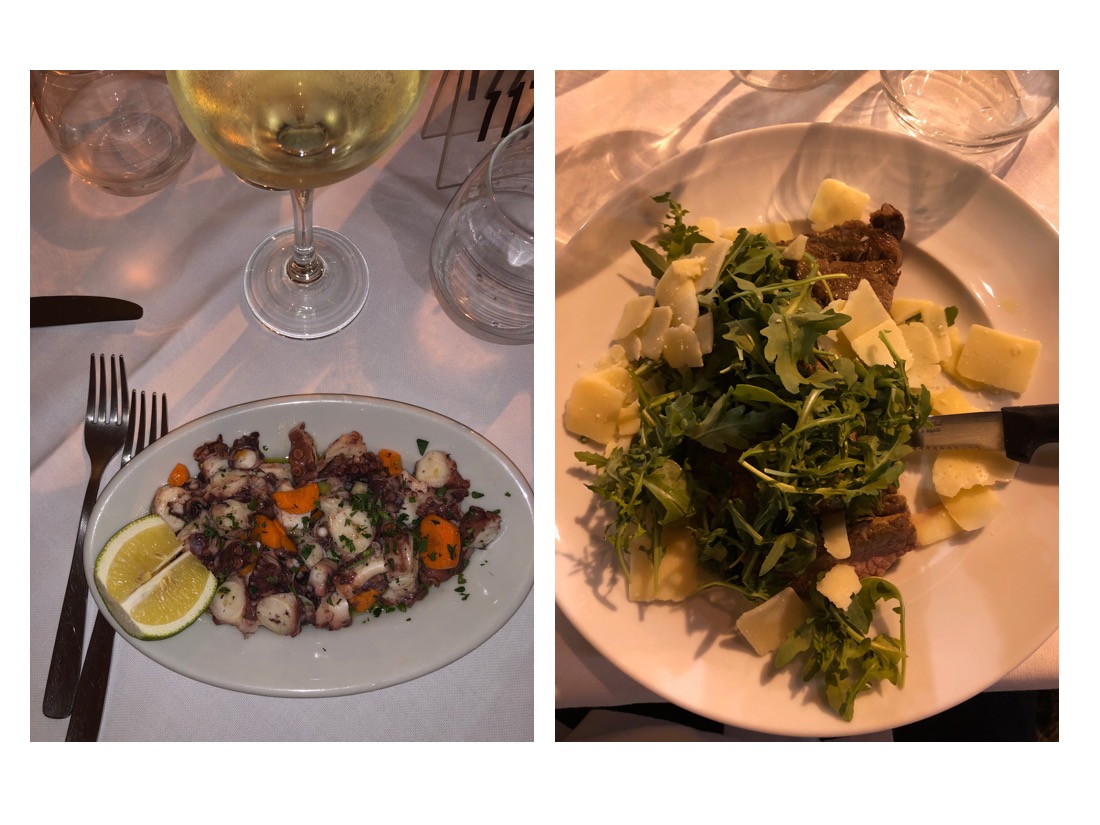
Perfect for semi-casual, semi-fine lunch or dinner filled with timeless, Sicilian flavours. Octopus salad, beef tagliata covered in local cheese, great view on the piazza… what else one needs?

Piazza XVI Maggio 11
Caffè Constanzo

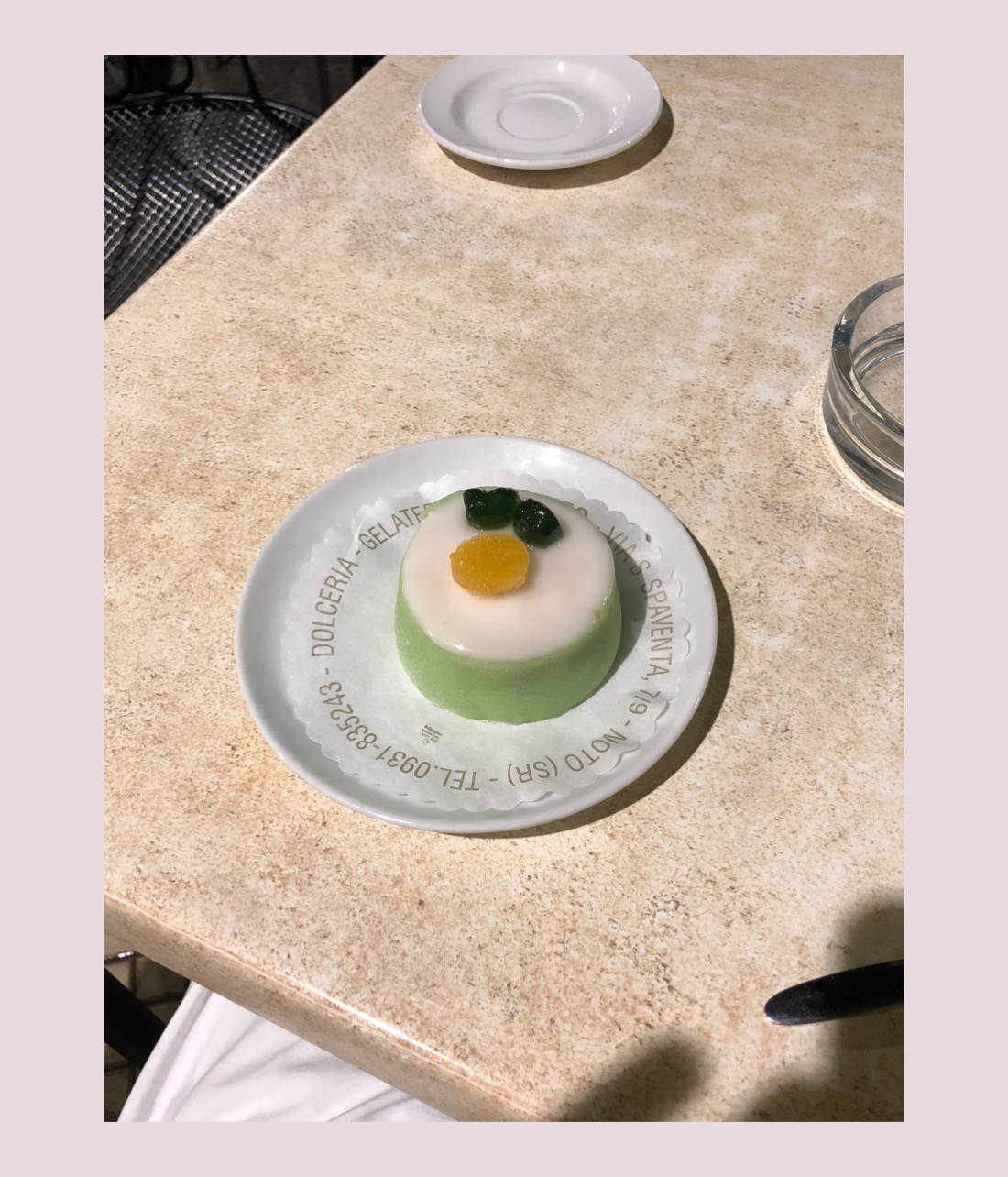
Caffè Costanzo can’t be missed. Their gelato, cannolis and brioches are so, so good. The best place for afternoon espresso.

Via Silvio Spaventa 7/9

Aqua Di Noto

Acqua di Noto’s boutique delivers the most profound perfumes, as well as gorgeous, hand-made jewellery and silk kimono-coats. The brand is a family project, with a story born right here, in the street of the most beautiful balconies in the world, the via Nicolaci. The artistic perfumery has the mission of redefining the value of Made in Sicily. The right place for someone looking for an heritage and exclusive(ly) Sicilian brand.

Via Corrado Nicolaci 13
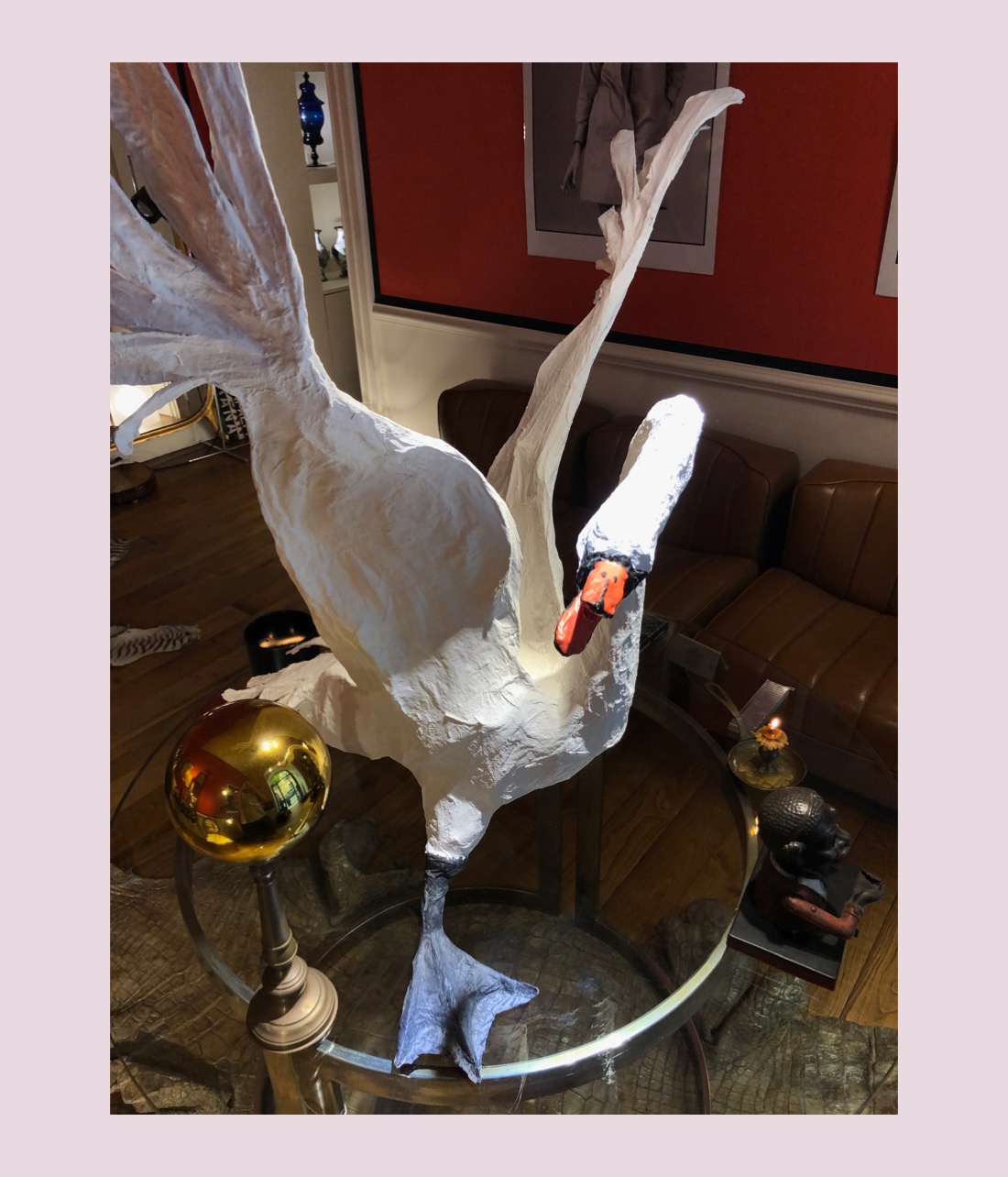
Rocciola Classic & Design

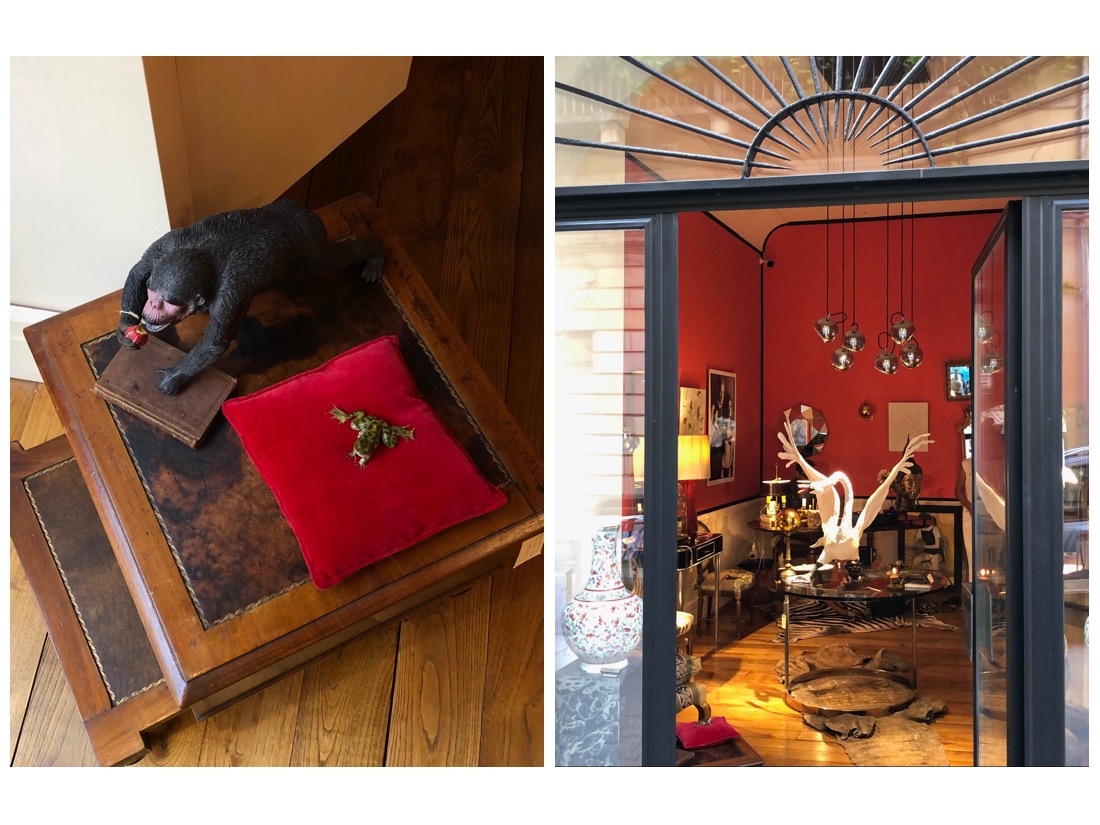
An elegant and very refined store selling beautiful objects for your home: antique sculptures, retro furniture, unique glassware and other curiosities. It well captures the one-of-a-kind, charming and sublime aesthetic of Noto.

Via Silvio Spaventa 4

Photos by Edward Kanarecki.
Don’t forget to follow Design & Culture by Ed on Instagram!

NET-A-PORTER Limited

From Noto With Love

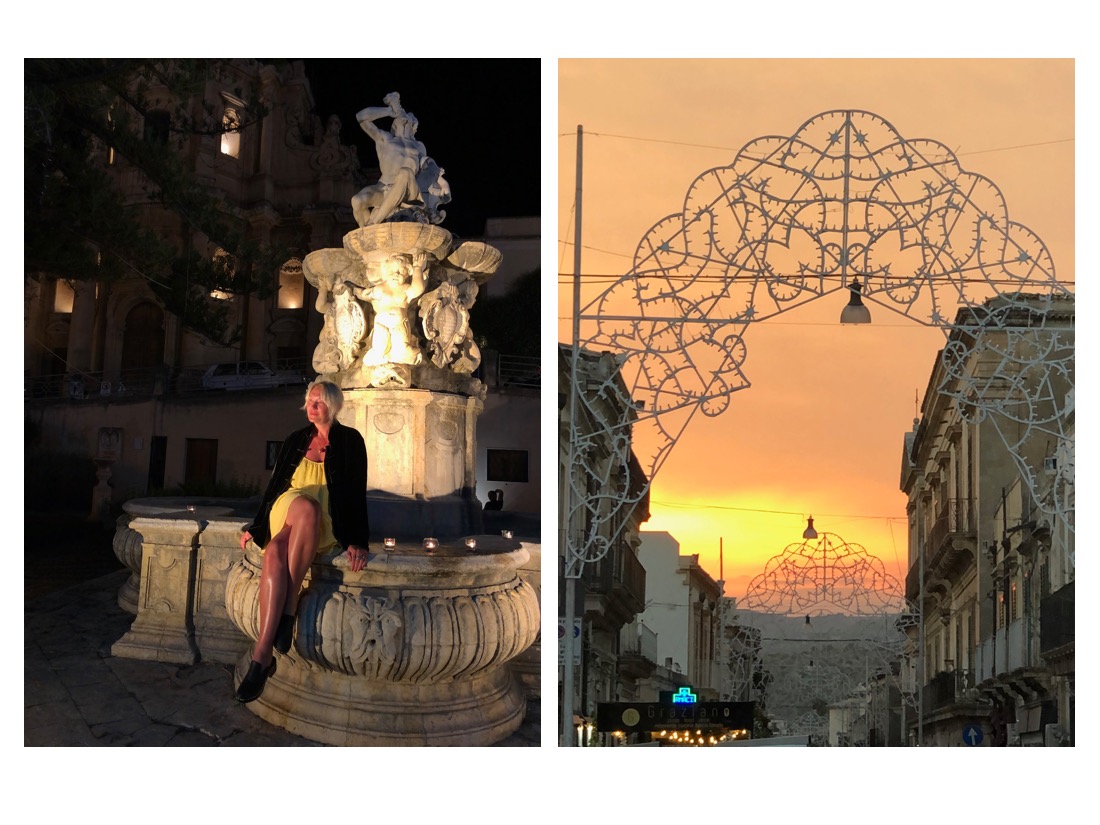
These past two weeks, I had the most amazing time discovering Sicily – so expect some sun-drenched content coming this week! During our first days on the island, we stayed in one of the most charming towns I’ve ever been to – Noto. In contrast to big European cities, Southern region of Sicily has all the history of Rome along with the small-town breezy seaside charm of the Cinque Terre. Until you are in Noto, though, it’s hard to imagine just how close neighboring historic towns like Modica and Ragusa – and any number of Ancient Greek ruins and unspoiled beaches – are to the town center and to each other. Noto and its neighbors make sightseeing feel serendipitous, but it’s worth staying his for a couple of days to truly absorb the aura of this UNESCO-protected, eighteenth-century Baroque masterpiece of town. It’s easy to cover the town on foot in a single afternoon along its two main arteries, the Corso Vittorio Emanuele and the Via Cavour, which run east to west. Or if you use Noto as your base for exploring the region, as we did, you can walk the streets at a languorous gelato-eating pace at the end of each day, as if you lived there. My Noto guide is coming shortly – for now here are some captured moments (and plenty of cassatina!) of this Sicilian slice of heaven.

Photos by Edward Kanarecki. Don’t forget to follow Design & Culture by Ed on Instagram!
NET-A-PORTER Limited

Kunstgewerbemuseum in Berlin

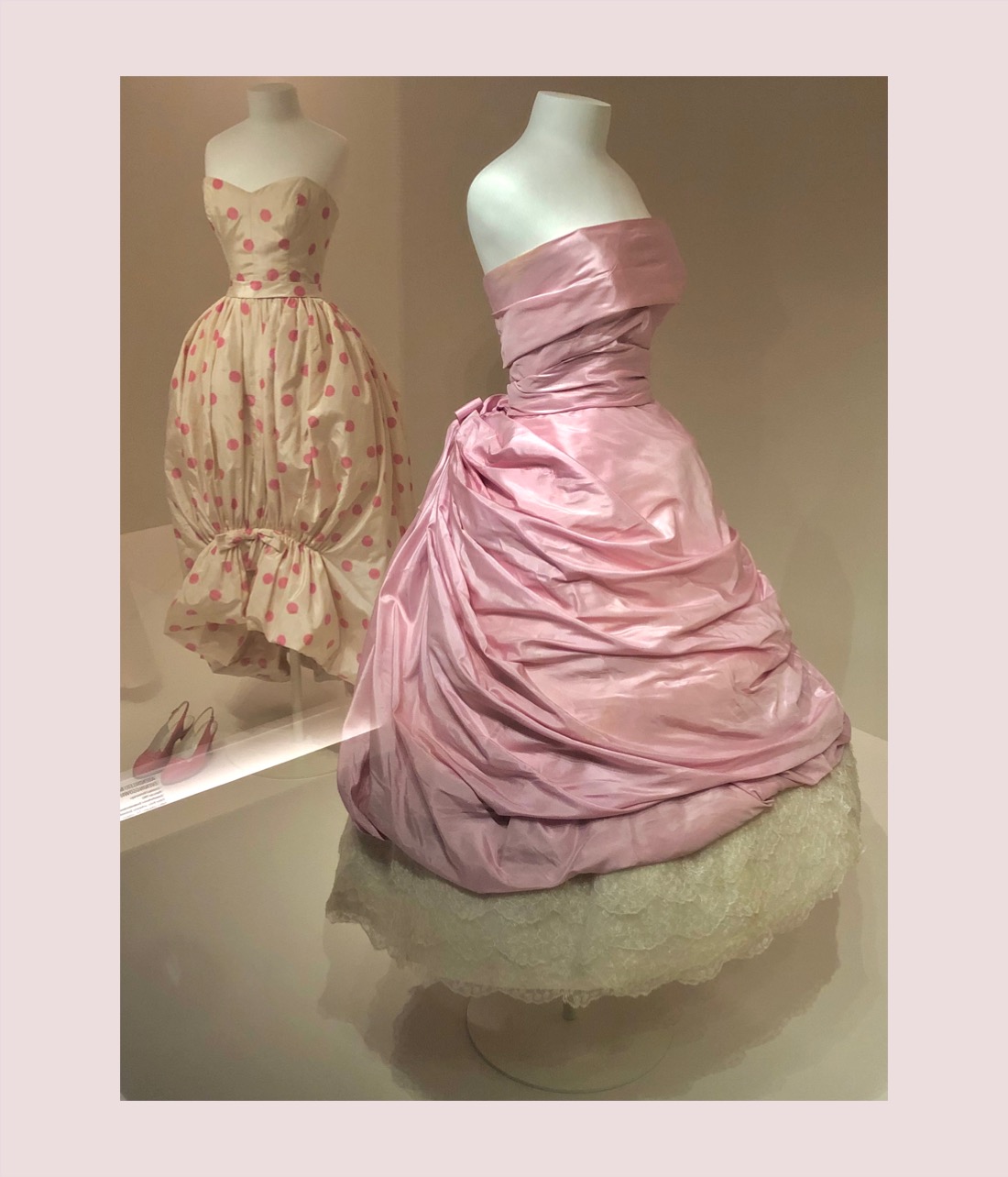
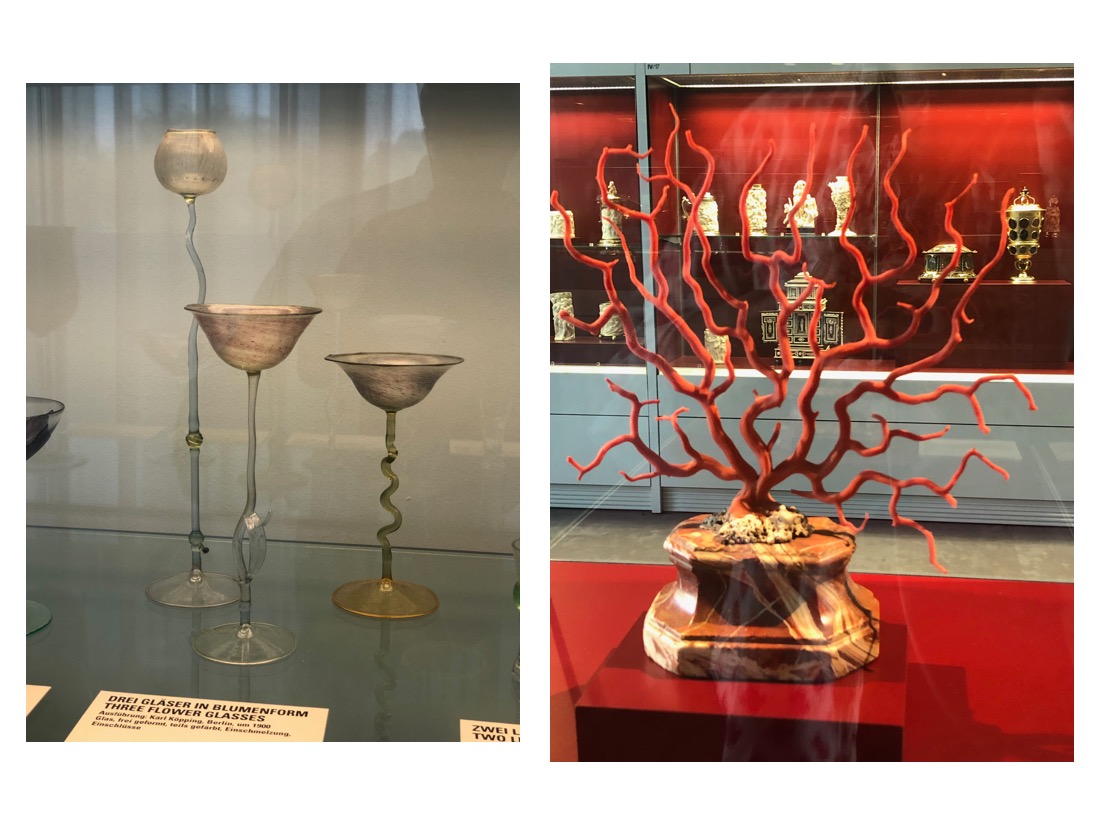
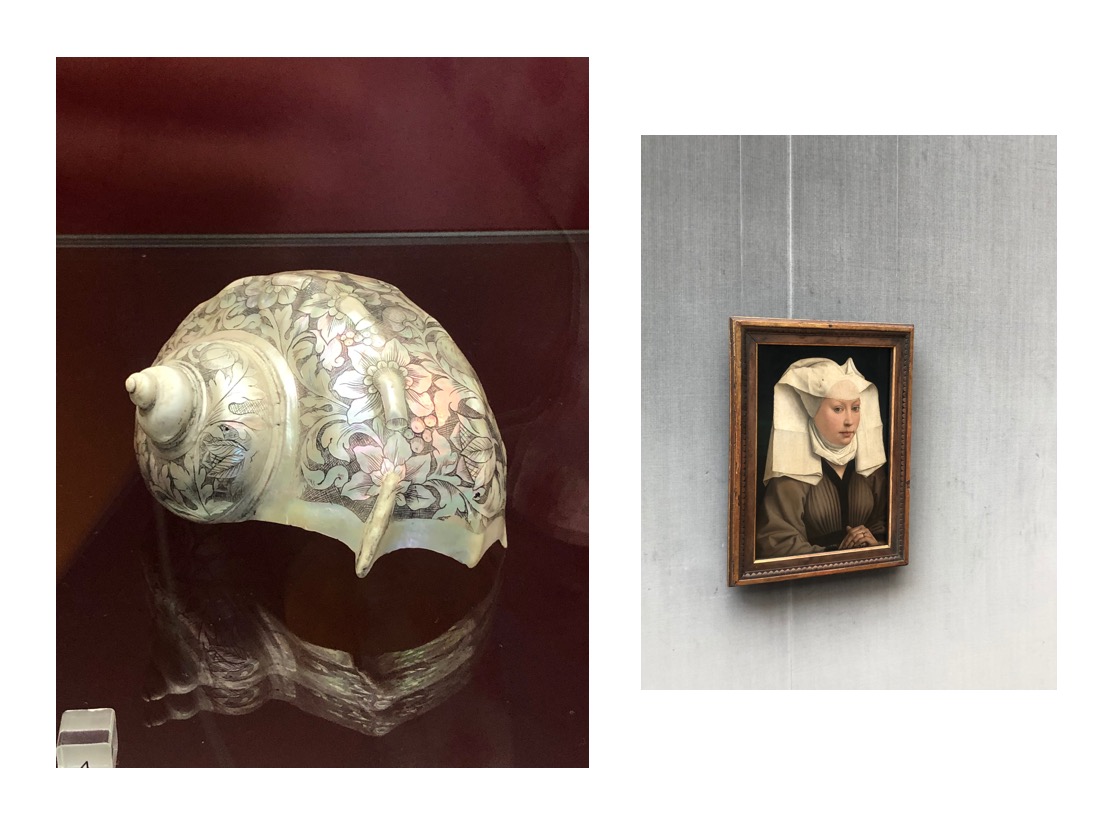
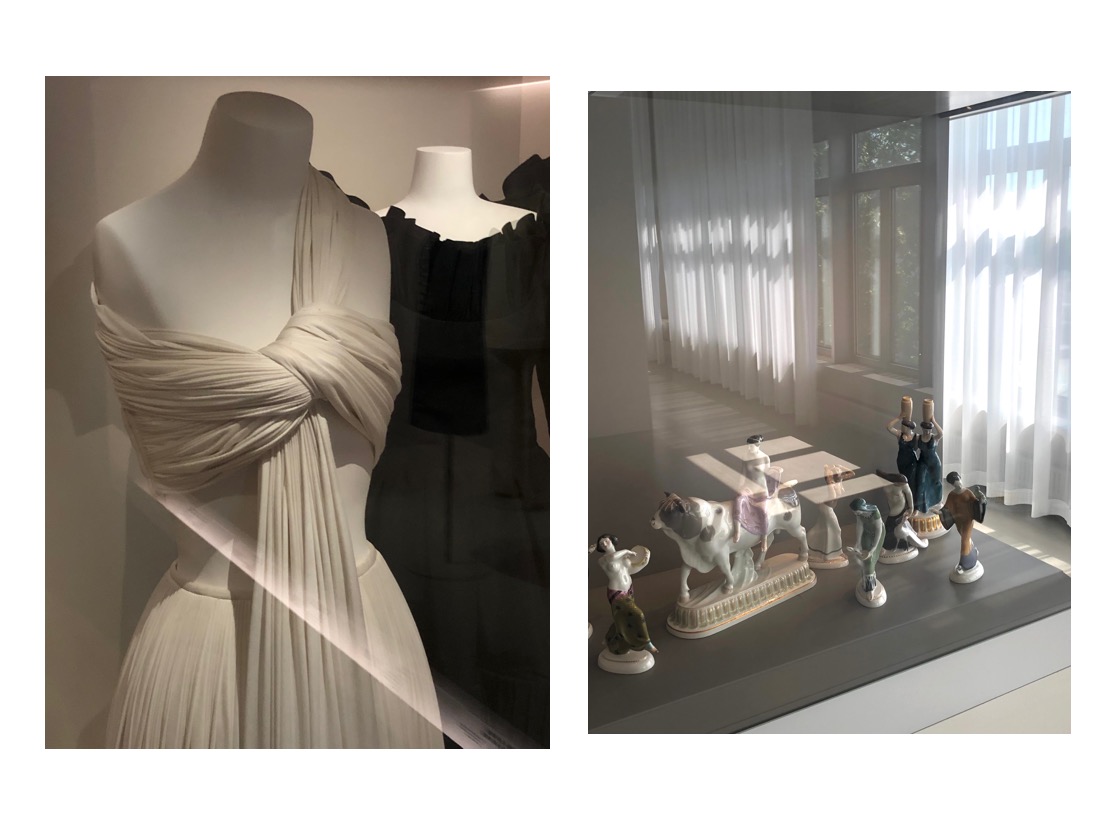
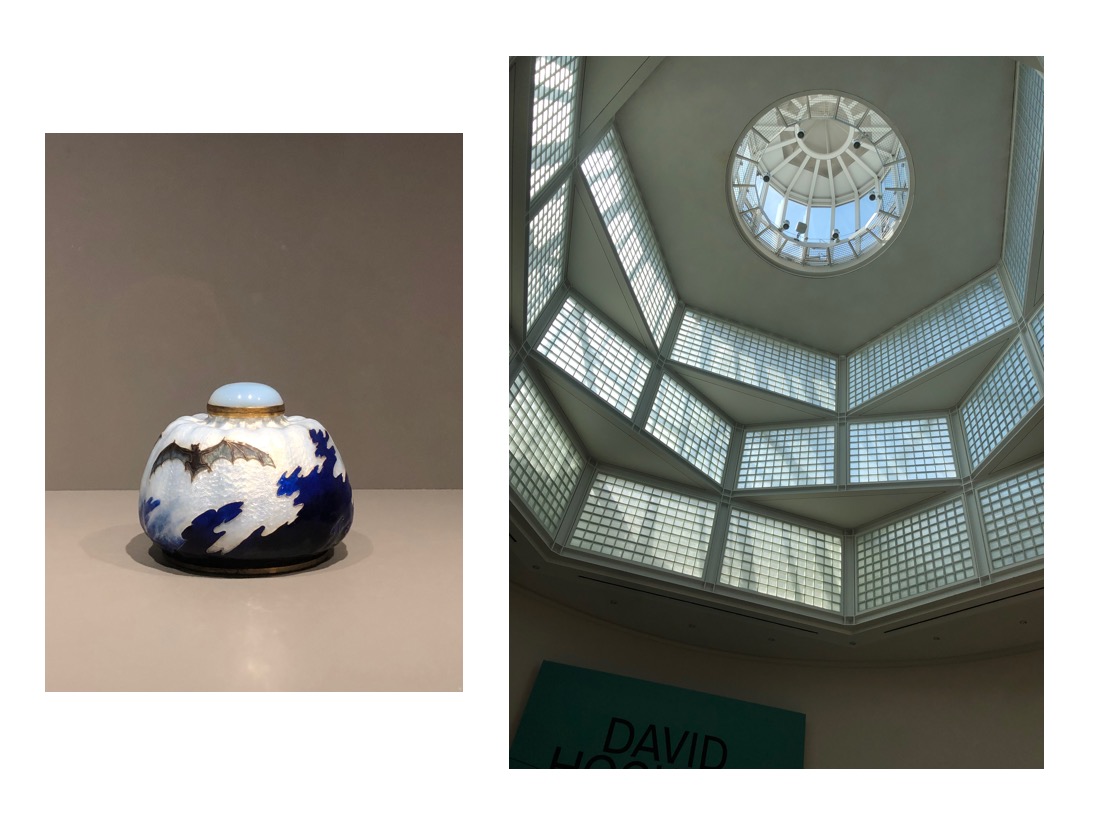
If you’re in Berlin and love fashion history (and decorative / applied arts in general!), make sure to visit Kunstgewerbemuseum. The sheer breadth of the collection is impressive, encompassing a wide variety of materials and forms of craftwork, fashion and design from the early Middle Ages to the present day. The collection’s extensive range of costumes and accessories from the 18th to 20th centuries is presented to visitors since the reopening of the museum in 2014 in a newly conceived fashion gallery. Dresses from the 1960s designed by Jean Patou, Christóbal Balenciaga, and Jean Dessès; Mariano Fortuny’s breath-taking Delphos dresses; 18th century panniers and 19th century crinolines… it’s brilliant. Jugendstil and Art Deco are also well represented at the Kunstgewerbemuseum with glassware from Emile Gallé, pieces of furniture by Henry van de Velde and the glass doors of César Klein. The collection comprises famous and influential design classics such as furniture by Bruno Paul, Ludwig Mies van der Rohe and Marcel Breuer as well as tableware from Wilhelm Wagenfeld. And… in the neighbouring building, there’s the exhaustive Gemäldegalerie with paintings from 13th to 18th century, and it’s also worth visiting.

Matthäikirchplatz / Berlin

Photos by Edward Kanarecki.

Don’t forget to follow Design & Culture by Ed on Instagram!

NET-A-PORTER Limited

Humboldt Forum

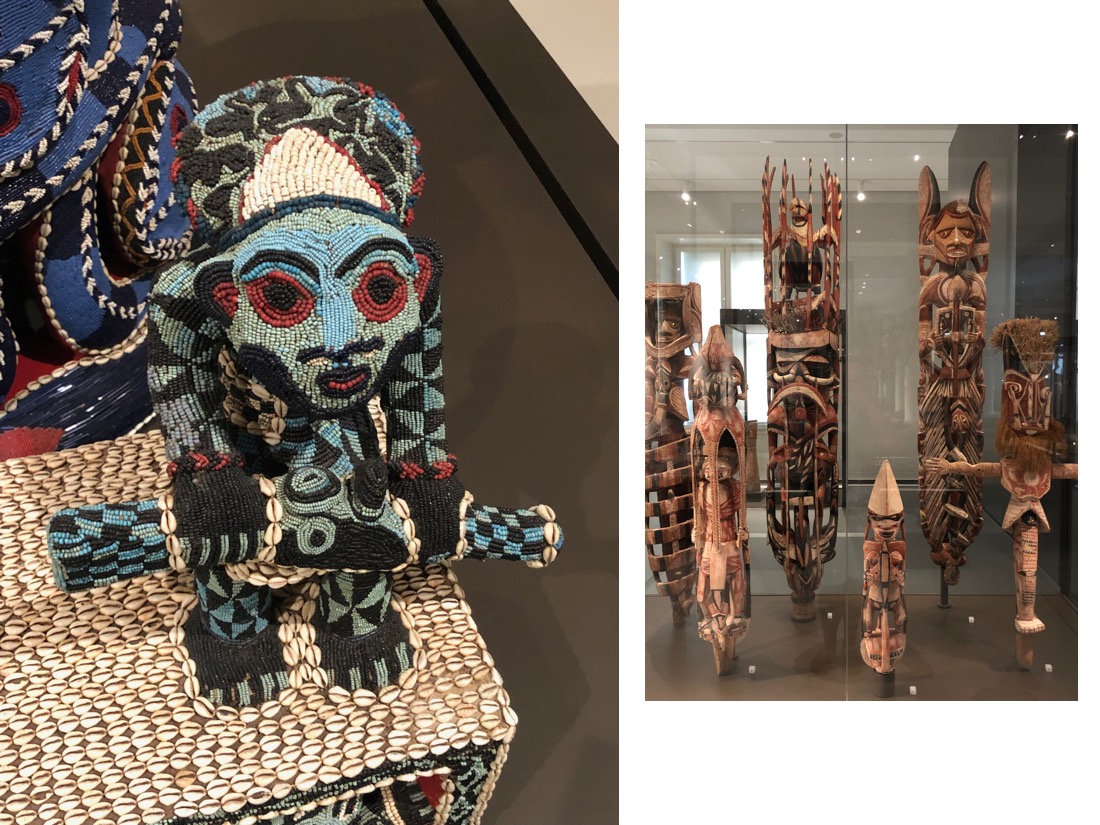
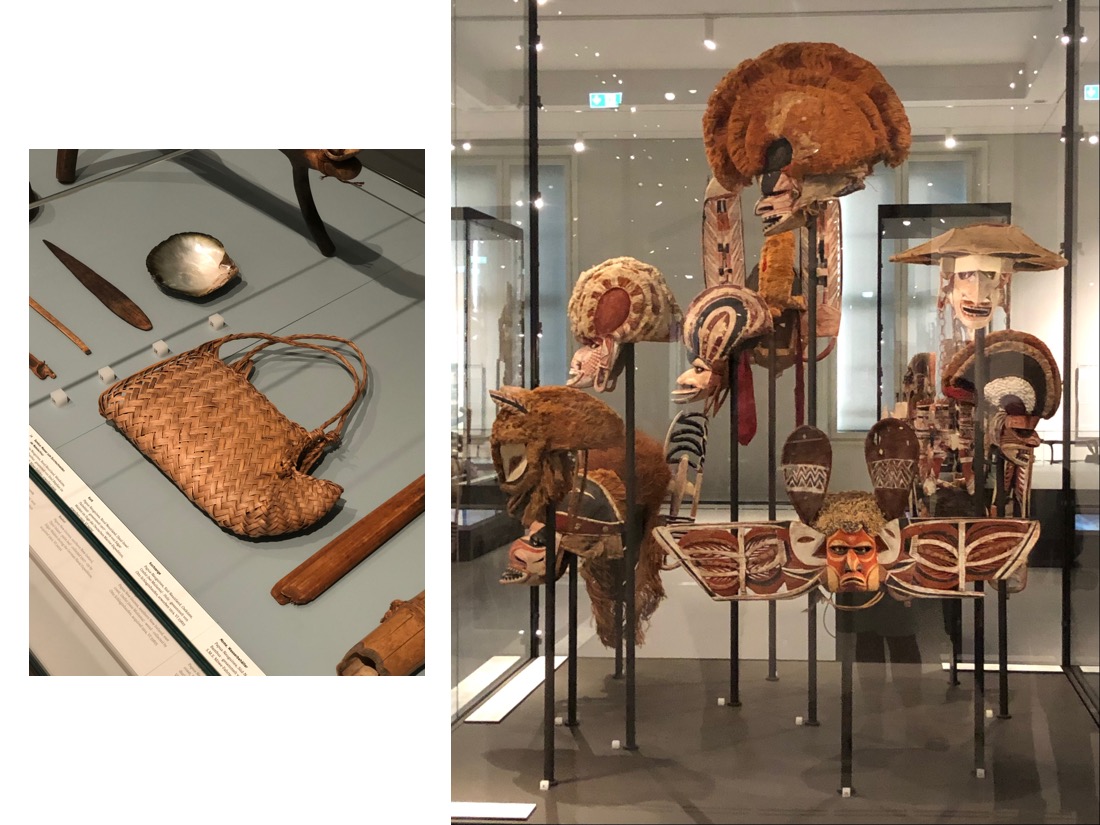
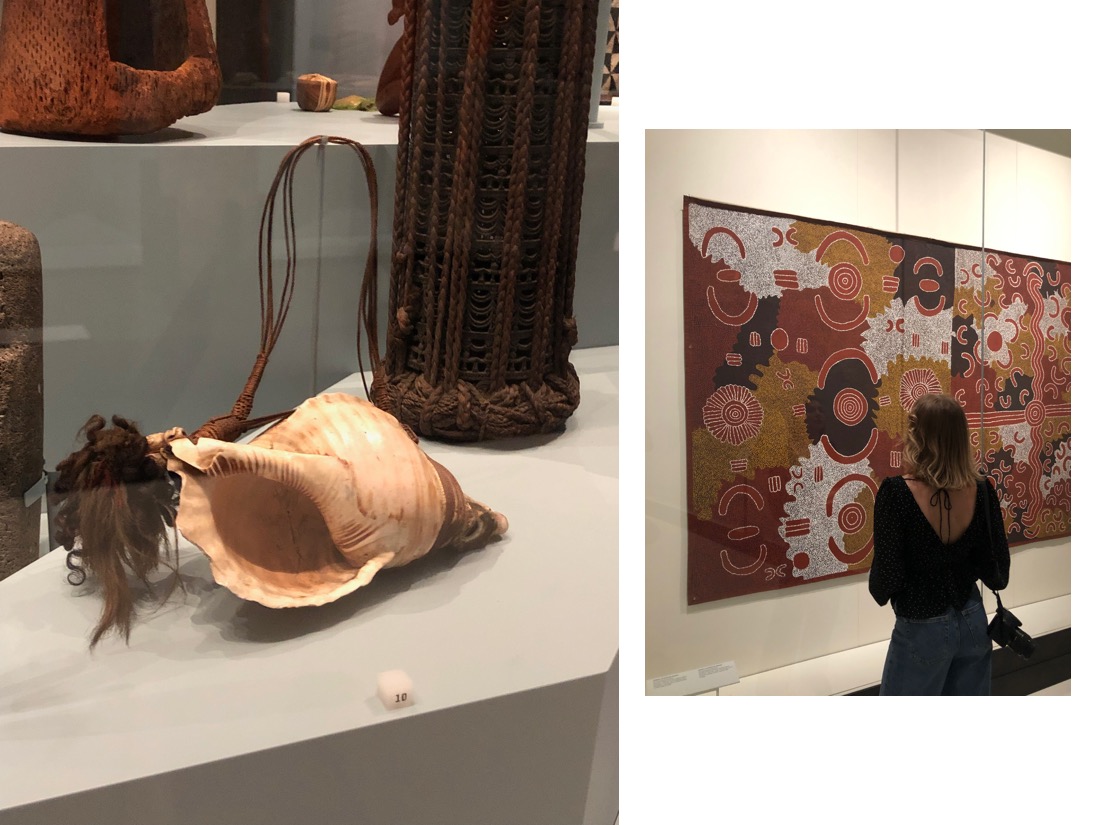
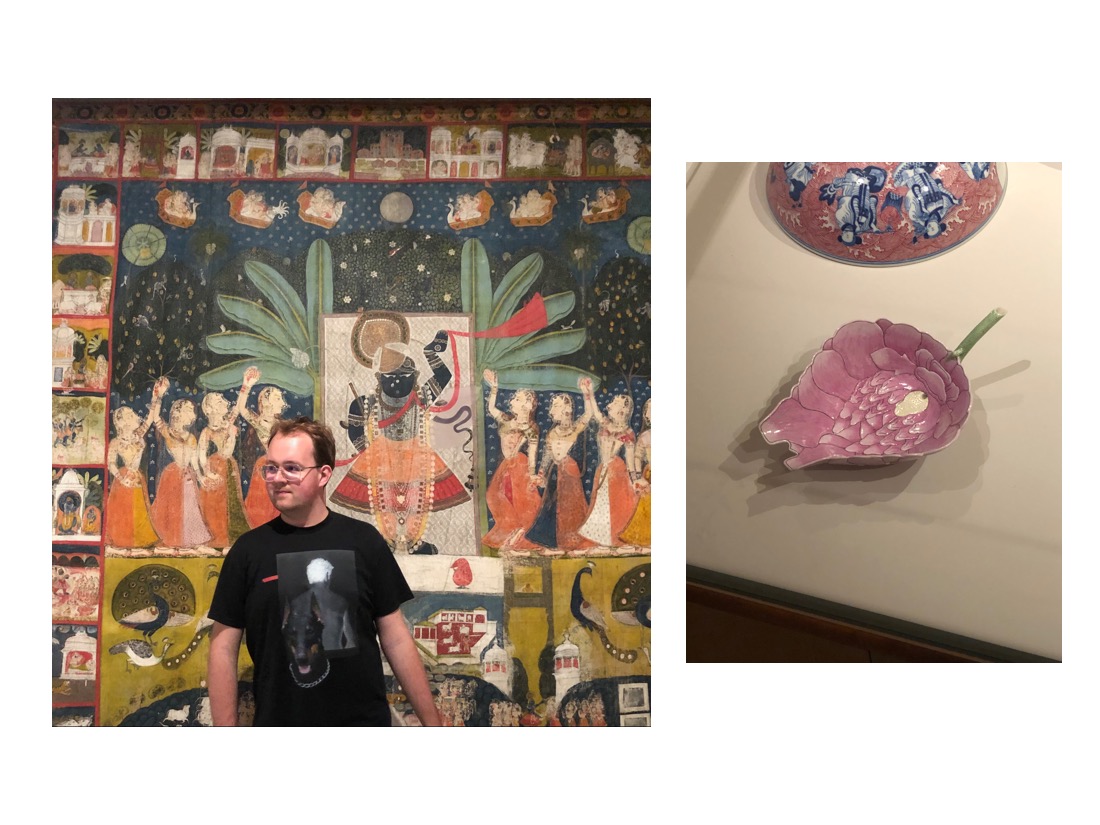
Artistic carvings from Oceania, wooden figures and masks from Cameroon, a Japanese teahouse and sounds from around the world: the exhibitions from the Ethnologisches Museum and the Museum für Asiatische Kunst in the brand new Humboldt Forum offer an eclectic view into the past and present cultures of Africa, America, Asia and Oceania. Around 20,000 archaeological, ethnological and art-historical exhibits offer multiple perspectives on universal themes of humanity. Media installations as an introduction to the exhibitions, Schaumagazin exhibition spaces filled with a varied selection of objects, areas for cultural education, spaces designed by international architects and works of contemporary art pose questions about the history of the objects and place the collections in the context of our present-day world. Definitely worth a visit when in Berlin!

Schloßplatz / Berlin

Photos by Edward Kanarecki.

NET-A-PORTER Limited

Berlinische Galerie

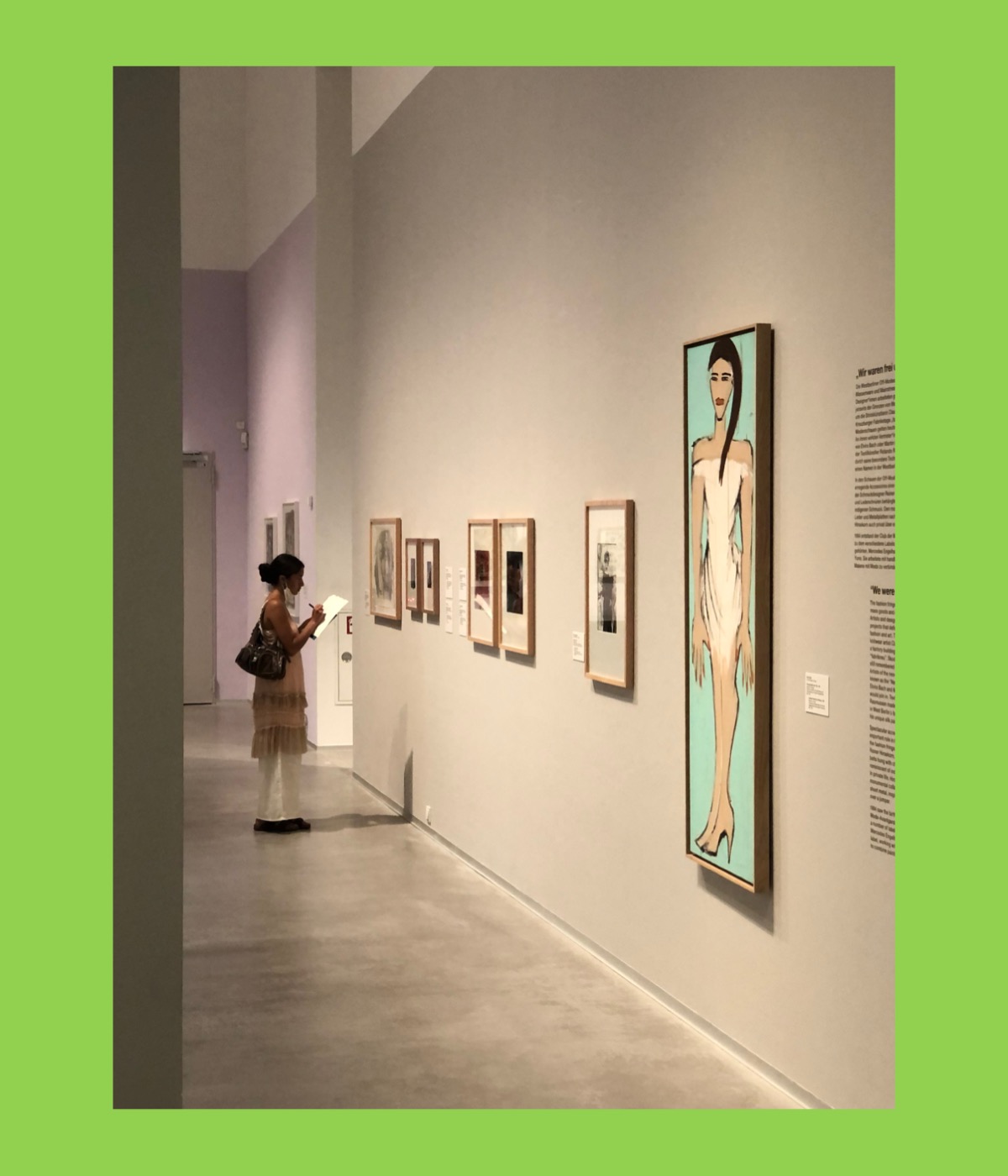
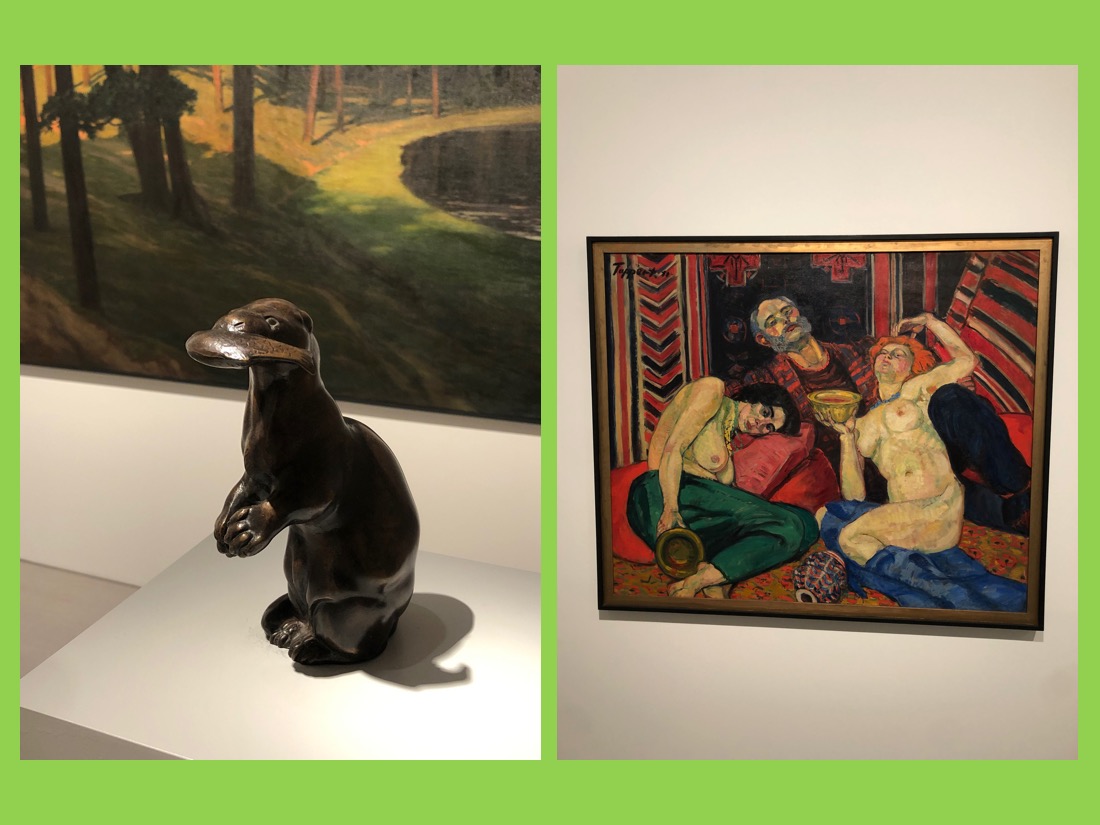
Berlinische Galerie seeks to portray Berlin’s art history in new and surprising ways with room for every genre and style. This sometimes reveals unexpected threads in the fabric, and international networking by the art community is part of that weave. Berlin is a city of artists, and here you can truly sense it. The museum show sthe classics, but also responds quickly to the latest trends in contemporary art. The programme is undogmatic, thought-provoking and sometimes controversial – but then so is Berlin. The instituion offers an interdisciplinary collection that includes painting and sculpture, prints and drawings, photography and architecture, all dating from 1870 until the present day. This makes Berlinische Galerie fundamentally different from other exhibition venues in the German capital.

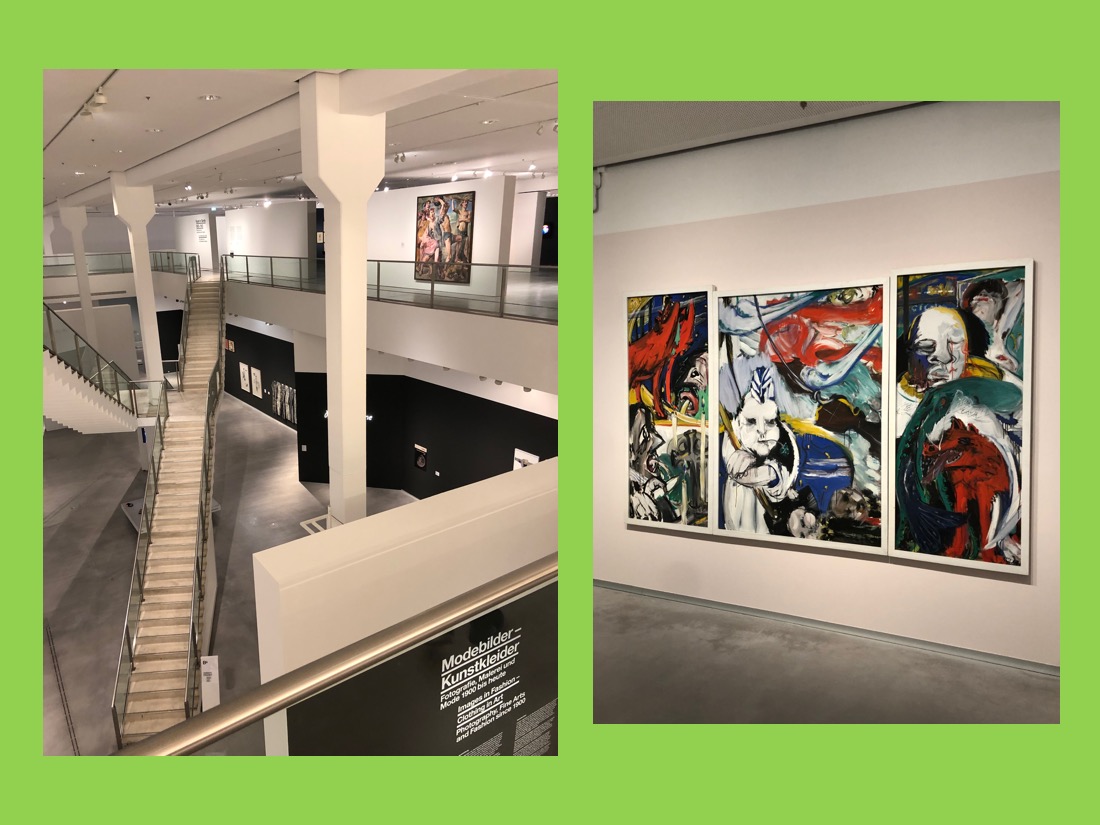
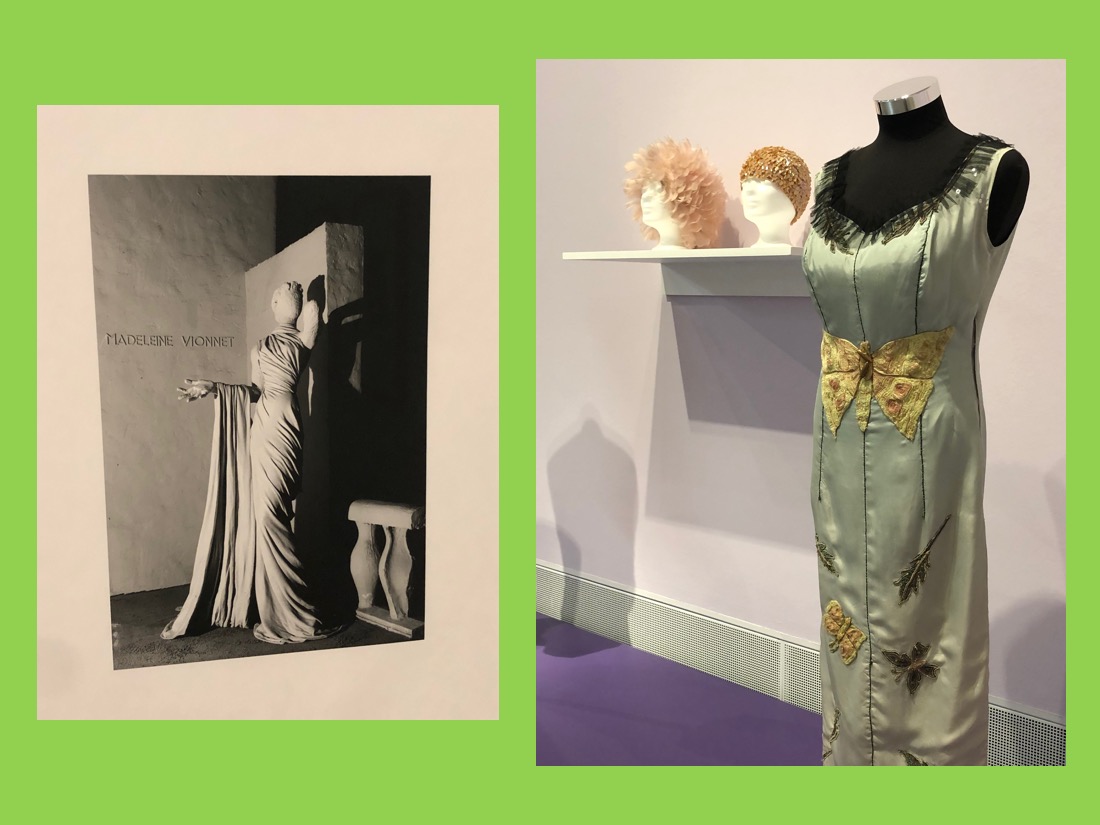
Till the end of May, you could enjoy here the fascinating, temporary exhibition entitled “Images in Fashion – Clothing in Art“. Fashion and art are mirrors of social changes and individual needs, and in the collection of the Berlinische Galerie, this theme is present in surprising and diverse ways. In addition to numerous fashion photographs spanning the 20th century (from Helmut Newton to Ute Mahler), just as many paintings and drawings testify to the role of fashion as a means of expression and representation of a particular era: from the reform dress around 1900 and the Dada dandies of the 1920s to avant-garde clothing designs in contemporary art. You can read more about this exhibition here!

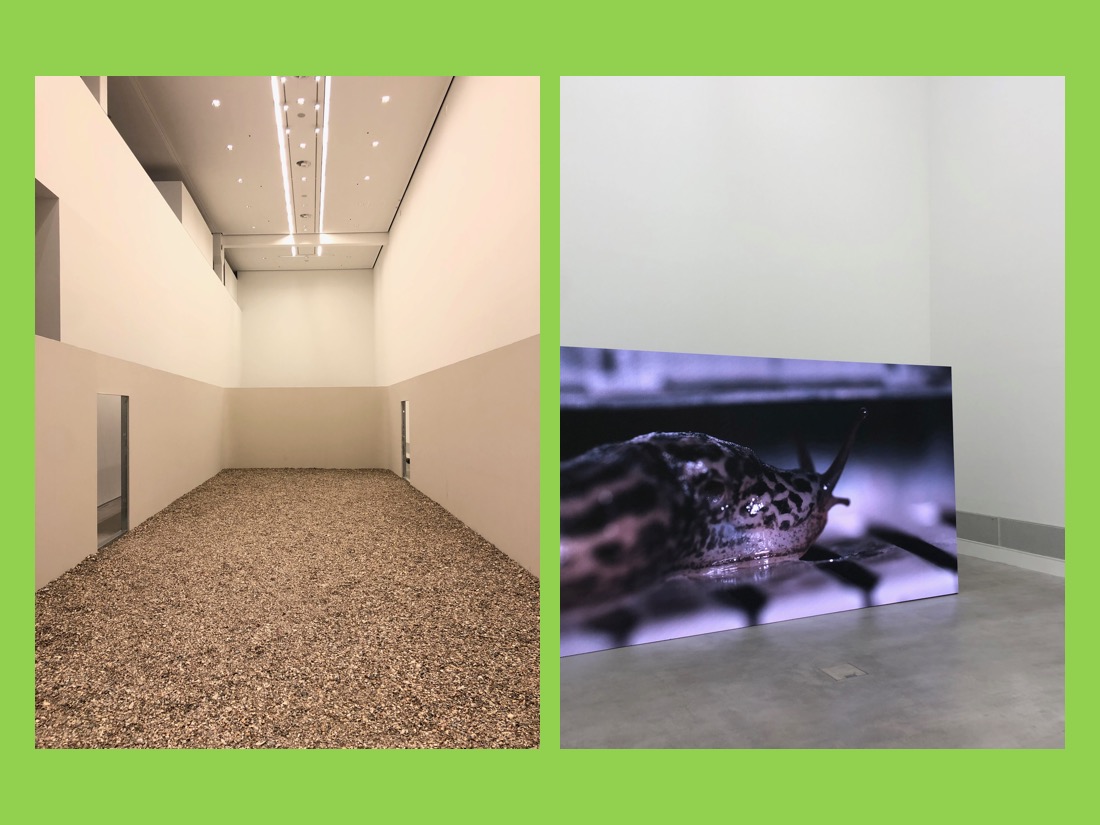
Until the end of August, there’s also the Nina Canell exhibition going on. Her artistic practice does not revolve around the finished artwork; instead, it foregrounds process, synergy and entanglement. For the Berlinische Galerie, she has conceived an experiential installation that considers the material vitality of calcite. Literally crumbling under our own weight, seven tonnes of shells speak up from the ground, causing a sensation remote from that of walking on a gallery floor. Yet, crushed calcite from marine molluscs is an essential ingredient in concrete, a major constituent of our built environment. Here, the biomineral forms that feed the construction industry break down over the course of the exhibition. Material stress gives way to a sounding, durational sculpture, inviting us to consider the ineffable number of broken bodies that hold us up. This exhibition brings together several of Canell’s sculptural works and a video created with long-term collaborator Robin Watkins. Considering the overlaps between minerals, animals, energies and technologies, “Tectonic Tender” reflects the artist’s commitment to duration and circulation as fundamental sculptural tools.

Alte Jakobstraße 124-128 / Berlin

Photos by Edward Kanarecki

NET-A-PORTER Limited