The 2010s / Nicolas Ghesquière’s AW12 for Balenciaga

Slajd2-kopia 6

Believe it or not – I can’t! – but we’re heading towards a new millenium. So, how do you choose the most important collections, designers and labels of the decade? The ones that made an actual impact in the 2010s? Well, it’s not an easy task. It all began in September 2009 with New York’s spring-summer 2010 shows and ended when the autumn-winter 2019 haute couture shows wrapped in Paris. Few thousands of shows, by the way. There will be 19 posts (that’s really the only possible minimum!) reminding about the best – and if not the best, then strongly influencing – moments in fashion.

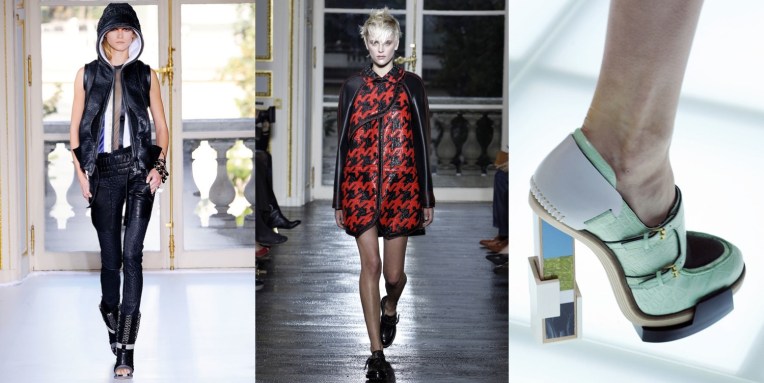
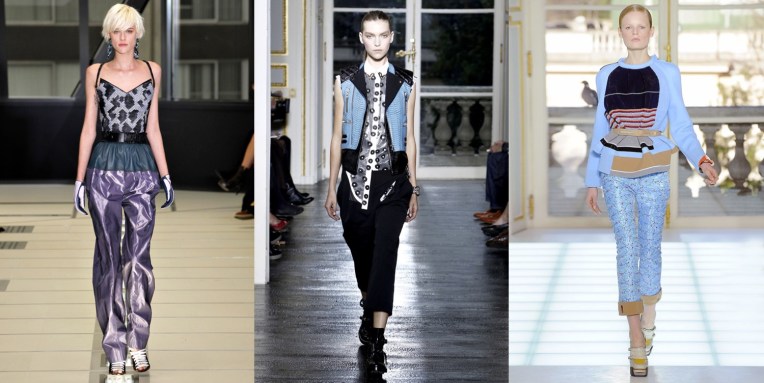
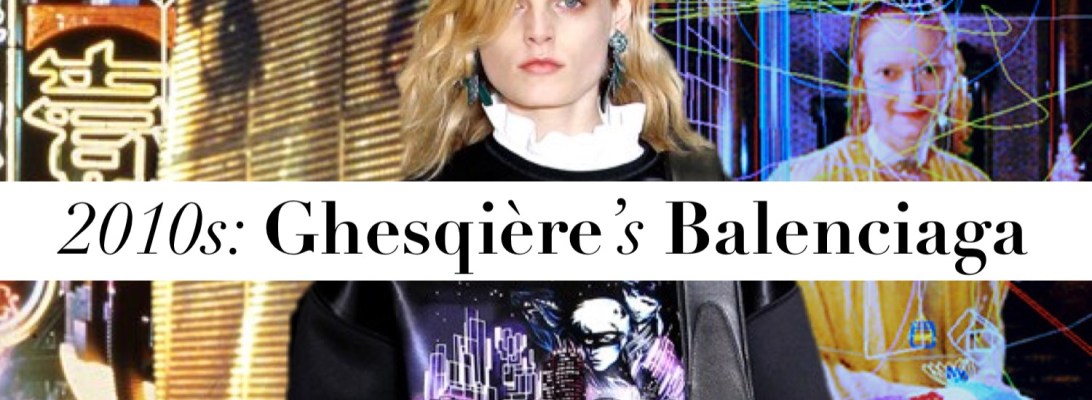
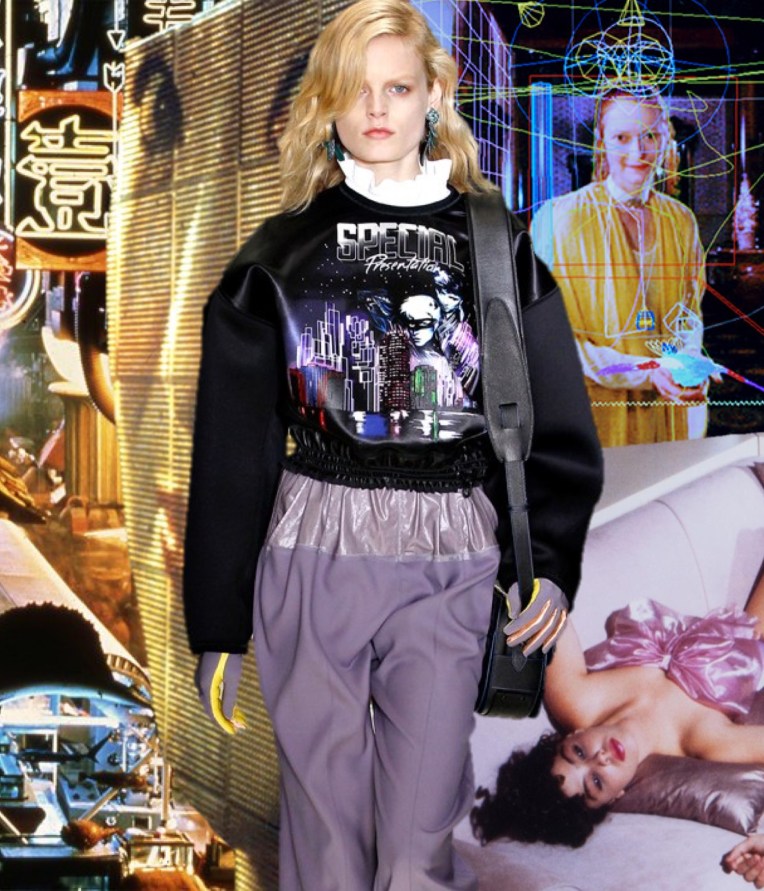
Nicolas Ghesquière‘s AW12 collection for Balenciaga – “Join A Weird Trip“!

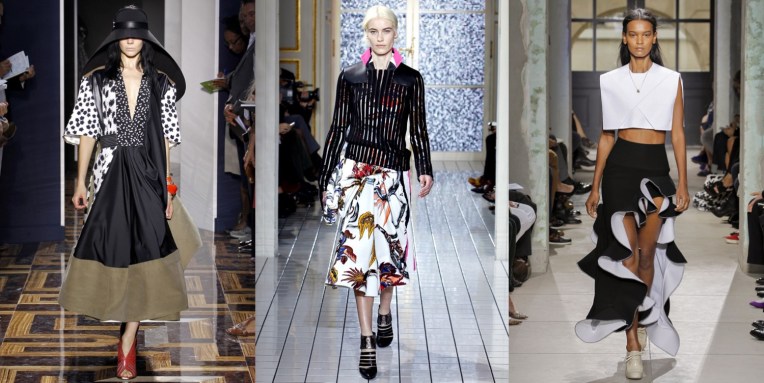
Nicolas Ghesquière’s time at Balencaga defined the 2000s and the first years of 2010s. And his autumn-winter 2012 collection is one of the greats. The corporate spies and outer-space agents on fluorescent-lit runway: that’s a fashion moment you just can’t forget. The designer moved the fashion conversation along  in a few different ways with this line-up: by proposing new silhouettes with exaggerated, even challenging proportions (bonded leather coats with shoulders out to there, sculptural padded sweaters over stiff A-line skirts with doubled front panels); by deliberately trafficking in items of “questionable” taste (those black satin sweatshirts with spacey slogans like “JOIN A WEIRD TRIP” and “OUT OF THE BLUE” are today the ultimate collector item!); and by continuing to emphasize fabric research. The IT girls wore jumpsuits made from a hi-tech parachute material, and his animal prints came two ways—as a jacquard snake on the wool bodices of the office rebels’ strapless dresses and as leopard spots that looked like liquid mercury on the executives’ jackets. Incredible. Of course, to be honest with you, any Balenciaga collection by Ghesquière is a favourite, so here’s a brief recap of the best moments starting from 2010:
ttt

SS12, AW11 and SS13.

yyy

SS10, SS11 and AW10.

uuu

AW12, SS11 and AW10.

/

Collage by Edward Kanarecki.
 

The 2010s / Hedi Slimane’s Saint Laurent

Believe it or not – I can’t! – but we’re heading towards a new millenium. So, how do you choose the most important collections, designers and labels of the decade? The ones that made an actual impact in the 2010s? Well, it’s not an easy task. It all began in September 2009 with New York’s spring-summer 2010 shows and ended when the autumn-winter 2019 haute couture shows wrapped in Paris. Few thousands of shows, by the way. There will be 19 posts (that’s really the only possible minimum!) reminding about the best – and if not the best, then strongly influencing – moments in fashion.

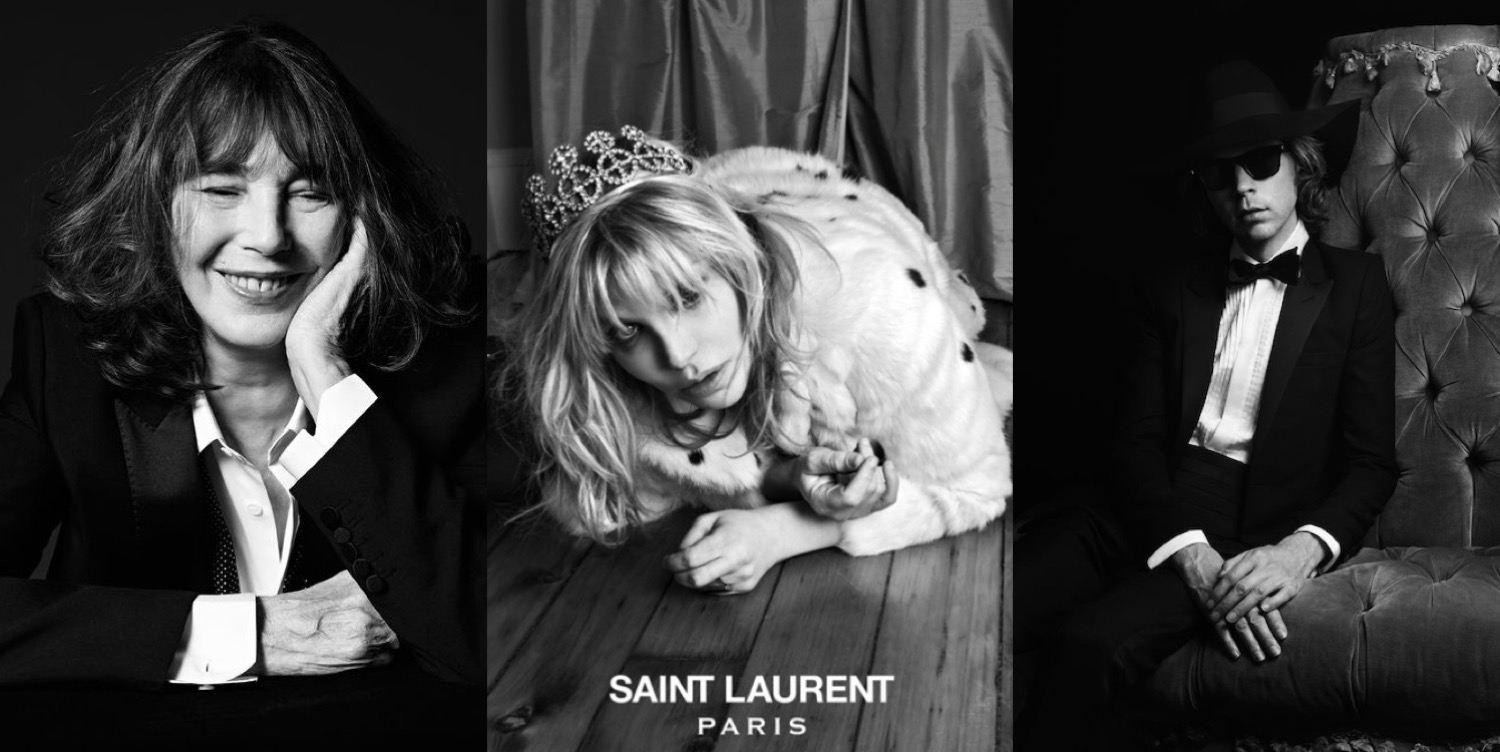
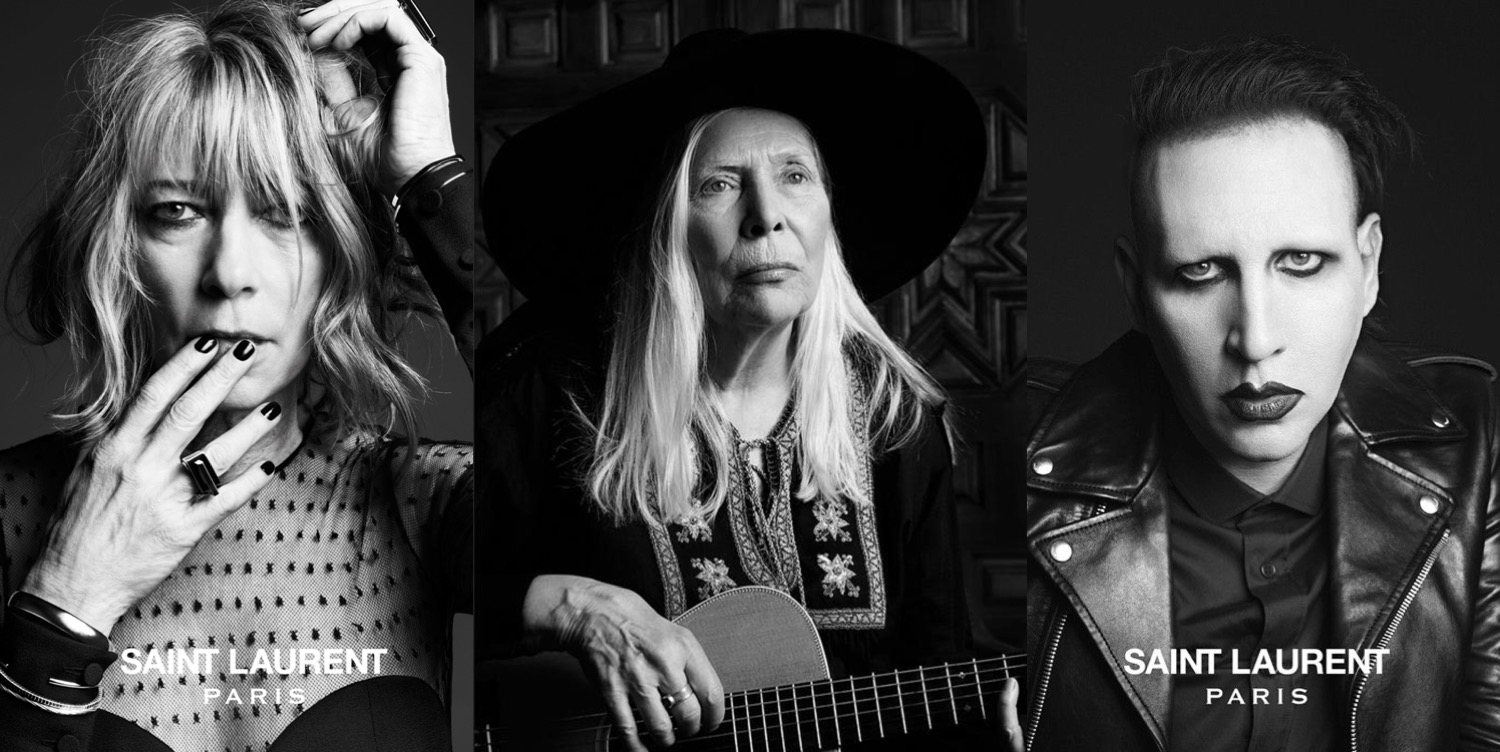
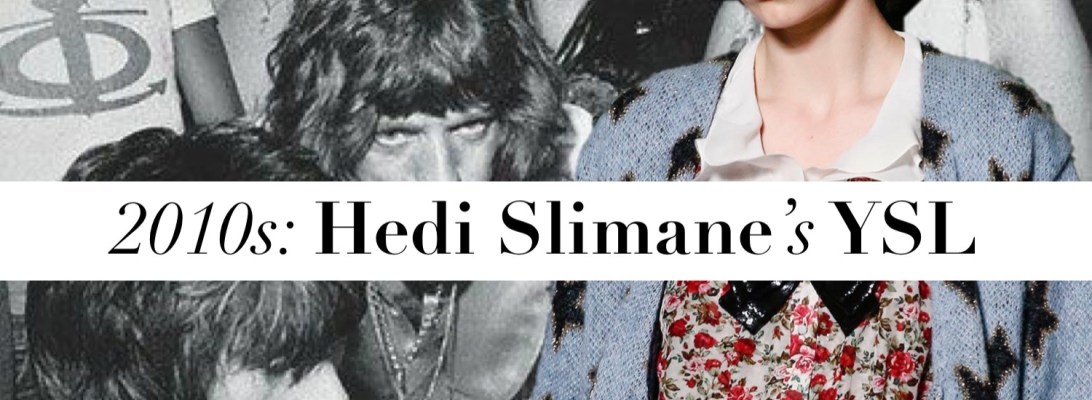
Hedi Slimane‘s Saint Laurent.

Hate it or love it, but Hedi Slimane’s time at Saint Laurent was one of the most influential moments in fashion this decade. The designer not only completely rebranded the brand (from the name – no more Yves – to the worldwide store appearances), introduced new “brand ambassadors” (Courtney Love, Beck, Kim Gordon, Joni Mitchell AND Marilyn Manson, all photographed by the designer for ad campaigns) and infamously called out the critics just for being honest (the Cathy Horyn beef!), but also polarised the fashion industry into two camps: Hedi fanatics, who go crazy for his Celine today, and Hedi sceptics. The designer implemented a youthful, rock & roll and very L.A. mood to the label, sending down baby-doll dresses, vintage-looking floral frocks, super-mini skirts and heavy boots with the attitude of the most rebellious girl in town. One of the most memorable collections he “designed” for the house? Definitely the autumn-winter 2013 show. It was inspired with the lifestyle of Venice Beach, California, and nodded to Yves’ The Scandal Collection from 1971, which was called “notorious” and “disgusting” by its guests (but in the end became iconic). As Tim Blanks pointed out about this Slimane collection, “almost nothing looked new”. Sloppy cardigans, plaid shirts and sparkly dresses accessorized with strings of pearls and black bows. While grunge was long dead, Slimane brought it back to life, and what’s the most ironic – the entire collection was sold out, even though the price tags were far, far from the thrift store originals. Of course Marc Jacobs’ final Perry Ellis collection was first, but Slimane appeared to be in the right place and right time with this line-up. I’m still on fence with Slimane’s era at YSL, but one thing’s sure: it was much more disruptive (and naughty) than Anthony Vaccarello’s work today for tha maison.

Collage by Edward Kanarecki.
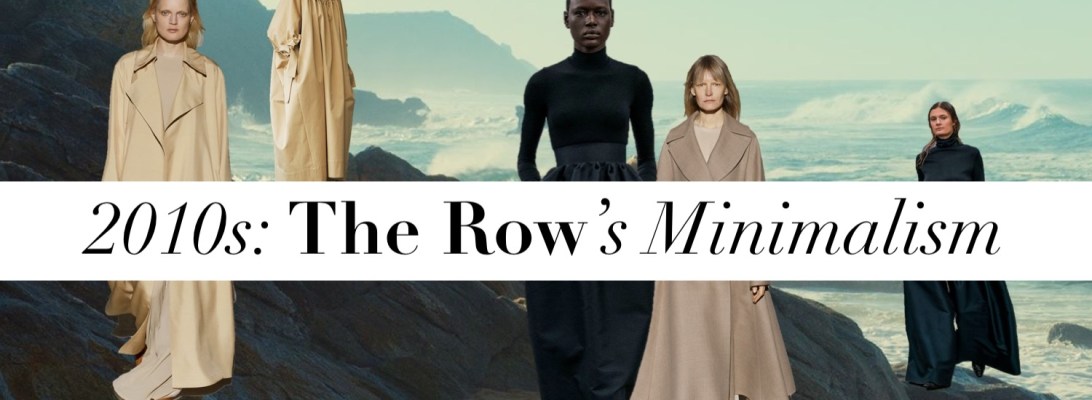
The 2010s / The Row’s Minimalism

Believe it or not – I can’t! – but we’re heading towards a new millenium. So, how do you choose the most important collections, designers and labels of the decade? The ones that made an actual impact in the 2010s? Well, it’s not an easy task. It all began in September 2009 with New York’s spring-summer 2010 shows and ended when the autumn-winter 2019 haute couture shows wrapped in Paris. Few thousands of shows, by the way. There will be 19 posts (that’s really the only possible minimum!) reminding about the best – and if not the best, then strongly influencing – moments in fashion.

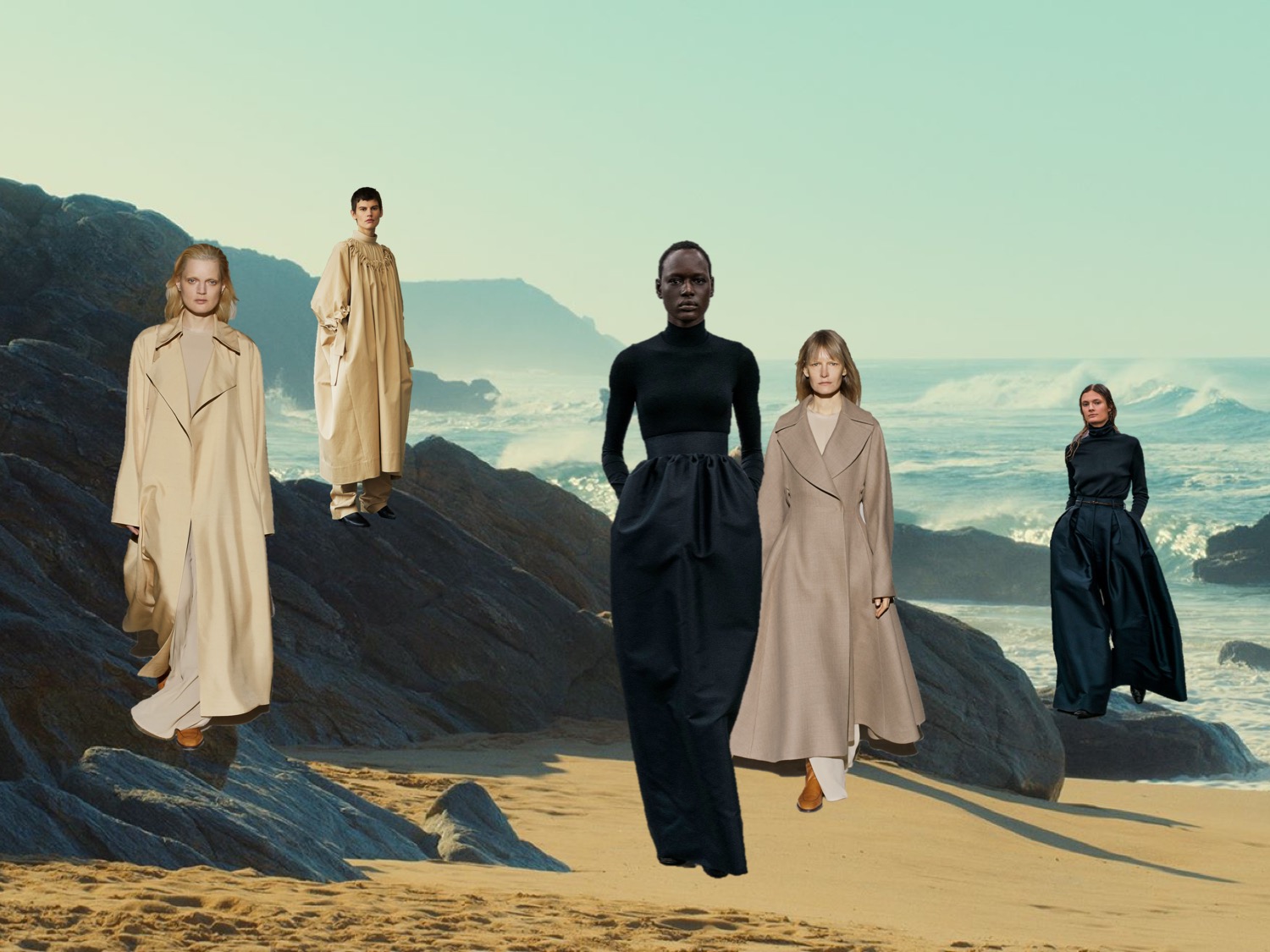
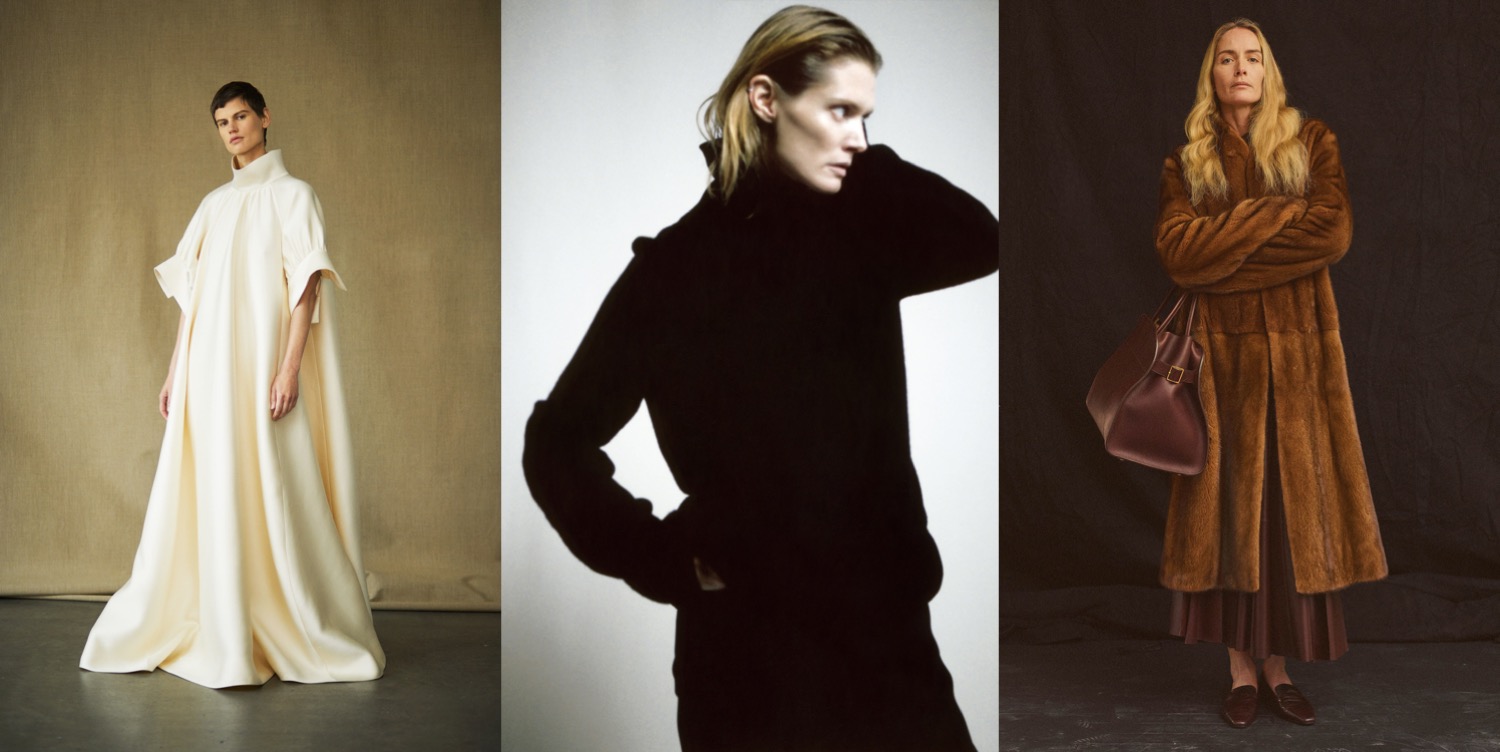
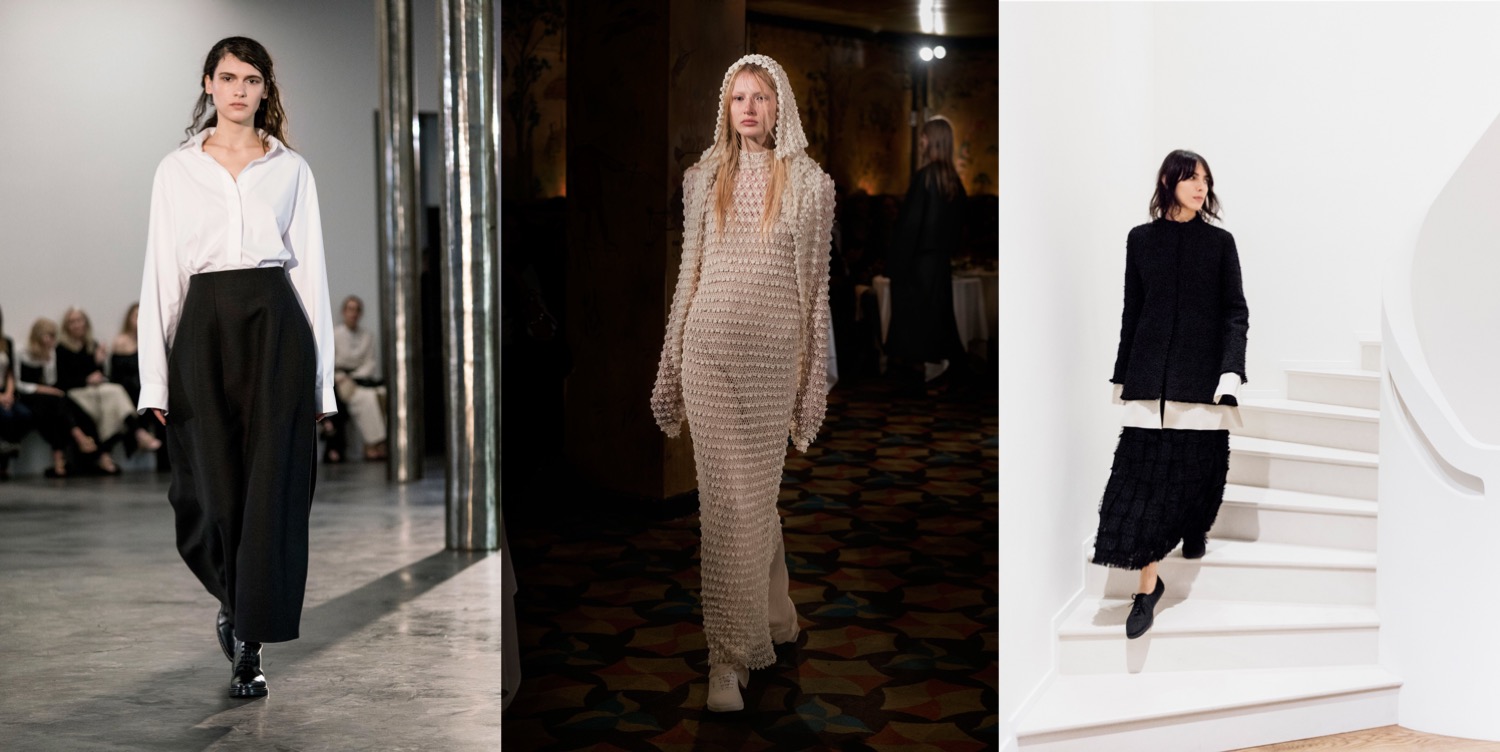
The Row‘s minimalism.

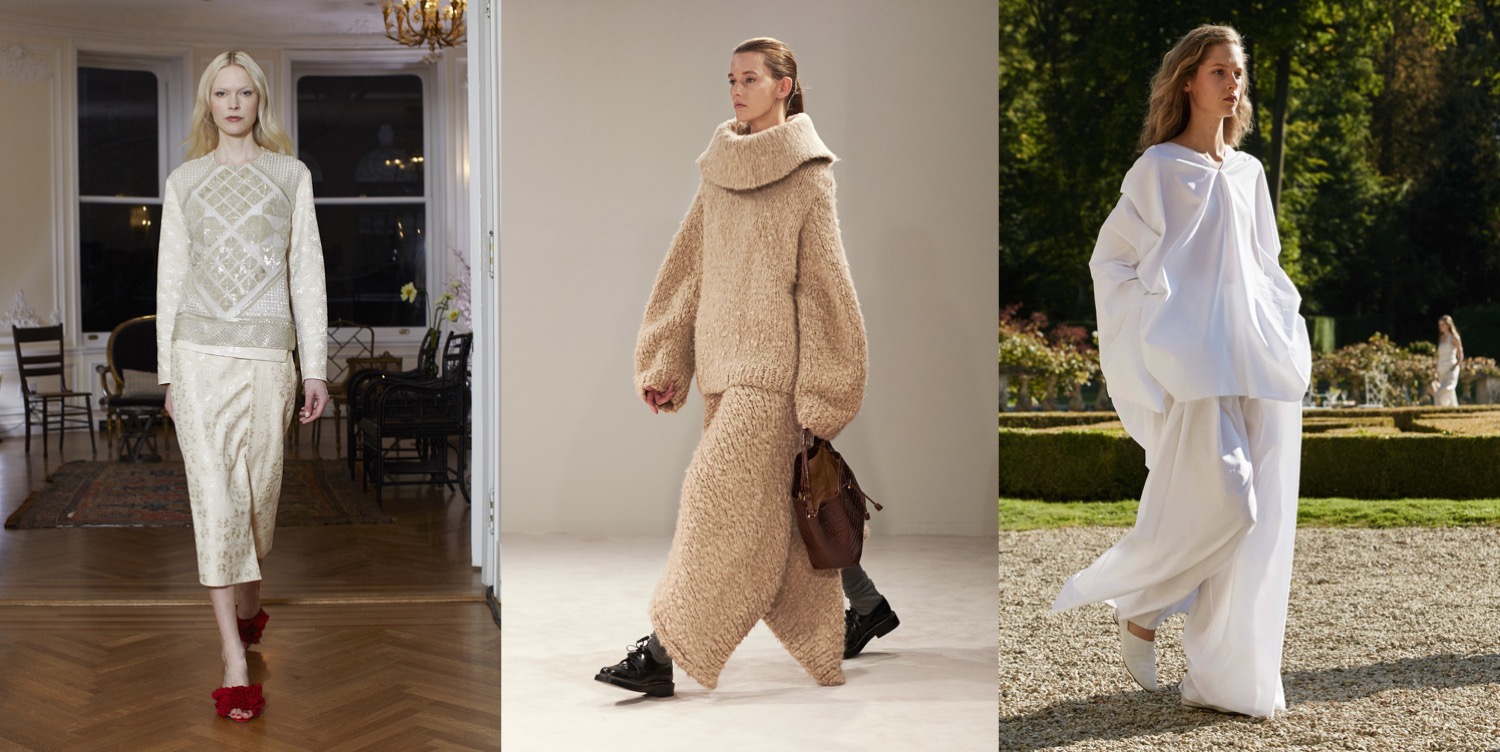
Looking back at the 2010s, it seems to me that Mary-Kate and Ashley Olsen are the ultimate owners of minimalism. With their sensivity for top knotch quality and craftsmanship, it’s no surprise that The Row is globally renowned among the richest women who, rather than drown in Gucci, have similar preference for clean lines, the comfort of soft cashmere and well, have nowhere else to go since Phoebe Philo left Céline (ok, there’s Lemaire, Jil Sander and Bottega Veneta, but… still, they choose The Row). Their collections don’t surprise, but warm your heart. Coats of the most perfect volume and silhouette. An over-sized ecru turtleneck-dress from the best alpaca yarn you can imagine. Masculine tailoring, beauutifully sculpted at the waist. Timeless, crisp shirting that’s getting better and better while wearing it. Eveningwear that’s pure refiniment and elegance without even one embroidery or print. You don’t expect newness with The Row, except for some unexpected lining detail or an antique embellishment on the bags – so, basically details you will notice only when the clothes arrive on the rack. Other than incredible collections the Olsens staged in New York (and in a French chateau that’s 45 minutes outside Paris back in 2015), the sisters created some of the most beautiful retail spaces (see them here) and an equally magnificent menswear line.

Collage by Edward Kanarecki.
The 2010s / Galliano’s Future at Maison Margiela

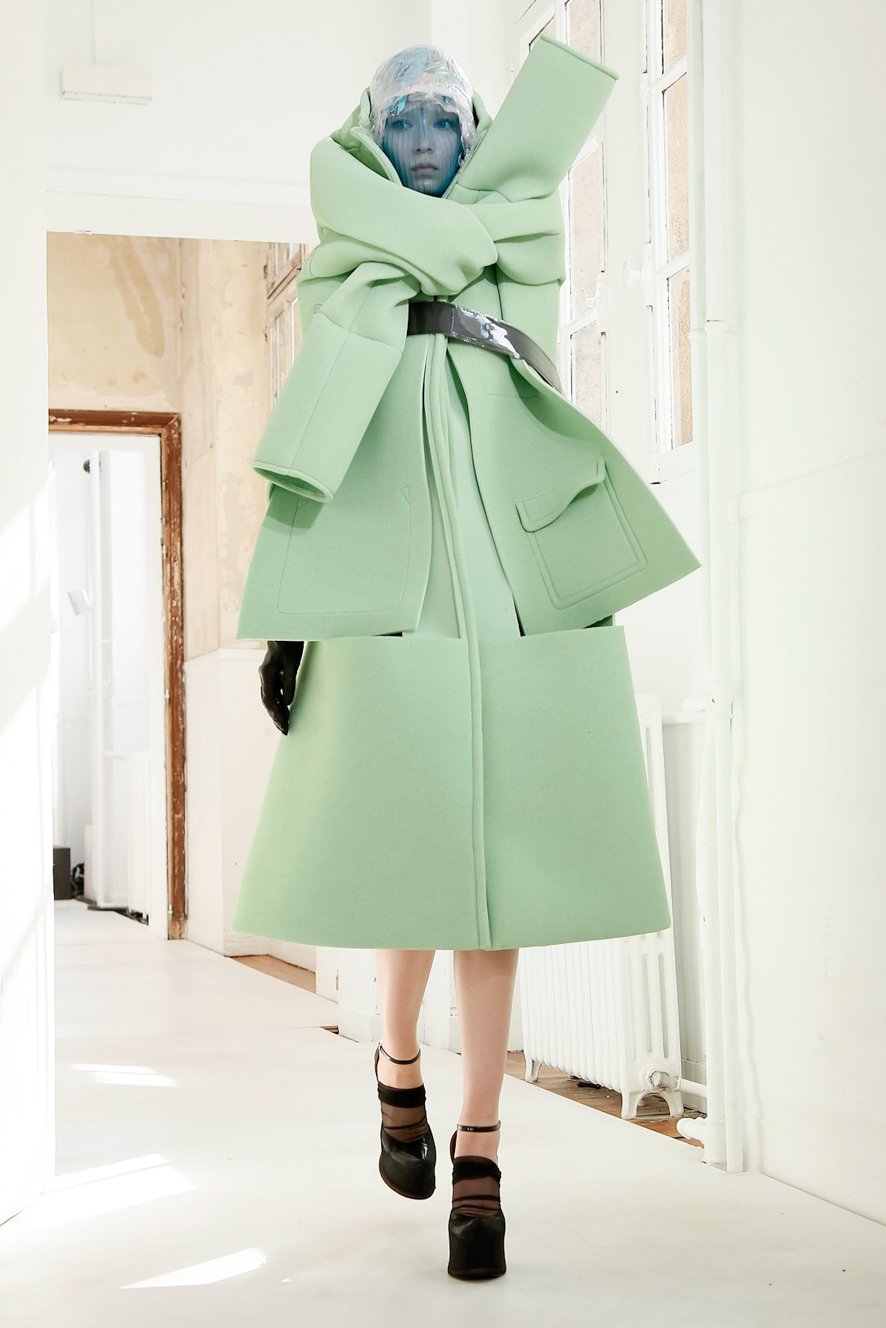
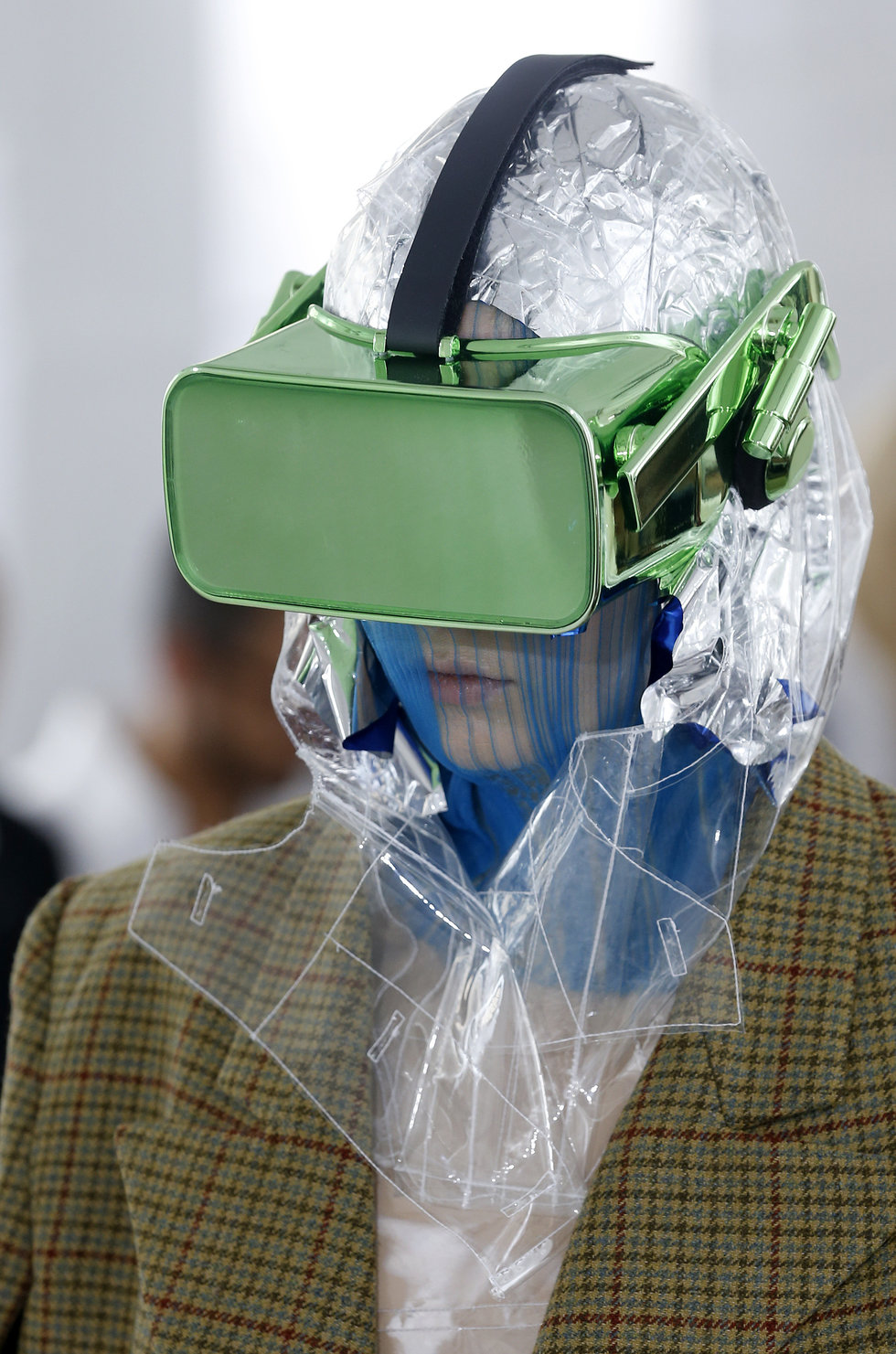
Maison Margiela AW18 Couture by John Galliano

Believe it or not – I can’t! – but we’re heading towards a new millenium. So, how do you choose the most important collections, designers and labels of the decade? The ones that made an actual impact in the 2010s? Well, it’s not an easy task. It all began in September 2009 with New York’s spring-summer 2010 shows and ended when the autumn-winter 2019 haute couture shows wrapped in Paris. Few thousands of shows, by the way. There will be 19 posts (that’s really the only possible minimum!) reminding about the best – and if not the best, then strongly influencing – moments in fashion.

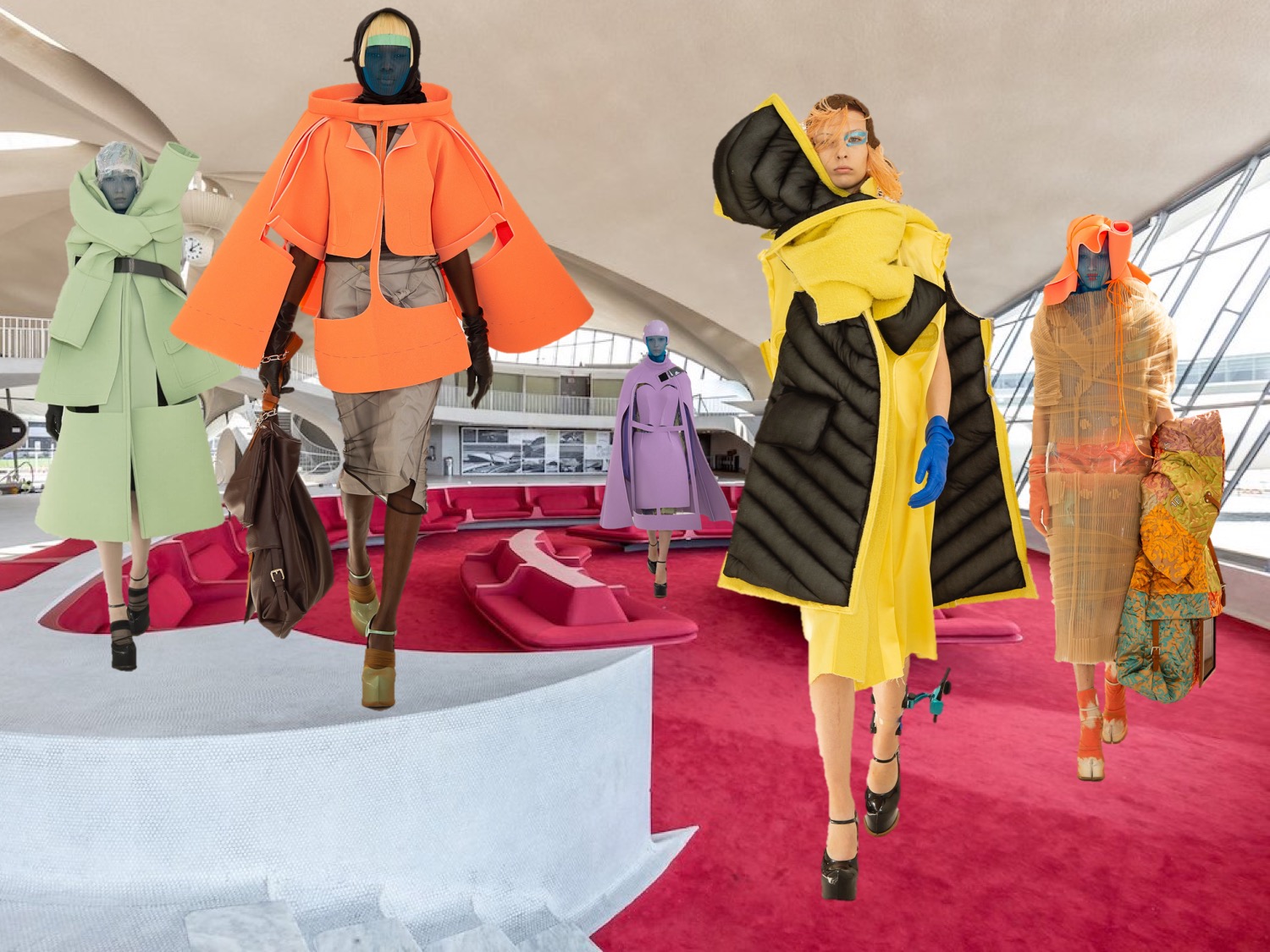
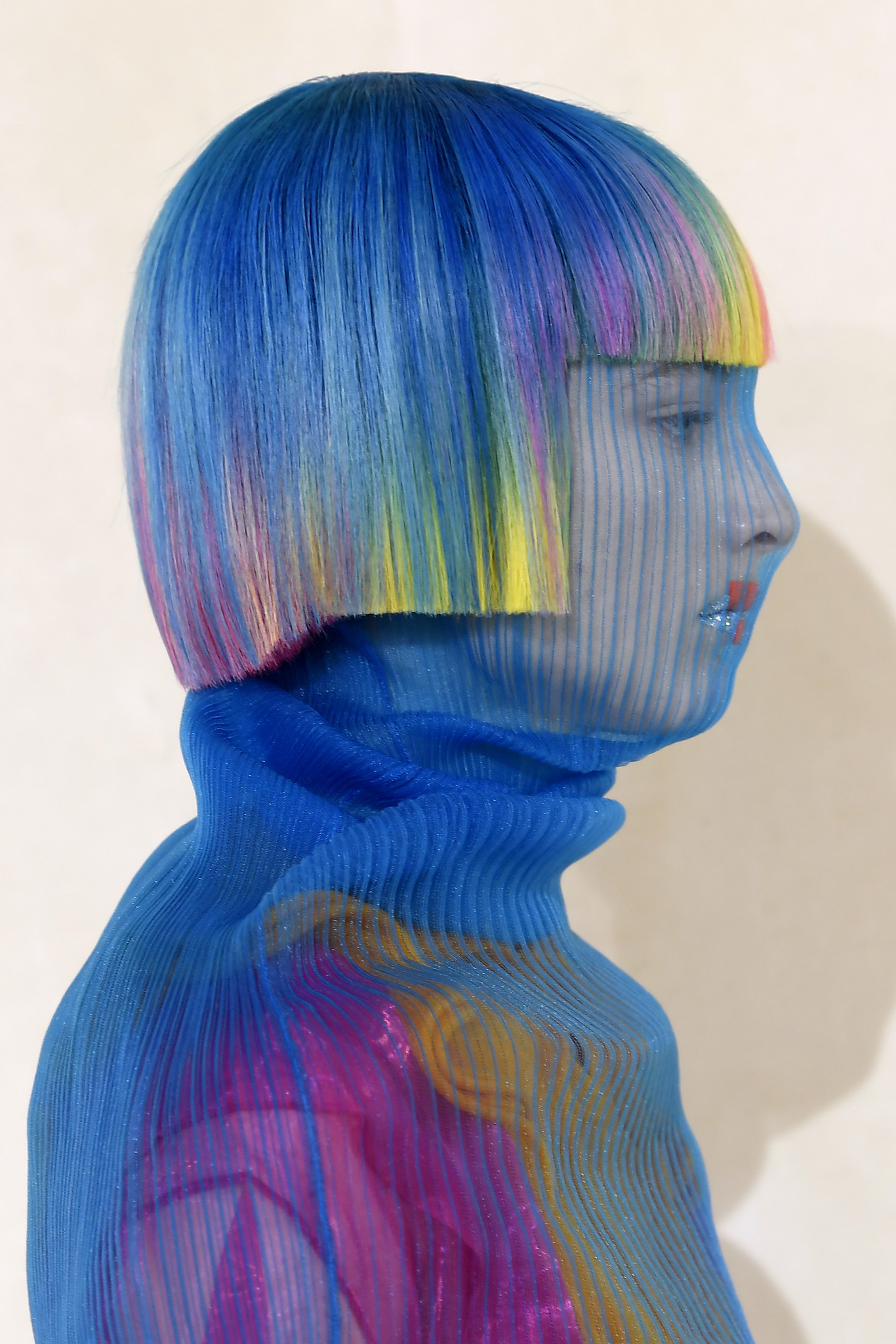
John Galliano‘s vision of the future at Maison Margiela.

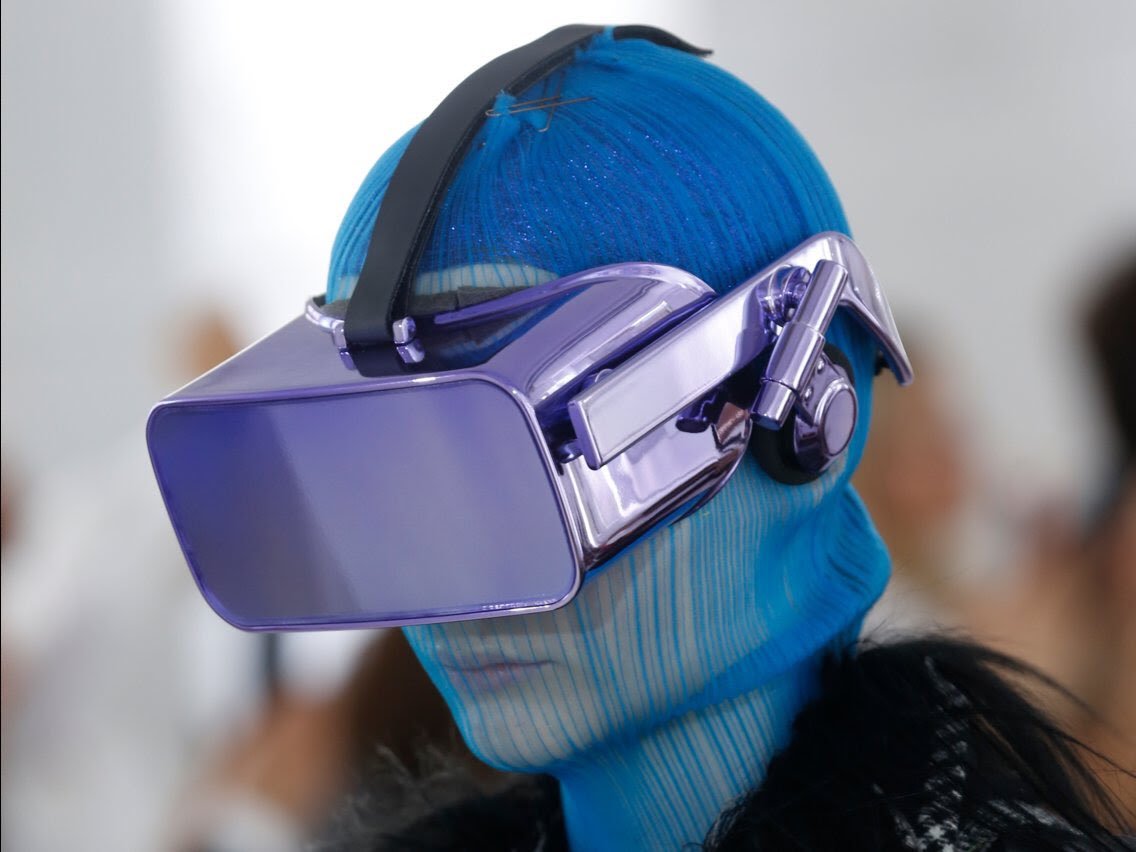
Maybe I wasn’t a total fan of every Maison Margiela collection under John Galliano, but one thing is sure: the designer’s vision for the brand is always thought-provoking. Moreover, just a couple of days ago, it was announched that after five years as creative director of the label, John has extended his contract. Galliano joined Maison Margiela in 2014, taking over the brand’s womenswear, menswear, accessories and Artisanal couture collection. Under his tenure, the revenues have even doubled (which is positively surprising!). John’s talent is matched by his understanding of today’s generations: its ways of thinking, struggles and dreams. And he is doing exactly what the label always did at its best: disrupt, innovate, and inspire. One of my favourite collections is the autumn-winter 2018 couture line-up. Collections like this make you believe in fashion again. Maison Margiela‘s Artisanal line is an outlet for Galliano‘s wildest ideas, which seems to let him explore his most dynamic ideas with the unlimited freedom. But when you listened to John speaking about the collection, you suddenly undertood it’s not just a mega-artist’s next epic fantasy. There’s a seed of reality in those multi-layered garments packed with utilitarian textiles, protective pillow-y elements and extreme colours. “We’re all nomads today. . . we do move in tribes.” That nomadic glamour, the term he coined after the show, refers to the contemporary state of things. On the daily basis, we absorb so much information through different, constantly booming media. At the end of the day, we want comfort – but is it even possible in today’s world? Rather, we need shelter or an armour – which can be constructed from tulle, felt wool or some sponge-y material, just as Galliano predicts. Even though we already exist in the hi-tech world, the vision of iPhones and iPads sticking out of our bodies like some kind of exoskeleton feels rather dystopian on the other note. But then, if the future will bring the humanity to “neo-digital natives”, as the designer called it, then at least our wardrobes won’t disappoint with boldness.

All collages by Edward Kanarecki.
The 2010s / Raf Simons (Times Four)

Believe it or not – I can’t! – but we’re heading towards a new millenium. So, how do you choose the most important collections, designers and labels of the decade? The ones that made an actual impact in the 2010s? Well, it’s not an easy task. It all began in September 2009 with New York’s spring-summer 2010 shows and ended when the autumn-winter 2019 haute couture shows wrapped in Paris. Few thousands of shows, by the way. There will be 19 posts (that’s really the only possible minimum!) reminding about the best – and if not the best, then strongly influencing – moments in fashion.

Raf Simons (times four).

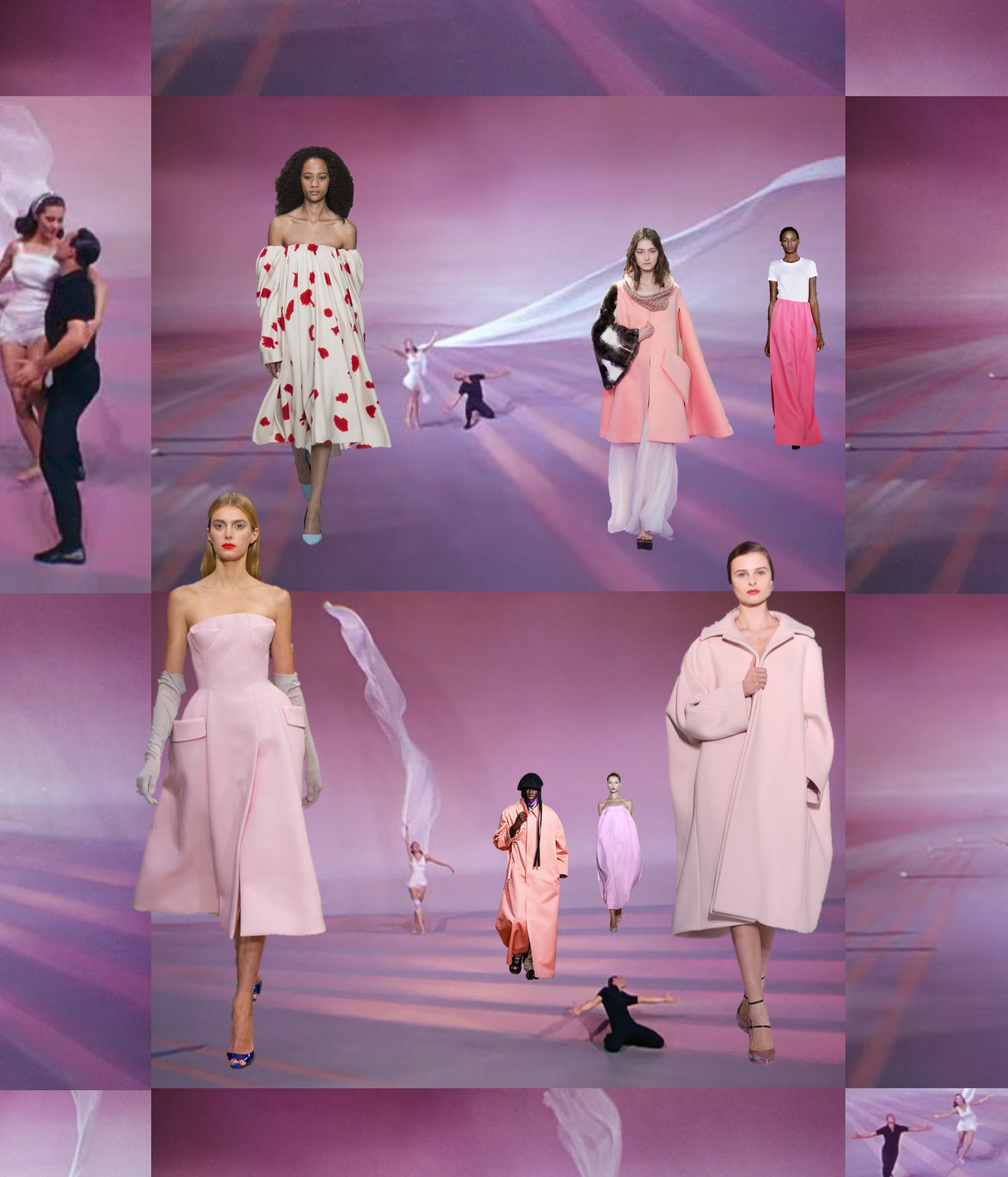
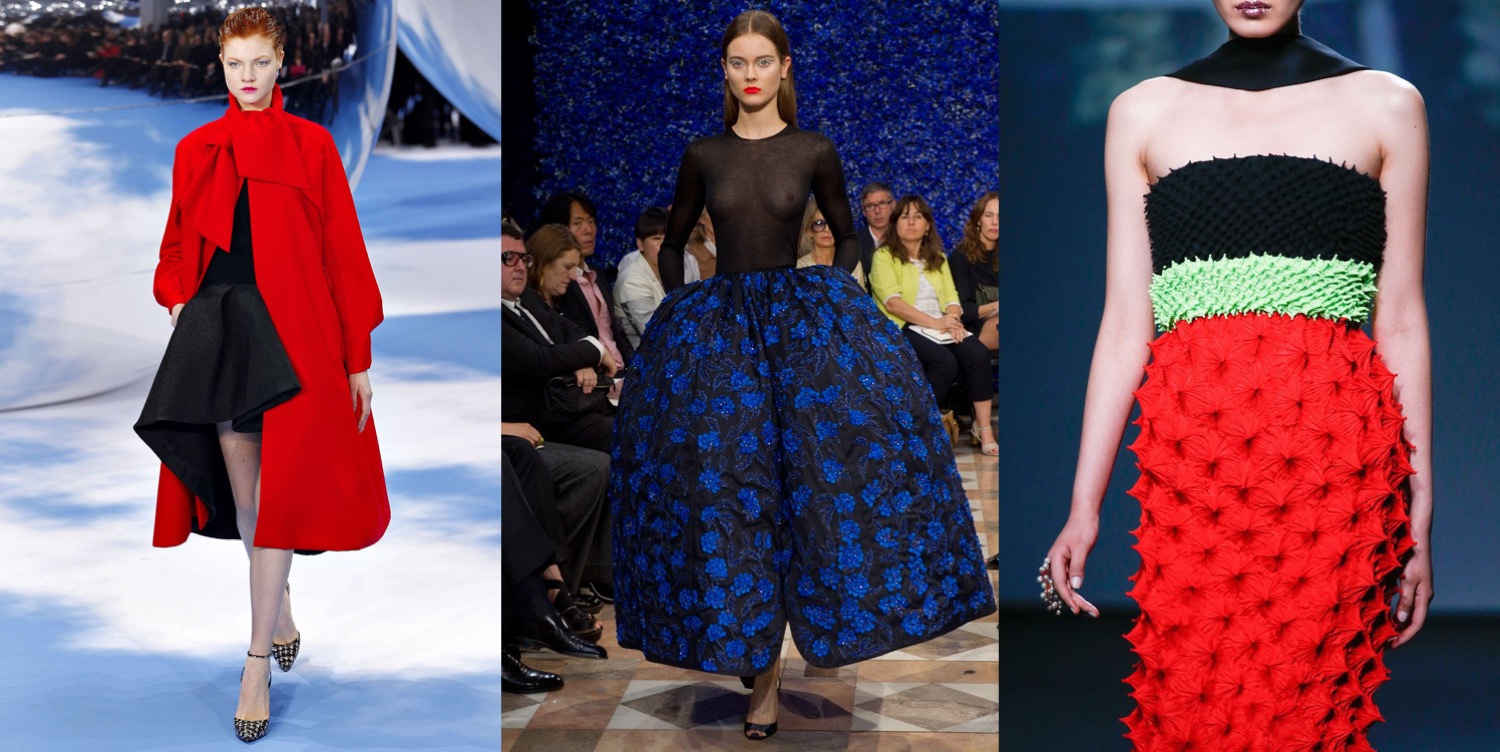
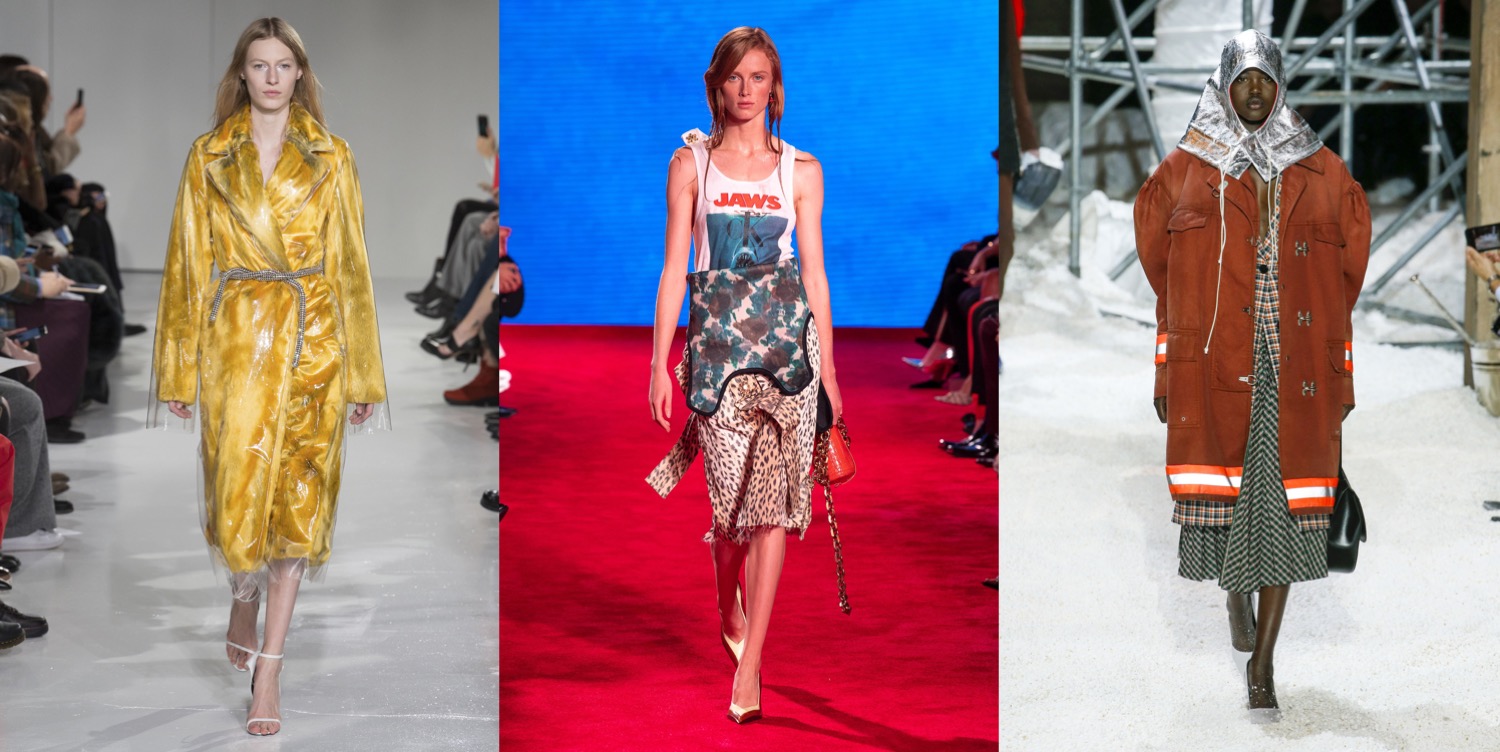
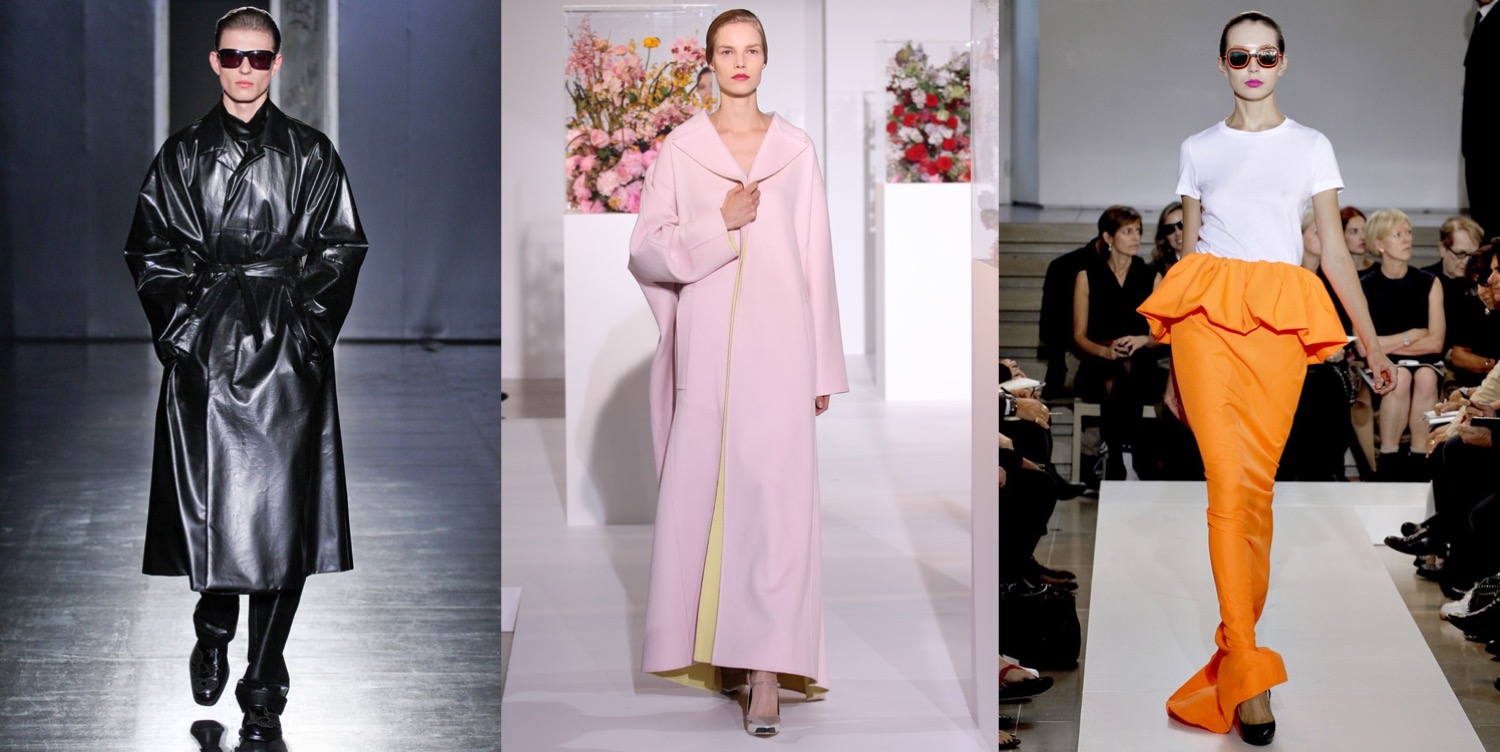
In this decade, probably no other designer worked as the creative director for three completely different brands, simultaneously presented incredible collections at their own label, and left such a meaningful body of work (and I’m sure will keep on expanding it in the 2020s!). I’m speaking of Raf Simons, the Belgian designer, who revolutionized menswear and elevated womenswear in a number of ways throughout the years. By the end of 2000s and in the beginning of 2010s, Simons brought Jil Sander back on track with his well-considered, minimalist sensitivity. Whether we’re speaking of the geometric colour block dresses (spring-summer 2011), all-leather suits for guys (autumn-winter 2012) or his forever great final line-up for the brand in 2012 – a parade of couture-ish, pastel pink gowns and cocoon coats – Simons’ tenure at Sander still keeps on being an inspiration for fashion today. Moving on, Raf was appointed as the creative director of Dior at 2012, and honestly, no other designer in this decade did anything as good for the maison (definitely not Maria Grazia Chiuri, Dior’s current designer…). Simons made Christian Dior’s house-codes, like the bar jacket, relevant again; his haute couture felt truly modern; he manages to redefine the label into something intelligent and refined. Not speaking of the gorgeous show venues (the debut collection in 2012 – the flower walls) and show locations (Pierre Cardin’s Les Palais Bulles in Cannes for resort 2016 will always have a special place in my heart). Simons left the brand due to the industry’s neck-breaking pace and constant need for newness – factors that make even the biggest visionaries struggle. After a short hiatus, the news of his appointment at Calvin Klein struck everyone. His Calvin Klein 205W39NYC line was major in every meaning of this word – but not for the corporate, shallow and impatient owners, who parted ways with him after just two years. With Raf, the label could really stand for something. It brought spotlight to New York’s fashion scene. His four seasons there were filled with musings on American culture, from The Jaws and Andy Warhol to cowboys and university merch. Each collection was pure excitement. Also, his direction for CK’s apparel lines was far better than the influencer trash that’s going on now. And of course, Raf Simons, the brand. From the now cult Sterling Ruby collection to the remarkable “odes” (like the Robert Mapplethorpe or The Blade Runner inspired collections), there wasn’t even one ‘bad’ line-up that came from Raf for Raf – each is special, and all the pieces coming from them can be tagged as “collector’s item”. Will Simons work for another brand in the 2020s or stay home with his namesake label? Who knows. Whatever his next step will be, I’m definitely paying attention.

Jil Sander by Raf Simons

Dior by Raf Simons

Calvin Klein 205W39NYC by Raf Simons

Raf Simons… by Raf Simons.

Collage by Edward Kanarecki.