This is Paper Store

FullSizeRender-kopia 3

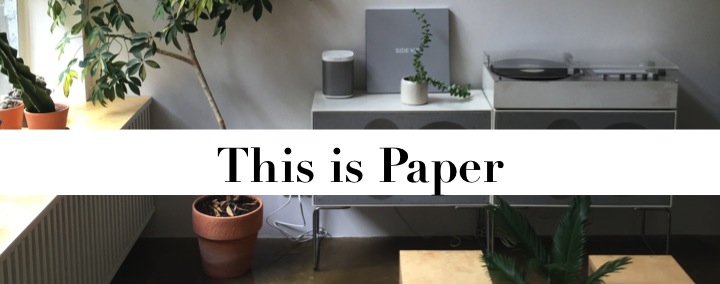
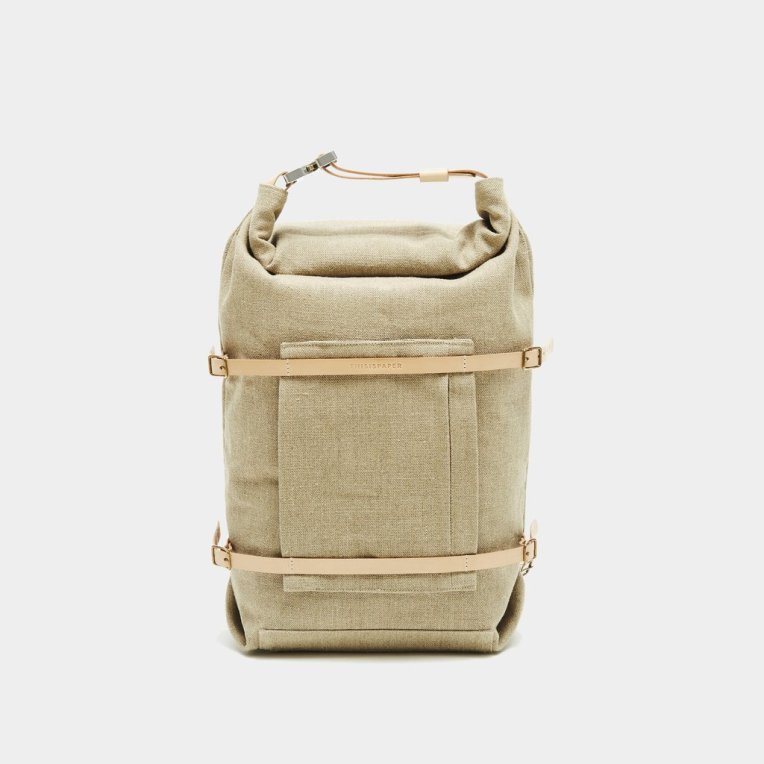
This is Paper is Warsaw‘s best kept secret. Aesthetically aware and Japanese-minimalism loving, everything about This is Paper feels well-considered, and absolutely individual. Starting with their already cult, extremely durable, vegetable-tanned leather backpacks, and ending on advertising-free, signature magazine issues, this Polish brand found back in 2011 keeps on evolving up to now, being consistently true to their style. A brand, so perfect in its creative strategy, definitely should have a space, where its vision can be experienced by the others – and here it is, the newly opened, flagship store, hidden in Warsaw’s not-that-trendy district and settled on quiet Odolańska street.

IMG_0441

A_product_U-tilityRN_1024x1024

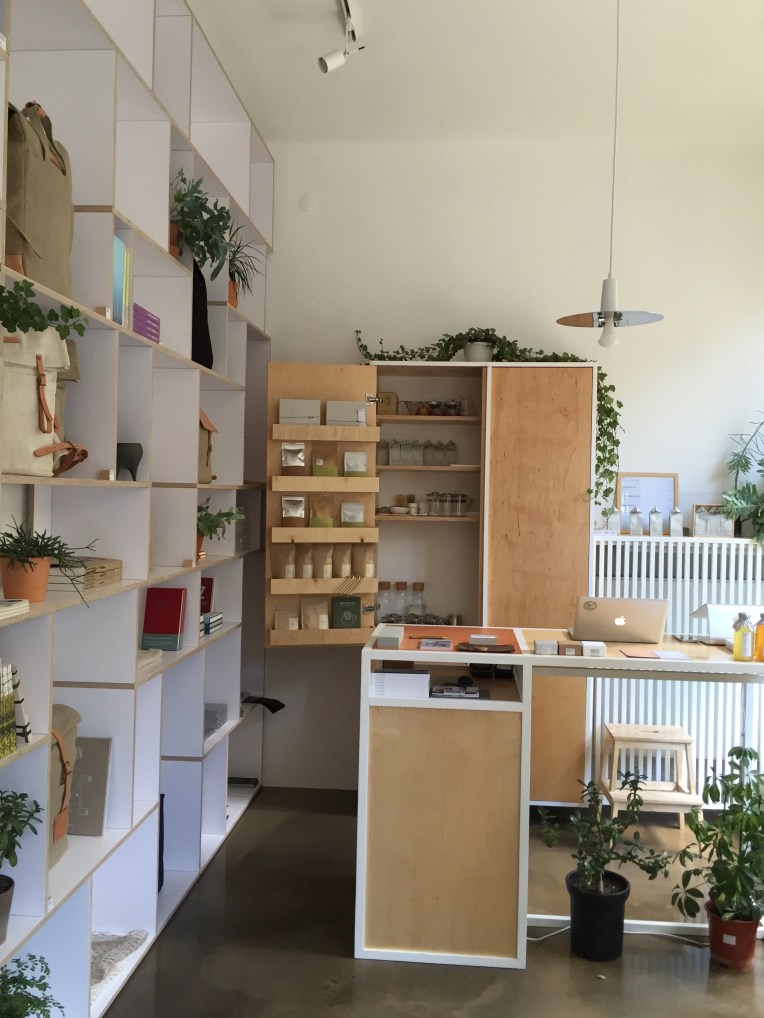
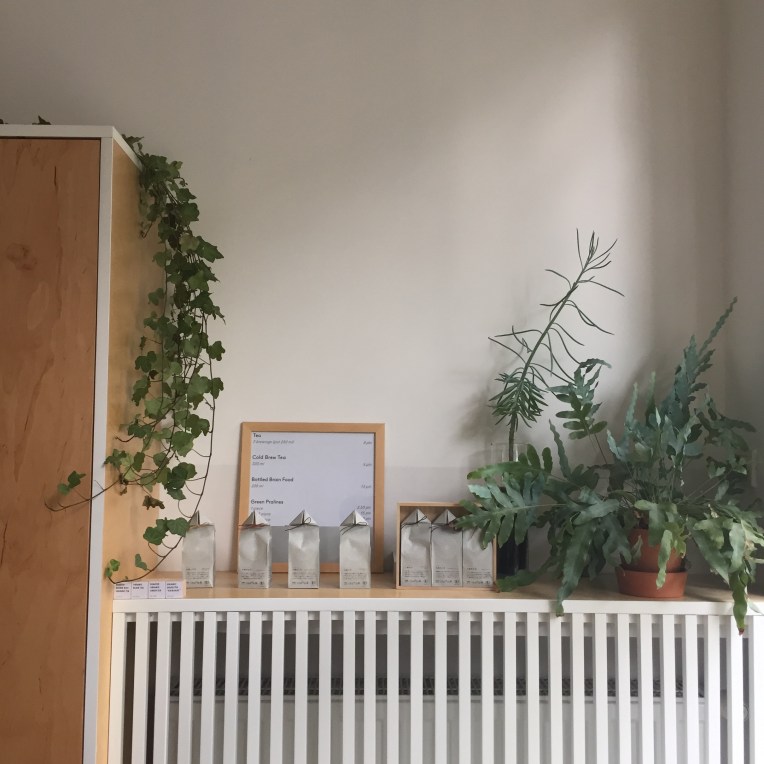
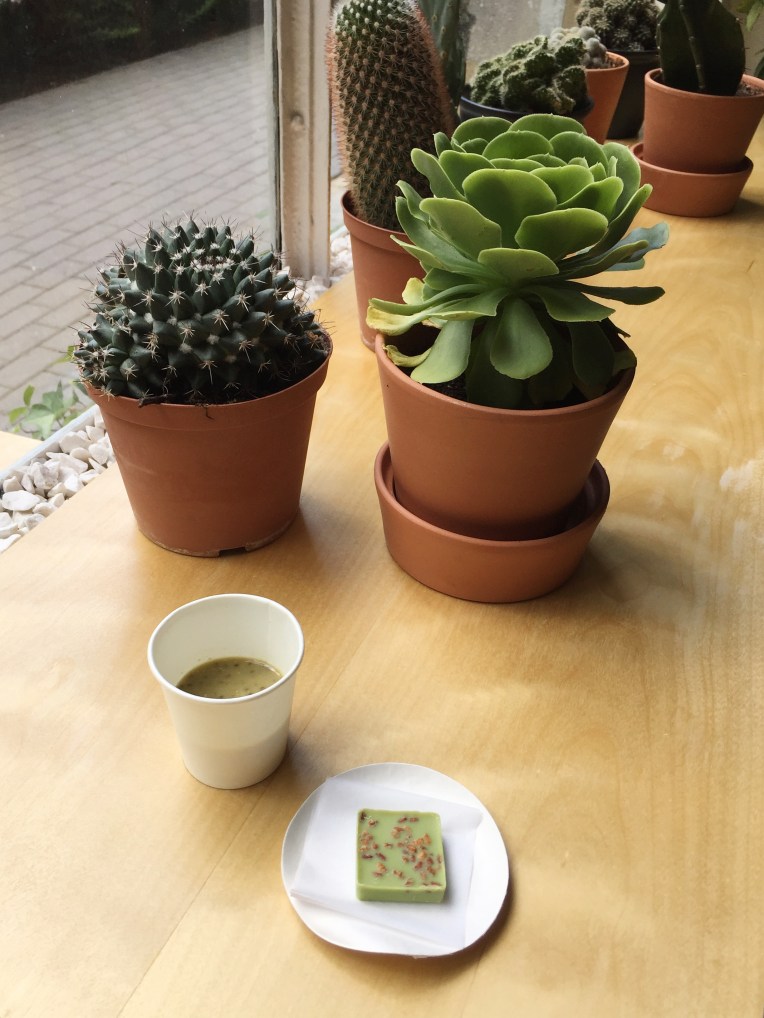
When I entered This is Paper’s stationary boutique the first time, I was pleasantly shocked by the oozing peace of those white walls and wooden shelves (holding denim rucksacks, practical transfer bags, loads of plants and niche books). Everything seems to slow down here, and the time flows in the peculiar rhyme of Asa Changs & Junray’s “Hana” track. The sales assistant matches the place’s pace, too, with laid-back, unpretentious attitude. On the left, I’ve spotted the tea-room corner, and I was really surprised, when the ‘This is Paper girl’ suggested trying her favourite taste. “You can’t buy blindly – first try it” – such a hearty and down-to-earth statement to say. In awe, I sipped the delightfully refreshing tea while listening to the story of its origin. Of course, the high-quality green tea comes from Japan, and the owners of This is Paper did their best to find the most organic and pure type. Their taste buds took them to Fukuoka prefecture, were they discovered a small, family business – against mass production, the father-and-son duo care about the tiniest details of proper tea-making process. This is Paper specializes in a wide selection of teas from Fukuoka, but they also import a great brand from Berlin – Paper & Tea.

FullSizeRender-kopia 4

A_product_GroceryB_1024x1024

FullSizeRender-kopia 5

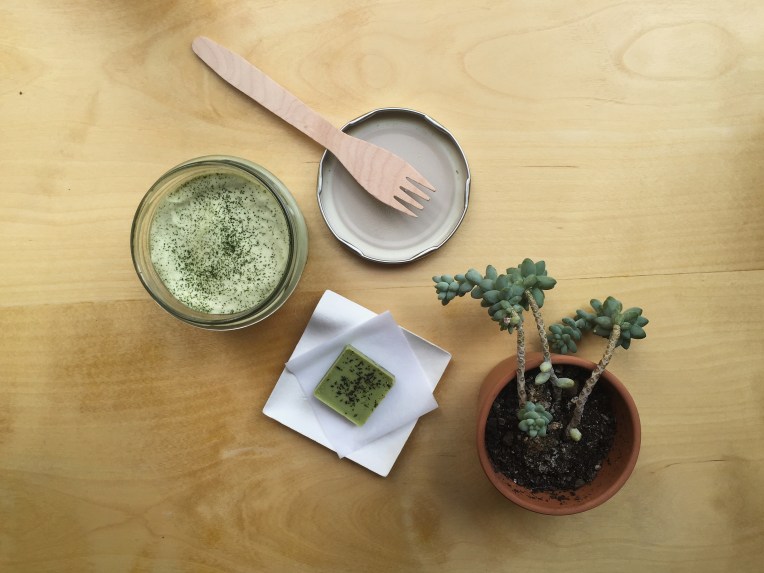
I discovered This is Paper a few years ago (prove: I’ve written a piece about them here), and when I discovered that they are opening a store, I just couldn’t wait to see it. But it was their Instagram post with ‘matchamisu’, which made me come straight to their place. Except selling tea, This is Paper uses it in a variety of little, home-made desserts, and matcha-modified tiramisu is their latest addition. I tell you, it’s heaven for the eye and for the mouth. Also, you can try out their another specialty – matcha pralines with edible green tea, roasted rice and other flavours.
IMG_0624

IMG_0467

This is Paper’s store (and design studio located in the back of the retail space) isn’t just a minimally furnished spot in an off-beat part of Polish capital. It’s a totally different view on commerce, which fuses all human senses and creates desire. “Less is more” isn’t a clichee here, but an asset.

Odolańska 6-8 / Warsaw

FullSizeRender-kopia 6

Zorza Bistro

IMG_0486
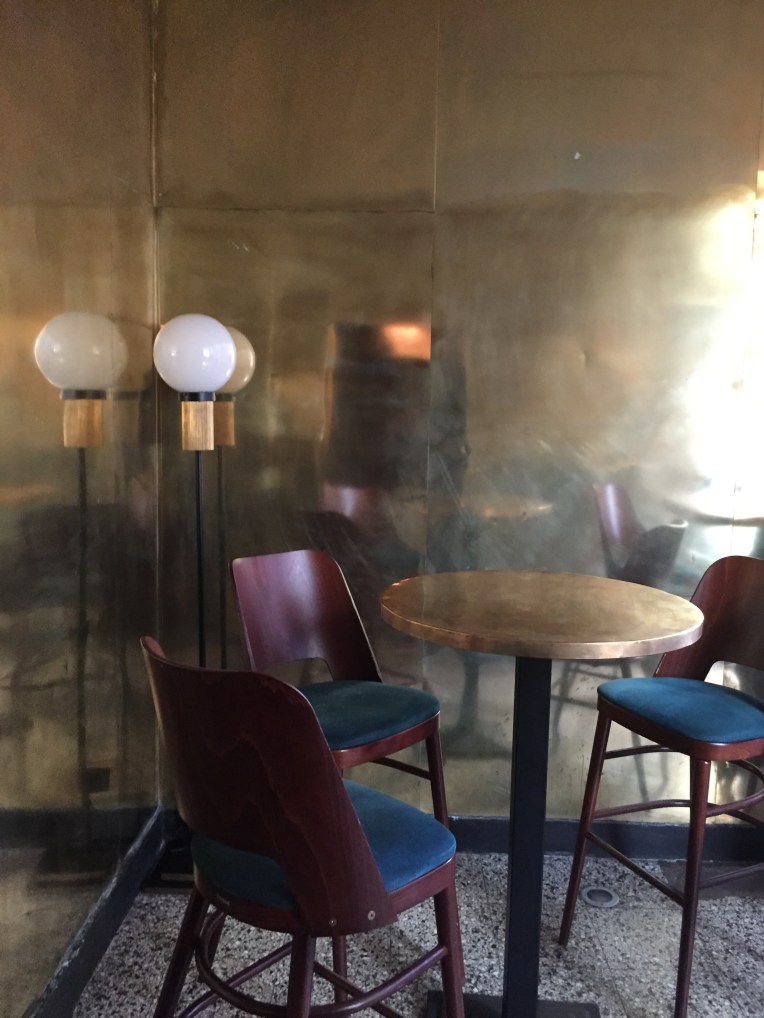
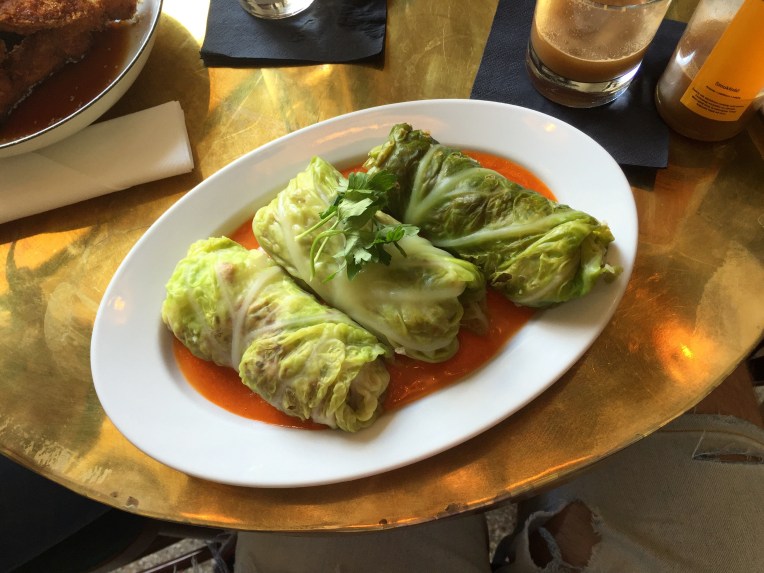
Zorza Bistro is a perfect example of today’s casual dining place, which attracts you with every detail – and if you don’t go inside right away, you feel really, really guilty. Social media is a dominating factor in today’s gastronomy. The first time I saw this place on Instagram (@zorzabistro), filled with stylish photos of bruschettas and cold soups, I knew I’m writing it down in my Warsaw agenda – and as I love well-executed branding matters, like typography, this was indeed a heaven for me. Visual identity of Zorza was developed by Kaja Gadomska, graphic designer, who decided to create something that would match the classical, yet very contemporary aesthetic of the restaurant. Just like her bold logo design, the interior is kept in a softly art deco manner, with brass tables, marble columns and preserved, stone floors. The cuisine at Zorza is diverse, spanning from roasted artichokes and hot dogs with home-made sausage to meat-stuffed cabbage and coated chicken in Asian sauce. If you’re still unsure whether you need to go to Zorza, then there’s one more, great feaure of this place – you can sit outside, and have a view on Warsaw’s brilliant street style.

Żurawia 6 / Warsaw
IMG_0500

IMG_0502

IMG_0487

IMG_0482

IMG_0485

FullSizeRender-kopia 7

Lukullus on Chmielna

FullSizeRender-kopia 8

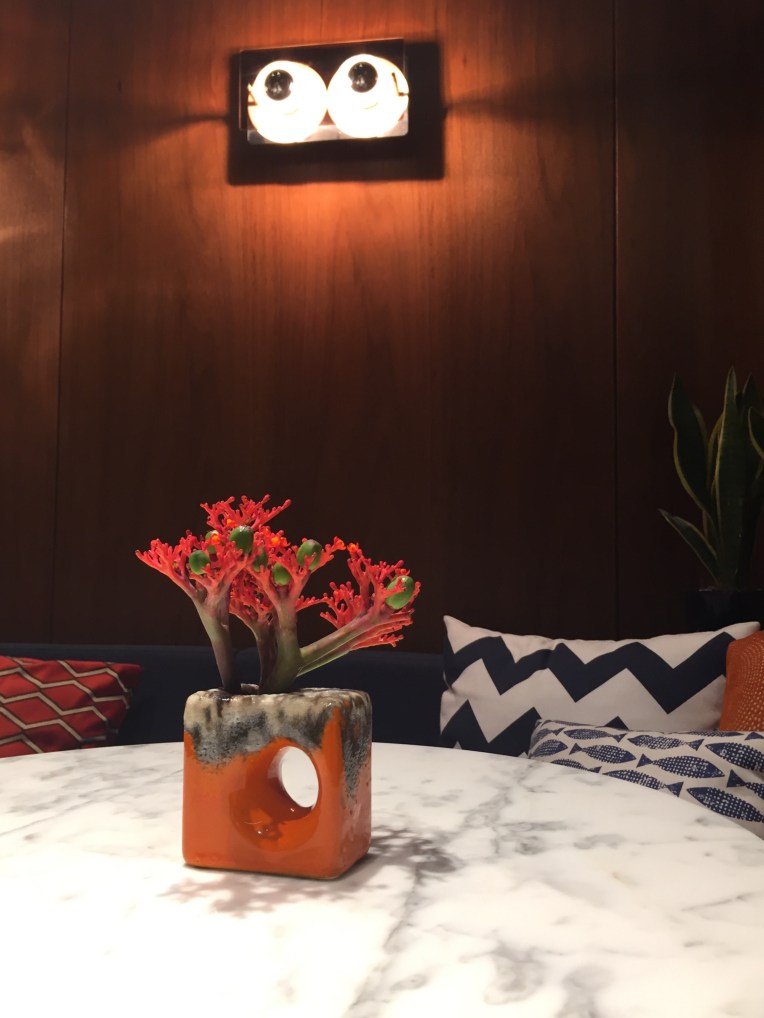
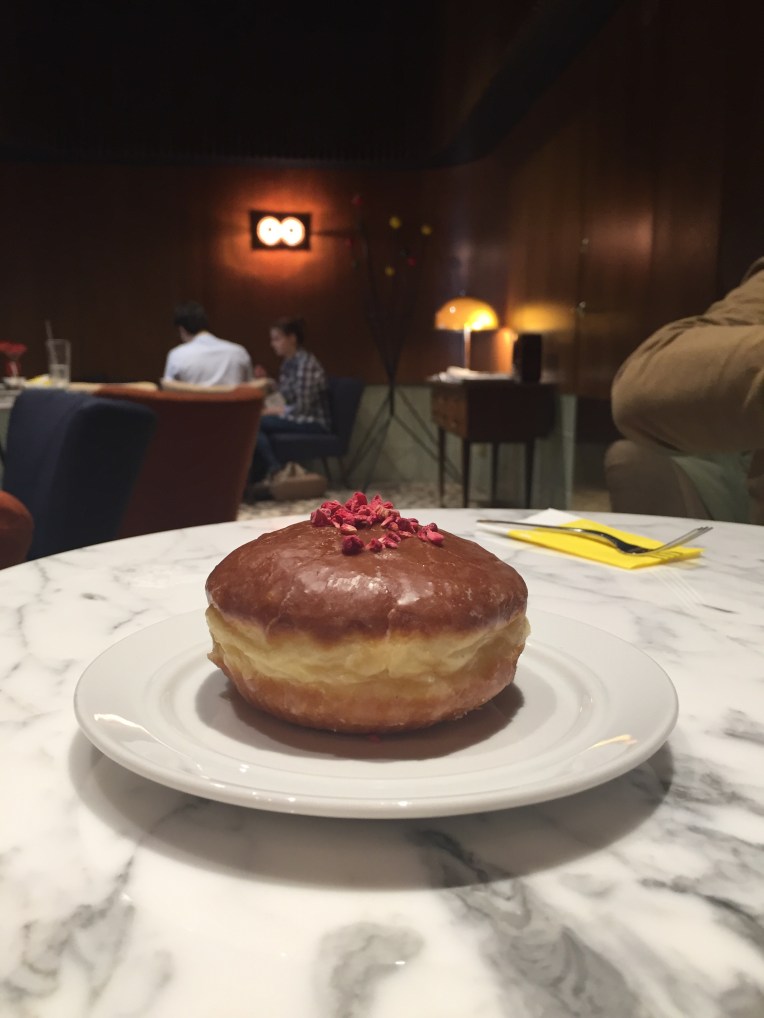
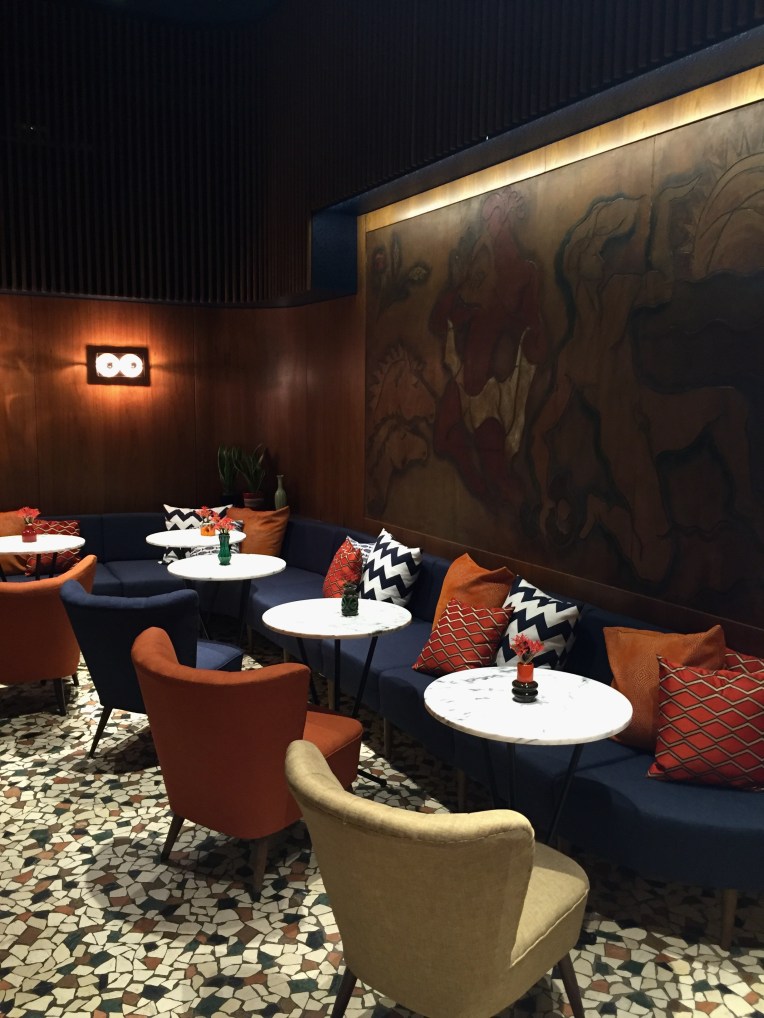
While Paris was all about haute couture, I spent my last week in Warsaw, discovering the city’s most outstanding spots together with my friends. As you might already know (and if you’ve read this one), I’m obsessed with Lukullus, a patisserie which was founded in 1946. The family business survived hard, socialist and early capitalist eras which severely affected Poland and after many years of renovations and rebranding, the brand expanded and opened a number of spots – and the one on Chmielna is Lukullus’ freshest addition. I can honestly say it’s my favourite one. Designed by Jan Strumiłło, acknowledged Polish architect, it fluently fuses the historic past with Warsaw’s modernity. Inspired with the neighbouring cinema Atlantic, Jan aimed to reference the old-school glamour with curvy neon on the entrance. Eclectic tiles match the bold, printed cushions, and a variety of flea-market finds from the 60s work perfectly with elegant, marble coffee-tables. But that’s not it – the ‘eating’ space makes you gasp with its beautifully preserved wooden mural, depicting a rural scene. Of course, describing a Lukullus patisserie can’t be done without mentioning the sweet part. Just like in all other locations, Chmielna offers the house’s classics – donuts filled with home-made jam, vanilla croissants, limoncello meringue or exotic mango cake. And many, many more delights… I need to stop, because I’m already drooling over the memory of those tastes!

Chmielna 32 / Warsaw
FullSizeRender

IMG_0406

FullSizeRender-kopia 11

IMG_0314

FullSizeRender-kopia 9

IMG_0370

Borchardt

DSC03589

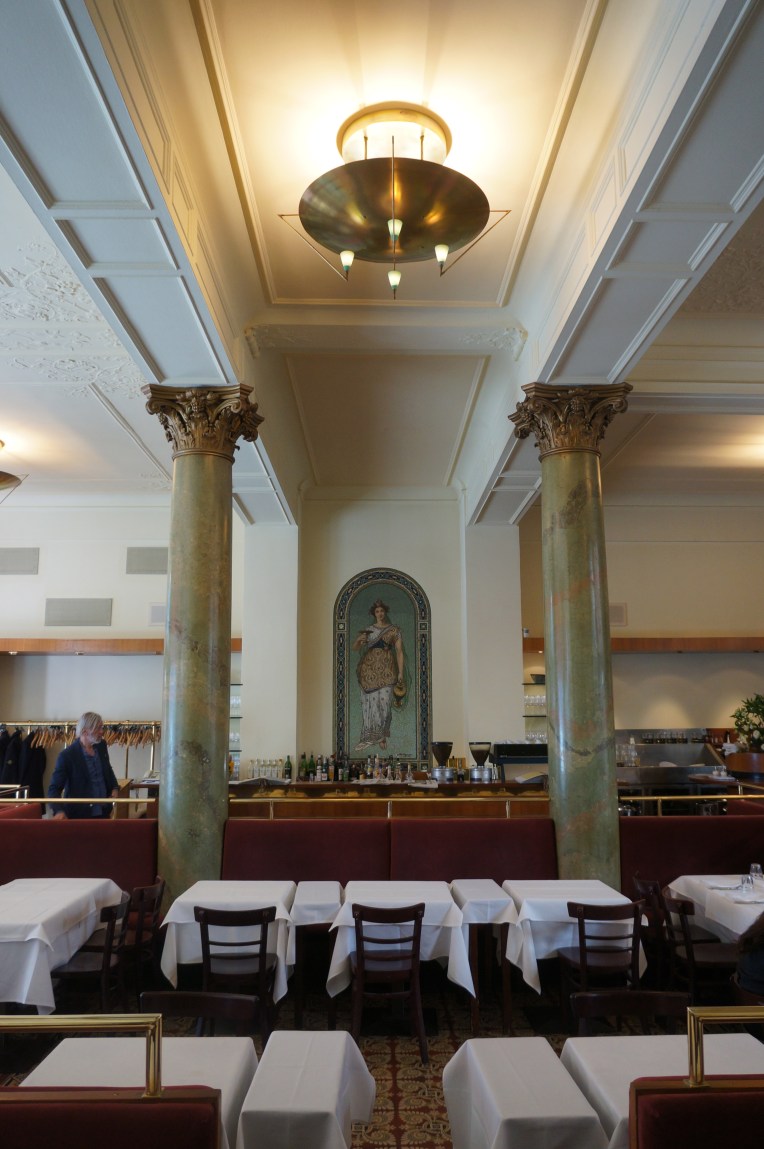
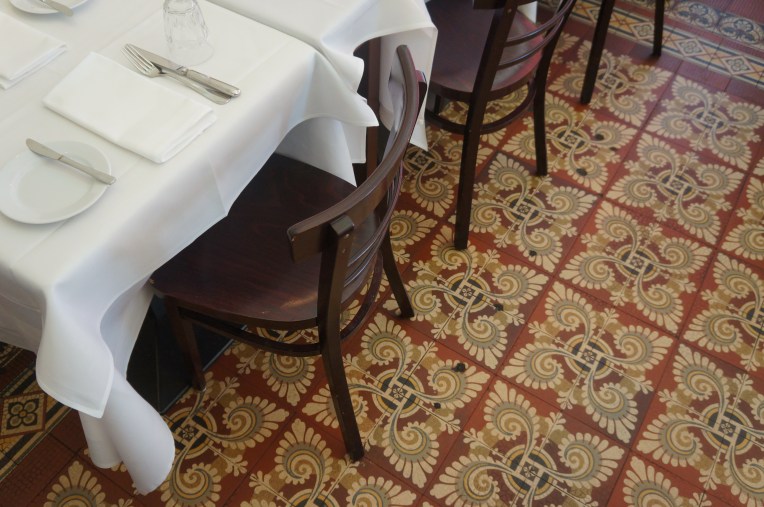
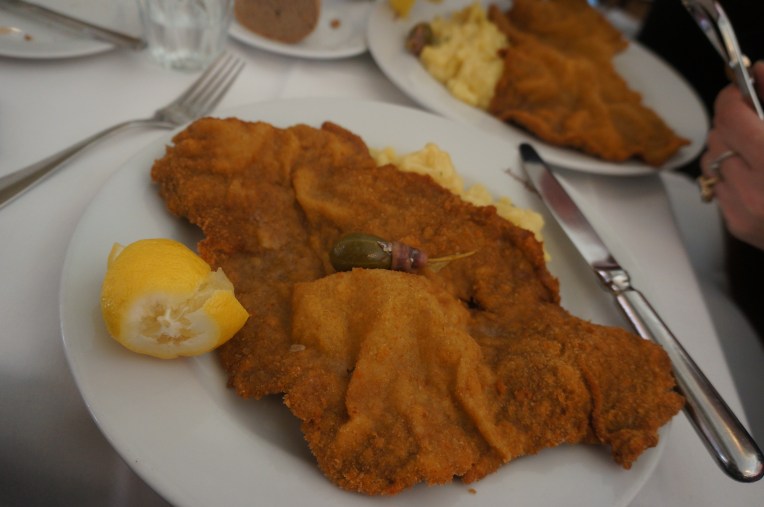
Berlin can amaze you with the best Vietnamese cuisine – but it can also make you fall in love with German’s national pride. Wiener Schitzel, hello! I’ve never been a fan of this specialty, however the one I ate at Borchardt changed my view on this usually unattractive way of meat serving. The Borchardt looks back on a 150 year long history, being one of the oldest restaurants of the German capital. In the past, it supplied the Kaiser in the Wilhelmine era, went on to survive the Second World War and the city’s division by the Berlin Wall – so there is no possible way that this place could have dissapointed. Although you might think that Bochardt smells with antique, it surprisingly looks quite modern thanks to perfect restoration, while the marble pillars and an original Byzantine-style enthrone give this one-of-a-kind spot a spirit which you won’t find anywhere else in Berlin.

Franzosische Straße 47 / Berlin

DSC03585

DSC03584

DSC03590

DSC03587

Zenkichi Berlin

DSC03483

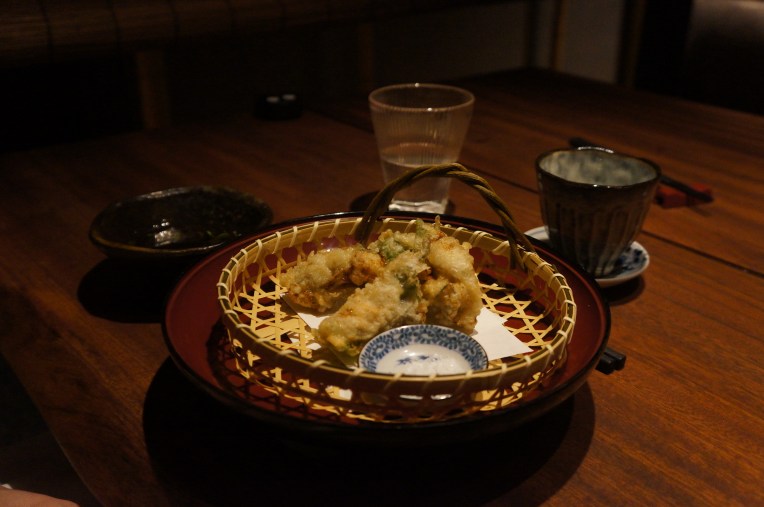
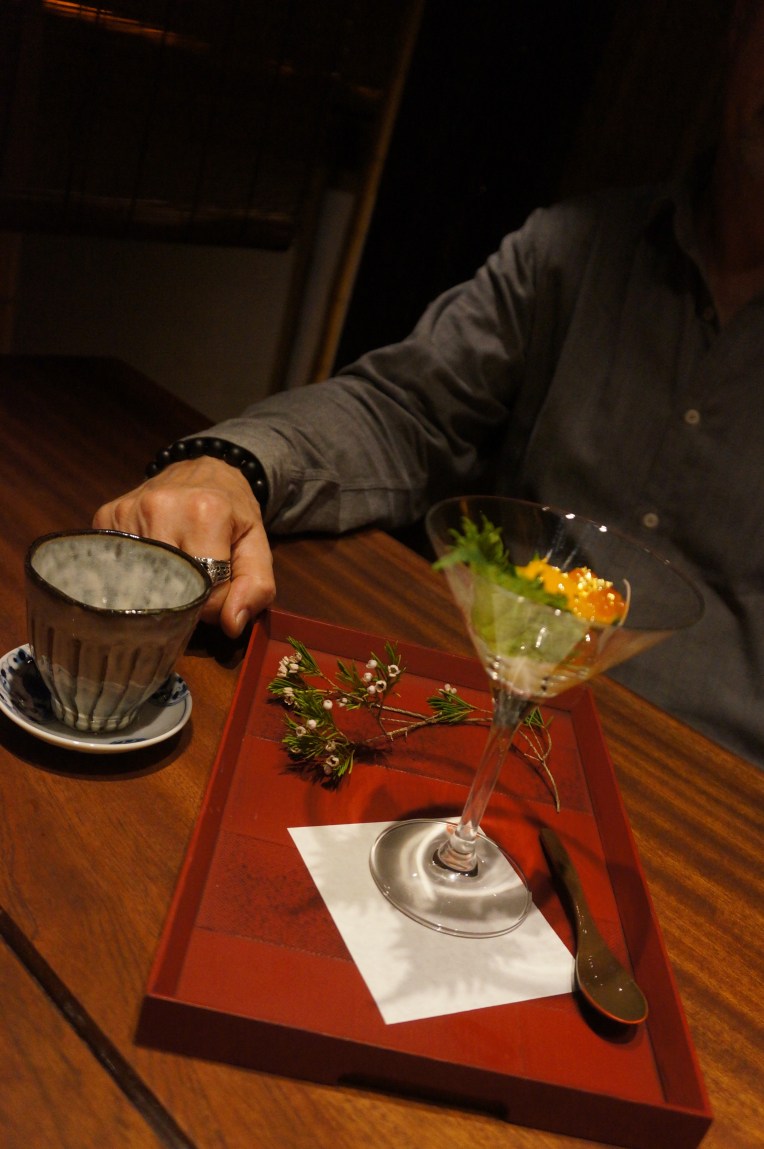
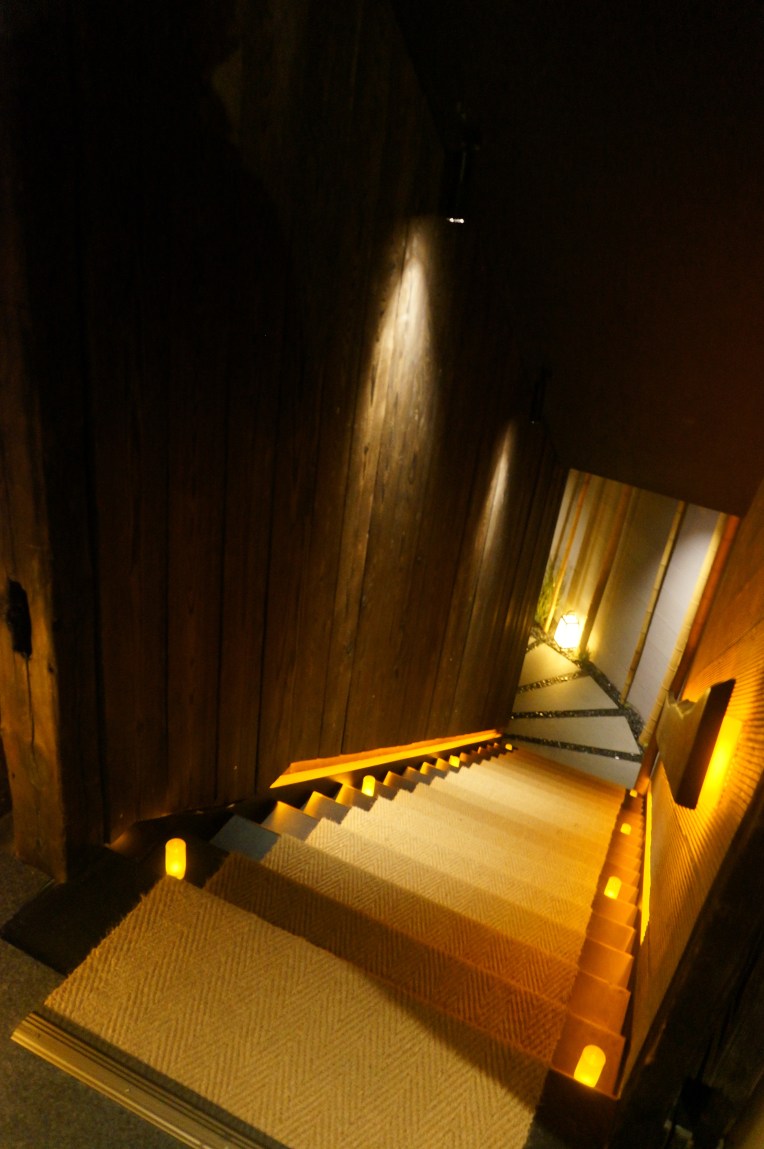
There is a widespread affiliation that if a restaurant serves Japanese cuisine, then it should have sushi in its menu. However, Zenkichi restaurant in Berlin is an exception, as they call themselves a Japanese brasserie – so, there is a focus on variety of Japanese dishes, which is often missed in other “Japanese” restaurants. Zenkichi experience starts at the very entrance to the place – it’s literally a bamboo maze, and every table is hidden in traditional, slightly lighted mini-rooms, with blinds which are put down by the waitress. In other words, I was quite sure that this is what you feel in this type of place in Japan – intimacy, tranquility, peace. This foreshadowed only the good, and indeed, my intuition was right.

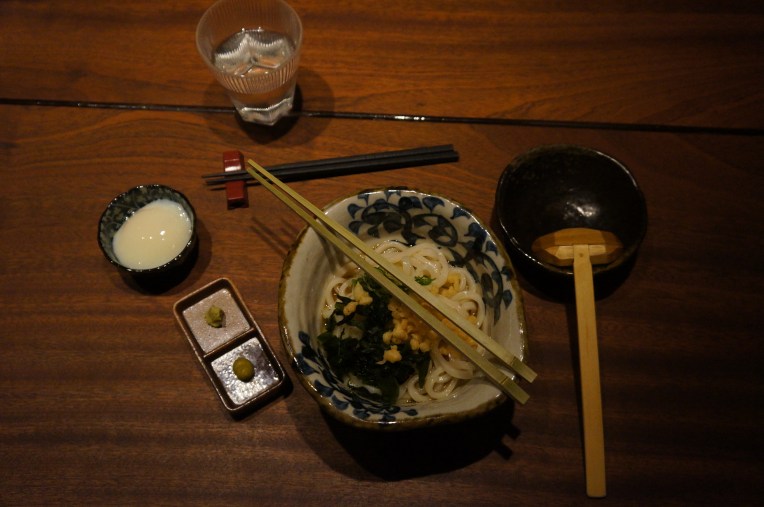
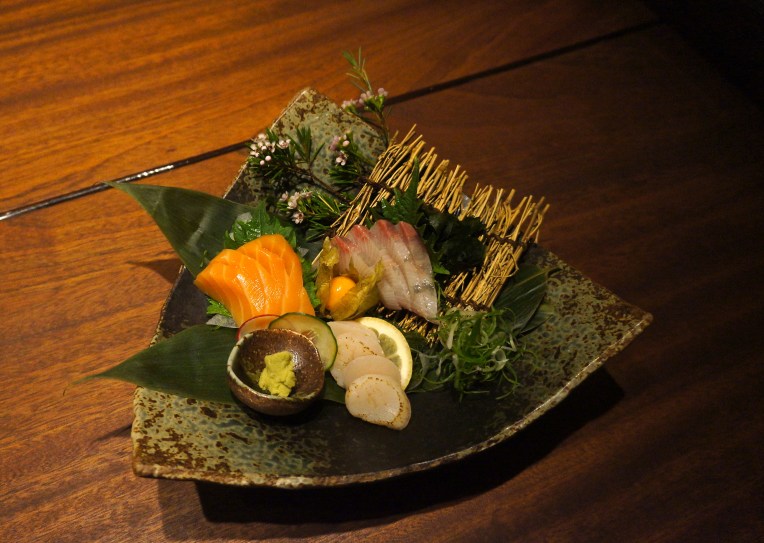
The food, served like art, was unbelievably… I don’t how to describe this level of deliciousness. Their seasonal small plates, which are popular among Tokyoites, are recommended to share, while emphasis is put on Omakase (chef’s tasting menu) – it changes every season to showcase the best fish and vegetables available in the market. During my last visit to Zenkichi, I ordered three dishes – sashimi  of fish of the day (salmon, scallop and yellow tail tuna), thinly sliced organic beef tataki served with soy sauce and the one and only hiyashi tsukimi udon – my favourite. This one is quite sophisticated, though – udon noodles in bonito dashi broth, with wakawe seaweed, a soft organic egg (!) and wasabi. Served chilled. Heaven, noting that I’m a number one fan of Japanese pasta!

Drinks are as important as food at Zenkichi, with its rich assortment of rice wine and Japanese whisky. The menu of sake is long, and Zenkichi specializes in junmai, so the pure-rice ones. The free-of-additives sake is initially served cold, however Zenkichi believes that the warmth of the drinker’s hands makes the taste “blossom”, like a cherry tree. Myth? Nope. I totally agree with them, after trying myself.

DSC03481

DSC03489

DSC03524

DSC03520

DSC03522

DSC03497 2

DSC03507

DSC03503

DSC03490

If you’re in Berlin, and you are obsessed with Japanese cuisine just like me (but want to try something more than sushi, though) – Zenkichi is the place for you. A must, if you ask me!

Johannisstraße 20 / Berlin