
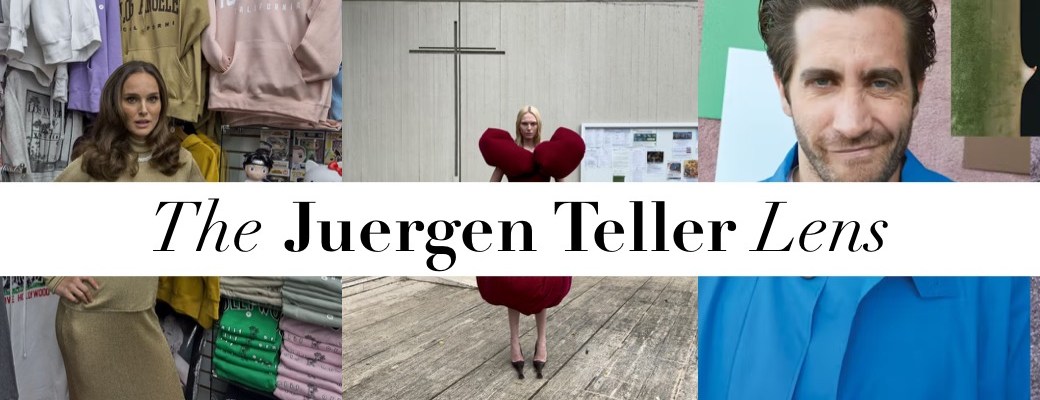

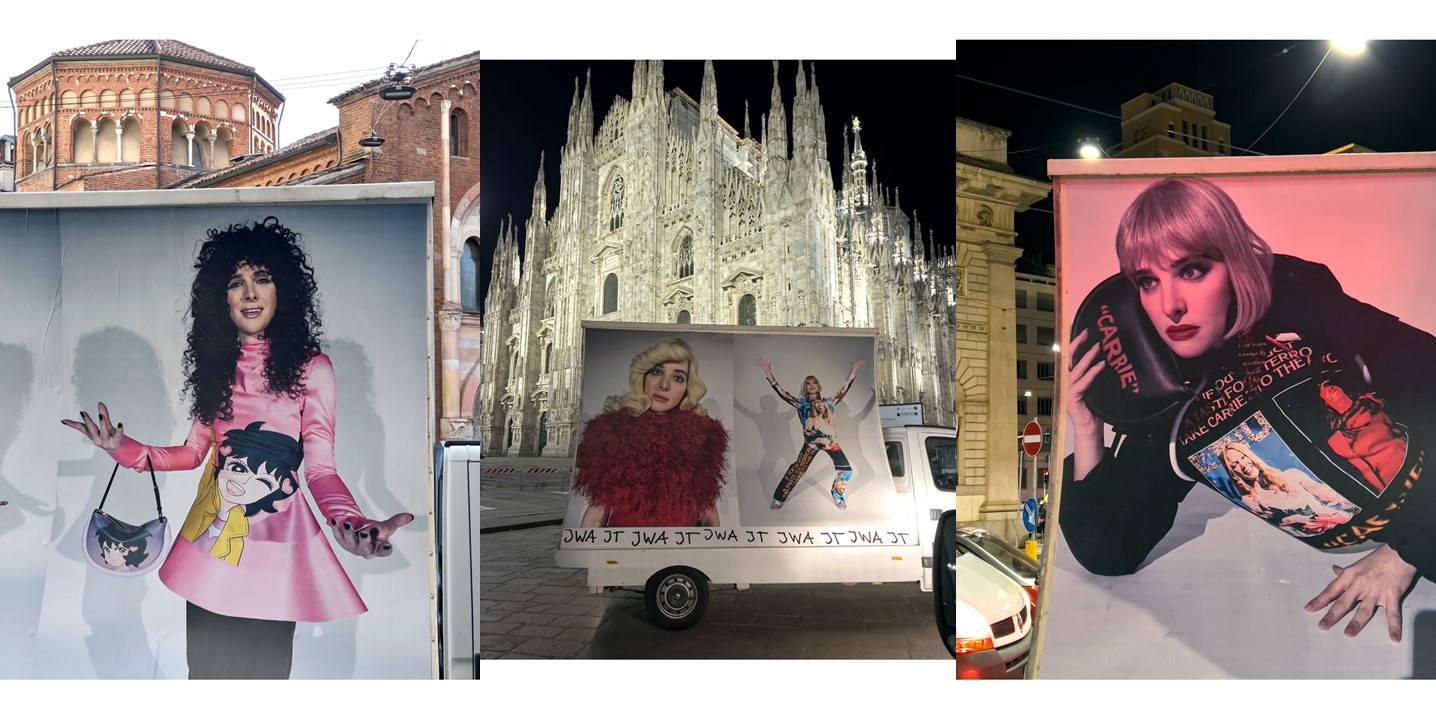
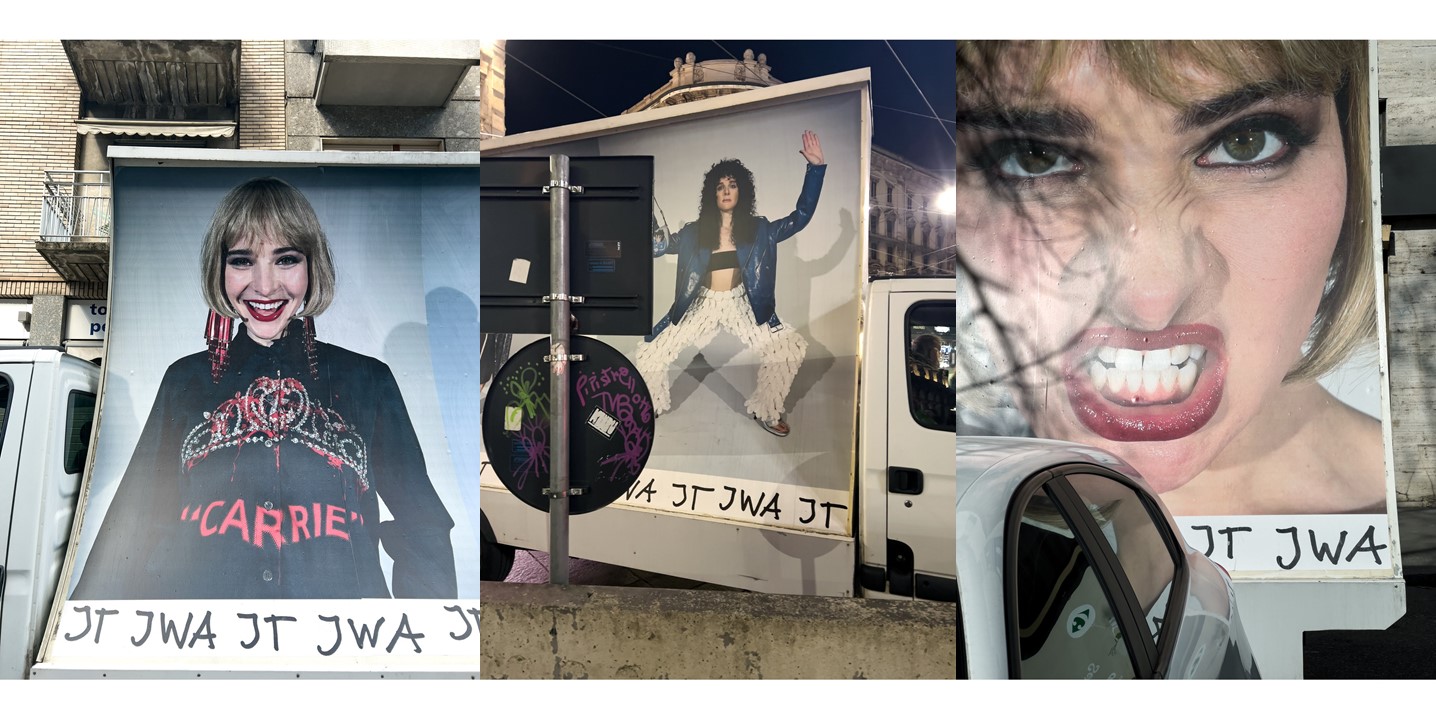
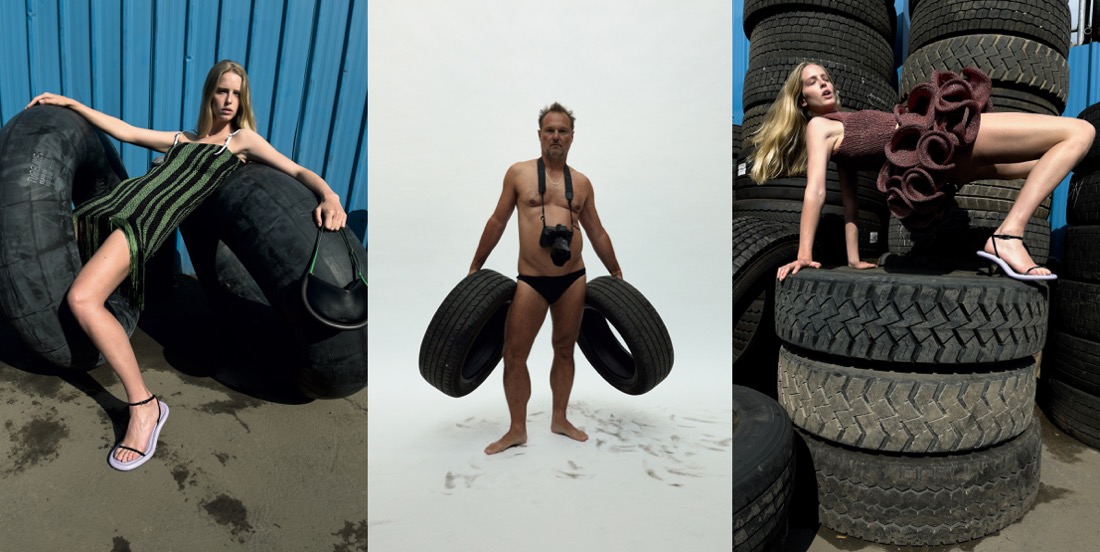
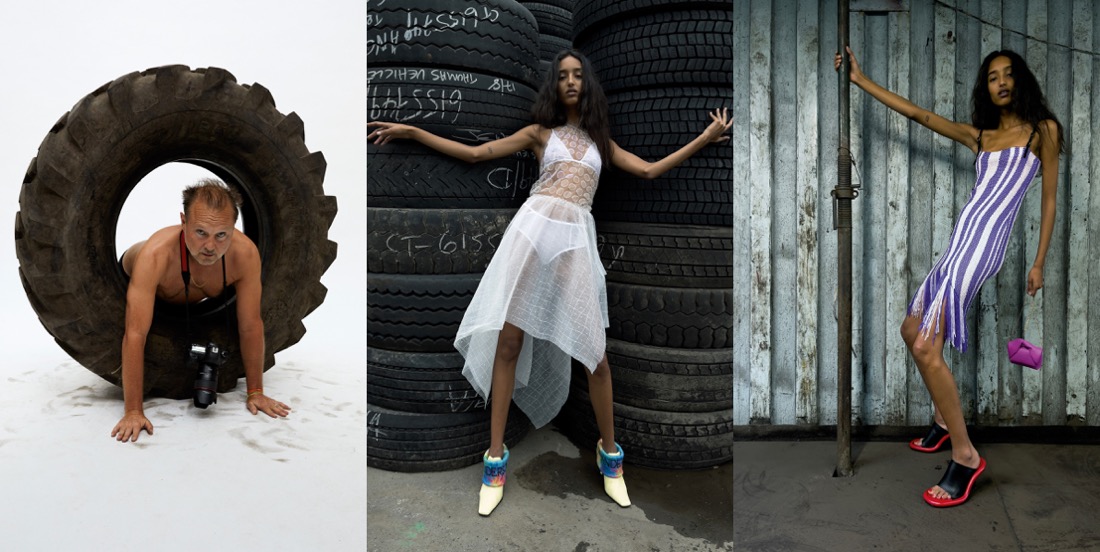
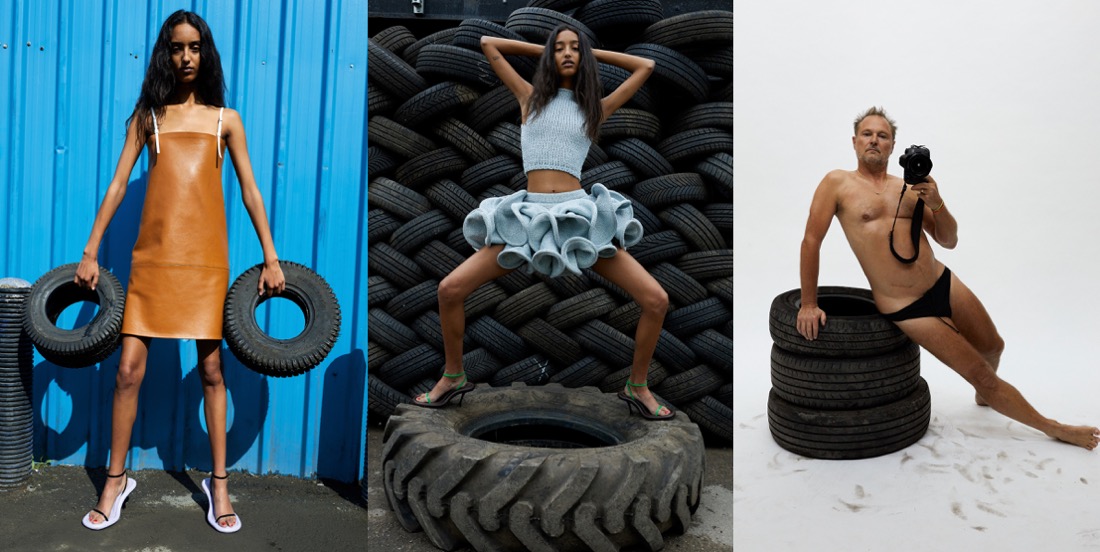
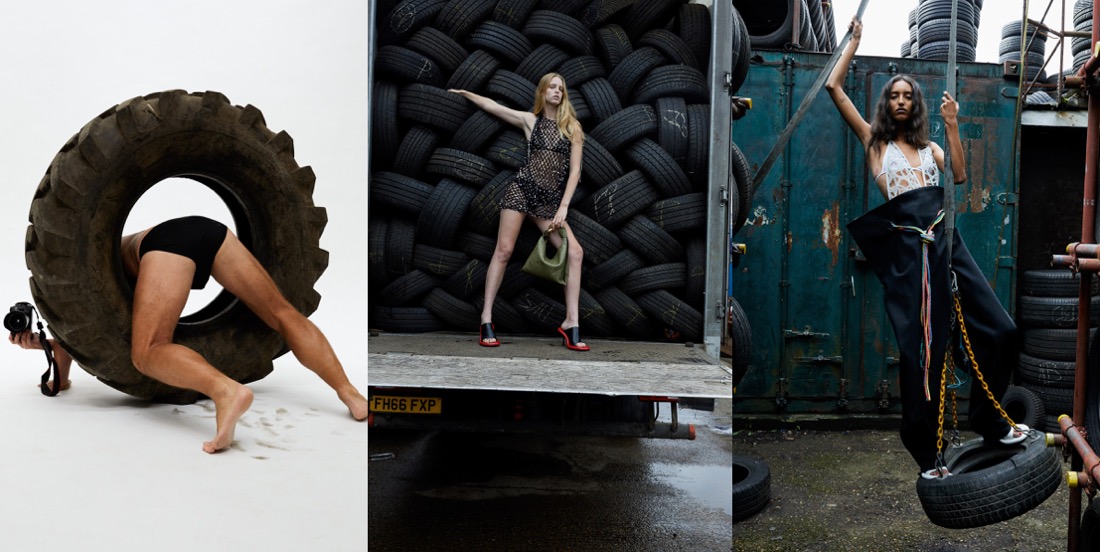
Juergen Teller’s work inspires me a lot: layout, composition, spontaneity, the “if I love it, I don’t care if others hate it” attitude. To celebrate Harper’s Bazaar “The Jubilee Issue” edited by Teller and his creative partner, Dovile Drizyte, I thought of sharing a more academic outlook at his oeuvre. How about some art history perspective on the body of work of one of the most controversial (and adored) photographer of contemporary times?
The Juergen Teller lens: raw, honest, real.
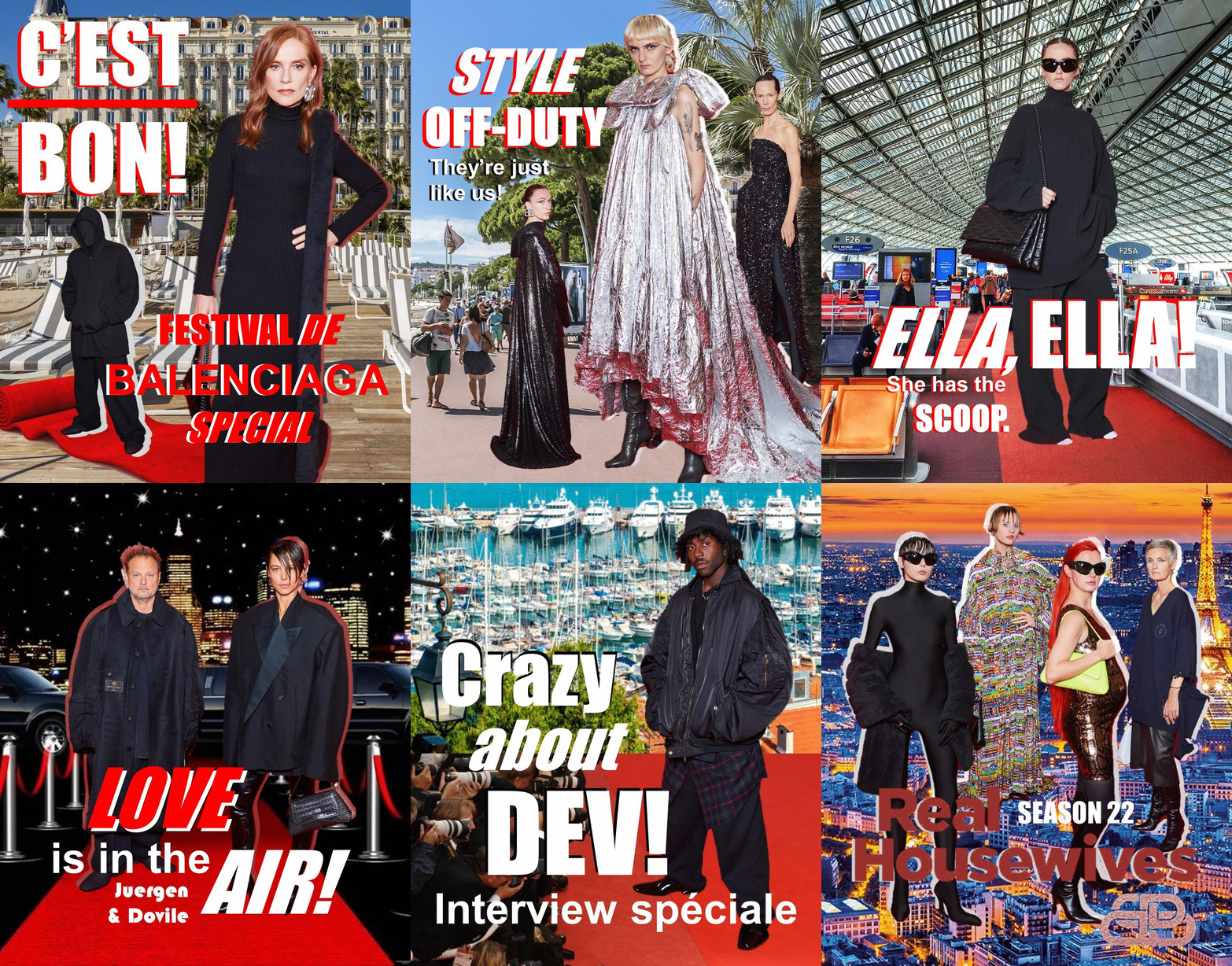
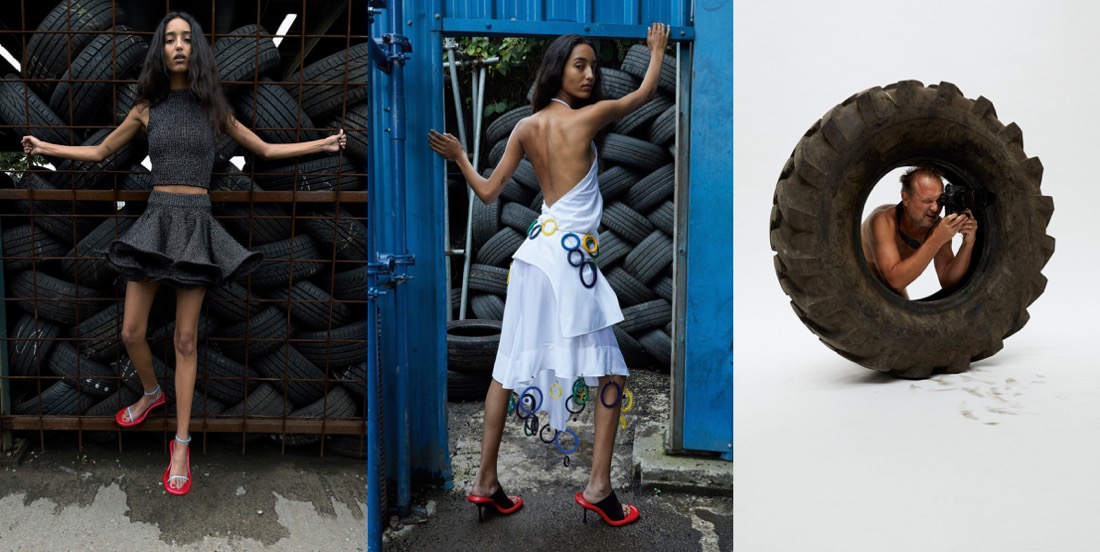
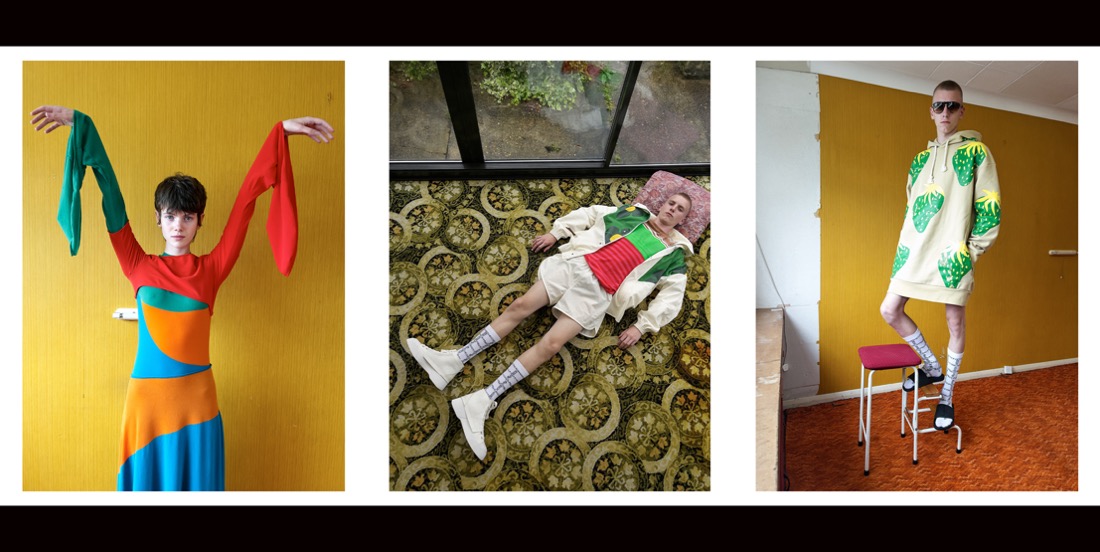
Juergen Teller, contemporary German fashion photographer, is known for his groundbreaking approach to fashion and celebrity photography. His working tool is often a basic, compact analog camera or a smartphone. Teller’s artistry lies in the fact that he deliberately does not use professional cameras, does not use professional lighting and does not allow his photos to be retouched by the publications in which they appear. What’s more, when taking photos, the photographer is not interested in the styling of the model or the scenery surrounding them. “Rawness” is the term used to best describe Teller’s work as well as his unprecedented way of working.
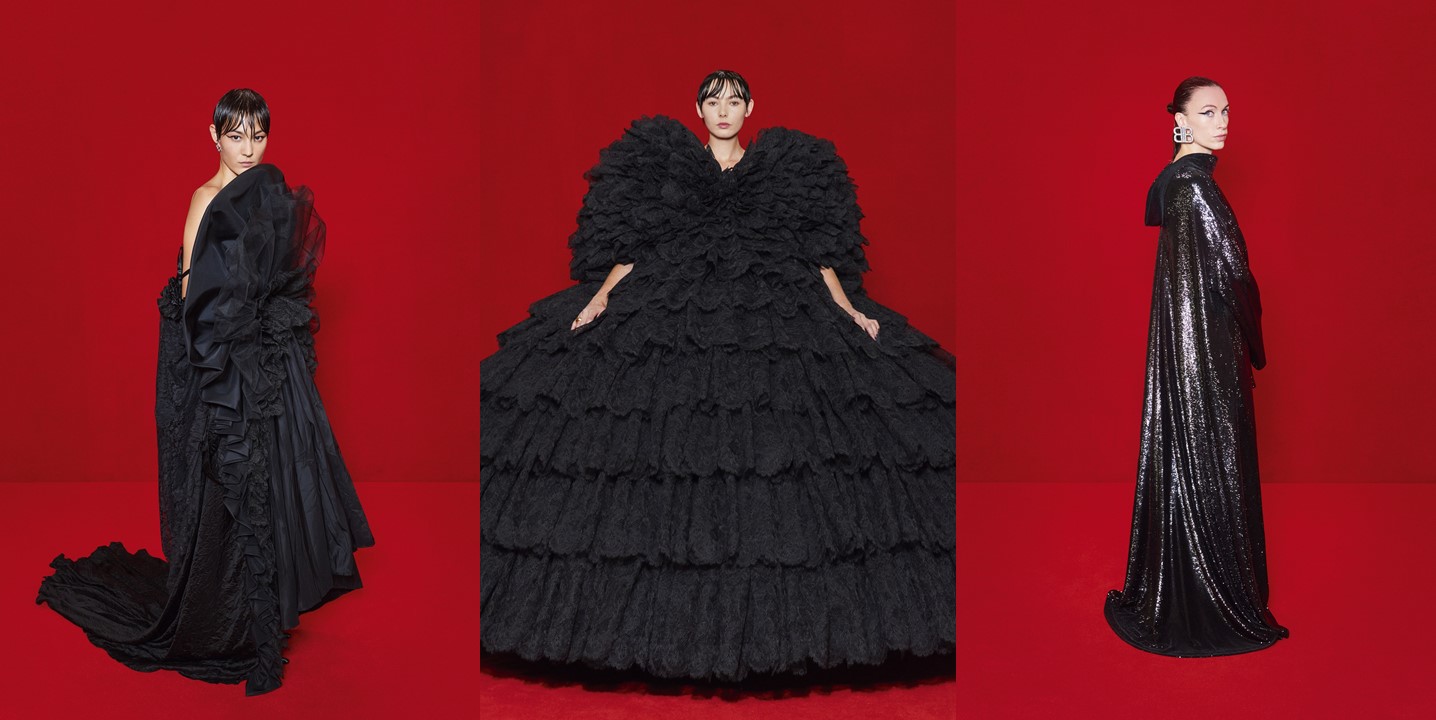
Behind this “rawness” is another key concept: “honesty“. Working for decades with the most prestigious fashion houses (such as Céline, Chanel and Marc Jacobs) and creating advertising campaigns for them, Teller captures fashion in a brutally “honest” way, even “ripping off” the envelope of glamour and exquisiteness to which modern-day consumers are so accustomed. The German photographer was one of the first artists to break with the aesthetic conventions practiced in the image-making of the fashion industry. In his photos, Teller depicts reality in a direct, non-aestheticizing way, emphasizing and relying only on the model’s personality. It is the model captured in the picture that is the subject of the photo, not the advertised garment. “Juergen photographs in a very physical way. By taking a picture, he is actually penetrating you,” explains Johann König, a contemporary art collector and curator. “Anyone who allows themselves to be photographed [by Teller] is in some way putting themselves on display. This is what Juergen is playing with”. The same is true of the German artist’s series of photographs, which I will discuss.
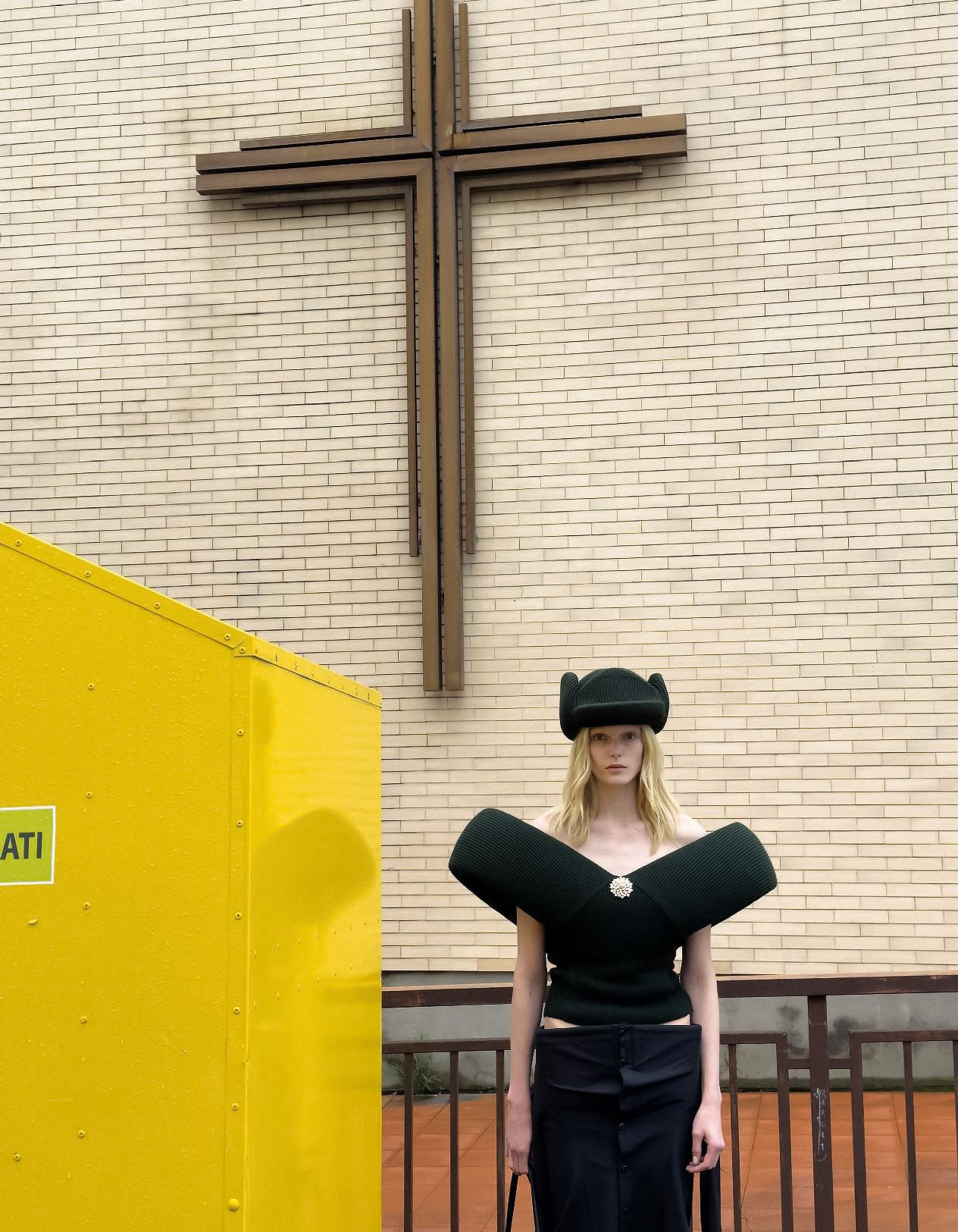
An on-going collaboration between Teller and W Magazine showcases portfolios featuring the most talked-about actors of the current awards seasons. The 2021 editorial (taken during the COVID-19 pandemic) is a series of photographs that has stirred up an unusual controversy among Internet users. As one might expect from Teller’s photographic style, the actors were not captured in glossy interiors or fancy settings, but in much more “real” moments: in supermarkets, city parking lots or neighborhood playgrounds. Actors, usually seen through the prism of retouched magazine covers and posed red carpet photos, were portrayed by Juergen Teller as ordinary, “accidental” people who faced the photographer’s lens without much thought. In these seemingly spontaneously taken portraits, film industry representatives lean against cars, lie on sidewalks, and some even sit on tree branches, which may seem simply amusing or even comical. Wrinkles are visible on the actors’ faces, and their outfits are not perfectly matched, some are even crumpled.
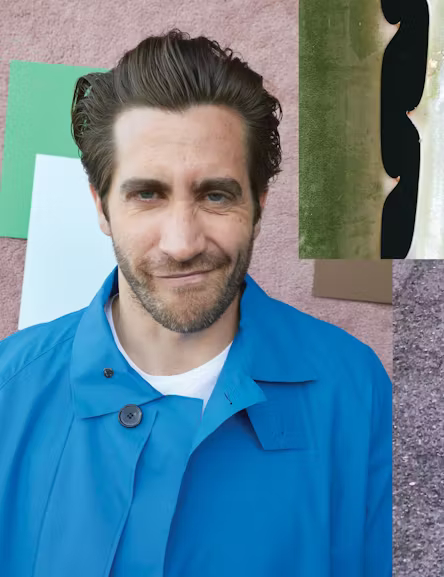
Internet users collectively judged the photos as an example of the photographer’s “laziness” and the result of a lack of “artistic” vision. Hundreds of memes have been created comparing the photo shoot to unfortunate shots of celebrities taken by pushy paparazzi who invade their privacy on a daily basis. A significant portion of the recipients of the photographs published in W Magazine strongly expressed their disgust that these well-known, adored, even idolized figures of the cinema world were portrayed by a German photographer in such a direct, candid and “real” way.
The photographs in question represent a non-obvious attitude toward the notion of photographic “truth”. During the interwar period, a myth of photography was created that no longer resonates, for the most part, with modern audiences overawed by the visuality of the Internet. According to the 20th-century view, photography, through its ability to capture reality in a seemingly unadulterated way, should reach everyone and be accessible to all. Behind this myth was the hope that since photography was so accessible, it should carry through its content photographic truth. Roland Barthes, in his text entitled “Mythologies“, pointed out the widely held belief that photography does not lie. In “The Photographic Message” (1961), the theorist observed the ideological, myth-making dimension of press photography, creating a seemingly “natural” and “true” picture of the world for a mass audience. John Tagg, author of “The Burden of Representation” (1988), proposed a theory that photography has a rhetorical and ideological function, as it serves to shape social beliefs under the guise of naturalness and neutrality of the visual message. Tagg also pointed to the privileged status of photography as a testimony to truth, seen as an instrument of the “regime of truth“. However, in the case of today’s state of photography, especially that dedicated to entertainment and commerce, the viewer is not interested in “truth.” Their attention span is insensitive to the “natural” (equating to “neutral”) way of conveying content. The contemporary viewer excepts from a photograph that depicts e.g., a movie star, first of all, shocking, immediate, somewhat violent impressions that also affect the senses. Only then such a photo of a celebrity becomes a kind of “screen onto which the viewer can project his or her own aspiration or fantasy”, explains Caroline Evans in “The Mechanical Smile” (2013).

Juergen Teller’s photographs, although they depict famous actors, do not fulfill the role of “screen” of which Evans writes. The photos emphasize naturalness, by being devoid of deliberate aestheticization, especially that understood in the context of canonical fashion photography (the Teller photos in question are technically far from the sublime portraits of Hollywood stars taken by Horst P. Horst, Irving Penn or Richard Avedon). Interestingly, the German photographer’s photos under analysis are largely devoid of the “commercial aspect” of fashion photography that Rosetta Brookes writes about (“Fashion Photography: The Double-Page Spread”, 2017), as the fashion depicted in them (branded clothes worn by celebrities) becomes entirely secondary and undervalued. Walter Benjamin described photography depicting fashion (which he equated with advertising photography) as “arranged”. Teller’s series of photographs also escape this classification, as the actors’ portraits are “as if” unposed, spontaneously taken within seconds, without additional framing or post-production retouching.
The works of Teller under discussion are actually closer to press and documentary photography than fashion photography, due to their nature. To some extent, they are reminiscent in their essence of Spencer Platt’s (in)famous photograph titled “Wealthy Lebanese go to look at a devastated neighborhood, April 15, 2006 in southern Beirut“.

The judges of the 2007 Worpress Photo Award recognized the photo as showing “the complexity and contradiction of real life in the midst of chaos“. However, it turned out that the story that viewers attributed to the photo was not true. Bissan Maroun, one of the women seated in the photographed convertible, explained to Spiegel the captured situation in this award-winning photo. She and her companions in the photo were from the devastated neighborhood to which they returned after a brutal bombardment by Israeli forces. Like many other residents of the neighborhood, they fled to a nearby shelter for the duration of the military attack. On the day of their return home, they borrowed a friend’s car (a luxurious-looking convertible) and lowered the roof due to the prevailing heat. “Everyone reacted: it must be those rich Lebanese visiting a poor neighborhood like a tourist attraction,” Bissan said. “But this is completely untrue”. The photo, the story associated with it and its media reception prove that even if the photo communicates a kind of “photographic truth“, this truth may have absolutely nothing to do with reality. The shot, through its reporter credibility, gives permission to be distorted or redefined at will by the viewer. In Platt’s case, ordinary civilians were captured in an extraordinary way, which, combined with the imputed political and social context, caused controversy in the audience. In Teller’s pictures, there is a similar tension: well-known personalities, who in the viewers’ perception should be portrayed sublimely, were shown in a non-specific, too banal way.
It seems that Teller is playing with the photographic “virtue” that is truth. Spectators of Hollywood glorify and thus dehumanize celebrities because they see them through the prism of orchestrated, unrealistically posed photographs. In the lens of the author of these photographs, Oscar and Golden Globes-nominated actors are captured in seemingly natural, real and even random moments from “real” lives that are known to “ordinary” people. Juergen Teller’s controversial portraits pull Hollywood stars out of the refined, idealized environments associated with them, and remind us that actors are people too.

Text by Edward Kanarecki.
Don’t forget to follow Design & Culture by Ed on Instagram!
Hey, did you know about my newsletter – Ed’s Dispatch? Click here to subscribe!













 Design & Culture by Ed