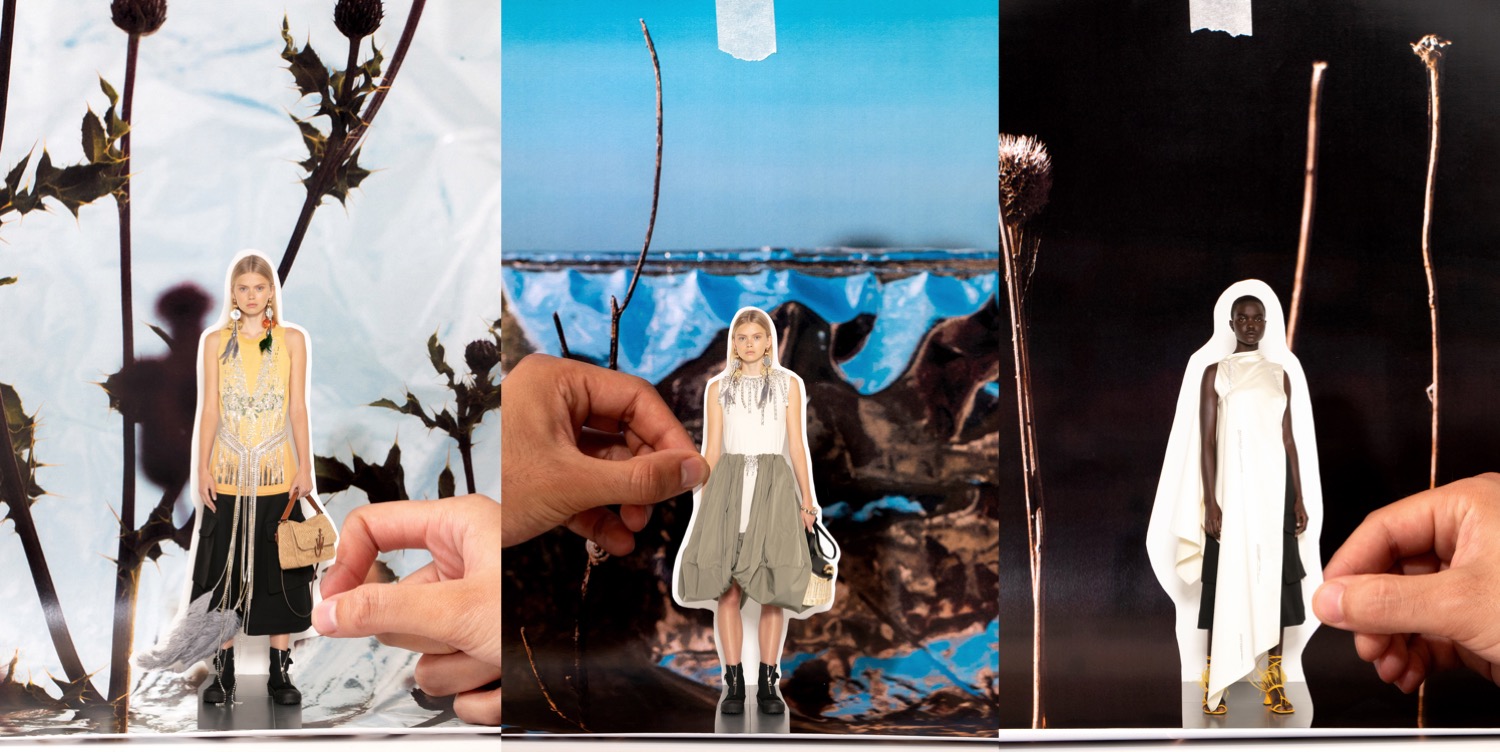
For The Outside. Cecilie Bahnsen SS21

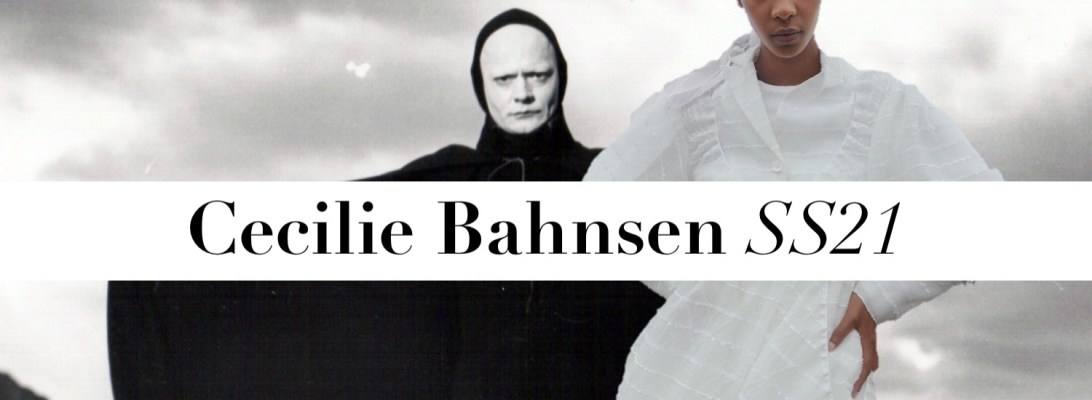
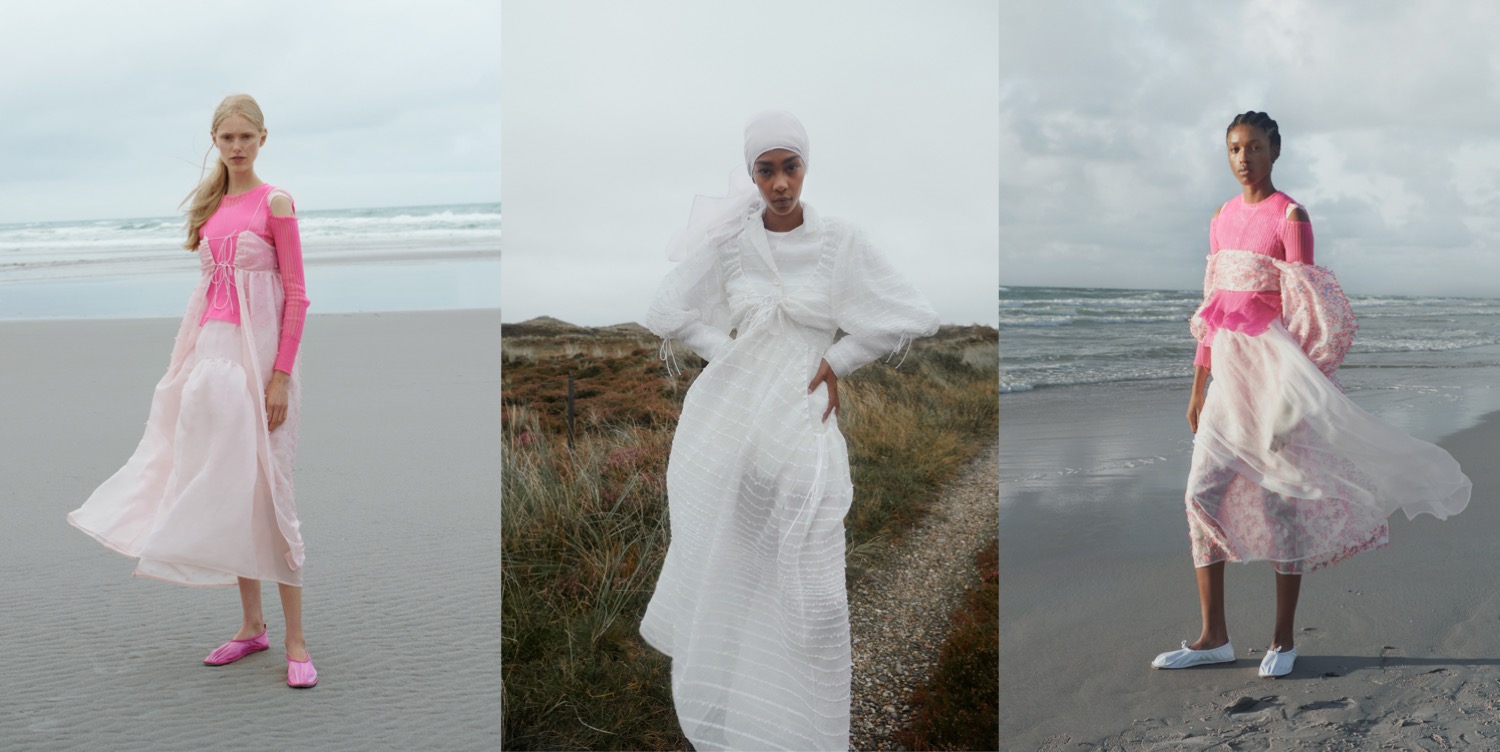
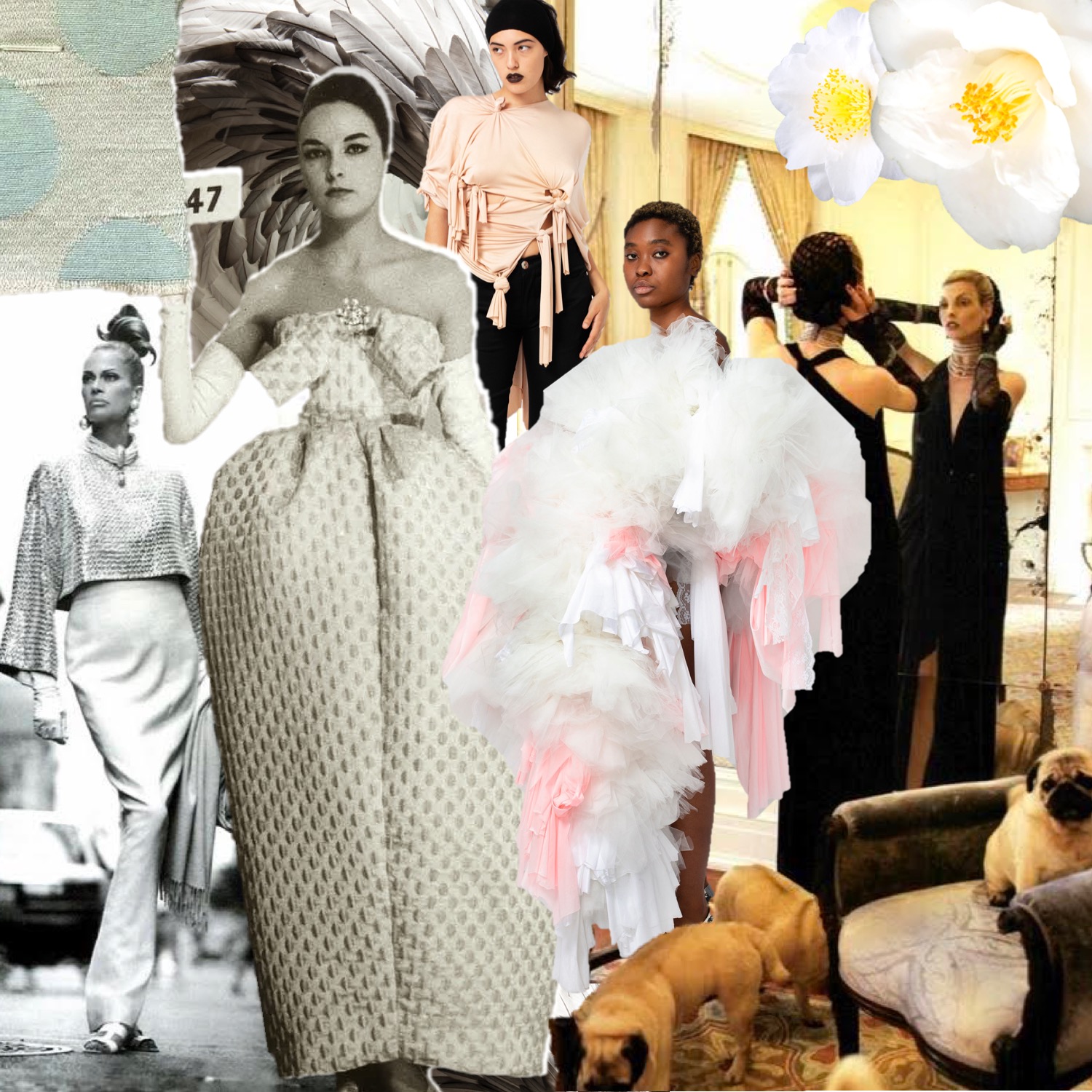
Like many designers this season, Cecilie Bahnsen decided to switch from her home-base (Copenhagen) to Paris. No wonder why, noting the circumstances, it’s the only place where the buyers are heading to – if they still can. This is a very brief collection, presented as a look-book, which rotates around Bahnsen’s distinct signatures. The designer wandered a lot through quarantine, not only in her hometown, but also in her imagination. When she began to think about the direction for her spring-summer 2021 collection, she visualized a woman on a journey across a natural landscape. Bahnsen cited a famous Danish painting by the artist P.S. Krøyer, which depicts women walking on the beach in the town of Skagen. Her designs this season are indeed fanciful: dreamy wandering clothes for women gliding through the current limbo state of the world. Bahnsen, with her billowy textured silhouettes, acknowledges that beauty can lift our spirits up and push us forward during dark times. That optimism was illuminated in some of her newer pieces, like a soft, sheer green 3D sequined dress and hot pink knitwear layered over organza frocks. Everything she made this season was designed to be moved in. The beads and sequins, she said, were placed to make subtle sounds and shine in the wind and sunlight. Bahnsen also added to the mix practical sweaters and a classic raincoat, which she created in her second collaboration with the British outerwear brand Mackintosh. These clothes would most definitely turn heads if they were worn on a typical weekday stroll.

Collage by Edward Kanarecki.

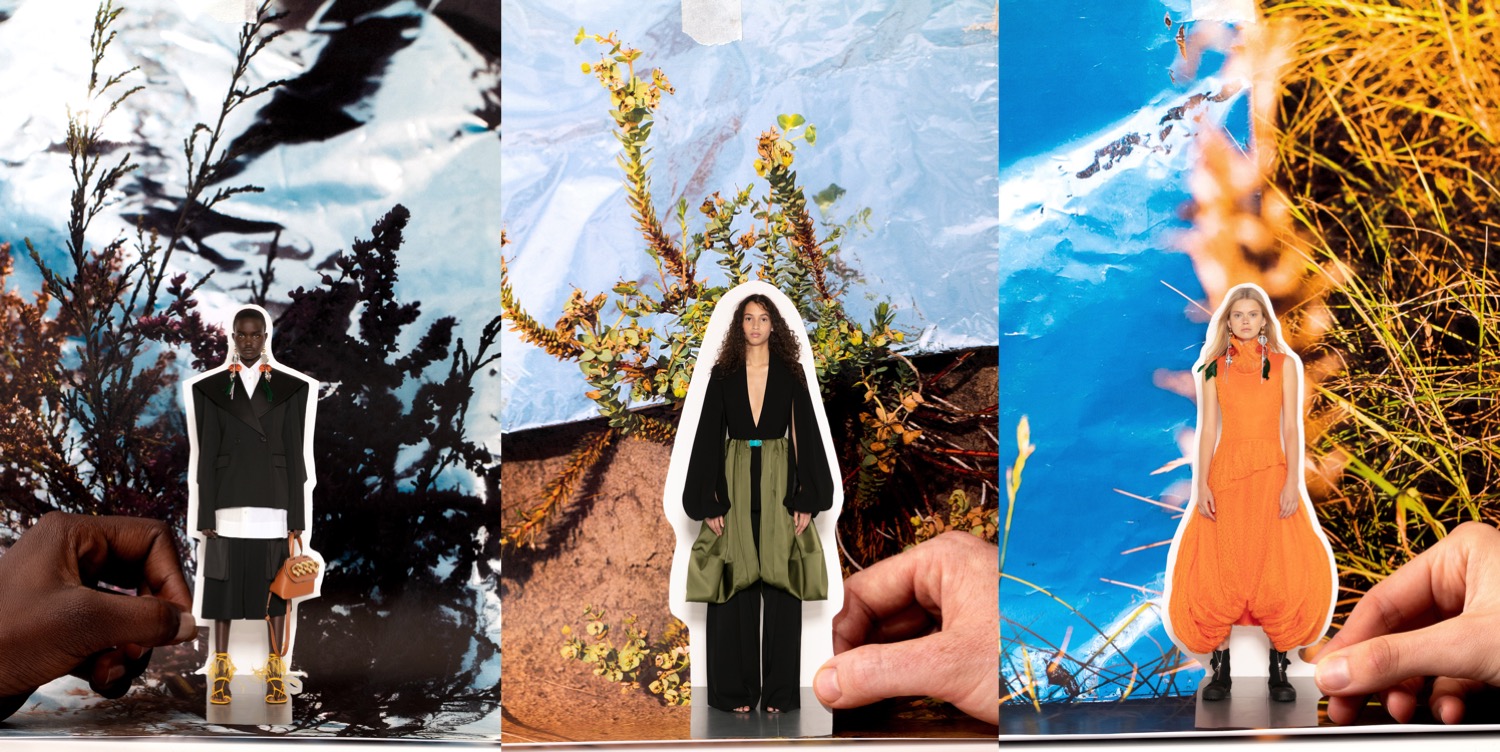
Amor Fati. Marine Serre SS21

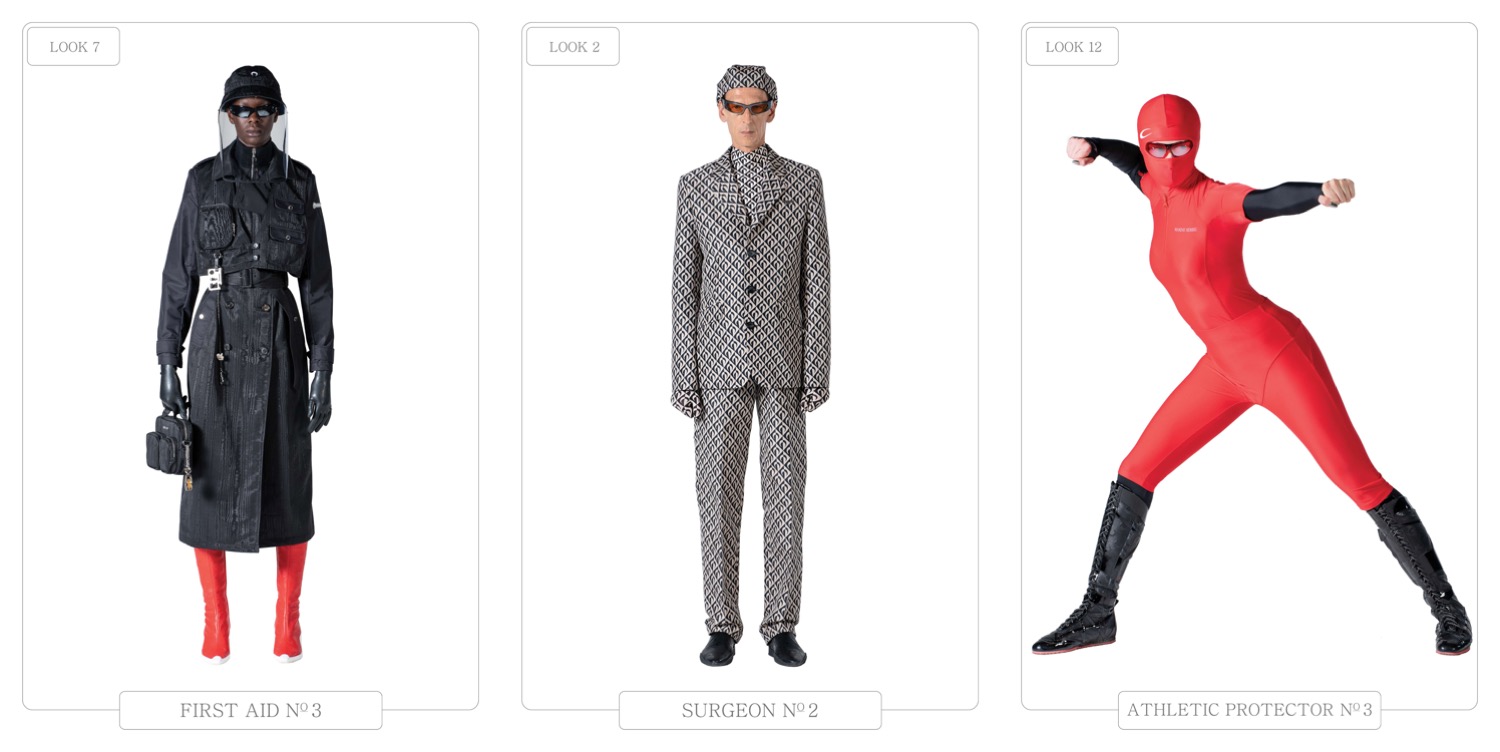
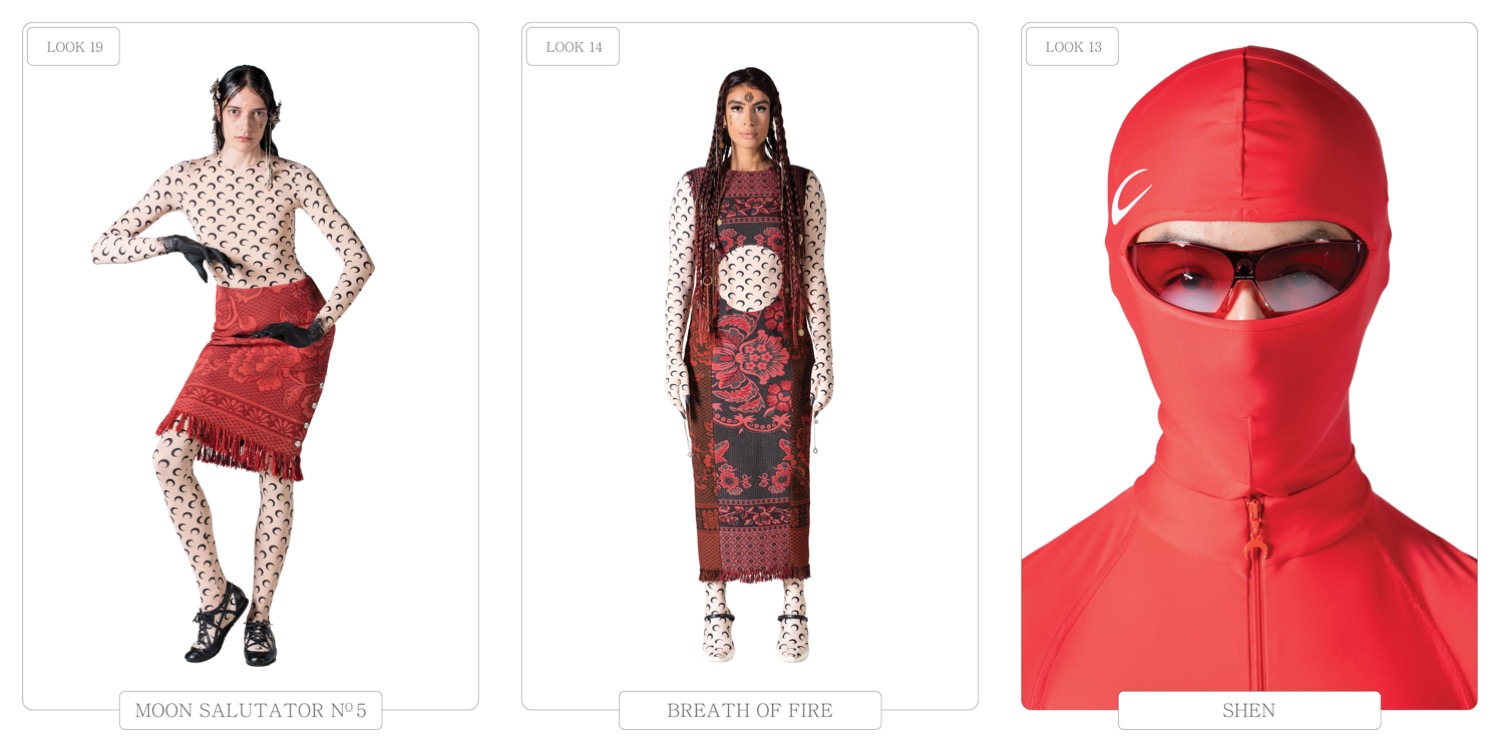
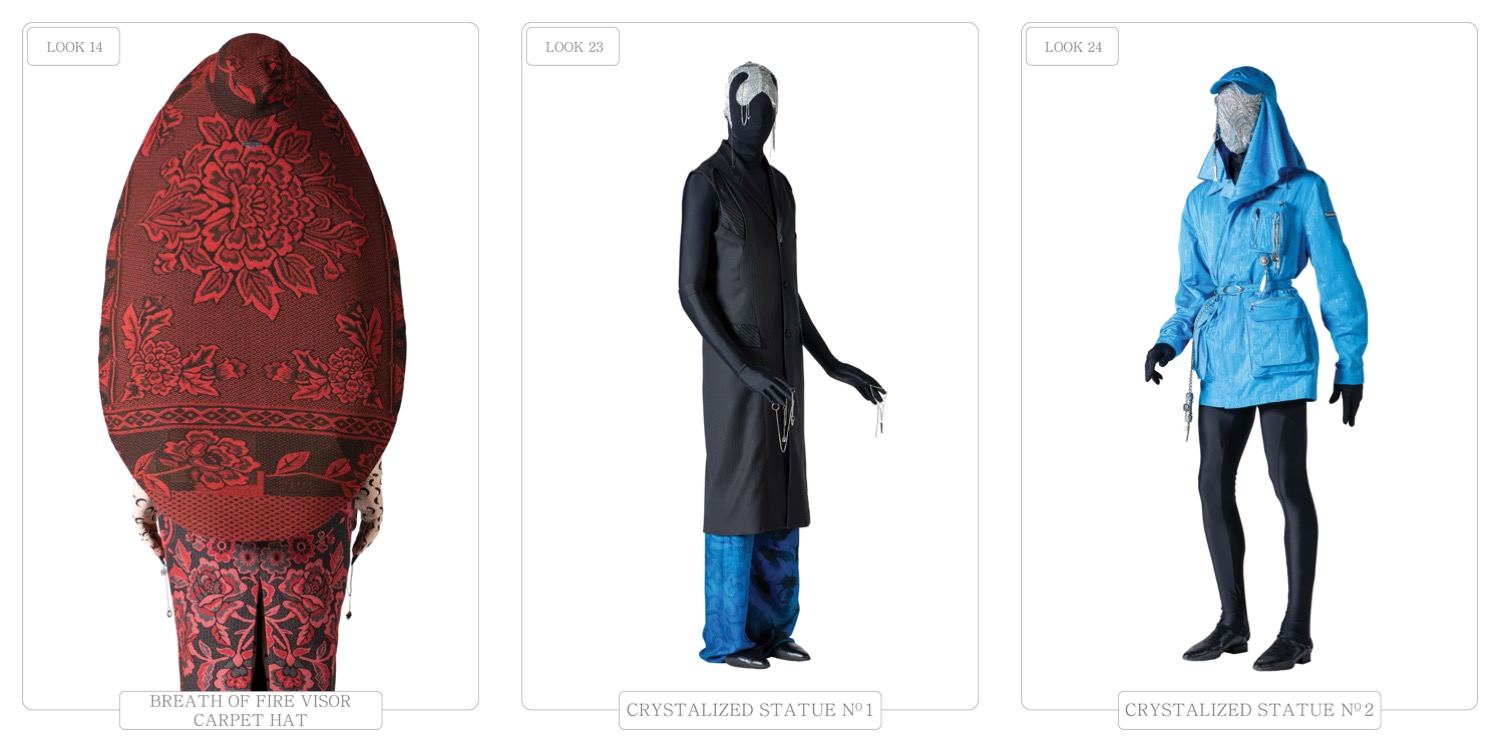
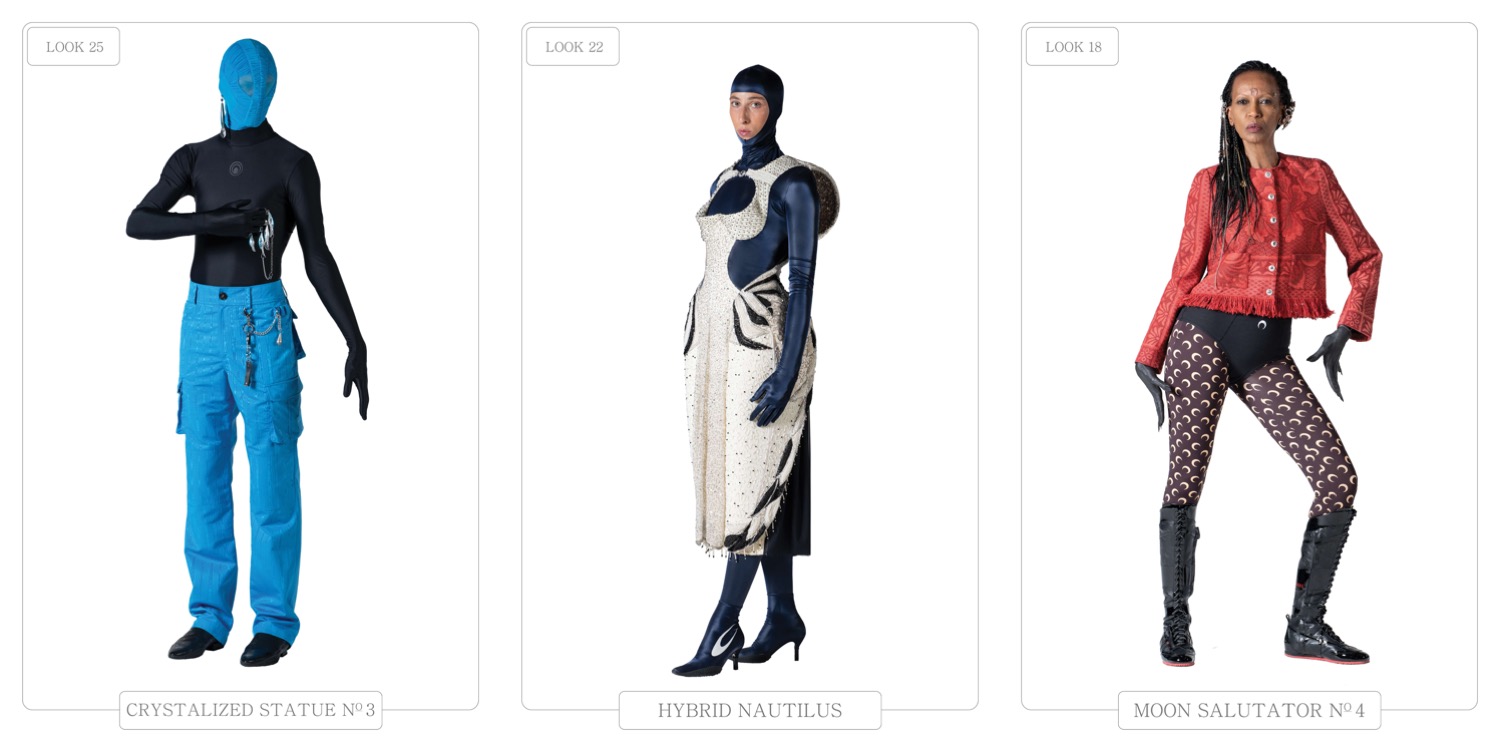
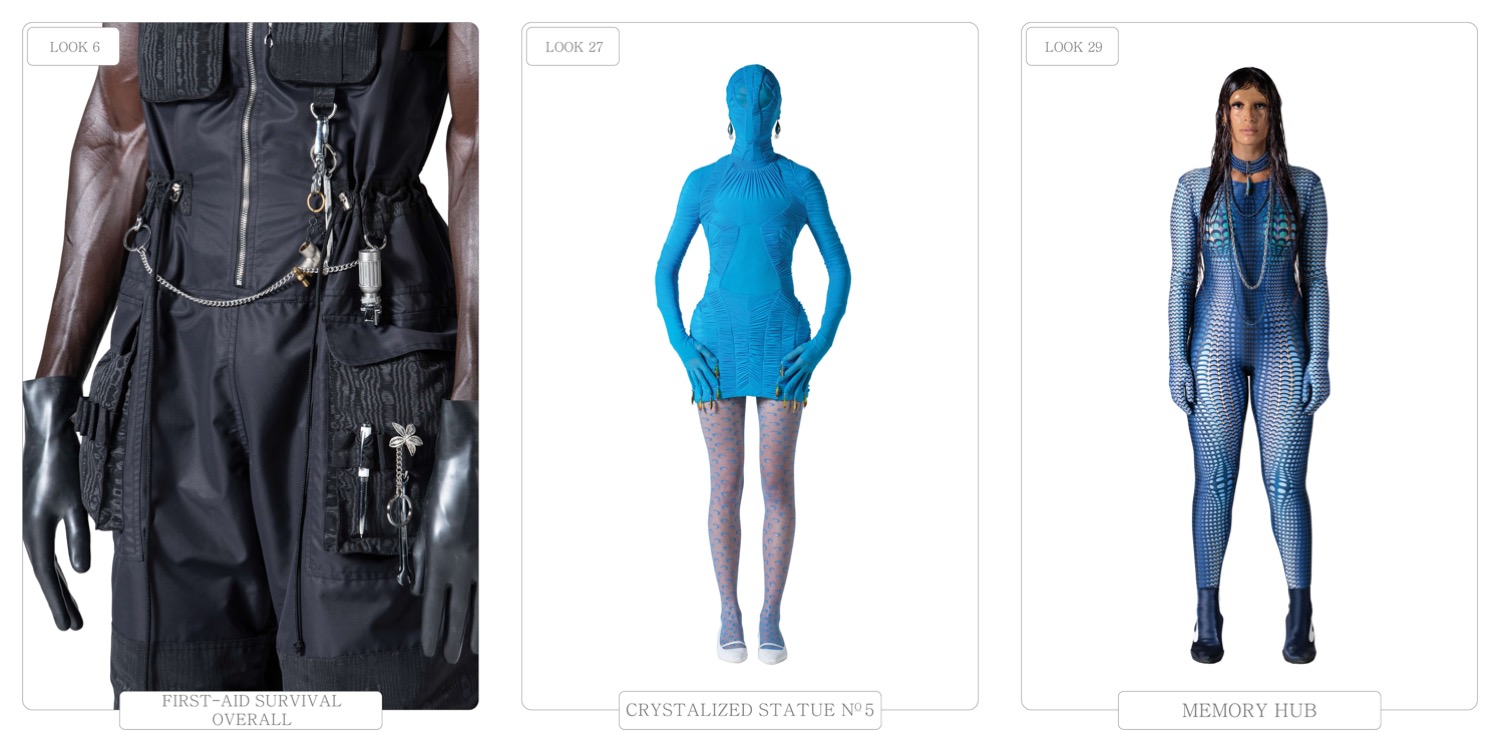
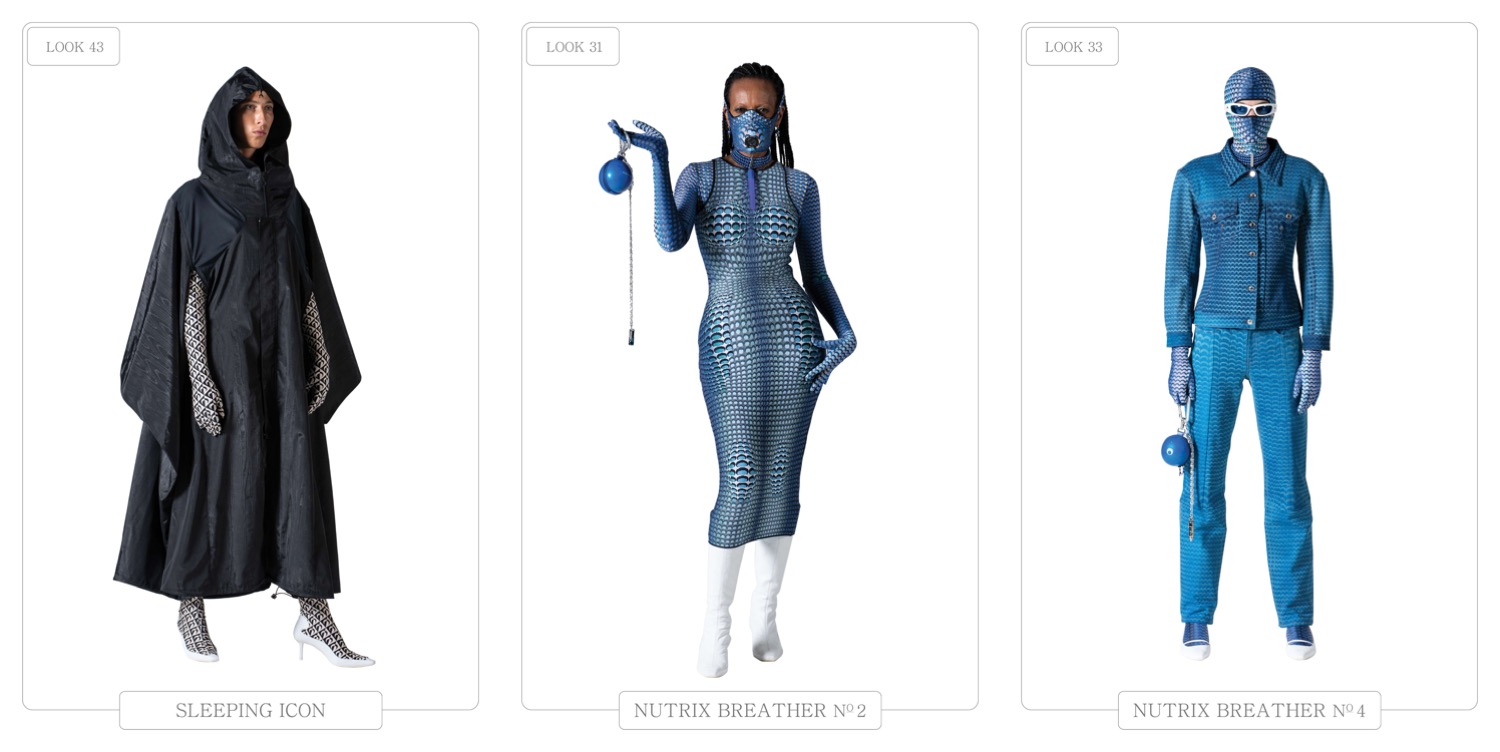
If there’s one designer that took wearing a mask (and covering your face in general) or protecting your hands seriously in times of corona, it’s Marine Serre, the queen of dystopia-foreseeing in Paris. Even though some of her spring-summer 2021 looks seemed bizarre and quite ridiculous, that’s a line-up that literally reflected the present circumstances. The collection has two main focus points. Firstly, the movie, titled Amor Fati, that she made with directors Sacha Barbin and Ryan Doubiago and composer Pierre Rousseau. The short film is compelling. It’s both unsettlingly dystopian in its depiction of menacing clinical interiors and Dune-like acrid skies and emotionally affirming in its choreography of human kinship and community. Two people, the Iranian-Dutch singer Sevdaliza and Juliet Merie, Serre’s good friend and long-time collaborator, interact with a series of people from intense worlds, who are clothed in the collection’s second-skin face-shielding bodysuits, sapphire and cobalt blue utility jackets and cargo pants, and sharply delineated tailoring rendered in a covetable new lozenge jacquard version of her leitmotif crescent moon. And, secondly, Serre mentioned that she had been thinking about how bike usage is up by 30% in Paris, the city that she calls home. Serre’s upcycling experiments led her to work with carpeting, using it for tassel-edged skirts, shorts, and half-zip anoraks, the fabric’s almost baroque decorativeness in stark contrast to the functionality of the pieces it’s used for. That’s where that Parisian bicycle usage came in. For all Serre’s marrying of cerebral impulse and craftsmanship, she’s also deeply pragmatic. “You don’t need a midiskirt if you can’t bike in it,” she said. “You need to be able to function in the clothes, otherwise you might as well just wear a tee and jogging pants.” That sense of using creativity to inform her realist’s view of the world could also be seen in her accessories, what with the whistles, bottle openers, and a cape-like visor, also made from the upcycled carpet, and a neat commentary on the face shield’s newfound ubiquity.  Essentially, it’s Serre’s oscillation between these two points, creative ambition and practical exigency, that make her one of the most vital designers of the moment. Amor Fati, she said, was created during lockdown, and that pause allowed her even more creative agency while also giving her a chance to think about the trajectory of what she’s doing. “It gave me some time to reflect,” she said. “It’s not easy. Things are changing faster than we can.” One thing she decided to do to counteract that: reaffirm her signatures and essentials, and explore how they could interact with our ever-evolving lives. There are plenty of those terrific multi-pocketed utilitarian pieces of hers, for both men and women, in biodegradable nylon or recycled moiré, rigorously sculpted into graphic shapes.

Collage by Edward Kanarecki.

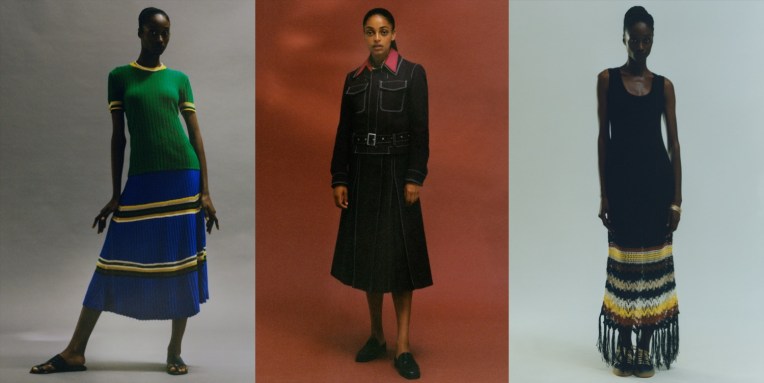
Worlds Between Worlds. Wales Bonner SS21

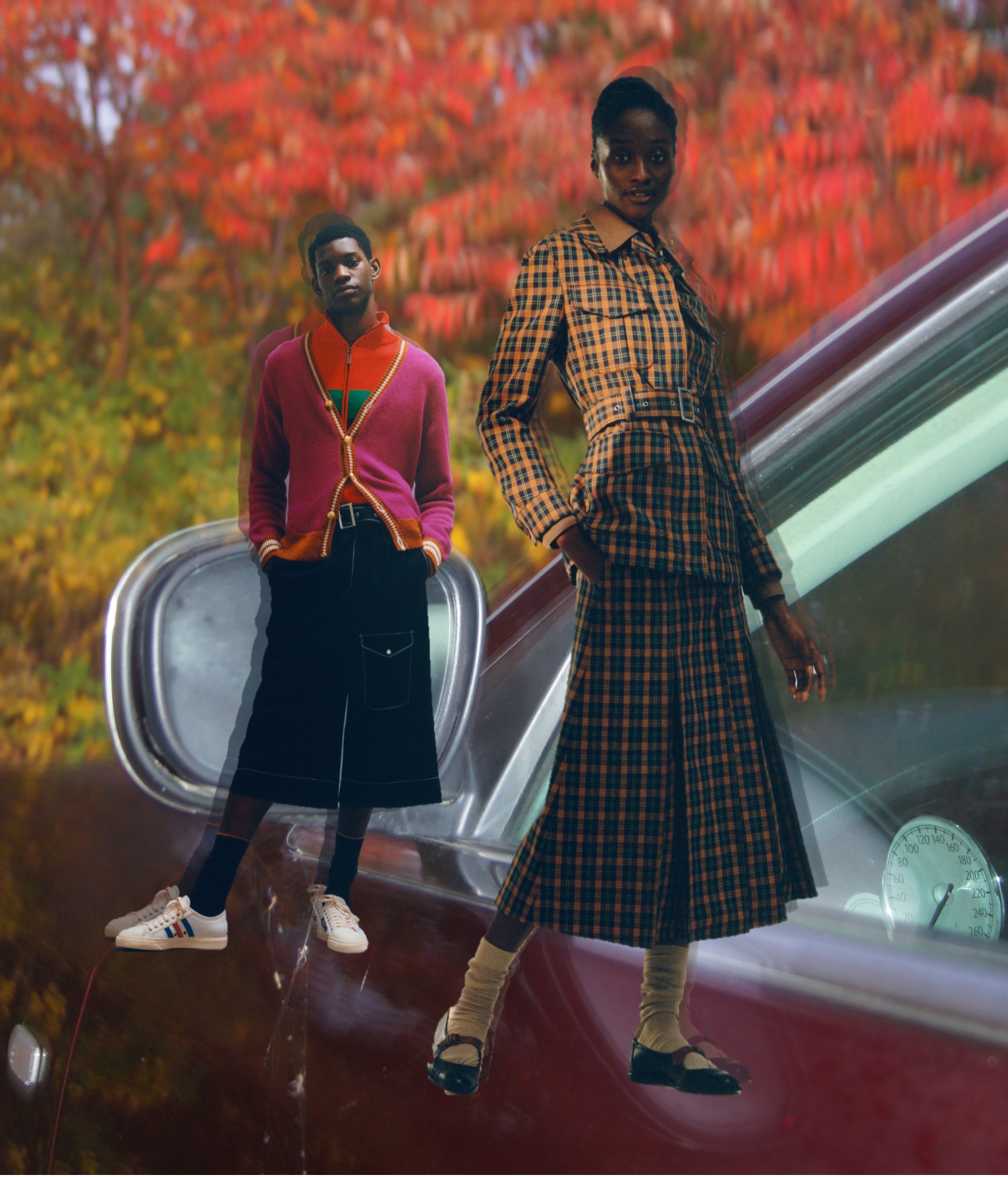
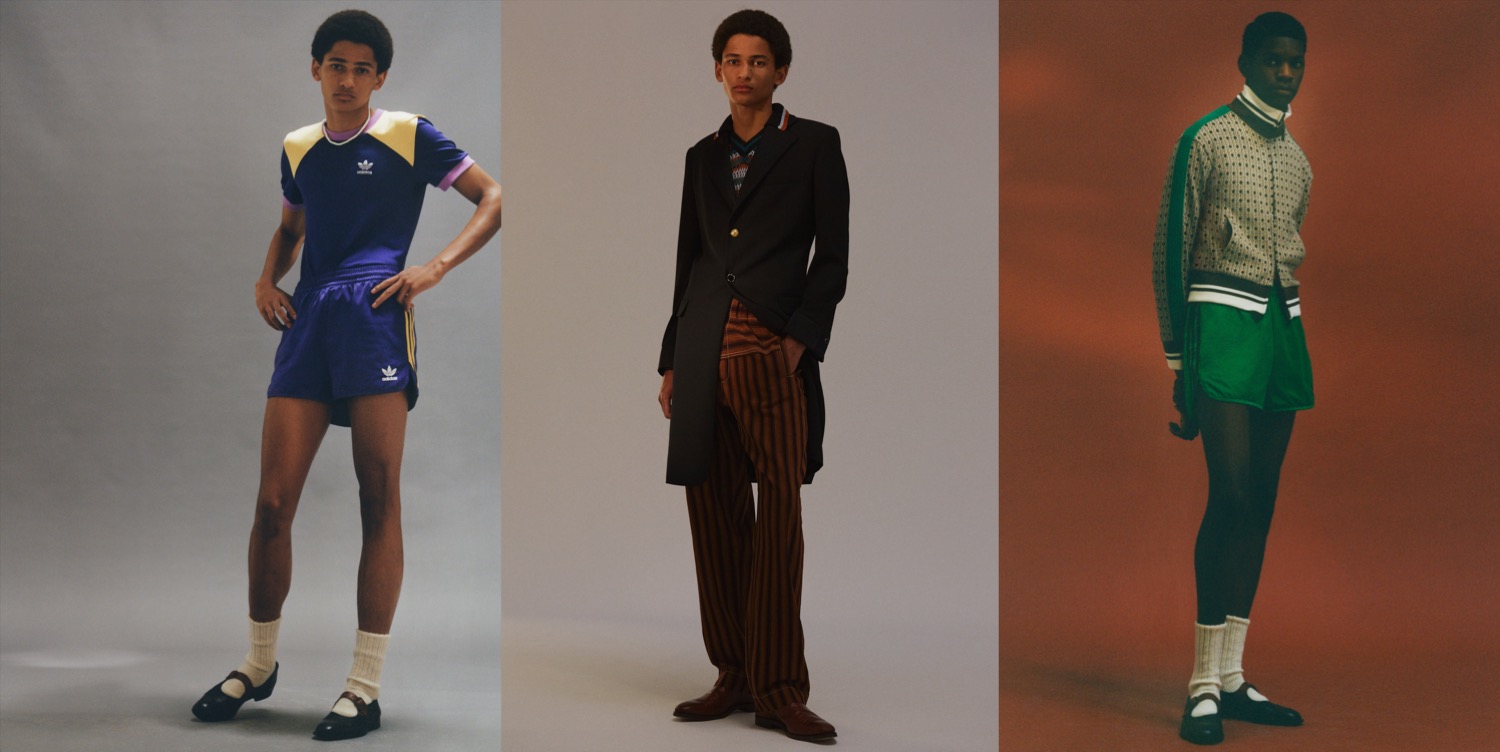
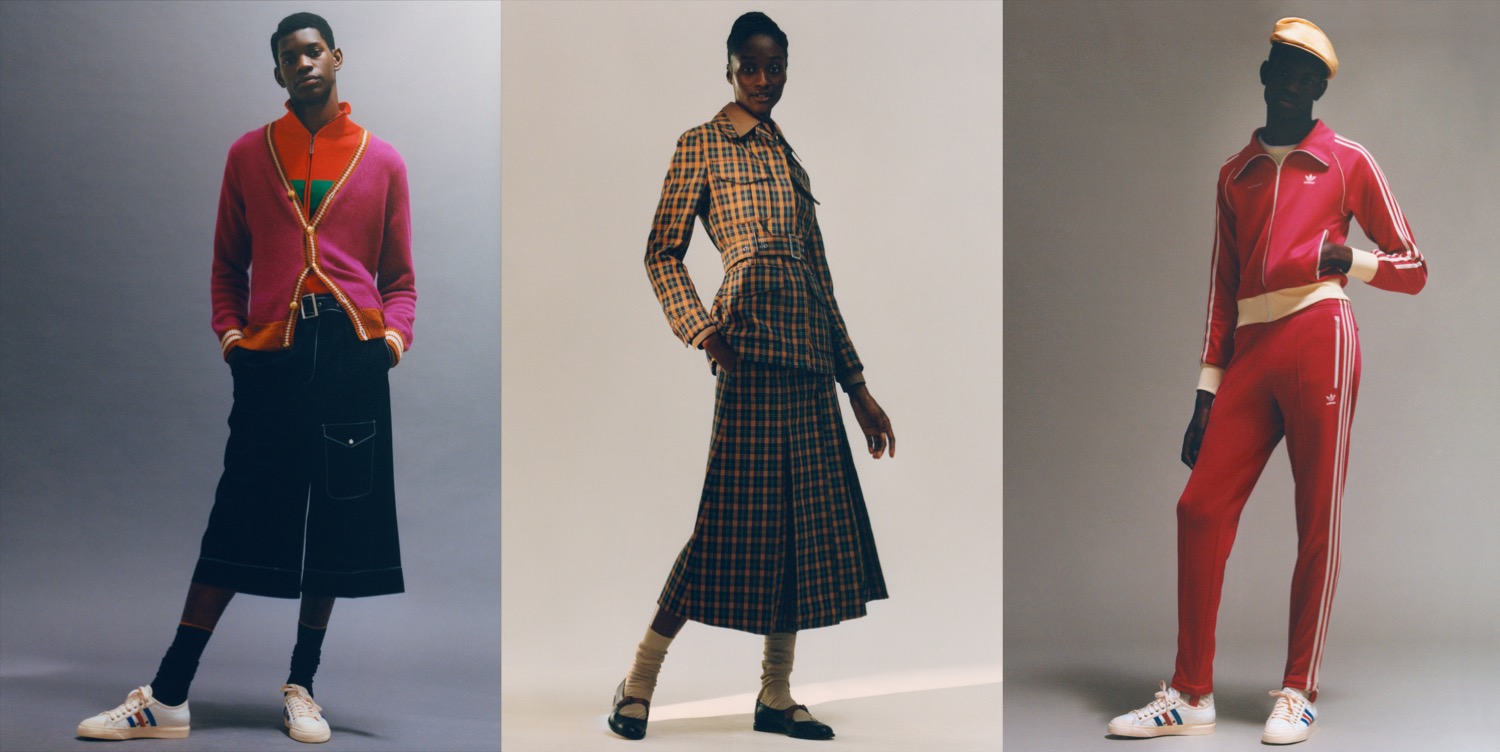
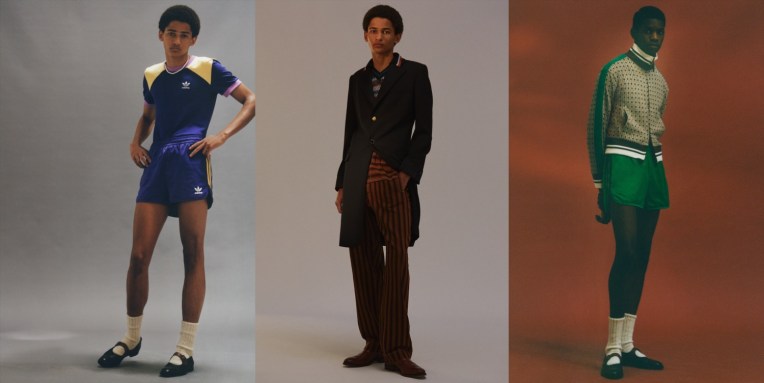
With digital shows and presentations, it’s quite difficult to geo-locate, and while Wales Bonner is a London-based label, it’s presenting spring-summer 2021 as part of Paris Fashion Week. What Grace Wales Bonner has been proposing throughout her career is a concept that has now, finally, come toward the forefront of fashion: exploring Black culture and aesthetics with the same nuance and consideration that has long been afforded Eurocentrism. This season, alongside a look-book photographed by Sean and Seng, the designer remotely worked on a film with director Jeano Edwards to present an immersive, intimate snapshot of Jamaica, and has created a digitally available zine to further expand on her research process. There is a piece in it written by Mahfuz Sultan, where he describes the importance of “Grace’s poetic interstices, the worlds between worlds, where Africa, India, and the islands touch as if on a dance floor…at least for those of us who, like Malik Ambar or Aimé Césaire, have spent our lives on the postcolonial circuit, flickering in and out of other stories as shades, exiles, ephemera.” It is that illumination that has forged a pathway for London’s array of emergent non-white designers: a flourishing generation following in her footsteps and narrating their own histories and identities. “There’s always been a continuity to the way I’ve worked, because I’ve expressed who I am and my position quite clearly since I started,” Wales Bonner says. Now, she continues: “When people expect me to have some point of view on what’s been happening…well, I feel I’ve tried to show that over the past five years. There are certain things we’ve always known. It’s more that now, other people are catching up.” This season that sense of continuity, and of Wales Bonner applying her microscope to regularly marginalized narratives, was more explicitly visible than ever. Instead of taking a new era as her starting point, she zoomed in further on her deeply personal autumn 2020 offering: an exploration of Lovers Rock and the second-generation Jamaican community of 1970s London. While last season was situated in Lewisham, and within the wardrobes of her father and his friends in late-1970s London, this time she located her perspective in early-’80s Jamaica. “It’s been a really wonderful exercise to be able to go into more depth and reflect on research over a more extended period,” she notes. Having visited Kingston just before the pandemic hit, Wales Bonner had already begun her research. An exhibition on dancehall culture at the National Gallery of Jamaica, alongside a meeting with curator Maxine Walters, had directed her toward figures like reggae icon Augustus Pablo who’d wear “incredible shirts with amazing, elongated cuts, which felt very British.” During a trip to Bob Marley’s house, now a museum dedicated to his life, she was struck by a pair of World War II military trousers he’d cut into football shorts: “a connection to Britain transformed, and then integrated into his lifestyle.” “While the first collection was about viewing the Caribbean community from a British-centric perspective, this one is thinking about a similar community in a completely different place,” she explains. “I was interested in British clothes that ended up in the Caribbean and were transformed by how people put them together and their context.” While she notes that the diaspora wore their heritage “exaggerated, extreme, and brighter, showing their connection to Jamaica in a louder way” on the island, particularly among its dancehall musicians, she discovered that there was a more pronounced emphasis placed on the aesthetics of Britishness. “There was a classicism that was celebrated and romanticized,” she continues. “There was a certain sense of sophistication of having something European.” So the shirt-making traditions of Jermyn Street, or the Savile Row tailoring that has long been one of her fixations, found new resonance in a striped nightshirt she describes as “the Stockwell dashiki,” or a “Kingston caftan” in tailoring wool. Flashes of jockey silks, or near-luminous knit cardigans, injected a proud flamboyance; a woven jacquard jacket, developed from West African wax textiles, translated bold 1970s geometrics into the Wales Bonner world. Her womenswear, which has often taken a preppier tone than her men’s, relaxed into ribbed knitwear with handcrafted crochet stripes, or a fringed, flowing dress, but a checked box-pleated skirt suit retained her particular take on feminine formality. “The collection is called Essence, and in a way, I was taking this time to reflect on what is essential within Wales Bonner,” she says. “How do I reflect the brand DNA in everything that I do?” That sentiment was echoed in Wales Bonner’s partnership with Adidas Originals, which has only been integrated in glimpses before, but took center stage this season, yet, rather than appearing like a commercial collaboration, seemed rooted in synchronicity. The brand’s research team, she explained, were able to source a wealth of archival imagery for her, documenting how dancehall musicians had once worn their wares and so the narrow cuts of track pants, or the crops of tailored jackets, have a particular historicism to them. “It’s about reworking pieces from the archive but with a more elegant, or craft sensibility,” she notes of the crochet three stripes, the hand-finished football boots, or the satin finish of fabrications. “What I do is quite subtle, but it’s about attention to detail.” Such a statement could operate as an explainer for Wales Bonner’s practice—and, as it ever has, in 2020 her approach shines.
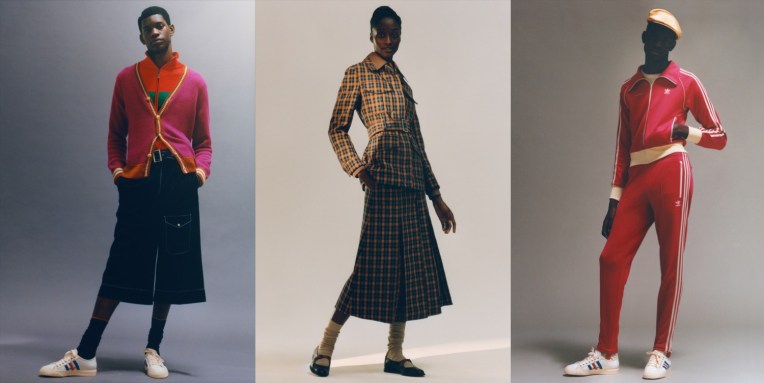
Collage by Edward Kanarecki.

Contemporary Elegance. Vaquera SS21

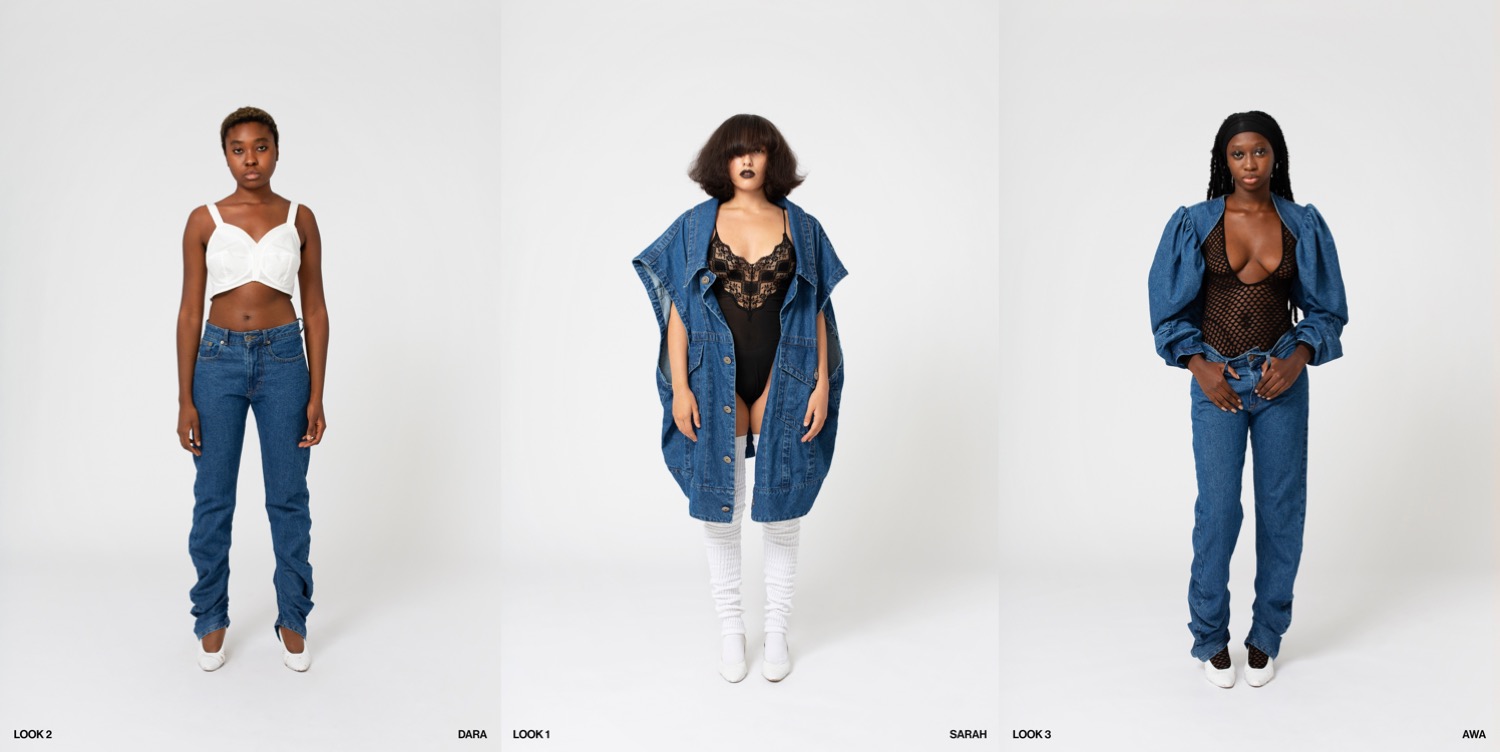
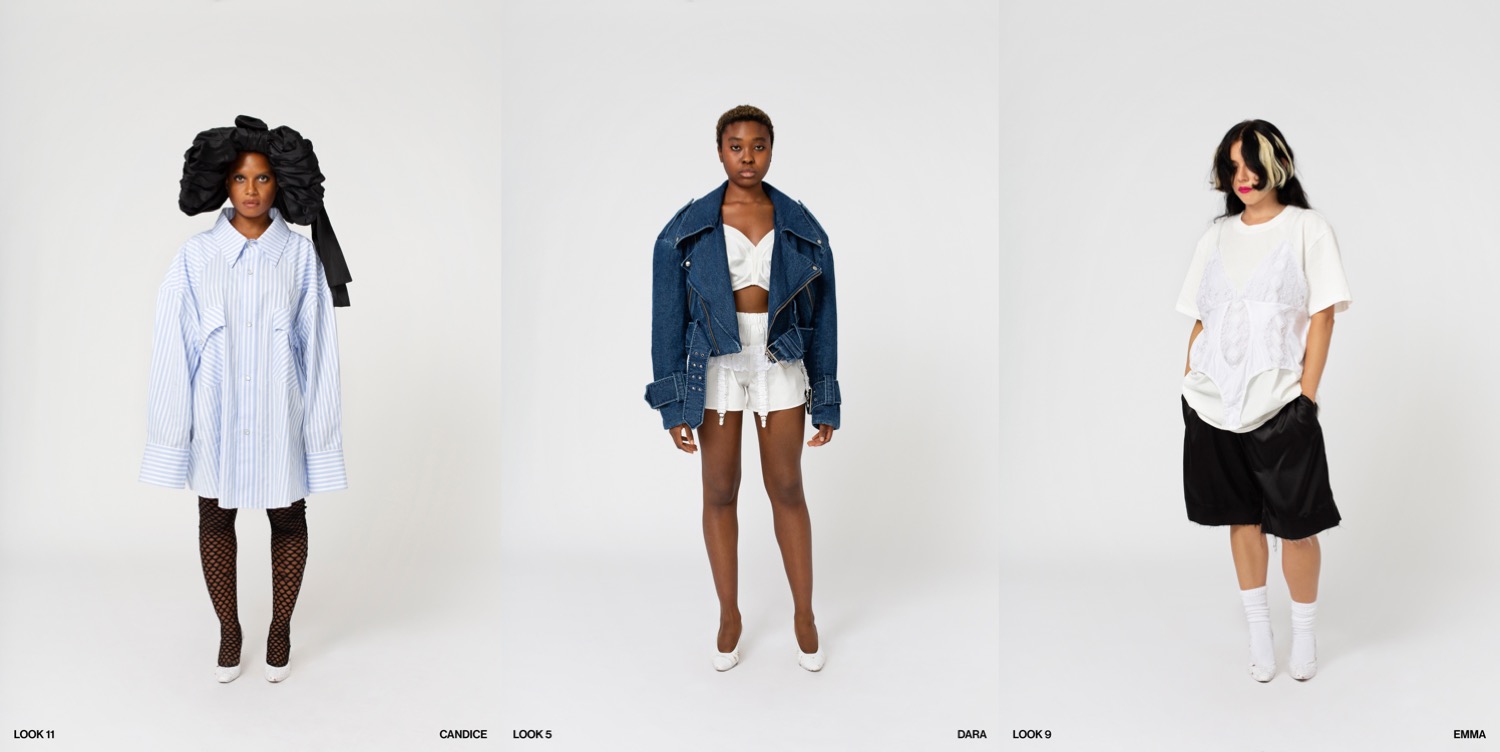
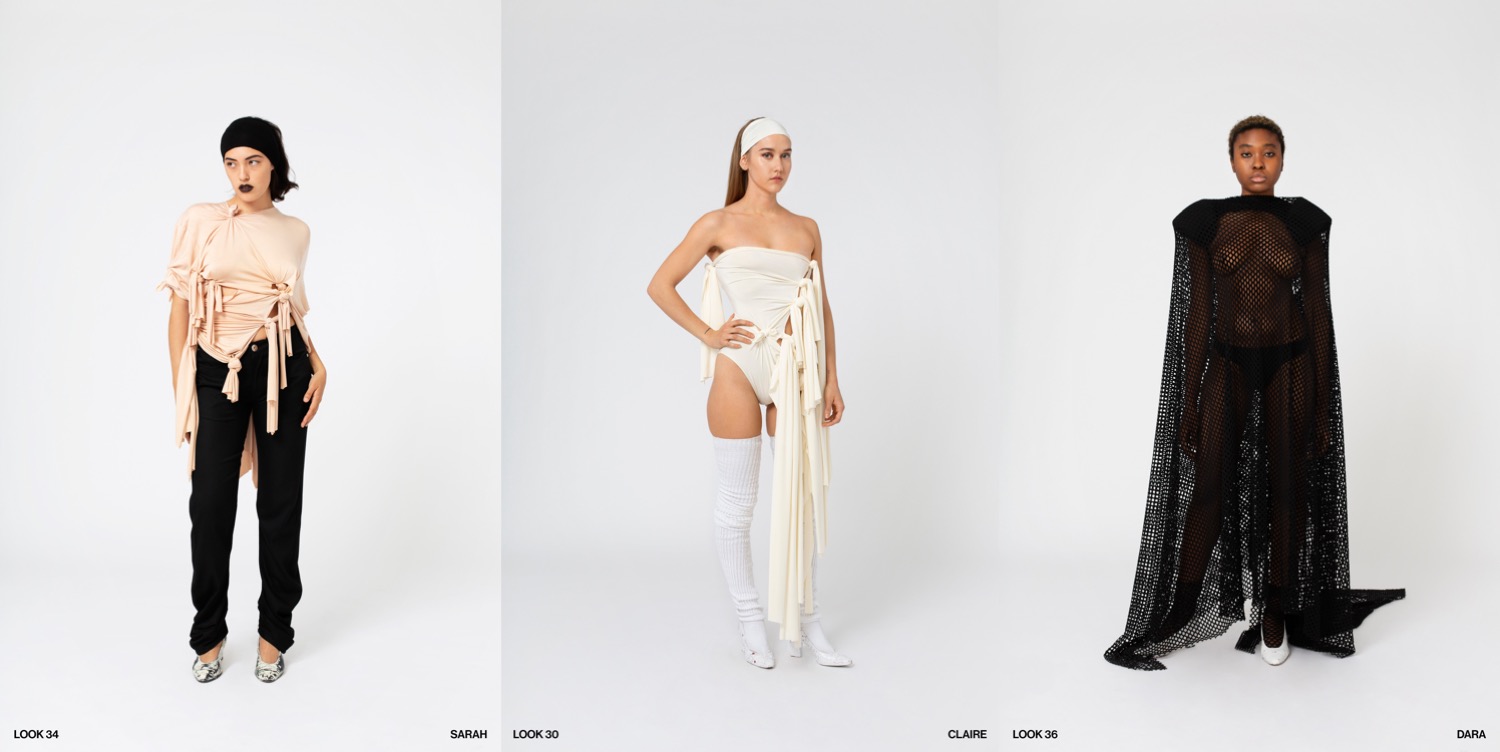
Although digital-live Paris Fashion Week has officially started today, there are still some great collections coming from New York. One of them is Vaquera, a line-up that ironically muses on different kinds of elegance, created by Patric DiCaprio, Claire Sullivan and Bryn Taubensee. Over the summer, one of the most “outsider” brands out there got suddenly certified by the upper echelon of fashion – but not the most common one, though. After hosting their autumn-winyter show back in February, Dover Street Market added Vaquera to the roster of brands it supports through its Paris showroom slash incubator. DSM will help with production and handle all sales and distribution, “the backend stuff that takes us away from being creative,” as DiCaprio put it. The point of the arrangement is that with DSM handling the commercial side of the business, the Vaquera trio can focus on creativity. But the partnership has already impacted how they’re channeling that creativity. “Knowing they’re going to be there on that side helping us with sales was really inspiring, for me at least,” DiCaprio continued. “We were like, ‘Let’s make this skirt perfect and the fit really nice and make these fabrics really good so they look good in their showroom.’” Their new collection is a sort of codifying of the Vaquera ethos and aesthetic. Wearability has been emphasized without forsaking too much of their hold on weird. So side by side there are washed denim jeans cut to fit both guys and girls and a Little Bo Peep cosplay outfit in white canvas and croc-stamped vinyl. Mixing with twisted bankers stripe shirts and oversized suiting is a tutu explosion in an amorphous body-obscuring shape of the kind you might see on a Comme des Garçons runway. “We were inspired by what we want to wear, what our friends are wearing, who we’re with,” Sullivan elaborated. “That’s so much of what Vaquera is: context, reference, culture. What do you wear, what do I wear, how do we make it Vaquera?” In certain neighborhoods of New York this summer it wasn’t unusual to see women wearing their bed clothes on the street, one of the many impacts of months in lockdown. In the look-book, that translates from innerwear to evening-outerwear. What makes it Vaquera is that all genders sample the retro bra tops and the satin and lace teddies affixed to T-shirts. New, never-average, edgy elegance for whoever feels it.

Collage by Edward Kanarecki.

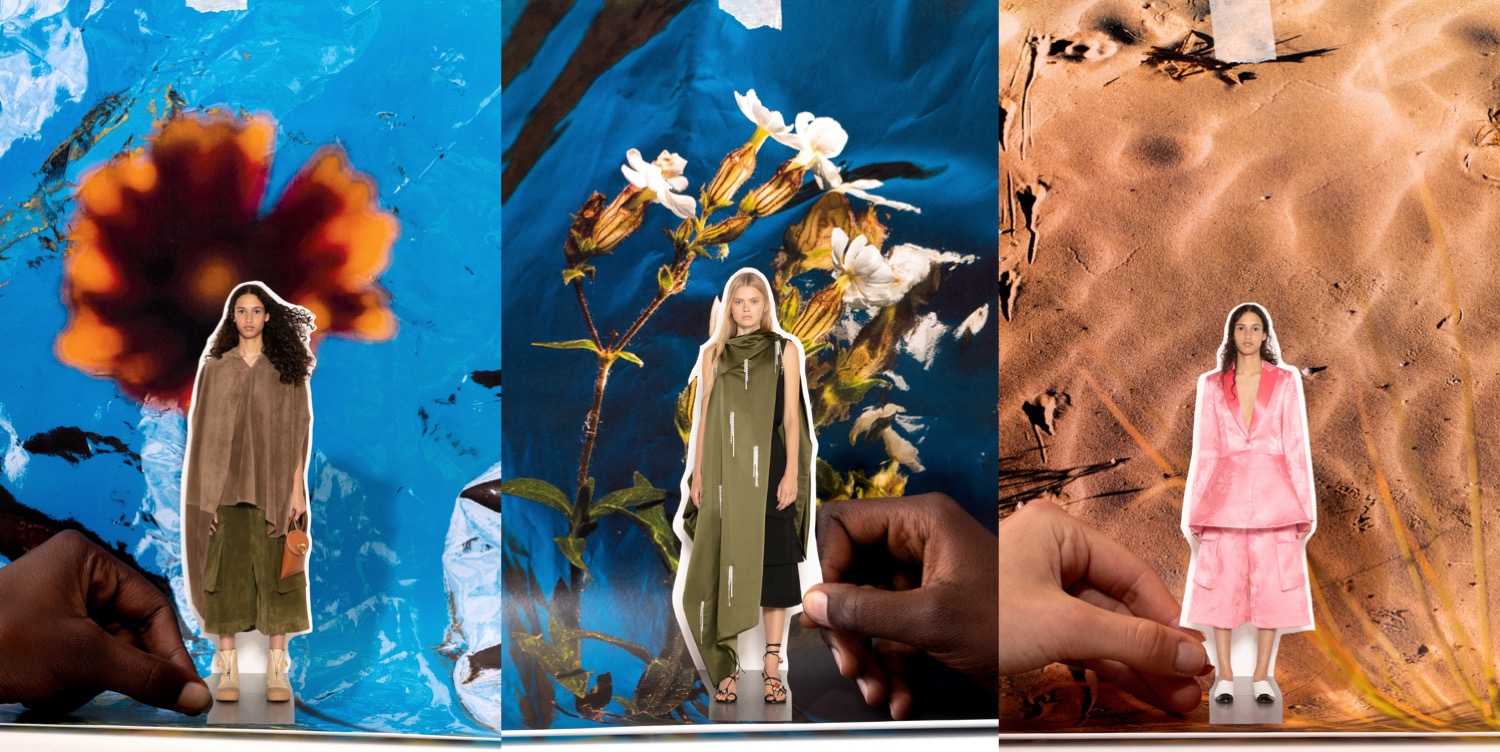
The Secret of Life is in Art. JW Anderson SS21

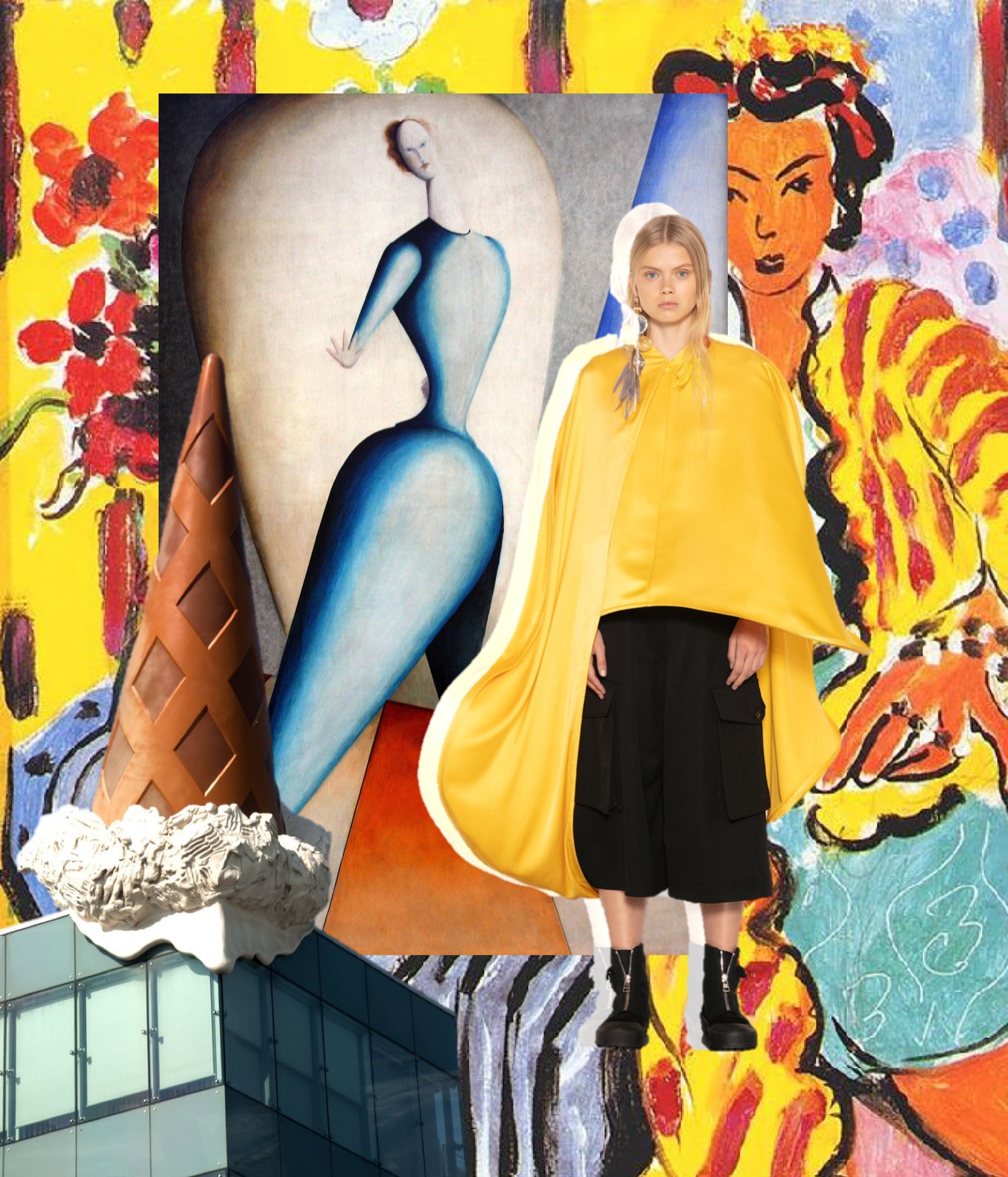
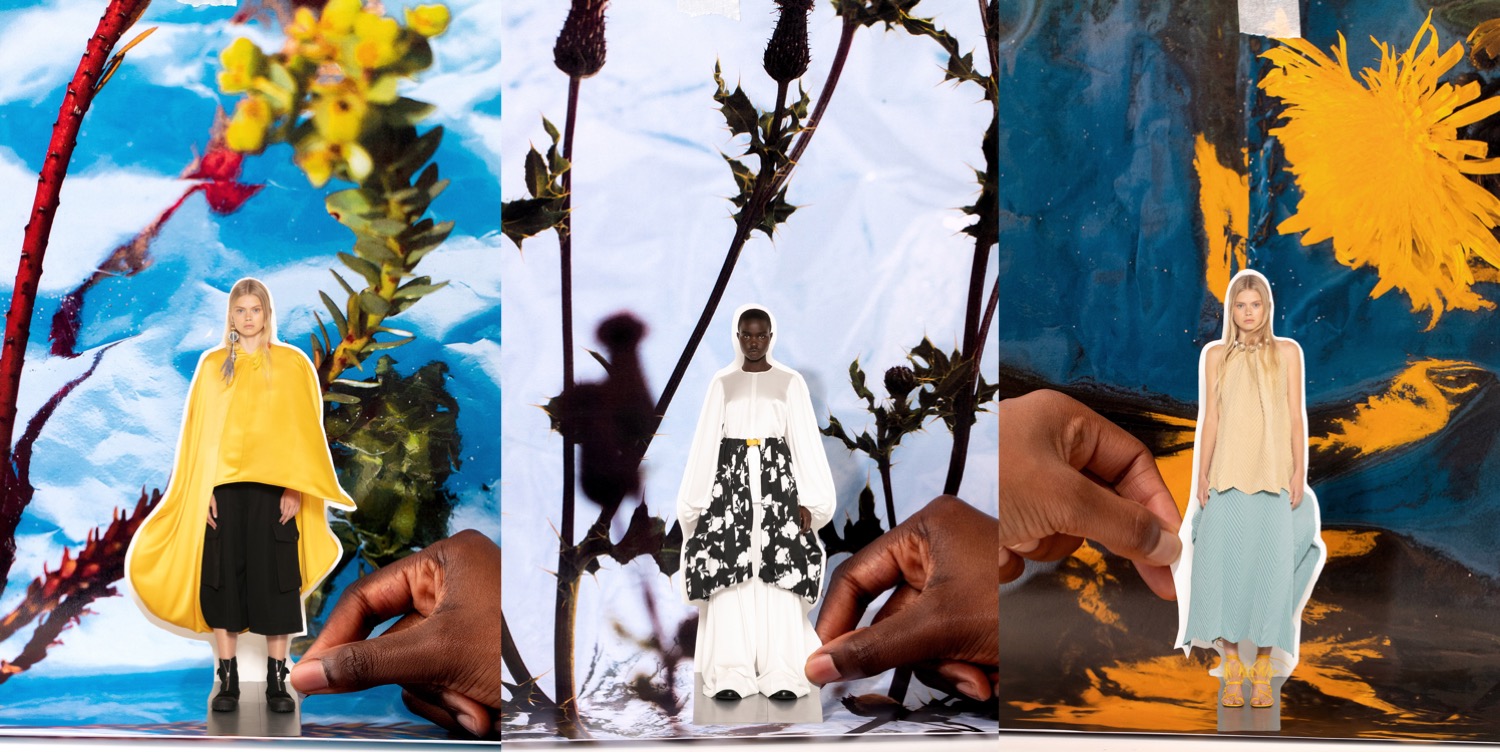
This is one of those JW Anderson collections that need no special explanations or expansive moodboards. It’s just so, so distinct to Jonathan Anderson‘s edgy style codes, that you can’t mistake it with anything else, really. Instead of a livestreamed fashion show, the press received a package wrapped in Oscar Wilde quotes: a book of papers and prints, and artful photographs all screwed together – and an enclosed gold coin, embossed with another Wilde quote (“the secret of life is in art”). Wilde proved both the literal and metaphorical means to unlock this collection, because, according to Anderson, “he was able to criticise the world but embrace the poetic reason within it; to look at the political, artistic, environmental landscape of his time and have a dialogue with it”. Equally, the writer’s affinity for the one-liner, he continued, felt particularly resonant during a period when that mode of communication reigns supreme. “This government has come up with so many – and I thought, how radical Wilde would be now with his ability to summarise a moment. Right now, people’s attention spans are very short, so things need to be very concise. And the clothing had to read like that, too: something easily digestible like a tuxedo, but with a puffball skirt belted onto it.” This collection was, essentially, an array of JW Anderson one-liners – not basic, but signature. “You know the look and you know that this girl belongs in this house,” he said of a loose-fitted pleated suede top layered over a panelled handkerchief skirt, or a white satin peplum blazer paired with matching cargo shorts. There was jewellery – enormous oversized earrings based on birdcage mirrors, or bejewelled brooches – which could transform almost anything into the spirit of the season and a wealth of easy-to-wear sophistication. But, alongside the fluid cuts likely to be required throughout spring-summer 2021, there was some exceptional tailoring, too. “It was important to grab onto that, onto things like the way in which we’ve explored tuxedos over the past five years, and really nurture it”, Anderson continued. Goodie!

Collage by Edward Kanarecki.