Tina Modotti. Erdem SS20

This season, Erdem Moralioglu‘s collection was inspired by Tina Modotti, who photographed Mexico’s sights and people’s daily life, simultaneously participating in bohemian circles with Mexican intellectuals and artists such as Frida Kahlo and Diego Rivera. Erdem characterized his spring-summer 2020 muse as “a romantic and revolutionary, a woman of principle. Each outfit was like a postcard from a part of her life.” The pictures of Modotti’s life were the main reference behind Erdem’s voluminous, vibrant proportions, the exaggerated shape of yoke blouses, hand-made floral embroideries and the gorgeous fringed shawls. “It was the waistless-ness, tiers, the combination of Victorian dress and traditional dress that interested me,” he said. The season’s colours appeared to be as bold as the silhouette. Erdem had spent time at the Casa Luis Barragán in Mexico City, which already suggests the palette: the amazing, saturated cardamom, yellows, and pinks. Stunning.

Collage by Edward Kanarecki.

Wren-girls. Simone Rocha SS20

The story behind Simone Rocha‘s phenomenal spring-summer 2020 might not be that obvious – especially if you’ve got nothing to do with Irish origins. “I was thinking about the Irish wren-boys, who go hunt and kill a wren on St. Stephen’s Day in Ireland—punkish boys who go knocking on doors, kind of like trick-or-treaters,” said the designer backstage. “So I wanted to bring that masculinity to the table, but also turn and look into the houses of the people whose doors they knock on – at the Delft china, the tablecloths, the wallpaper.” More explanation: it’s about the pre-Christian wren-boy tradition: the day-after-Christmas parade when men dress in straw outfits,  capture a wren, and knock on neighborhood doors to demand money. Some of the girls in Rocha’s line-up had wren feathers painted on their foreheads. The straw was used in basket bags, while in some looks it could have been spotted as an armor covering the dresses. Although the reference might have killed the collection with its heaviness, Rocha created something subtle, magical. Yes, magical. There were hints of something raw and ritualistic: blasts of folk music, straw sashes and crocheted raffia. The delicate blue-and-white ruffles and the nods to old tablecloths and curtains you can find in your relative’s attic brought even more of mystical nostalgia you feel charmed by as a kid. The floor-sweeping gowns that closed the show had something very witchy about them, even etheral. This collection instantly becomes one of my favourites of the season.

Collage by Edward Kanarecki.

Naturalness. Margaret Howell SS20

I feel like a dummy, because until this season, I’ve never really taken a serious look at Margaret Howell‘s fashion. Actually, I don’t think the designer calls her work ‘fashion’: it’s far, far from disposability and every season newness. The London-based label’s unfussy, quiet way of being is as charming, as the clothes it produces. The spring-summer 2020 is a classical Margaret Howell line-up: utilitarian, tailored, minimal, but not austere. The loosely-fitted, short-sleeved shirt-dress (that came in different colours and a Lucienne Day graphic pattern) is one of the very few pieces I’ve seen this season that instantly becomes the fine thing to really invest in. Suiting, with higher buttoning, looser cut jackets worn with tapering trousers tucked into slouchy socks and flat leather sandals, other times collared shirts atop Bermuda shorts. Everything kept in a beautiful, warm, earthy colour palette. It’s a yes, yes, yes!

Collage by Edward Kanarecki.

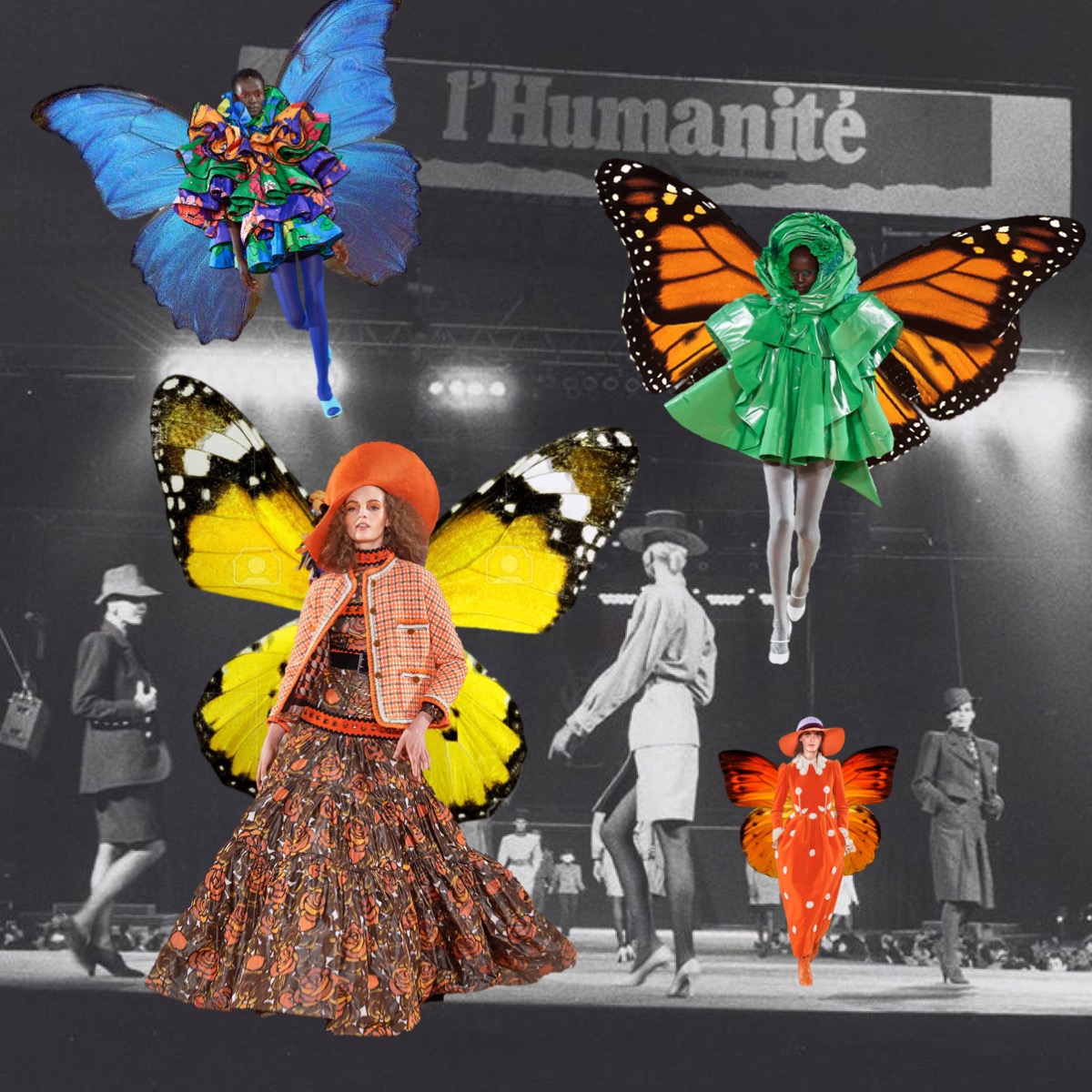
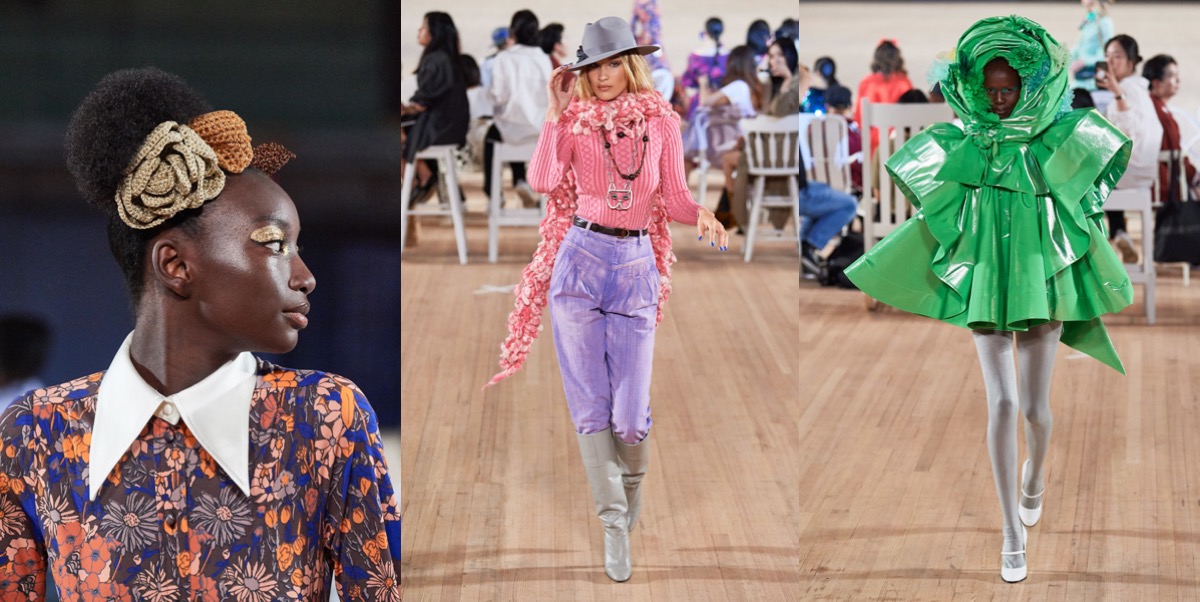
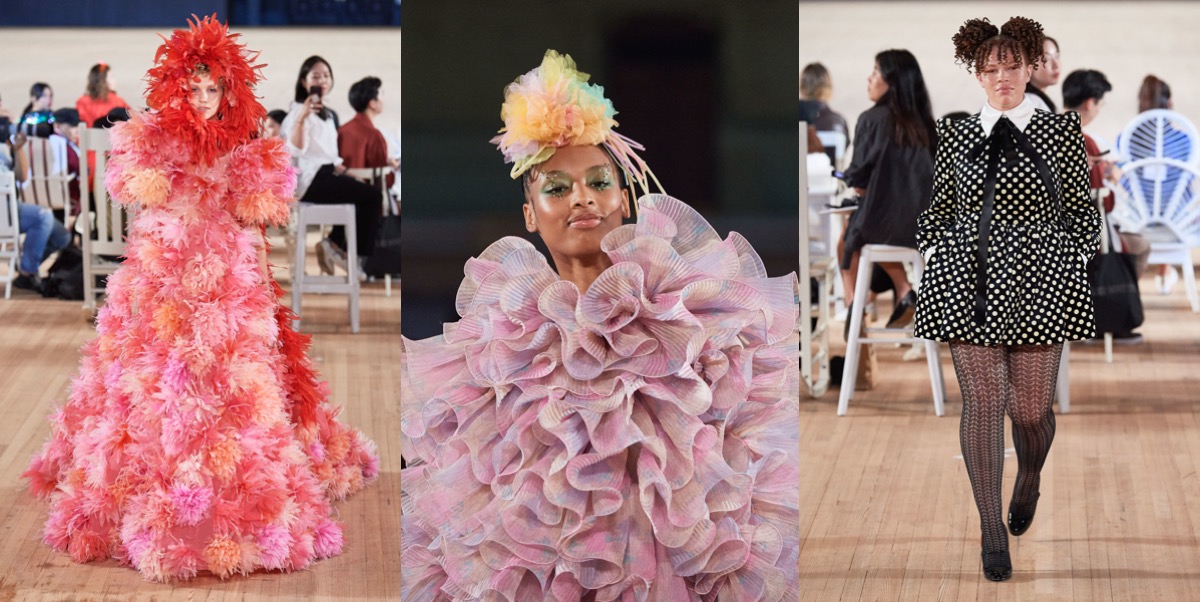
The King of New York. Marc Jacobs SS20

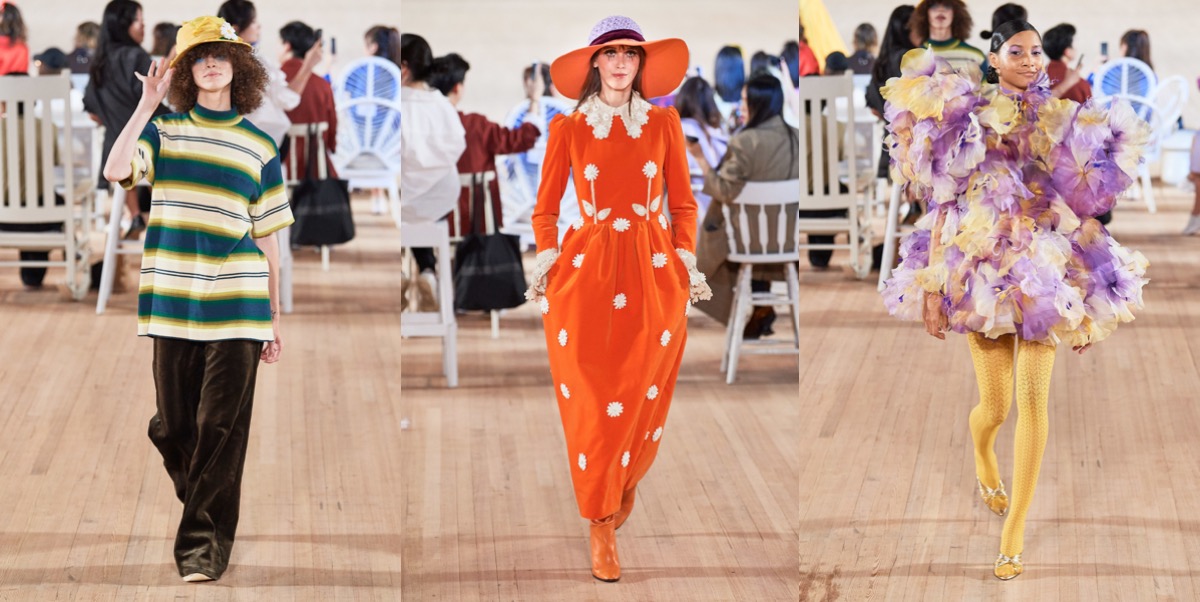
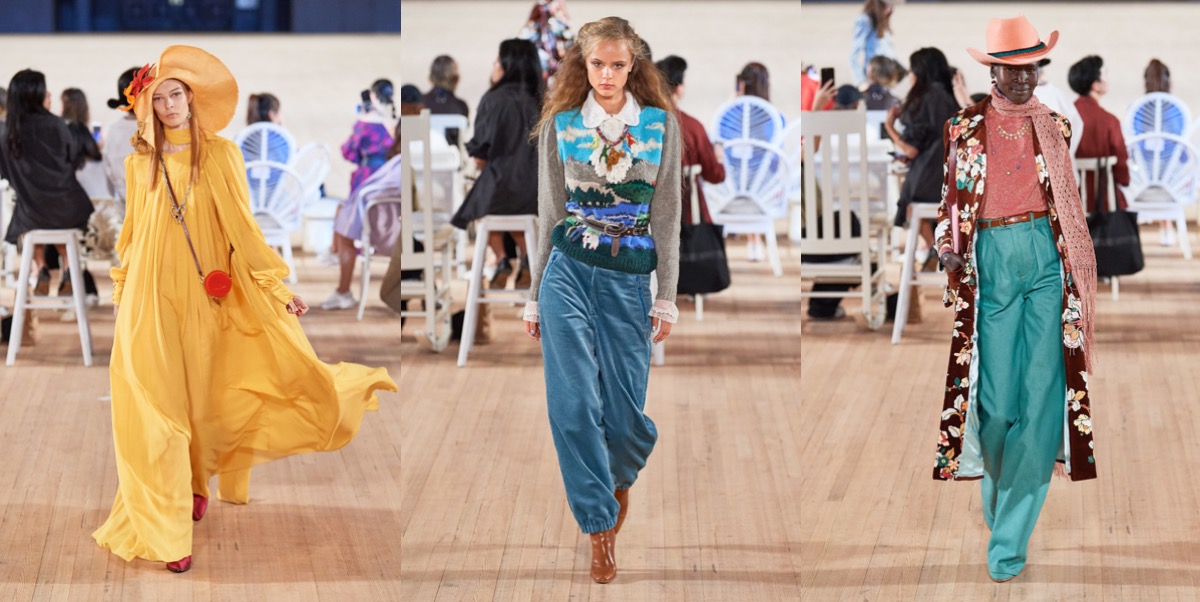
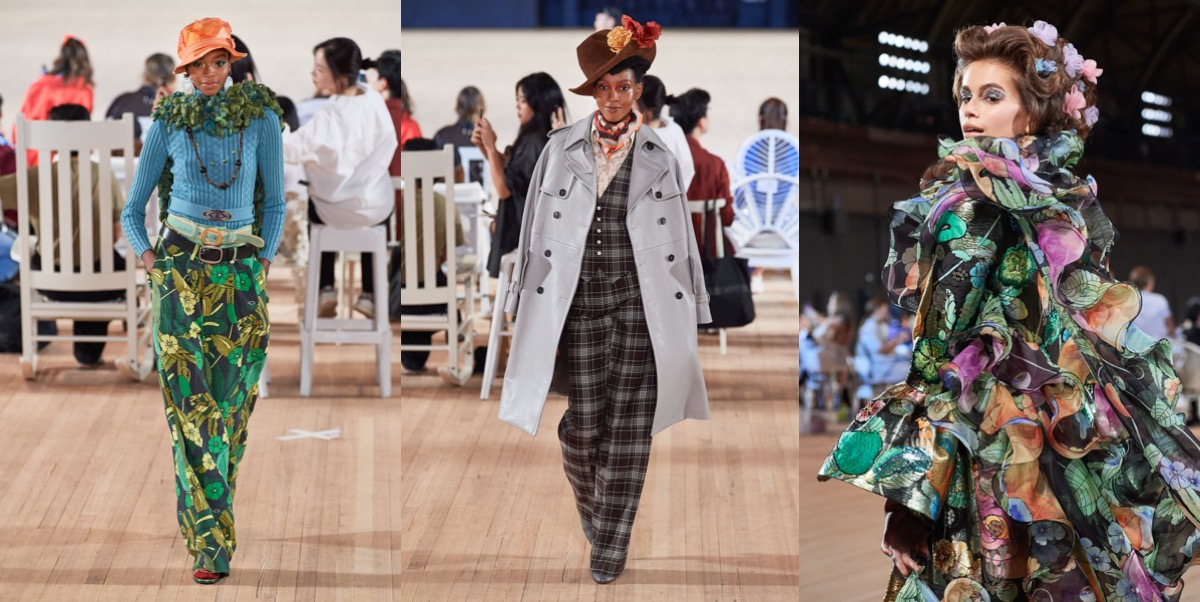
Traditionally, Marc Jacobs’ collection was the grand finale of New York Fashion Week. In a completely empty space, with different vintage chairs (painted white) standing in the middle as the guest seatings, a flock of paradise creatures emerged out of one side of the Park Avenue Armory, went across the audience, and disappeared. And then they came back, one by one, dancing and twirling according to Stephen Galloway’s choreography. A maxi velvet dress in orange, emberoidered with hippy florals; granny-ish knits with cats and kitschy landscapes; floor-sweeping gowns made for spectacular, late night dancing; patchworked denim flares; knitted mini-dresses that make you think of Quentin Tarantino’s Once Upon a Time in Hollywood and Margot Robbie’s Sharon Tate wardrobe; old school rockstar wife look as seen on Bella Hadid; another gorgeous ball dress and Savile Row-esque pantsuit… Describing each look in the collection is a non-sense, because they should all be seen. This was one of Jacobs’ most optimistic collections ever, full of dreams and emotions, love and happiness. For spring-summer 2020, the 60s, 70s and 80s were mixed and fused with Marc’s most beloved personalities and their bodies of work: think Yves Saint Laurent, Karl Lagerfelfd, Shelley Duvall, Anita Pallenberg and Marina Schiano. But simultaneously, it all feels… Marc. One more thing that should be praised in this line-up: it’s a mindful balance of wearable pieces that will actually sell in stores, and delightful fantasy. This is what the designer struggled with for the last few years. And he finally overcame it. Marc continues to be the ultimate king of NYFW. Dream a little dream of me…

Collage by Edward Kanarecki.

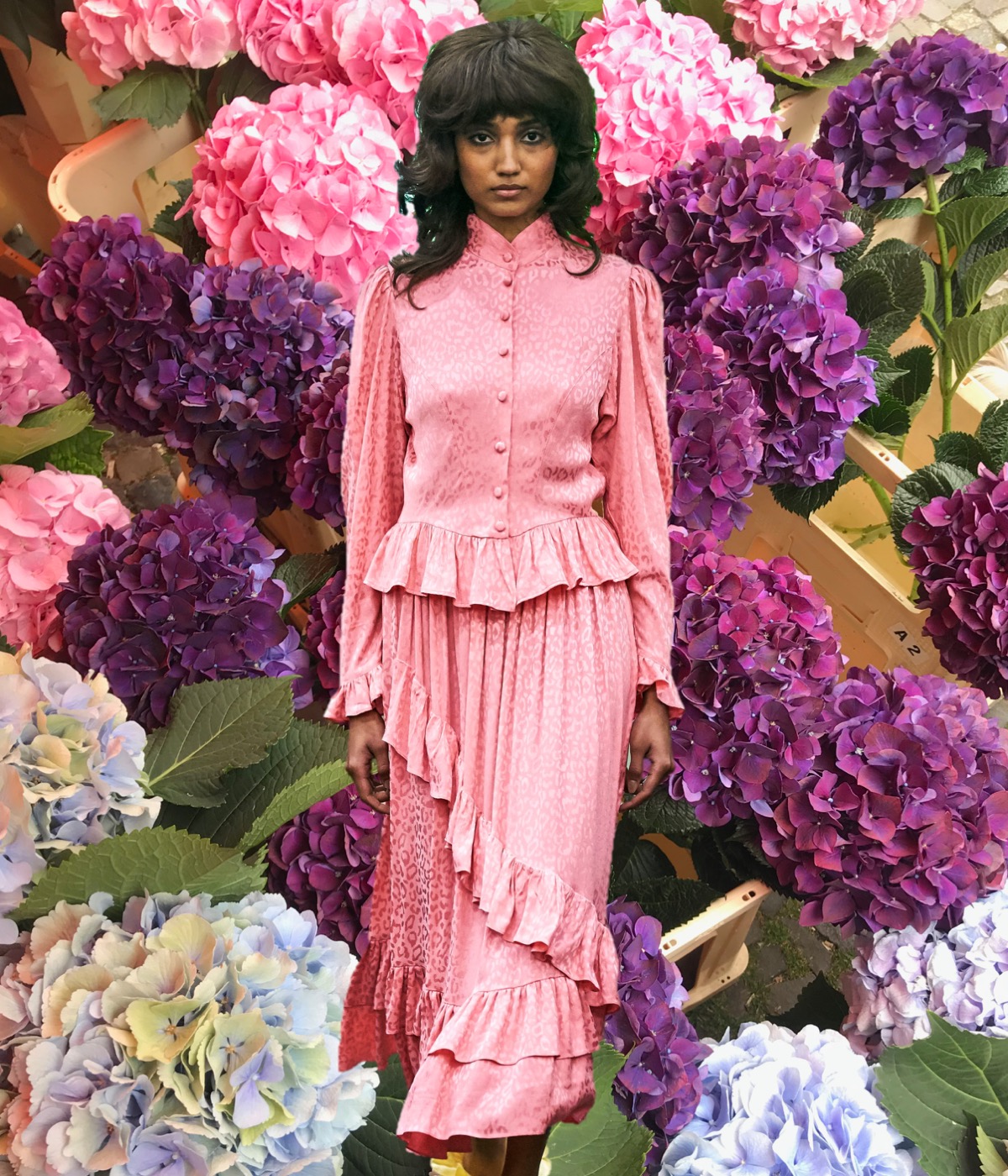
The Law of Batsheva. Batsheva SS20

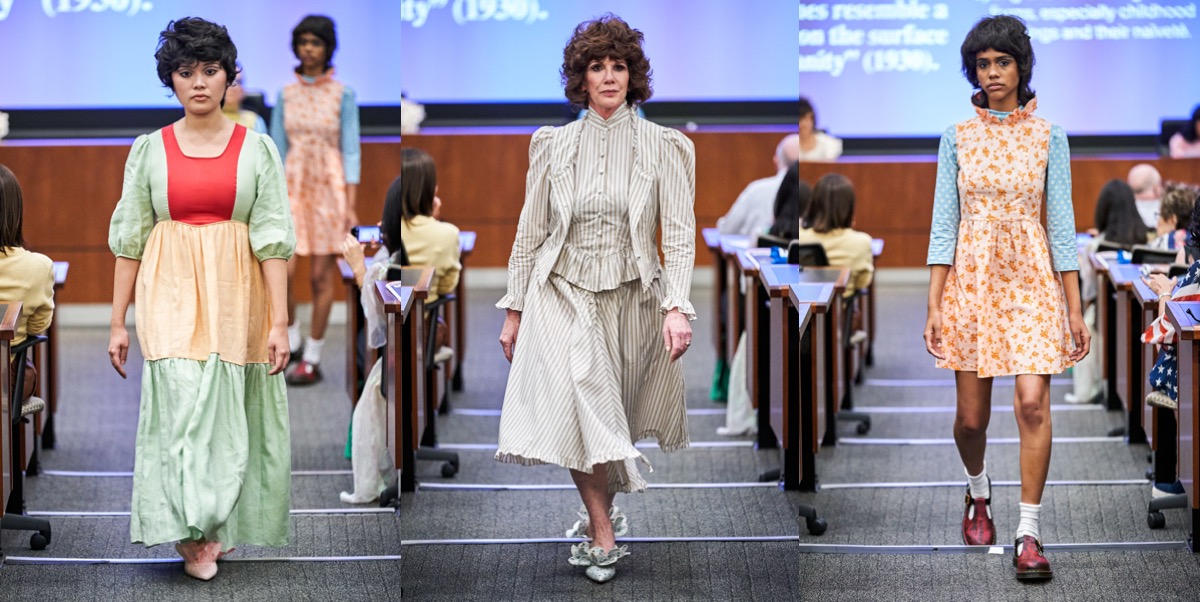
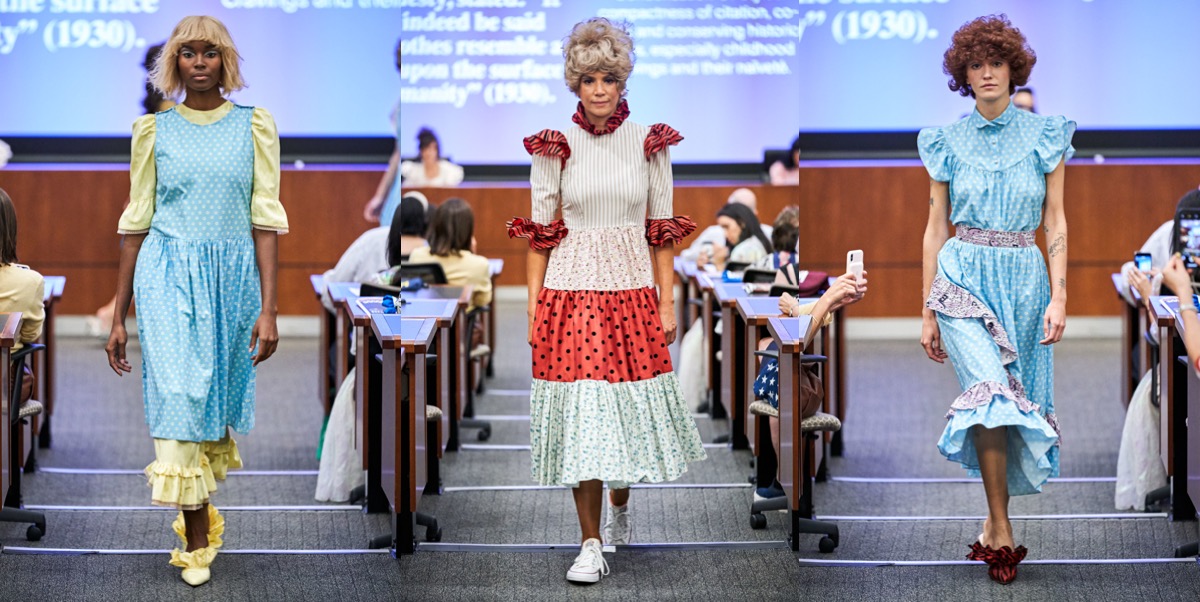
Within just a couple of seasons, a Batsheva dress became a classic in New York. No wonder why: her signature prairie dresses, often made out of vintage textiles, are comfortable, flattering and the wearer never really has to think how to wear it: they work with everything. Batshave Hay‘s spring-summer 2020 show at the New York Law School (fun fact: before starting her label at home, Batsheva was a lawyer) was an actual lecture. Jamieson Webster (a psychoanalyst), Chiara Bottici (a philosopher) and Melissa Ragona (an art historian and theorist), three academics in three diverse fields, engaged critically with Batsheva’s newest collection, while models walked through a lecture hall. Writer and podcaster Aminatou Sow introduced and moderated the panel. “They make me feel like a pioneer woman who can’t be fucked with,” Sow said of Batsheva’s garments. The lecture was called “Neck, Wrist, and Ankle: Recurrence in Batsheva’s Clothing” and each speaker presented her essay accompanied by a PowerPoint presentation of pertinent details and helpful quotes. Hay’s panel of critics laid out lots of excellent points, including a description of her clothing as “defense of the tender areas of the body”. Fashion being intellectual is a rare, but great sight. Especially, when the clothes keep up with the theory. The prairie dress was present in the line-up for a few times, in tiny florals, polka-dots and print patchwork, but there were also some new additions: blazers with big, Victorian shoulders (speaking of the Victorian topic, the ‘Victorian Secret’ pun on the finale dress was brilliant, by the way), a ruffled day dress in a red zebra pattern and gorgeous shoes made in collaboration with Brother Vellies.

Collage by Edward Kanarecki.