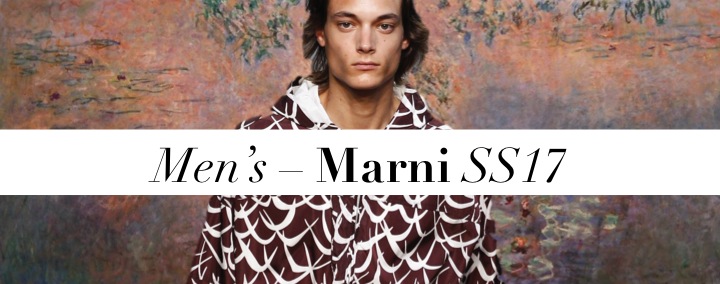
Men’s – Velcro is Cool. Marni SS17

_ARC0184

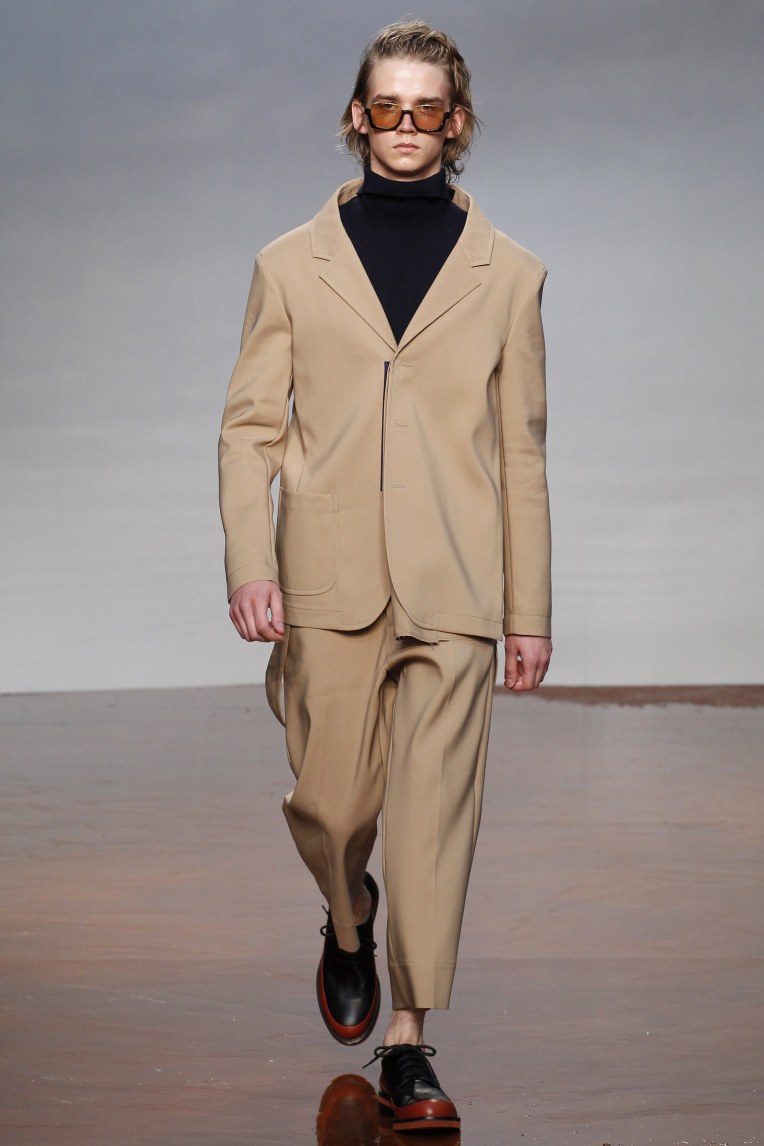
A Marni woman has her signature – she’s extremely edgy, all in her fancy, bold prints. But a Marni man is quite unclassified, and Consuelo Castiglioni understood that well. The lesson was learnt, good for her, and a much-above-the-average effect is here: spring-summer 2017 season at Marni is unexpectedly the best menswear collection to date, with a soft point for both, normality and eccentricity. You want to be this guy, really – he’s this skinny, good-hearted soul, with his hair brushed back nonchalantly; there are high chances you will spot him at Fondazione Prada, being in awe of Louise Bourgeois’ haunting sculptures, or see him in a park, reading a book. However, don’t think he’s like a Gucci man – oh no. This boy is into functionality, blurring his style somewhere between utility and playfulness.

Although at a first glance, most of his wardrobe seem to be pretty formal, there are a lot of surprising twists. Under an over-sized, beige cocoon coat, there’s a cheerfully printed blouson with an orange collar. The pants from this show are on everybody’s lips in Milan, even though we’re already after Prada’s nomad backpacks. Tailoring was sliced open in back and re-fastened with Velcro panels. Banal, isn’t it? But to an extend, Velcro fasteners seem to be unexplored in the world of high fashion, and only Marni could nail them. Consuelo re-sees boring clothes, and makes them as fun as children’s gadgets. A poplin shirt becomes cool a casual offer, rather than an office choice, thanks to additional volume in the shoulders. Meanwhile, footwear is too good to be true – and as you all well know, I’m a sucker for sandals, and Marni has some new, exciting silhouettes I would love to have… Bravo, Consuelo, for making your Marni boy relevant and, well, a life-goal!

Slide5

Slide6

Slide7

Slide8

Slide2

Men’s – Robert Mapplethorpe. Raf Simons SS17

_UMB3548

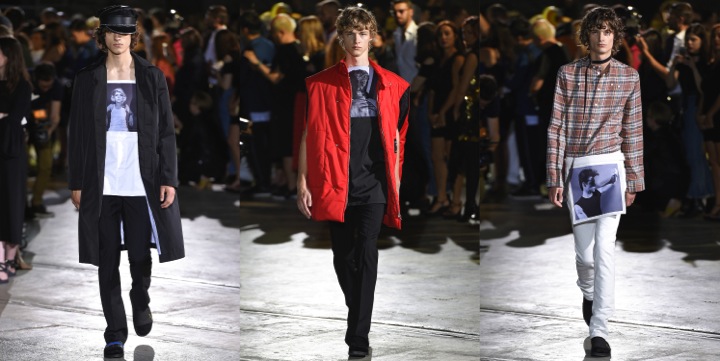
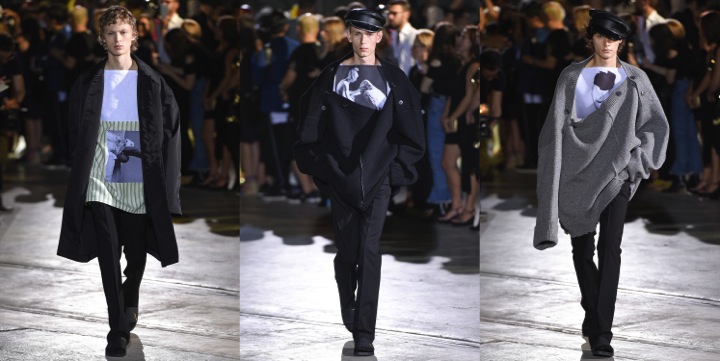
It’s the first time in a while, when Pitti Uomo feels exciting. This season, the fashion editors and buyers have seen Gosha Rubchinskiy take on Italian culture; the same day, Raf Simons presented one of his most defining collections in his career. The standing fashion show for spring-summer 2017 was a special occasion – it was a nod to Robert Mapplethorpe, a controvertial American, who was known for his unconventional black-and-white photography. During his lifetime, the photographer shot such extraordinary characters as Patti Smith or Andy Warhol, but also, he was famous for his highly BDSM polaroids, flower still-lives (often compared to erect phallus) and nudes of female wrestlers.

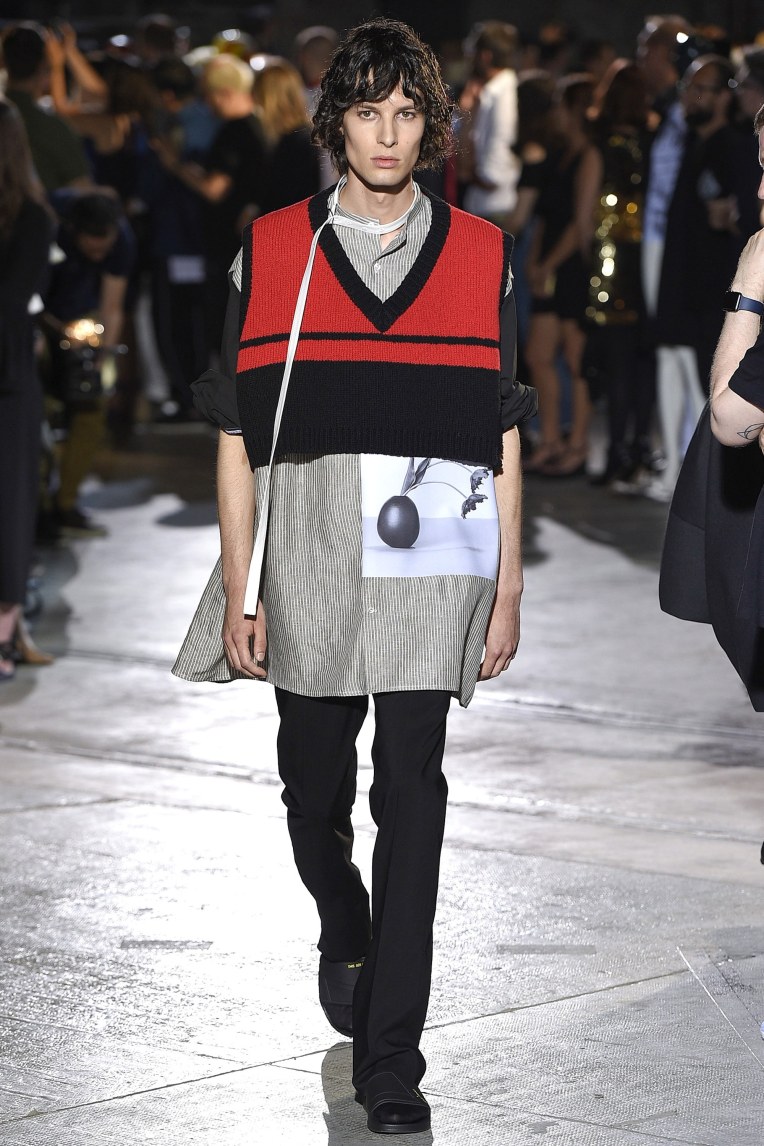
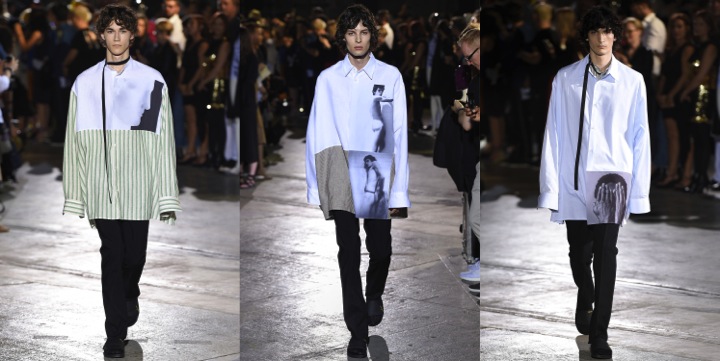
The photographer, who began the cult of erotic photography in the 70s, was the main, well-visible and fully acknowledged reference point for Raf this season. Rather than simply putting famous Mapplethorpe photographs as prints on tops, Simons challenged himself to make his inspiration something much more profound. “Every boy is a representation of a piece of work” – this is how the designer described the models, with dark, curly hair and skinny black pants. Some looked like the original characters taken out of Mapplethorpe’s polaroids, wearing leather biker caps and voluminous, white shirts. Oh yes, the shirts. The over-sized silhouettes reassembled white walls of a gallery, perfectly exposing these defiant and somewhat deviant visuals. Debbie Harry, with a stern face, looked at you from under a cropped V-neck sweater; a penis photo on a striped t-shirt wasn’t a surprise, keeping in mind Robert’s late obsessions. Wherever you turned, you could sense respect for the photographer, coming from Raf’s heart. The focus was on the clothes – the images weren’t shouting, leaving space for the pieces to speak for themselves. It’s not a one-season-only type of collaboration between an artist (specifically, Mapplethorpe Foundation) and a fashion designer. It’s a collection, where everything is about the rebellious attitude, with a very clear, labelled reference. Other designers should take a note from Simons on how to name their inspirations, in order not to become accidental copycats.

Slide05

Slide10

Slide09

Slide08

Slide07

Slide06

Slide2

Men’s – To Pier Paolo and Kappa. Gosha Rubchinskiy SS17

_UMB0731

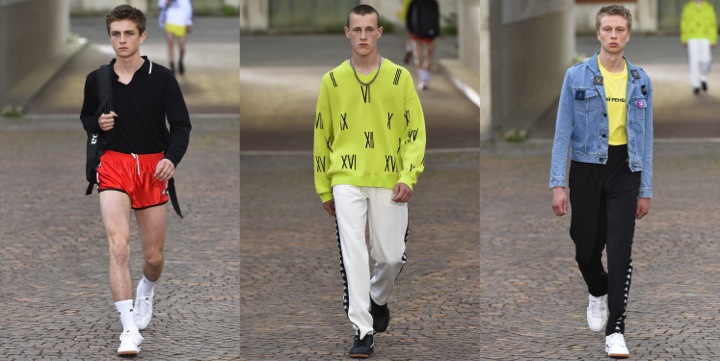
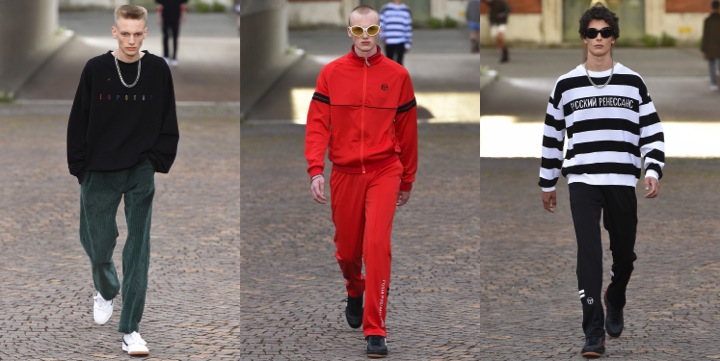
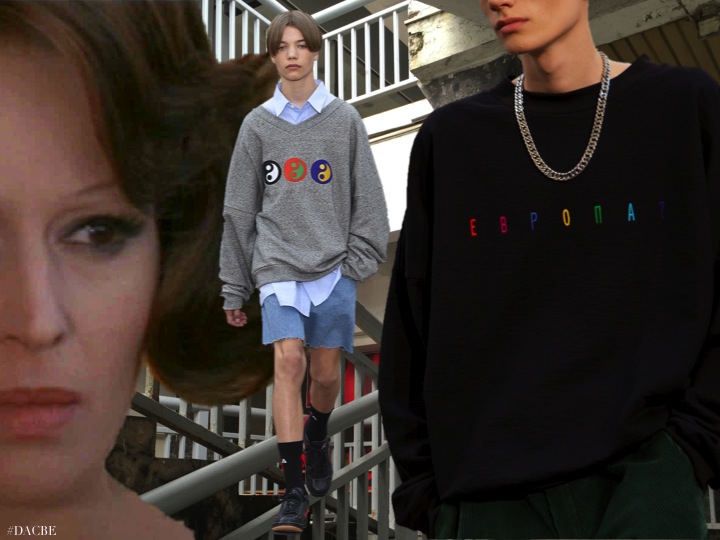
London’s collections were all about diversity (Casely-Hayford, Wales Bonner) and edginess (J.W. Anderson). However, Pitti Uomo in Florence started with a much more realistic approach by this year’s guest designer and a Comme des Garçons protegé, Gosha Rubchinskiy. This Russian designer, who’s obsessed with Russian youth culture, is a street wear favourite for years, with his cyrillic slogans on sweatshirts and Reebok collaborations. But this season, the direction changed, just like the city in which the designer presented his menswear collection. Still oozing with a street-wise attitude of a post-Soviet bloc skater, Gosha looked further for inspiration and found a connection between his signature style, Italian 90s mega-brands and the controversial director, Pier Paolo Pasolini.

For the show, street-casted models stormed the runway set in a former tobacco factory, abandoned 15 years ago, and the setting was a key connection between Tuscany’s capital and socrealist fascinations. Gosha’s long-time friend and stylist, Lotta Volkova, said that the factory was “the only Soviet-looking building in Florence“. Feel like home, then. Moreover, these geek brands that invaded Europe and Moscow’s streets later on – Kappa and Fila – unsurprisingly appealed to Rubchinskiy. Firstly, it was once everyone’s dream to have a Fila logo on his or her chest, and that’s a distinct memory for the designer himself; secondly, this 2000-era thing for sportswear as daily wardrobe strongly matches Rubchinskiy’s aesthetics. Another Italian factor in this collection was Pasolini, whose sexually defiant films, like Teorema or Salo, or the 120 Days of Sodom, play an important role in envisioning spring-summer 2017 guy. Even a short film directed by Renata Litvinova was created for this occasion, dedicated “To Pier Paolo.” Pasolini, a communist (weak point for Russia-loving designer), intended to show deviant view on both men and women – so, no wonder why there was something disturbing about the first two, bald-headed boys, wearing pin-stripe suits without a shirt under. Mafioso vibes, quite aggressive – note the chains on their necks and wrists. They could star in Pier Paolo’s film for sure – as Italian murders, maybe?

Definitely, Italian culture and Soviet youth are not your average, fashion combination. The designer brought the unexpected, with new silhouettes. Reviving Pasolini’s art and the old-good logomania (Kappa girls were literally placed everywhere here) helped developing Rubchinskiy’s boyish look. And that’s good for him – surely, he won’t fall into monotony of sweatpants and Instagram-beloved meaning of the word “hype”.

tumblr_o8wdwaUOch1tujyolo1_1280

Slide01

Slide04

Slide03

Slide02

Slide1-kopia

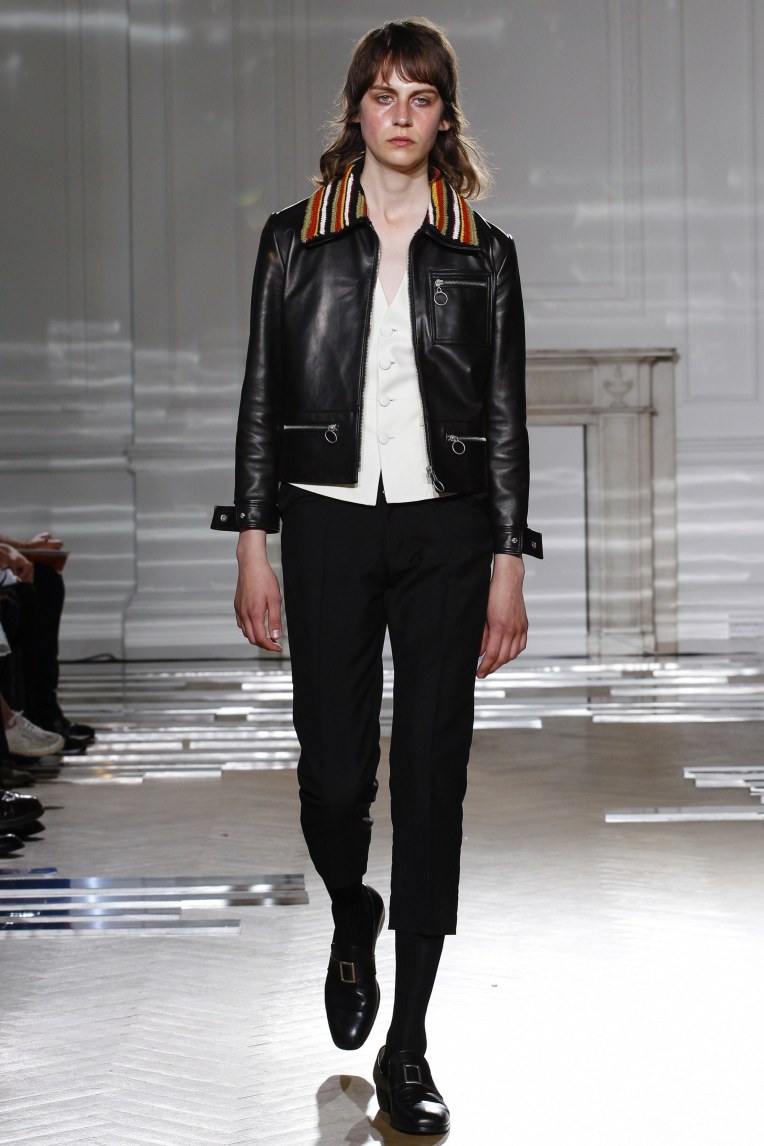
Men’s – Calm Men. Wales Bonner SS17

_ARC0357

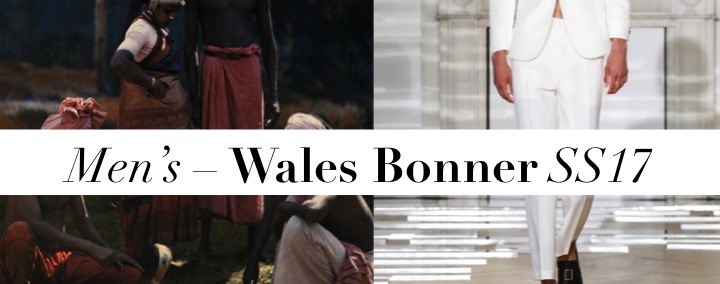
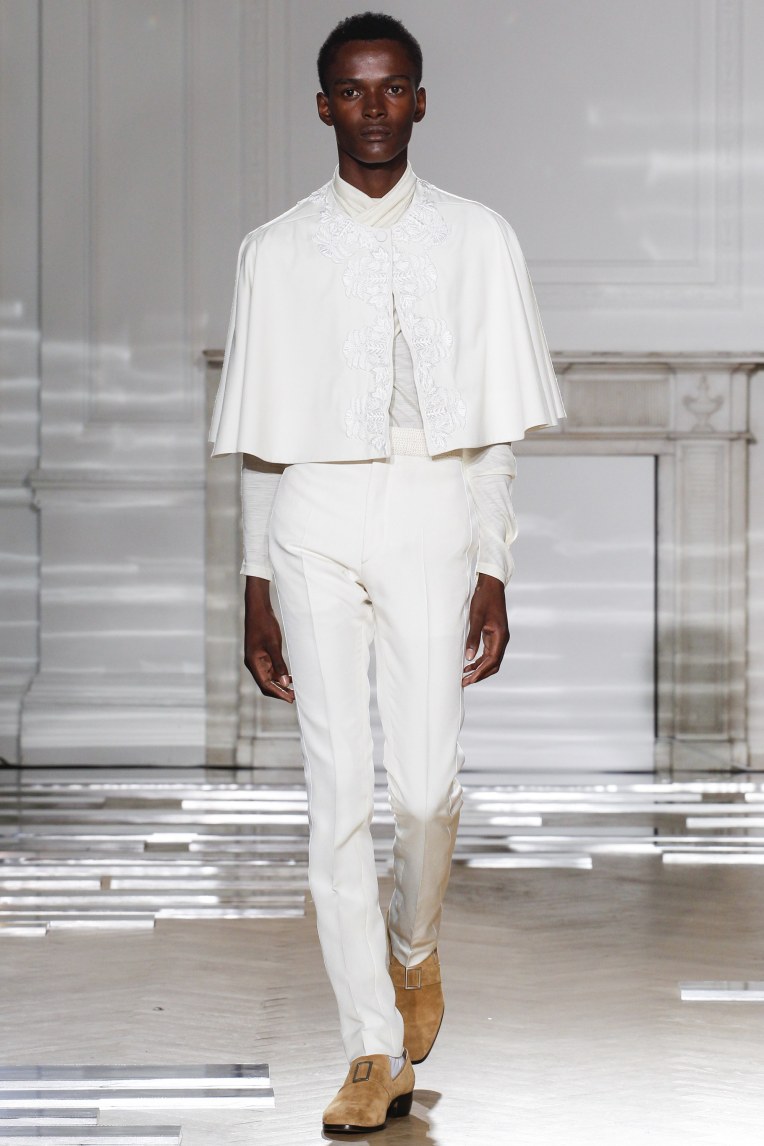
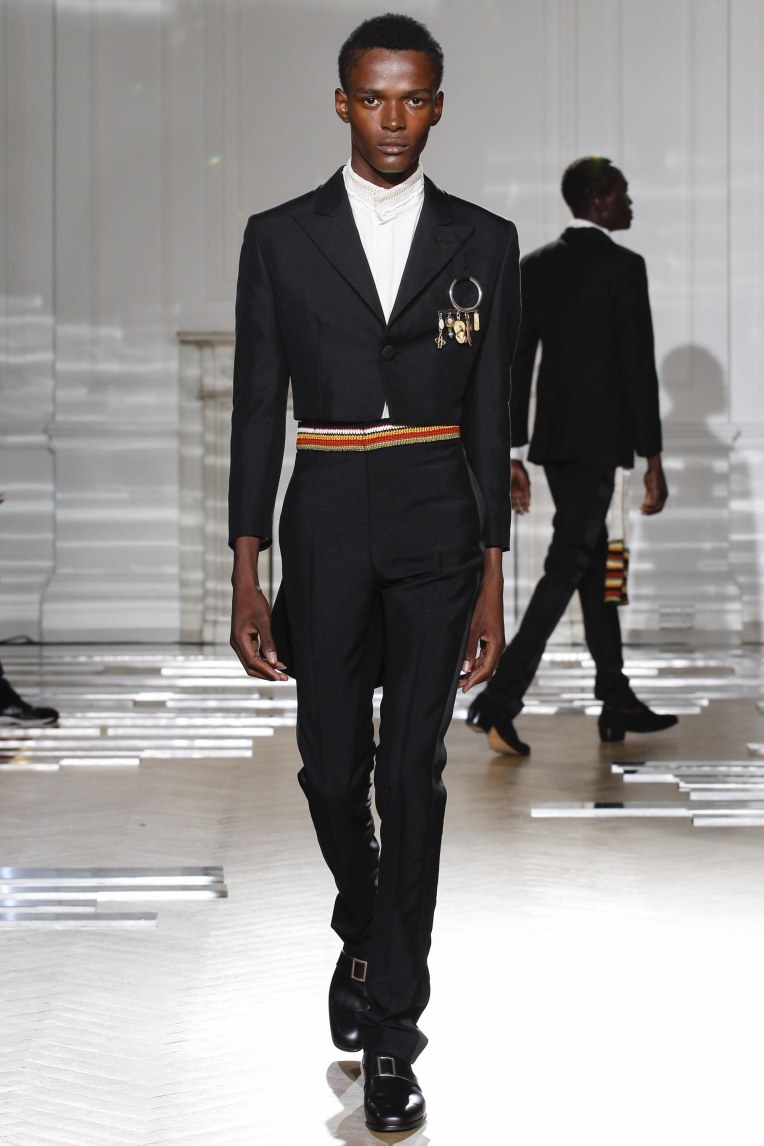
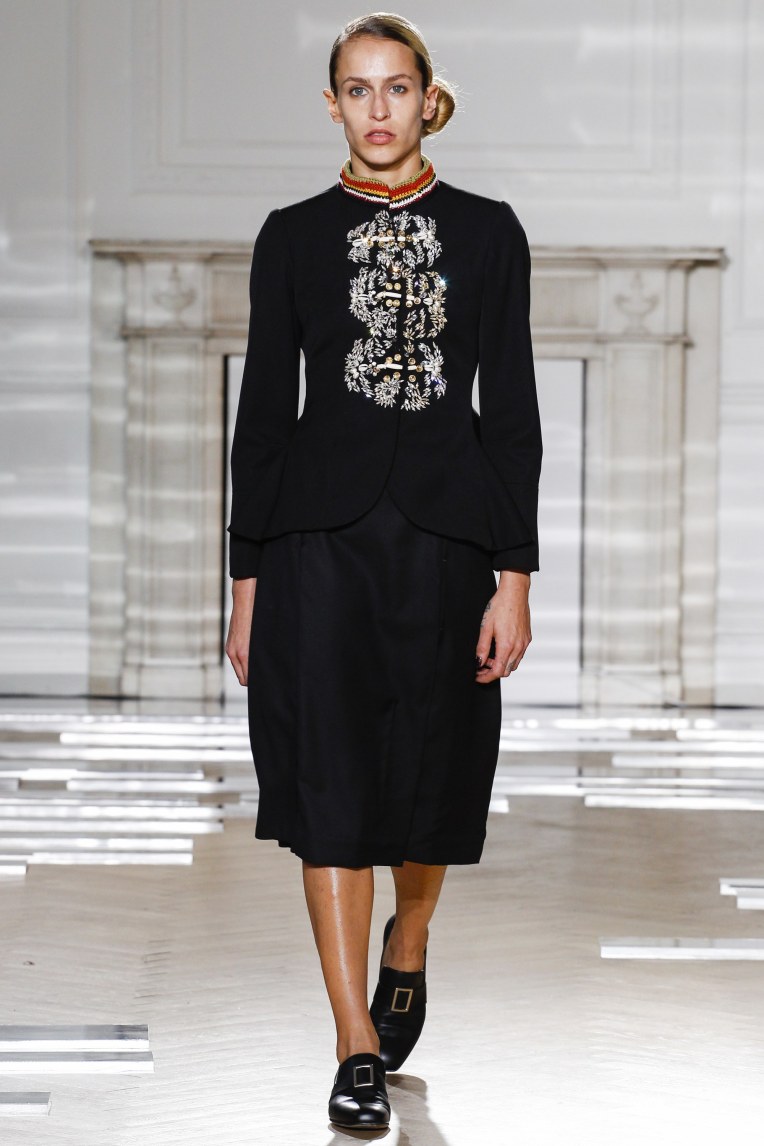
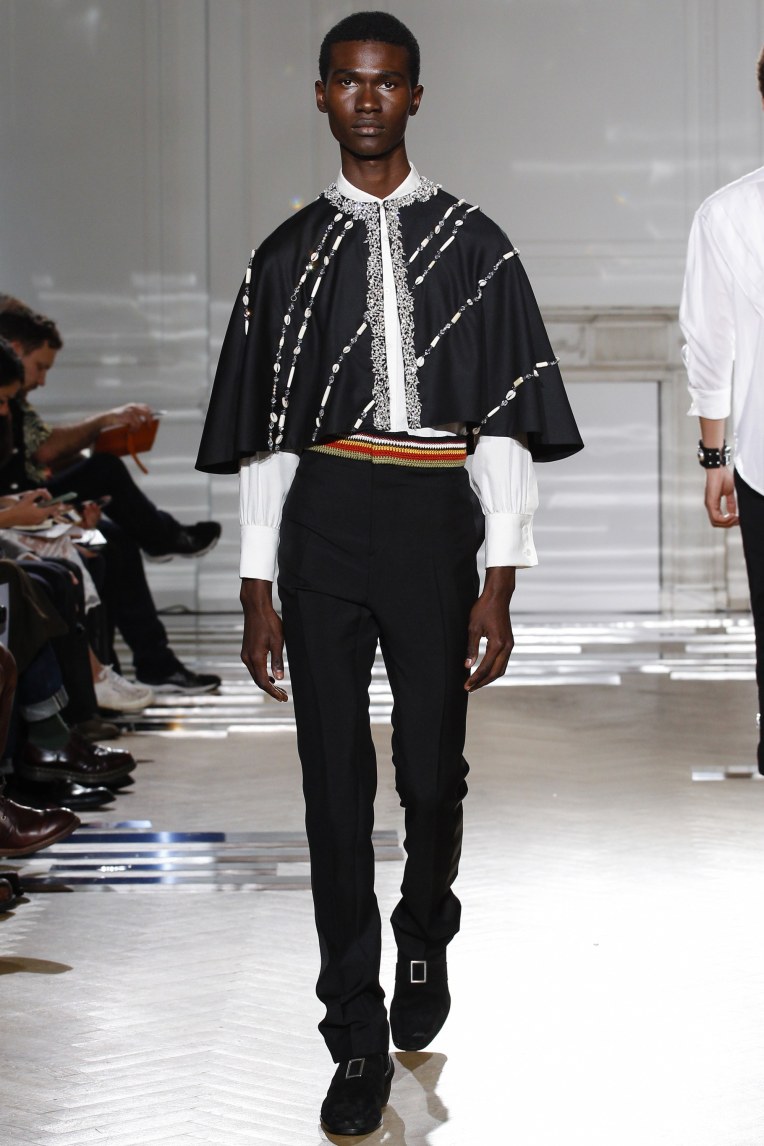
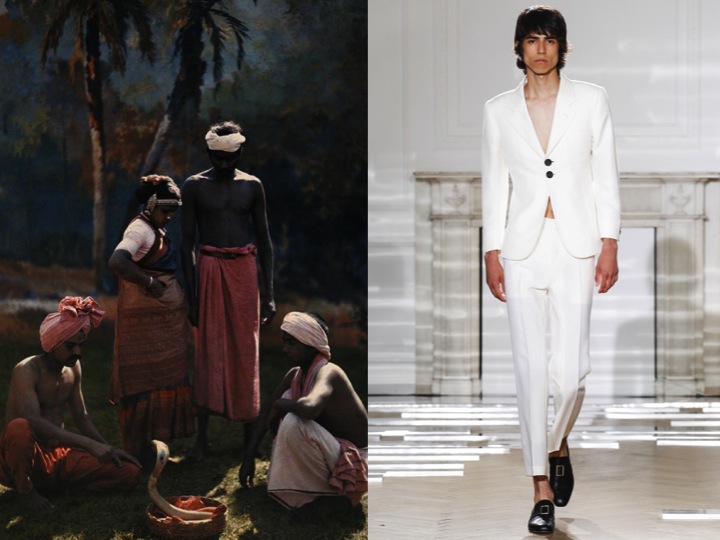
Grace Wales Bonner, 25, the London-based menswear designer, has been announced as LVMH Prize 2016 winner (along Vejas Kruszewski, who won the second prize), gaining the a major back-up for her eponymous brand. But in fact that’s just one of the reasons I’m writing about her today. The latter is her latest, break-through outing during London Fashion Week, which is pure poetry. When creating her label, Bonner’s main aim was to break the stereotype of black male fashion as aggressive, popularly seen in posture of hip-hop sweatpants and rapper’s gold chains. Wales Bonner’s work focuses on black male sexuality, unconventional masculine identity, and mainly afro-American cultural experience.

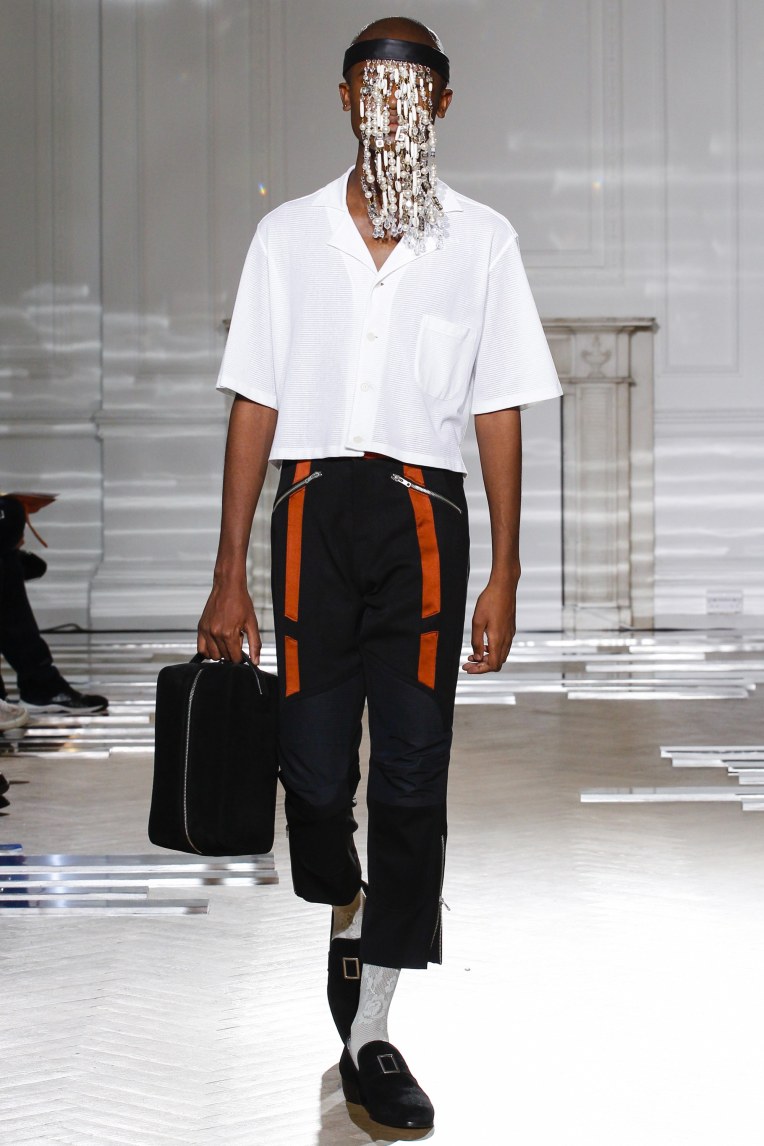
With a background of growing up in South East London and having a Jamaican dad, Grace looks forward to show the masses a new diversity in fashion, but from a totally different perspective – it’s much calmer, gentler, not as bold as in Stella Jean‘s way. This season, she was inspired particularly by Ethiopia’s emperor from the 30s, Haile Selassie, who was famous for blurring the African rituals with his own, military coronations and “style”. Tailoring, the season’s ultimate highlight, was embellished with crystals, all in traditional crotchet and meticulous embroidery. Her decorated, slightly dandy-ish men are accompanied by female models, who wear similarly androgynous pieces – gender fluidity is nothing new to us in London. But according to Wales Bonner’s vision, male beauty becomes something much more unexpected, yet highly signature. Her debut runway show was a bomb – and with LVMH’s funds, Grace will surely keep doing her thing.

_ARC0067

_ARC0172

_ARC0452

_ARC0408

_ARC0302

_ARC0230

_ARC0212

Slide1-kopia

Men’s – Confusing Odyssey. JW Anderson SS17

KIM_0759

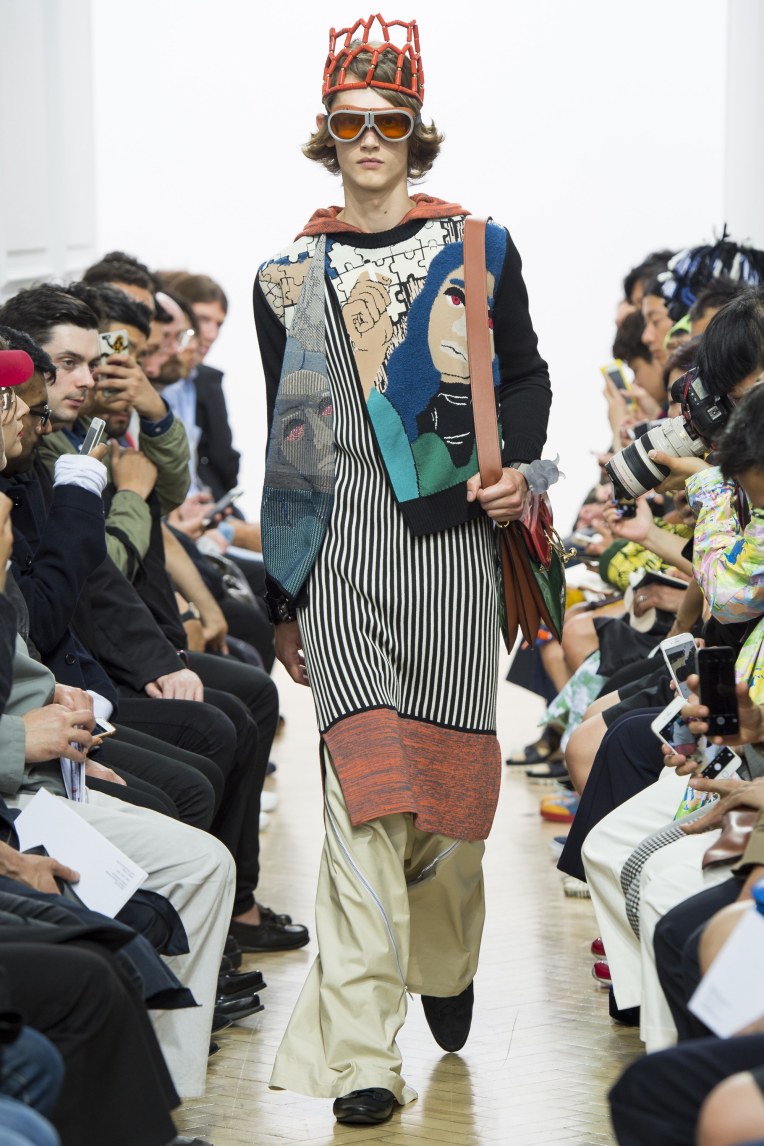
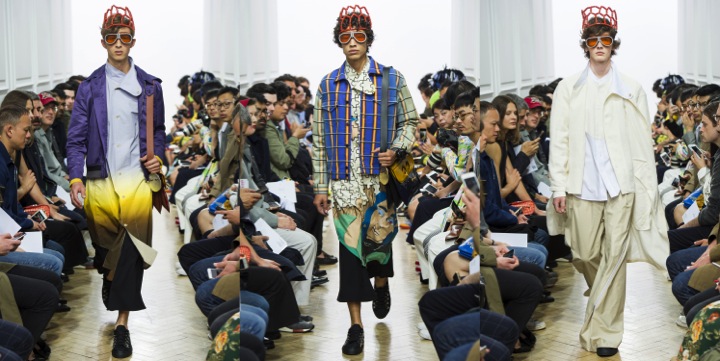
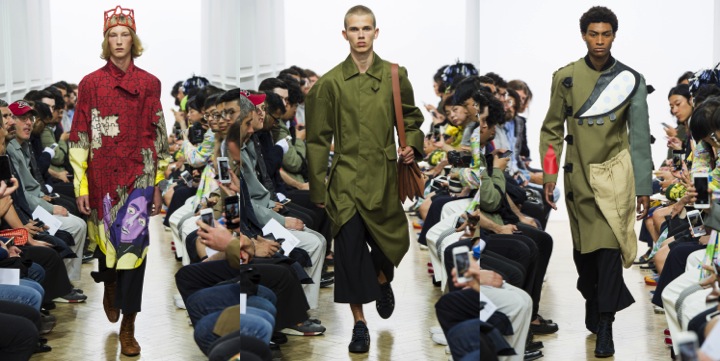
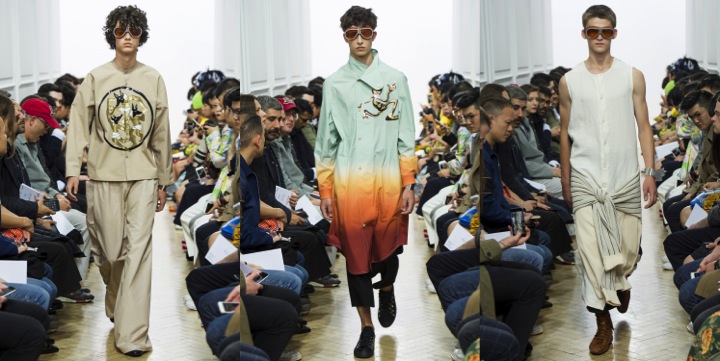
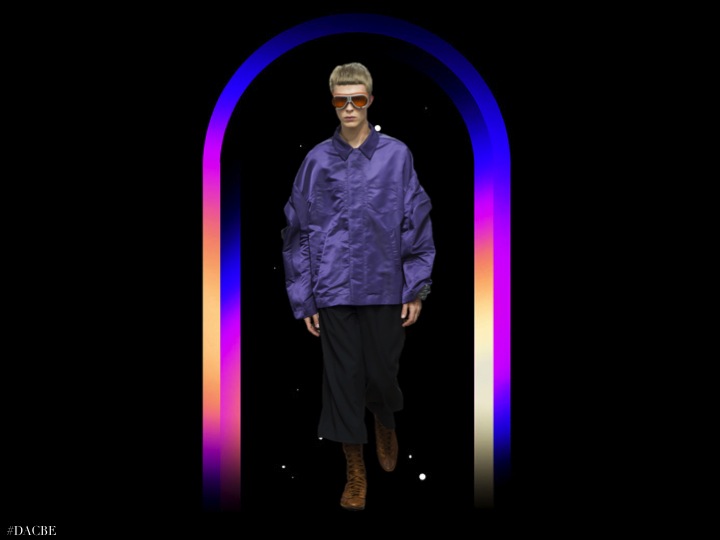
For boys, Jonathan Anderson gets extra peculiar, season-to-season. Maybe it’s because he feels that menswear is his in designer roots? Let’s not forget that J.W. Anderson was initially a men’s fashion label. Spring-summer 2017 collection feels like one of Anderson’s first outings – no commercial pressure (at first sight), just pure creativity. The latest collection is like a space odyssey, welcoming the unknown. Over-sized tunics, astronaut pantalons – is it the character of Little Prince, but a bit older? He still wears his crown, according to the designer. Also, this eccentric type of guy, Saint‐Exupéry’s fictional creation-like, seems to have a weak point for Jonathan’s signature “Pierce” bags, and colour spectrum coats, which look quite psychedelic when styled with high, lace-up boots. If this level of outer-space fashion isn’t reaching its peak, then take a look at the orange sunglasses. Then, there are the prints with frogs and Egyptian god of afterlife, Anubis. Luc Besson’s apocalyptic sci-fi thriller? Hacker style? I don’t have a clue what’s the message. Was that the aim? Anderson leaves me lost for words, and quite confused. But one thing’s sure – an upcoming collaboration between Anderson and musician ASAP Rocky is on its way. Elusively tagged as JWA X AWGE.

Slide1-kopia 3

Slide2

Slide3

Slide4

Slide5

Slide1