The 2010s / Galliano’s Future at Maison Margiela

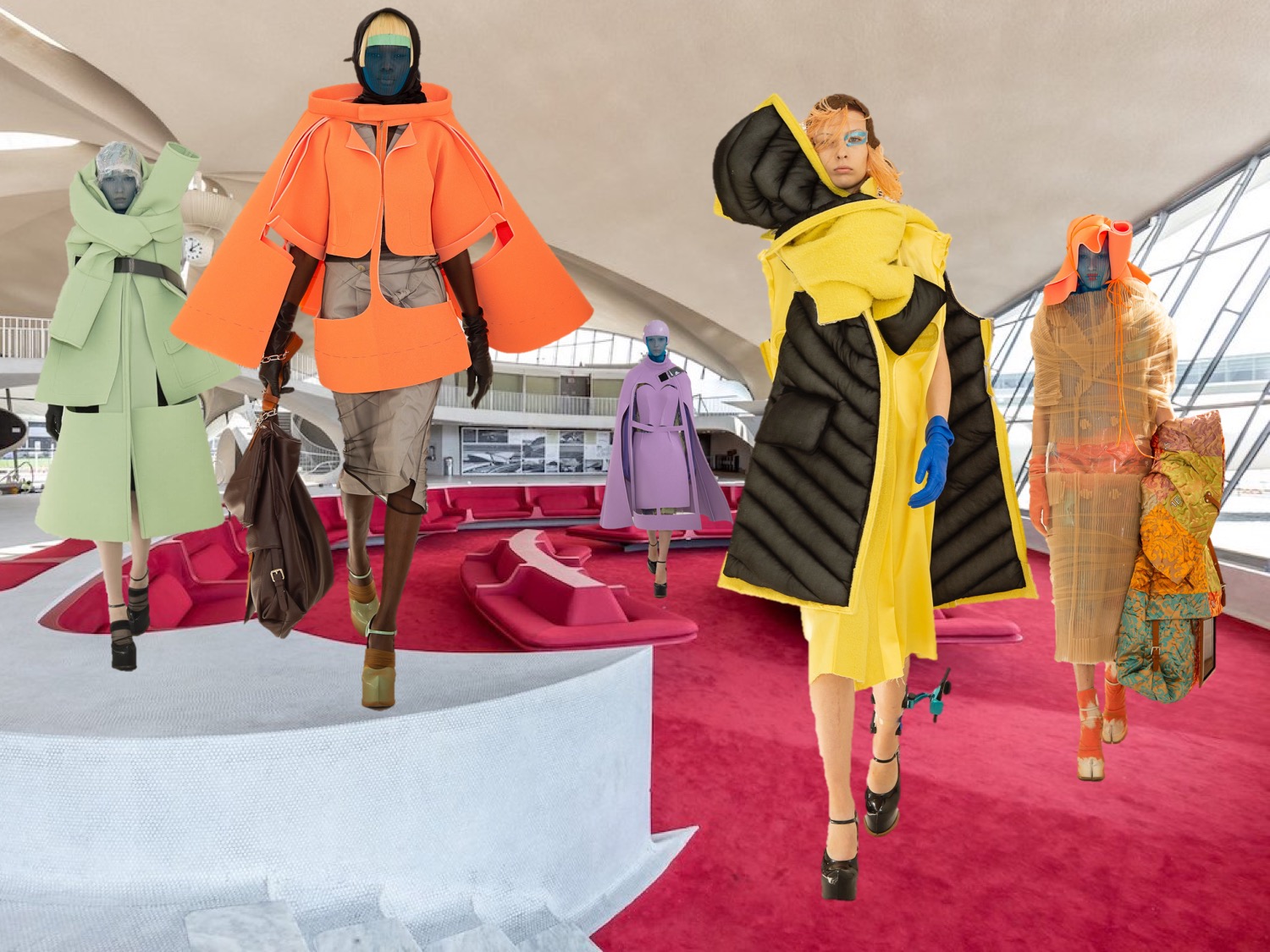
Maison Margiela AW18 Couture by John Galliano

Believe it or not – I can’t! – but we’re heading towards a new millenium. So, how do you choose the most important collections, designers and labels of the decade? The ones that made an actual impact in the 2010s? Well, it’s not an easy task. It all began in September 2009 with New York’s spring-summer 2010 shows and ended when the autumn-winter 2019 haute couture shows wrapped in Paris. Few thousands of shows, by the way. There will be 19 posts (that’s really the only possible minimum!) reminding about the best – and if not the best, then strongly influencing – moments in fashion.

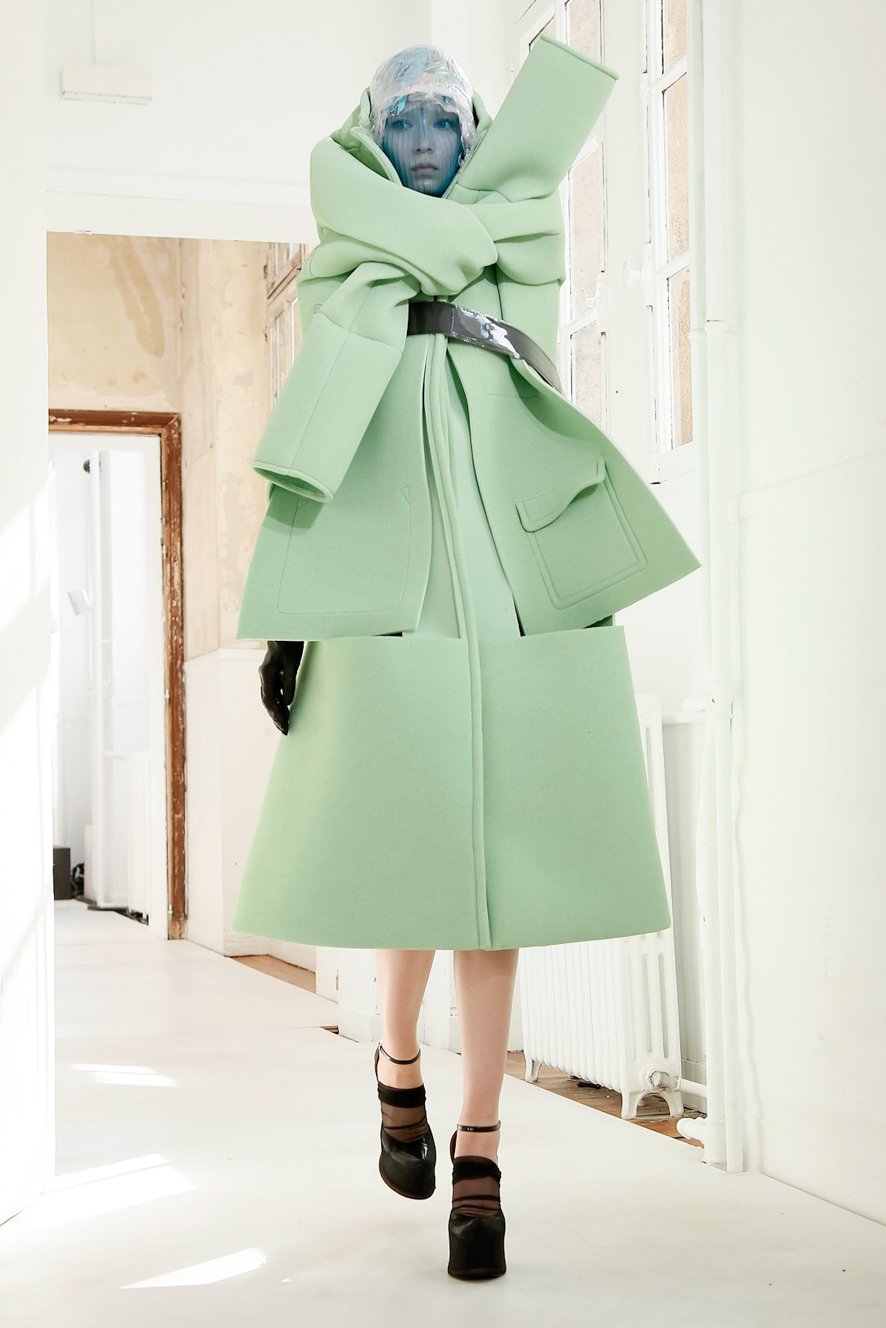
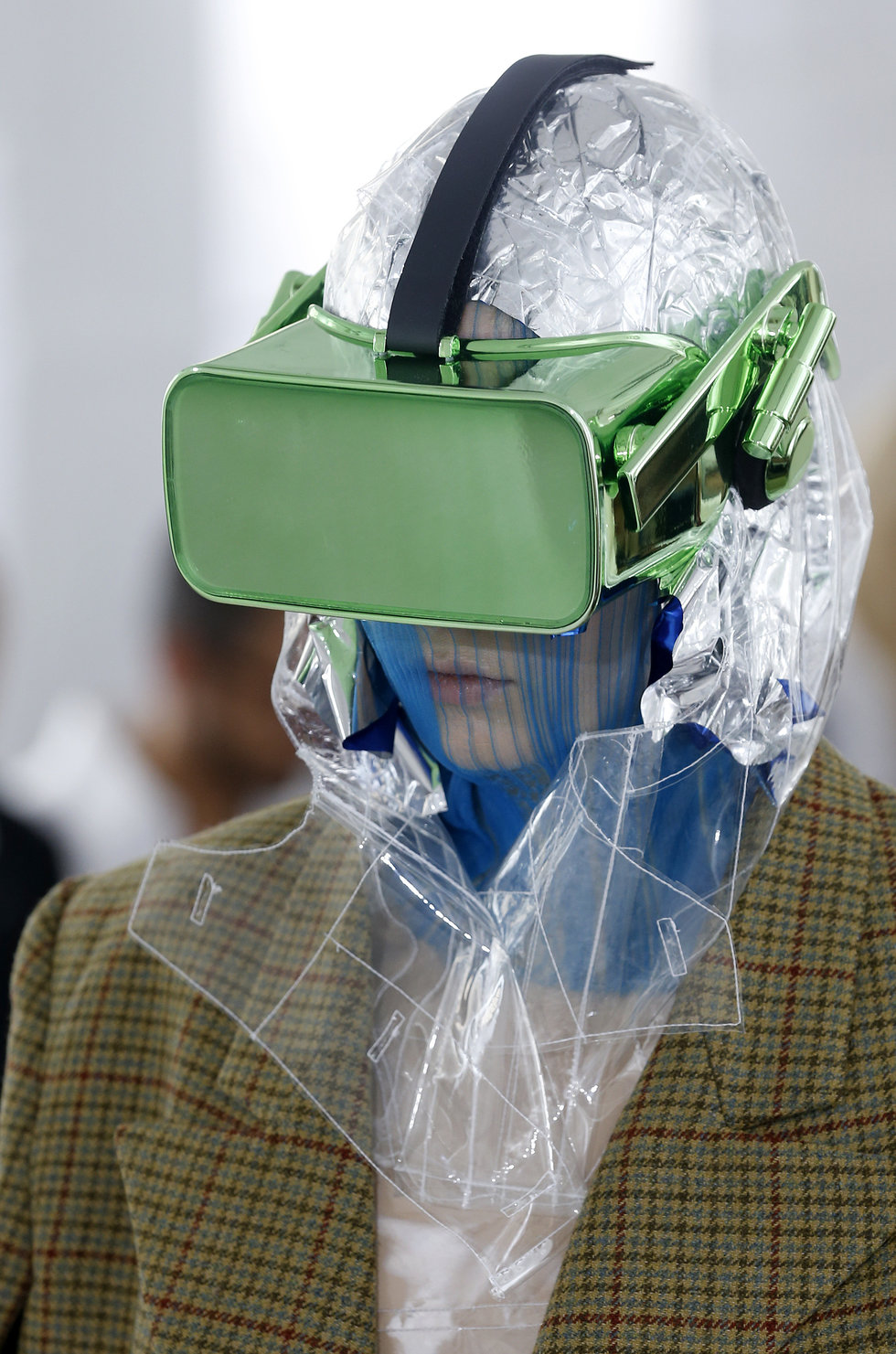
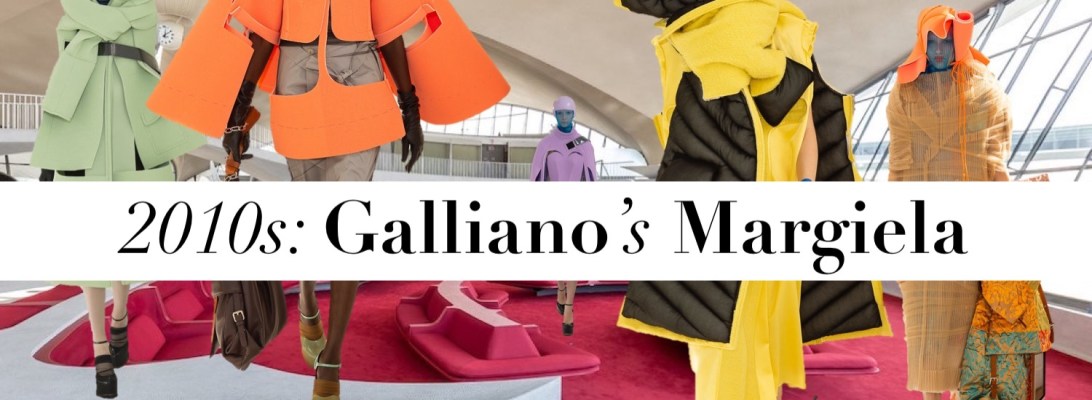
John Galliano‘s vision of the future at Maison Margiela.

Maybe I wasn’t a total fan of every Maison Margiela collection under John Galliano, but one thing is sure: the designer’s vision for the brand is always thought-provoking. Moreover, just a couple of days ago, it was announched that after five years as creative director of the label, John has extended his contract. Galliano joined Maison Margiela in 2014, taking over the brand’s womenswear, menswear, accessories and Artisanal couture collection. Under his tenure, the revenues have even doubled (which is positively surprising!). John’s talent is matched by his understanding of today’s generations: its ways of thinking, struggles and dreams. And he is doing exactly what the label always did at its best: disrupt, innovate, and inspire. One of my favourite collections is the autumn-winter 2018 couture line-up. Collections like this make you believe in fashion again. Maison Margiela‘s Artisanal line is an outlet for Galliano‘s wildest ideas, which seems to let him explore his most dynamic ideas with the unlimited freedom. But when you listened to John speaking about the collection, you suddenly undertood it’s not just a mega-artist’s next epic fantasy. There’s a seed of reality in those multi-layered garments packed with utilitarian textiles, protective pillow-y elements and extreme colours. “We’re all nomads today. . . we do move in tribes.” That nomadic glamour, the term he coined after the show, refers to the contemporary state of things. On the daily basis, we absorb so much information through different, constantly booming media. At the end of the day, we want comfort – but is it even possible in today’s world? Rather, we need shelter or an armour – which can be constructed from tulle, felt wool or some sponge-y material, just as Galliano predicts. Even though we already exist in the hi-tech world, the vision of iPhones and iPads sticking out of our bodies like some kind of exoskeleton feels rather dystopian on the other note. But then, if the future will bring the humanity to “neo-digital natives”, as the designer called it, then at least our wardrobes won’t disappoint with boldness.
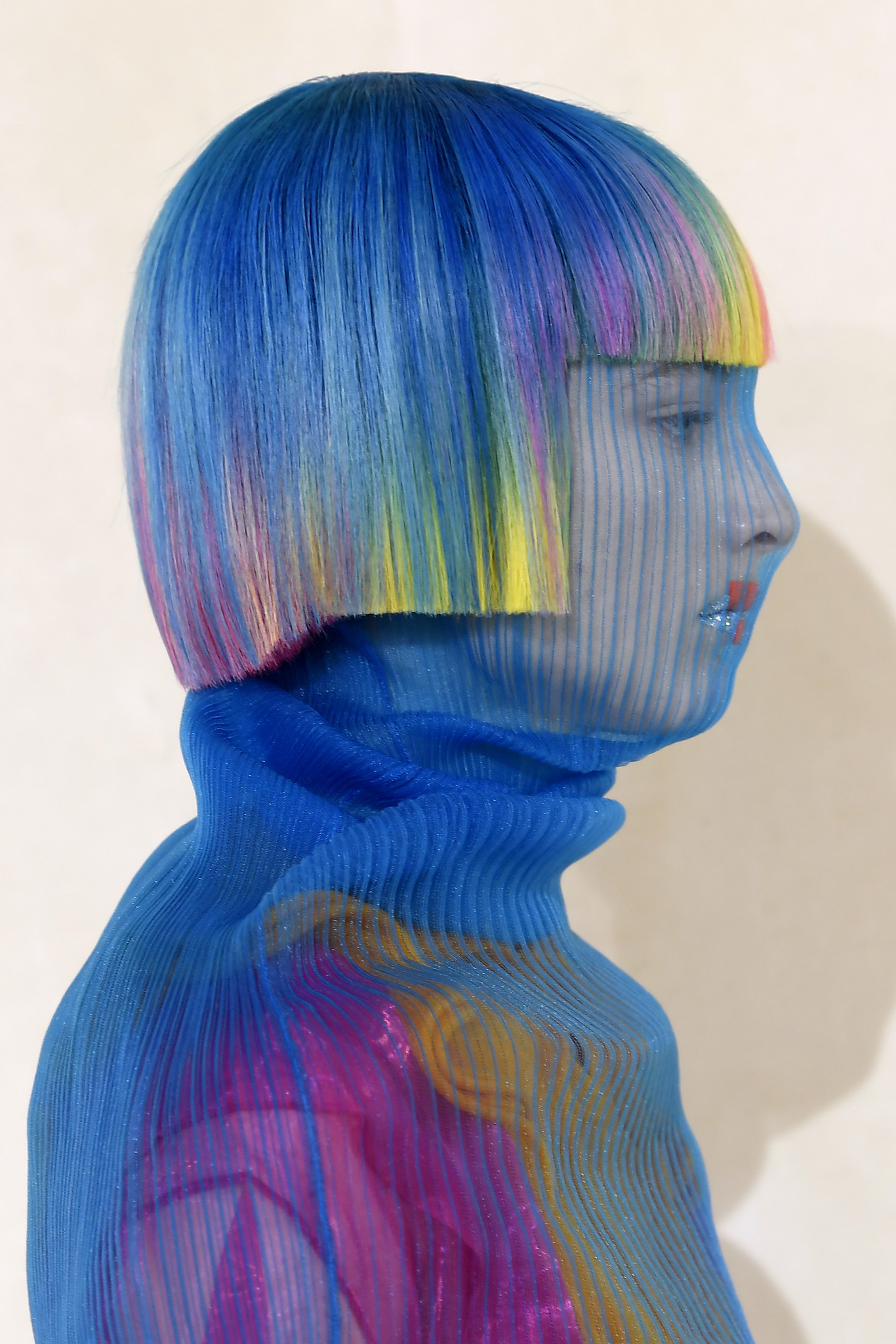
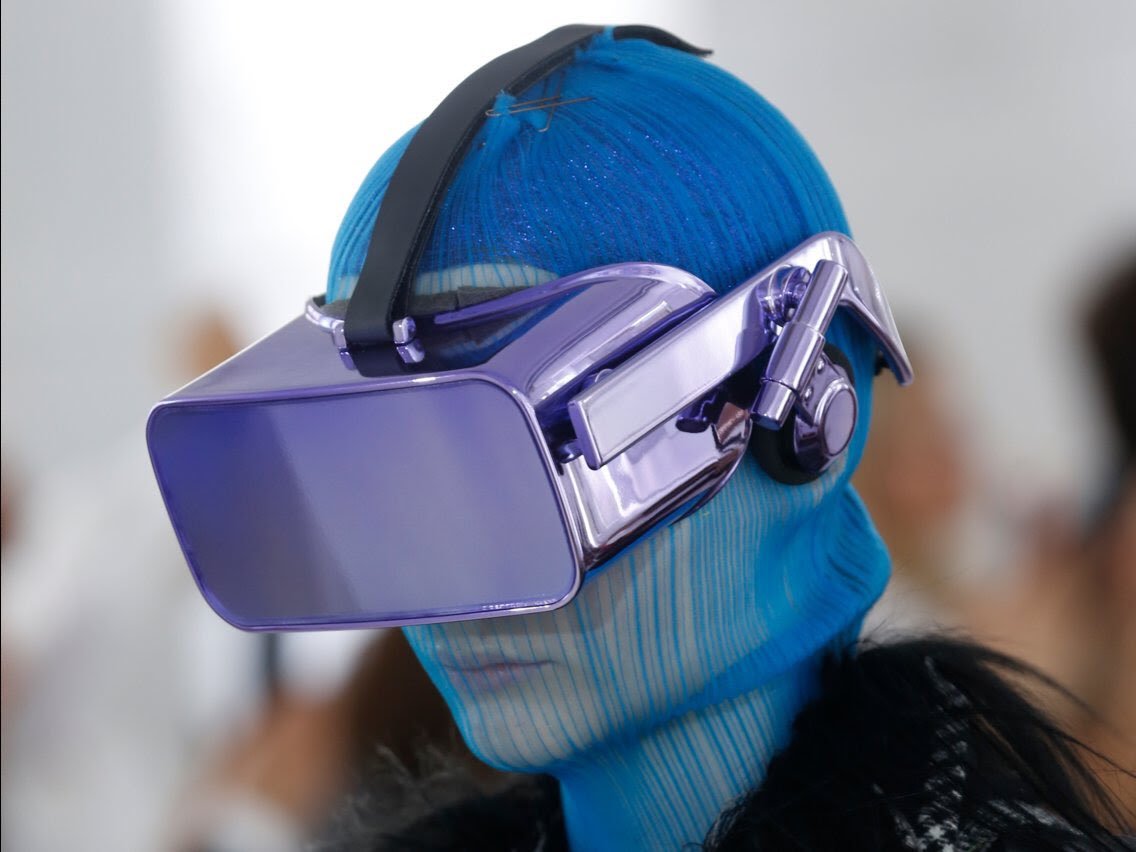
All collages by Edward Kanarecki.
The 2010s / Raf Simons (Times Four)

Believe it or not – I can’t! – but we’re heading towards a new millenium. So, how do you choose the most important collections, designers and labels of the decade? The ones that made an actual impact in the 2010s? Well, it’s not an easy task. It all began in September 2009 with New York’s spring-summer 2010 shows and ended when the autumn-winter 2019 haute couture shows wrapped in Paris. Few thousands of shows, by the way. There will be 19 posts (that’s really the only possible minimum!) reminding about the best – and if not the best, then strongly influencing – moments in fashion.

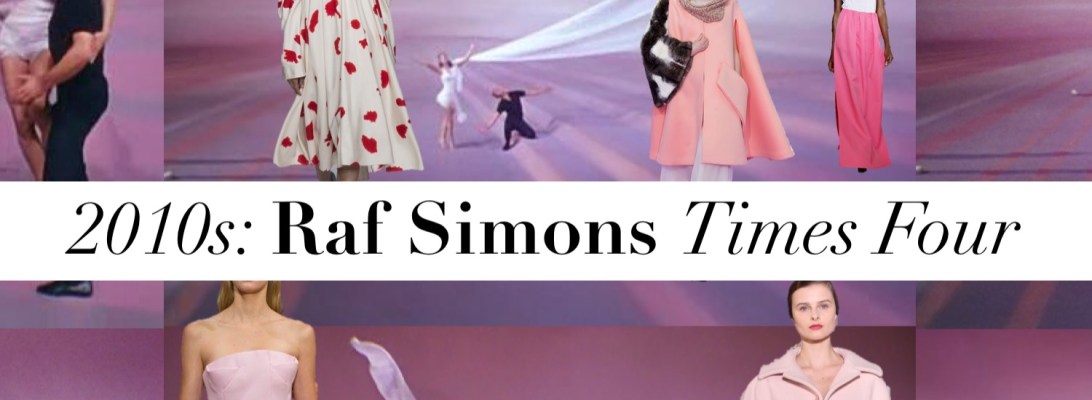
Raf Simons (times four).

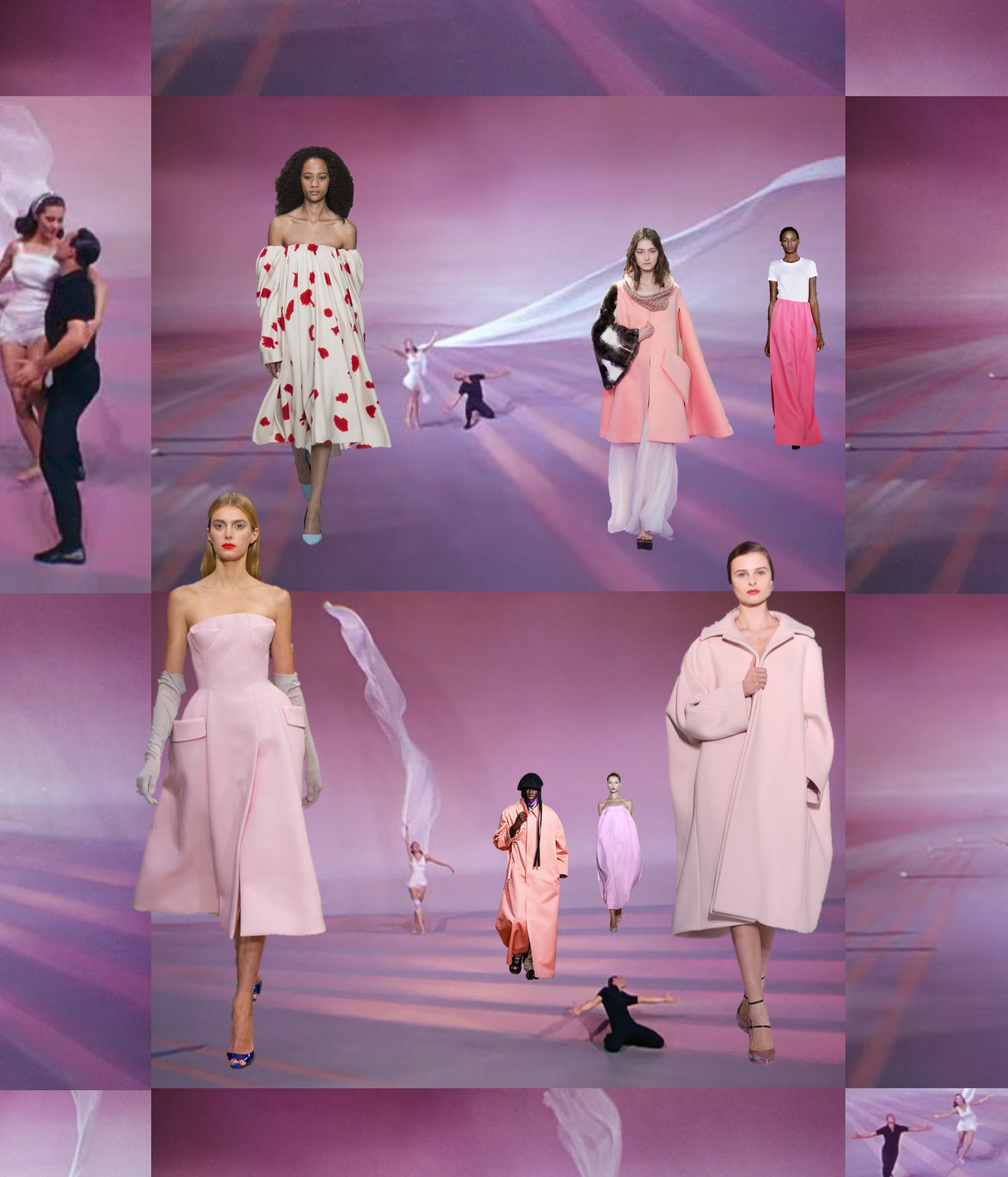
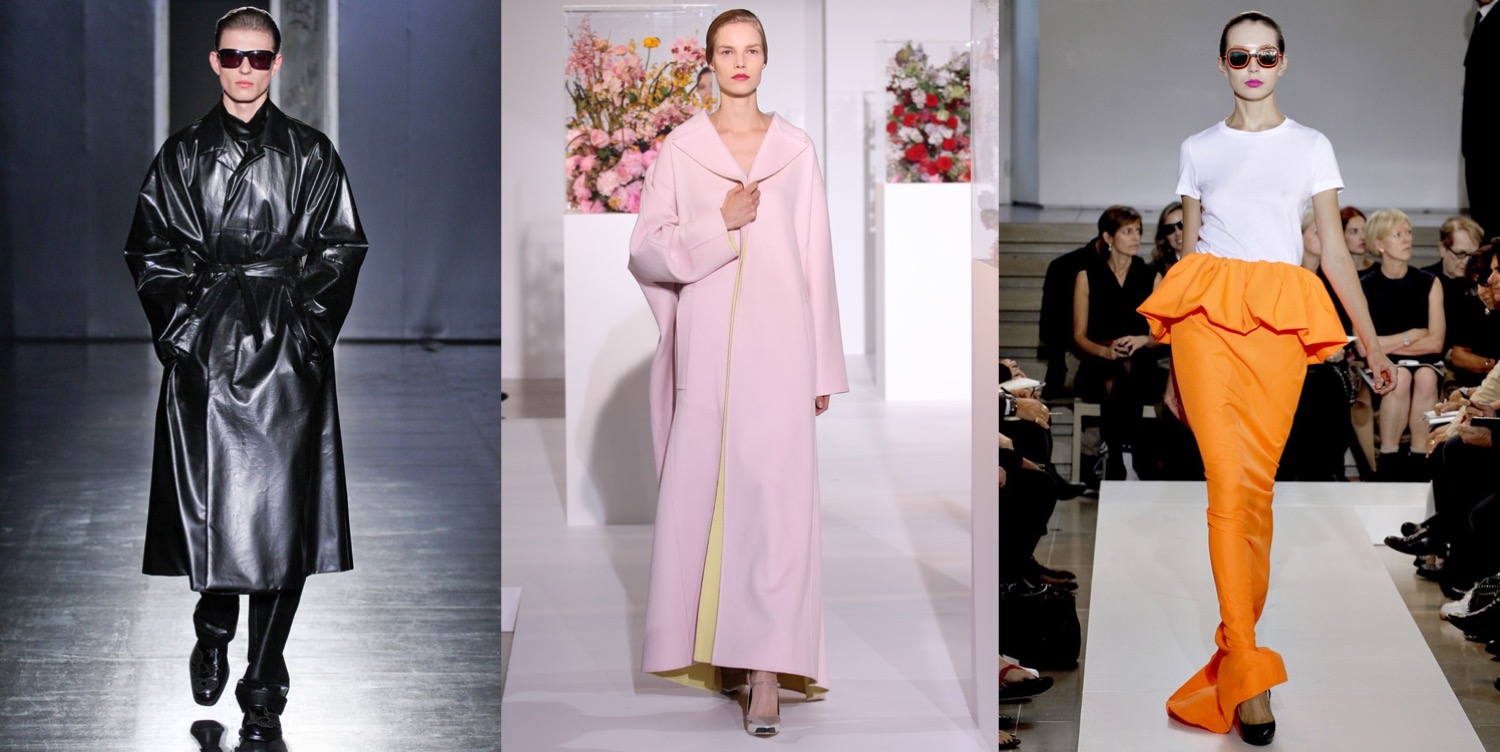
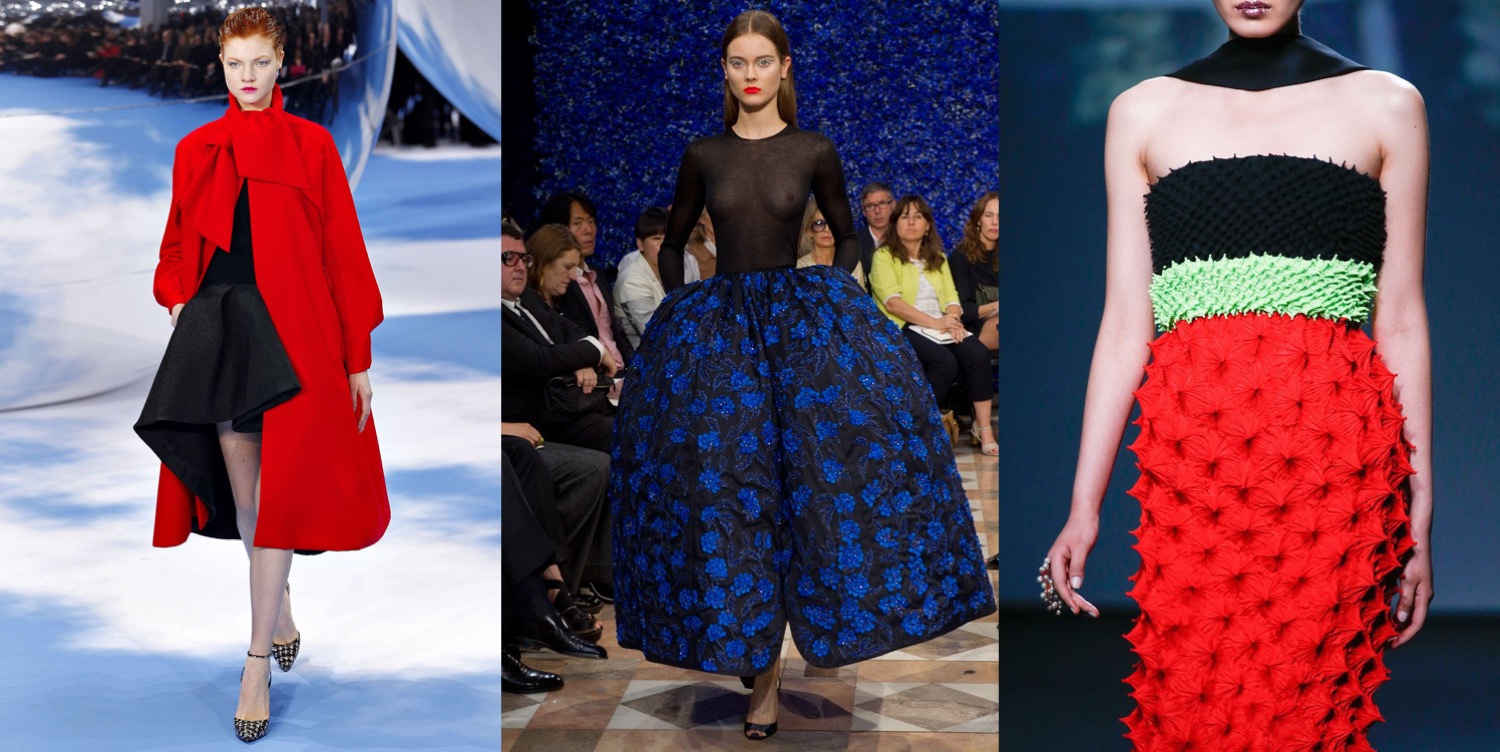
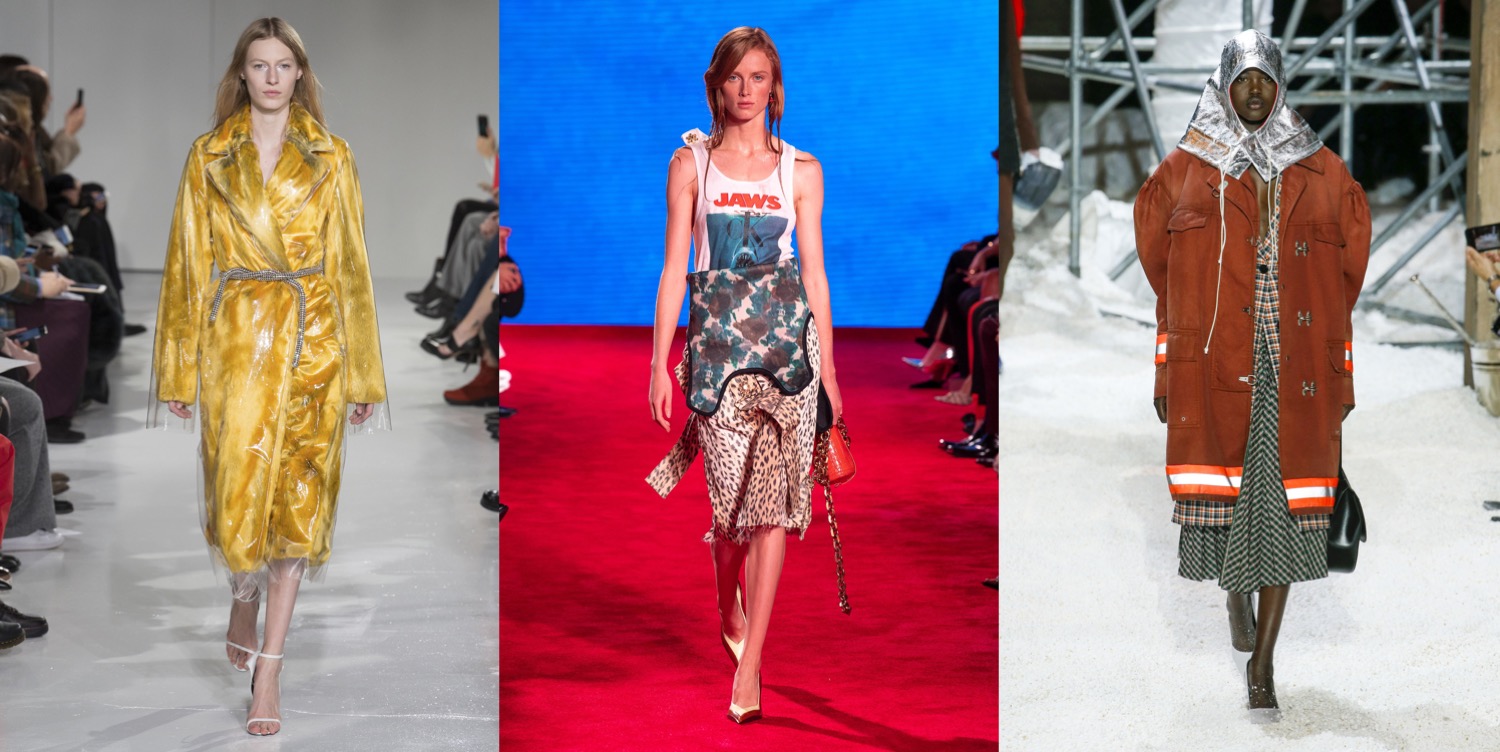
In this decade, probably no other designer worked as the creative director for three completely different brands, simultaneously presented incredible collections at their own label, and left such a meaningful body of work (and I’m sure will keep on expanding it in the 2020s!). I’m speaking of Raf Simons, the Belgian designer, who revolutionized menswear and elevated womenswear in a number of ways throughout the years. By the end of 2000s and in the beginning of 2010s, Simons brought Jil Sander back on track with his well-considered, minimalist sensitivity. Whether we’re speaking of the geometric colour block dresses (spring-summer 2011), all-leather suits for guys (autumn-winter 2012) or his forever great final line-up for the brand in 2012 – a parade of couture-ish, pastel pink gowns and cocoon coats – Simons’ tenure at Sander still keeps on being an inspiration for fashion today. Moving on, Raf was appointed as the creative director of Dior at 2012, and honestly, no other designer in this decade did anything as good for the maison (definitely not Maria Grazia Chiuri, Dior’s current designer…). Simons made Christian Dior’s house-codes, like the bar jacket, relevant again; his haute couture felt truly modern; he manages to redefine the label into something intelligent and refined. Not speaking of the gorgeous show venues (the debut collection in 2012 – the flower walls) and show locations (Pierre Cardin’s Les Palais Bulles in Cannes for resort 2016 will always have a special place in my heart). Simons left the brand due to the industry’s neck-breaking pace and constant need for newness – factors that make even the biggest visionaries struggle. After a short hiatus, the news of his appointment at Calvin Klein struck everyone. His Calvin Klein 205W39NYC line was major in every meaning of this word – but not for the corporate, shallow and impatient owners, who parted ways with him after just two years. With Raf, the label could really stand for something. It brought spotlight to New York’s fashion scene. His four seasons there were filled with musings on American culture, from The Jaws and Andy Warhol to cowboys and university merch. Each collection was pure excitement. Also, his direction for CK’s apparel lines was far better than the influencer trash that’s going on now. And of course, Raf Simons, the brand. From the now cult Sterling Ruby collection to the remarkable “odes” (like the Robert Mapplethorpe or The Blade Runner inspired collections), there wasn’t even one ‘bad’ line-up that came from Raf for Raf – each is special, and all the pieces coming from them can be tagged as “collector’s item”. Will Simons work for another brand in the 2020s or stay home with his namesake label? Who knows. Whatever his next step will be, I’m definitely paying attention.

Jil Sander by Raf Simons

Dior by Raf Simons

Calvin Klein 205W39NYC by Raf Simons

Raf Simons… by Raf Simons.

Collage by Edward Kanarecki.
The 2010s / Simone Rocha AW19

Believe it or not – I can’t! – but we’re heading towards a new millenium. So, how do you choose the most important collections, designers and labels of the decade? The ones that made an actual impact in the 2010s? Well, it’s not an easy task. It all began in September 2009 with New York’s spring-summer 2010 shows and ended when the autumn-winter 2019 haute couture shows wrapped in Paris. Few thousands of shows, by the way. There will be 19 posts (that’s really the only possible minimum!) reminding about the best – and if not the best, then strongly influencing – moments in fashion.

Simone Rocha‘s woman-for-women AW19 collection.

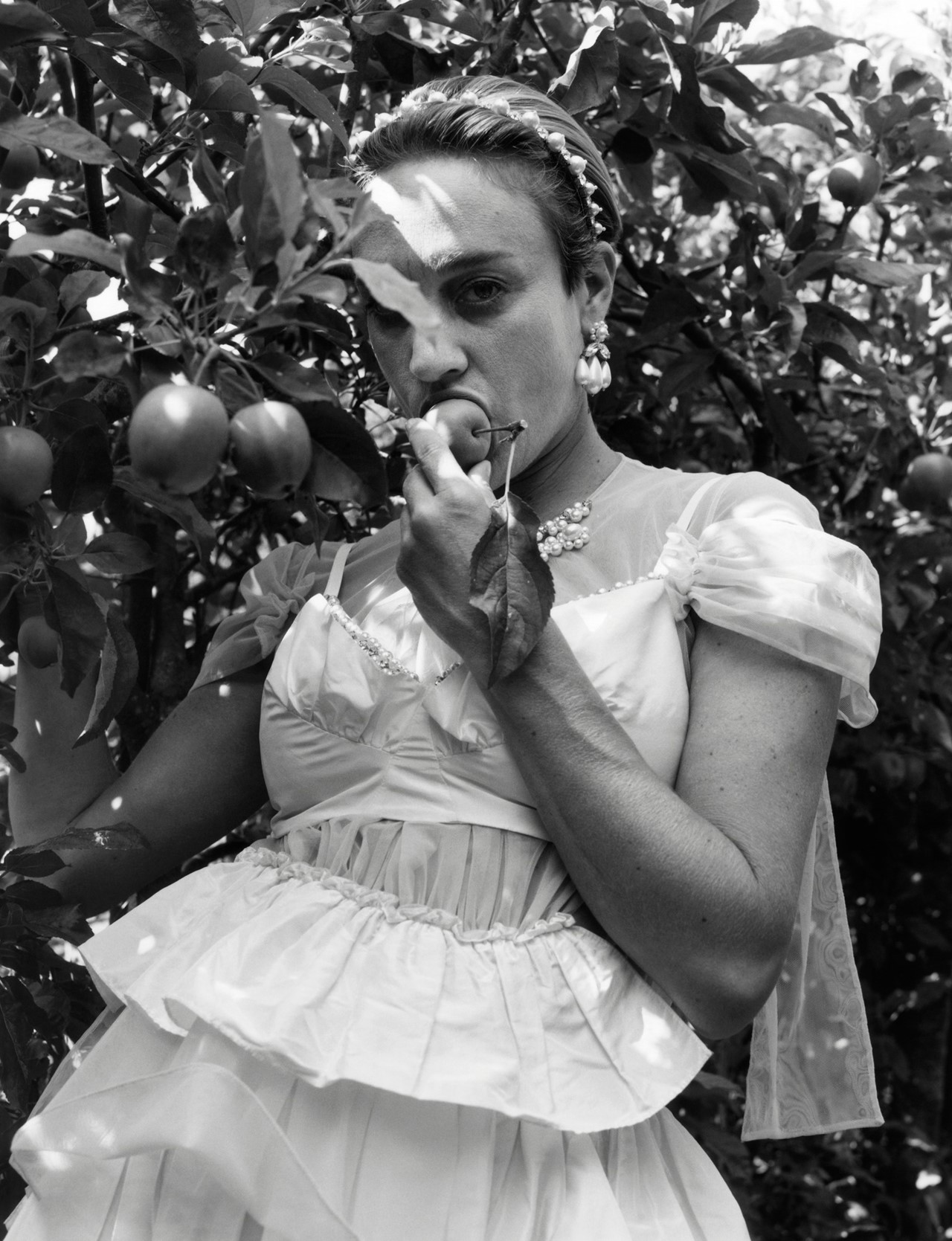
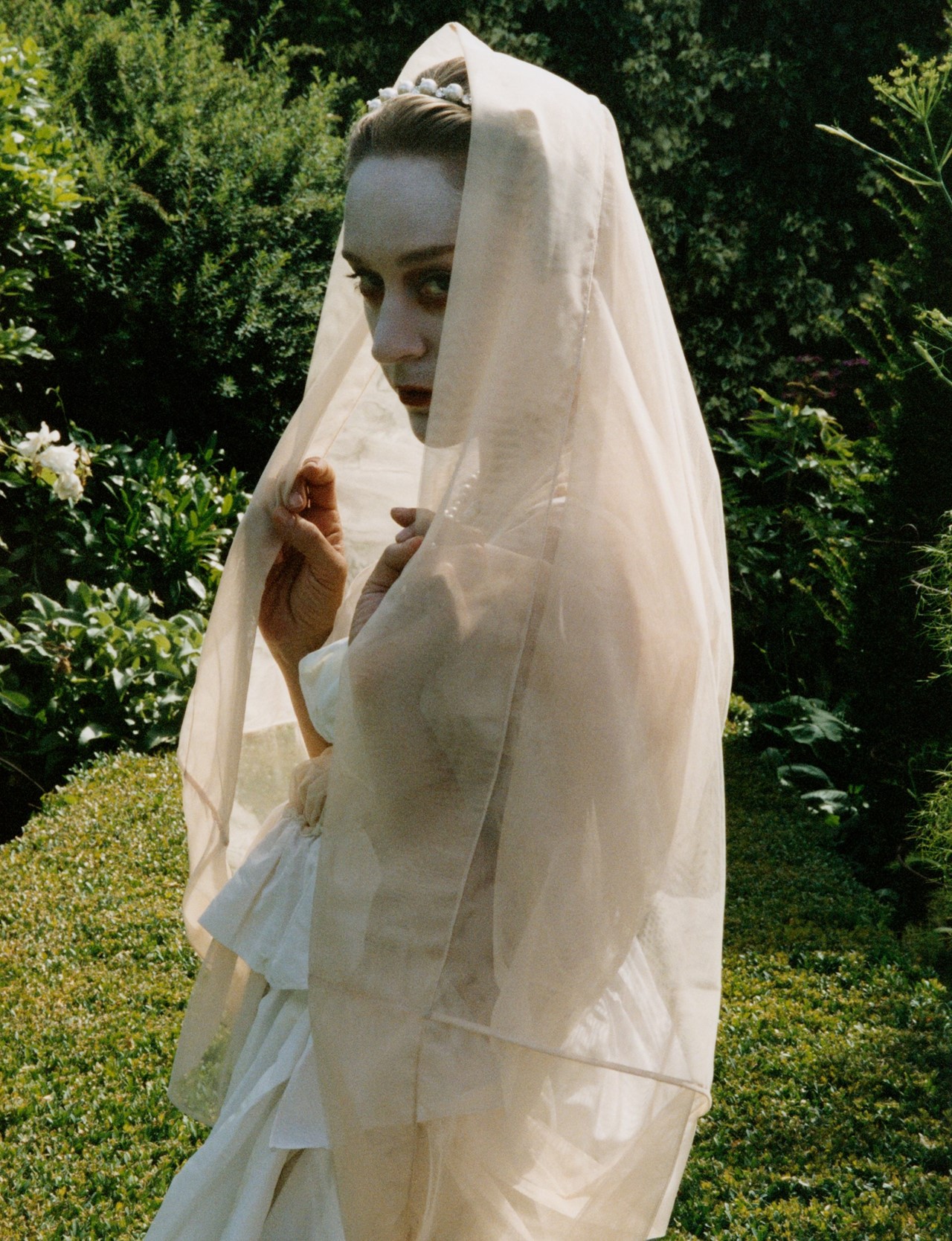
Talented women with their distinct style rule in London. There’s Molly Goddard, Victoria Beckham, Mary Katrantzou, Roksanda Ilincic, Surpiya Lele. And there’s Simone Rocha, whose autumn-winter 2019 was one of the very best collections I’ve seen that season. Rocha designs for women – and women love her. Seeing her runway graced by women of different ages, colour and body types was a female power moment, yes, but also an ode to the brand’s clients who trust Simone every season. Chloë Sevigny, Tess McMillan, Kristen Owen, Lily Cole, Sara Grace Wallerstedt, Ugbad Abdi… whether models or not, runway veterans or bold newcomers, all those faces are amazing individuals and characters. And, also, it’s an ultimate proof that full-skirted dresses and coats aren’t only meant for 20-somethings, just like organza see-throughs, bras worn over trench coats and opulent headbands. The collection was a study of female eroticism, a debate between being the object of desire and owning it. As the designer put it in her own words, “it was a about intimacy and privacy, security and insecurity”. Rocha looked at Michael Powell’s disturbing films (like ‘Peeping Tom’, the voyeuristic horror), but also returned to her long-time inspiration – Louise Bourgeois. The artist investigates the subject of sex and tenderness in her works, which as well often takes a darker turn. “I found her series of weavings which she’d made with fabric from her own clothes particularly beautiful,” Simone said. The spiderweb embroideries and prints Rocha used for puffball coats and dresses were made in collaboration with the Louise Bourgeois Foundation – could you wish for a more heartwarming artist appreciation moment? Still, while the themes behind the collection might be not exactly joyous and lightweight, the models – we see you, Chloë – were all smiley and visibly proud to be walking that outstanding show. This line-up could not end up in my 2010s favourites!

Collage by Edward Kanarecki. Chloë Sevigny wearing Simone Rocha AW19, photographed by Harley Weir and styled by Robbie Spencer for Dazed & Confused.

The 2010s / Lemaire AW15

Believe it or not – I can’t! – but we’re heading towards a new millenium. So, how do you choose the most important collections, designers and labels of the decade? The ones that made an actual impact in the 2010s? Well, it’s not an easy task. It all began in September 2009 with New York’s spring-summer 2010 shows and ended when the autumn-winter 2019 haute couture shows wrapped in Paris. Few thousands of shows, by the way. There will be 19 posts (that’s really the only possible minimum!) reminding about the best – and if not the best, then strongly influencing – moments in fashion.

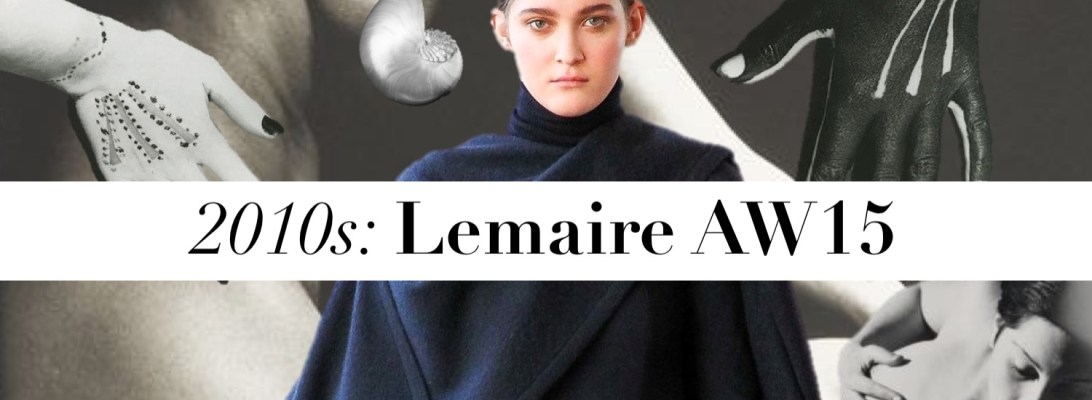
Lemaire AW15 and sensual minimalism.

If you’re visiting my journal, even from time to time, you surely know how I love Lemaire. Christophe Lemaire and Sarah Linh Tran‘s Paris-based label is one of my ultimate favourites, every season. But in the 2010s period, it was their autumn-winter 2015 collection that completely, completely stole my heart. It was the perfect balance between minimalism and sensuality. So elegance, chic, yet wearable. And elusively appealing! The heat was undoubtedly turned up: more bare shoulders, more daring décolleté, plus a molded leather bag that Tran described as “boobs and ass.” Asked to describe  how the Lemaire woman has moved on, Lemaire answered: “More dangerous, less melancholic.” Sexuality that’s subtle; in between the lines; unobvious. But, as I said, any other Lemaire collection that we’ve seen this decade is nearly as good. Another favourites include autumn-winter 2019, spring-summer 2017 and autumn-winter 2013. And of course autumn-winter 2017, the collection I saw in person in Paris during a showroom presentation!

Collage by Edward Kanarecki.

The 2010s / Comme Des Garçons AW12

Believe it or not – I can’t! – but we’re heading towards a new millenium. So, how do you choose the most important collections, designers and labels of the decade? The ones that made an actual impact in the 2010s? Well, it’s not an easy task. It all began in September 2009 with New York’s spring-summer 2010 shows and ended when the autumn-winter 2019 haute couture shows wrapped in Paris. Few thousands of shows, by the way. There will be 19 posts (that’s really the only possible minimum!) reminding about the best – and if not the best, then strongly influencing – moments in fashion.

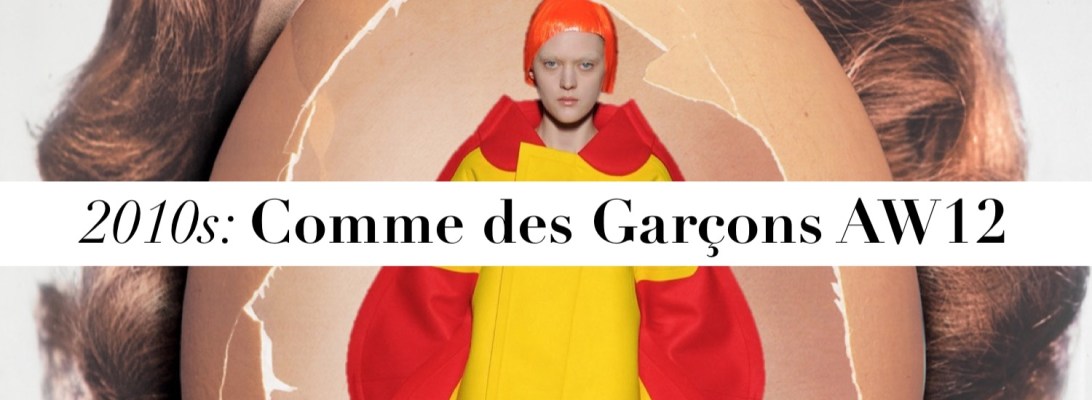
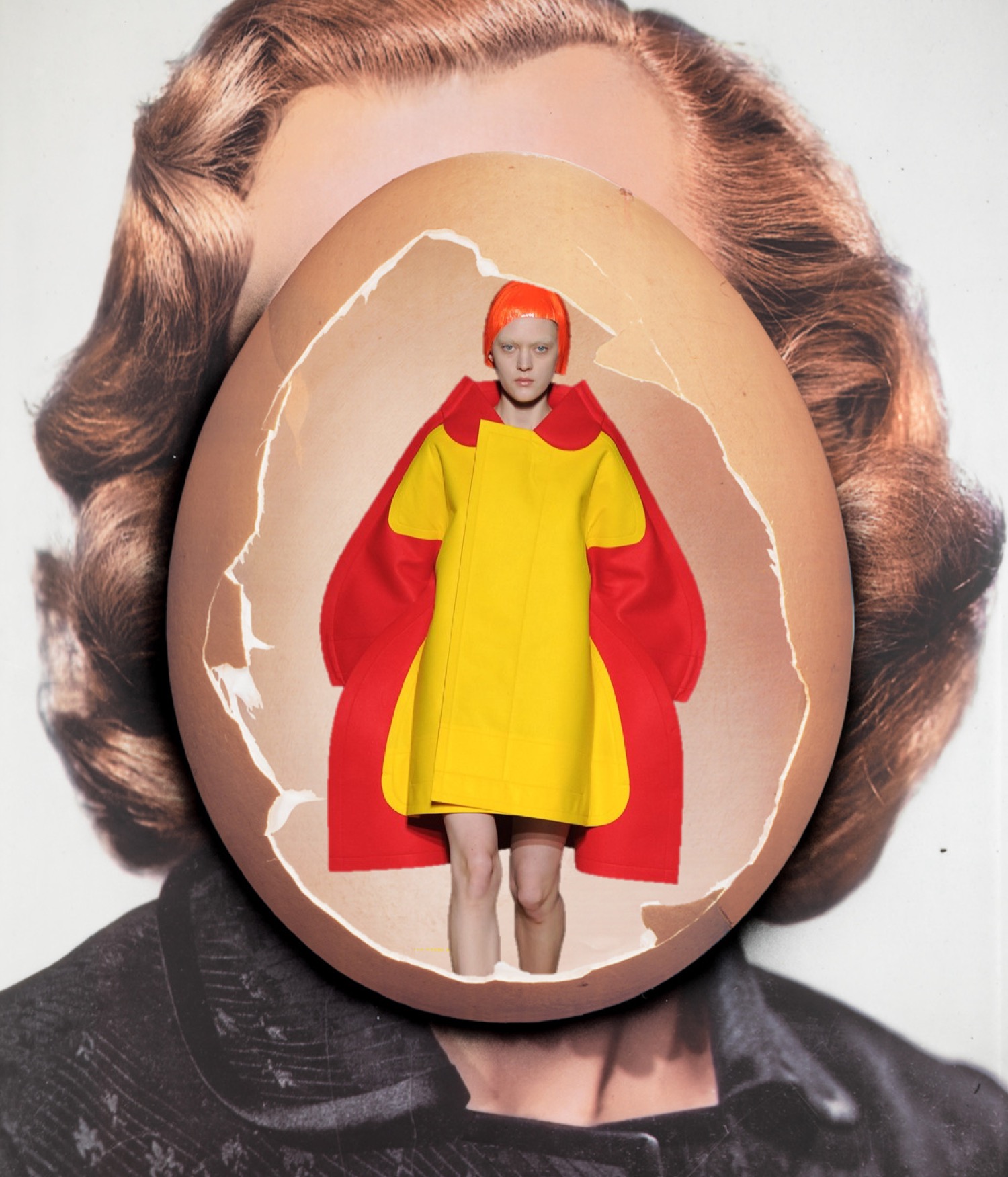
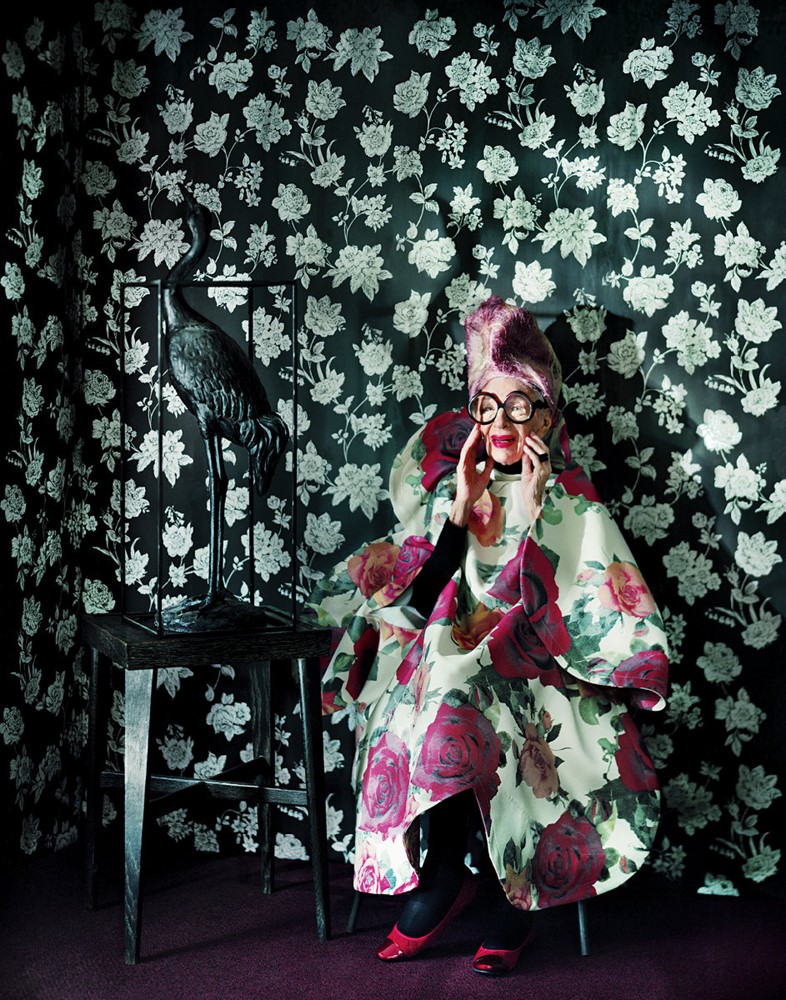
Rei Kawakubo‘s “flat” collection, Comme Des Garçons AW12.

Back in 2012, I was 13. And this collection was a complete fantasy for me. “The future’s in two dimensions” was its provocative premise. The cutout paper-dolliness of looks like the red and pink felted coat-dresses that opened the show, or the lilac jacket and pants that followed – all that was amazingly odd and phenomenal at the same time. In fact, this wasn’t just about fun dressing up – hello, it’s Rei Kawakubo’s work! – but rather a comment on the state of the industry (there was a sort of creativity crisis in the end of 2000s and the beginnings of 2010s, to be honest). If the fashion industry was happy with coverage that reduces its most elevated endeavors to two dimensions, then Rei was going to reduce the industry itself to an equally flat proposition. A handful of ultra-clichéd fashion patterns – camo, leopard, florals, polka dots – were used in the most literal of ways. The “eveningwear” was all about sequins, the ultimate evening cliché. How flat! Kawakubo mocked fashion and us, the viewers, but at the same she created wearable, geometric art-works that still make you sigh with delight. Here’s Iris Apfel photographed by Jeff Bark for Dazed & Confused wearing the most striking pieces from the collection. Naturally, the 13 year old me needed that issue. And the today me still cherishes it for this stunning editorial.

Collage by Edward Kanarecki.