

Yesterday’s news of Christopher Kane entering administration and considering selling his namesake label make you realize that in this industry, truly inventive creatives have to struggle, while others get unlimited budgets and press just… because. It’s no news that running an independent creative fashion label in London is practically impossible, but the vision of Kane exiting fashion is just heartbreaking. His knack for wickedly original, sometimes even disturbing pairings of strange materials and references has earned him a reputation of a playful conjurer who with grace combines non-obvious sexiness with contemporary chic. Hopefully, the designer will find a financial solution similar to Roland Mouret, another significant London-based designer, and will continue designing under his own name with new, supportive partners behind his back.
If resort 2024 is actually the last Christopher Kane collection we will ever see, then it’s exemplary of the designer’s unique fashion vocabulary. This line-up is packed with chic-funny-simple evening ideas that look like a joy to wear. Should you detect a ’50s/’80s post-punk New Wave-ish vibe coming off it, you’re not wrong. As ever, behind every brilliant Christopher Kane party-trick, there lies something darker. This time, Christopher and his sister, Tammy, had been watching All the Beauty and the Bloodshed, the documentary about Nan Goldin that weaves her groundbreaking ’70s and ’80s photography into footage of her campaign of protest against the Sackler family’s sponsorship of major museums and galleries (The Sacklers own Purdue Pharma, a pharmaceutical company whose main drug is the opioid Oxycontin). It struck them that the connection between the forces of super-wealth at one end of society, and the most deprived at the other were stingingly present – in the clothes. It was the sight of the cocktail dresses, lingerie, and scrappy gowns worn by Goldin’s penniless junkie LGBTQ friends that resonated. “The reason they looked so amazing in their poverty is that they were wearing second-hand and discarded clothes thrown out by the wealthy – couture, designer clothes from the ’40s and ’50s”. For them, that fit with their childhood and teenage memories of seeing the deprivation of communities in the post-industrial Glaswegian conurbation they grew up amongst. It took them back to remembering the glamour of the neatly-dressed barmaids serving in Working Men’s Clubs in the mid-to-late ’80s—another source for the sexy synthetic fitted dresses they conspired on in this collection. The subversive references they use aren’t at all visible, of course. What Kane always does is to turn the brew of associations into relevant fashion. Really, not many contemporary designers have that skill.
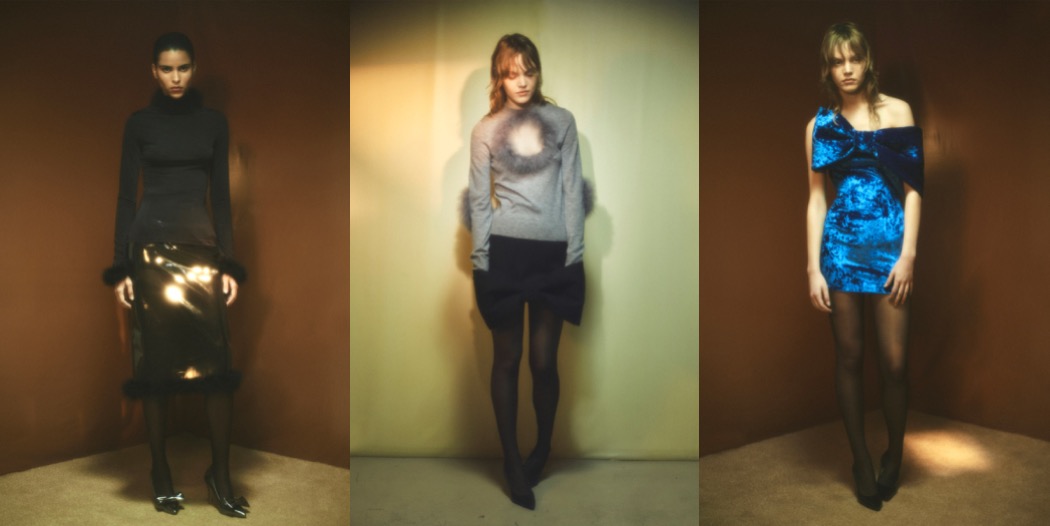
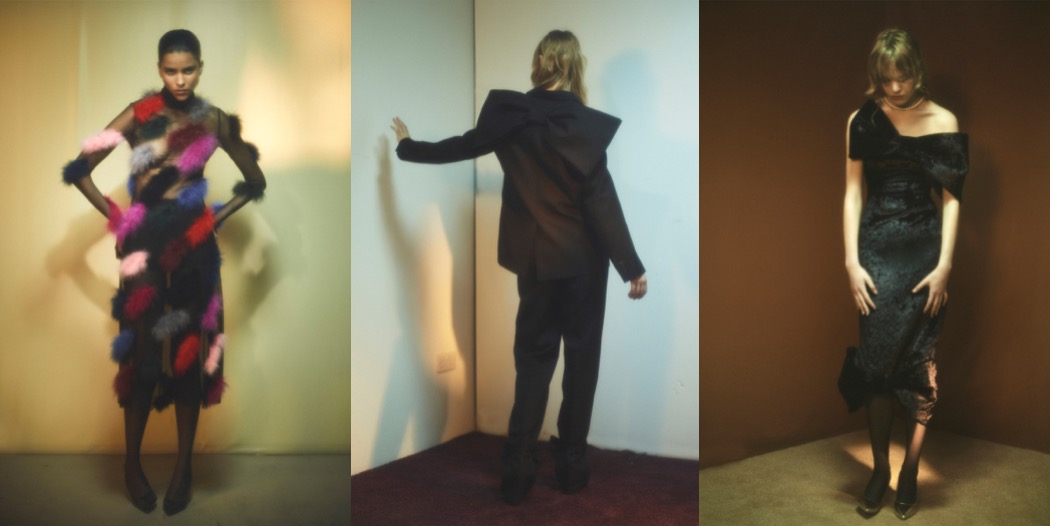
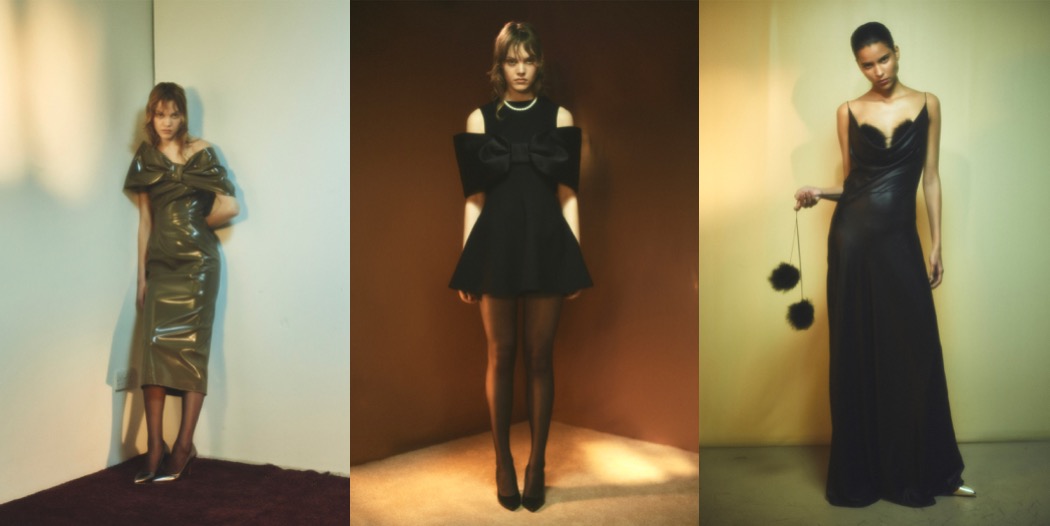
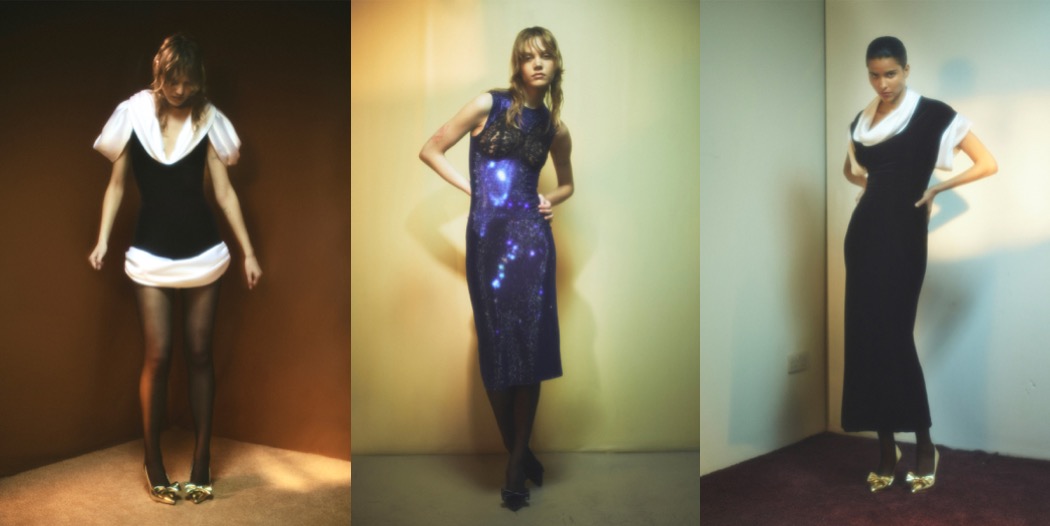
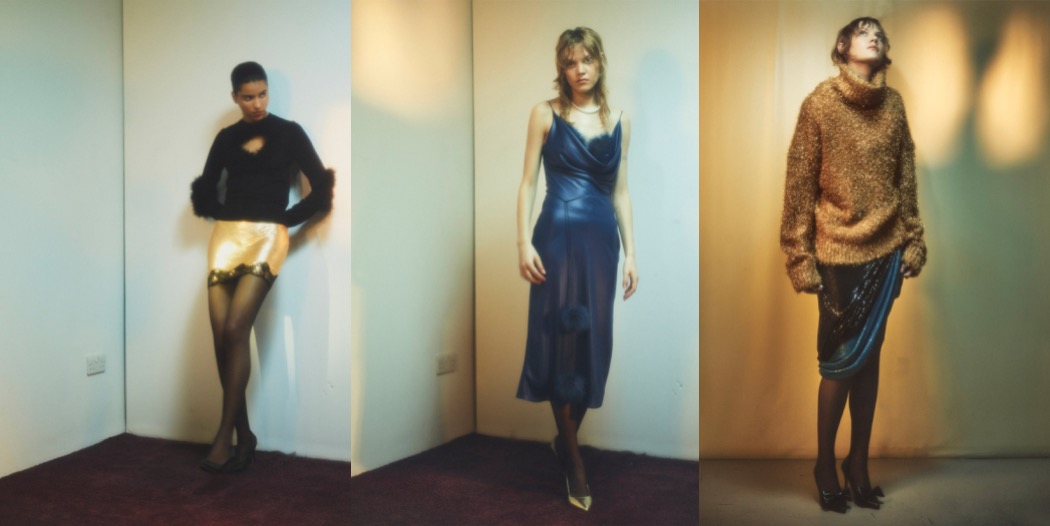
Collage by Edward Kanarecki.
Don’t forget to follow Design & Culture by Ed on Instagram! By the way, did you know that I’ve started a newsletter called Ed’s Dispatch? Click here to subscribe!
 Design & Culture by Ed